Historical Development of Barcode Printing Technology (Part 8) |
*(Focus: Future Innovations, AI Optimization, Next-Generation Materials, and Sustainable Printing Technologies)* |
55. Introduction to the Future of Barcode Printing |
55.1 |
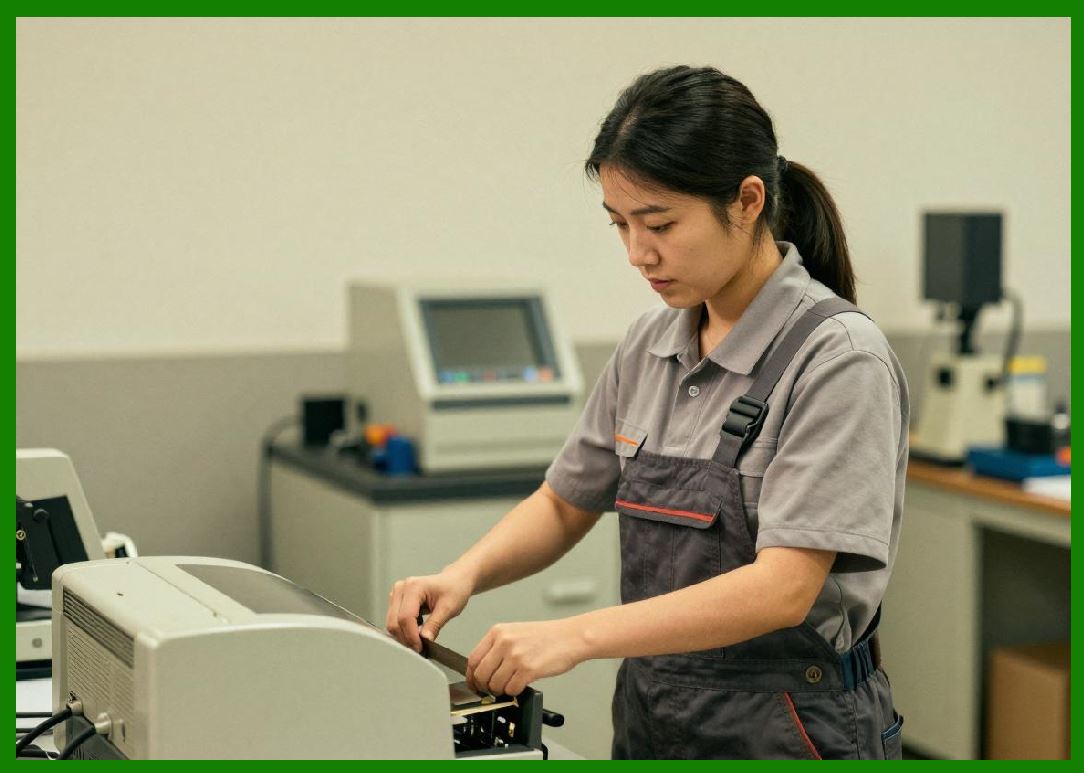
Barcode printing technology, after decades of evolution, is now entering a new phase driven by digital transformation, artificial intelligence, advanced materials science, and sustainability requirements. While earlier stages focused on reliability, resolution, and industrial integration, modern innovation is centered on intelligence, adaptability, and environmental responsibility. |
55.2 |
Future barcode printing systems are expected to become: |
55.2.1 |
More autonomous (self-optimizing and self-correcting) |
55.2.2 |
More connected (deep integration with cloud and IoT systems) |
55.2.3 |
More durable (using advanced materials) |
55.2.4 |
More sustainable (reducing environmental impact) |
55.3 |
These developments are reshaping barcode printing from a mechanical output process into a data-driven, intelligent manufacturing component. |
|
56. Artificial Intelligence in Barcode Printing |
56.1 Role of AI in Print Optimization |
56.1.1 |
Artificial intelligence (AI) is increasingly being integrated into barcode printing systems to optimize performance in real time. |
56.1.2 |
AI algorithms can analyze multiple variables, including: |
56.1.2.1 |
Printhead temperature |
56.1.2.2 |
Media type |
56.1.2.3 |
Environmental conditions |
56.1.2.4 |
Historical print quality data |
56.1.3 |
Based on this analysis, AI can dynamically adjust printing parameters to maintain optimal output quality. |
56.2 Machine Learning for Quality Prediction |
56.2.1 |
Machine learning models can predict potential print defects before they occur. |
56.2.2 |
These systems use historical data to identify patterns associated with: |
56.2.2.1 |
Printhead wear |
56.2.2.2 |
Ribbon degradation |
56.2.2.3 |
Media inconsistencies |
56.2.3 |
Predictive capabilities enable proactive maintenance and reduce downtime. |
56.3 Real-Time Error Detection and Correction |
56.3.1 |
AI-powered systems can detect printing errors during the printing process. |
56.3.2 |
Examples include: |
56.3.2.1 |
Missing elements in a barcode |
56.3.2.2 |
Contrast inconsistencies |
56.3.2.3 |
Alignment issues |
56.3.3 |
Upon detection, the system can: |
56.3.3.1 |
Pause printing |
56.3.3.2 |
Adjust parameters |
56.3.3.3 |
Reprint defective labels |
56.4 Integration with Vision Systems |
56.4.1 |
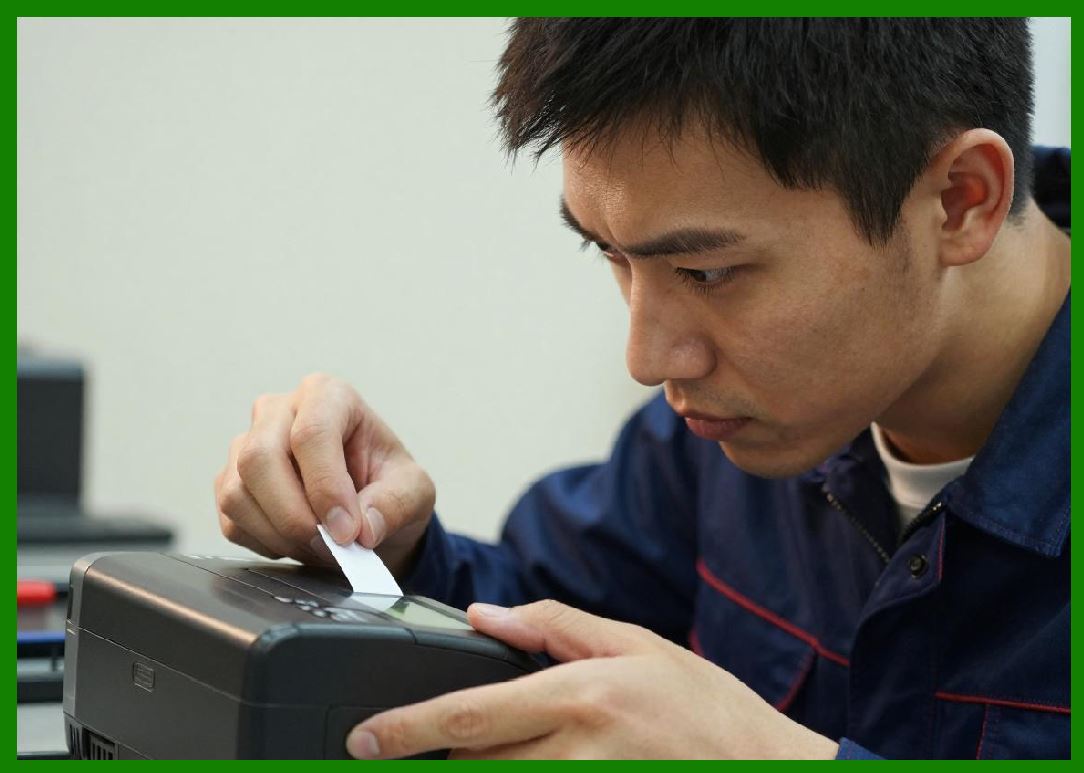
AI is often combined with machine vision systems for enhanced verification. |
56.4.2 |
Cameras capture images of printed barcodes, which are analyzed in real time. |
56.4.3 |
This allows for: |
56.4.3.1 |
Inline verification |
56.4.3.2 |
Automated grading |
56.4.3.3 |
Immediate feedback loops |
|
57. Next-Generation Printing Materials |
57.1 Nanomaterial-Based Inks and Coatings |
57.1.1 |
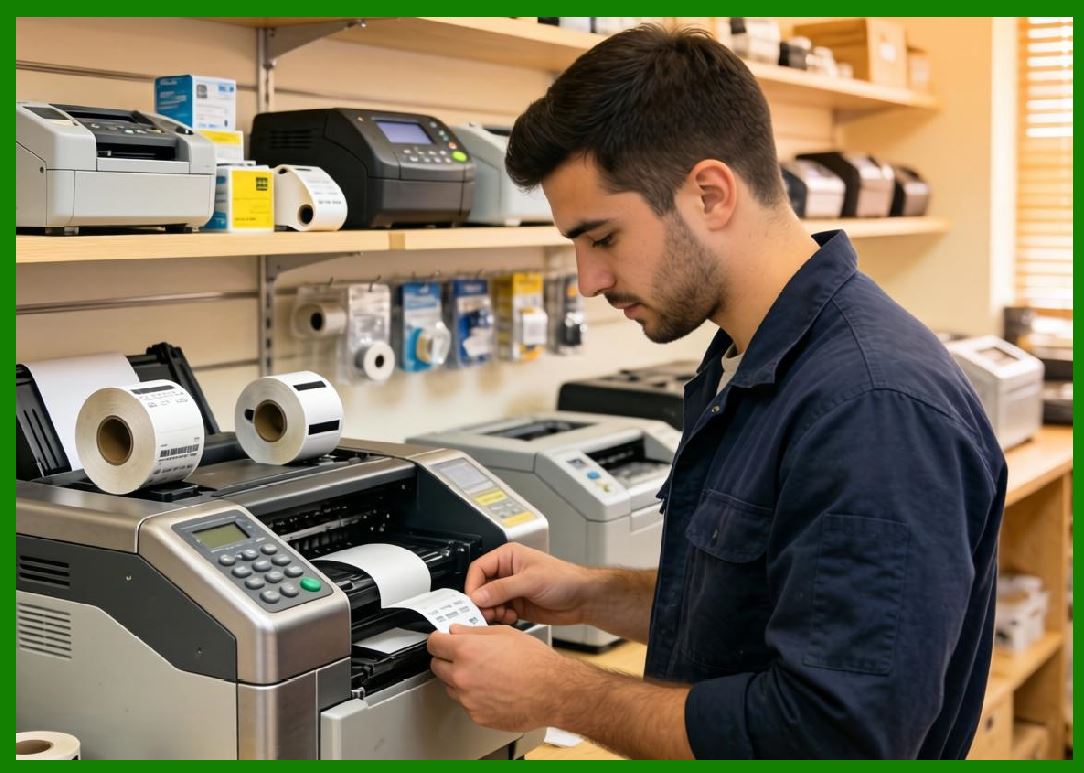
Nanotechnology is enabling the development of advanced inks and coatings with superior properties. |
57.1.2 |
These materials offer: |
57.1.2.1 |
Enhanced durability |
57.1.2.2 |
Improved adhesion |
57.1.2.3 |
Resistance to environmental degradation |
57.1.3 |
Nanoparticles can be engineered to respond to specific stimuli, such as heat or light. |
57.2 Smart Materials for Dynamic Labels |
57.2.1 |
Smart materials can change properties based on environmental conditions. |
57.2.2 |
Examples include: |
57.2.2.1 |
Thermochromic materials (change color with temperature) |
57.2.2.2 |
Photochromic materials (change under light exposure) |
57.2.2.3 |
Electrochromic materials (change with electrical input) |
57.2.3 |
These materials enable dynamic barcode labels with additional functionality. |
57.3 Flexible and Stretchable Substrates |
57.3.1 |
Future barcode labels may be printed on flexible or stretchable materials. |
57.3.2 |
Applications include: |
57.3.2.1 |
Wearable devices |
57.3.2.2 |
Medical monitoring systems |
57.3.2.3 |
Flexible packaging |
57.3.3 |
These substrates require advanced printing techniques to maintain barcode integrity under deformation. |
57.4 Self-Healing Materials |
57.4.1 |
Self-healing materials can repair minor damage automatically. |
57.4.2 |
This technology can extend the lifespan of barcode labels in harsh environments. |
|
58. Advanced Printing Techniques |
58.1 Digital Inkjet Barcode Printing |
58.1.1 |
Inkjet printing is increasingly being used for high-resolution barcode printing. |
58.1.2 |
Advantages include: |
58.1.2.1 |
Variable data printing |
58.1.2.2 |
High-speed operation |
58.1.2.3 |
Non-contact printing |
58.1.3 |
Inkjet technology is particularly useful for packaging applications. |
58.2 Laser Marking and Direct Part Marking (DPM) |
58.2.1 |
Laser marking technology allows barcodes to be directly engraved onto products. |
58.2.2 |
This method is used in: |
58.2.2.1 |
Aerospace |
58.2.2.2 |
Automotive |
58.2.2.3 |
Electronics manufacturing |
58.2.3 |
Benefits include: |
58.2.3.1 |
Permanent marking |
58.2.3.2 |
Resistance to environmental factors |
58.2.3.3 |
Elimination of labels |
58.3 Microprinting and High-Density Encoding |
58.3.1 |
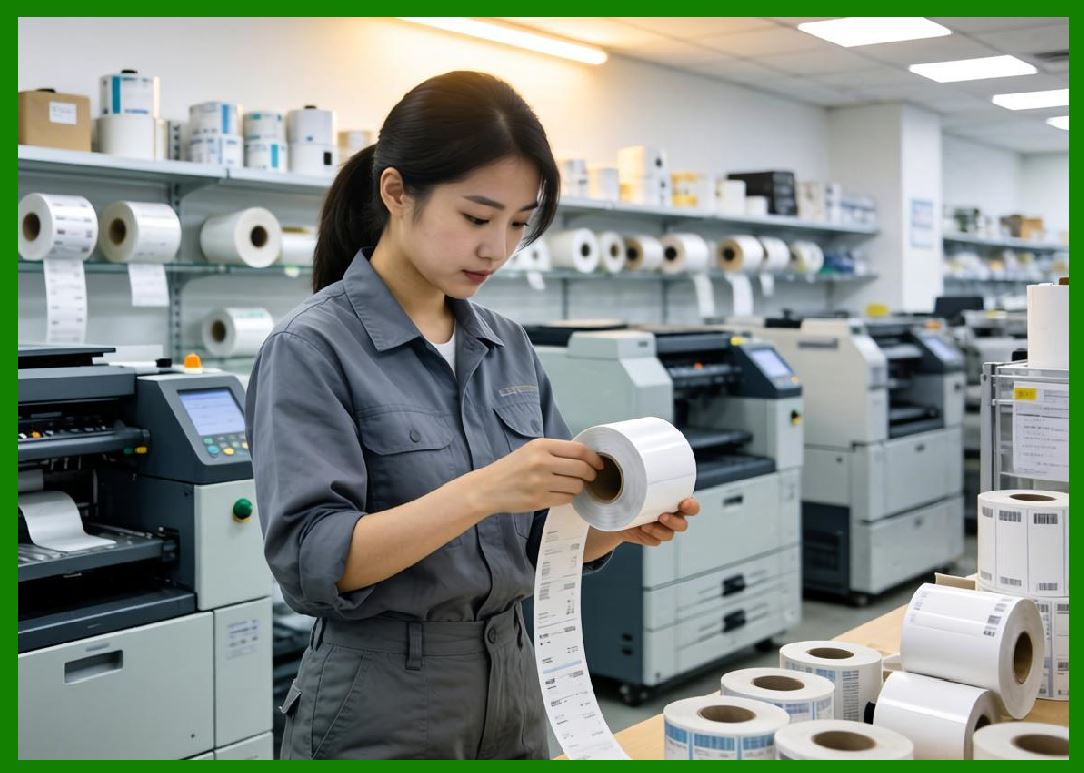
Advancements in printing resolution enable extremely small barcodes. |
58.3.2 |
Microprinting is used in: |
58.3.2.1 |
Electronics components |
58.3.2.2 |
Medical devices |
58.3.3 |
This requires (extremely) precise control over printing parameters. |
|
59. Sustainability and Eco-Friendly Printing |
59.1 Environmental Impact of Traditional Printing |
59.1.1 |
Traditional barcode printing involves: |
59.1.1.1 |
Consumables (ribbons, labels) |
59.1.1.2 |
Energy consumption |
59.1.1.3 |
Waste generation |
59.1.2 |
Sustainability has become a major concern for industries worldwide. |
59.2 Eco-Friendly Materials |
59.2.1 |
New materials are being developed to reduce environmental impact: |
59.2.1.1 |
Recyclable label substrates |
59.2.1.2 |
Biodegradable adhesives |
59.2.1.3 |
Non-toxic coatings |
59.3 Reduction of Consumables |
59.3.1 |
Technologies such as direct thermal printing reduce the need for consumables. |
59.3.2 |
Ribbon recycling programs are also being implemented. |
59.4 Energy Efficiency Improvements |
59.4.1 |
Modern printers are designed to minimize energy consumption through: |
59.4.1.1 |
Efficient heating (elements) |
59.4.1.2 |
Power-saving modes |
59.5 Sustainable Supply Chain Integration |
59.5.1 |
Barcode printing is being integrated into sustainable supply chain initiatives. |
59.5.2 |
This includes: |
59.5.2.1 |
Reducing packaging waste |
59.5.2.2 |
Improving traceability |
59.5.2.3 |
Supporting circular economy models |
|
60. Integration with Emerging Digital Technologies |
60.1 Blockchain and Traceability |
60.1.1 |
Blockchain technology is being integrated with barcode systems for enhanced traceability. |
60.1.2 |
Barcodes act as physical links to digital records stored on blockchain networks. |
60.2 Augmented Reality (AR) Applications |
60.2.1 |
AR systems can overlay digital information when scanning barcodes. |
60.2.2 |
This enhances user interaction and data visualization. |
60.3 Smart Packaging and IoT Integration |
60.3.1 |
Smart packaging combines barcodes with sensors and connectivity. |
60.3.2 |
Applications include: |
60.3.2.1 |
Real-time condition monitoring |
60.3.2.2 |
Consumer engagement |
60.4 Expansion of 2D Barcode Ecosystems |
60.4.1 |
2D barcodes such as QR Code are becoming central to digital ecosystems. |
60.4.2 |
They enable: |
60.4.2.1 |
Consumer interaction |
60.4.2.2 |
Product authentication |
60.4.2.3 |
Data analytics |
|
61. Challenges and Considerations for Future Development |
61.1 |
Despite rapid advancements, several challenges remain: |
61.1.1 |
Cost of new technologies |
61.1.2 |
Compatibility with existing systems |
61.1.3 |
Standardization of emerging technologies |
61.1.4 |
Security and data privacy concerns |
|
62. Summary of Part 8 |
62.1 |
Future barcode printing technology is driven by AI, advanced materials, and sustainability. |
62.2 |
AI enables real-time optimization and predictive maintenance. |
62.3 |
Next-generation materials enhance durability and functionality. |
62.4 |
Advanced printing techniques expand application possibilities. |
62.5 |
Sustainability is becoming a key focus in technology development. |
62.6 |
Integration with digital technologies is transforming barcode printing into a central component of intelligent systems. |
Conclusion of This Section |
This concludes the detailed expansion of the Historical Development of Barcode Printing Technology (Sections 2.1.7 and beyond) across Parts 1. |
 cs@easiersoft.com