1. Introduction |
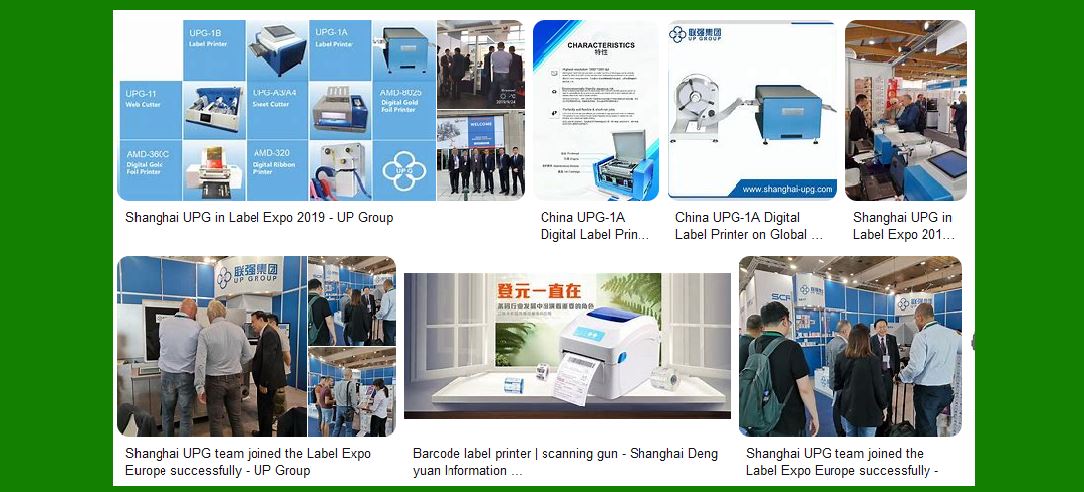
The Shanghai UPG barcode label printer is a versatile and high-performance device designed to meet the demands of various labeling applications. Known for its reliability and efficiency, this printer is used across diverse industries, including retail, logistics, manufacturing, and healthcare. In this detailed overview, we will examine the printer's key features, technical specifications, and operational capabilities. |
|
2. Printer Overview |
2.1. Design and Build |
The Shanghai UPG barcode label printer typically features a robust and compact design. It is built to withstand the rigors of industrial environments while maintaining a user-friendly interface. The printer's exterior is often constructed from durable materials such as metal and high-impact plastic, which provide both protection and longevity. |
2.2. Print Mechanism |
The UPG printer uses thermal transfer or direct thermal printing technology. Thermal transfer printing involves a ribbon that melts ink onto the label material, resulting in durable and high-quality prints. Direct thermal printing, on the other hand, uses heat-sensitive media that darkens when exposed to heat, suitable for short-term labeling needs. |
2.3. User Interface |
The printer is equipped with an intuitive user interface, typically featuring a color LCD screen and a set of control buttons. The LCD screen provides real-time feedback on print status, error messages, and configuration settings. The control buttons allow users to navigate through menus, select print options, and perform maintenance tasks. |
|
3. Technical Specifications |
3.1. Print Resolution |
The Shanghai UPG barcode label printer offers a range of print resolutions to ensure clear and precise barcode reproduction. Common resolutions include 203 dpi, 300 dpi, and 600 dpi. Higher resolutions are particularly beneficial for printing smaller barcodes or detailed graphics. |
3.2. Print Speed |
Print speed is a critical factor for high-volume labeling applications. The UPG printer is designed to handle fast printing speeds, often ranging from 4 inches per second to 10 inches per second. This speed ensures efficient processing of large batches of labels. |
3.3. Label Size and Media |
The printer supports a variety of label sizes and media types. It can accommodate labels ranging from small 1-inch x 1-inch tags to large 4-inch x 6-inch labels. Media types include paper, synthetic materials, and specialty media such as heat-resistant or waterproof labels. |
3.4. Connectivity Options |
Connectivity is essential for integrating the printer into different environments. The Shanghai UPG barcode label printer typically supports multiple connectivity options, including USB, Ethernet, and serial ports. Some models may also offer wireless connectivity options such as Bluetooth or Wi-Fi. |
3.5. Memory and Processing Power |
To handle complex print jobs and store label templates, the UPG printer is equipped with adequate memory and processing power. It usually includes internal memory for storing fonts, graphics, and label formats, and a processor capable of managing high-speed printing tasks. |
|
4. Features and Capabilities |
4.1. Barcode Printing |
The printer excels in producing various types of barcodes, including linear barcodes (such as Code 39, Code 128, and UPC) and 2D barcodes (such as QR codes and Data Matrix). The high print resolution ensures that even the most intricate barcode designs are printed accurately. |
4.2. Label Design Software |
The UPG printer often comes with label design software that allows users to create and customize label layouts. This software typically includes features for adding text, images, barcodes, and design elements. It may also offer advanced functions such as database integration and variable data printing. |
4.3. Media Handling |
The printer is designed with flexible media handling capabilities. It usually includes adjustable label guides to accommodate different label sizes and media types. Additionally, it often supports various roll sizes and label lengths, making it suitable for a wide range of applications. |
4.4. Durability and Reliability |
Built for industrial use, the Shanghai UPG barcode label printer is designed to operate continuously in demanding environments. It often features a rugged construction that resists dust, moisture, and other environmental factors. Regular maintenance is facilitated by easy access to key components such as the printhead and platen roller. |
|
5. Operational Performance |
5.1. Ease of Use |
The UPG printer is designed with user convenience in mind. The intuitive interface and straightforward setup process make it easy for operators to get the printer up and running quickly. The inclusion of instructional guides and troubleshooting resources further enhances usability. |
5.2. Print Quality |
The printer delivers high-quality prints with sharp text and crisp barcodes. The choice of print resolution and media type plays a significant role in achieving optimal print quality. The printer's ability to handle various label materials ensures that prints remain legible and durable under different conditions. |
5.3. Maintenance and Support |
Routine maintenance is essential to keep the printer in good working condition. The Shanghai UPG barcode label printer is designed for easy maintenance, with accessible components for cleaning and replacement. Manufacturers often provide detailed maintenance guides and customer support to assist with any issues. |
5.4. Cost of Operation |
The cost of operating the UPG printer includes consumables such as labels and ribbons (for thermal transfer printing). The printer's efficiency and durability contribute to cost savings over time by reducing the frequency of maintenance and minimizing print errors. |

|
6. Applications and Use Cases |
6.1. Retail |
In retail environments, the Shanghai UPG barcode label printer is used for printing product labels, price tags, and shelf labels. Its ability to handle various label sizes and types makes it suitable for diverse retail labeling needs. |
6.2. Logistics |
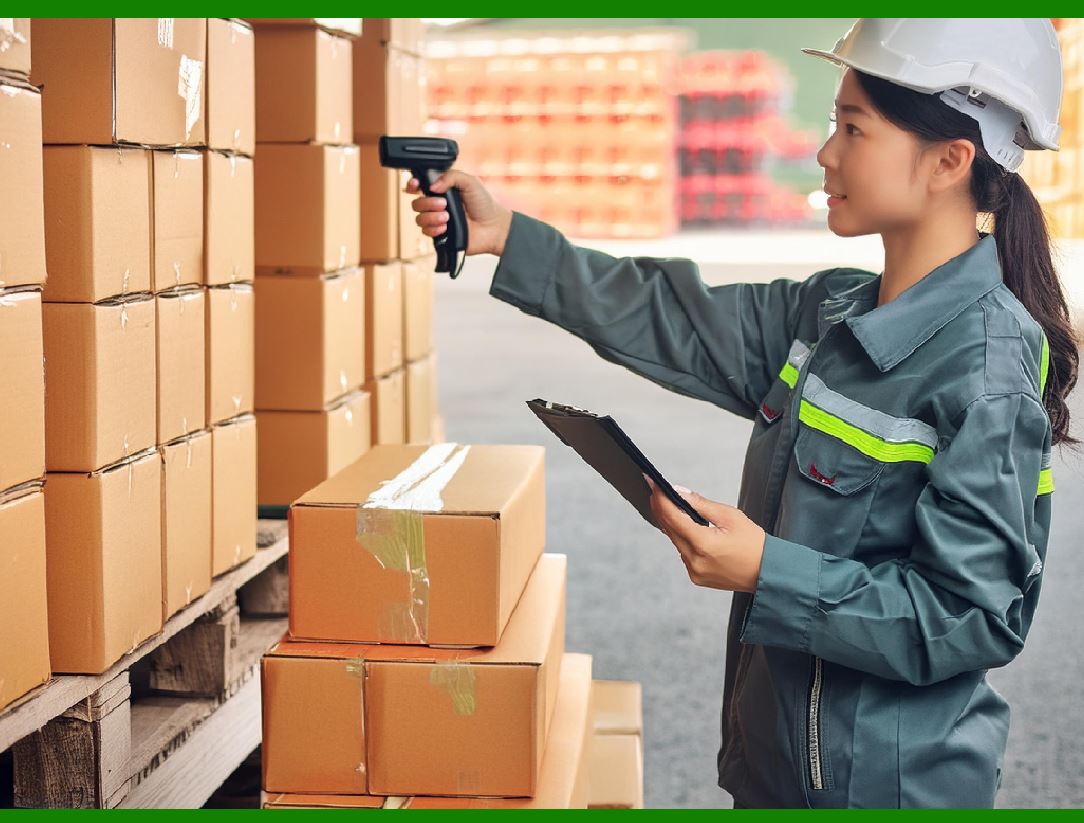
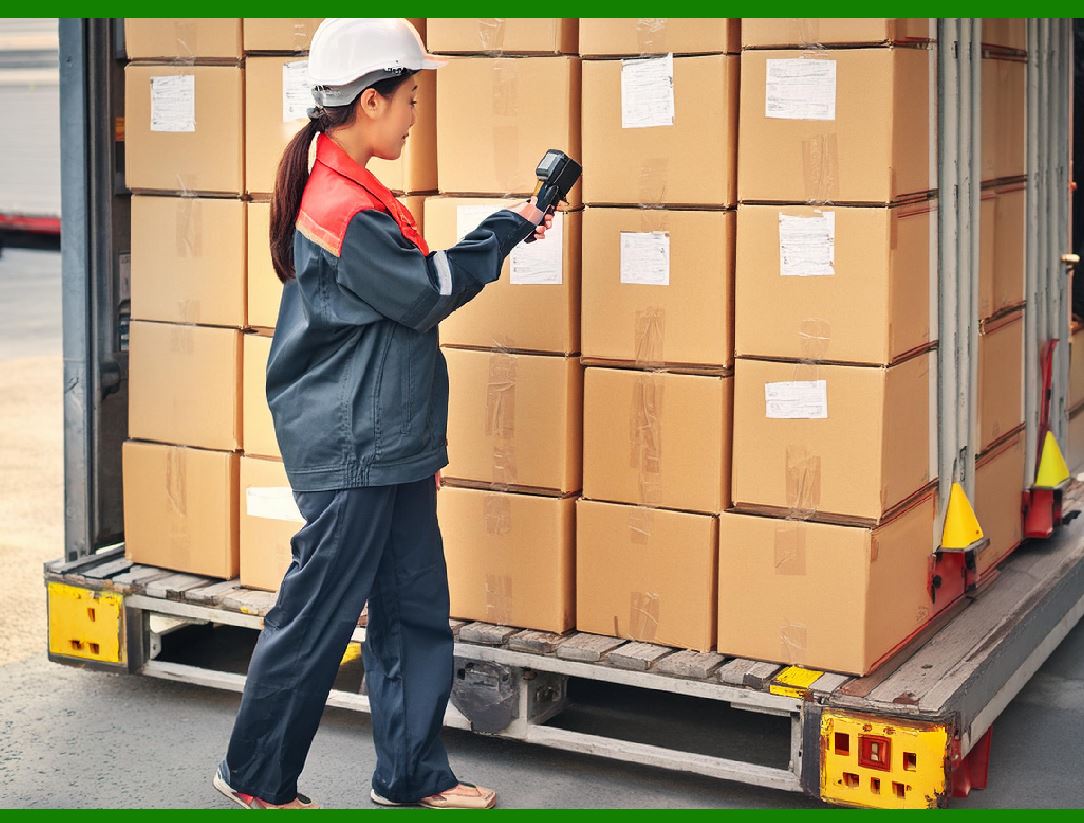
For logistics and warehousing applications, the printer is employed to create shipping labels, barcode labels for inventory management, and address labels. Its high print speed and accuracy contribute to efficient operations and accurate tracking. |
6.3. Manufacturing |
In manufacturing settings, the UPG printer is used for labeling products, packaging, and components. It supports the production of durable labels that can withstand harsh conditions such as high temperatures and exposure to chemicals. |
6.4. Healthcare |
The printer is utilized in healthcare facilities to produce patient identification labels, medication labels, and specimen labels. Its high print resolution ensures that important information, including barcodes, is clearly readable. |

|
7. Comparisons and Alternatives |
7.1. Comparative Analysis |
When comparing the Shanghai UPG barcode label printer with other models, factors such as print speed, resolution, connectivity options, and media handling capabilities are crucial. Competitors may offer similar features but with variations in performance and cost. |
7.2. Alternative Models |
Alternative models from different manufacturers may provide specific advantages depending on the application's requirements. For instance, some models may offer advanced features such as RFID encoding or enhanced connectivity options. |

|
8. Conclusion |
The Shanghai UPG barcode label printer is a versatile and reliable device that meets the needs of various industries. With its robust design, high-quality printing capabilities, and flexible media handling, it is well-suited for a range of labeling applications. Its ease of use, durability, and performance make it a valuable tool for businesses seeking efficient and accurate labeling solutions. |
 cs@easiersoft.com