1. Introduction to Laser Coding Machines |
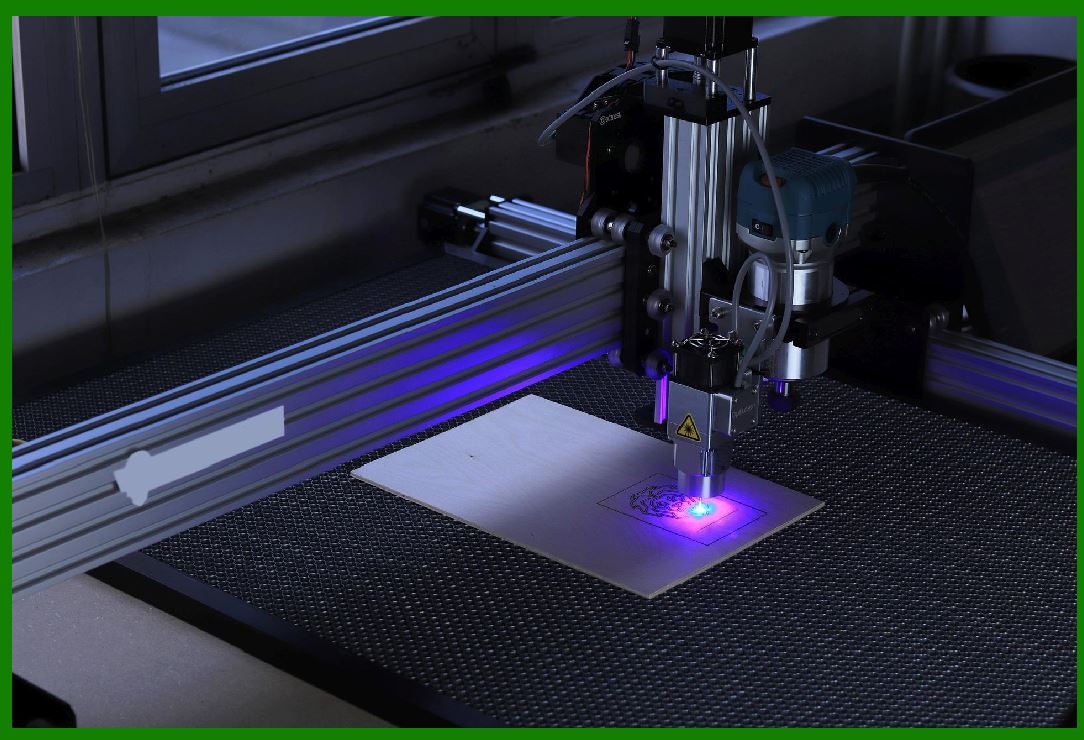
Laser coding machines are precision tools designed for printing high-quality alphanumeric characters, barcodes, logos, and other identification marks on various materials using laser technology. These machines employ focused laser beams to etch or mark surfaces, offering significant advantages over traditional ink-based methods in terms of durability, precision, and speed. They are widely used in industries such as packaging, automotive, pharmaceuticals, and electronics. |
Laser coding, also referred to as laser marking or laser engraving, is a non-contact, non-destructive method that utilizes concentrated light energy to create marks on a surface. The laser beam can change the surface properties of materials by causing thermal changes, such as engraving or melting. |
|
2. Basic Structure of Laser Coding Machines |
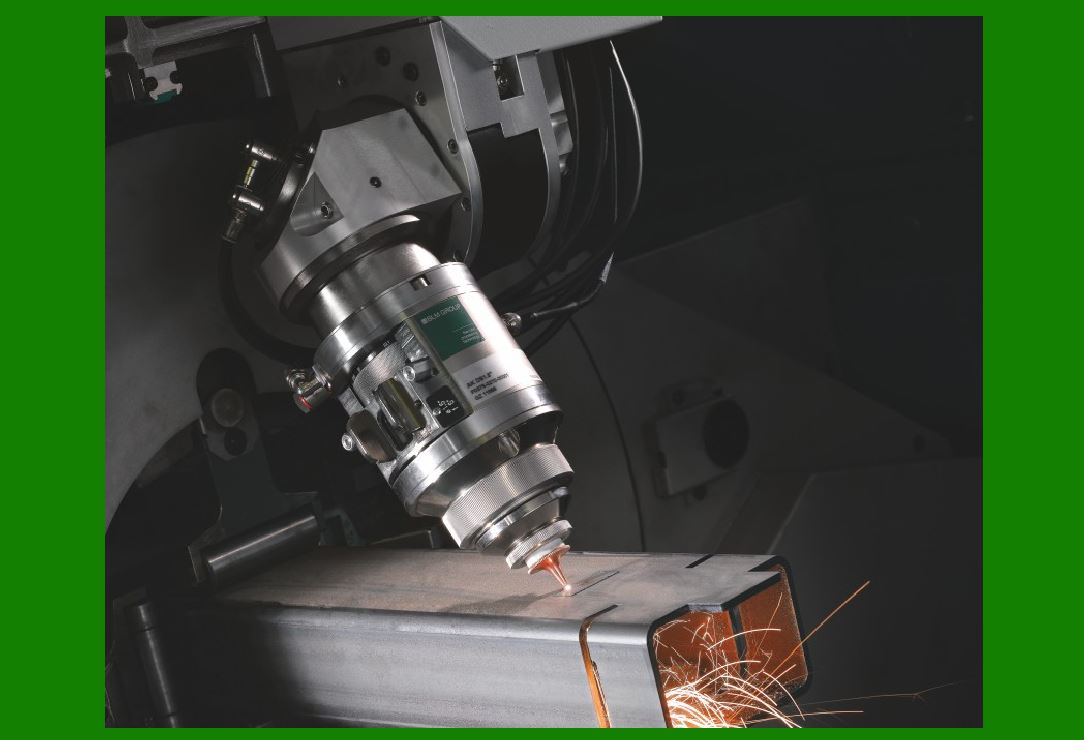
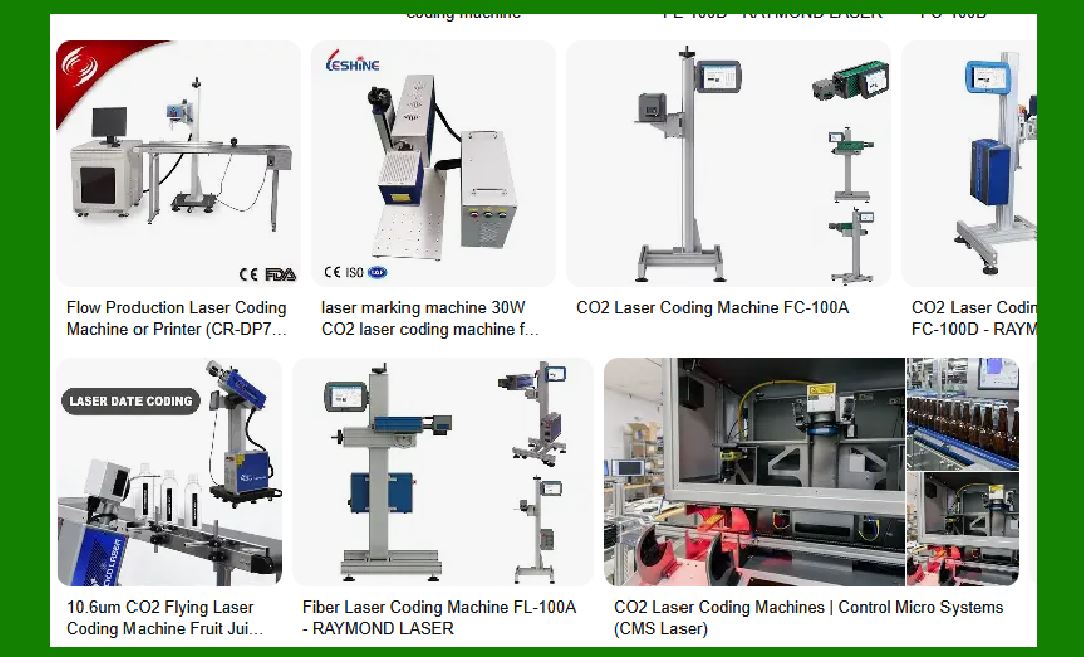
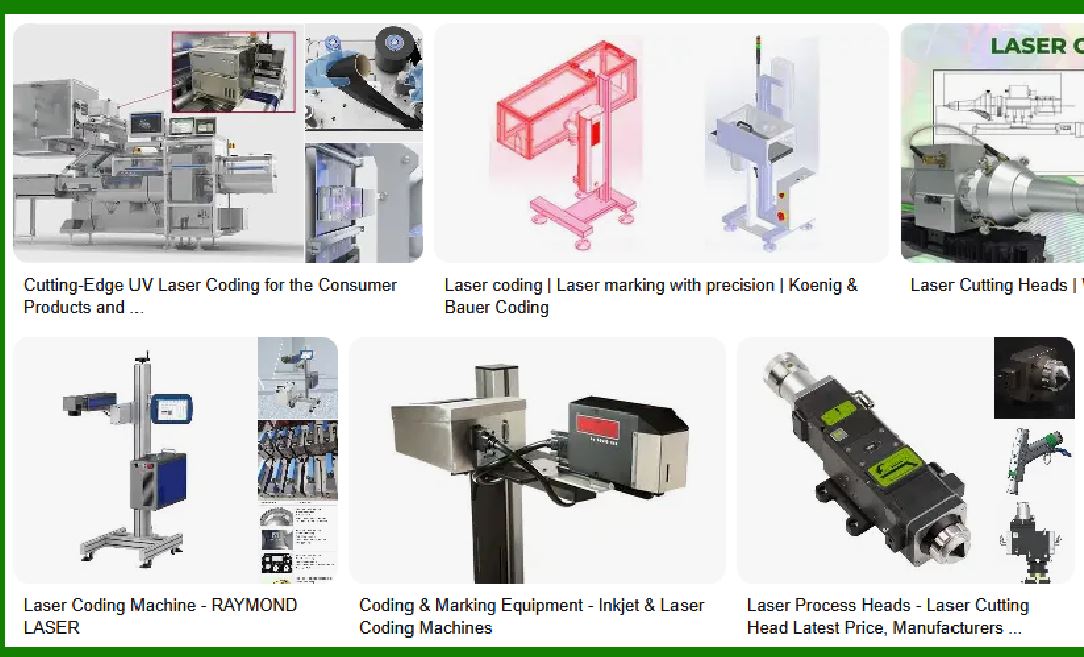
Laser coding machines typically consist of several key components that work in synergy to generate, focus, and direct the laser beam onto the target material. The main components include: |
2.1 Laser Source |
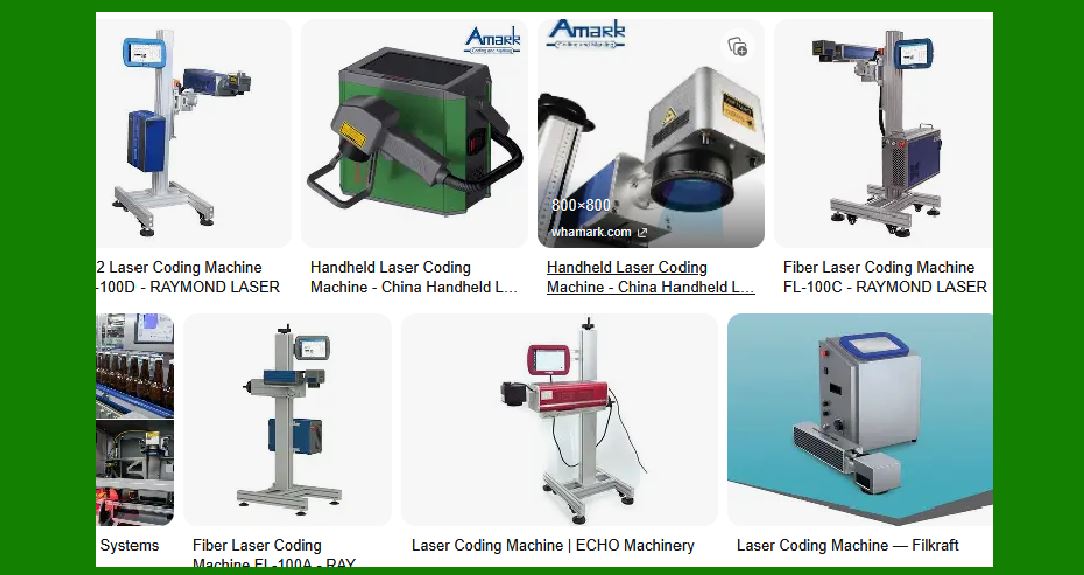
The laser source is the heart of the laser coding machine. It generates the laser beam required for the marking process. There are various types of laser sources used in these machines, including: |
CO2 Lasers: Ideal for non-metallic materials like plastic, wood, and glass. |
Fiber Lasers: Used for metals, plastics, and ceramics, offering high precision and excellent beam quality. |
Diode Lasers: These are smaller, more energy-efficient sources used in some low-power applications. |
The laser source determines the wavelength, power, and quality of the laser beam. It is responsible for producing the light energy that will be focused onto the target surface. |
2.2 Laser Beam Delivery System |
The beam delivery system consists of mirrors and lenses that help in directing the laser beam from the source to the workpiece. This system is crucial for ensuring that the laser is focused with the desired intensity at the point of marking. |
Beam Expander: A set of optics that adjusts the diameter of the laser beam for better focus control. |
Galvo Scanners: High-speed mirrors that rapidly redirect the laser beam to the designated position on the surface, allowing for fast and precise marking. |
2.3 Marking Head |
The marking head holds the laser optics and scanning system. It moves over the workpiece, following programmed instructions to mark the material. It may contain: |
Focusing Lens: Focuses the laser beam into a small spot, increasing the power density for precise marking. |
Scanning Mirrors: These are driven by motors or galvanometers, and they guide the laser beam to specific locations on the surface of the material. |
2.4 Control Unit |
The control unit is the 'brain' of the laser coding machine. It contains a microprocessor or programmable logic controller (PLC) responsible for interpreting input data (such as text, barcodes, or logos) and controlling the machine's operations. The control unit ensures that the laser's path, power, and timing are correctly synchronized with the desired marking pattern. |
2.5 Workstation and Conveyor System |
The workstation is the area where the materials are placed for marking. The conveyor system, often integrated into the laser coding machine, moves the material through the laser marking area. It ensures that the material is correctly positioned for each pass and that the marking is consistent across different products. |
2.6 Cooling System |
Since lasers generate significant heat, a cooling system is essential to prevent overheating. This system typically uses either air or water to maintain the temperature of the laser source and other components within an optimal range. |
2.7 Power Supply |
The power supply provides the necessary energy to the laser source. It converts electrical power into the high-voltage signals required to generate a laser beam. The power supply is a critical component in determining the performance of the laser machine, as it influences the intensity and duration of the laser pulses. |
|
3. Working Principle of Laser Coding Machines |
The working principle of laser coding machines is based on the interaction between the laser beam and the surface of the material being marked. Here¡¯s how the process works: |
3.1 Laser Generation and Emission |
The laser source generates a highly focused beam of light, which is then directed towards the surface of the material. The light produced in the laser source typically has a very specific wavelength, determined by the type of laser being used. For example, CO2 lasers emit infrared light with a wavelength of around 10.6 microns, while fiber lasers operate at wavelengths between 1 and 1.5 microns. |
3.2 Beam Focusing |
The laser beam travels through a series of mirrors and lenses before it reaches the focal point, where it is focused into a small, intense spot. The lens determines the size of this focused spot, and the smaller the spot, the more precise the marking. |
3.3 Material Interaction |
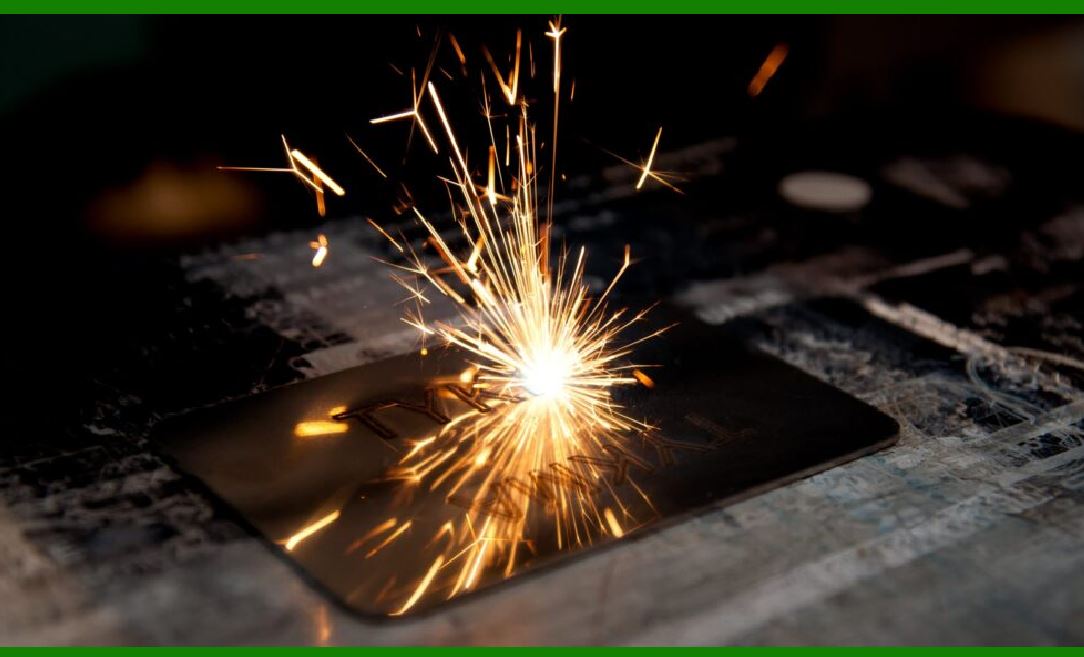
When the laser beam strikes the surface of the material, it transfers energy in the form of heat. The heat causes the material to react in one of the following ways: |
Surface Etching: The heat causes the top layer of the material to vaporize, leaving a permanent mark. |
Engraving: In some cases, the laser may remove a deeper layer of material, creating an indentation. |
Color Change: In materials like anodized aluminum or certain plastics, the laser can cause a chemical change that results in a color shift without actually removing any material. |
3.4 Scanning and Motion |
The marking head moves across the surface of the material, usually along the X and Y axes, while the laser beam is dynamically directed by mirrors and galvanometers. This movement allows for complex patterns, such as text, logos, and barcodes, to be marked accurately. |
3.5 Cooling and Residue Removal |
Once the material has been marked, the heat generated by the laser dissipates, and the workpiece cools down. If there are any residues (such as vaporized material), they are often removed through an exhaust system that vacuums away particles or fumes generated during the marking process. |
|
4. Types of Laser Marking Techniques |
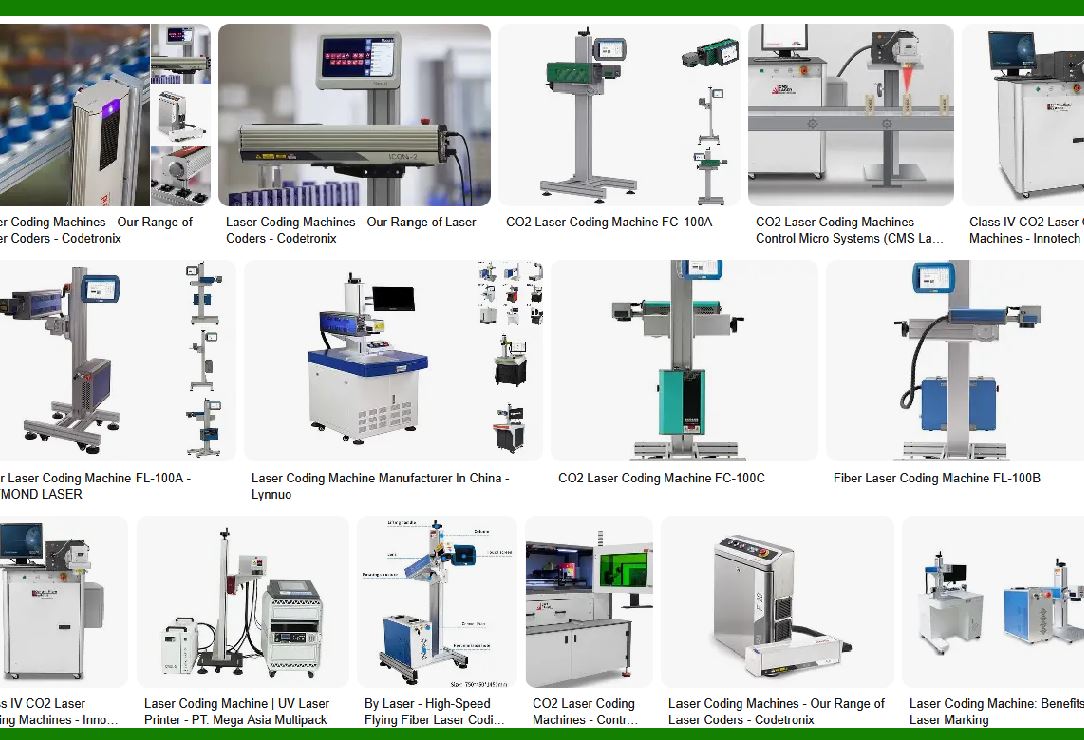
Laser coding machines employ several different marking techniques, each with its own set of applications: |
4.1 Engraving |
Engraving is a method in which the laser removes material from the surface to create deep, permanent marks. It is commonly used on metals, ceramics, and plastics where durability is essential. |
4.2 Etching |
Etching involves applying lower power to the laser beam, which vaporizes a thin layer of material on the surface. This technique creates fine, shallow marks and is used for detailed artwork or micro-marking. |
4.3 Annealing |
In annealing, the laser beam causes a controlled heating of the material without removing any material. This technique is commonly used for marking metals like stainless steel, creating a color change without affecting the material¡¯s integrity. |
4.4 Foaming |
Foaming is used primarily for marking plastics. It involves using a high-powered laser beam that causes the plastic to bubble and change color, creating a visible mark on the surface. |
|
5. Laser Coding Machine Software |
Laser coding machines are controlled by specialized software that communicates with the machine¡¯s hardware components. This software allows operators to design the markings, input text, and upload graphics. The software also allows for the control of various settings, such as power, speed, frequency, and focus. The software may be integrated with other systems, such as Enterprise Resource Planning (ERP) or Manufacturing Execution Systems (MES), to facilitate automated product identification. |
This is a detailed introduction and the beginning of the explanation. The full description would continue with sections on types of lasers, their applications in specific industries, maintenance, troubleshooting, and much more. |
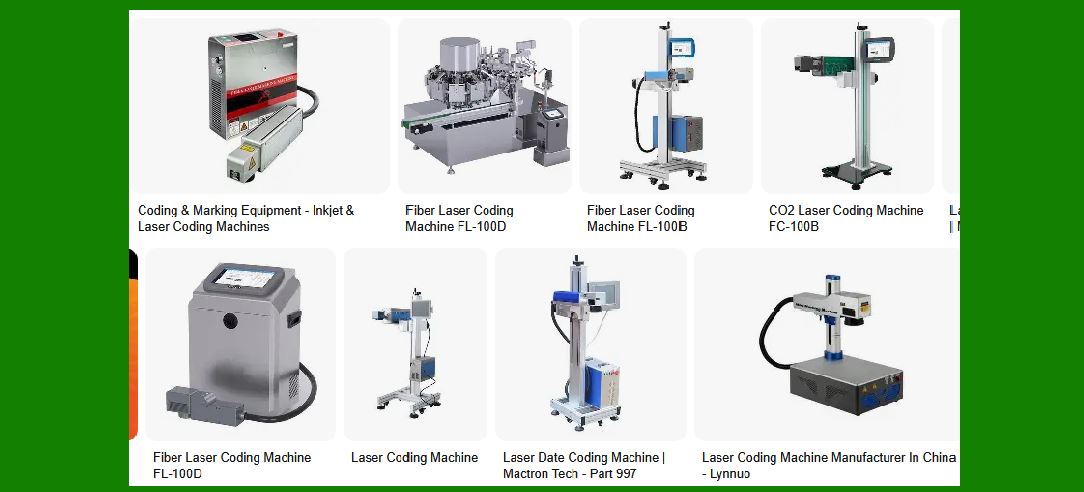
Let's continue expanding on the structure and working principle of laser coding machines, diving deeper into more technical aspects, applications, and additional components. |
|
6. Laser Marking Technology |
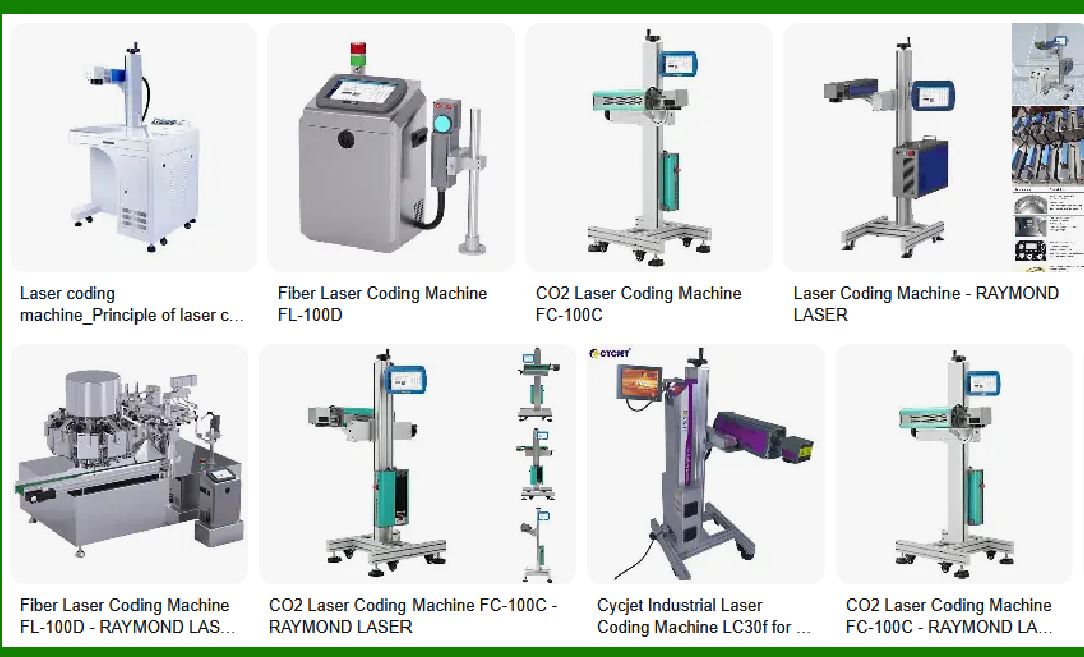
The choice of laser marking technology is critical for optimizing the machine's performance for specific materials and applications. There are several types of laser technologies employed, each with its own advantages depending on the material and environment. |
6.1 CO2 Lasers |
CO2 lasers are one of the most commonly used types of lasers in coding machines. These lasers emit infrared light with a wavelength of 10.6 microns, which is ideal for marking organic materials like plastics, wood, glass, and paper. CO2 lasers are also suitable for marking a variety of coatings and painted surfaces. |
6.1.1 Advantages of CO2 Lasers |
Excellent for Non-Metallic Materials: CO2 lasers excel at marking non-metallic materials like plastics, rubber, and ceramics. |
High Quality: These lasers provide high-quality, precise markings. |
Cost-Effective: CO2 lasers tend to be less expensive than fiber lasers, making them suitable for a wide range of applications. |
6.1.2 Applications of CO2 Lasers |
Packaging Industry: For marking on packaging materials like cardboard and plastic. |
Textile Industry: To mark fabrics and materials like leather. |
Food and Beverage: For marking expiration dates, logos, and barcodes on food containers. |
6.2 Fiber Lasers |
Fiber lasers have gained significant popularity in industrial marking applications due to their precision, energy efficiency, and ability to mark high-contrast images on metals and plastics. These lasers use an optical fiber doped with rare-earth elements like ytterbium or neodymium to generate light. |
6.2.1 Advantages of Fiber Lasers |
High Efficiency: Fiber lasers are extremely energy-efficient and can convert a higher percentage of electrical energy into usable laser light. |
Precision: They provide high-precision marking, which is crucial for fine details and small fonts. |
Longer Lifespan: Fiber lasers have a longer service life and lower maintenance costs compared to other lasers. |
6.2.2 Applications of Fiber Lasers |
Metal Marking: Fiber lasers are excellent for marking metals such as stainless steel, aluminum, and titanium. |
Medical Devices: Marking on medical instruments and implants for traceability and compliance. |
Aerospace: For creating identification marks and part numbers on metal parts used in aircraft. |
6.3 Diode Lasers |
Diode lasers are the most compact and energy-efficient lasers in the market. They use semiconductor materials to generate light, and their small size makes them ideal for compact marking systems. Diode lasers are primarily used for marking on plastics and certain metals. |
6.3.1 Advantages of Diode Lasers |
Compact Size: Ideal for portable or space-constrained applications. |
Energy Efficiency: Very low power consumption, which makes them suitable for high-volume applications. |
Cost-Effective: Diode lasers are typically more affordable than fiber and CO2 lasers. |
6.3.2 Applications of Diode Lasers |
Plastic Parts: Commonly used for marking plastic components in automotive or electronics. |
Consumer Goods: Suitable for marking small items like keys, electronics, and packaging labels. |
|
7. Types of Laser Markings |
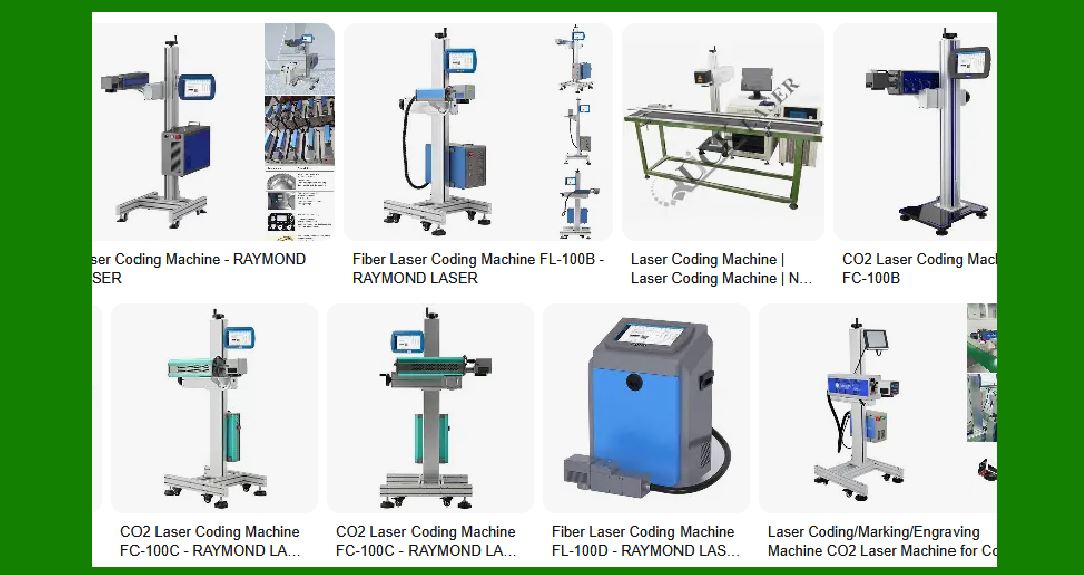
Laser coding machines offer a variety of marking techniques, which can be selected depending on the material, depth, and type of mark required. The main types of laser markings include engraving, etching, and color marking. |
7.1 Engraving |
Engraving is a deep laser marking technique in which material is physically removed to create permanent, highly durable marks. This technique is commonly used on metals, plastics, and ceramics where permanent marks are needed for traceability or identification. |
7.1.1 Process of Engraving |
The laser beam focuses on the surface, and the heat generated melts or vaporizes the material. The laser typically moves in a controlled manner, etching or cutting away a portion of the surface. The depth and width of the engraving can be adjusted by controlling the laser power and speed. |
7.2 Etching |
Etching is a finer, surface-level marking process that involves the vaporization of only the top layer of material. The result is a clean, readable mark that does not penetrate deeply into the material. |
7.2.1 Process of Etching |
During etching, the laser beam is focused on the material, causing a shallow removal of the top surface. This method is highly effective for creating text, logos, and barcodes on surfaces where detailed, fine features are needed. The level of contrast can be controlled by adjusting the laser power. |
7.3 Color Marking (Annealing) |
Color marking, also known as annealing, involves the application of heat to the material without actually removing any of it. In metals, this can cause a color change (such as darkening or lightening), which is useful for creating permanent marks while maintaining the integrity of the surface. |
7.3.1 Process of Color Marking |
The laser creates a thin layer of oxidation on the surface of the material. The heat causes different colors to form based on the material¡¯s reaction to the laser. This is often seen with stainless steel, where different colors can be used to create unique marks. |
7.4 Foaming |
Foaming is a marking process that causes the plastic material to bubble and form a colored mark on the surface. This technique is particularly useful for marking plastics and is often employed in industries where clear, readable marks are necessary for identification. |
7.4.1 Process of Foaming |
The laser uses high power to create a reaction in the material, causing the polymer to expand and change color. The result is a raised, frothy mark that is visible against the base material. |
|
8. Control System in Laser Coding Machines |
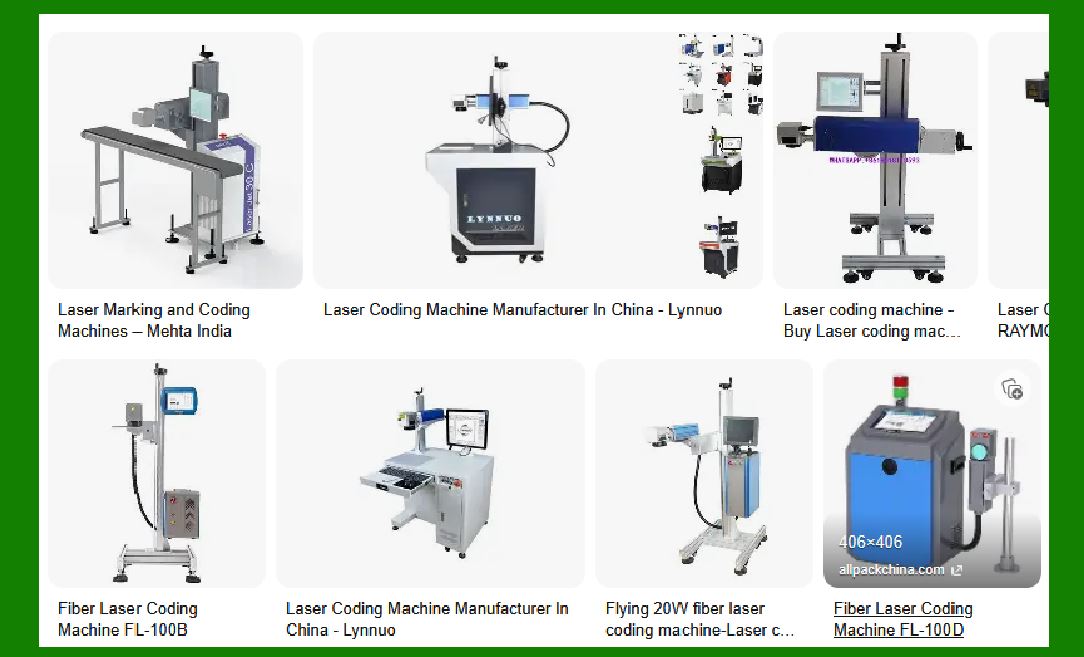
The control system is a crucial aspect of any laser coding machine. It interprets the input data and sends precise instructions to the laser and other components of the system. The main parts of the control system include: |
8.1 User Interface (UI) |
The user interface is where the operator can input and design markings, monitor the laser system, and adjust machine settings. Modern laser coding machines come with intuitive touch screens that allow for easy input of text, graphics, logos, and barcodes. |
8.1.1 Design Software Integration |
Many laser coding systems are integrated with specialized software, enabling operators to design complex markings, import images, and automatically generate QR codes or barcodes. |
8.2 Programmable Logic Controller (PLC) |
The PLC is the 'brain' of the laser coding machine. It coordinates the timing of the laser pulses, the movement of the marking head, and the interaction between various hardware components. |
8.2.1 PLC Functions |
Synchronization: Ensures that the laser pulses are synchronized with the movement of the marking head. |
Automation: Enables automated control of marking parameters based on preset instructions. |
Data Integration: Integrates with other factory systems such as MES (Manufacturing Execution Systems) or ERP (Enterprise Resource Planning) for seamless operations. |
8.3 Communication Protocols |
Modern laser coding systems support various communication protocols like TCP/IP, USB, or RS-232 to connect to other factory automation systems. This connectivity ensures that marking data is accurately transmitted and coordinated across the production line. |
|
9. Safety Features in Laser Coding Machines |
Since lasers are powerful sources of light and heat, laser coding machines are equipped with multiple safety features to protect operators and ensure that the marking process runs smoothly. |
9.1 Safety Enclosures |
Laser coding machines are often equipped with protective enclosures that shield operators from the laser beam. These enclosures typically include safety windows made from materials that can block harmful laser radiation. |
9.2 Emergency Stop Mechanisms |
Most systems have emergency stop buttons that can immediately shut down the laser or other critical components in case of a malfunction or emergency. |
9.3 Exhaust Systems |
To ensure safe working conditions, laser coding machines are often equipped with exhaust systems to remove fumes, gases, and particulate matter produced during the marking process, especially when marking materials that emit harmful substances. |
9.4 Eye Protection |
Operators are often provided with protective eyewear that can block the specific wavelengths of light produced by the laser, preventing eye damage. |
|
10. Maintenance and Troubleshooting |
Proper maintenance and troubleshooting are essential to ensure the longevity and reliability of laser coding machines. Regular inspection, cleaning, and calibration are necessary to prevent issues such as beam misalignment, overheating, and excessive wear. |
10.1 Routine Maintenance |
Routine maintenance tasks include: |
Cleaning the lenses and mirrors: Prevents dust and debris from affecting the laser beam quality. |
Checking the cooling system: Ensures that the laser components remain at optimal temperatures. |
Calibrating the laser: Ensures that the laser is properly aligned for precise marking. |
10.2 Troubleshooting Common Issues |
Beam Misalignment: A common problem, often caused by improper calibration. This can be corrected by realigning the optical components. |
Laser Power Fluctuations: Can result from a malfunctioning power supply or degradation of the laser source. Replacing the power supply or laser tube may be necessary. |
Software Errors: Issues such as software crashes or incorrect marking patterns can usually be resolved by updating the software or adjusting the control settings. |
Conclusion |
Laser coding machines represent a significant advancement over traditional marking methods, offering high precision, speed, and flexibility. Whether for marking products with barcodes, text, logos, or QR codes, these machines are indispensable in industries that demand high-quality, durable, and accurate markings. Their structure, working principles, and various types of lasers offer a wide range of applications across different materials and industries. |
Let¡¯s continue with more detailed sections covering advanced topics related to laser coding machines. We'll explore their applications, performance optimization, and various aspects of their operation, including industry-specific examples and cutting-edge developments. |
|
11. Advanced Applications of Laser Coding Machines |
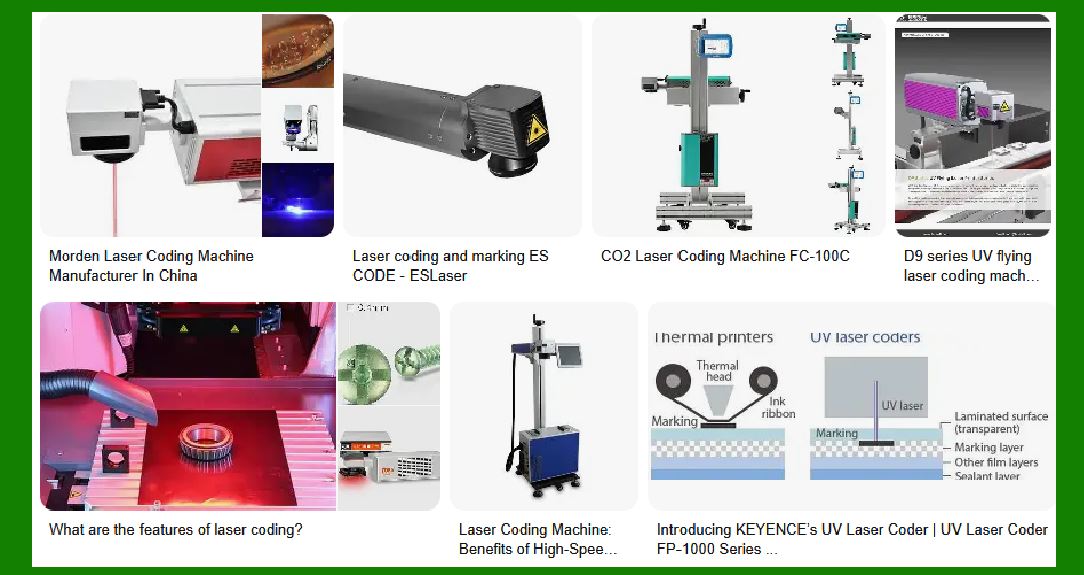
Laser coding machines are highly versatile, and their applications extend far beyond basic marking and engraving. They are used in a wide range of industries, from manufacturing to healthcare, and their ability to mark a variety of materials, including metals, plastics, and organic surfaces, makes them essential in many sectors. |
11.1 Pharmaceutical Industry |
Laser coding machines play a crucial role in the pharmaceutical industry, where traceability and regulatory compliance are paramount. |
11.1.1 Serialization and Track-and-Trace |
Laser coders are extensively used for serialization, where each product is assigned a unique identifier (e.g., serial number, barcode, or QR code) that can be traced throughout the supply chain. This is especially important for pharmaceutical products that require serialization due to regulatory requirements such as the Drug Supply Chain Security Act (DSCSA) in the U.S. |
Benefits: High contrast and durability of laser marks ensure that codes remain readable even in harsh conditions like temperature extremes, humidity, or exposure to chemicals. |
Applications: Printing on bottles, blister packs, and cartons. |
11.1.2 Compliance with Regulations |
Laser coding ensures compliance with regulations like the European Falsified Medicines Directive (FMD), which mandates tamper-evident packaging and the use of unique codes on pharmaceutical products. |
11.2 Food and Beverage Industry |
Laser coding technology is increasingly being adopted in the food and beverage industry due to its precision, speed, and ability to mark permanent codes on packaging materials. |
11.2.1 Expiry Dates and Batch Numbers |
Laser coding machines are used for marking batch numbers, best-before dates, and production codes directly onto packaging materials such as plastic bottles, cartons, and metal cans. These marks are highly resistant to smudging, fading, or rubbing off, ensuring product traceability even after long storage periods. |
Benefits: Clean, readable marks that meet regulatory standards for food labeling. |
Applications: Bottles, cans, cartons, and labels. |
11.2.2 Packaging Traceability |
As consumers become more interested in the origin of their food, laser coding can be used to mark detailed product information such as the origin, harvest date, or ingredients. The ability to mark directly onto packaging eliminates the need for additional labels, reducing material costs and waste. |
11.3 Automotive Industry |
In the automotive industry, laser coding machines are used to mark parts for identification, traceability, and quality control purposes. Laser marking is particularly beneficial in the production of high-precision components where durability and legibility are critical. |
11.3.1 Parts Identification |
Laser coding machines are employed for marking part numbers, serial numbers, and barcodes on automotive components like engine parts, brake pads, and electronic modules. These marks are permanent and resistant to extreme conditions such as high temperatures, vibrations, and exposure to chemicals. |
Applications: Engine components, exhaust systems, sensors, and electrical components. |
11.3.2 Traceability for Safety and Quality Control |
Laser codes ensure that parts can be traced throughout the production cycle, which is critical for quality assurance. In the event of a recall or safety issue, manufacturers can track down the affected parts based on the unique laser markings. |
11.4 Electronics and Semiconductors |
The electronics industry relies on laser marking for permanent, readable, and precise codes on tiny components such as microchips, circuit boards, and connectors. Laser technology¡¯s ability to create fine, high-contrast marks at microscopic levels makes it indispensable in this sector. |
11.4.1 Component Marking |
Laser coding machines are used to mark ICs (integrated circuits), capacitors, and resistors with unique serial numbers or identification codes that allow them to be tracked through the manufacturing process and into the consumer¡¯s hands. |
Applications: Microchips, circuit boards, and semiconductor components. |
11.4.2 Brand Protection and Anti-Counterfeiting |
Laser marking helps prevent counterfeiting by creating unique, hard-to-replicate marks on electronic components. This is particularly important in high-value industries such as consumer electronics and defense. |
|
12. Factors Affecting the Performance of Laser Coding Machines |
Several factors influence the performance of laser coding machines. These include the type of material being marked, environmental conditions, and the settings used during the marking process. Optimizing these factors is crucial for achieving high-quality and durable markings. |
12.1 Material Properties |
Different materials react differently to laser marking, and the type of laser used must be matched to the material for optimal performance. |
12.1.1 Absorption Rate |
Materials with higher absorption rates (like metals) tend to work better with fiber lasers, while non-metals (like plastics and paper) may require CO2 lasers for efficient marking. |
12.1.2 Surface Texture |
Materials with smooth surfaces (e.g., glass) require less energy for marking, while rough or porous surfaces (like wood or ceramics) may require higher laser power to ensure clarity and precision. |
12.1.3 Color and Contrast |
The color and contrast of the mark depend on the interaction between the laser and the material. For instance, metals like aluminum can be marked to produce a dark contrast, while plastics may change color without removing material. |
12.2 Laser Settings and Parameters |
The performance of a laser coding machine is heavily influenced by the settings used during the marking process. These settings control how the laser interacts with the material and directly affect the quality of the mark. |
12.2.1 Power and Speed |
Power: The amount of energy supplied by the laser affects the depth and intensity of the mark. Too much power can lead to excessive material removal or distortion, while too little may result in a faint or illegible mark. |
Speed: The speed of the laser marking head also impacts the quality. Faster speeds are suitable for large-scale production, but slower speeds may be required for high-precision marks. |
12.2.2 Frequency and Pulse Duration |
The frequency at which the laser emits pulses and the duration of each pulse can be adjusted to achieve different marking effects. Shorter pulse durations are typically used for fine detailing, while longer pulses may be used for deeper marks. |
12.3 Environmental Conditions |
Environmental factors such as temperature, humidity, and dust can have a significant impact on the performance of laser coding machines. For instance: |
Temperature: Extreme temperatures can affect the efficiency of the laser source and the optical components. |
Humidity: High humidity can cause condensation on the laser optics, leading to poor marking quality. |
Dust and Debris: Contamination of the lenses or mirrors can degrade the laser beam and result in imperfect marks. |
Regular maintenance, cleaning, and proper environmental controls are essential to ensuring the machine operates at peak performance. |
|
13. Innovations and Future Trends in Laser Coding Technology |
The field of laser coding technology is continuously evolving, with innovations that improve speed, precision, and versatility. Some of the emerging trends and advancements include: |
13.1 Integration with Industry 4.0 |
Laser coding machines are increasingly being integrated into the Industry 4.0 ecosystem. This involves connecting machines to smart networks that enable real-time monitoring, predictive maintenance, and seamless communication with other production systems. |
13.1.1 Remote Monitoring |
Remote monitoring technologies allow operators to track the performance of laser coding machines from anywhere in the world. Sensors embedded in the machines can send data on temperature, power usage, and even wear levels to centralized management systems. |
13.1.2 Predictive Maintenance |
By analyzing data from the laser system, predictive maintenance algorithms can predict when components (such as laser tubes or lenses) are likely to fail, enabling proactive replacement before an issue arises. This reduces downtime and ensures continuous production. |
13.2 Miniaturization and Compact Systems |
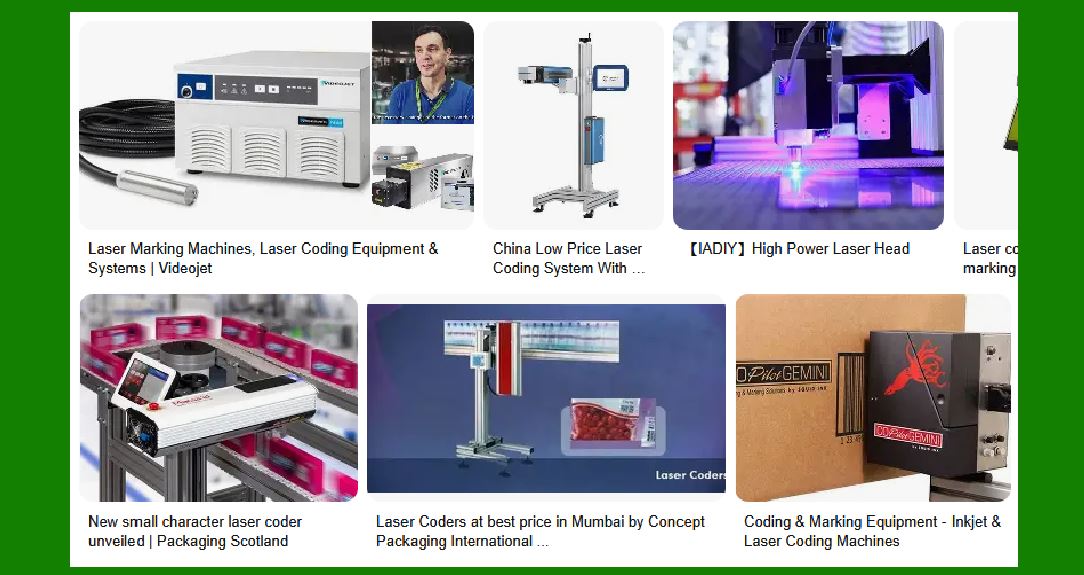
The trend toward miniaturization is leading to smaller, more compact laser coding systems that can fit into tighter production lines or smaller spaces. These systems maintain the same level of precision and power but are designed for applications where space is at a premium. |
13.2.1 Portable Laser Coders |
Portable and handheld laser coding systems are becoming more common in industries like logistics, where products may need to be marked in the field rather than on a production line. These systems provide flexibility without sacrificing performance. |
13.3 3D Laser Marking |
3D laser marking allows for complex, multi-dimensional markings that were previously impossible with traditional 2D systems. This technology is especially beneficial in industries where components have intricate shapes or contours, such as aerospace and automotive industries. |
Applications: Aerospace parts, turbine blades, and other components with irregular shapes. |
13.4 Increased Speed and Throughput |
With the constant pressure to increase productivity, laser coding machines are being designed to operate faster without compromising on quality. New technologies like high-speed scanners and optimized beam delivery systems allow for faster marking, even at high resolutions. |
13.5 Eco-Friendly Laser Marking |
As industries move toward more sustainable practices, the demand for eco-friendly laser marking technologies is growing. Laser marking is inherently more environmentally friendly than traditional ink-based marking methods, but future innovations will make it even more sustainable by reducing energy consumption and waste. |
Energy-Efficient Lasers: New types of lasers, like diode-pumped solid-state (DPSS) lasers, offer better energy efficiency, which is beneficial for both the environment and operating costs. |
|
14. Conclusion |
Laser coding machines have become indispensable in modern manufacturing, offering unparalleled precision, speed, and durability. The combination of advanced laser technologies, precise control systems, and flexible applications across various industries makes laser coding machines a cornerstone of industrial marking. |
From pharmaceutical serialization and food packaging traceability to automotive and electronics identification, laser marking is a critical part of ensuring quality, compliance, and brand protection. As laser technology continues to evolve, its applications will expand further, and innovations like smart systems, miniaturization, and 3D marking will shape the future of industrial marking. |
By understanding the core structure, working principles, and trends in laser coding technology, manufacturers can better leverage these systems to meet evolving production demands and industry standards. |
|
Use laser coder to print DataMatrix 2D barcode on the surface of parts for product tracking |
Laser coding technology, especially with the ability to print high-contrast and durable marks, is highly effective for printing DataMatrix 2D barcodes on parts for product tracking. This process provides a reliable and efficient solution for creating permanent identification marks that can be read by scanners throughout a product¡¯s lifecycle. |
Here's a detailed explanation of how a laser coder can be used to print DataMatrix 2D barcodes on the surface of parts, ensuring accurate product tracking: |
1. Introduction to DataMatrix Barcodes for Product Tracking |
The DataMatrix barcode is a type of 2D (two-dimensional) matrix barcode, commonly used for encoding large amounts of data in a small, square format. It can store numbers, letters, and even binary data, making it suitable for applications where compact and high-capacity encoding is required. The key benefits of DataMatrix for product tracking are: |
High Data Density: DataMatrix codes can store up to 2,335 alphanumeric characters in a small area. |
Error Correction: DataMatrix uses error correction algorithms (Reed-Solomon) to ensure that even if part of the code is damaged, it can still be read correctly. |
Readability: It is capable of being scanned from different angles and under varying conditions, which is essential for tracking parts in fast-paced production environments. |
Laser coding ensures that these DataMatrix codes are permanently etched onto parts in a high-quality and durable manner, essential for environments where traditional labels (such as paper or adhesive-based ones) might be damaged or worn out. |
|
2. Advantages of Using Laser Coders for Printing DataMatrix Codes |
Laser coders are ideal for printing DataMatrix barcodes for product tracking because they offer several advantages over traditional printing methods: |
2.1 Durability |
Laser marking creates permanent marks on the surface, ensuring that the DataMatrix barcode will not fade, rub off, or peel away due to wear and tear, exposure to chemicals, heat, or environmental conditions. This is particularly important for parts that are exposed to harsh industrial environments. |
2.2 High Precision and Accuracy |
Laser coders can produce extremely precise and fine markings. The fine resolution is critical for printing 2D barcodes, where the data density requires small but precise dots and lines. This accuracy ensures that the DataMatrix code remains scannable, even on small or intricate parts. |
2.3 Non-Contact Marking |
Unlike ink-based printers, which require contact with the surface, laser coders operate without physically touching the part. This eliminates the risk of damaging delicate parts or distorting the barcode during the marking process. |
2.4 Flexibility |
Laser coders can mark a wide variety of materials, including metals, plastics, ceramics, glass, and composites. This makes them highly versatile for use across different industries, from automotive and electronics to aerospace and medical device manufacturing. |
|
3. How Laser Coders Print DataMatrix Barcodes on Parts |
Laser coders for printing DataMatrix barcodes work by utilizing focused laser beams to either etch, engrave, or surface-mark the parts with the barcode. The specific steps in the process are as follows: |
3.1 Barcode Design and Software Integration |
Data Preparation: Before marking, the product¡¯s unique data is input into the system. This could be information like a serial number, part number, batch number, or even a unique identifier tied to the product¡¯s lifecycle. |
Barcode Creation: The laser marking system can generate the DataMatrix barcode using the built-in software. Many systems allow for direct input of the data, while others may integrate with external databases or enterprise systems like ERP (Enterprise Resource Planning) or MES (Manufacturing Execution Systems). |
3.2 Laser Settings Configuration |
Laser Type Selection: Based on the material of the part (e.g., metal, plastic, or ceramic), the appropriate laser type (CO2, fiber, or diode) is selected. Fiber lasers, for example, are ideal for metals, while CO2 lasers are better for plastics and organic materials. |
Settings Optimization: Parameters such as laser power, speed, frequency, and pulse duration are adjusted to suit the material, ensuring the DataMatrix code is clear and durable. For example, the laser speed may be adjusted for finer markings, while the laser power is configured to achieve the desired depth and contrast. |
3.3 Marking Process |
Part Placement: The part to be marked is positioned in the workstation, either manually or using an automated conveyor system. |
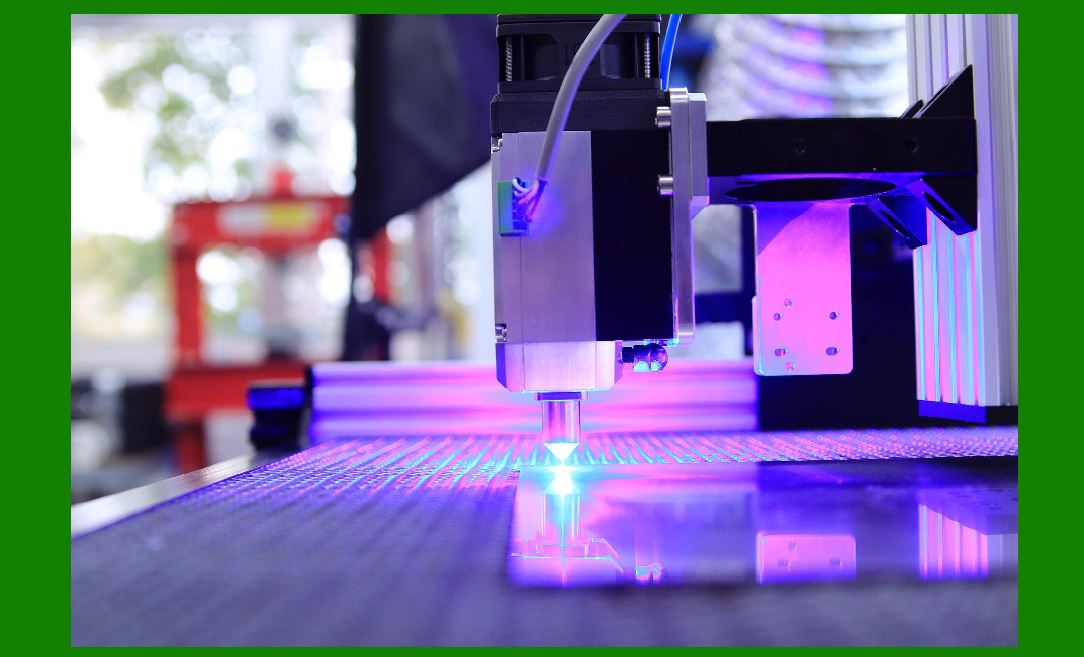
Laser Scanning: Once the part is properly aligned, the laser marking head moves across the surface of the part, scanning and etching the DataMatrix barcode. The laser moves in a controlled path according to the design specifications, ensuring that the barcode¡¯s squares (modules) are precisely marked. |
Cooling and Residue Removal: The laser causes localized heating on the surface, creating a contrast that forms the barcode. After the marking process, cooling may be needed to prevent heat buildup in delicate parts. Additionally, any material residue, smoke, or vapor from the laser¡¯s heat is removed using an exhaust system. |
3.4 Verification and Quality Control |
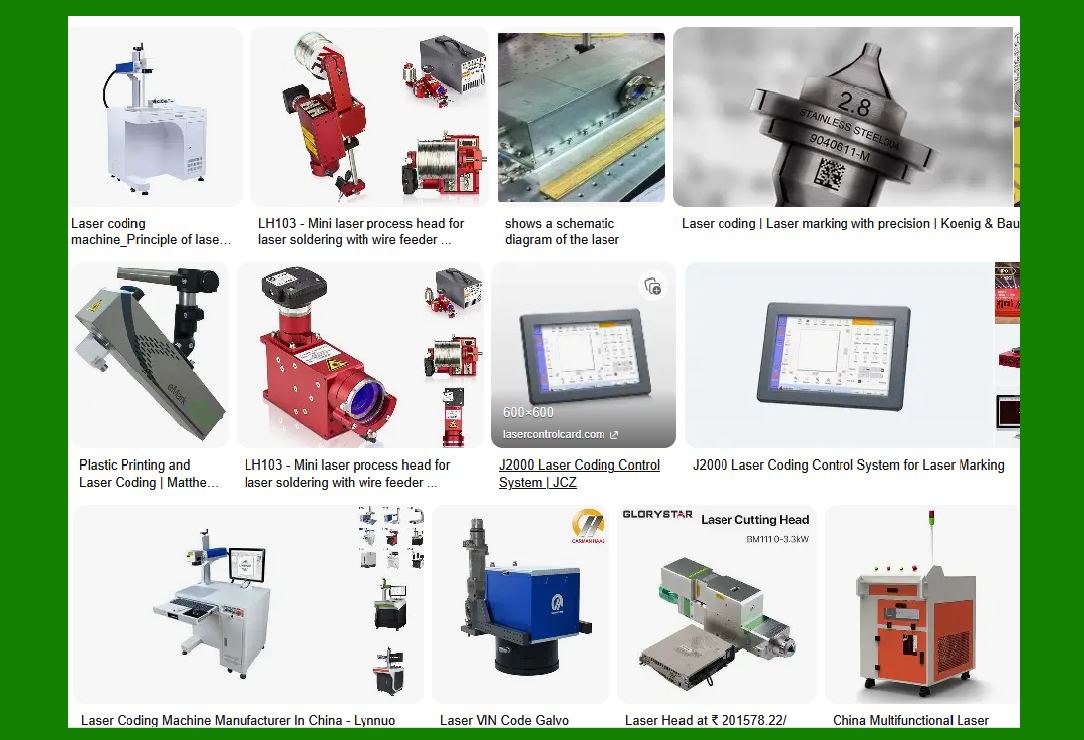
Barcode Verification: After the DataMatrix code is printed, its quality and scannability are verified using a barcode reader or verification system. This ensures that the printed DataMatrix code meets the standards for readability and that it can be successfully decoded by scanners. |
Post-Mark Inspection: For parts used in critical industries, such as aerospace or medical devices, the DataMatrix barcode¡¯s durability and quality may be inspected through advanced methods such as optical character recognition (OCR) or laser inspection systems to ensure that the marks meet regulatory and traceability standards. |
|
4. Key Benefits for Product Tracking with DataMatrix Barcodes |
4.1 Product Traceability |
The primary function of printing DataMatrix barcodes on parts is to enable traceability. By embedding a unique code into each part, manufacturers and distributors can track the part's journey throughout the production line, supply chain, and final use. The benefits include: |
Accurate Identification: Each part receives a unique identifier, allowing for precise tracking of individual components or batches. |
Quality Control: If any issues arise with a specific part, it can be traced back through the entire production process, identifying where the issue originated, whether it's in raw materials, manufacturing processes, or during transportation. |
4.2 Reduction of Human Error |
Laser-coding DataMatrix barcodes eliminates the need for manual labeling or data entry, which can introduce errors. By automating the process of barcode creation, manufacturers can reduce the risk of mistakes and ensure consistent marking on all parts. |
4.3 Efficiency and Speed |
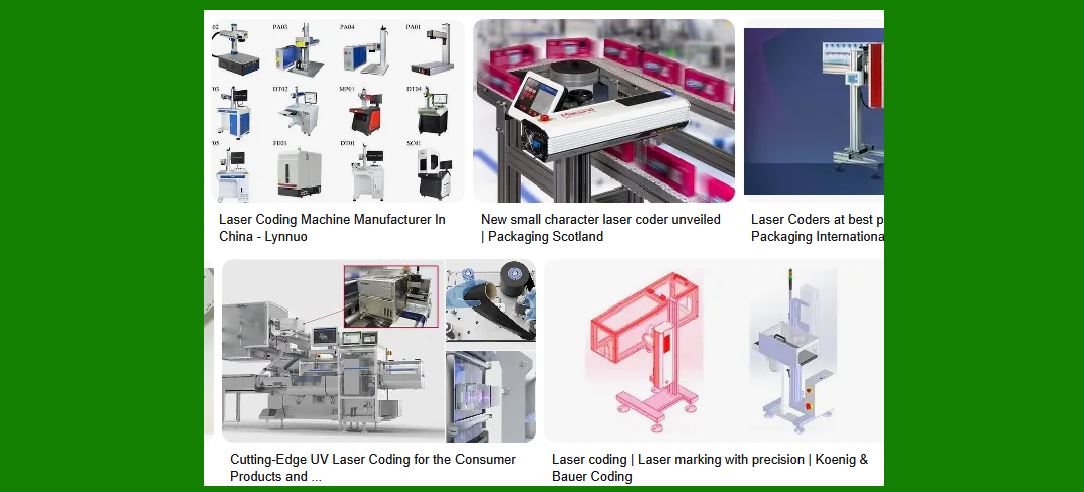
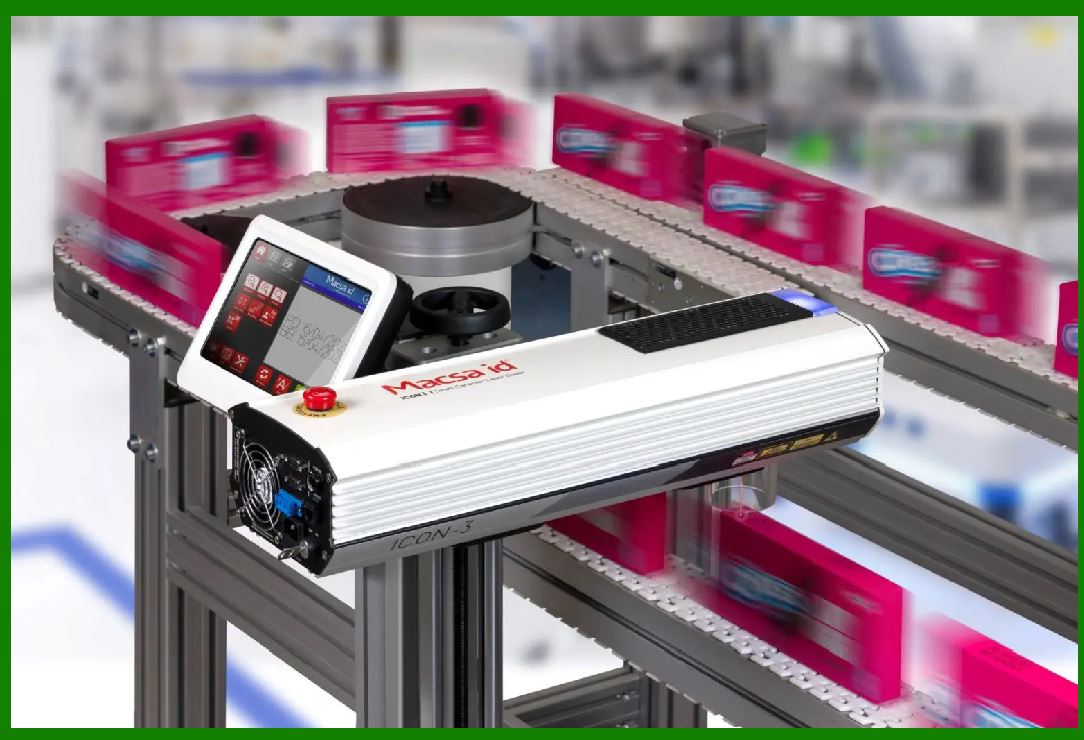
Laser coders can mark parts quickly and efficiently, even in high-throughput environments. Automated systems can mark parts as they move along the production line, ensuring that no delays are caused by manual operations. Furthermore, laser marking systems can operate at high speeds, marking multiple parts simultaneously. |
4.4 Durability and Longevity |
Unlike traditional ink-based methods, laser-etched DataMatrix codes are permanent and durable. The marks are highly resistant to wear and environmental conditions, including exposure to heat, moisture, chemicals, or physical abrasion. This ensures that the DataMatrix barcode remains legible for the entire lifecycle of the part, even in harsh industrial environments. |
|
5. Applications of DataMatrix Barcodes for Product Tracking in Various Industries |
5.1 Automotive Industry |
Laser printing of DataMatrix barcodes is widely used in the automotive industry for part identification, especially in engine components, sensors, brake systems, and chassis parts. The permanent, high-contrast marking is essential for ensuring compliance with industry standards for safety, warranty, and traceability. |
5.2 Electronics and Semiconductor Industry |
In the electronics industry, where components are often small and intricate, DataMatrix barcodes provide a compact solution for tracking and quality control. Laser marking is used for parts such as microchips, connectors, and circuit boards, where space is limited, and the barcode needs to be both compact and durable. |
5.3 Aerospace and Defense |
Aerospace and defense industries rely on highly durable and reliable product tracking methods. Laser-printed DataMatrix barcodes are used to mark parts such as turbine blades, aircraft body components, and electronic modules, providing traceability for quality assurance and regulatory compliance. |
5.4 Medical Devices |
For medical devices, where compliance with regulations such as FDA and ISO standards is critical, DataMatrix barcodes are laser-marked on products like implants, surgical tools, and diagnostic equipment. These marks are used to track the devices from manufacturing through to patient use, ensuring safety and compliance. |
5.5 Packaging Industry |
Laser printing of DataMatrix codes on packaging materials, such as boxes, plastic containers, and labels, ensures that products are easily traceable in the supply chain. In addition to the product¡¯s batch number and expiration date, this marking also aids in anti-counterfeiting efforts by embedding unique identifiers on each package. |
|
6. Conclusion |
Using laser coders to print DataMatrix 2D barcodes on the surface of parts for product tracking offers numerous advantages, including high precision, durability, non-contact marking, and speed. It ensures that products are traceable throughout their lifecycle, from manufacturing and packaging to shipping and end-use. As industries continue to prioritize product identification and traceability for quality control, |
|
Practical cases: Application of laser coding machines in various industries |
Laser coding machines are versatile tools used in a variety of industries for marking, tracing, and labeling products. Below, we explore practical case studies of how laser coding technology is applied across different sectors to meet specific operational needs, such as product tracking, regulatory compliance, brand protection, and quality control. |
1. Automotive Industry: Marking Engine Parts for Traceability and Quality Control |
Application Overview |
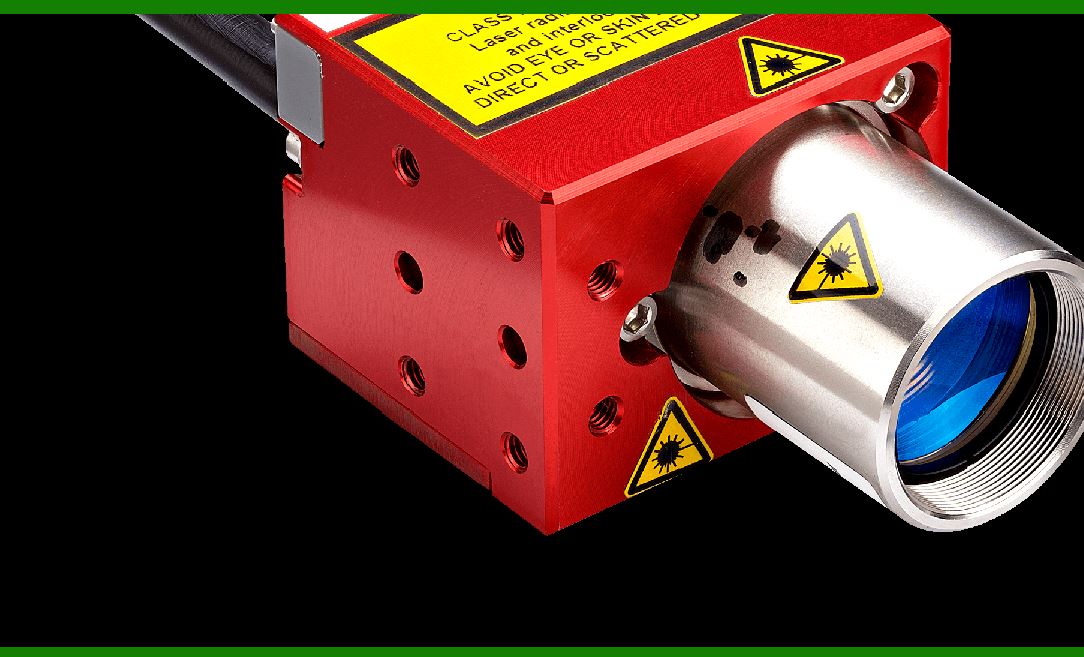
In the automotive industry, laser coding machines are commonly used to mark engine parts, chassis, wheels, sensors, and other critical components. The high precision, speed, and durability of laser marking make it ideal for ensuring product traceability and enhancing quality control. Automotive parts often need to withstand extreme conditions, such as heat, vibrations, chemicals, and physical wear, making permanent marking crucial. |
Case Study |
A global automotive manufacturer has implemented laser coders to mark engine components (such as cylinder heads, turbochargers, and camshafts) with unique DataMatrix barcodes and QR codes. These codes help track the individual parts from production through assembly and testing, ensuring high quality and compliance with international safety standards. |
Challenge: The parts are exposed to harsh environments during engine testing, where high temperatures and intense vibrations occur. |
Solution: Laser coders were used to mark the parts with deep, permanent codes that are resistant to heat and abrasion. Fiber lasers were chosen for their efficiency and ability to mark metals like steel and aluminum. |
Benefits: |
Traceability: By marking each component with a unique identifier, the manufacturer can trace parts back to their production batch, reducing the risk of defects in the final product. |
Quality Control: Any part that fails during testing can be traced back to its manufacturing source to identify potential issues with material quality or machining processes. |
Regulatory Compliance: The permanent marks ensure that the components are compliant with industry standards and certifications for automotive safety. |
|
2. Electronics Industry: Marking Microchips and Circuit Boards for Product Identification |
Application Overview |
The electronics industry, which deals with small and highly intricate components, uses laser coding to mark microchips, circuit boards, connectors, and other small parts. Laser marking allows for high-resolution barcodes and logos to be printed on tiny surfaces without affecting the integrity of the components. |
Case Study |
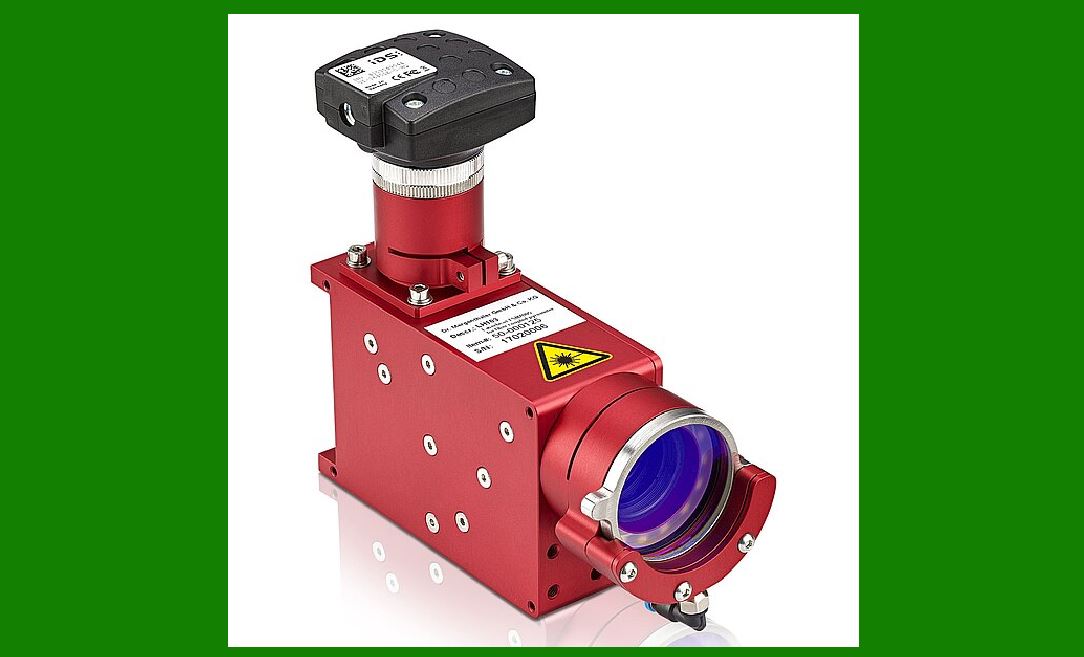
A semiconductor company has adopted laser coders to mark integrated circuits (ICs) and microchips with DataMatrix codes. These codes contain information such as part numbers, manufacturing dates, and batch numbers for quality control and product identification. |
Challenge: The components are small and highly sensitive, requiring a marking solution that is both precise and non-invasive. |
Solution: CO2 lasers with fine-tuned settings were used to etch the codes onto the surface of the microchips without damaging the internal structure of the components. |
Benefits: |
Precision: The laser system could etch small, high-contrast DataMatrix barcodes, which are crucial for accurate product identification at microscopic scales. |
Durability: The permanent laser marks are resistant to wear and fading, ensuring that the microchips' identifiers remain readable throughout their entire lifecycle, even during soldering or high-temperature testing. |
Anti-Counterfeiting: Laser marking made it difficult to replicate the microchips, providing an additional layer of protection against counterfeiting, which is a significant issue in the electronics industry. |
|
3. Food and Beverage Industry: Expiry Date and Batch Number Marking on Packaging |
Application Overview |
In the food and beverage industry, laser coding is widely used for printing batch numbers, expiry dates, and production codes on packaging materials. Since food products have a limited shelf life and require traceability from production to consumption, the ability to mark packaging with permanent, scannable codes is essential. |
Case Study |
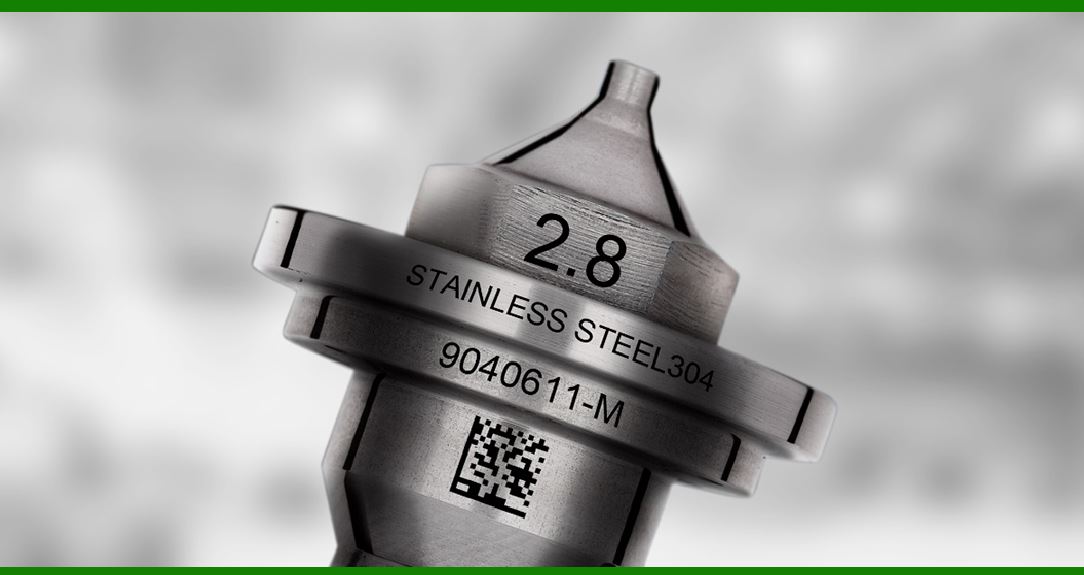
A leading beverage company implemented laser coders to print expiry dates, lot numbers, and barcodes on plastic bottles of juice and cans of soda. The laser systems are integrated into the production line to mark bottles and cans at high speeds as they move through the packaging process. |
Challenge: The labels on bottles are subject to wear during transportation and retail display, risking the legibility of printed dates and batch numbers. |
Solution: The company switched from inkjet printers to CO2 laser coders to mark the packaging directly, eliminating the need for adhesive labels that could peel off or fade. |
Benefits: |
Permanent Marking: The laser creates permanent marks that won't fade, smudge, or rub off, ensuring that the expiry date and batch number are always readable. |
Speed: The laser system is capable of marking hundreds of bottles per minute without sacrificing accuracy or speed, helping the production line maintain its efficiency. |
Regulatory Compliance: By marking the packaging directly, the company ensures compliance with food labeling regulations, including clear date coding and traceability requirements. |
|
4. Pharmaceutical Industry: Serialization for Drug Traceability |
Application Overview |
The pharmaceutical industry faces stringent regulations regarding product traceability to prevent counterfeit drugs from entering the supply chain. Laser coding is an essential tool for serialization, which involves marking pharmaceutical products with unique identification codes to ensure their authenticity and traceability from manufacturer to end user. |
Case Study |
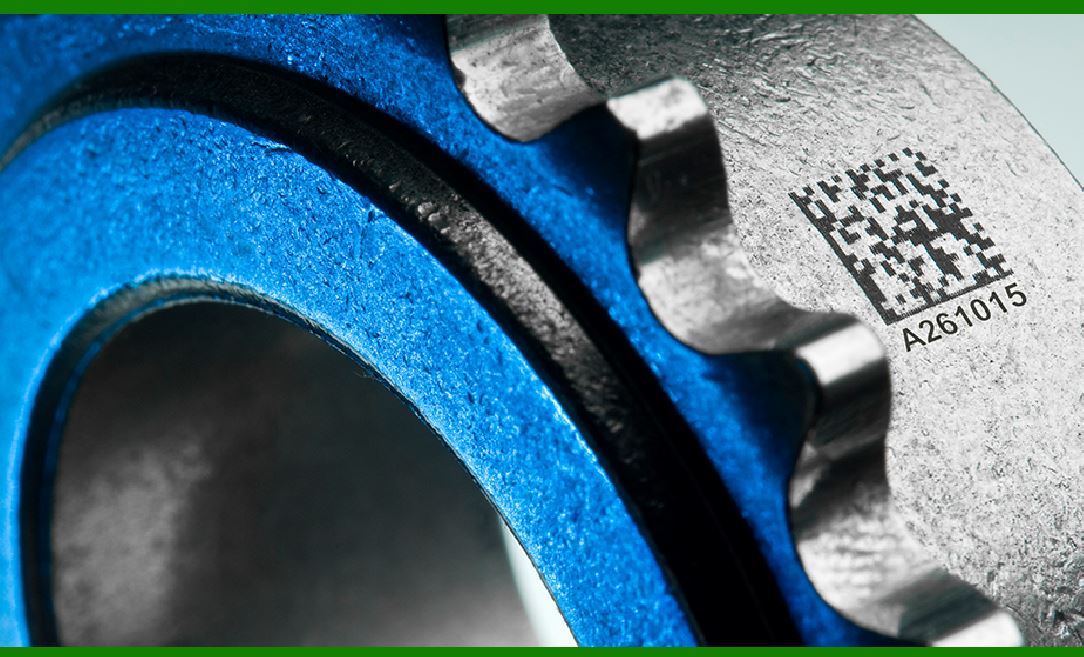
A major pharmaceutical company used laser coders to print DataMatrix barcodes on blister packs and medicine vials. These barcodes contain critical information such as serial numbers, expiration dates, and batch numbers, helping the company comply with regulations like the Drug Supply Chain Security Act (DSCSA) in the U.S. |
Challenge: Ensuring that the barcodes remain legible and scannable under various conditions, such as moisture, temperature fluctuations, and physical handling during distribution. |
Solution: The company implemented fiber lasers to mark glass vials and plastic blister packs, ensuring the marks remained intact throughout the product's lifecycle. |
Benefits: |
Regulatory Compliance: The serialized barcodes allow for seamless compliance with global anti-counterfeit and traceability regulations. |
Anti-Counterfeiting: Laser marking made it nearly impossible for counterfeiters to replicate the serialized codes, providing a high level of security. |
Traceability: Every product can be traced back to its manufacturing location and time, enabling the company to quickly track and recall any defective or hazardous batches if needed. |
|
5. Aerospace Industry: Marking Aircraft Parts for Safety and Compliance |
Application Overview |
In the aerospace industry, marking parts such as turbine blades, aircraft components, and electrical assemblies is essential for safety, traceability, and regulatory compliance. Laser coding ensures that parts are permanently marked with unique identifiers and quality assurance information. |
Case Study |
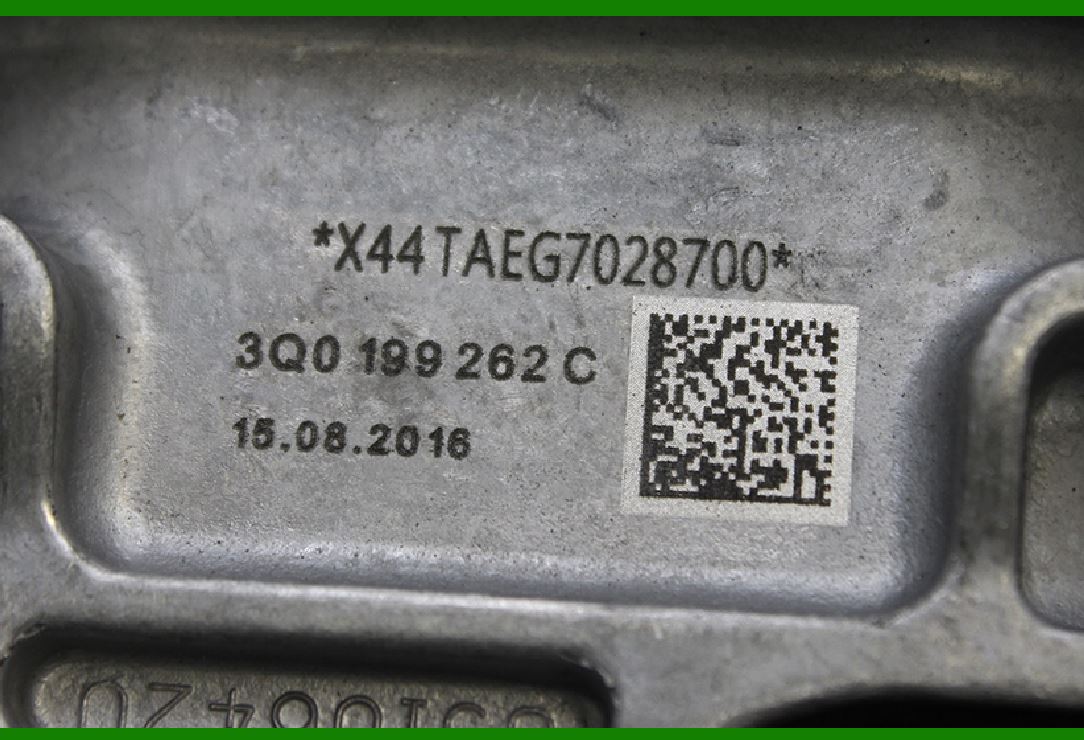
An aerospace company used laser coders to mark critical components such as turbine blades and aircraft body panels with QR codes and serial numbers for traceability throughout their lifespan. |
Challenge: Aerospace parts must endure extreme conditions such as high temperatures, exposure to chemicals, and high-stress environments, requiring marking solutions that can withstand such stresses. |
Solution: The company employed fiber lasers with high precision to engrave the parts with deep, permanent marks that could withstand the harsh conditions without deteriorating. |
Benefits: |
Long-Lasting Traceability: The permanent, high-contrast marks provide long-term traceability, allowing the company to track the components throughout their service life, ensuring maintenance and replacement schedules are accurate. |
Safety and Compliance: Marking critical components with unique identifiers helps comply with industry standards for safety and regulatory certifications, ensuring the parts are fit for use in aviation. |
Quality Assurance: The laser marks allow for quick and accurate quality checks during both production and maintenance cycles, minimizing the risk of using substandard parts. |
|
6. Medical Devices: Tracking Implantable Devices |
Application Overview |
In the medical device industry, traceability and compliance with regulations like FDA standards and ISO certifications are crucial. Laser coding is used for marking medical devices such as implants, surgical instruments, and diagnostic equipment with unique identifiers for patient safety and regulatory compliance. |
Case Study |
A manufacturer of orthopedic implants used laser coders to mark hip and knee implants with DataMatrix codes containing the part number, serial number, and manufacturing date. These codes allow hospitals and healthcare providers to track the implants used in surgeries and ensure proper maintenance. |
Challenge: The implants are often small, and the markings need to be clear and durable, as they will be used in surgeries where failure to identify the product could lead to serious consequences. |
Solution: The company employed fiber lasers to mark the implants with deep, permanent etchings that are highly legible even on small, metallic surfaces. |
Benefits: |
Patient Safety: The ability to track implants helps healthcare providers identify any potential issues with the device and make quick decisions in the event of a recall or safety issue. |
Regulatory Compliance: Laser marking ensures that the implants comply with international traceability standards, reducing the risk of errors in surgeries and improving patient safety. |
Durability: The permanent marks are resistant to wear, corrosion, and sterilization processes, ensuring that the code remains intact for the entire lifecycle of the device. |
 cs@easiersoft.com