Analyzing and comparing the use and maintenance costs of various types of barcode printers requires a comprehensive breakdown of the factors involved. There are different types of barcode printers, each with its own specific advantages and trade-offs when it comes to use, maintenance, and overall cost. In this extensive analysis, we will cover the following: |
|
1.Overview of Barcode Printers |
1.1 Introduction to Barcode Printers |
1.2 Types of Barcode Printers |
1.3 Key Factors Influencing Printer Costs |
2.Thermal Barcode Printers |
2.1 Direct Thermal Printers |
2.2 Thermal Transfer Printers |
2.3 Usage and Cost Analysis |
2.4 Maintenance Considerations |
2.5 Total Cost of Ownership |
3.Dot Matrix Barcode Printers |
3.1 Overview of Dot Matrix Printers |
3.2 Usage and Cost Analysis |
3.3 Maintenance Considerations |
3.4 Total Cost of Ownership |
4.Laser Barcode Printers |
4.1 Overview of Laser Printers |
4.2 Usage and Cost Analysis |
4.3 Maintenance Considerations |
4.4 Total Cost of Ownership |
5.Inkjet Barcode Printers |
5.1 Overview of Inkjet Printers |
5.2 Usage and Cost Analysis |
5.3 Maintenance Considerations |
5.4 Total Cost of Ownership |
6.Impact of Printing Volume on Costs |
6.1 High-Volume vs. Low-Volume Printers |
6.2 Cost per Label |
6.3 Long-Term Cost Predictions |
7.Consumables and Material Costs |
7.1 Ribbons and Ink Cartridges |
7.2 Thermal Paper Rolls and Labels |
7.3 Impact of Consumables on Overall Costs |
8.Energy Consumption |
8.1 Energy Usage of Different Printer Types |
8.2 Electricity Costs and Environmental Impact |
8.3 Energy-Saving Technologies |
9.Maintenance and Downtime Costs |
9.1 Routine Maintenance |
9.2 Printer Failures and Downtime |
9.3 Costs of Repairs and Spare Parts |
9.4 Service Agreements and Extended Warranties |
10.Cost-Effective Strategies for Printer Use |
10.1 Printer Selection for Different Business Sizes |
10.2 Cost-Effective Practices for Maintenance |
10.3 How to Optimize Label Printing for Cost Efficiency |
11.Brand Comparisons |
11.1 Zebra Barcode Printers |
11.2 TSC Barcode Printers |
11.3 Honeywell Barcode Printers |
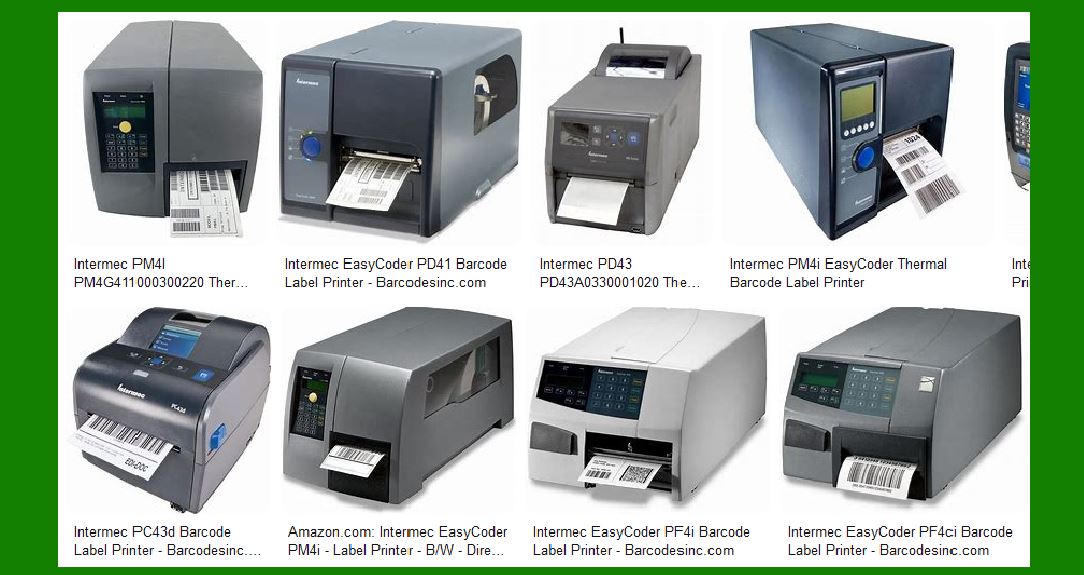
11.4 Other Brands (Epson, Brother, Intermec) |
12.Future Trends in Barcode Printing |
12.1 The Role of Digital Printing |
12.2 Advancements in Print Head Technology |
12.3 Impact of RFID Technology |
12.4 Sustainability and Eco-Friendly Solutions |
Let's break these down into more detailed sections. |
|
1. Overview of Barcode Printers |
1.1 Introduction to Barcode Printers |
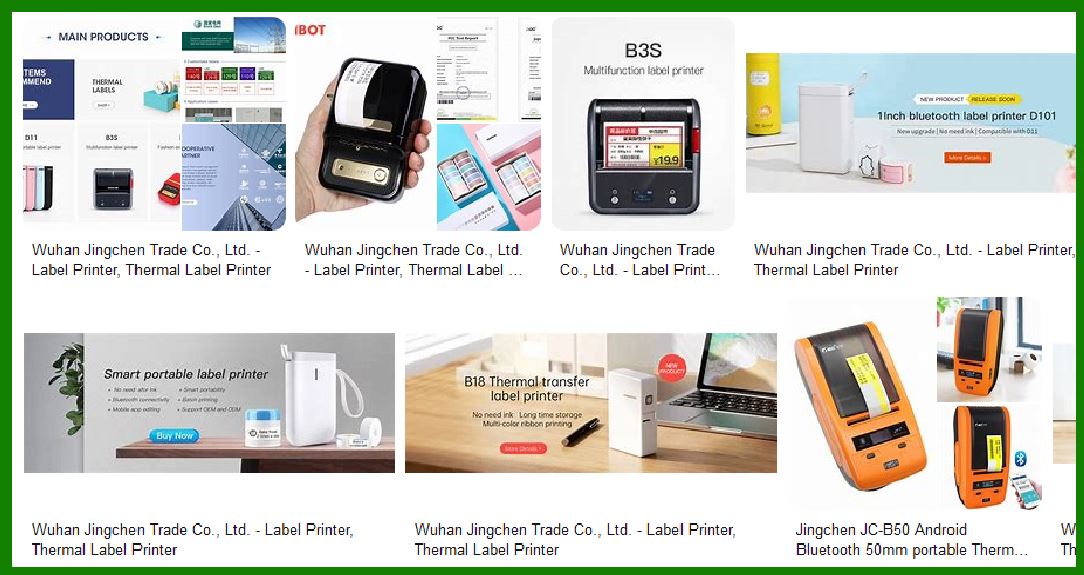
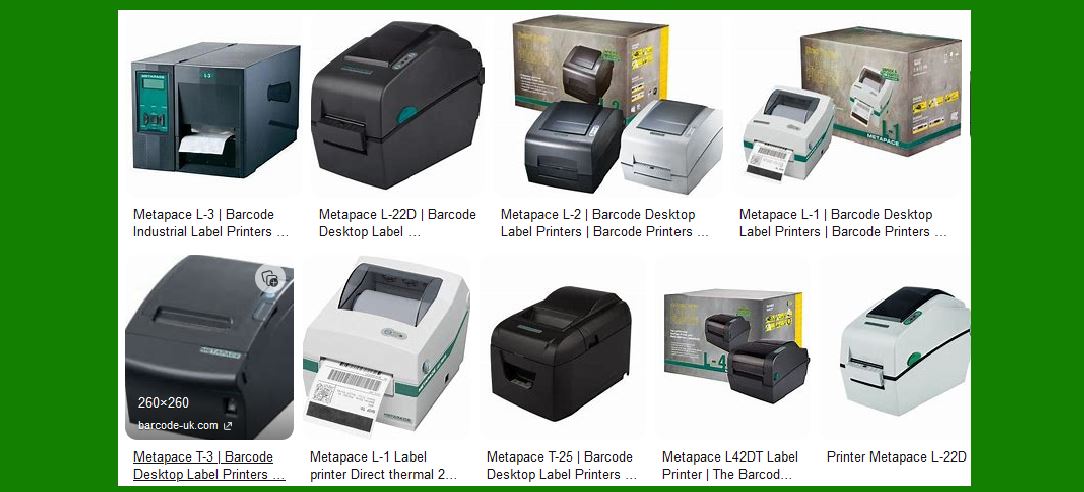
Barcode printers are specialized devices used to print barcode labels that can be scanned to retrieve information. These printers are essential in industries like retail, logistics, manufacturing, and healthcare, where tracking and identification of goods or assets are crucial. The main function of a barcode printer is to create scannable, readable, and durable labels. |
1.2 Types of Barcode Printers |
There are several types of barcode printers, each designed to meet different business needs. The most common types include: |
Thermal Barcode Printers: These use heat to transfer ink onto the label or directly print onto thermal paper. |
Dot Matrix Printers: These use a print head with tiny pins to strike an inked ribbon against paper, creating characters and barcodes. |
Laser Printers: These printers use laser technology to print text and barcodes on a variety of materials. |
Inkjet Printers: These use liquid ink sprayed onto the material to create barcodes. |
1.3 Key Factors Influencing Printer Costs |
Several factors impact the cost of owning and operating barcode printers, including: |
Initial purchase cost: The upfront cost of buying the printer. |
Consumables: Materials like thermal paper, ink ribbons, or labels. |
Maintenance: The cost of upkeep, repairs, and downtime. |
Energy consumption: The electricity required to run the printer. |
Volume: How much the printer is used will influence the long-term costs. |
|
2. Thermal Barcode Printers |
2.1 Direct Thermal Printers |
Direct thermal printers use heat-sensitive paper to create the image. These printers do not require ink, toner, or ribbons, making them a simpler solution. However, the labels produced can fade over time, especially when exposed to heat or sunlight. |
2.2 Thermal Transfer Printers |
Thermal transfer printers use a heated ribbon to transfer ink onto a label. This results in more durable labels that are resistant to fading and wear, making them suitable for long-term use. |
2.3 Usage and Cost Analysis |
Thermal printers, especially direct thermal printers, are cost-effective for businesses that need to print small volumes of labels. Their low consumable costs and easy maintenance make them attractive options for businesses with lower volume needs. However, thermal transfer printers require ribbons, which add to the consumable cost, though the labels produced are of higher quality and more durable. |
2.4 Maintenance Considerations |
Thermal printers require minimal maintenance. Direct thermal printers do not have moving parts for ink, so there's little to go wrong. Thermal transfer printers, on the other hand, may require more frequent ribbon replacements and occasional head cleaning to ensure optimal print quality. |
2.5 Total Cost of Ownership |
The total cost of ownership for thermal barcode printers tends to be lower in the short term, especially when direct thermal printing is used. However, the cost of consumables such as thermal labels and ribbons for thermal transfer printers must be considered in long-term ownership. |
|
3. Dot Matrix Barcode Printers |
3.1 Overview of Dot Matrix Printers |
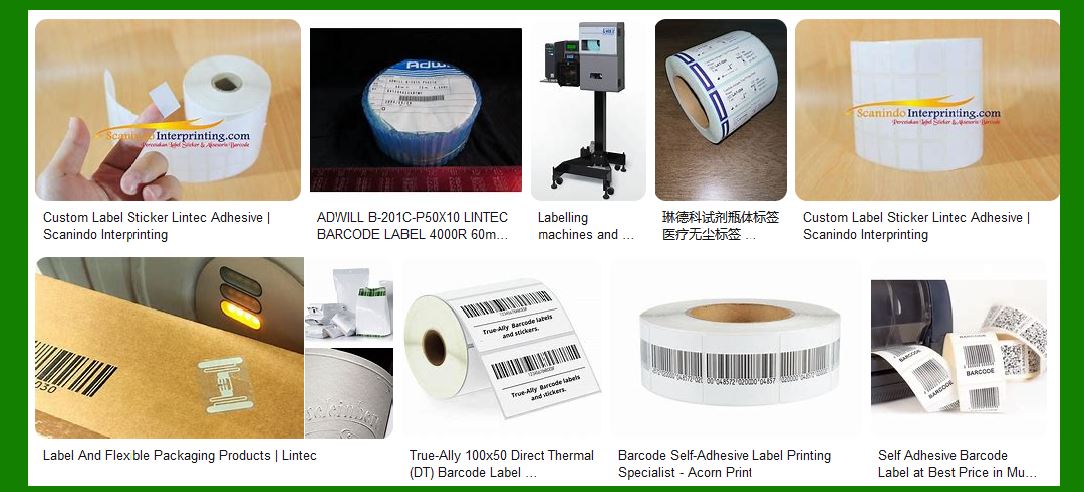
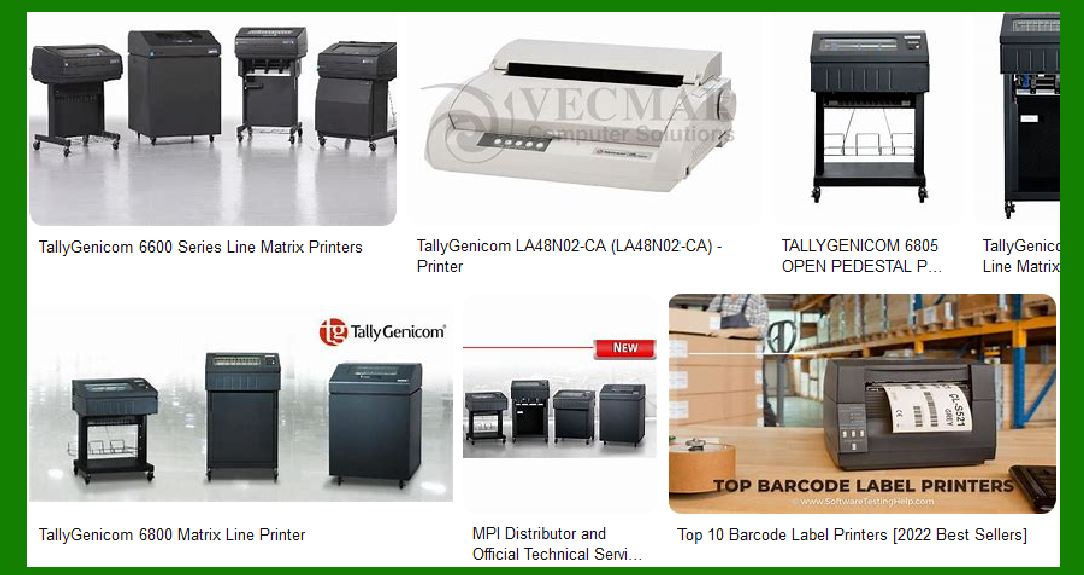
Dot matrix printers use a series of tiny pins to create characters by striking an inked ribbon against paper. They are primarily used in environments where high-speed printing is necessary, such as in logistics or manufacturing plants. |
3.2 Usage and Cost Analysis |
Dot matrix printers are generally more affordable to purchase than other types. However, their speed is slower compared to thermal or laser printers. Additionally, while they are suitable for printing on multi-part forms or labels, they are not as versatile as thermal printers for label printing. |
3.3 Maintenance Considerations |
Dot matrix printers require frequent maintenance due to their moving parts. The print head, ribbons, and ink rollers need regular replacement, and misalignments can occur, requiring recalibration. |
3.4 Total Cost of Ownership |
While dot matrix printers may have a low upfront cost, they require regular maintenance and consumable replacements, which can add up over time. Their slower print speeds and relatively higher maintenance costs can make them less cost-effective in high-volume environments. |
|
4. Laser Barcode Printers |
4.1 Overview of Laser Printers |
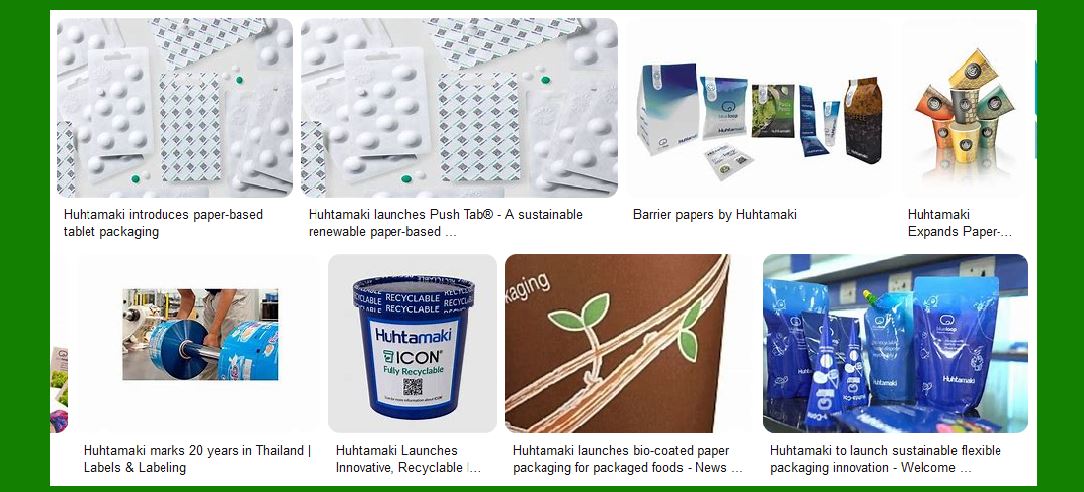
Laser barcode printers use a laser beam to create an image on a rotating drum, which is then transferred to paper. These printers offer high print quality and speed, making them ideal for large-scale operations. |
4.2 Usage and Cost Analysis |
Laser printers have a higher initial purchase cost than thermal or dot matrix printers. However, their consumable costs (toner cartridges) can be more cost-effective when printing high volumes. They offer fast, high-quality prints, and are often used in office environments for general printing needs, including barcode labels. |
4.3 Maintenance Considerations |
Laser printers require minimal maintenance compared to dot matrix printers. They may occasionally require toner replacements and periodic servicing, but the frequency of these tasks is relatively low. |
4.4 Total Cost of Ownership |
The total cost of ownership for laser printers can be higher than thermal printers due to the higher initial purchase cost and the need for toner cartridges. However, they offer higher quality and faster print speeds, making them a good option for high-volume printing environments. |
|
5. Inkjet Barcode Printers |
5.1 Overview of Inkjet Printers |
Inkjet printers use liquid ink to create an image. They offer excellent print quality, especially for color images, making them suitable for environments that require high-resolution barcode labels with graphics. |
5.2 Usage and Cost Analysis |
Inkjet printers are generally cheaper to purchase but can have higher operating costs due to the need for frequent ink cartridge replacements. They are not as commonly used for barcode printing due to potential issues with print durability and ink smudging. |
5.3 Maintenance Considerations |
Inkjet printers require regular maintenance, including cleaning print heads and replacing ink cartridges. They are more prone to clogs, which can affect print quality if not properly maintained. |
5.4 Total Cost of Ownership |
While the initial cost of inkjet printers is low, the long-term costs can be higher due to frequent ink replacements and maintenance. They are best suited for low-volume printing where high-quality color labels are required. |
|
6. Impact of Printing Volume on Costs |
6.1 High-Volume vs. Low-Volume Printers |
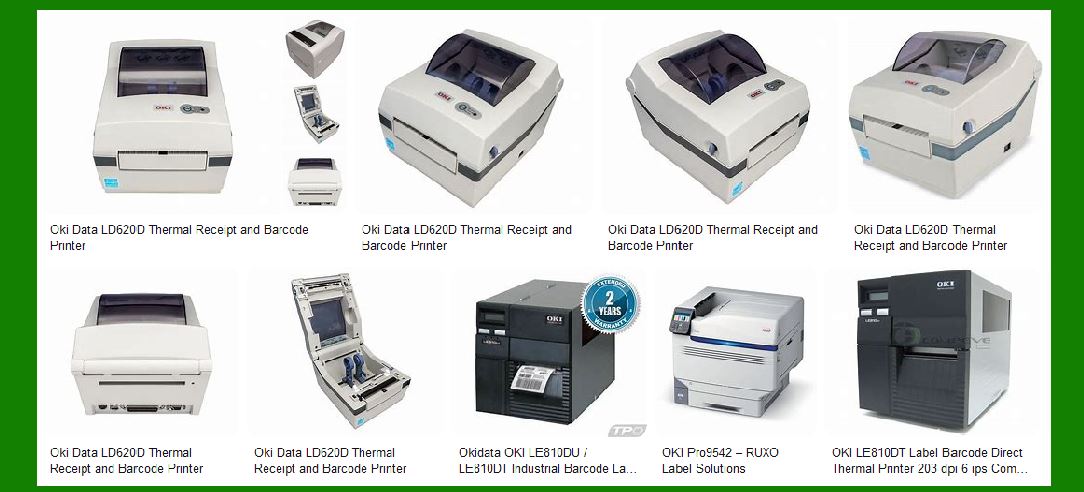
High-volume printers tend to have lower cost per label, as their consumables (especially ribbons, ink, and toner) are purchased in bulk, reducing overall cost. Low-volume printers, on the other hand, may have higher cost per label due to less efficient use of consumables. |
6.2 Cost per Label |
The cost per label is a critical factor in determining the overall efficiency of a barcode printer. In general, thermal printers (especially direct thermal printers) offer lower cost per label, while inkjet and laser printers are more expensive due to their higher consumable costs. |
6.3 Long-Term Cost Predictions |
Long-term cost predictions depend on the volume of labels printed, frequency of maintenance, and the type of consumables used. High-volume businesses will see greater cost savings by investing in high-performance barcode printers, while low-volume businesses may prefer cheaper, less maintenance-intensive options. |
|
7. Consumables and Material Costs |
7.1 Ribbons and Ink Cartridges |
Ribbons and ink cartridges are often the most significant consumable costs for barcode printers. Thermal printers, particularly thermal transfer models, require the replacement of ribbons regularly, while inkjet and laser printers require ink or toner cartridges. The cost per cartridge or ribbon varies significantly depending on the printer model. |
7.2 Thermal Paper Rolls and Labels |
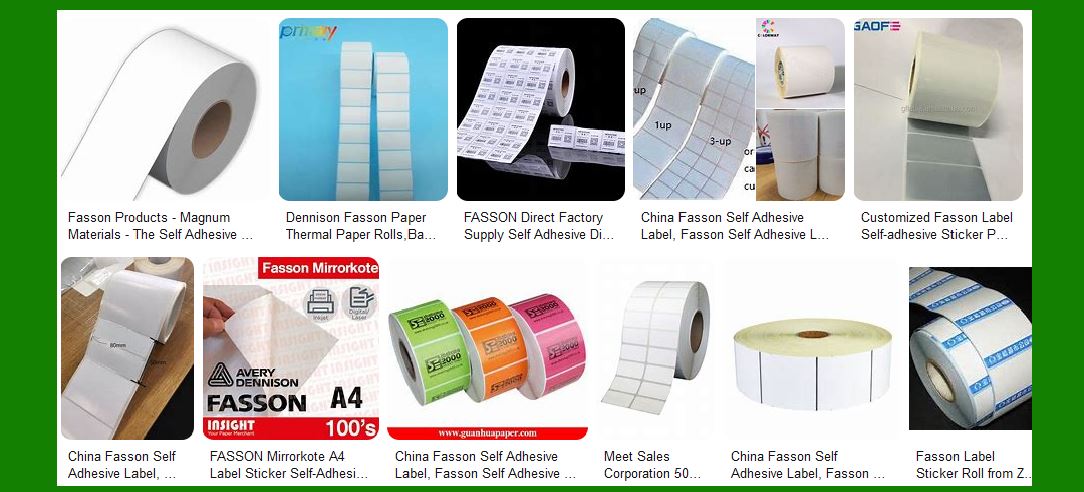
Thermal paper rolls and labels also add to the overall cost of operating thermal barcode printers. The quality and durability of the labels can vary, affecting the long-term cost. |
7.3 Impact of Consumables on Overall Costs |
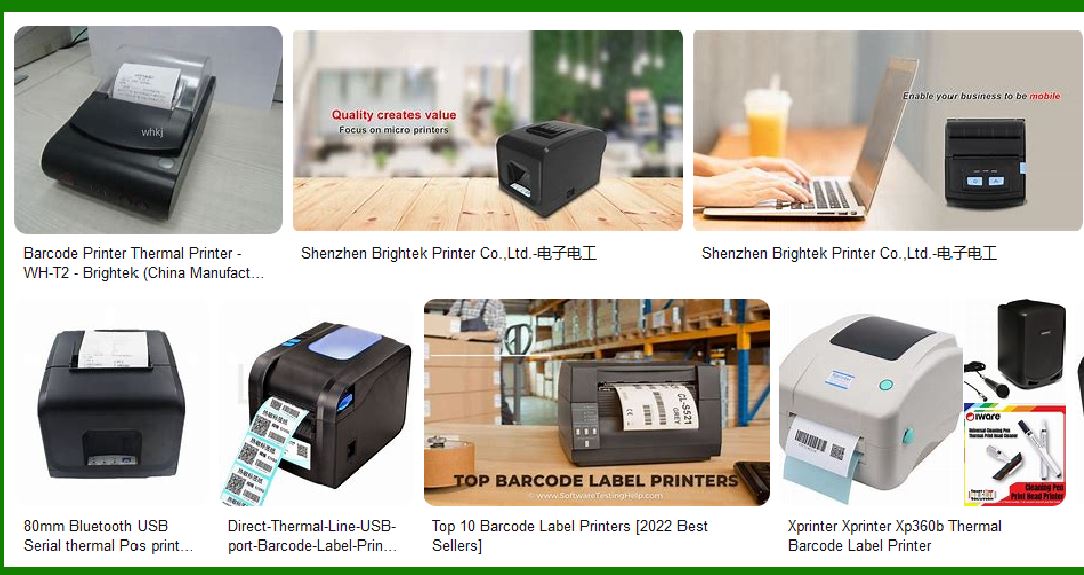
Consumables are one of the largest recurring expenses for barcode printers. The efficiency and availability of these consumables play a critical role in the overall cost-effectiveness of the printer. |
|
8. Energy Consumption |
8.1 Energy Usage of Different Printer Types |
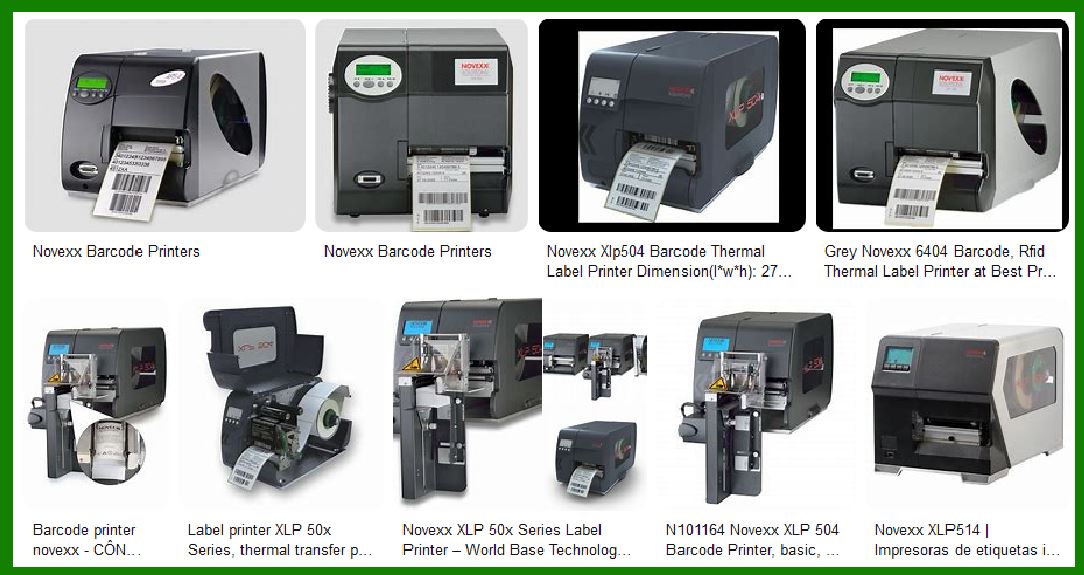
Energy consumption varies based on the type of printer. Thermal printers generally use less energy than laser and inkjet printers, as they do not require a heating element to dry ink or toner. |
8.2 Electricity Costs and Environmental Impact |
Laser printers tend to consume more power due to their laser heating process, which can add up in the long run. Inkjet and dot matrix printers have relatively lower power consumption but may still require substantial energy for high-volume printing tasks. |
8.3 Energy-Saving Technologies |
Some modern printers come with energy-saving features, including sleep modes and efficient power management systems, which can help reduce electricity costs. |
|
9. Maintenance and Downtime Costs |
9.1 Routine Maintenance |
Routine maintenance involves cleaning, calibration, and part replacements. The frequency of this maintenance depends on the type of printer and the volume of printing. |
9.2 Printer Failures and Downtime |
Printer failures can result in significant downtime, which is costly in terms of productivity. Downtime costs can vary depending on the industry and the criticality of label printing. |
9.3 Costs of Repairs and Spare Parts |
The cost of repairs and spare parts can vary significantly between printer types. Dot matrix printers, for example, may require more frequent repairs, while thermal printers tend to require fewer replacements for parts. |
9.4 Service Agreements and Extended Warranties |
Service agreements and extended warranties can help mitigate unexpected maintenance costs. These agreements typically cover repairs and provide faster service for printer breakdowns. |
|
10. Cost-Effective Strategies for Printer Use |
10.1 Printer Selection for Different Business Sizes |
Choosing the right printer depends on the scale of your business. High-volume businesses will benefit from durable, high-speed printers, while small businesses with occasional printing needs might opt for more cost-effective, low-maintenance options. |
10.2 Cost-Effective Practices for Maintenance |
Routine maintenance is key to minimizing long-term costs. Regular cleaning, calibration, and proper storage can extend the life of the printer and reduce the need for expensive repairs. |
10.3 How to Optimize Label Printing for Cost Efficiency |
Optimizing label printing can help reduce consumable costs. This includes choosing the right materials, adjusting print settings for optimal use of resources, and avoiding wasteful printing. |
|
11. Brand Comparisons |
11.1 Zebra Barcode Printers |
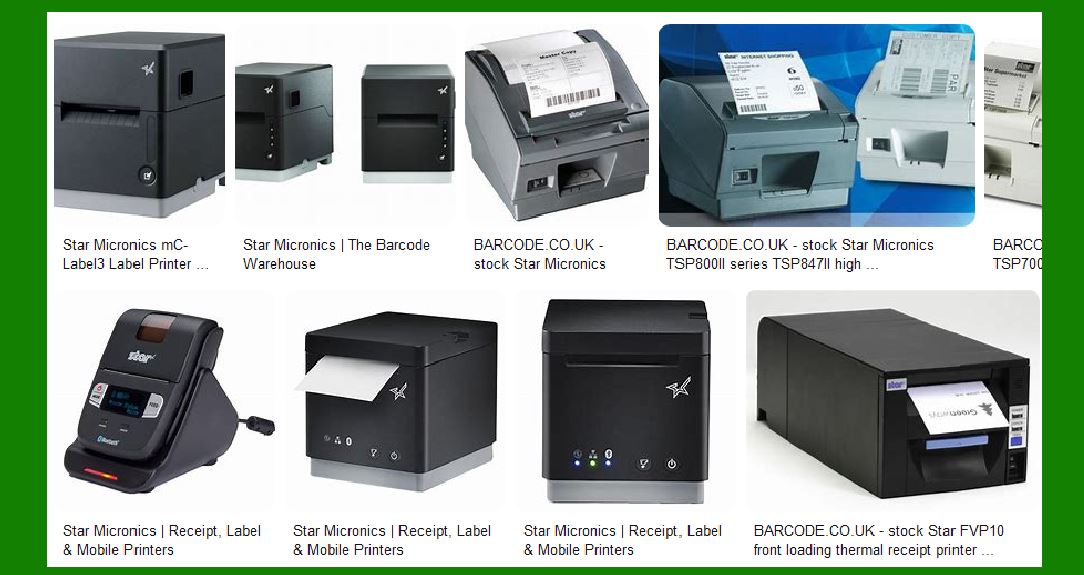
Zebra is a leading manufacturer of barcode printers known for their reliability and high-quality output. Their printers are popular for industrial applications, though they tend to have a higher upfront cost. |
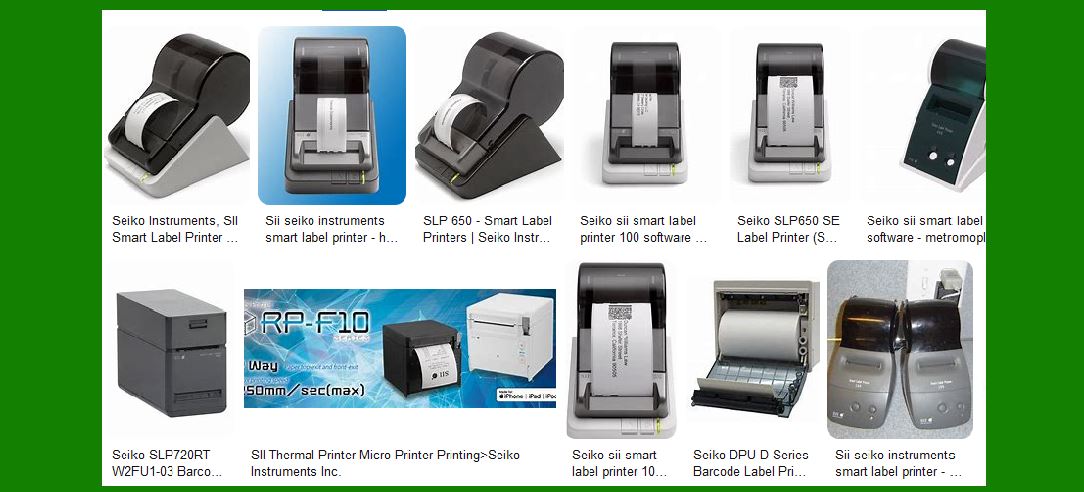
11.2 TSC Barcode Printers |
TSC offers more affordable options while maintaining good quality. They are often chosen for small to medium-sized businesses due to their cost-effectiveness. |
11.3 Honeywell Barcode Printers |
Honeywell printers are designed for high-volume environments and are known for their durability and low maintenance costs. They are often used in warehouses and distribution centers. |
11.4 Other Brands (Epson, Brother, Intermec) |
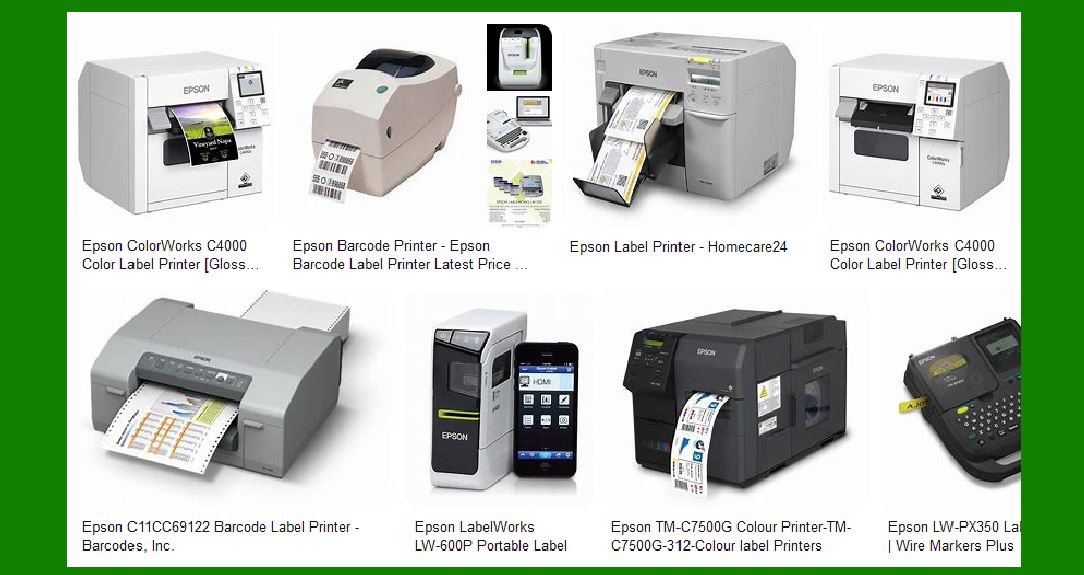
Other notable brands include Epson, Brother, and Intermec, each offering a range of barcode printers suited to different business needs, with varying maintenance costs. |
|
12. Future Trends in Barcode Printing |
12.1 The Role of Digital Printing |
Digital printing is becoming more prominent, allowing for on-demand printing of barcode labels with greater flexibility and lower setup costs. |
12.2 Advancements in Print Head Technology |
Advancements in print head technology are improving print quality and reliability, reducing maintenance costs. |
12.3 Impact of RFID Technology |
RFID technology is poised to replace barcode systems in certain applications. As RFID printers become more common, their associated costs will impact the total cost of ownership. |
12.4 Sustainability and Eco-Friendly Solutions |
Sustainability is becoming more important in the barcode printing industry. Eco-friendly materials, such as recyclable thermal labels, are gaining popularity, reducing long-term costs and environmental impact. |
In conclusion, the costs of using and maintaining barcode printers vary widely depending on the type, volume, and specific needs of the business. Careful selection, regular maintenance, and optimized practices can significantly reduce the overall cost of ownership for any type of printer. |
|
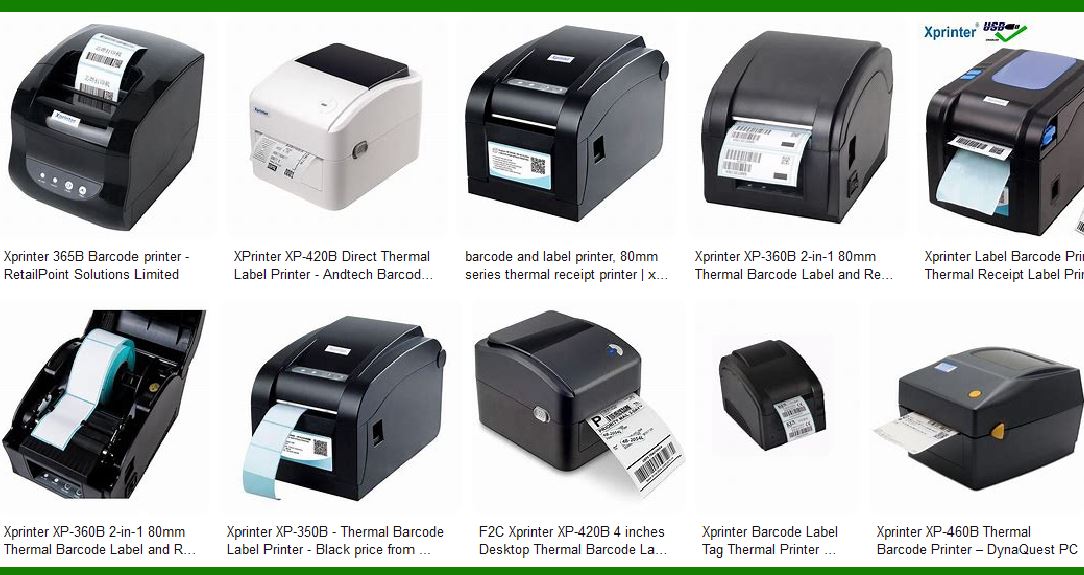
Consumable Parts and Replacement Costs for Thermal Barcode Printers |
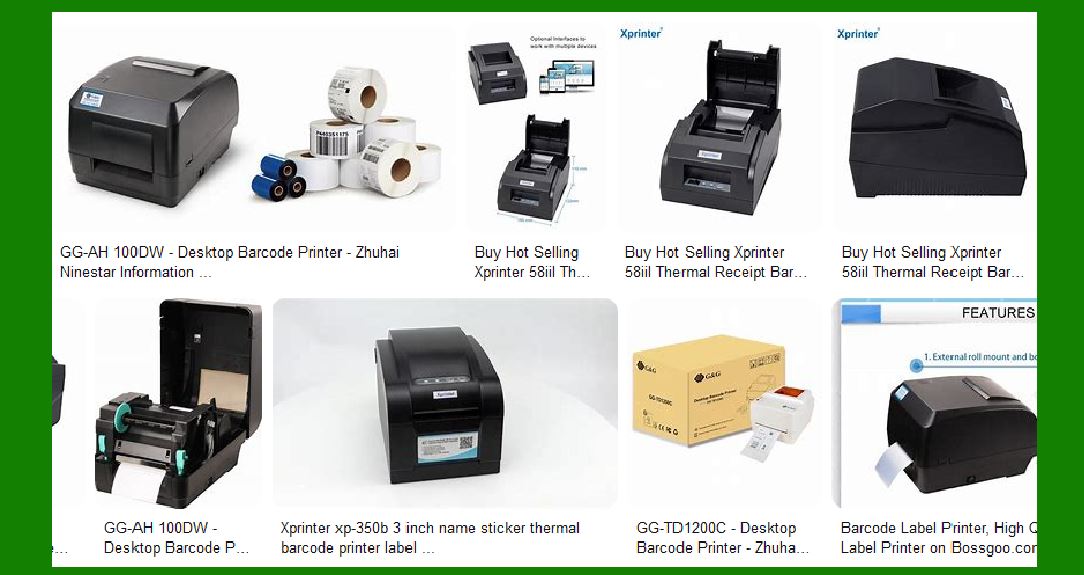
Thermal barcode printers are widely used due to their efficiency, reliability, and minimal maintenance requirements. However, like any other technology, these printers require consumable parts that need to be replaced periodically. These consumables directly affect the operational costs, as well as the overall total cost of ownership for the printer. |
The consumable parts for thermal barcode printers are divided into the following categories: |
1.Thermal Ribbons (for Thermal Transfer Printers) |
2.Thermal Paper Rolls (for Direct Thermal Printers) |
3.Print Heads |
4.Rollers and Platen |
5.Labels and Tags |
6.Cleaning Supplies |
|
Let's dive into each consumable and its replacement costs: |
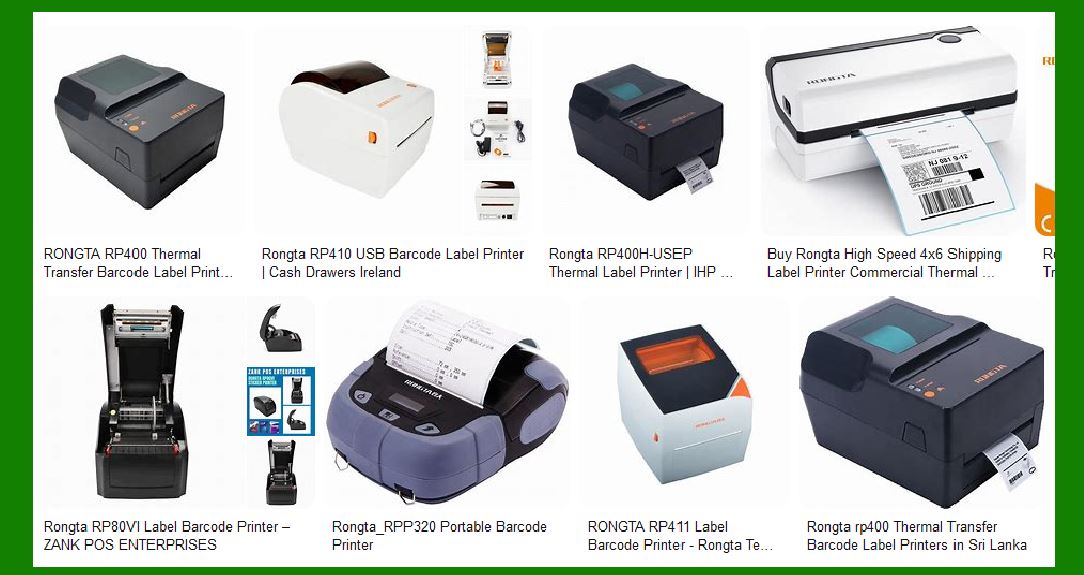
1. Thermal Ribbons (for Thermal Transfer Printers) |
Thermal transfer printers use a heated ribbon to transfer ink onto the label surface. This results in high-quality, durable barcodes that are resistant to fading, heat, and chemicals. |
Usage: |
Thermal ribbons are used when printing on materials that need more durability, such as polyester, polypropylene, or other synthetic materials. |
These ribbons come in various sizes to fit different printer models and are used for printing on thermal transfer labels. |
Replacement Costs: |
Price per Ribbon: A typical thermal transfer ribbon can range from $15 to $50 depending on the length, width, material (wax, resin, or a combination), and the brand. |
Wax Ribbons: Usually the least expensive, suitable for printing on paper-based labels. These typically cost between $15-$25 for a 300-meter roll. |
Resin Ribbons: More durable and typically used for synthetic materials. These tend to cost between $30-$50 for a 300-meter roll. |
Hybrid Ribbons: These offer a mix of wax and resin properties and can cost between $20-$40. |
Factors Affecting Cost: |
Material Type: Wax ribbons are cheaper, but they offer lower durability than resin ribbons, which are more expensive but provide better long-term results for labels exposed to harsh conditions. |
Ribbon Length: The longer the ribbon, the more expensive it will be. However, buying in bulk often reduces the per-unit cost. |
Printer Compatibility: Some printers may require specific ribbon types, which could increase the cost if the manufacturer uses proprietary designs. |
|
2. Thermal Paper Rolls (for Direct Thermal Printers) |
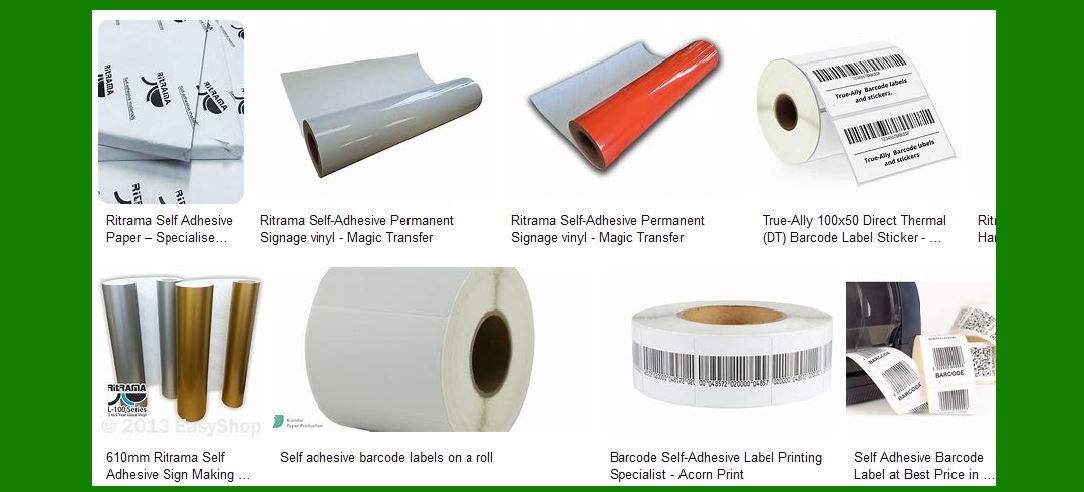
Direct thermal printers do not require ink, toner, or ribbons. Instead, they use heat-sensitive paper, which darkens when heated by the printer's print head. This process is ideal for short- to medium-term labeling applications, such as shipping labels or tickets. |
Usage: |
Direct thermal paper rolls are typically used in logistics, retail, and healthcare for applications where labels are not exposed to long-term conditions. |
These papers are ideal for low-volume printing and are typically used for labels that will not be exposed to extreme environments. |
Replacement Costs: |
Price per Roll: The cost of thermal paper rolls can vary, typically ranging from $10 to $30 per roll. |
Standard Paper Rolls: For standard paper-based thermal labels, prices can range from $10 to $15 for a 5-inch by 500-foot roll. |
Premium Paper Rolls: Rolls designed for higher durability and longer shelf life can cost upwards of $25-$30. |
Factors Affecting Cost: |
Paper Quality: Higher quality thermal papers that resist fading and damage are more expensive. |
Roll Size: Larger rolls (e.g., 6 inches wide and 1000 feet long) will cost more than smaller rolls but may offer better cost savings in high-volume operations. |
Environmental Considerations: Eco-friendly options, such as BPA-free thermal paper, tend to be more expensive than standard thermal paper. |
|
3. Print Heads |
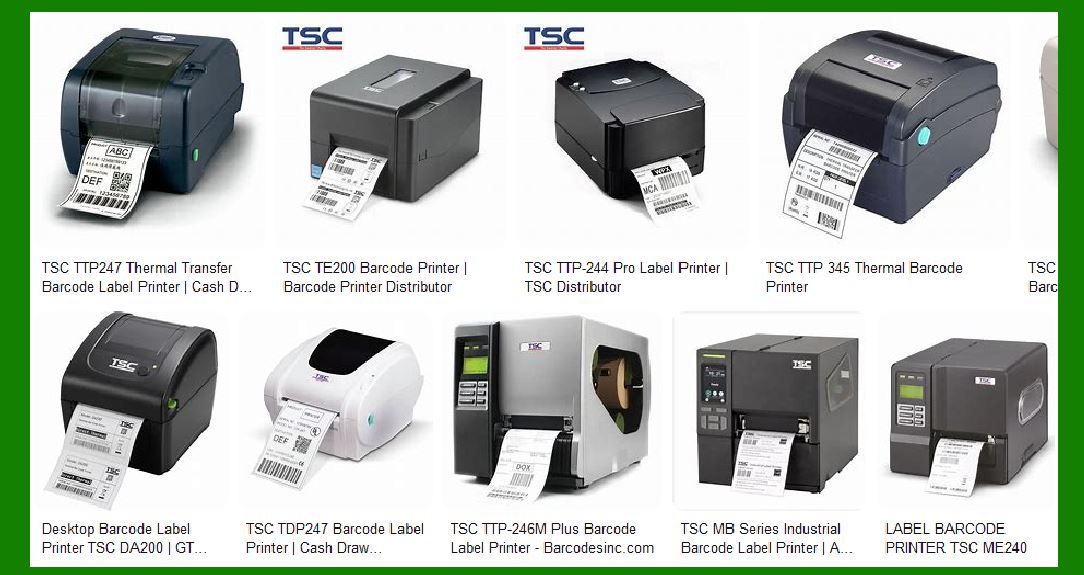
The print head is the most important component of a thermal printer, responsible for applying heat to the ribbon (in thermal transfer printers) or the thermal paper (in direct thermal printers). Over time, print heads may degrade due to wear and tear, reducing the quality of prints or even causing complete failure. |
Usage: |
The print head is essential for the quality of the barcodes and images printed. |
Depending on the printing volume, the print head may need to be replaced every 6 months to 2 years. |
Replacement Costs: |
Price per Print Head: Replacing a thermal printer's print head can cost anywhere from $150 to $600, depending on the printer model and brand. |
Standard Print Heads: For mid-range models, print heads typically cost between $150 and $250. |
High-End Print Heads: For industrial models, the cost can range from $300 to $600. |
Factors Affecting Cost: |
Printer Model: Industrial and commercial printers have higher print head costs due to their durability and design. |
Print Volume: High-volume printing can lead to faster wear of the print head, necessitating more frequent replacements. |
|
4. Rollers and Platen |
The platen is the rubber roller that feeds the labels through the printer, while the rollers are the smaller components that help with label handling and alignment. Over time, both parts can wear down, especially when using low-quality labels or printing in high volumes. |
Usage: |
Rollers and platen are subject to wear from friction as the labels pass through the printer. |
Their life span is typically several years, depending on printer usage and the type of material being printed. |
Replacement Costs: |
Price per Roller/Platen: Replacing rollers and platens typically costs between $50 and $150. |
Rollers: Individual rollers can cost around $10 to $50. |
Platen: Replacing the platen roller generally costs $50 to $150. |
Factors Affecting Cost: |
Printer Type: The cost can vary significantly depending on whether the printer is a desktop model or an industrial model. |
Material Quality: Using rough or poorly treated labels can accelerate the wear and tear on these parts. |
|
5. Labels and Tags |
The cost of labels and tags is a significant part of the consumable costs for thermal barcode printers. The material used for labels varies widely depending on the application, such as paper, synthetic materials, or even fabric. |
Usage: |
Labels are typically purchased in bulk and come in various sizes, shapes, and adhesive types. |
The choice of label material depends on the environment and how long the label is expected to last. |
Replacement Costs: |
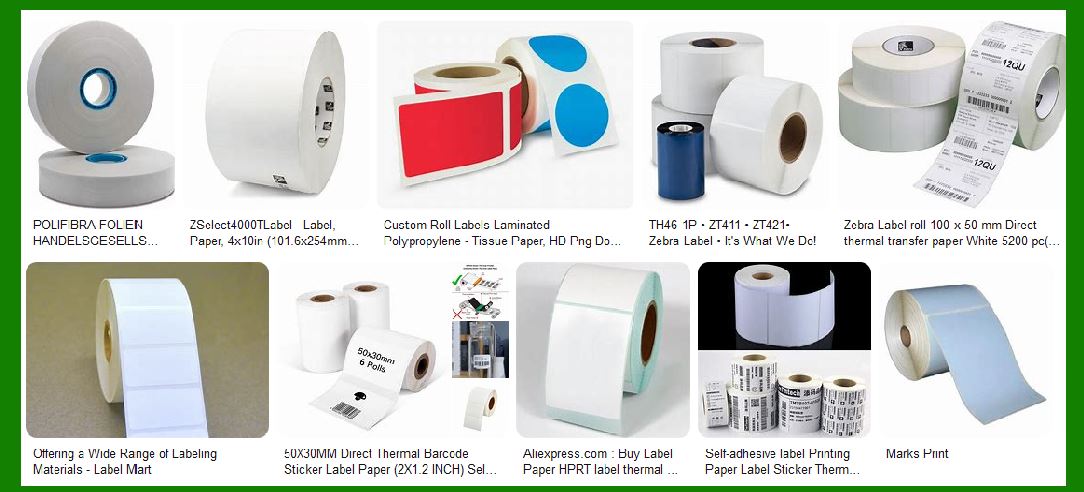
Price per Label: Label costs can vary based on size, material, and adhesive strength. |
Paper Labels: For general use, paper labels can cost between $0.01 and $0.05 per label. |
Synthetic Labels: More durable materials like polyester or polypropylene can cost between $0.05 and $0.20 per label. |
Factors Affecting Cost: |
Label Material: Synthetic labels are more durable and can resist moisture, UV, and abrasion, but they are more expensive than paper labels. |
Label Size and Shape: Custom-sized labels may incur higher costs compared to standard sizes. |
|
6. Cleaning Supplies |
Maintaining clean print heads, rollers, and platen is crucial for ensuring high-quality output and extending the lifespan of the printer. Special cleaning supplies such as wipes, brushes, and solvents are used to prevent dust and ink buildup that can interfere with printing. |
Usage: |
Regular cleaning is necessary to avoid print defects like streaks or smudging and to ensure the longevity of the printer. |
The frequency of cleaning depends on the printing volume and the type of materials used. |
Replacement Costs: |
Price per Cleaning Kit: A basic cleaning kit typically costs between $10 and $40. |
Cleaning Wipes: These are usually available for $10 to $15 for a pack of 50 wipes. |
Cleaning Solvents: Specialized cleaning solutions cost between $10 and $20 per bottle. |
Factors Affecting Cost: |
Printer Volume: High-volume environments may require more frequent cleaning and higher-quality cleaning supplies. |
Printer Model: Some printers require specialized cleaning kits, which could cost more. |
|
Conclusion |
Thermal barcode printers offer a cost-effective and efficient way to print high-quality labels and barcodes, but the cost of consumables plays a significant role in the total operating cost. The key consumables-ribbons, paper rolls, print heads, rollers, and labels-can add up over time, so it's important to factor these costs into the total cost of ownership when selecting a printer. By choosing the right consumables and maintaining the printer properly, businesses can minimize costs and maximize the longevity and reliability of their thermal barcode printers. |
|
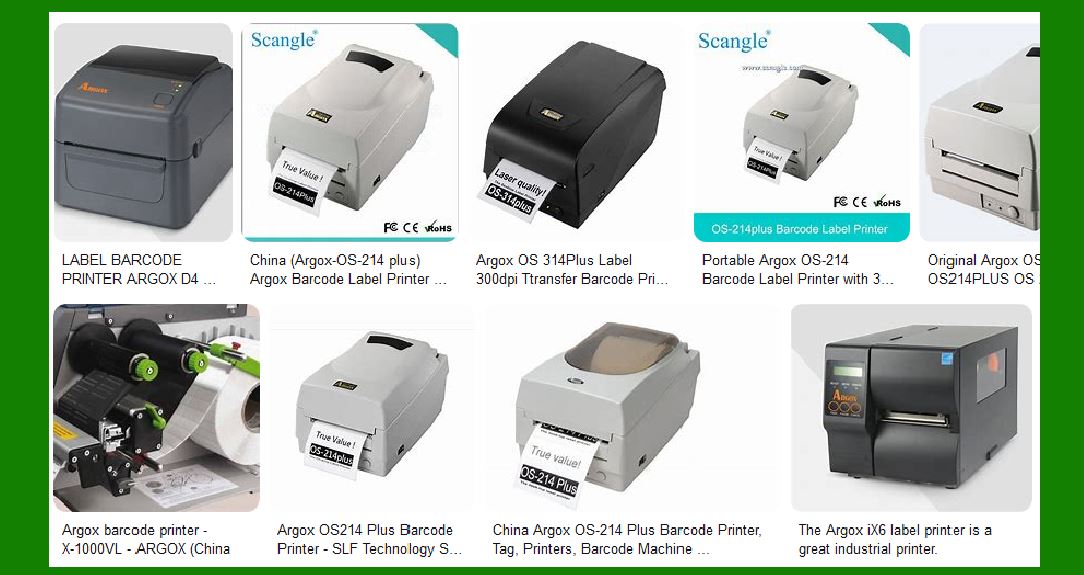
Consumable Parts and Replacement Costs for Dot Matrix Barcode Printers |
Dot matrix barcode printers, while not as commonly used as thermal printers, are still prevalent in certain industrial, logistics, and inventory environments due to their durability, versatility, and relatively low operating costs. However, these printers do have consumable parts that require periodic replacement. The costs associated with consumables in dot matrix barcode printers can vary depending on usage, the quality of materials, and the specific printer model. |
Below is a detailed breakdown of the consumable parts for dot matrix barcode printers, along with their replacement costs: |
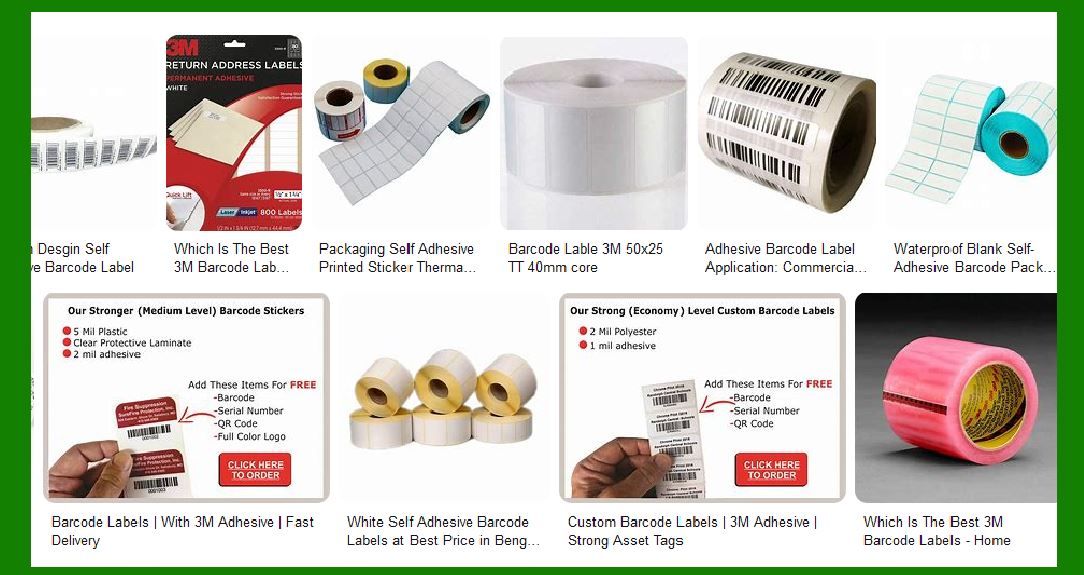
1. Ink Ribbons |
Dot matrix printers rely on ink ribbons to transfer ink onto paper, creating text and barcode images. These ribbons are a crucial consumable in dot matrix barcode printers. |
Usage: |
Ink ribbons are used to print barcodes and text by striking an ink-coated ribbon against the paper through a matrix of pins. |
The type of ribbon used can vary depending on the printer model (e.g., fabric ribbons or carbon ribbons). |
Replacement Costs: |
Price per Ribbon: The cost of an ink ribbon generally ranges from $5 to $25, depending on the printer's brand and model, and the type of ribbon (standard or high-quality). |
Standard Ribbon: Basic ribbons, typically used in desktop dot matrix printers, cost between $5 and $10 per ribbon. |
High-Quality Ribbon: Premium ribbons that are more durable, and typically used in industrial models or for printing high-quality barcodes, cost between $15 and $25 per ribbon. |
Factors Affecting Cost: |
Ribbon Type: Some printers use fabric-based ribbons, which are more affordable, while others use carbon ribbons for higher-quality prints, which cost more. |
Printer Model: High-end industrial printers may require specialized ribbons that cost more. |
Ribbon Yield: Ribbons have a limited yield, typically measured in terms of number of characters or prints, so high-volume users will replace them more often. |
|
2. Paper (Continuous or Fanfold Paper) |
Dot matrix barcode printers usually work with continuous or fanfold paper. The paper is fed through the printer in a continuous roll or in perforated sheets (fanfold), allowing the printer to produce barcodes and other printed content. |
Usage: |
Dot matrix printers commonly use continuous paper or fanfold paper because the paper is designed for the pin-and-ribbon printing mechanism. |
The paper can be plain, carbonless, or multi-part, depending on the intended use. |
Replacement Costs: |
Price per Ream (Continuous or Fanfold Paper): Paper costs can vary, generally ranging from $5 to $40 per ream, depending on the paper type and the quality required. |
Plain Paper: For standard continuous or fanfold paper, the cost is typically between $5 and $15 per ream (typically 500 sheets or 500 meters). |
Carbonless Paper: For multi-part or carbonless paper used in invoices or shipping labels, the cost can range from $20 to $40 per ream. |
Factors Affecting Cost: |
Paper Type: Multi-part or carbonless paper can be significantly more expensive than plain continuous paper. |
Paper Size and Thickness: Heavier or thicker paper (used for industrial labels or specific applications) costs more than regular paper. |
Brand and Supplier: The cost may vary based on the manufacturer and where the paper is purchased. |

|
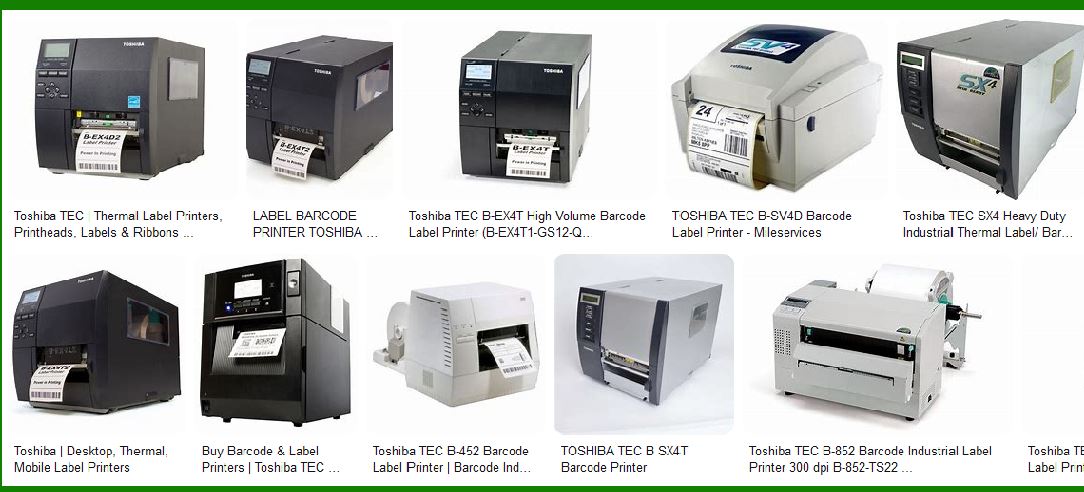
3. Print Head |
The print head is one of the most critical parts of any dot matrix printer, as it contains the pins that strike the ribbon to create the printed image, including barcodes. Over time, print heads wear out due to the constant impact of pins against the ribbon and paper. |
Usage: |
Print heads in dot matrix printers can last a long time, especially with moderate use, but they may wear out faster in high-volume applications. |
Proper cleaning and maintenance can extend the life of the print head. |
Replacement Costs: |
Price per Print Head: Replacing the print head in a dot matrix printer can be quite costly, ranging from $50 to $500, depending on the printer's model and complexity. |
Basic Print Heads: For entry-level or smaller desktop printers, the print head can cost between $50 and $150. |
High-End Print Heads: Industrial dot matrix printers may require print heads that cost $200 to $500. |
Factors Affecting Cost: |
Print Head Type: Some high-end models feature more durable, high-performance print heads that cost more. |
Volume of Printing: High-volume printing or printing on tougher media may lead to faster wear of the print head, requiring more frequent replacements. |
Printer Model: Industrial models or large-format printers generally use larger, more durable print heads, which can be more expensive to replace. |
|
4. Cartridge (Optional) |
Some dot matrix printers, particularly older or more specialized models, may use ink cartridges, which house the ink ribbon inside a cartridge casing. These cartridges often combine the ribbon and print head in one unit. |
Usage: |
Ink cartridges are typically used in less expensive or smaller models of dot matrix printers. |
These are simpler to replace, as they come preloaded with ink ribbon and sometimes include cleaning pads. |
Replacement Costs: |
Price per Cartridge: Depending on the brand and model, ink cartridges for dot matrix printers cost between $15 and $45 each. |
Standard Cartridges: For basic models, the cost is typically $15 to $25. |
High-Yield or Industrial Cartridges: For high-volume printing, these may cost $30 to $45. |
Factors Affecting Cost: |
Cartridge Yield: Higher yield cartridges are more expensive but last longer, reducing the frequency of replacement. |
Printer Model Compatibility: Specific cartridges are designed for individual printer models, so prices vary accordingly. |
|
5. Rollers and Feed Mechanism Parts |
The rollers in a dot matrix printer are responsible for feeding paper into the printer. These parts wear down over time, particularly with high-volume printing, and can affect the quality of printouts and the overall performance of the printer. |
Usage: |
Rollers and feed mechanisms ensure the proper feeding of continuous paper or fanfold paper. |
These parts need to be replaced when they become too worn to properly feed paper through the printer, or if they become misaligned. |
Replacement Costs: |
Price per Roller: Replacement rollers generally cost between $10 and $40 each. |
Standard Rollers: For general-purpose models, rollers typically cost $10 to $20. |
Heavy-Duty Rollers: For industrial models, or if they include multiple rollers for various stages of paper handling, the cost can be $30 to $40. |
Factors Affecting Cost: |
Printer Model: Printers that use more complex paper-feeding mechanisms, or those with larger print areas, will generally have higher-cost rollers. |
Frequency of Use: High-volume printing leads to faster wear on the rollers, necessitating more frequent replacements. |
|
6. Cleaning Supplies |
Proper cleaning is essential to maintaining the longevity and efficiency of a dot matrix barcode printer. Dust, ink, and paper residue can accumulate over time, leading to print quality issues and mechanical malfunctions. |
Usage: |
Cleaning supplies such as brushes, wipes, and cleaning solutions help keep the print head, ribbon, rollers, and platen clean. |
Regular maintenance ensures that the printer continues to produce quality barcodes and text. |
Replacement Costs: |
Price per Cleaning Kit: A basic cleaning kit for a dot matrix printer typically costs between $10 and $50. |
Cleaning Wipes: A pack of cleaning wipes typically costs between $5 and $20. |
Cleaning Solvents: Special cleaning fluids or sprays for the print head can cost between $5 and $15 per bottle. |
Factors Affecting Cost: |
Cleaning Frequency: The more frequently the printer is used, the more often cleaning will be required, increasing the need for cleaning supplies. |
Printer Model: Some printers require specialized cleaning products, which may cost more. |
|
Conclusion |
Dot matrix barcode printers are a robust and cost-effective option for certain printing needs, especially in industrial settings. While these printers have some of the lowest upfront costs, their consumable parts (such as ink ribbons, paper, print heads, and rollers) contribute significantly to their overall cost of ownership. By choosing the right consumables and maintaining the printer properly, businesses can maximize the lifespan and performance of their dot matrix barcode printers, ensuring efficient and reliable printing. |
|
Consumable Parts and Replacement Costs for Laser Barcode Printers |
Laser barcode printers are widely known for their high-speed, high-resolution printing capabilities. Unlike thermal printers, laser printers use a laser beam to transfer toner onto the label material, providing sharp, durable, and high-quality prints. These printers are commonly used for applications requiring high volumes of labels with fine details, including barcodes, logos, and text. However, just like any other printer, laser barcode printers require periodic replacement of consumable parts, which contribute significantly to the total cost of ownership. |
Below is a detailed breakdown of the consumable parts in laser barcode printers, along with their replacement costs: |
1. Toner Cartridges |
Toner cartridges are one of the most significant consumables in laser printers. These cartridges contain a fine powder (toner) that is fused onto the label using heat and pressure. The toner is responsible for creating the printed barcode and other text/images on the label. |
Usage: |
Laser printers use toner cartridges to print high-quality, durable barcodes and other images. |
The toner is transferred onto paper or label stock via a laser beam, which produces extremely fine and sharp print quality, ideal for detailed barcodes. |
Replacement Costs: |
Price per Toner Cartridge: The cost of toner cartridges typically ranges from $50 to $500, depending on the printer's model, print quality, and the cartridge's yield. |
Standard Yield Cartridges: For basic or mid-range printers, the cost is generally between $50 and $150 per cartridge. |
High-Yield or Industrial Cartridges: For high-volume or industrial laser printers, toner cartridges can range from $150 to $500. |
Factors Affecting Cost: |
Printer Model: Higher-end printers or industrial laser printers require larger, more expensive toner cartridges. |
Yield: The toner cartridge's yield (how many pages it can print before running out of toner) plays a major role in the cost. Standard yield cartridges generally cost less but require more frequent replacements compared to high-yield cartridges. |
Brand: OEM (original equipment manufacturer) toner cartridges are typically more expensive than third-party or compatible cartridges, though the latter may offer savings at the cost of quality or reliability. |
|
2. Drum Units |
The drum unit is a key component of a laser printer, responsible for holding the toner and transferring it to the paper or label. It is used in conjunction with the toner cartridge. In many printers, the drum is either part of the toner cartridge or a separate unit that needs to be replaced independently. |
Usage: |
The drum is responsible for creating the electrostatic image on the printing surface, where toner particles are transferred to the label or paper. |
The drum can wear out over time due to the heat and friction during the printing process. |
Replacement Costs: |
Price per Drum Unit: Replacing the drum typically costs between $100 and $400, depending on the printer model. |
Standard Drum Units: Basic models or lower-volume printers usually have drum units that cost between $100 and $150. |
High-End Drum Units: For high-volume printers or industrial models, drum units can range from $200 to $400. |
Factors Affecting Cost: |
Drum Life: The life expectancy of the drum is usually measured in terms of pages printed. High-volume usage can significantly reduce the drum's lifespan, requiring more frequent replacement. |
Printer Compatibility: Some printers have separate drums and toner cartridges, while others combine both into one unit, affecting the overall cost. |
|
3. Fuser Units |
The fuser unit in a laser printer is responsible for applying heat and pressure to fuse the toner onto the paper or label. The fuser melts the toner particles, which then bond to the surface of the paper or label to create a permanent image. |
Usage: |
Fusers are crucial for the final bonding of toner to the label material. Over time, the fuser unit can degrade due to the constant heat and pressure used during the printing process. |
Replacement Costs: |
Price per Fuser Unit: Replacing a fuser unit generally costs between $100 and $500, depending on the printer's model and the frequency of use. |
Standard Fusers: For smaller printers, the cost can be between $100 and $200. |
Industrial Fusers: For industrial-grade printers that handle high volumes of printing, fuser replacements can range from $200 to $500. |
Factors Affecting Cost: |
Usage Frequency: The more frequently the printer is used, the sooner the fuser will need replacement. High-volume printing can result in more frequent wear and tear. |
Printer Model: Industrial or high-end models have more durable fuser units, but they are generally more expensive to replace. |
|
4. Transfer Belts |
In certain laser printers, particularly those used for color printing, the transfer belt is used to transfer toner onto the paper or label. The transfer belt moves the toner to the fuser, where the image is permanently bonded to the paper. |
Usage: |
Transfer belts are primarily found in color laser printers and are used for precise color toner placement. As with other parts of the printer, the belt can wear down over time. |
Replacement Costs: |
Price per Transfer Belt: Replacement transfer belts can range from $100 to $300, depending on the printer's model. |
Standard Transfer Belts: For mid-range color laser printers, transfer belts typically cost between $100 and $150. |
High-End Transfer Belts: Industrial-grade or higher-performance models can have transfer belts costing between $200 and $300. |
Factors Affecting Cost: |
Color Printing: Transfer belts are more commonly used in color laser printers, so the cost of replacement parts is generally higher for these models. |
Printer Model: High-performance printers with more advanced transfer technology tend to have more expensive transfer belts. |
|
5. Paper (for Laser Printers) |
Laser barcode printers require high-quality paper or label stock to achieve optimal print quality. The type of paper used depends on the printer's capabilities and the type of labels being printed (e.g., adhesive, matte, or glossy paper). |
Usage: |
Paper or label stock used in laser printers must be compatible with the heat and toner application process. |
The paper should have a smooth surface to ensure precise toner placement and high-quality prints. |
Replacement Costs: |
Price per Ream of Paper: The cost of paper for laser printers typically ranges from $5 to $50 per ream (500 sheets). |
Standard Paper: Regular laser printing paper (uncoated, 20 lb weight) typically costs between $5 and $15 per ream. |
Specialty Label Stock: For laser-compatible labels, the cost is higher, ranging from $20 to $50 per ream, depending on the material (e.g., synthetic or waterproof labels). |
Factors Affecting Cost: |
Label Quality: Specialty labels designed for durability or outdoor use (e.g., polyester or vinyl) tend to be more expensive. |
Paper Size and Weight: Larger sheets or heavier paper weights (for industrial applications) can increase the cost per ream. |
Brand: Premium brands or eco-friendly options often cost more. |
|
6. Maintenance Kits and Miscellaneous Parts |
Regular maintenance is essential to keep laser barcode printers running smoothly. Some manufacturers provide maintenance kits containing parts like rollers, cleaning kits, and other small components that wear out over time. |
Usage: |
Regular maintenance, such as cleaning the printer's internal components, replacing worn rollers, and replacing parts like the transfer belt or feed mechanism, is required to ensure consistent performance. |
Replacement Costs: |
Price per Maintenance Kit: Maintenance kits typically range from $50 to $200, depending on the printer model and the parts included. |
Standard Kits: Basic maintenance kits, which include cleaning supplies and small parts, usually cost between $50 and $100. |
Comprehensive Kits: Kits that contain multiple replacement parts (e.g., rollers, feed mechanisms, and drum cleaning tools) can cost $150 to $200. |
Factors Affecting Cost: |
Printer Type: Industrial and commercial-grade printers require more comprehensive kits with higher replacement costs. |
Usage Volume: Printers that are used heavily in high-volume environments will need more frequent maintenance and thus incur higher costs for replacement parts. |
|
Conclusion |
Laser barcode printers provide high-quality prints and are highly efficient for applications that require fast and durable barcode printing. However, they do come with significant consumable costs that contribute to the overall cost of ownership. These costs primarily stem from the replacement of toner cartridges, drum units, fuser units, transfer belts, and paper, as well as maintenance kits. By choosing the right consumables, carefully maintaining the printer, and selecting cost-effective options, businesses can minimize their total cost of ownership while maximizing the performance and longevity of their laser barcode printers. |
|
Consumable Parts and Replacement Costs for Inkjet Barcode Printers |
Inkjet barcode printers are a popular choice for many businesses due to their versatility, high-quality print outputs, and ability to handle a wide variety of printing media, including labels, receipts, and barcodes. Inkjet printers work by spraying tiny droplets of ink onto paper or label stock, creating the print image. While inkjet printers are typically less expensive upfront than laser printers, their consumables-such as ink cartridges, print heads, and paper-can add up over time. Below is a detailed breakdown of the consumable parts and their replacement costs for inkjet barcode printers. |
1. Ink Cartridges |
Ink cartridges are one of the most crucial consumables in inkjet printers, as they contain the ink that is sprayed onto the printing surface to form barcodes, text, and other images. Inkjet printers usually have either individual color cartridges (cyan, magenta, yellow, and black) or a combination cartridge that includes all colors in one unit. |
Usage: |
Ink cartridges are used to produce high-resolution prints, including barcodes that need to be precise for scanning accuracy. |
The inkjet printing method provides vivid colors and high-quality prints, ideal for barcode applications where clarity and sharpness are critical. |
Replacement Costs: |
Price per Ink Cartridge: The cost of ink cartridges for inkjet barcode printers typically ranges from $10 to $100, depending on the printer model and cartridge type. |
Standard Cartridges: For entry-level or mid-range printers, ink cartridges usually cost between $10 and $30 each. |
High-Yield Cartridges: For high-capacity cartridges, the cost typically ranges from $30 to $100, depending on the brand and ink capacity. |
Factors Affecting Cost: |
Brand: OEM (original equipment manufacturer) ink cartridges are generally more expensive than third-party or compatible cartridges, though the latter may affect print quality. |
Ink Type: Some inkjet printers use specialized ink, such as pigment-based ink for water-resistant prints or dye-based ink for higher color vibrancy. These specialty inks can be more expensive. |
Printer Model: Printers that are designed for high-volume or industrial use typically require larger, more expensive ink cartridges. |
|
2. Print Heads |
In inkjet printers, the print head is a critical component responsible for spraying the ink onto the label or paper. The print head contains nozzles through which ink is ejected in controlled droplets to create precise prints. Over time, the print head can wear out due to the constant exposure to ink and the heat generated during printing. |
Usage: |
Print heads are essential for the high-resolution printing of barcodes and other graphics. A damaged or clogged print head can result in poor print quality or unreadable barcodes. |
Some inkjet printers have built-in, non-replaceable print heads, while others have replaceable ones. |
Replacement Costs: |
Price per Print Head: Depending on the printer model, replacing the print head typically costs between $50 and $300. |
Standard Print Heads: For lower-end or consumer-grade printers, print head replacements typically cost between $50 and $150. |
Industrial Print Heads: For high-performance or industrial inkjet printers, print heads can cost between $150 and $300, or even higher for specialized models. |
Factors Affecting Cost: |
Printer Model: Entry-level printers may use simpler print heads, which are generally less expensive to replace. Industrial models, which require more precision and durability, often have more expensive print heads. |
Usage: Frequent use, especially in high-volume environments, can cause wear on the print head and may require more frequent replacements. |
|
3. Paper or Label Stock |
Inkjet printers are highly versatile when it comes to media compatibility. They can print on a wide variety of materials, including plain paper, glossy paper, and different types of label stock. The type of paper used can significantly affect the print quality, especially when printing barcodes, as certain paper types hold ink better than others. |
Usage: |
Inkjet barcode printers require media that is designed to hold the ink droplets in place to prevent smearing, which is especially important for barcodes that need to be scannable. |
The paper or label stock needs to be of high quality to ensure that the ink dries properly, and the barcodes remain sharp and clear for scanning. |
Replacement Costs: |
Price per Ream (Paper): The cost of paper for inkjet printers ranges from $5 to $50 per ream (500 sheets), depending on the type of paper. |
Standard Paper: Basic inkjet-compatible paper typically costs between $5 and $15 per ream. |
Specialty Paper: Glossy or coated paper, often used for high-quality labels or for products that require water resistance, can cost between $15 and $50 per ream. |
Price per Label Stock: Specialty label stock can be more expensive than standard paper, with prices ranging from $10 to $100 or more for a pack of 100 sheets, depending on the material and quality. |
Basic Labels: Standard adhesive labels suitable for inkjet printing usually cost between $10 and $30 per pack of 100 sheets. |
High-Quality Labels: Waterproof or synthetic labels, often used for barcode printing in demanding environments (such as outdoor use or in industrial settings), typically cost between $40 and $100 per pack. |
Factors Affecting Cost: |
Media Type: Specialty labels and media that offer better durability or resistance to smudging will cost more than plain or uncoated paper. |
Printer Model: Some printers are designed to handle larger or more durable paper sizes, which may increase the cost of the paper or labels. |
|
4. Capping Station and Wiper |
The capping station and wiper are essential parts of the inkjet printer responsible for maintaining the print head and ensuring consistent ink flow. The capping station prevents the ink in the print head from drying out, while the wiper clears any residual ink to prevent clogs. |
Usage: |
Over time, these components can become worn or clogged due to regular ink flow and exposure to air. A dirty or damaged capping station can result in poor print quality or nozzle clogging. |
Regular maintenance and replacement of the capping station and wiper are necessary to ensure the longevity of the printer and to maintain high-quality prints. |
Replacement Costs: |
Price per Capping Station and Wiper: Replacing the capping station and wiper can cost between $50 and $200, depending on the printer's brand and model. |
Standard Capping Station: For mid-range inkjet printers, replacement capping stations typically cost between $50 and $100. |
High-End or Industrial Units: For industrial or high-end inkjet printers, replacement capping stations and wipers can cost between $100 and $200. |
Factors Affecting Cost: |
Printer Model: High-performance or industrial-grade inkjet printers tend to have more durable components, but they may also have more expensive replacement parts. |
Usage: High-volume users may need to replace the capping station and wiper more frequently due to the increased wear. |
|
5. Maintenance Kits |
Inkjet printers, especially high-performance models, often come with or require periodic maintenance kits. These kits typically include various components designed to extend the printer's lifespan, such as cleaning solutions, wiper blades, and other small parts. |
Usage: |
Routine maintenance, including using the maintenance kit, helps prevent clogging, ink leakage, and poor print quality. |
For some printers, regular use of maintenance kits is recommended for optimal performance, especially in environments that print large volumes of labels or barcodes. |
Replacement Costs: |
Price per Maintenance Kit: Maintenance kits for inkjet printers typically cost between $20 and $150, depending on the printer model and the contents of the kit. |
Basic Kits: For lower-end models, maintenance kits generally cost between $20 and $50. |
Industrial Kits: For high-performance or industrial models, maintenance kits can cost $100 to $150. |
Factors Affecting Cost: |
Printer Type: Entry-level or consumer-grade printers generally have less complex maintenance requirements, leading to lower-cost kits. |
Frequency of Use: High-volume printers that require regular maintenance will incur higher maintenance costs over time. |
|
6. Other Miscellaneous Parts |
In addition to the primary consumables listed above, several other parts in inkjet printers may need to be replaced or maintained over time. These include: |
Rollers: The rollers help feed paper or label stock into the printer. Over time, they can wear out or become dirty, leading to feeding issues. |
Encoder Strips: These strips track the movement of the print head. They can get dirty or damaged, affecting print quality. |
Waste Ink Pads: These pads collect excess ink during the printing process. When they become full, they must be replaced to prevent ink spillage. |
Replacement Costs: |
Rollers: Replacement rollers typically cost between $10 and $50, depending on the printer model. |
Encoder Strips: These can cost between $20 and $100, depending on the printer's design. |
Waste Ink Pads: These are usually priced between $10 and $30. |
|
Conclusion |
Inkjet barcode printers offer versatility and high-quality printing but come with consumable costs that can add up over time. The primary consumables include ink cartridges, print heads, paper/label stock, capping stations, and maintenance kits. The cost of these consumables varies widely depending on the printer model, print volume, and type of media used. Businesses that use inkjet barcode printers should carefully consider the total cost of ownership, including the cost of consumables, to determine the best long-term solution for their printing needs. Regular maintenance and using high-quality consumables will help maintain print quality and prolong the printer's life, reducing the need for costly repairs or replacements. |
 cs@easiersoft.com