About barcode scanner / reader |
Barcode scanners are essential tools for reading and decoding barcodes, which are commonly used for product identification, inventory management, and more. |
1. Physical Barcode Scanners: |
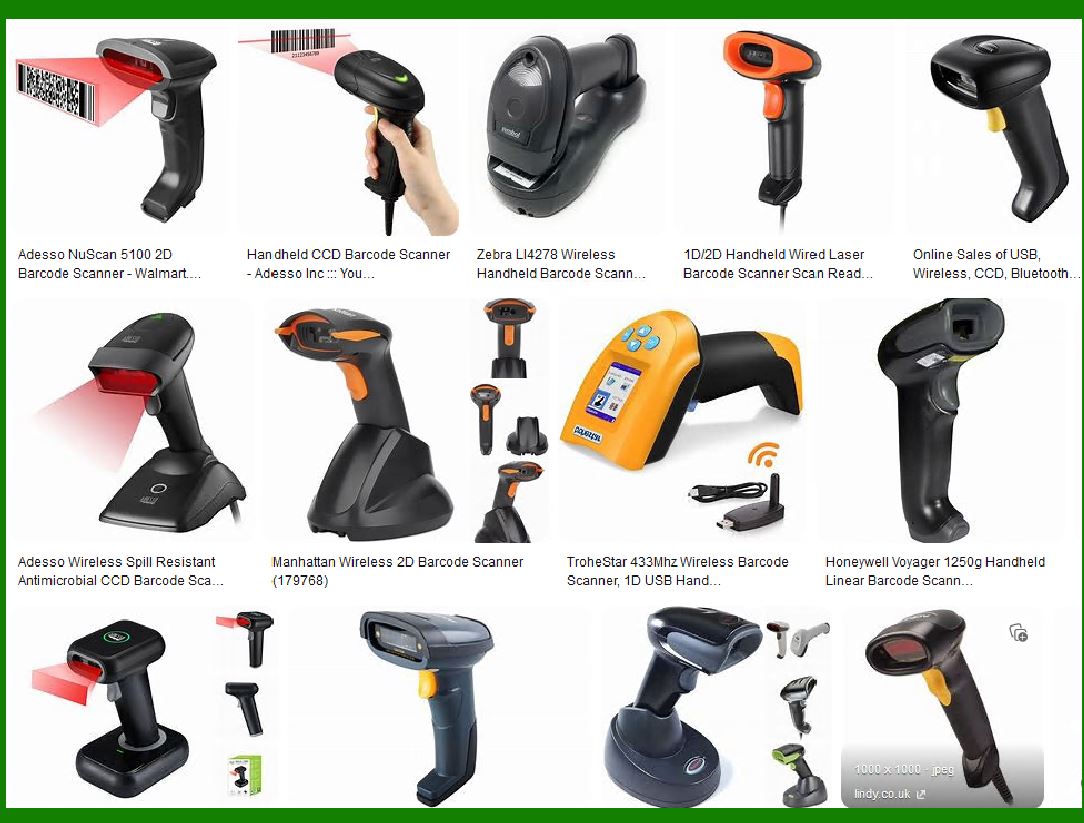
If you're looking for physical barcode scanners, there are wired and wireless options available. These devices are commonly used in retail, logistics, and other industries for efficient barcode scanning. |
|
Remember that barcode scanners can read both 1D (linear) and 2D barcodes. 1D barcodes consist of vertical bars, while 2D barcodes encode information in two dimensions, allowing them to store more data. The choice of scanner depends on the type of barcode and its intended use. |
2. Online Barcode Scanners: |
Aspose.BarCode Scanner: This online tool allows you to scan barcodes using your mobile phone’s camera. It supports various 1D and 2D barcode types, including QR Code, Data Matrix, and more. Simply choose the scanning mode (1D or 2D), capture the barcode with your camera, and let the algorithms determine the symbology and recognize it. |
Nanonets Barcode Scanner: Nanonets offers a free barcode scanner that works with images, camera pictures, or PDF files. Upload your images, and the barcode reader will scan all the barcodes, converting them into a tabular format. |
3. Web version free Online Barcode Readers: |
Inlite Research Barcode Reader: This free online web application supports various barcode types, including Code 39, Code 128, PDF417, and more. |
|
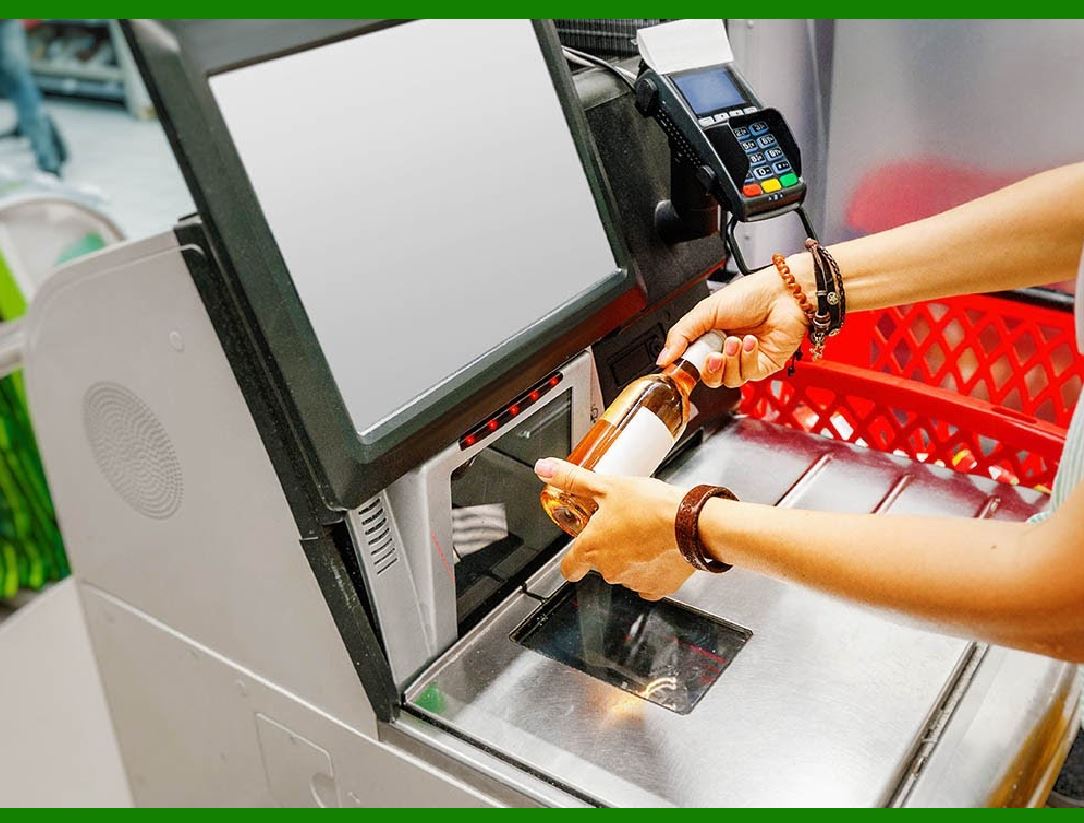
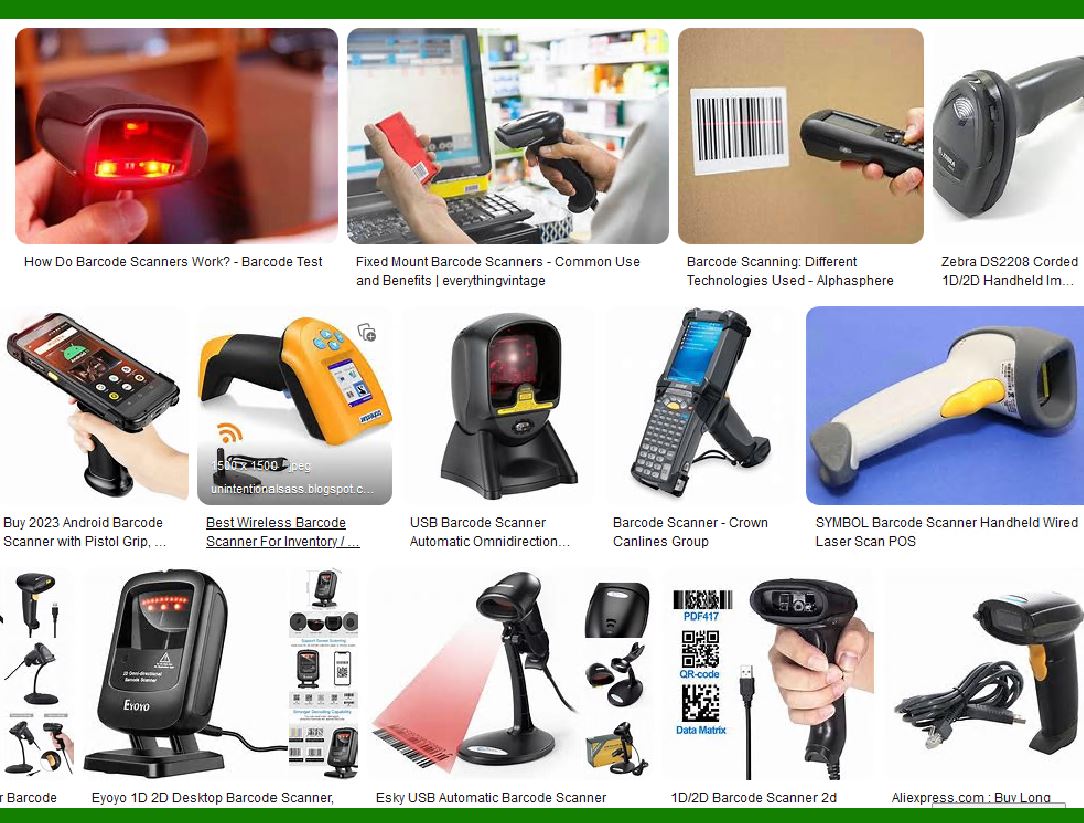
There are several types of barcode scanners, each with distinct features and use cases |
1. Laser Barcode Scanners: |
These are the most common scanners used across various industries. Laser scanners emit a red laser light onto the barcode. The black lines of the barcode absorb the light, while the white lines reflect it back to the scanner. The scanner's sensor reads and decodes the reflected light to interpret the barcode information. Laser scanners are cost-effective but have limitations in scanning capabilities, as they can only read standard linear (1D) barcodes. |
2. Image Scanners: |
Image scanners use LED lights instead of lasers. They capture the entire image of the barcode and then decode it. These scanners are versatile and can read barcodes from various surfaces, including paper, OLED screens, and LCD screens. |
3. 2D Area Imagers: |
Similar to regular image scanners, 2D area imagers can scan all barcode types: 1D, 2D, and stacked. They capture the complete barcode image and decode it. These scanners are ideal for applications where different types of barcodes need to be scanned. |
4. CCD Barcode Scanners: |
Charge-Coupled Device (CCD) scanners use an array of tiny light sensors. They capture the entire barcode image and then process it. CCD scanners are reliable and suitable for reading barcodes at close range. |
5. Pen Readers and Barcode Wands: |
Pen wands are handheld devices that users manually swipe across the barcode. They are simple and inexpensive but require manual effort. Barcode wands work similarly but are more automated and faster. |
|
The choice of barcode scanner depends on your specific business needs and application requirements. Each type has its advantages and limitations, so consider factors like scanning distance, barcode type, and connectivity options when selecting a scanner for your business. |
 cs@easiersoft.com