Barcode Scanners: Durability and Impact Resistance |
1. Overview |
1.1 Introduction to Barcode Scanners |
Barcode scanners are essential tools in various industries, including retail, logistics, healthcare, and manufacturing. They facilitate the quick and accurate capture of data from barcodes, streamlining processes and improving efficiency. However, the environments in which these scanners are used can be harsh, often leading to exposure to rough conditions and accidental drops. |
1.2 Importance of Durability |
Durability in barcode scanners is crucial because it directly impacts the device’s lifespan and reliability. A durable scanner can withstand the rigors of daily use, including drops, bumps, and exposure to dust and moisture. This durability ensures that the scanner remains functional and accurate over time, reducing the need for frequent replacements and repairs. |
1.3 Common Scenarios of Rough Conditions |
Barcode scanners are often used in environments where they are subjected to rough handling. For example, in a warehouse, a scanner might be dropped from a forklift or knocked off a shelf. In a retail setting, it might be exposed to spills or dropped by a cashier. In healthcare, scanners might be used in sterile environments where they need to be frequently sanitized, exposing them to harsh cleaning agents. |
|
2. Advantages of Durable Barcode Scanners |
2.1 Extended Lifespan |
Durable barcode scanners are designed to last longer, even in challenging environments. This extended lifespan means that businesses can rely on their scanners for a longer period, reducing the need for frequent replacements. This longevity translates to cost savings over time, as the initial investment in a durable scanner pays off through reduced maintenance and replacement costs. |
2.2 Reduced Downtime |
When a barcode scanner is durable, it is less likely to break down or malfunction. This reliability reduces downtime, ensuring that operations can continue smoothly without interruptions. In industries where time is critical, such as logistics and healthcare, reduced downtime can significantly impact productivity and efficiency. |
2.3 Enhanced Performance |
Durable barcode scanners are often built with high-quality components that enhance their performance. These components ensure that the scanner can read barcodes accurately and quickly, even in challenging conditions. This enhanced performance is particularly important in environments where speed and accuracy are critical, such as retail checkouts and inventory management. |
2.4 Cost Savings |
While durable barcode scanners may have a higher upfront cost, they offer significant cost savings in the long run. The reduced need for repairs and replacements, combined with the extended lifespan and enhanced performance, means that businesses can save money over time. Additionally, the reduced downtime and increased productivity further contribute to cost savings. |
2.5 Improved User Experience |
Durable barcode scanners are designed to withstand rough handling, making them more user-friendly. Employees can use these scanners with confidence, knowing that they can withstand accidental drops and exposure to harsh conditions. This improved user experience can lead to increased job satisfaction and productivity. |

|
3. Disadvantages of Durable Barcode Scanners |
3.1 Higher Initial Cost |
One of the main disadvantages of durable barcode scanners is their higher initial cost. These scanners are built with high-quality materials and components, which increases their manufacturing cost. As a result, businesses need to invest more upfront to purchase durable scanners. |
3.2 Increased Weight and Size |
Durable barcode scanners are often bulkier and heavier than their less durable counterparts. This increased weight and size can make them less convenient to use, particularly for employees who need to carry them around for extended periods. The added bulk can also make the scanners less portable and more challenging to store. |
3.3 Limited Design Options |
Durable barcode scanners are typically designed with functionality and durability in mind, which can limit their design options. Businesses looking for sleek and aesthetically pleasing scanners may find that durable models do not meet their design preferences. This limitation can be a drawback for companies that prioritize the appearance of their equipment. |
3.4 Potential Overkill for Low-Risk Environments |
In environments where barcode scanners are not exposed to rough conditions, investing in highly durable scanners may be unnecessary. For example, in an office setting where scanners are used infrequently and handled with care, the added durability may not provide significant benefits. In such cases, the higher cost of durable scanners may not be justified. |

|
4. Types of Durable Barcode Scanners |
4.1 Rugged Handheld Scanners |
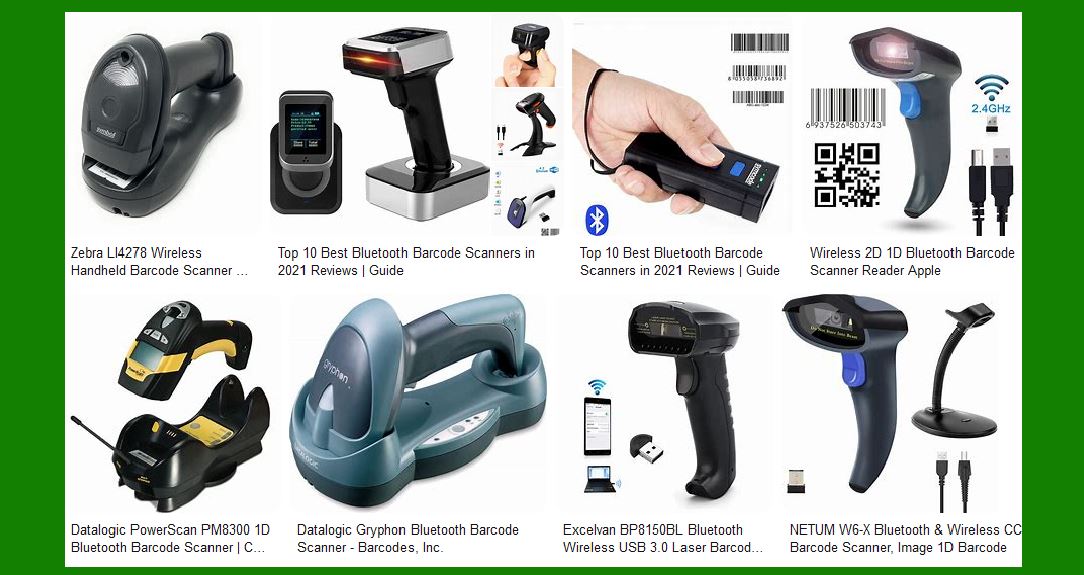
Rugged handheld scanners are designed to withstand harsh conditions and rough handling. They are often used in warehouses, manufacturing plants, and outdoor environments. These scanners are built with reinforced housings, shock-absorbing materials, and sealed components to protect against dust and moisture. They can withstand drops from significant heights and continue to function accurately. |
4.2 Wearable Scanners |
Wearable scanners are designed to be worn on the body, such as on the wrist or finger. These scanners are built to withstand the rigors of daily use, including drops and exposure to harsh conditions. Wearable scanners are commonly used in logistics and warehousing, where employees need to keep their hands free for other tasks. Their durability ensures that they can withstand the demands of these environments. |
4.3 Fixed Mount Scanners |
Fixed mount scanners are installed in a fixed location and are used for automated scanning processes. These scanners are built to withstand continuous use and exposure to harsh conditions. They are commonly used in manufacturing and logistics for tasks such as conveyor belt scanning and automated sorting. The durability of fixed mount scanners ensures that they can operate reliably in these demanding environments. |
4.4 Wireless Scanners |
Wireless scanners offer the flexibility of mobility while maintaining durability. These scanners are designed to withstand drops and rough handling, making them suitable for use in various environments. Wireless scanners are commonly used in retail, healthcare, and logistics, where mobility and durability are essential. Their robust construction ensures that they can handle the demands of these settings. |

|
5. Factors Affecting Durability |
5.1 Material Quality |
The quality of materials used in the construction of barcode scanners significantly impacts their durability. High-quality plastics, metals, and rubber components provide better protection against drops, impacts, and exposure to harsh conditions. Scanners built with durable materials are more likely to withstand rough handling and continue to function accurately. |
5.2 Design and Construction |
The design and construction of barcode scanners play a crucial role in their durability. Scanners with reinforced housings, shock-absorbing materials, and sealed components are better equipped to handle rough conditions. Additionally, ergonomic designs that distribute weight evenly and provide a secure grip can reduce the risk of accidental drops. |
5.3 Environmental Sealing |
Environmental sealing is an important factor in the durability of barcode scanners. Scanners with high IP (Ingress Protection) ratings are better protected against dust and moisture. These scanners are designed to operate reliably in harsh environments, such as manufacturing plants and outdoor settings. The sealing ensures that the internal components remain protected, extending the scanner’s lifespan. |
5.4 Drop Resistance |
Drop resistance is a key feature of durable barcode scanners. Scanners that are designed to withstand drops from significant heights are less likely to suffer damage from accidental falls. Drop resistance is achieved through the use of shock-absorbing materials, reinforced housings, and robust internal components. Scanners with high drop resistance are ideal for use in environments where rough handling is common. |
5.5 Temperature Tolerance |
Temperature tolerance is another important factor in the durability of barcode scanners. Scanners that can operate in extreme temperatures, both hot and cold, are more versatile and reliable. This temperature tolerance ensures that the scanners can function accurately in various environments, from freezing warehouses to hot manufacturing plants. |

|
6. Industry Applications |
6.1 Retail |
In the retail industry, barcode scanners are used at checkout counters, in inventory management, and for price verification. Durable scanners are essential in this environment, as they are frequently handled by employees and exposed to potential drops and spills. The durability of these scanners ensures that they can withstand the demands of a busy retail setting. |
6.2 Logistics and Warehousing |
Logistics and warehousing environments are particularly demanding, with barcode scanners used for tasks such as inventory tracking, order picking, and shipping. Durable scanners are crucial in these settings, as they are often subjected to rough handling, drops, and exposure to dust and moisture. The reliability and durability of these scanners ensure that they can operate accurately and efficiently in these challenging conditions. |
6.3 Healthcare |
In healthcare, barcode scanners are used for patient identification, medication administration, and inventory management. Durable scanners are essential in this environment, as they need to withstand frequent cleaning and exposure to harsh sanitizing agents. The durability of these scanners ensures that they can continue to function accurately and reliably, even with regular exposure to cleaning chemicals. |
6.4 Manufacturing |
Manufacturing environments are harsh, with barcode scanners used for tasks such as tracking production processes, managing inventory, and quality control. Durable scanners are essential in these settings, as they need to withstand exposure to dust, moisture, and rough handling. The durability of these scanners ensures that they can operate reliably and accurately in these demanding conditions. |
6.5 Field Service |
Field service technicians use barcode scanners for tasks such as equipment maintenance, asset tracking, and inventory management. Durable scanners are crucial in this environment, as they need to withstand rough handling, drops, and exposure to various weather conditions. The durability of these scanners ensures that they can continue to function accurately and reliably in the field. |

|
7. Conclusion |
7.1 Summary of Key Points |
Durable barcode scanners are essential tools in various industries, providing reliable and accurate data capture in challenging environments. The durability of these scanners ensures that they can withstand rough handling, drops, and exposure to harsh conditions, reducing the need for frequent replacements and repairs. While durable scanners may have a higher initial cost, their extended lifespan, reduced downtime, and enhanced performance offer significant cost savings over time. |
 cs@easiersoft.com