1. Introduction to Bluetooth Barcode Scanners |
Bluetooth barcode scanners are a type of wireless scanner that connects to devices such as computers, tablets, and smartphones via Bluetooth technology. These scanners are widely used in various industries, including retail, logistics, healthcare, and manufacturing, due to their flexibility and ease of use. |
|
2. How Bluetooth Barcode Scanners Work |
Bluetooth barcode scanners operate by emitting a laser or LED light to scan barcodes. The scanner captures the reflected light and converts it into an electrical signal, which is then decoded into the barcode’s data. This data is transmitted wirelessly to a paired device via Bluetooth. |

|
3. Types of Bluetooth Barcode Scanners |
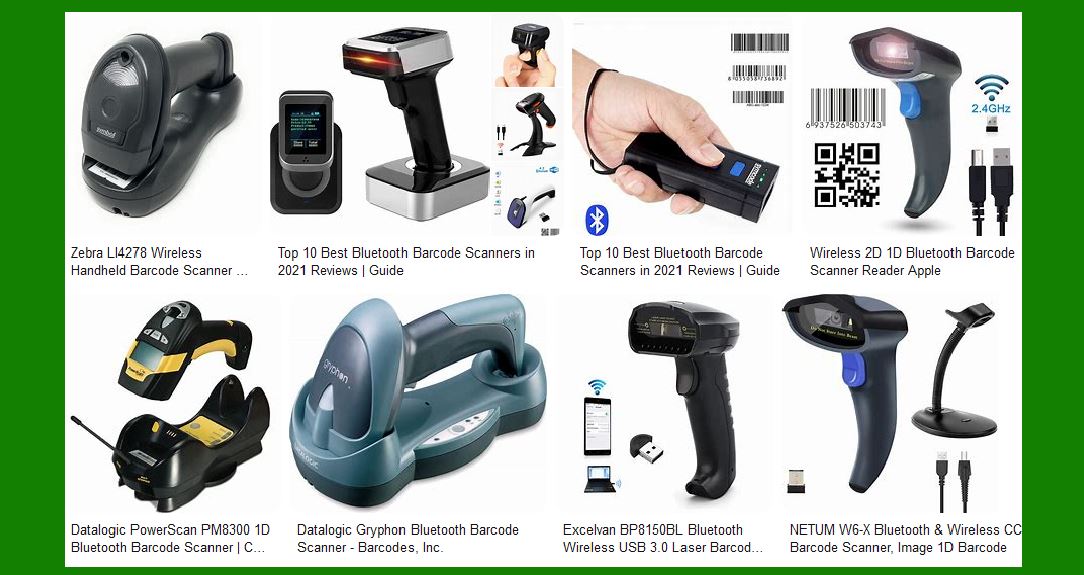
There are several types of Bluetooth barcode scanners, each designed for specific applications: |
Handheld Scanners: These are the most common type, designed for general use. Ring Scanners: Worn on the finger, these scanners are ideal for hands-free operations. Presentation Scanners: These are stationary scanners used for high-volume scanning at checkout counters. Mobile Computer Scanners: These combine a barcode scanner with a mobile computer, offering advanced functionalities. |

|
4. Pairing and Connectivity |
Bluetooth barcode scanners can be easily paired with various devices. The pairing process typically involves: |
Turning on the scanner and enabling Bluetooth. Searching for the scanner on the device to be paired. Selecting the scanner from the list of available devices. Entering a pairing code if required. |

|
5. Advantages of Bluetooth Barcode Scanners |
Bluetooth barcode scanners offer several advantages: |
Easy Pairing: They can be easily paired with a wide range of devices, including smartphones, tablets, and computers. Mobility: They are suitable for mobile applications, allowing users to move freely without being tethered by cables. Versatility: They can be used in various environments, from retail stores to warehouses. Cost-Effective: They eliminate the need for expensive infrastructure, such as wired connections. |

|
6. Disadvantages of Bluetooth Barcode Scanners |
Despite their advantages, Bluetooth barcode scanners have some limitations: |
Limited Range: Bluetooth typically has a shorter range compared to Wi-Fi, usually up to 30 feet. Interference: Bluetooth signals can be affected by physical obstacles and other wireless devices. Battery Life: Wireless operation relies on battery power, which requires regular recharging. |

|
7. Technical Specifications |
Bluetooth barcode scanners come with various technical specifications, including: |
Bluetooth Version: Most modern scanners use Bluetooth 4.0 or higher for better range and energy efficiency. Scanning Technology: Options include laser, CCD, and 2D imaging. Battery Life: Varies by model, with some offering up to 12 hours of continuous use. Durability: Many scanners are designed to withstand drops and harsh environments. |

|
8. Applications in Different Industries |
Bluetooth barcode scanners are used in various industries: |
Retail: For inventory management, point-of-sale transactions, and customer service. Logistics: For tracking shipments, managing inventory, and streamlining warehouse operations. Healthcare: For patient identification, medication tracking, and inventory management. Manufacturing: For tracking parts, managing inventory, and quality control. |

|
9. Comparison with Other Wireless Scanners |
Bluetooth barcode scanners are often compared with other wireless scanners, such as Wi-Fi and RFID scanners: |
Wi-Fi Scanners: Offer longer range and faster data transfer but require a Wi-Fi network. RFID Scanners: Use radio waves to read tags, suitable for tracking large quantities of items but more expensive. |
10. Future Trends |
The future of Bluetooth barcode scanners looks promising with advancements in technology: |
Improved Battery Life: Newer models are expected to offer longer battery life. Enhanced Connectivity: Future scanners may support multiple wireless protocols. Integration with IoT: Scanners may become part of the Internet of Things (IoT), enabling smarter inventory management. |
11. Conclusion |
Bluetooth barcode scanners are a versatile and efficient solution for various scanning needs. Their ease of use, mobility, and cost-effectiveness make them a popular choice across different industries. However, users should consider their specific requirements and the limitations of Bluetooth technology when selecting a scanner. |
 cs@easiersoft.com