Detailed Explanation of the Principles and Structure of Barcode Scanner |
Part 7: Barcode Symbologies, Encoding Structures, and Their Influence on Scanner Design |
1. Introduction to Barcode Symbologies |
1.1 Definition of Symbology |
A barcode symbology is a standardized system that defines how data is encoded into a barcode. It specifies: |
1. The structure of bars, spaces, or modules |
2. The character set supported |
3. The encoding rules |
4. Error detection and correction methods |
Each symbology represents a unique language that scanners must interpret correctly. |
1.2 Importance of Symbologies in Scanning Systems |
Symbologies directly influence: |
1. Scanner hardware design |
2. Decoding algorithms |
3. Application compatibility |
4. Data capacity and density |
A barcode scanner must support multiple symbologies to be versatile in real-world applications. |
1.3 Classification of Symbologies |
Barcode symbologies are broadly divided into: |
1. 1D (Linear) Symbologies |
2. 2D (Matrix and Stacked) Symbologies |
|
2. One-Dimensional (1D) Barcode Symbologies |
2.1 General Structure of 1D Barcodes |
1D barcodes consist of: |
1. Bars (dark elements) |
2. Spaces (light elements) |
3. Quiet zones (blank margins) |
4. Start and stop patterns |
The width and arrangement of bars and spaces encode data. |
2.2 Encoding Methods in 1D Barcodes |
2.2.1 Width-Based Encoding |
Data is encoded using varying widths: |
1. Narrow elements |
2. Wide elements |
2.2.2 Binary Representation |
Bars and spaces represent binary values: |
1. Black = 1 |
2. White = 0 |
2.2.3 Character Mapping |
Groups of bars and spaces correspond to characters in a predefined table. |
3. Common 1D Barcode Symbologies |
3.1 UPC (Universal Product Code) |
3.1.1 Structure |
1. 12-digit numeric code |
2. Left and right halves with guard patterns |
|
3. Center separator |
3.1.2 Encoding Features |
1. Fixed length |
2. Numeric-only encoding |
3. Check digit for validation |
3.1.3 Scanner Implications |
1. Requires high precision |
2. Optimized for retail environments |
3.2 EAN (European Article Number) |
3.2.1 Structure |
1. 13-digit code (EAN-13) |
2. Similar to UPC but extended |
3.2.2 Characteristics |
1. International standard |
2. Encodes country and manufacturer |
3.2.3 Scanner Requirements |
1. Global compatibility |
2. Support for multiple encoding patterns |
3.3 Code 39 |
3.3.1 Structure |
1. Variable length |
2. Uses 9 elements per character |
3.3.2 Features |
1. Supports alphanumeric characters |
2. Simple encoding scheme |
3.3.3 Advantages |
1. Easy to implement |
2. Widely used in industry |
3.4 Code 128 |
3.4.1 Structure |
1. High-density encoding |
2. Variable length |
3.4.2 Encoding Modes |
1. Code Set A |
2. Code Set B |
3. Code Set C |
3.4.3 Features |
1. Compact representation |
2. Supports full ASCII |
3.5 Interleaved 2 of 5 (ITF) |
3.5.1 Structure |
1. Numeric-only |
2. Encodes digits in pairs |
3.5.2 Characteristics |
1. High density |
2. Used in logistics |
|
4. Limitations of 1D Barcodes |
4.1 Data Capacity Constraints |
1. Limited to small amounts of data |
2. Inefficient for complex information |
4.2 Error Tolerance |
1. Limited error correction |
2. Susceptible to damage |
4.3 Orientation Sensitivity |
1. Requires proper alignment |
2. Difficult to scan at angles |
|
5. Two-Dimensional (2D) Barcode Symbologies |
5.1 General Structure of 2D Barcodes |
2D barcodes use: |
1. Square or rectangular grids |
2. Modules (small squares or dots) |
3. Finder patterns |
4. Error correction codes |
5.2 Encoding Methods |
1. Binary encoding in grid format |
2. Data compression techniques |
3. Error correction algorithms |
5.3 Advantages Over 1D Barcodes |
1. Higher data capacity |
2. Better error correction |
3. Omnidirectional readability |

|
6. QR Code Structure and Encoding |
6.1 Structural Components |
1. Finder patterns (three corners) |
2. Alignment patterns |
3. Timing patterns |
4. Data area |
5. Quiet zone |
6.2 Encoding Modes |
1. Numeric |
2. Alphanumeric |
3. Byte mode |
4. Kanji mode |
6.3 Error Correction Levels |
1. Level L (low) |
2. Level M (medium) |
3. Level Q (quartile) |
4. Level H (high) |
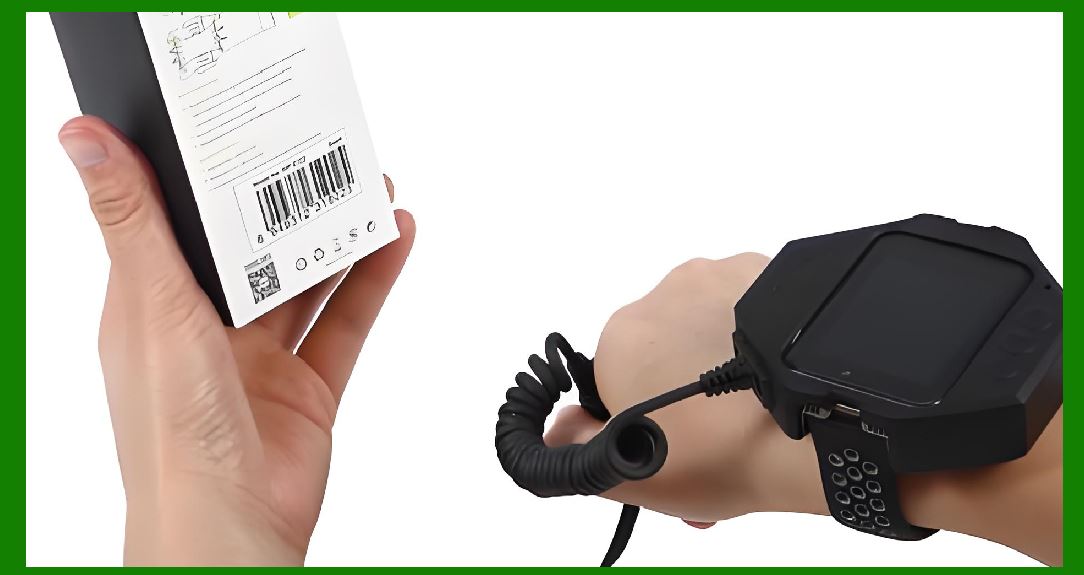
6.4 Scanner Design Implications |
1. Requires image processing |
2. Needs geometric correction |
3. Must handle masking patterns |
|
7. Data Matrix Structure and Encoding |
7.1 Structural Features |
1. L-shaped finder pattern |
2. Alternating timing pattern |
3. Data region |
7.2 Encoding Characteristics |
1. High data density |
2. Suitable for small items |
7.3 Error Correction |
Uses Reed-Solomon codes for: |
1. Data recovery |
2. Damage tolerance |
7.4 Applications |
1. Electronics manufacturing |
2. Medical devices |
3. Aerospace |
|
8. PDF417 Structure and Encoding |
8.1 Structural Design |
1. Stacked linear barcode |
2. Multiple rows and columns |
8.2 Encoding Features |
1. High data capacity |
2. Supports text and binary data |
8.3 Error Correction |
1. Adjustable error correction levels |
2. Robust data recovery |
8.4 Applications |
1. Identification cards |
2. Transport documents |
3. Government records |

|
9. Other 2D Symbologies |
9.1 Aztec Code |
1. Central finder pattern |
2. No quiet zone required |
9.2 MaxiCode |
1. Hexagonal grid |
2. Used in logistics |
9.3 DotCode |
1. Uses dot patterns |
2. Suitable for high-speed printing |

|
10. Influence of Symbologies on Scanner Design |
10.1 Optical Requirements |
1. 1D scanners need linear scanning |
2. 2D scanners require full image capture |
10.2 Processing Requirements |
1. Simple decoding for 1D |
2. Complex algorithms for 2D |
10.3 Hardware Implications |
1. Laser vs imaging systems |
2. Sensor resolution requirements |
|
11. Multi-Symbology Support |
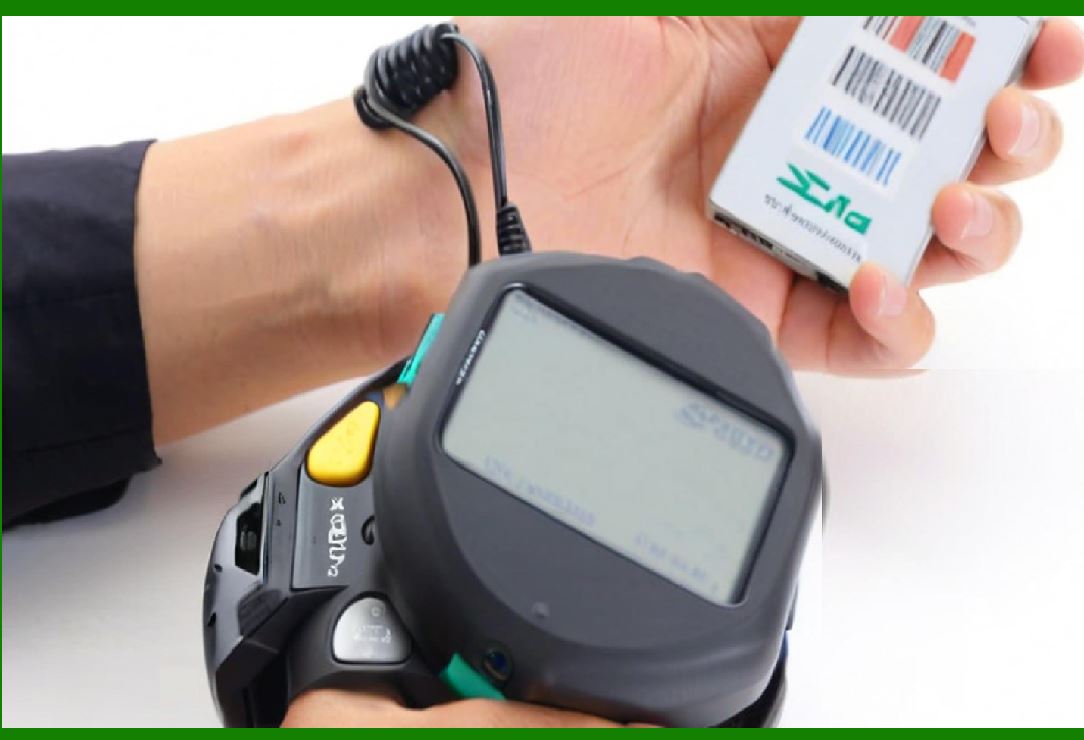
11.1 Automatic Detection |
Scanners can identify: |
1. Barcode type |
2. Encoding method |
11.2 Dynamic Algorithm Switching |
1. Switch decoding logic in real time |
2. Improve efficiency |
|
12. Symbology Standards and Compliance |
12.1 International Standards |
1. ISO/IEC standards |
2. GS1 specifications |
12.2 Industry-Specific Standards |
1. Healthcare |
2. Automotive |
3. Logistics |

|
13. Future Trends in Barcode Symbologies |
13.1 Increased Use of 2D Codes |
1. Higher data capacity |
2. Better security |
13.2 Digital Link Integration |
1. Connect physical products to digital data |
2. Enable smart packaging |
13.3 Enhanced Error Correction |
1. Improved reliability |
2. Greater tolerance to damage |
|
14. Summary of Part 7 |
In this section, we explored barcode symbologies and their encoding structures: |
1. Definition and classification of symbologies |
2. Structure and encoding of 1D barcodes |
3. Detailed analysis of common 1D symbologies |
4. Limitations of linear barcodes |
5. Structure and advantages of 2D barcodes |
6. QR Code, Data Matrix, and PDF417 encoding |
7. Other 2D symbologies |
8. Impact of symbologies on scanner design |
9. Multi-symbology support |
10. Standards and future trends |
Understanding symbologies is essential because they define the data structure that barcode scanners must interpret accurately. |
|
Next Step |
In Part 8, we will explore: |
* Performance factors affecting barcode scanning |
* Environmental influences (lighting, surface, motion) |
* Print quality and barcode verification |
* Scanning distance, angle, and speed |
* Real-world performance optimization |
 cs@easiersoft.com