Part 14: Application Scenarios and Industry-Specific Implementations of Image-Based Scanners (Deep Technical Analysis) |
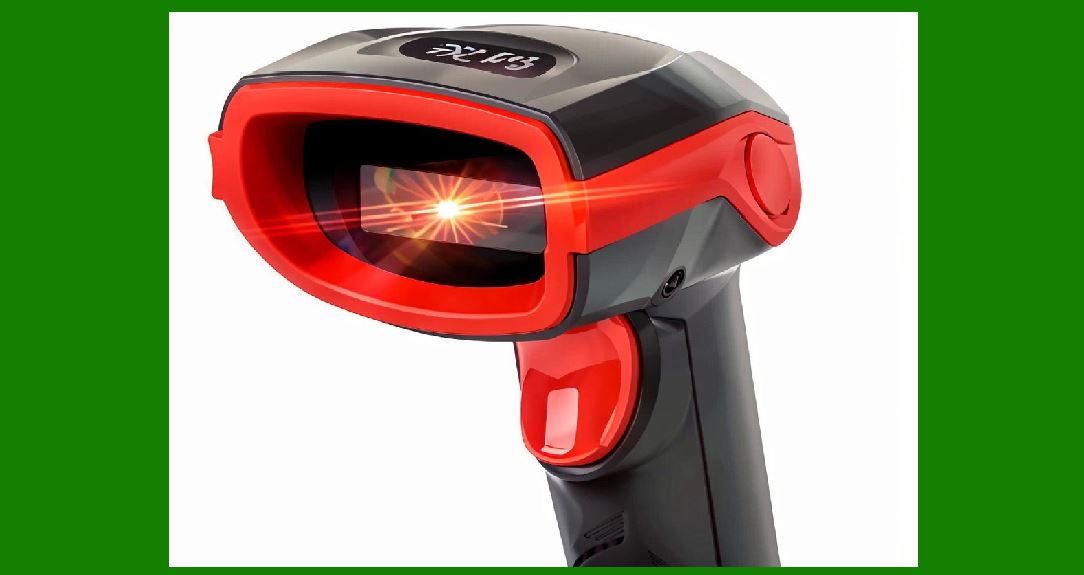
1. Introduction to Application Diversity |
1. Image-based scanners are not designed as one-size-fits-all devices. Their architecture, firmware, optics, and algorithms are often tailored to specific industries and use cases. |
2. Different environments impose unique requirements: |
* Speed vs accuracy priorities |
* Environmental robustness |
* Integration with existing systems |
* Regulatory compliance |
3. Understanding application scenarios is essential for: |
* System design optimization |
* Hardware selection |
* Algorithm customization |
|
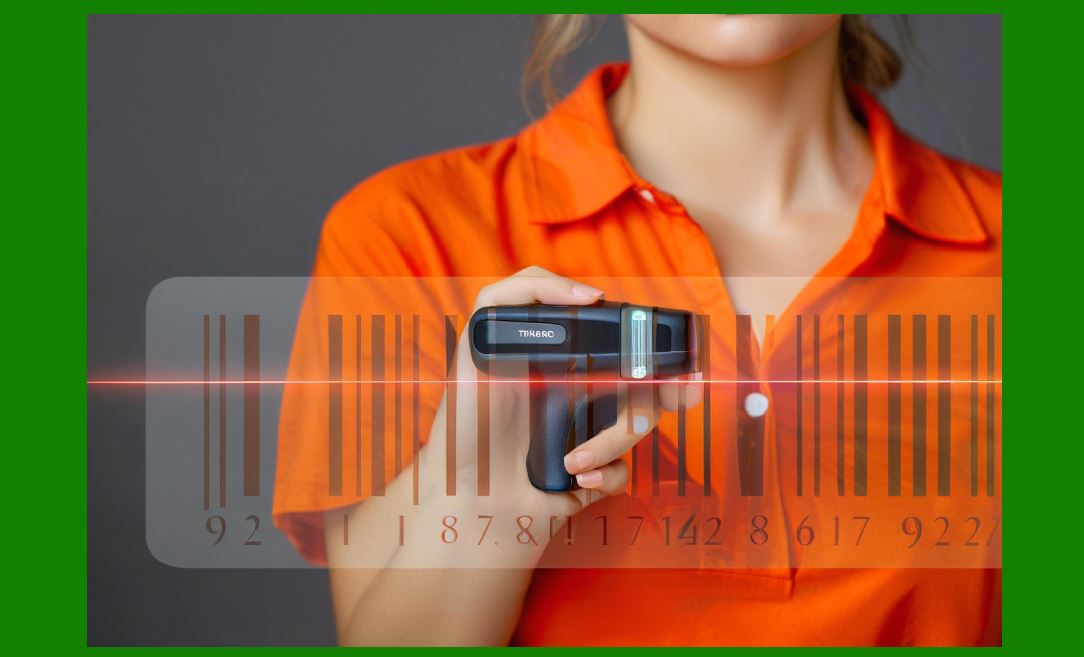
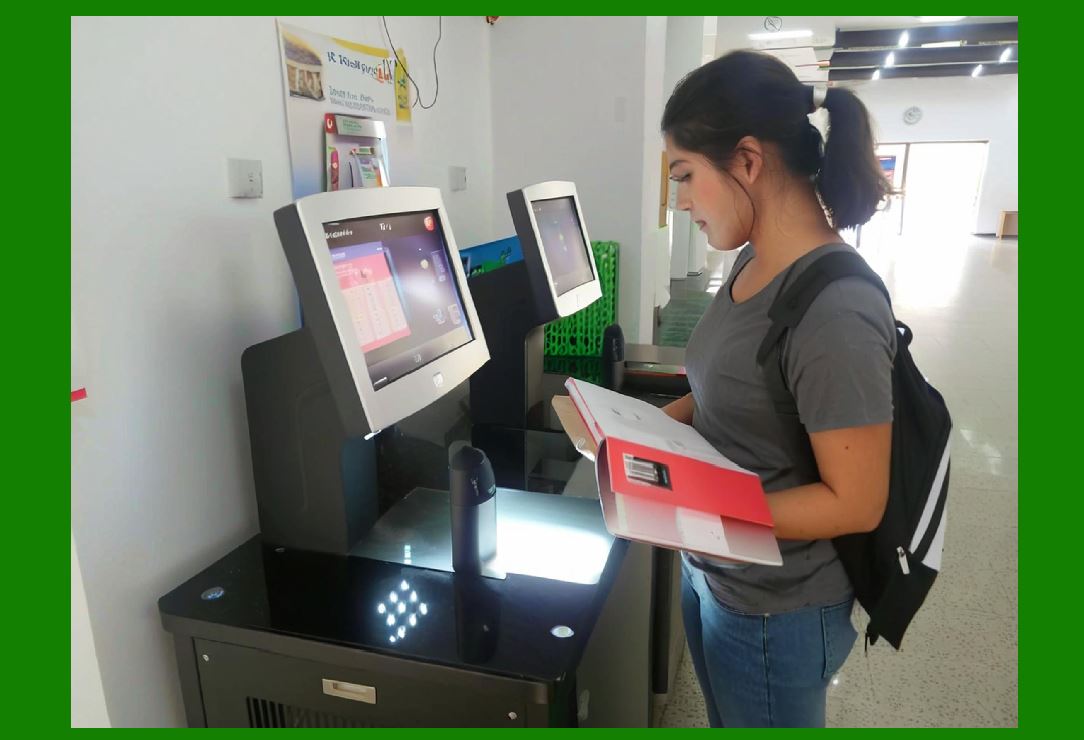
2. Retail and Point-of-Sale (POS) Systems |
2.1 Operational Requirements |
1. High-speed scanning |
2. Minimal user training |
3. Omnidirectional reading |
4. Support for mobile payment codes |
2.2 Scanner Design Features |
1. Wide field of view for quick targeting |
2. Fast decoding algorithms |
3. Compact and ergonomic design |
2.3 Challenges |
1. High transaction volume |
2. Varied barcode quality |
3. Reflective packaging |
2.4 Optimization Strategies |
1. Multi-frame decoding |
2. Anti-glare illumination |
3. Real-time feedback (beep/LED) |
|
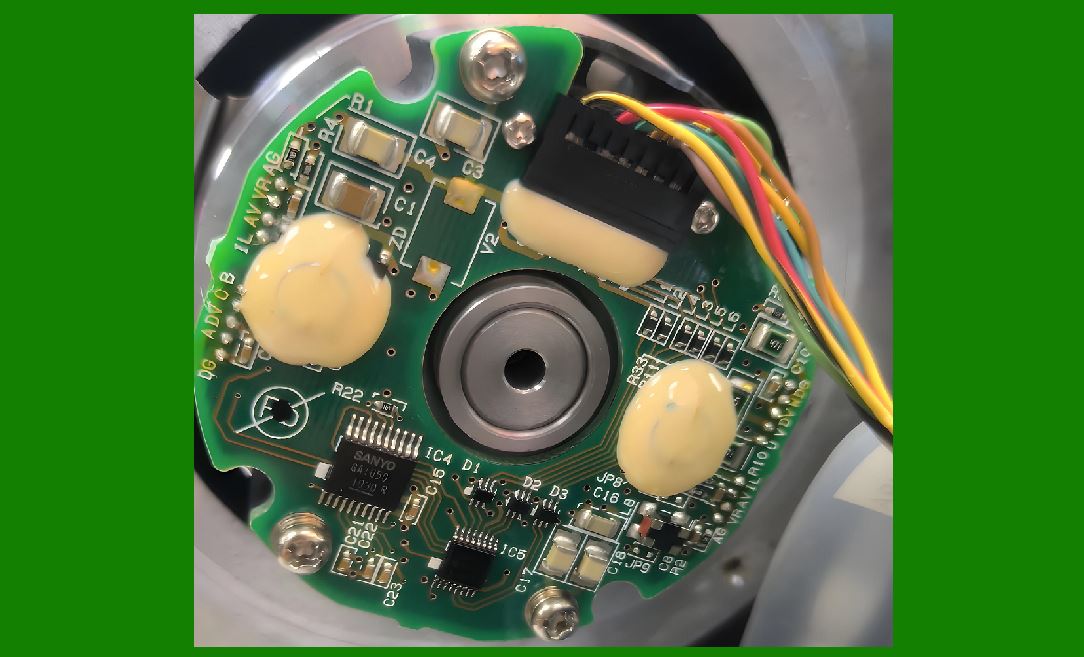
3. Logistics and Warehousing |
3.1 Operational Requirements |
1. Long-range scanning |
2. High throughput |
3. Durability in harsh environments |
3.2 Scanner Design Features |
1. High-intensity illumination |
2. Rugged housing (shock-resistant) |
3. Wireless connectivity |
3.3 Challenges |
1. Damaged labels |
2. Low-contrast printing |
3. Dust and vibration |
3.4 Optimization Strategies |
1. Advanced error correction |
2. AI-based detection |
3. Adaptive exposure control |
|
4. Healthcare and Medical Applications |
4.1 Operational Requirements |
1. High accuracy (patient safety critical) |
2. Sterilization compatibility |
3. Reading small, dense codes |
4.2 Scanner Design Features |
1. Antimicrobial housing |
2. High-resolution sensors |
3. Quiet operation (reduced noise) |
4.3 Challenges |
1. Tiny Data Matrix codes on medical devices |
2. Low lighting conditions |
3. Strict regulatory requirements |
4.4 Optimization Strategies |
1. Enhanced image processing |
2. Precision optics |
3. Redundant verification |
|
5. Industrial Manufacturing |
5.1 Operational Requirements |
1. Continuous operation |
2. Integration with automation systems |
3. High reliability |
5.2 Scanner Design Features |
1. Fixed-mount configuration |
2. High-speed processing |
3. Industrial communication interfaces |
5.3 Challenges |
1. High-speed moving objects |
2. Dirty or damaged barcodes |
3. Strong electromagnetic interference |
5.4 Optimization Strategies |
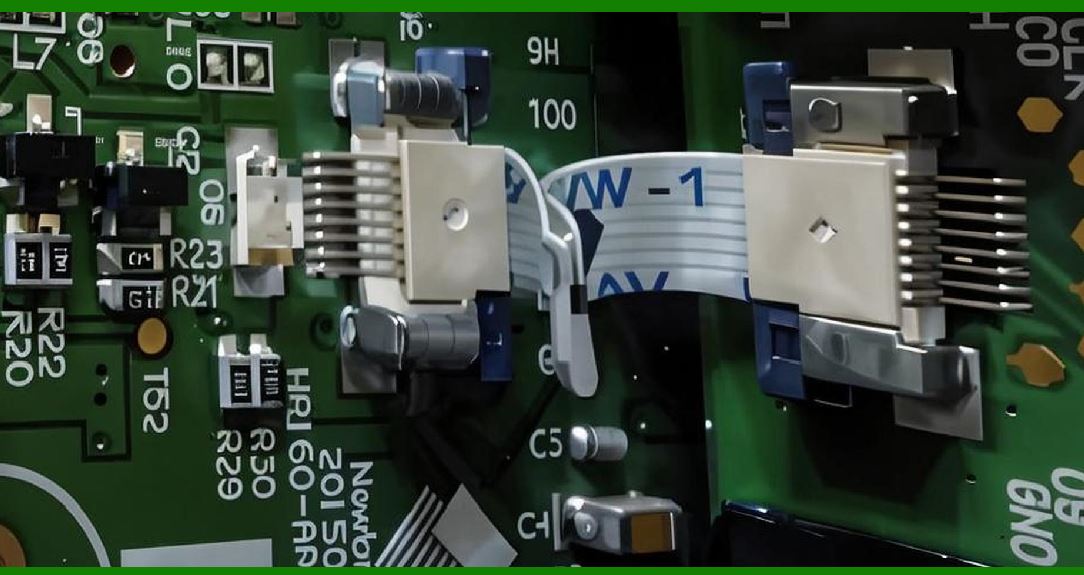
1. Global shutter sensors |
2. Real-time processing pipelines |
3. Robust shielding |
|
6. Transportation and Ticketing Systems |
6.1 Operational Requirements |
1. Fast passenger throughput |
2. Mobile screen scanning |
3. High reliability |
6.2 Scanner Design Features |
1. Screen-optimized imaging |
2. Anti-reflection optics |
3. Compact design |
6.3 Challenges |
1. Screen glare |
2. Variable brightness |
3. Motion during scanning |
6.4 Optimization Strategies |
1. Adaptive exposure |
2. HDR imaging |
3. Motion compensation |

|
7. Mobile Payment and Digital Wallet Systems |
7.1 Operational Requirements |
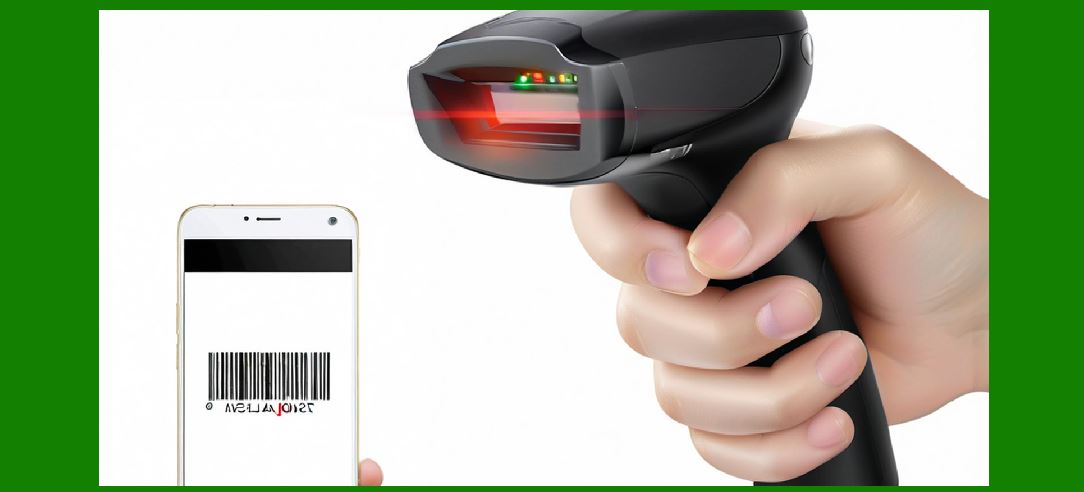
1. Reading QR codes from smartphone screens |
2. Instant response |
3. High user convenience |
7.2 Scanner Design Features |
1. Optimized for low-contrast displays |
2. Fast autofocus (if applicable) |
3. Wide scanning angle |
7.3 Challenges |
1. Screen flicker |
2. Low brightness |
3. Reflections |
7.4 Optimization Strategies |
1. Anti-flicker algorithms |
2. Adaptive gain control |
3. Screen-specific decoding enhancements |

|
8. E-commerce and Last-Mile Delivery |
8.1 Operational Requirements |
1. Portable scanning devices |
2. Wireless connectivity |
3. Battery efficiency |
8.2 Scanner Design Features |
1. Lightweight handheld design |
2. Long battery life |
3. Cloud connectivity |
8.3 Challenges |
1. Outdoor lighting conditions |
2. Damaged packaging |
3. Network variability |
8.4 Optimization Strategies |
1. HDR imaging |
2. Robust decoding algorithms |
3. Offline data buffering |
|
9. Government and Security Applications |
9.1 Operational Requirements |
1. High security |
2. Data integrity |
3. Compliance with regulations |
9.2 Scanner Design Features |
1. Secure firmware |
2. Encrypted communication |
3. Tamper-resistant design |
9.3 Challenges |
1. Fraudulent codes |
2. Data privacy concerns |
9.4 Optimization Strategies |
1. Authentication mechanisms |
2. Secure data transmission |

|
10. Library and Archival Systems |
10.1 Operational Requirements |
1. Accurate reading of small labels |
2. Quiet operation |
3. Long-term reliability |
10.2 Scanner Design Features |
1. High-resolution imaging |
2. Low-noise operation |
10.3 Challenges |
1. Worn or faded labels |
2. Dense shelving environments |
10.4 Optimization Strategies |
1. Enhanced contrast processing |
2. Precise targeting |
|
11. Agricultural and Field Applications |
11.1 Operational Requirements |
1. Outdoor operation |
2. Resistance to environmental conditions |
11.2 Scanner Design Features |
1. Weather-resistant housing |
2. High-brightness illumination |
11.3 Challenges |
1. Dirt and moisture |
2. Bright sunlight |
11.4 Optimization Strategies |
1. Optical filtering |
2. Adaptive exposure |
|
12. Integration with Enterprise Systems |
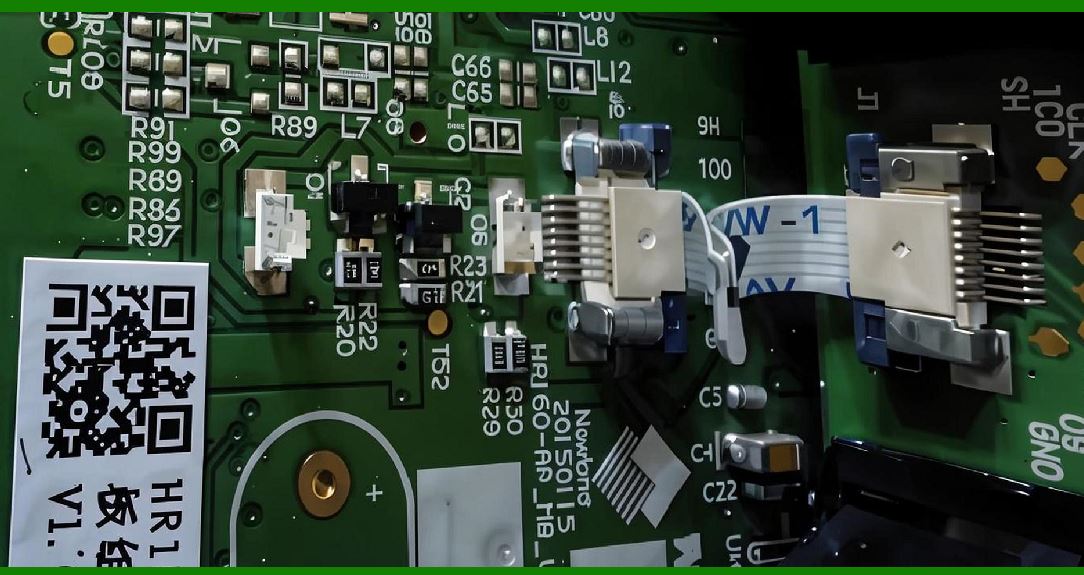
12.1 System Integration |
1. ERP systems |
2. Warehouse management systems (WMS) |
12.2 Data Flow |
1. Real-time data transmission |
2. Cloud synchronization |
|
13. Customization for Industry Needs |
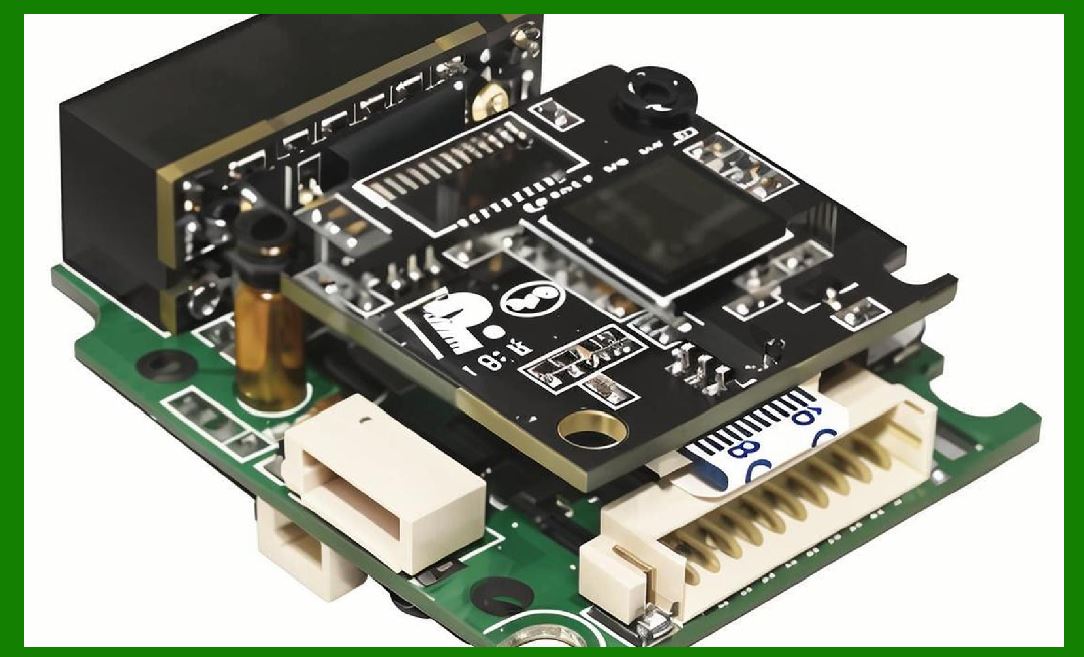
1. Firmware customization |
2. Hardware configuration adjustments |
3. Specialized decoding algorithms |
|
14. Scalability Considerations |
1. Support for large deployments |
2. Network management |
3. Device provisioning |

|
15. Future Trends in Applications |
15.1 Smart Retail |
1. Automated checkout systems |
15.2 Industry 4.0 |
1. Integration with IoT and automation |
15.3 AI-Driven Applications |
1. Intelligent scanning and analytics |

|
16. Summary of Part 14 |
1. Image-based scanners are used across diverse industries. |
2. Each application has unique requirements and challenges. |
3. Scanner design must be tailored to specific use cases. |
4. Integration with enterprise systems is critical. |
5. Future applications will leverage AI, IoT, and automation. |
|
Next Step |
Part 15: Security, Data Integrity, and Anti-Counterfeiting Technologies in Image-Based Scanners (Deep Technical Analysis) |
 cs@easiersoft.com