Part 16: Future Development Trends and Emerging Technologies in Image-Based Scanners (Deep Technical Analysis) |
1. Introduction to Future Evolution |
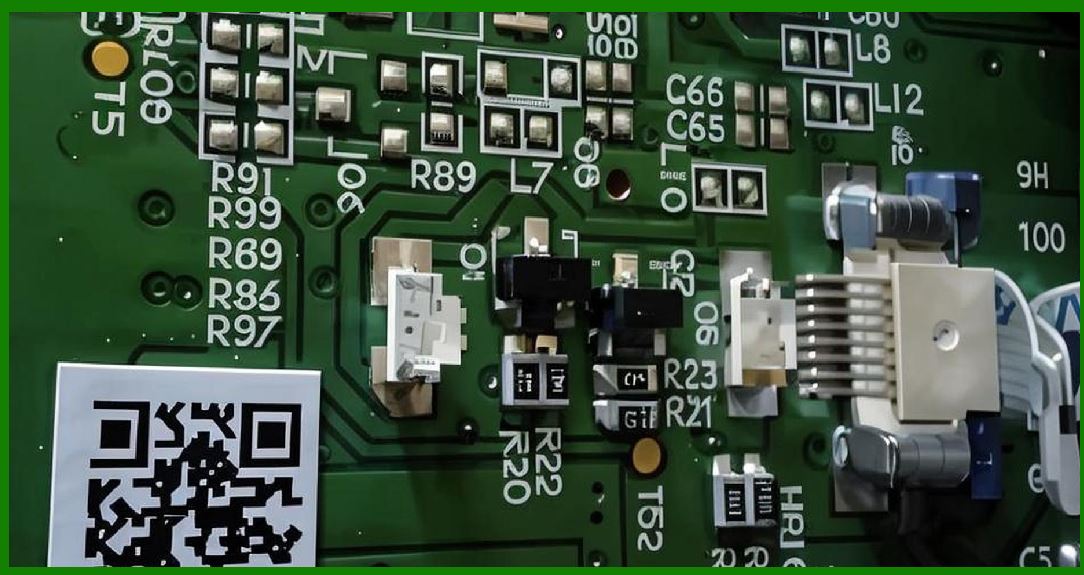
1. Image-based scanners are transitioning from single-purpose decoding devices into intelligent sensing platforms integrated with AI, IoT, edge computing, and computer vision systems. |
2. The future evolution is driven by: |
* Increasing complexity of barcode ecosystems (1D 2D digital link systems) |
* Demand for real-time analytics |
* Automation in logistics, retail, and manufacturing |
* Miniaturization of hardware with higher performance |
3. Future scanners will behave less like readers and more like autonomous data interpretation nodes. |
|
2. Artificial Intelligence and Deep Learning Integration |
2.1 AI-Based Barcode Detection |
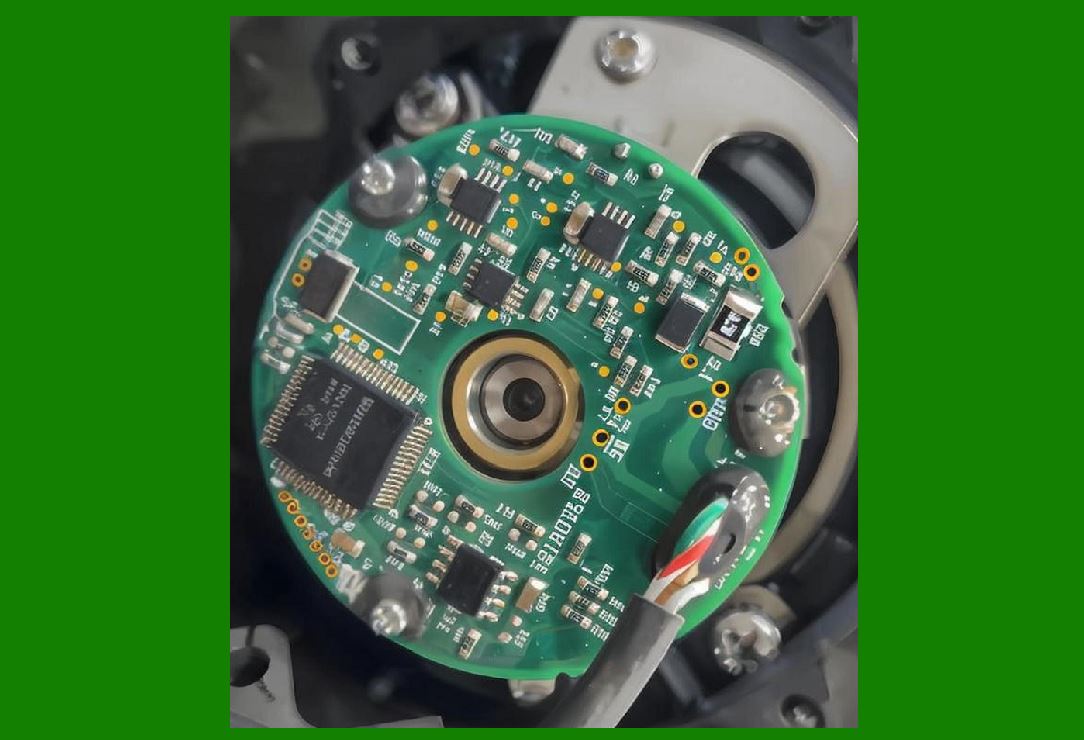
1. Traditional rule-based detection is being replaced or augmented by convolutional neural networks (CNNs). |
2. AI improves: |
* Detection under heavy distortion |
* Recognition in cluttered scenes |
* Low-quality or partially damaged barcodes |
2.2 End-to-End Deep Decoding |
1. Emerging models perform: |
* Image input direct decoded output |
2. This bypasses: |
* Manual feature extraction |
* Traditional segmentation steps |
2.3 Self-Learning Decoding Systems |
1. Systems adapt based on: |
* Environment conditions |
* Historical scan success/failure |
|
3. Edge Computing in Scanners |
3.1 Concept of Edge Processing |
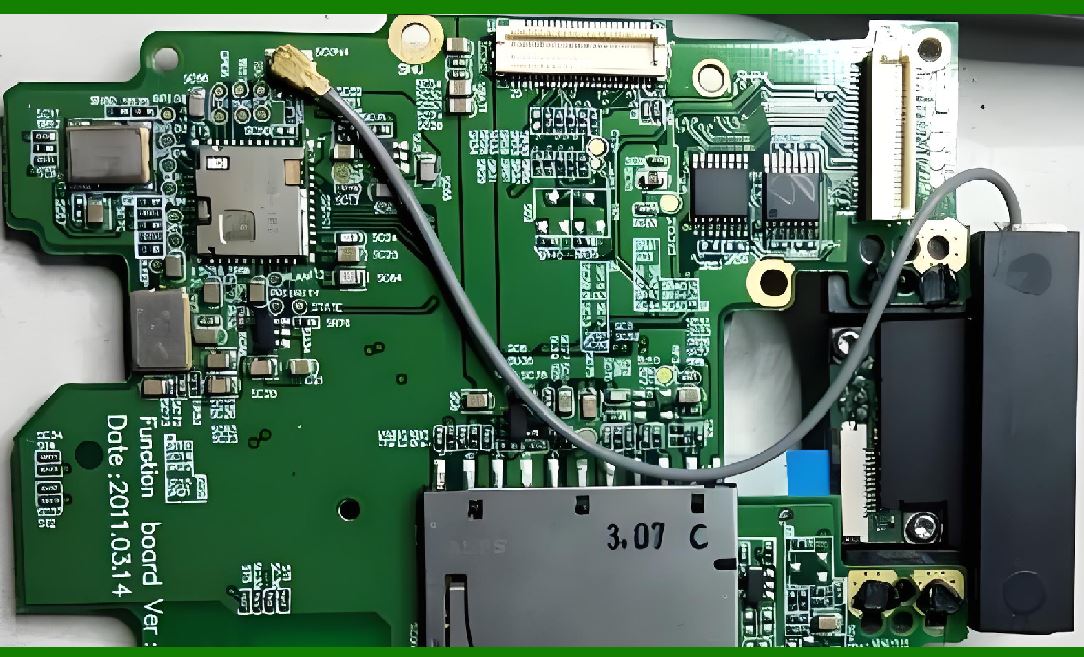
1. Processing occurs directly on the scanner device instead of cloud servers. |
2. Benefits: |
* Lower latency |
* Reduced bandwidth usage |
* Enhanced privacy |
3.2 Embedded AI Chips |
1. Neural processing units (NPUs) enable: |
* Real-time inference |
* Image enhancement |
* Smart filtering |
3.3 Distributed Intelligence |
1. Multiple scanners cooperate in: |
* Warehouses |
* Smart retail systems |
|
4. Advanced Imaging Technologies |
4.1 Computational Imaging |
1. Combines hardware + algorithms. |
2. Techniques: |
* Multi-frame fusion |
* Super-resolution reconstruction |
4.2 Hyperspectral and Multi-Spectral Imaging |
1. Uses multiple wavelengths beyond visible light. |
2. Benefits: |
* Improved contrast |
* Better material discrimination |
* Anti-counterfeiting capability |
4.3 3D Imaging Integration |
1. Depth sensing allows: |
* Better distortion correction |
* Object recognition beyond barcodes |
|
5. Next-Generation Barcode Formats |
5.1 Digital Link Barcodes |
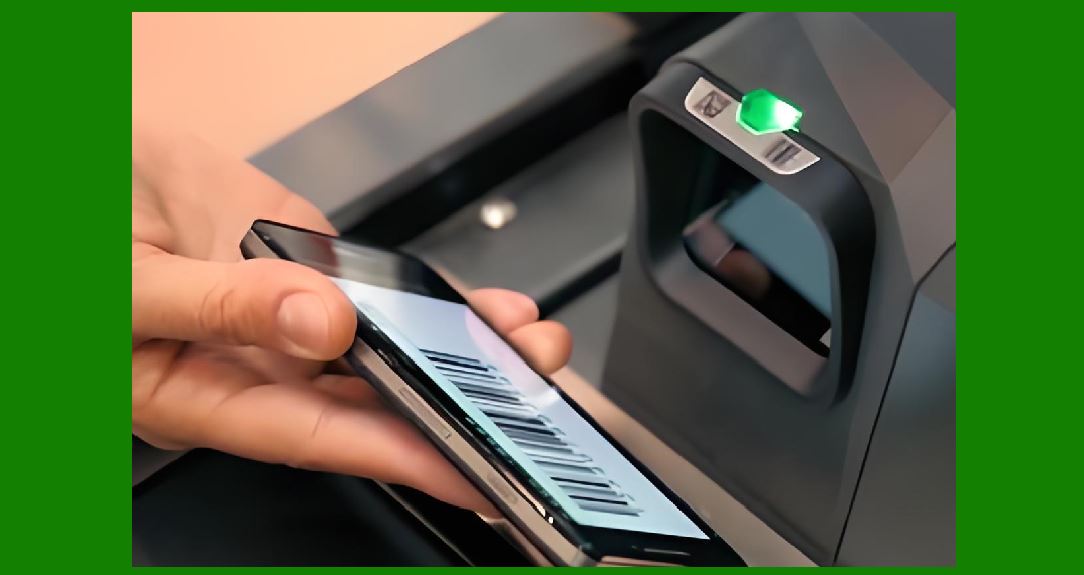
1. Transition from static codes to dynamic web-linked identifiers. |
5.2 High-Density 2D Codes |
1. Smaller physical size |
2. Higher data capacity |
5.3 Color and Multi-Layer Barcodes |
1. Encode information using: |
* Color channels |
* Layered structures |
|
6. IoT Integration and Smart Ecosystems |
6.1 Connected Scanner Networks |
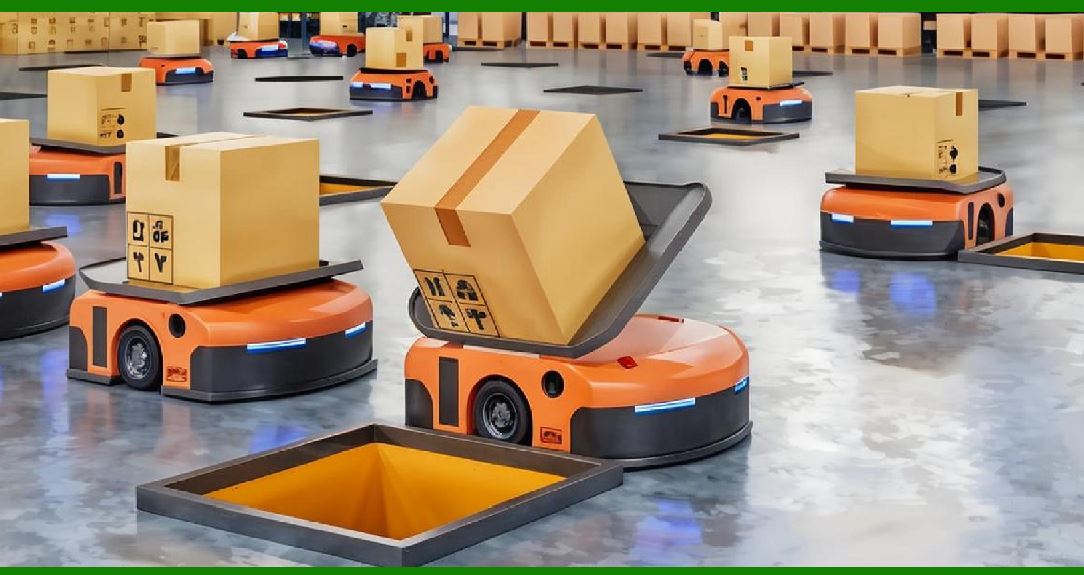
1. Devices communicate in real time: |
* Inventory systems |
* Logistics tracking |
6.2 Cloud Synchronization |
1. Data is automatically uploaded to cloud platforms. |
6.3 Predictive Analytics |
1. Scanners contribute to: |
* Demand forecasting |
* Supply chain optimization |
|
7. Miniaturization and Wearable Scanners |
7.1 Compact Form Factors |
1. Integration into: |
* Wearables |
* Mobile devices |
7.2 Ring and Glove Scanners |
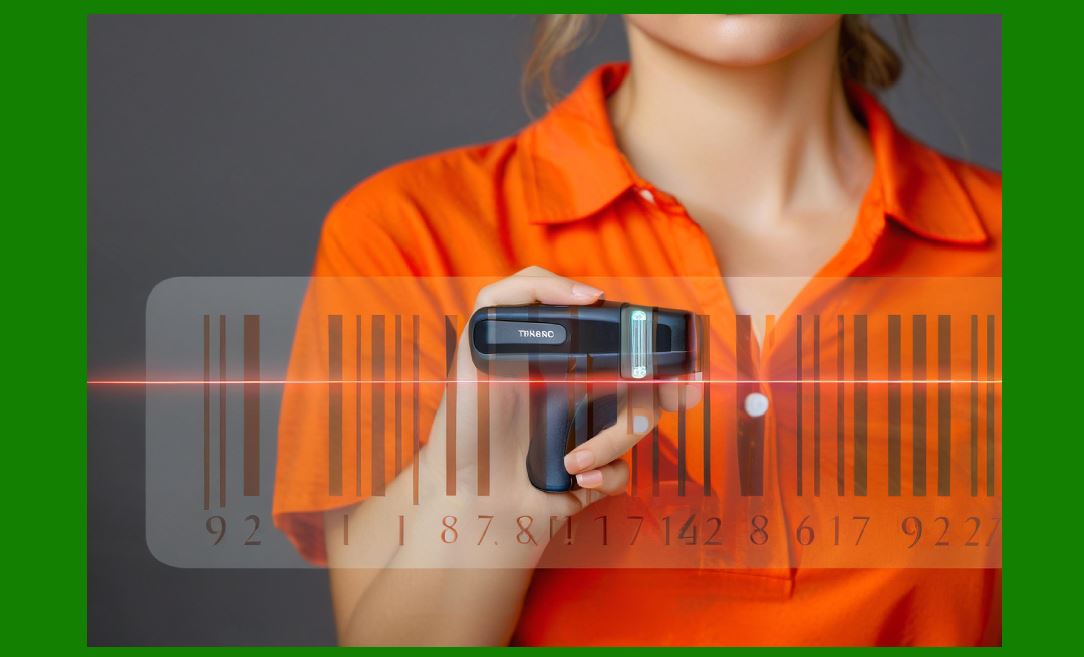
1. Hands-free scanning systems for logistics workers. |
7.3 Embedded Mobile Scanning |
1. Cameras in smartphones acting as full scanners. |
|
8. Energy-Efficient and Green Technologies |
8.1 Ultra-Low Power Design |
1. Optimized for IoT devices. |
8.2 Energy Harvesting |
1. Emerging concepts: |
* Solar-assisted scanning devices |
* Motion energy harvesting |
|
9. Security and Privacy Evolution |
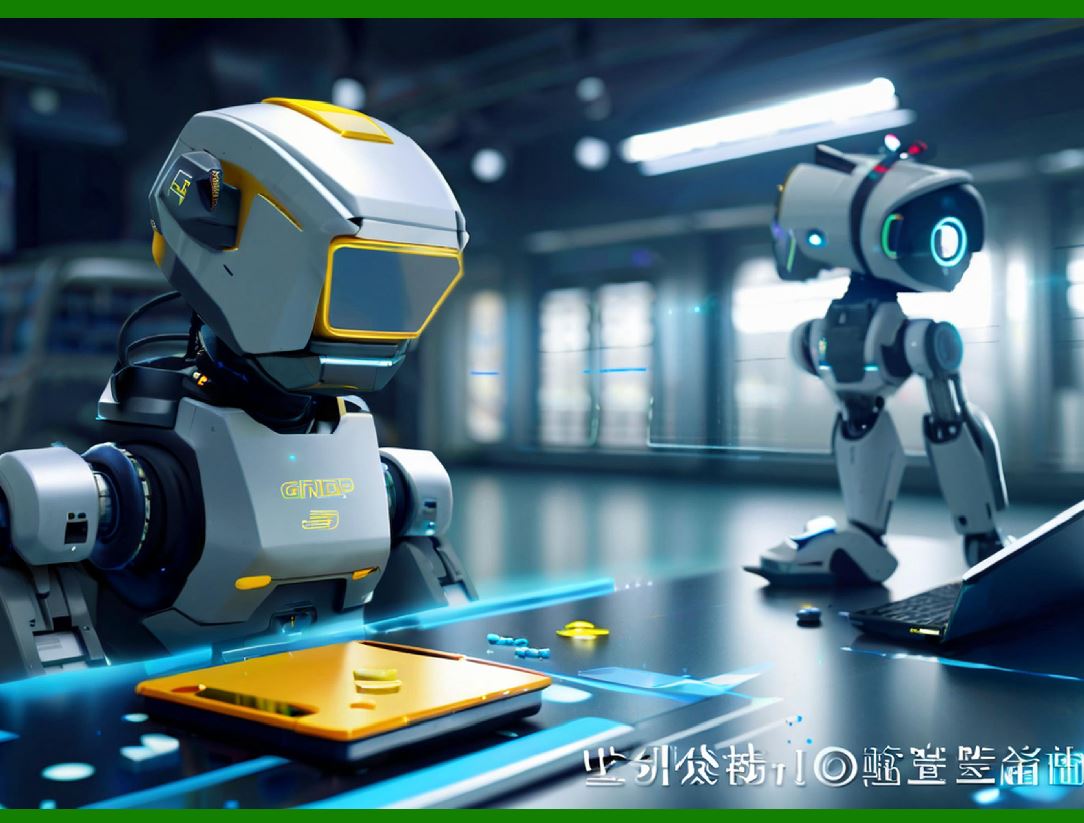
9.1 AI-Based Threat Detection |
1. Real-time fraud detection |
9.2 Quantum-Resistant Encryption |
1. Preparing for future quantum computing threats |
9.3 Decentralized Authentication |
1. Blockchain-based identity systems |
|
10. Human machine Interaction Improvements |
10.1 Gesture-Based Scanning |
1. Trigger scanning via gestures instead of buttons |
10.2 Voice-Controlled Scanners |
1. Hands-free operation |
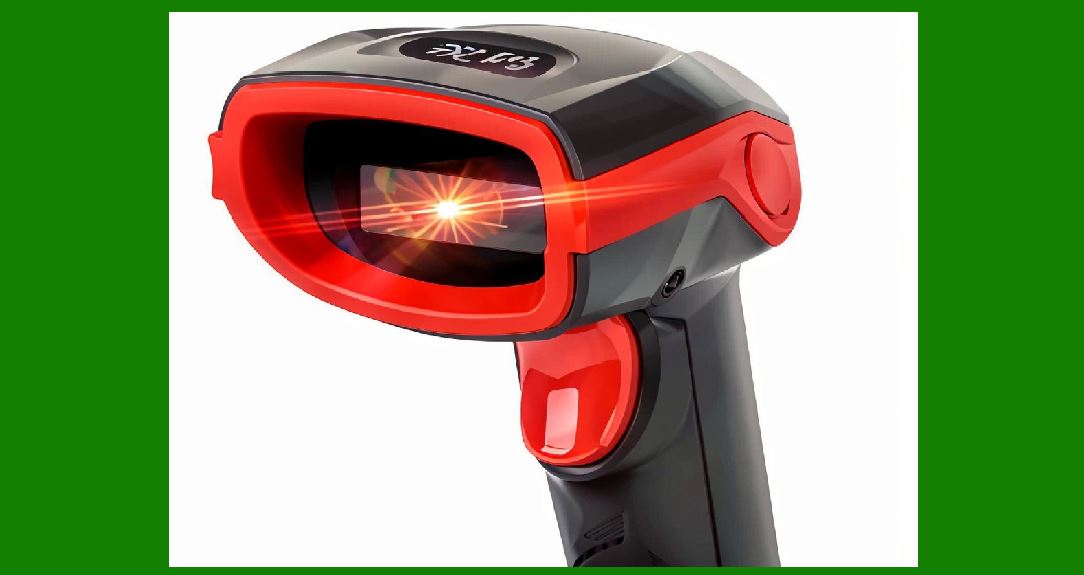
10.3 AR Integration |
1. Augmented reality overlays: |
* Inventory visualization |
* Navigation assistance |
|
11. Industrial Automation Integration |
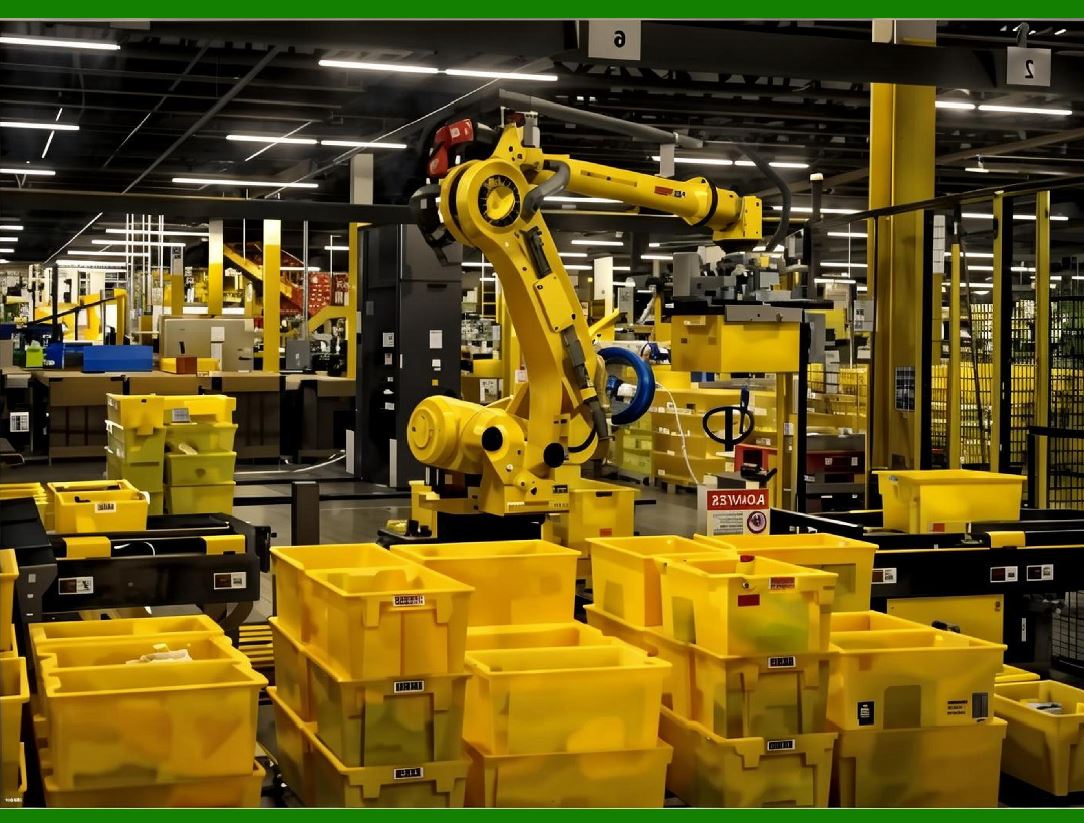
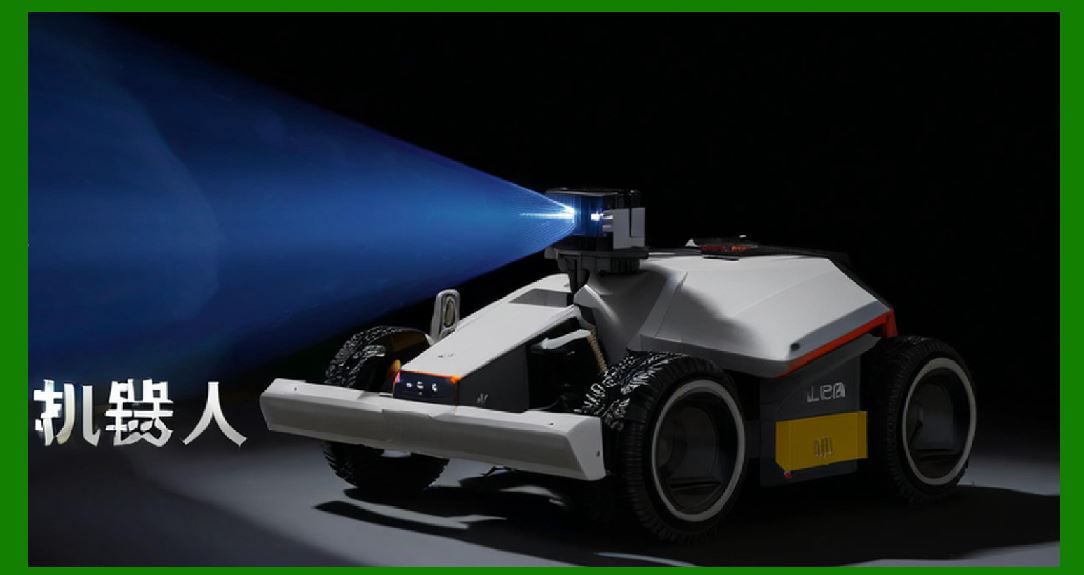
11.1 Robotics Integration |
1. Scanners embedded in robotic arms |
11.2 Autonomous Warehouses |
1. Fully automated scanning and tracking systems |
|
12. Real-Time Analytics and Data Intelligence |
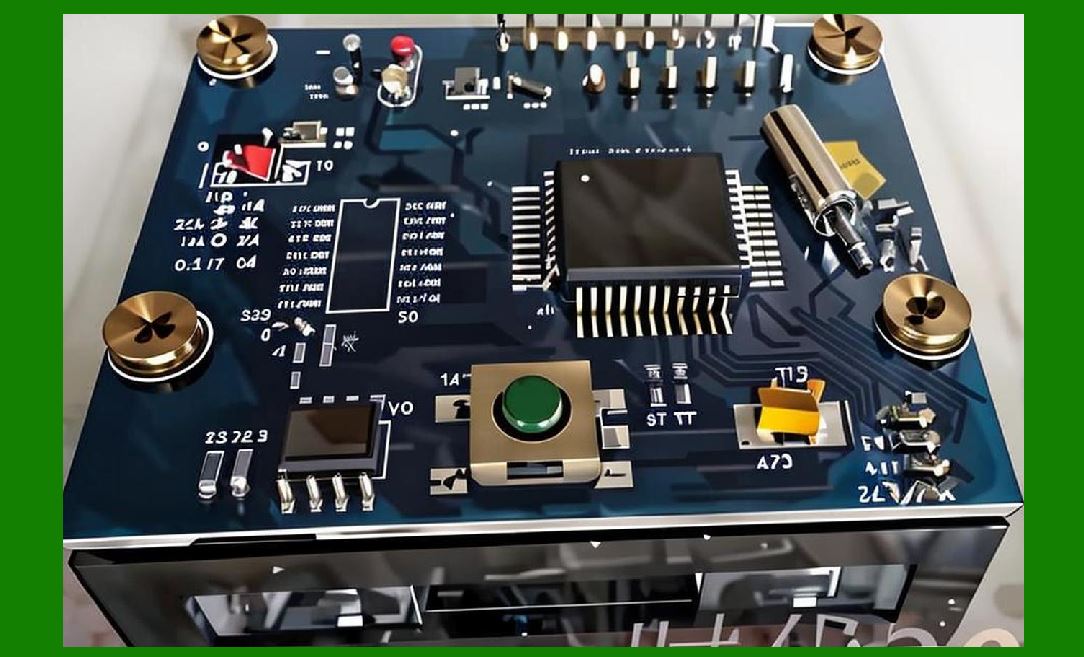
12.1 Edge Analytics |
1. Immediate insights at scanning point |
12.2 Business Intelligence Integration |
1. Barcode data feeds enterprise dashboards |
|
13. Standardization and Ecosystem Evolution |
1. Unified global barcode standards |
2. Interoperability across industries |
3. Integration with GS1 Digital Link ecosystem |
|
14. Reliability Improvements in Future Systems |
1. AI-based self-diagnosis |
2. Predictive maintenance |
3. Automatic calibration systems |
|
15. Cloud-Native Scanner Architecture |
1. Scanners function as cloud-connected endpoints: |
* Firmware updates |
* Configuration management |
* Analytics pipelines |
|
16. Future Challenges |
1. Data privacy concerns |
2. Increasing algorithm complexity |
3. Hardware cost vs performance balance |
4. Standard fragmentation |
|
17. Summary of Part 16 |
1. Future image-based scanners will evolve into intelligent, connected computing devices. |
2. AI, edge computing, and computational imaging will dominate next-generation designs. |
3. Barcode technology is expanding into dynamic, cloud-linked systems. |
4. Integration with IoT and automation will reshape industries. |
5. Security, energy efficiency, and miniaturization remain key engineering goals. |
|
Next Step |
Part 17: Detailed Circuit-Level Design of Image-Based Scanner Systems (Power, Sensor, Processing, and Interface Integration) |
 cs@easiersoft.com