1. Introduction to Barcode Scanners |
Overview of Barcode Scanning Technology: What are barcode scanners and how do they work? |
Types of Barcode Scanners: Differences between handheld, stationary, and mobile barcode scanners. |
Importance of Performance and Cost Evaluation: Why comparing these two factors is essential for businesses. |
|
2. Major Brands of Barcode Scanners |
Zebra Technologies: |
Overview of Zebra's product lineup: handheld, fixed mount, and mobile barcode scanners. |
Performance metrics: Speed, scan accuracy, durability, ease of use. |
Cost considerations: Initial cost, ongoing maintenance, warranty, and operational costs. |
Honeywell: |
Honeywell's barcode scanner range: Popular models and their features. |
Performance metrics: Battery life, range, scan quality, and user interface. |
Cost considerations: Price points, total cost of ownership, cost of repairs and replacements. |
Datalogic: |
Datalogic¡¯s portfolio of barcode scanners: Product diversity and key models. |
Performance evaluation: Durability, scanning capability, user feedback. |
Cost evaluation: Price structure, support and service costs. |
Cognex: |
Cognex and its industrial-focused scanners: Overview and unique selling propositions. |
Performance metrics: Advanced features like vision-based scanning and accuracy. |
Cost considerations: Total cost and cost-effectiveness for industrial applications. |
Opticon: |
Opticon¡¯s scanner range: A focus on mobile and OEM solutions. |
Performance metrics: Speed and reliability in real-world conditions. |
Cost: Cost efficiency and scalability for various business needs. |
Symbol (now part of Zebra Technologies): |
The Symbol brand legacy and current products. |
Performance in enterprise environments: Speed, accuracy, and data capture capabilities. |
Comparative cost analysis: Pricing for different models and usage scenarios. |
|
3. Performance Comparison |
Scanning Speed: |
Measurement of scan rates for various barcode types (1D, 2D, QR, etc.). |
Speed benchmarks in different environments (retail, industrial, healthcare). |
Scanning Accuracy: |
How accuracy is measured and the impact of misreads. |
Reliability across different types of barcodes and conditions (damaged barcodes, poor lighting). |
Durability: |
Environmental factors affecting scanners (temperature, humidity, dust). |
Drop tests, waterproof ratings, and shock resistance. |
Battery Life: |
Power consumption metrics across brands. |
Impact on operational efficiency and downtime. |
Ease of Use: |
User interfaces, ergonomics, and setup ease. |
Impact on employee productivity and training needs. |
Compatibility and Integration: |
Software compatibility with existing enterprise systems (ERP, WMS, POS). |
Ease of integration and flexibility for diverse business needs. |

|
4. Cost of Use |
Initial Purchase Price: |
Comparison of cost across entry-level, mid-range, and high-end barcode scanners. |
Additional accessories or features that influence price. |
Cost of Ownership: |
Ongoing operational costs, including battery replacement and regular maintenance. |
Service plans, warranties, and the availability of support. |
Total Cost of Ownership (TCO): |
Calculating the overall long-term cost, considering not just the purchase price, but also maintenance, repairs, and operational efficiency. |
Return on Investment (ROI): |
How the cost of the scanner compares to the savings in labor, accuracy, and efficiency. |
The impact on productivity and operational speed. |
|
5. Case Studies of Barcode Scanner Usage |
Retail Environments: |
Barcode scanners in point-of-sale (POS) systems: Speed and customer experience. |
Case studies of specific retailers using Zebra or Honeywell scanners. |
Warehousing and Logistics: |
How barcode scanners enhance efficiency in warehouses: Scanning large volumes of goods. |
Performance analysis of scanners in fast-moving environments (e.g., Amazon warehouses). |
Healthcare: |
Barcode scanning in hospitals for patient safety and medication management. |
Cost-benefit analysis of scanners in healthcare, focusing on reducing errors and improving workflow. |
Manufacturing: |
Industrial barcode scanners for inventory management, asset tracking, and production line monitoring. |
Case studies on the use of Cognex and Zebra in manufacturing. |
|
6. Factors Influencing Barcode Scanner Selection |
Industry Requirements: Different industries have specific scanning needs (e.g., high-volume scanning in logistics, precision in healthcare). |
Scanner Type: Whether a handheld, fixed mount, or mobile scanner is best suited for the application. |
Environment: Indoor vs. outdoor use, dusty environments, high temperatures. |
Scanning Distance: Long-range vs. short-range scanning requirements. |
Barcode Type: The types of barcodes most commonly used and how they affect scanner choice (1D, 2D, QR, etc.). |

|
7. Emerging Technologies and Innovations |
Laser vs. Imaging Scanners: Future trends in scanning technology. |
Wearable Barcode Scanners: Advantages and potential cost implications. |
Wireless Connectivity and IoT Integration: The move towards cloud-based and real-time data capture. |
Advanced Features: Multi-scan capabilities, omnidirectional scanning, and scanning at different angles. |
|
8. Conclusion |
Summary of the key findings from the performance and cost comparisons. |
Recommendations for businesses: Which brand and model is best for different types of businesses? |
Future trends in barcode scanner technology and how they may affect cost and performance. |
|
1. Introduction to Barcode Scanners |
1.1 Overview of Barcode Scanning Technology |
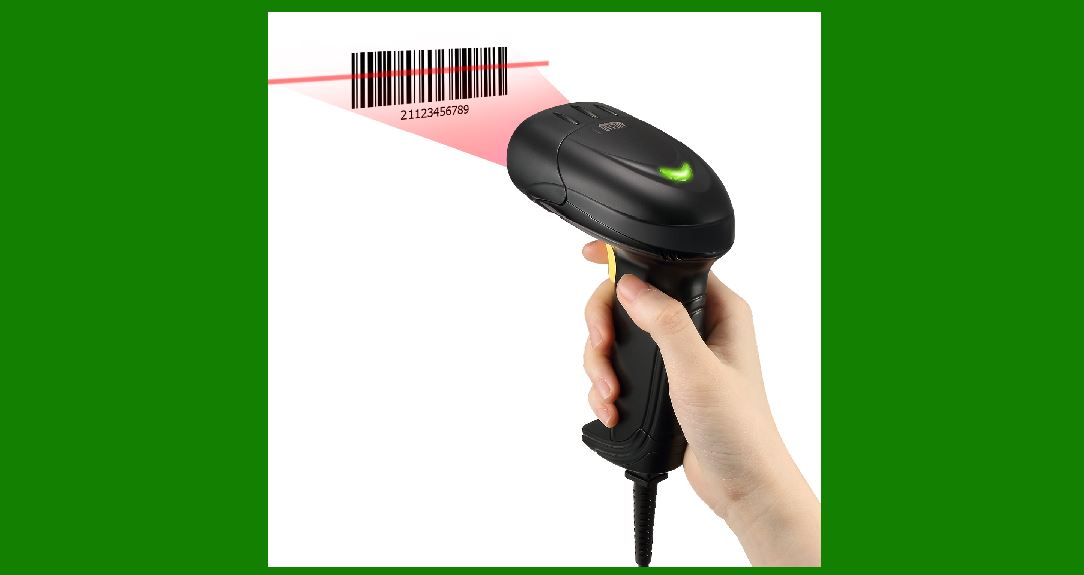
Barcode scanners are essential tools in modern business environments, enabling the quick capture of product and asset information via printed barcode labels. Barcodes represent data visually using lines or patterns of varying widths and spaces. When scanned by a barcode reader, this information is decoded and used for inventory tracking, point-of-sale transactions, and more. |
The two primary types of barcode scanning technologies are: |
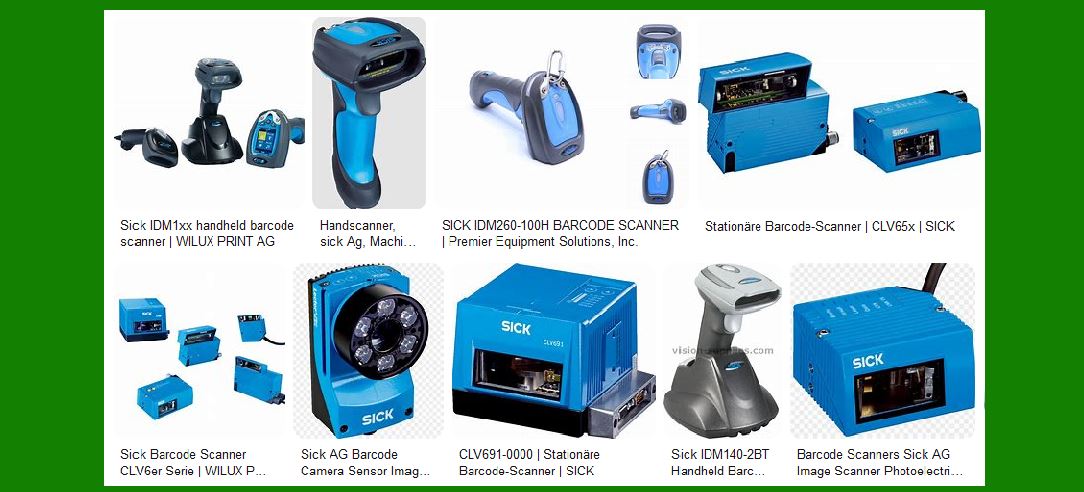
Laser Scanners: These scanners use a laser beam to read the data encoded in a barcode. Laser scanners are widely used for 1D barcodes and are known for their speed and accuracy over short to medium distances. |
Imaging Scanners: Also called 2D or area imagers, these scanners capture an image of the barcode and decode it digitally. Imaging scanners can read both 1D and 2D barcodes, such as QR codes, and are more versatile, especially for complex barcodes. |
1.2 Types of Barcode Scanners |
Barcode scanners come in various forms to meet different operational needs. Some of the most common types include: |
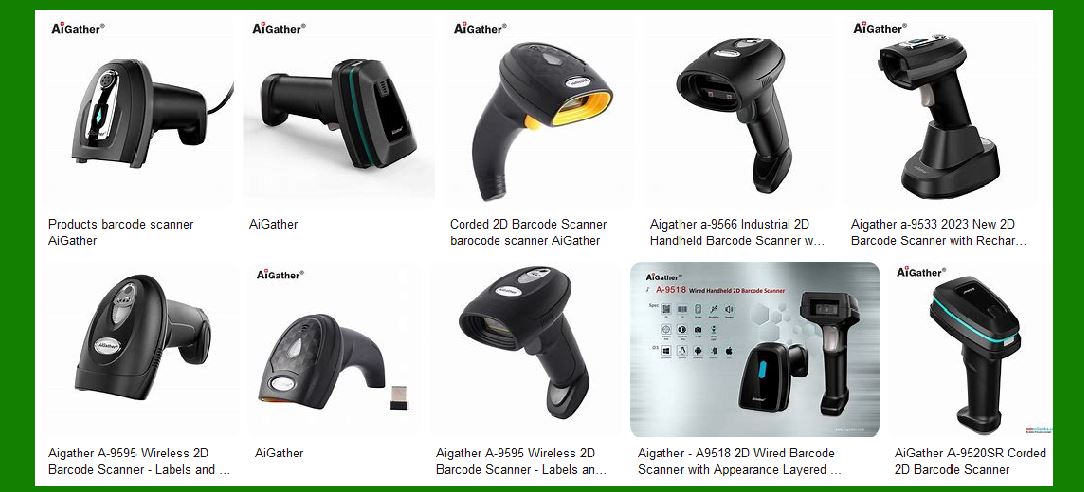
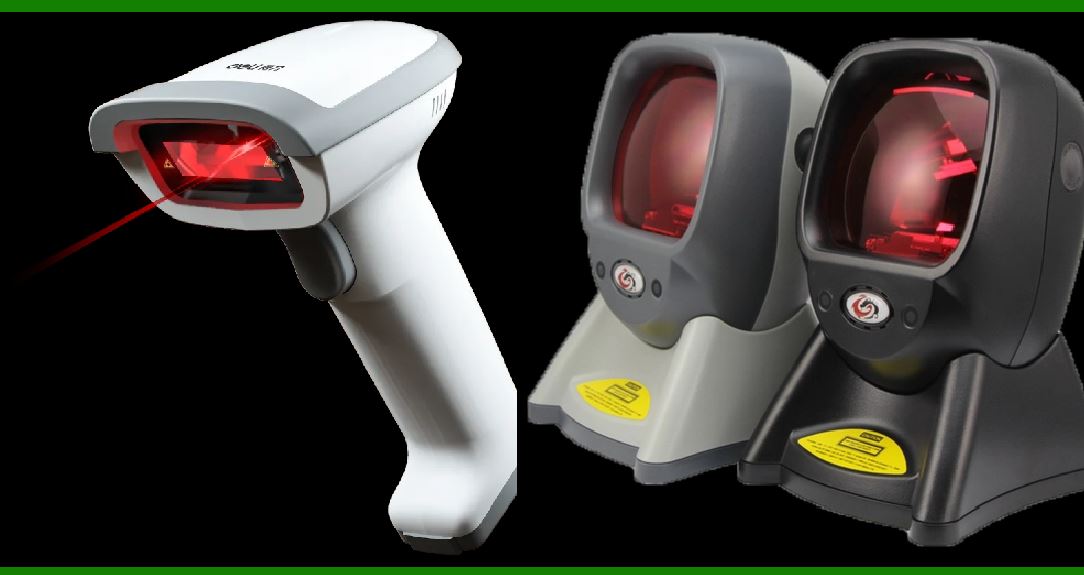
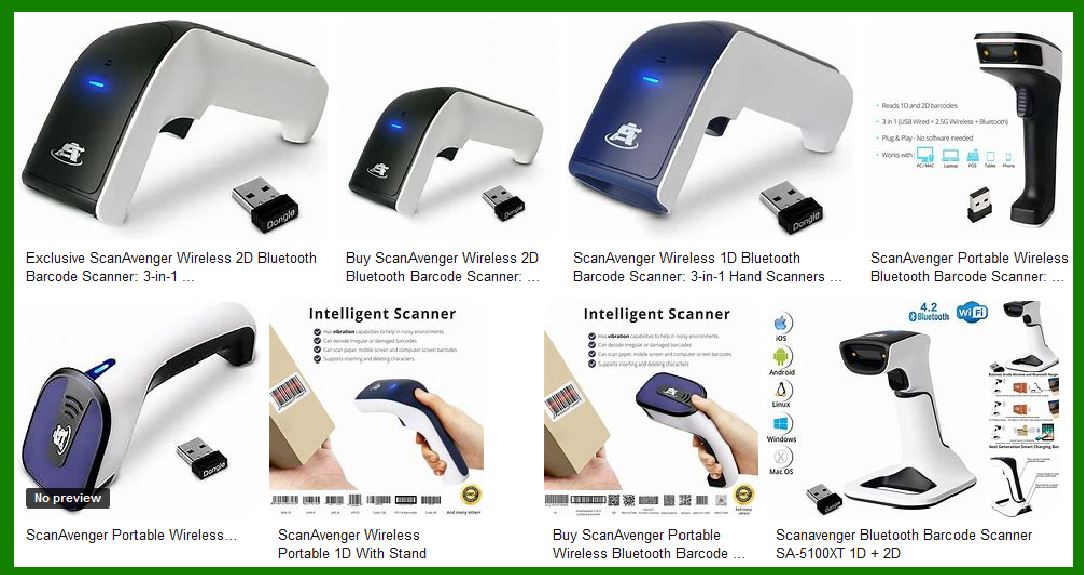
Handheld Scanners: These are the most common type of barcode scanners, often used in retail and logistics. They are portable and come with varying levels of complexity, from basic models to advanced, rugged versions. |
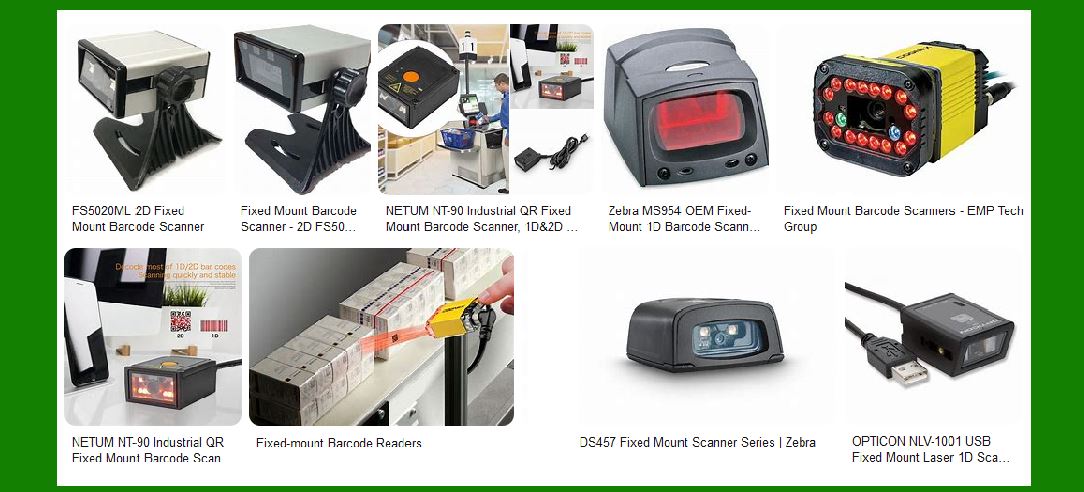
Stationary Scanners: These scanners are fixed in place, often used in checkout counters or warehouses for scanning items as they pass by. |
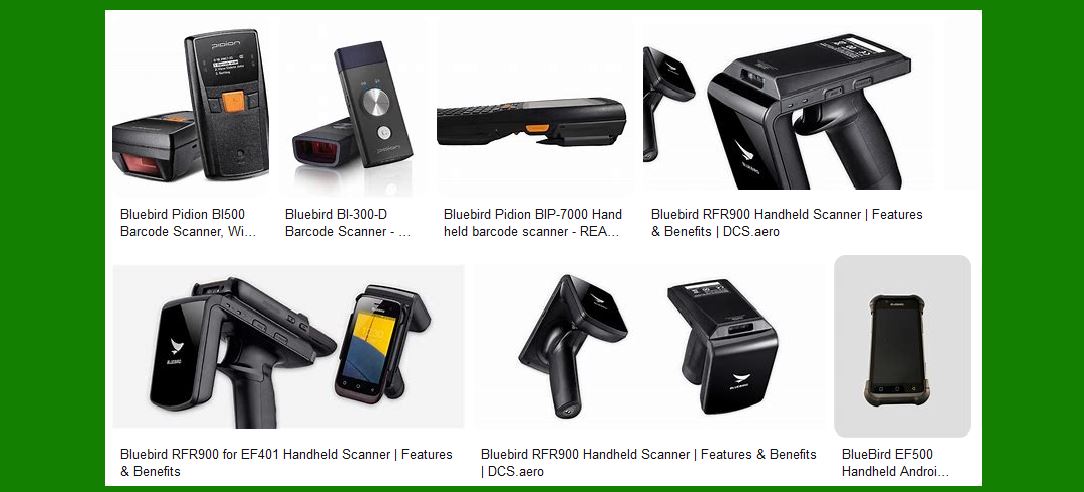
Mobile Barcode Scanners: Mobile solutions combine barcode scanning functionality with mobile computers, offering greater flexibility for on-the-go scanning needs, especially in warehouses and field operations. |
Wearable Scanners: Increasingly popular in environments where hands-free scanning is necessary, such as in large distribution centers. |
1.3 Importance of Performance and Cost Evaluation |
When selecting a barcode scanner, performance and cost are two of the most important factors. Performance impacts operational efficiency, as faster and more accurate scanning reduces bottlenecks and human errors. Cost influences both the initial investment and long-term operational expenses, which can vary significantly depending on the type of scanner and its usage. |

|
2. Major Brands of Barcode Scanners |
2.1 Zebra Technologies |
Zebra Technologies is one of the most recognized names in the barcode scanning industry, offering a wide range of handheld, industrial, and mobile scanners. Zebra's scanners are known for their high durability and ability to handle challenging environments like warehouses and industrial settings. |
Product Lineup: Zebra offers models like the DS3600 (rugged handheld scanner), the DS2200 (entry-level 1D/2D scanner), and the TC8000 (mobile computer with barcode scanning functionality). |
Performance: |
Scan Speed: Zebra scanners are among the fastest on the market, with scan rates of up to 120 scans per second in some models. |
Durability: Known for exceptional ruggedness, Zebra scanners can withstand drops from significant heights (up to 8 feet in some models) and are resistant to dust and water. |
Battery Life: Zebra models like the TC8000 offer extended battery life, lasting up to 14 hours of continuous scanning. |
Cost: |
Initial Purchase: Zebra scanners generally range from mid to high-end pricing, with prices for handheld models starting around $200 and industrial models upwards of $1,000. |
Maintenance: Zebra scanners come with various warranty and service options, and repairs can be costly, especially for rugged models. Extended warranties and service contracts can increase the total cost of ownership. |
2.2 Honeywell |
Honeywell is another leading brand known for providing barcode scanners with advanced features for various industries, including retail, logistics, and healthcare. |
Product Lineup: Honeywell offers a wide range of barcode scanners, such as the Xenon 1900 (a high-performance handheld scanner), the Granit 1980i (a rugged industrial scanner), and the Voyager 1200g (for retail environments). |
Performance: |
Scan Speed: Honeywell scanners are highly accurate, with scan rates around 100 scans per second. The Xenon 1900 is known for its ability to read even damaged or poorly printed barcodes. |
Durability: Honeywell scanners, like the Granit 1980i, are designed for harsh environments, featuring high drop resistance (up to 8 feet) and IP65 ratings for dust and water resistance. |
Battery Life: Honeywell devices like the ScanPal EDA51 mobile computer can last up to 12 hours on a full charge, making them ideal for long shifts. |
Cost: |
Initial Purchase: Honeywell scanners are priced similarly to Zebra's, with handheld models starting around $200 and industrial models exceeding $1,000 for more rugged and feature-rich devices. |
Maintenance: Honeywell provides an extended warranty option, and repair costs can be substantial depending on the model. However, Honeywell's overall cost of ownership tends to be lower than Zebra in many cases, mainly due to lower maintenance costs. |
2.3 Datalogic |
Datalogic is a key player in the barcode scanner market, especially in industries like logistics and retail, where both performance and cost-effectiveness are critical. |
Product Lineup: Datalogic offers models like the Magellan 9400i (for retail POS systems), the Heron HD3430 (entry-level scanner), and the PowerScan 9500 (rugged industrial scanner). |
Performance: |
Scan Speed: Datalogic scanners offer competitive scanning speeds, particularly the Magellan 9400i, which is designed for high-volume retail scanning, providing up to 120 scans per second. |
Durability: Datalogic's PowerScan 9500 is built to withstand drops from up to 2 meters, making it suitable for industrial and warehouse applications. |
Battery Life: Datalogic scanners, such as the Skorpio X5 mobile computer, offer up to 10 hours of battery life in field operations. |
Cost: |
Initial Purchase: Datalogic scanners are generally priced lower than Zebra and Honeywell, with entry-level models starting at around $150 and industrial models ranging from $400 to $900. |
Maintenance: Datalogic's cost of ownership is often lower than its competitors, with reasonable repair and service costs, especially for its basic models. |
2.4 Cognex |
Cognex specializes in industrial-grade barcode scanners, known for their advanced features, particularly in vision-based scanning applications. |
Product Lineup: Cognex offers models like the DataMan 8600 (advanced industrial barcode reader) and DataMan 150 (for 2D code reading in difficult environments). |
Performance: |
Scan Speed: Cognex scanners are designed for high-speed applications, capable of scanning up to 1,000 scans per second in some models. |
Durability: Cognex scanners are built for tough industrial environments and can endure extreme conditions like high temperatures and vibrations. |
Battery Life: Many of Cognex's scanners are designed for integration into automated systems, and their battery life depends on usage but generally lasts 8 to 10 hours. |
Cost: |
Initial Purchase: Cognex scanners are typically more expensive than other brands, with prices starting around $1,000 and going up to several thousand dollars for high-end industrial models. |
Maintenance: While the initial cost is higher, Cognex offers robust support and service plans. The total cost of ownership is high but can be justified in environments that require the highest level of accuracy and speed. |
2.5 Opticon |
Opticon specializes in mobile and OEM barcode scanners, with a focus on affordability and flexibility. |
Product Lineup: Opticon's products include the OPR-2001 (handheld scanner), OPN-2002 (miniature mobile scanner), and H-25 (mobile computing device with barcode scanning). |
Performance: |
Scan Speed: Opticon scanners are typically more cost-effective, but their scanning speeds are competitive, ranging from 100 to 200 scans per second depending on the model. |
Durability: Opticon's industrial models, like the H-25, are designed to handle harsh conditions, with drop resistance up to 1.5 meters. |
Battery Life: Opticon's mobile scanners generally have a battery life of 8 to 12 hours, making them suitable for short to medium shifts. |
Cost: |
Initial Purchase: Opticon scanners are among the most affordable, with entry-level models priced at around $100 to $150 and mobile scanners between $250 and $600. |
Maintenance: Opticon offers lower maintenance costs compared to higher-end brands, making it a good option for budget-conscious businesses. |
|
3. Performance Comparison |
3.1 Scanning Speed |
The speed at which a barcode scanner can capture and process data is crucial, especially in high-traffic environments. For example, Zebra's DS3600 series boasts one of the highest scan speeds, reaching up to 120 scans per second. This is ideal for environments like retail checkout counters or high-volume warehouses. In contrast, Datalogic's Magellan 9400i is also designed for high-speed retail scanning, with the same scan speed. |
3.2 Scanning Accuracy |
Accuracy is vital for ensuring that the correct product or asset is tracked. In this respect, Honeywell¡¯s Xenon 1900 is highly regarded for its ability to read poorly printed, damaged, or smudged barcodes with impressive accuracy. This can significantly reduce errors and rework in environments with imperfect labels, such as warehouses with heavy handling. |
3.3 Durability |
Ruggedness is another critical factor, particularly in industrial or warehouse settings. Zebra¡¯s DS3600 and Honeywell¡¯s Granit 1980i are built to endure extreme conditions, with drop resistance and water resistance ratings that ensure long-term reliability. On the other hand, Datalogic¡¯s PowerScan 9500 offers similar ruggedness at a lower cost, making it an attractive option for businesses looking for durability without the higher price tag. |
3.4 Battery Life |
For mobile and handheld barcode scanners, battery life is a key performance factor. Zebra¡¯s TC8000 offers up to 14 hours of continuous use, while Honeywell¡¯s ScanPal EDA51 provides around 12 hours. These longer battery lives ensure that scanners remain operational during long shifts, reducing the need for frequent charging and downtime. |

|
4. Cost of Use |
4.1 Initial Purchase Price |
The initial cost of barcode scanners varies depending on brand, model, and features. For example, Zebra¡¯s DS2200 model, an entry-level handheld scanner, typically costs around $200, whereas industrial models like the TC8000 can exceed $1,000. In contrast, Opticon¡¯s basic handheld scanners, such as the OPR-2001, are priced as low as $100, making them a good option for businesses with tighter budgets. |
4.2 Total Cost of Ownership (TCO) |
The TCO includes factors like repair costs, battery replacements, and service contracts. Zebra and Honeywell typically offer extended warranties and service plans, but these can add significant costs. Datalogic¡¯s scanners tend to have lower maintenance costs, which can make them a more cost-effective option over the long run. |
4.3 Return on Investment (ROI) |
ROI is measured by the efficiency gains and operational savings provided by barcode scanners. High-end models like those from Cognex and Zebra often have higher upfront costs but deliver faster scanning, greater accuracy, and more reliable performance, resulting in long-term savings in labor costs and reduced errors. |
Conclusion |
In conclusion, selecting the right barcode scanner depends on a variety of factors, including your industry, the volume of scanning, environmental conditions, and budget constraints. Zebra and Honeywell lead the market with premium scanners known for their durability, speed, and advanced features, while Datalogic and Opticon offer more budget-friendly options without compromising too much on performance. |
This detailed breakdown should help businesses make informed decisions based on their unique needs and operational requirements. |
Let's continue by diving deeper into specific sections, with a focus on performance and cost comparisons for different barcode scanner models across various brands. |

|
5. Case Studies of Barcode Scanner Usage |
5.1 Retail Environments |
Barcode scanners play a crucial role in retail operations, ensuring quick checkouts, inventory tracking, and stock management. Let's look at how different brands excel in retail scenarios. |
Zebra Technologies: |
Zebra's DS2200 handheld barcode scanner is widely used in retail environments. Its affordability, ease of use, and versatility make it suitable for both small and large retail stores. With its ability to scan 1D and 2D barcodes quickly and accurately, it ensures smooth checkout experiences, even during peak hours. For larger retail chains, Zebra¡¯s DS3600 series is used for its fast scanning speed and rugged build, especially in environments where speed and durability are critical. |
Honeywell: |
Honeywell¡¯s Xenon 1900 is a top performer in retail due to its superior barcode reading capabilities. It excels in scanning damaged, poorly printed, or low-contrast barcodes, which is an invaluable feature for items with worn-out labels or in environments where barcodes may be damaged during handling. Retailers benefit from its quick scanning speed and durability, which helps minimize downtime and maintain high throughput at checkout. |
For example, large grocery stores and supermarkets often deploy Honeywell scanners due to their ability to handle high volumes of diverse barcode types and their reliability over extended usage periods. |
Datalogic: |
Datalogic's Magellan 9400i is particularly suited for retail, offering high-speed scanning (up to 120 scans per second), ideal for environments where speed is critical, such as busy point-of-sale counters. This model also boasts great scan accuracy, reducing errors and improving customer satisfaction at checkout. |
Opticon: |
Opticon¡¯s OPR-2001 handheld scanner is often used in smaller retail outlets where budget constraints are a concern. While not as feature-rich as its competitors, it offers reliable scanning for basic 1D barcodes at an affordable price, making it an excellent option for businesses with low scanning volumes or those just starting out. |
5.2 Warehousing and Logistics |
In warehouses and distribution centers, barcode scanners are indispensable for inventory management, order picking, and asset tracking. The performance and ruggedness of barcode scanners are vital for handling harsh environments with high volumes of goods and frequent movement. |
Zebra Technologies: |
Zebra¡¯s TC8000 mobile computer, which features integrated barcode scanning, is one of the most popular choices in warehouse operations. It¡¯s designed to reduce operator fatigue with its ergonomic design and has a long battery life that can last throughout long shifts. The TC8000 is equipped with a high-performance scanning engine capable of reading both 1D and 2D barcodes at fast speeds, essential for quickly processing large volumes of items. |
Zebra¡¯s DS3600 series, with its rugged design, excels in environments where durability and extended range are required. The scanners are resistant to drops, dust, and water, making them ideal for warehouses where these environmental factors are common. |
Honeywell: |
Honeywell¡¯s Granit 1980i is a rugged industrial scanner designed for harsh environments. It boasts a drop resistance rating of 2 meters and can operate in temperatures as low as -20¡ãC. Its scanning capabilities extend to long-range scanning, making it ideal for warehousing environments where items might be stored on high shelves. |
Additionally, Honeywell¡¯s ScanPal EDA51 is frequently used in mobile warehouse environments. Its combination of mobile computing and barcode scanning helps workers process orders and track inventory on the move, providing real-time data updates. |
Datalogic: |
Datalogic¡¯s PowerScan 9500 industrial scanner is well-regarded in warehouse settings for its durability and long-range scanning capabilities. It can scan barcodes from a distance of up to 15 meters, ideal for scanning items in tall shelves or pallet racking systems. The PowerScan 9500 is also highly resistant to drops (up to 2 meters) and extreme conditions. |
Opticon: |
Opticon¡¯s H-25 mobile scanner is designed for handheld use in warehouses. It combines barcode scanning with mobile computing features, offering an efficient solution for real-time inventory tracking. It¡¯s a mid-range option, not as rugged as Zebra or Honeywell¡¯s models, but sufficient for operations that don¡¯t require the most extreme durability. |
5.3 Healthcare |
Barcode scanning in healthcare is primarily used for patient safety, medication management, and asset tracking. Given the critical nature of these environments, scanners need to be fast, accurate, and reliable. |
Zebra Technologies: |
Zebra¡¯s TC70x is frequently used in healthcare facilities for tracking patient information, medications, and medical assets. This rugged device includes a barcode scanner, mobile computing features, and is disinfectant-ready, an essential feature in healthcare settings to maintain hygiene. Zebra scanners can quickly scan barcodes on wristbands, medications, and equipment, helping to reduce human error and improve patient safety. |
Honeywell: |
Honeywell¡¯s Xenon 1900 is another top choice in healthcare for its ability to scan a wide range of barcode types (1D, 2D, and even QR codes). It is used for reading patient wristbands, medication bottles, and specimen labels. The scanner¡¯s accuracy in reading damaged or poorly printed barcodes ensures that patient safety is not compromised. |
ScanPal EDA51 is also used in healthcare for asset tracking and mobile medication scanning, allowing nurses and doctors to access patient data directly from the device. |
Datalogic: |
Datalogic¡¯s Heron HD3430 is an affordable option for healthcare environments that need basic scanning capabilities for patient identification and medication tracking. Its compact design and ease of use make it ideal for scanning wristbands and barcodes on small medical devices. |
Opticon: |
Opticon¡¯s OPN-2002 is frequently used in small clinics or healthcare settings with limited budgets. It¡¯s a compact, easy-to-use handheld scanner that efficiently reads 1D barcodes, which are common on medications and patient wristbands. While not as feature-rich as other models, it provides a cost-effective solution for basic healthcare scanning tasks. |
|
6. Factors Influencing Barcode Scanner Selection |
When choosing a barcode scanner, several key factors must be considered to ensure the right match for a business's needs. These factors can vary significantly depending on the industry and the specific tasks the scanner needs to perform. |
6.1 Industry Requirements |
Different industries require different capabilities. For example: |
Retail: Fast scanning speed and accuracy are essential. Retailers also prioritize ease of use, with models that can quickly handle a variety of barcode types (1D, 2D, QR codes). |
Warehousing and Logistics: Durability and long-range scanning are critical. Rugged scanners capable of withstanding harsh environments and long shifts are necessary. |
Healthcare: Accuracy in scanning damaged or smudged barcodes is vital for patient safety. Healthcare scanners need to be able to read wristbands, medication labels, and medical device codes quickly and correctly. |
Manufacturing: In industrial environments, scanners must be able to handle tough conditions such as high temperatures, vibrations, and dust, while also offering long-range scanning to track parts across large factories. |
6.2 Scanner Type |
Handheld vs. Stationary: Handheld scanners offer flexibility, while stationary scanners are fixed in place and are best for high-volume environments like POS systems. |
Mobile Barcode Scanners: These combine barcode scanning with mobile computing and are ideal for use in environments that require portability, such as warehouses or delivery trucks. |
6.3 Environment |
Consider the physical environment where the scanner will be used. For example: |
Outdoor vs. Indoor: Scanners used outdoors may require more rugged, weather-resistant designs. |
Dusty or Wet Conditions: Scanners that can handle exposure to dust, moisture, or extreme temperatures are needed in warehouses, manufacturing, or outdoor environments. |
6.4 Scanning Distance |
Long Range vs. Short Range: Some scanners can read barcodes from several meters away, while others are only effective for scanning barcodes in close proximity. Long-range scanners are essential in environments with tall racking systems or large inventories. |
6.5 Barcode Type |
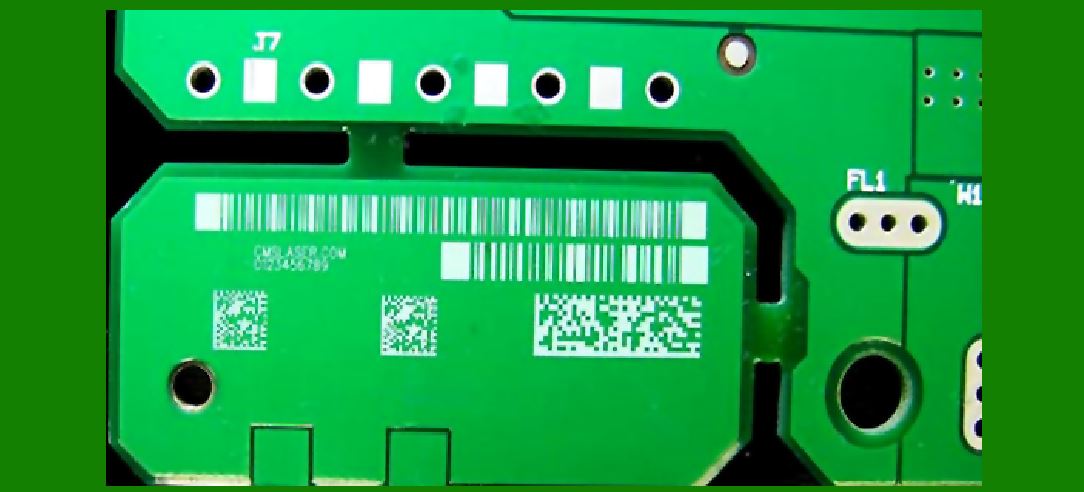
1D vs. 2D Barcodes: The scanner¡¯s ability to read both 1D and 2D barcodes is a key consideration, especially as businesses transition to 2D barcodes (e.g., QR codes, DataMatrix codes) for more detailed information. |
|
7. Emerging Technologies and Innovations in Barcode Scanning |
7.1 Laser vs. Imaging Scanners |
While laser scanners remain a popular choice, imaging (2D) scanners are gaining traction due to their versatility. They can read both 1D and 2D barcodes, making them ideal for businesses that need flexibility in the types of barcodes they scan. |
7.2 Wearable Barcode Scanners |
Wearable scanners are becoming more common in warehouse and logistics environments, where workers can scan items without needing to hold a handheld device. These devices are often integrated with smart wearables like wrist-mounted scanners or smart glasses. |
7.3 Wireless Connectivity and IoT Integration |
With the rise of cloud computing and IoT, barcode scanners are increasingly being integrated into real-time data systems. Wireless scanning devices that can connect to Wi-Fi or Bluetooth networks allow for more efficient tracking and monitoring of inventory. |
7.4 Advanced Features |
Barcode scanners are integrating more sophisticated features, such as: |
Omnidirectional Scanning: Scanners that can capture data from any angle, making them faster and easier to use. |
Multi-Scan Capability: The ability to scan multiple barcodes in one pass, which can improve throughput in environments like retail checkout counters. |

|
8. Conclusion |
Choosing the right barcode scanner depends on several factors, including performance, durability, cost, and the specific needs of your business. Zebra and Honeywell stand out for their robust, high-performance models, while Datalogic and Opticon offer more budget-friendly options with solid performance. Understanding the demands of your industry and the working environment will help you select the most suitable scanner, ensuring that you get the best value for your investment. |
|
Let¡¯s continue by diving deeper into each section and expanding on some specific areas to provide more detailed insights into the performance, cost, and use cases of various barcode scanner models and brands. |
5. Case Studies of Barcode Scanner Usage (Continued) |
5.4 Manufacturing |
In manufacturing settings, barcode scanners are used for a variety of functions, such as tracking parts, inventory management, and asset tracking. Scanners need to withstand tough working conditions, from high temperatures to exposure to chemicals, dust, and mechanical vibrations. |
Zebra Technologies: |
Zebra¡¯s DS3600-ER (Extended Range) scanner is specifically designed for industrial environments. This model is equipped with a high-performance scanning engine capable of reading barcodes from as far away as 70 feet, which is essential for scanning parts and pallets stacked high in warehouses or on production lines. The DS3600-ER can handle the extreme conditions often found in manufacturing settings, such as exposure to dust, water, and shocks, making it a top choice for automotive, electronics, and other manufacturing sectors. |
Additionally, Zebra¡¯s TC8000 mobile computer allows for on-the-go scanning, providing real-time updates of inventory data, tracking production line activities, and scanning goods or components in manufacturing plants. Its high durability and ergonomic design make it a valuable tool for fieldworkers and operators on the factory floor. |
Honeywell: |
Honeywell¡¯s Granit 1980i is ideal for manufacturing environments where long-range scanning and ruggedness are required. It can read barcodes from a distance of 1 meter up to 15 meters, depending on the barcode type, making it suitable for industrial operations with high shelving. The Granit 1980i is also designed to endure drops from up to 2 meters and can survive exposure to harsh chemicals and extreme temperatures. These features are critical in the manufacturing industry, where uptime and accuracy are essential for smooth operations. |
Honeywell¡¯s Fusion 3780 is a more compact option for manufacturing environments that don¡¯t require long-range scanning. It combines excellent performance with ease of use, making it a good choice for smaller production lines or for tracking parts in less demanding environments. |
Datalogic: |
Datalogic¡¯s PowerScan 9500 industrial barcode scanner is designed for rugged, high-performance scanning in manufacturing environments. With a robust construction, the PowerScan 9500 can withstand drops from up to 2 meters and can function in dusty or wet conditions, making it a popular choice for manufacturing and warehouse environments where reliability is key. The scanner can read barcodes from various angles, and the PowerScan 9500 also features advanced motion-sensing capabilities to capture barcodes when the scanner is in motion, a helpful feature in fast-paced environments like assembly lines. |
Datalogic also offers the Matrix 120 vision scanner, which is ideal for small part identification and can be integrated into automated production lines for real-time data collection and process optimization. |
Opticon: |
Opticon¡¯s H-25 rugged mobile scanner is used in smaller-scale manufacturing settings. While not as robust as Zebra or Honeywell¡¯s offerings, the H-25 is a solid performer for medium-sized operations that require barcode scanning but don¡¯t need the ultra-rugged performance required in larger, harsher environments. It is compact, affordable, and integrates well with inventory management systems. |
|
6. Factors Influencing Barcode Scanner Selection (Continued) |
6.6 Reliability and Uptime |
Reliability and uptime are critical, especially in environments like retail or warehouses where scanning issues can cause delays, disrupt workflows, and lead to costly downtime. |
Zebra Technologies: Zebra¡¯s DS3600 series is built with enterprise-class reliability. These scanners are designed to handle high-volume scanning without significant performance degradation, even over years of continuous use. With Zebra¡¯s robust service plans, businesses can ensure minimal downtime and quick repairs when necessary, which adds to the reliability factor. |
Honeywell: Honeywell¡¯s scanners, like the Xenon 1900 and Granit 1980i, are also known for their reliability. Honeywell designs these scanners to minimize failures in the field, offering features like advanced error correction and adaptive scanning technology that ensures consistent performance in varying conditions. This makes them ideal for environments that require high uptime. |
Datalogic: Datalogic¡¯s Magellan 9400i is a solid, reliable performer in retail and logistics. Known for its low failure rates, Datalogic scanners often perform well under heavy use, with features like advanced diagnostics for proactive maintenance, which ensures reliability in critical applications. |
6.7 Technology and Software Compatibility |
Barcode scanners need to integrate seamlessly with the broader IT infrastructure of a company. This means compatibility with point-of-sale systems, warehouse management systems (WMS), and enterprise resource planning (ERP) software. Additionally, businesses should consider whether the scanner supports wireless technologies (Wi-Fi, Bluetooth), which is especially important for mobile or warehouse environments. |
Zebra Technologies: Zebra¡¯s TC8000 mobile computers offer Android-based operating systems, which make them highly compatible with a wide range of enterprise software applications. This device also supports seamless integration with cloud-based systems, providing real-time tracking and data capture. Zebra¡¯s scanners are known for being highly interoperable with other devices and systems, making them a good fit for complex IT environments. |
Honeywell: Honeywell¡¯s ScanPal EDA51 mobile computer runs on Android, making it compatible with a range of applications used in retail, logistics, and healthcare. Honeywell offers extensive software development kits (SDKs) that enable businesses to customize scanners for their specific workflows. |
Datalogic: Datalogic¡¯s PowerScan 9500 series offers Bluetooth and USB connectivity, ensuring easy integration with WMS and ERP systems. Its software compatibility with various warehouse management platforms helps improve efficiency in logistics and inventory management. |
Opticon: Opticon's OPN-2002 and H-25 offer wireless connectivity options, making them easy to integrate into mobile or cloud-based systems. Their compatibility with Android and iOS platforms enhances their versatility and allows businesses to use them with custom or third-party mobile applications. |
6.8 Future-Proofing |
As technology evolves, businesses should look for barcode scanners that can adapt to new barcode formats and technologies. 2D barcodes (QR codes, DataMatrix) are becoming more common, and scanners that can handle a variety of barcode types are a more future-proof choice. |
Zebra Technologies: Zebra's DS3600 series and TC8000 mobile devices support both 1D and 2D barcode scanning. They can read even the most challenging 2D barcodes, including those printed on mobile screens. Zebra¡¯s scanners are built to handle the transition to newer barcode technologies, ensuring that they remain relevant as barcodes continue to evolve. |
Honeywell: Honeywell scanners, such as the Xenon 1900 and Voyager 1202g, are capable of reading 1D and 2D barcodes, making them versatile for future applications that require scanning more complex data. |
Datalogic: Datalogic¡¯s Matrix 120 and Magellan 9400i scanners are equipped to read both 1D and 2D barcodes. They also support advanced data capture technologies like RFID and 2D imaging, which are becoming more common in asset tracking and logistics applications. |

|
7. Emerging Technologies and Innovations in Barcode Scanning (Continued) |
7.5 Advanced Scanning Features |
As barcode scanners continue to evolve, several advanced features are being integrated into these devices to enhance their performance and make them more versatile. |
Omnidirectional Scanning: Omnidirectional scanners are capable of reading barcodes from any angle, making them faster and easier to use, especially in high-volume environments. This eliminates the need for a specific orientation when scanning, reducing the time spent positioning the barcode for the scanner. |
Zebra Technologies: Zebra¡¯s DS3600 is a high-performance omnidirectional scanner, ideal for environments with a high volume of barcode scans, such as retail or logistics centers. |
Honeywell: Honeywell¡¯s Xenon 1900 series also includes omnidirectional scanning capabilities, improving efficiency in environments where barcodes can be presented at any angle. |
Multi-Scan Capability: Some modern barcode scanners are equipped with multi-scan capabilities, allowing them to scan multiple barcodes in one pass. This is particularly useful in environments like warehouses, where multiple items are scanned together in a single scan. |
Datalogic: Datalogic¡¯s Magellan 9400i can scan multiple barcodes simultaneously, making it faster to process large volumes of items in retail or warehouse environments. |
7.6 Autonomous and Smart Barcode Scanning |
With the integration of AI and machine learning, barcode scanners are becoming smarter, with features like automatic barcode detection, adaptive scanning, and real-time data analysis. |
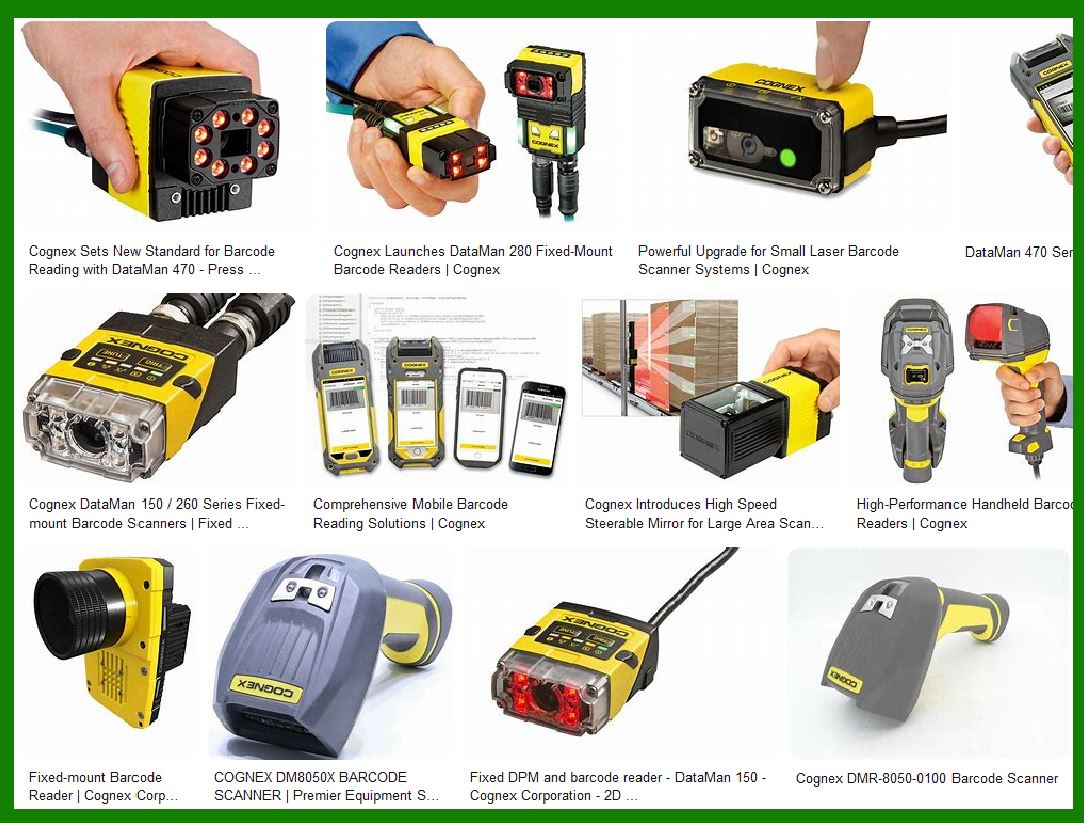
Cognex: Cognex¡¯s DataMan 8600 industrial barcode reader is one of the leaders in smart barcode scanning. It uses machine vision algorithms to optimize barcode reading performance, particularly in challenging conditions where traditional barcode scanners might fail. These smart scanners adjust their settings dynamically, improving their ability to read barcodes from a wide range of surfaces and conditions. |
|
8. Conclusion (Extended) |
Choosing the right barcode scanner depends on the specific needs of a business, and the decision involves balancing performance, durability, cost, and the level of technological sophistication required. The brands discussed ¡ª Zebra, Honeywell, Datalogic, Cognex, and Opticon ¡ª each offer a variety of solutions that cater to different use cases, from retail environments to industrial warehouses and healthcare settings. |
Zebra Technologies offers rugged, high-performance scanners with a reputation for durability and long-lasting reliability, though they come at a premium price. Their advanced features and extensive product lineup make them a versatile option for demanding environments. |
Honeywell provides reliable and accurate barcode scanners, particularly for healthcare and logistics environments, with a solid mix of affordability and performance. |
Datalogic offers strong value for money, particularly in retail and warehouse settings, with advanced scanning technologies and reliable performance at a lower cost. |
Cognex is the go-to choice for industrial applications requiring machine vision and advanced scanning capabilities, but they are more expensive due to their specialized features. |
Opticon provides budget-friendly solutions, making them a solid choice for small businesses or industries with less demanding scanning needs. |
|
By evaluating the specific requirements of your industry, environment, and workflow, you can make a more informed decision about which barcode scanner brand and model will best meet your business needs. |
 cs@easiersoft.com