1. Introduction to Wearable Barcode Scanners |
1.1 The concept of barcode scanning has existed for decades and is now a vital element of industrial operations, retail management, healthcare, warehousing, and logistics. Traditional barcode scanners were handheld devices, requiring workers to physically hold them and point them toward items for scanning. While this approach has proven efficient compared to manual data entry, it still involves repetitive lifting, aiming, and pressing buttons, which consume valuable seconds during high-volume operations. |
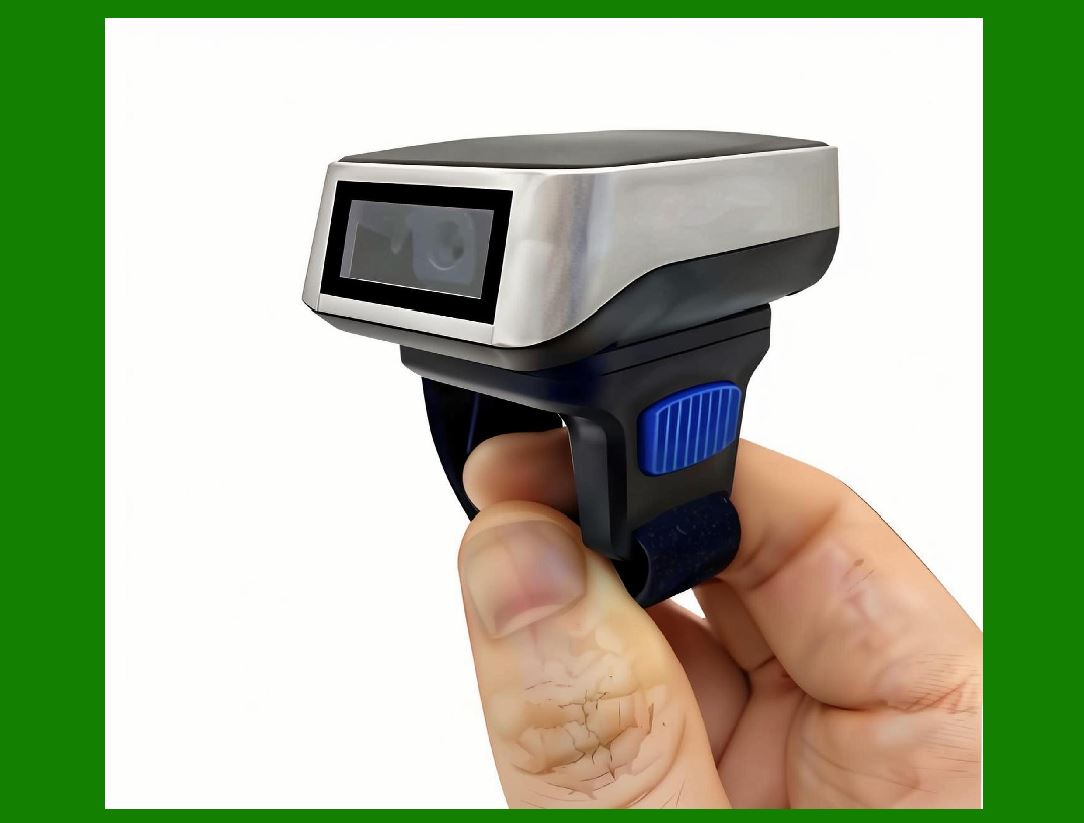
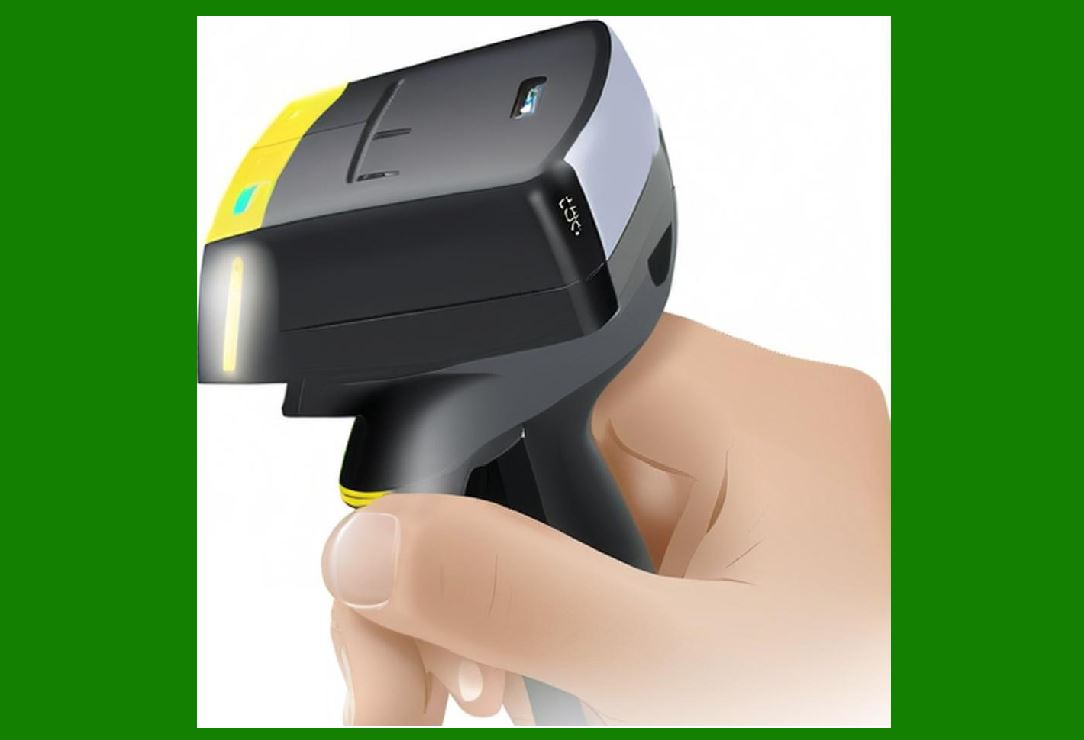
1.2 Wearable barcode scanners represent a significant evolution of scanning technology. Instead of requiring workers to pick up a handheld scanner, a wearable scanner is mounted directly onto the user’s body or clothing, typically on the hand, wrist, arm, finger, or even integrated into smart glasses or gloves. This innovation reduces physical strain and allows for hands-free or semi-hands-free operation, dramatically improving productivity, speed, and ergonomics. |
1.3 The purpose of wearable barcode scanners is to integrate barcode scanning into workers’ natural movements. They reduce unnecessary hand movements and the constant need to switch between tools. For industries that handle thousands of items per shift, even a fraction of a second saved per scan adds up to massive time and cost savings. |
1.4 Over time, wearable scanners have become more compact, lightweight, and wireless. Their integration with Wi-Fi, Bluetooth, and IoT-based software ecosystems makes them more versatile than ever before. They now play a crucial role in smart warehouses, Industry 4.0 initiatives, real-time inventory tracking, and omnichannel retail fulfillment. |
1.5 This document will explore wearable barcode scanners in exhaustive detail, including their history, design principles, technological components, ergonomic factors, applications across industries, benefits, limitations, and the future landscape where they may merge with augmented reality, artificial intelligence, and robotics. |
|
2. Historical Development of Wearable Barcode Scanners |
2.1 To understand wearable barcode scanners, it is essential to revisit the history of barcode technology itself. The first barcode concept was patented in 1952 by Norman Joseph Woodland and Bernard Silver. However, it was not until the 1970s that barcode scanning became commercially viable, thanks to the adoption of the Universal Product Code (UPC) in retail. |
2.2 Early scanners were large, stationary devices, often requiring workers to bring items to a fixed scanning station. This model was functional for retail checkout counters but impractical for warehouses and manufacturing, where workers needed mobility. |
2.3 The 1980s and 1990s saw the rise of handheld barcode scanners. These devices allowed greater flexibility, enabling workers to move around and scan items directly in storage areas. Despite being revolutionary at the time, handheld scanners were still limited in terms of ergonomics. Workers had to repeatedly pick up the scanner, press a trigger, and then put it back down while handling goods. |
2.4 By the early 2000s, advancements in miniaturization, wireless communication, and battery technology enabled the first prototypes of wearable barcode scanners. These were often bulky compared to modern devices, with wired connections to wrist-mounted computers or portable data terminals. However, they demonstrated the potential of freeing workers’ hands during operations. |
2.5 Companies like Zebra Technologies, Honeywell, ProGlove, and Datalogic pushed the development of compact, finger-mounted and glove-based barcode scanners. By the mid-2010s, wearable scanners had matured into lightweight, ergonomic, and wireless solutions suitable for large-scale industrial deployment. |
2.6 The COVID-19 pandemic accelerated adoption of wearable scanners, particularly in logistics and e-commerce fulfillment centers. Social distancing requirements, labor shortages, and the surge in online shopping created an urgent demand for faster, contactless, and highly efficient barcode scanning technologies. Wearables perfectly addressed these needs by minimizing unnecessary movements and increasing throughput. |
|
3. Types of Wearable Barcode Scanners |
3.1 Wearable barcode scanners are not one-size-fits-all devices. Different industries and workflows require different form factors, scanning capabilities, and ergonomics. The most common categories include: |
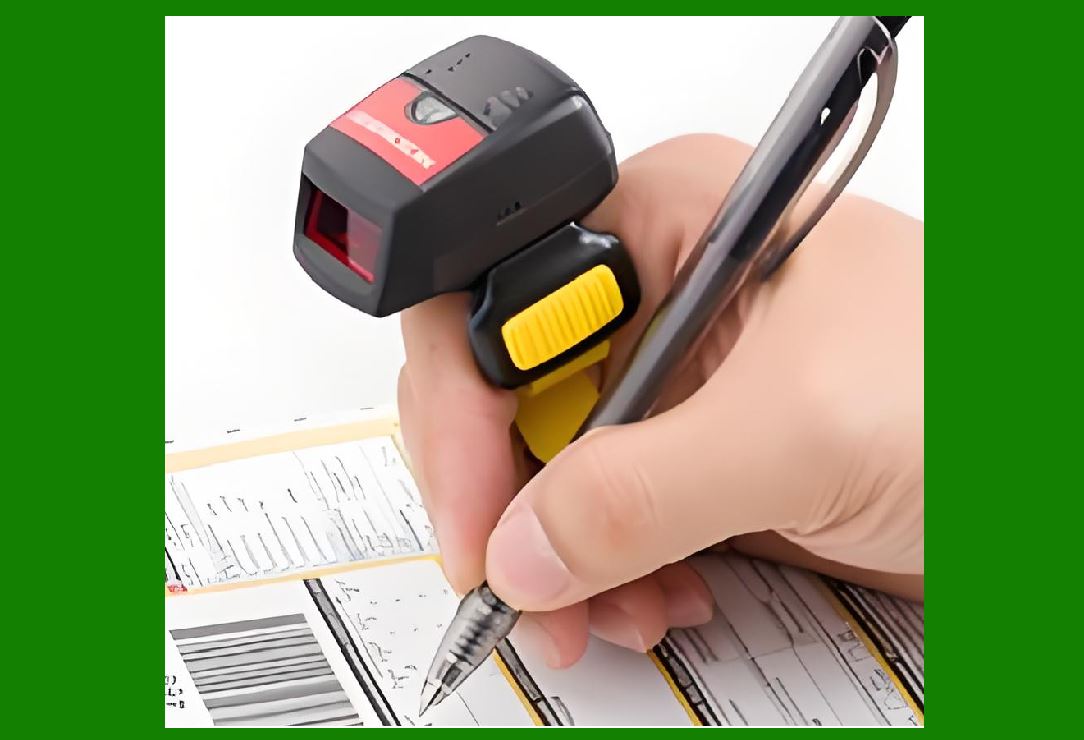
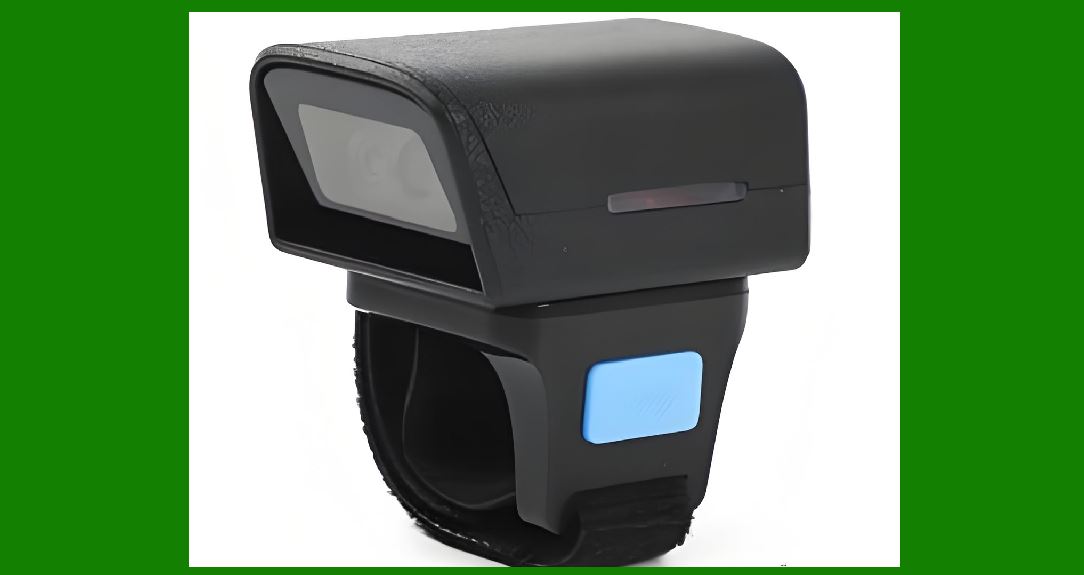
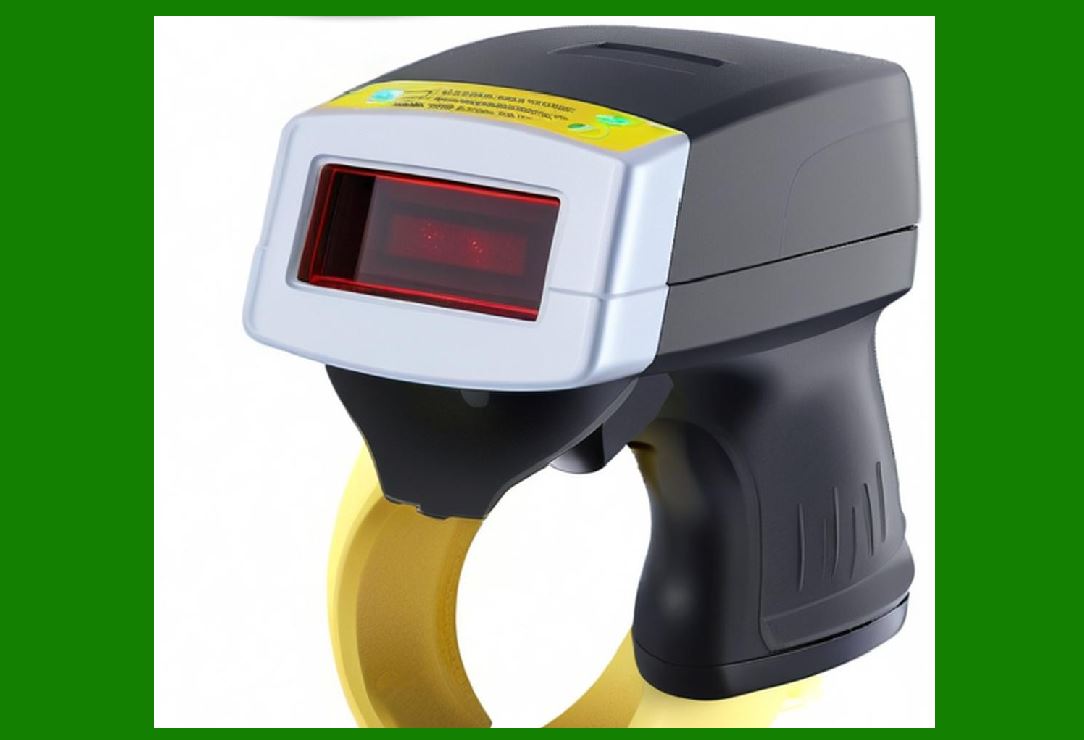
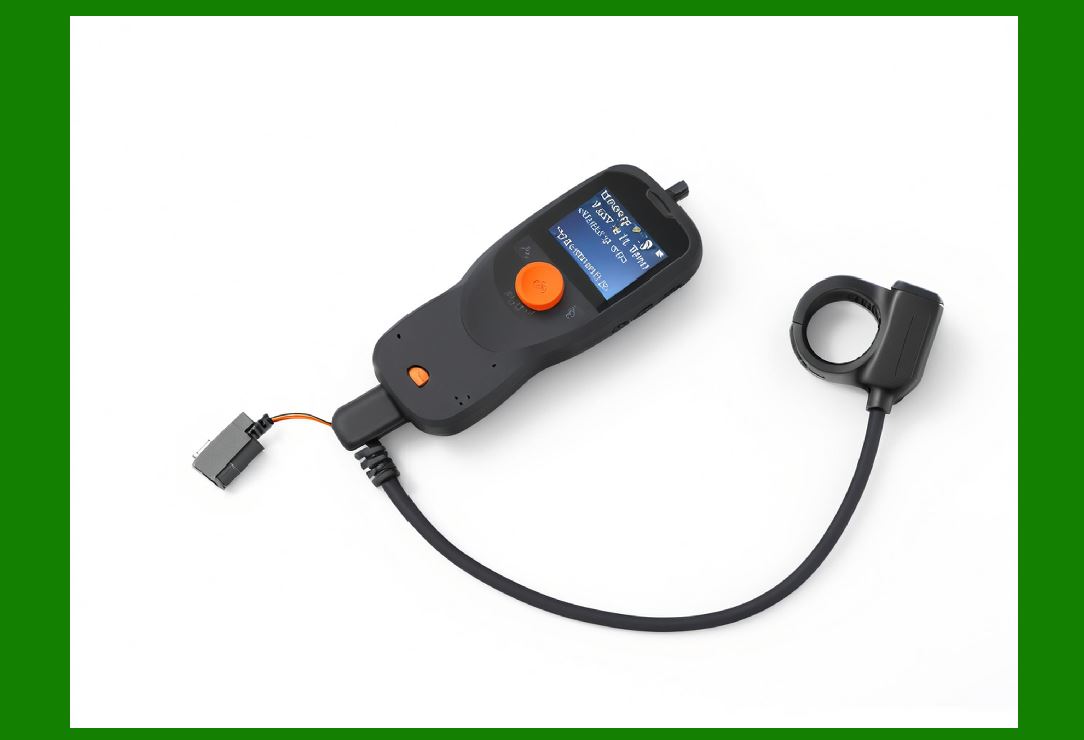
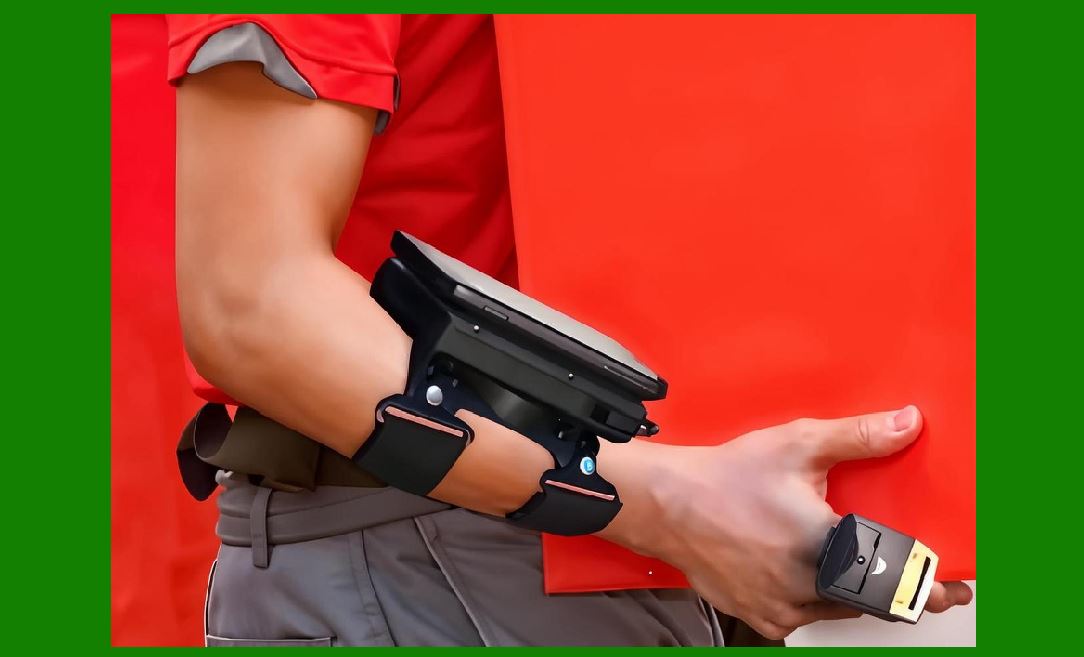
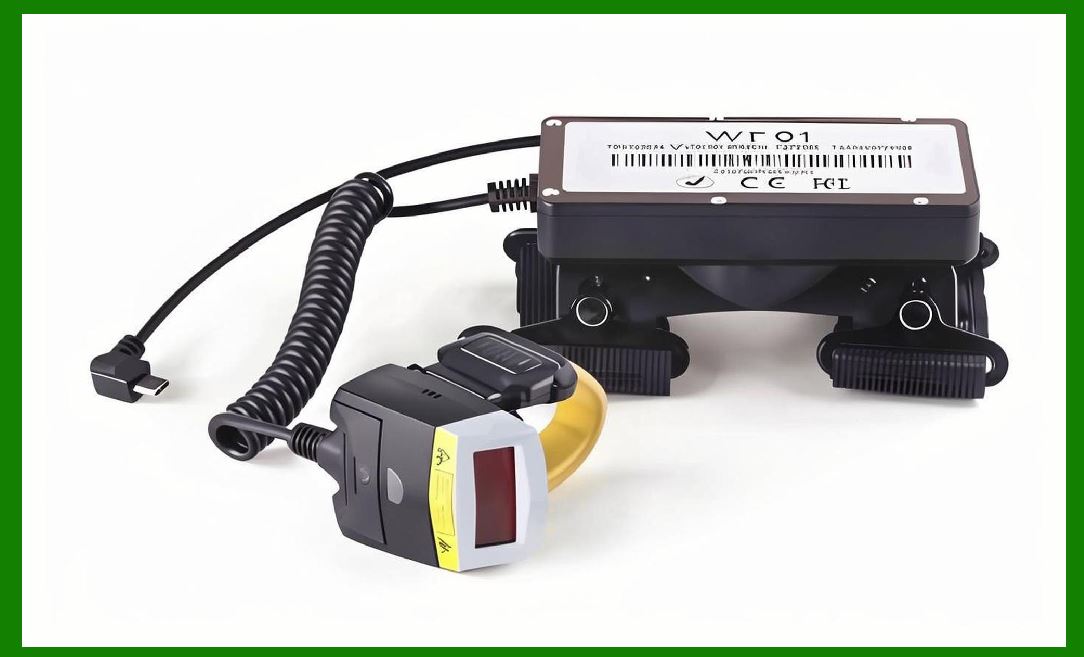
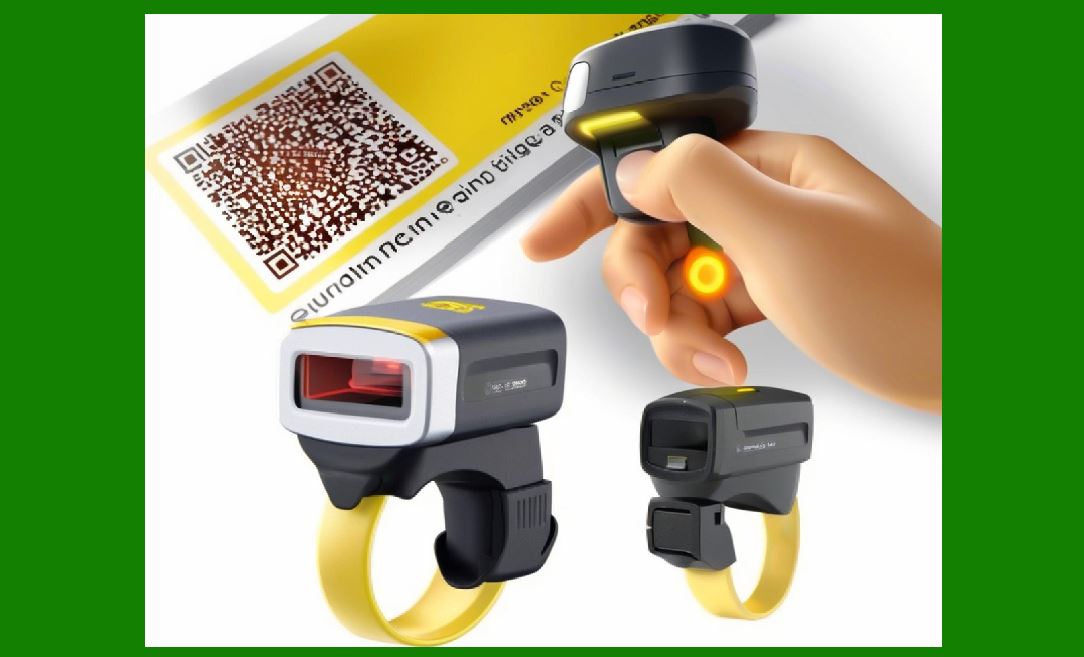
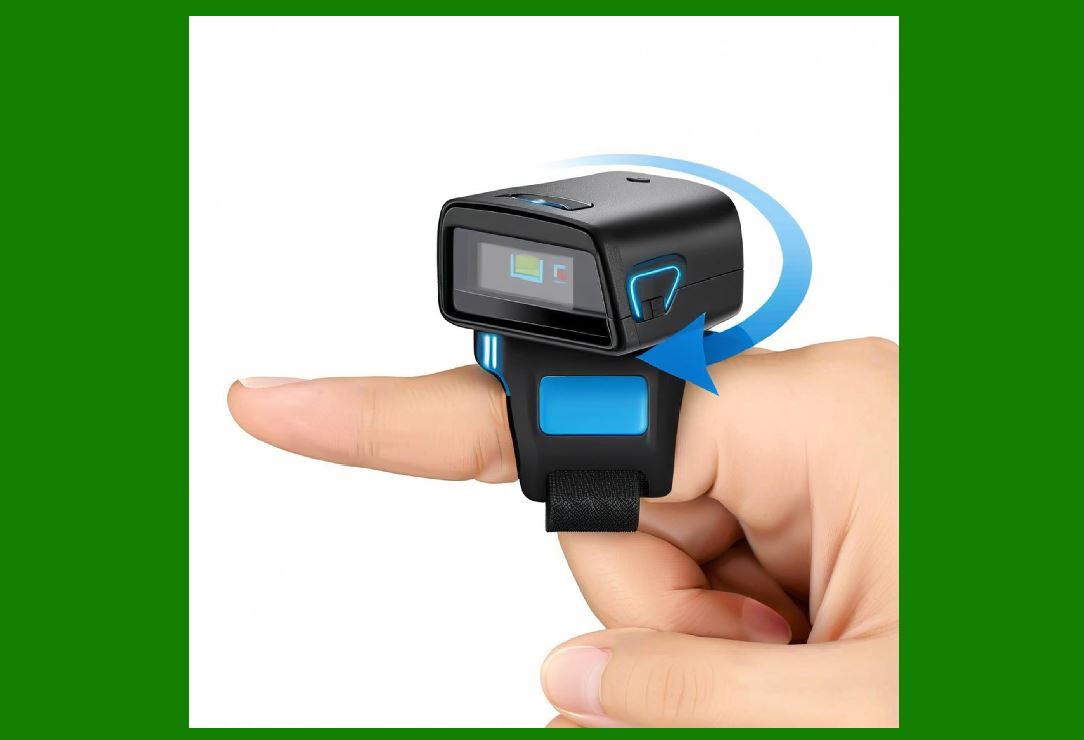
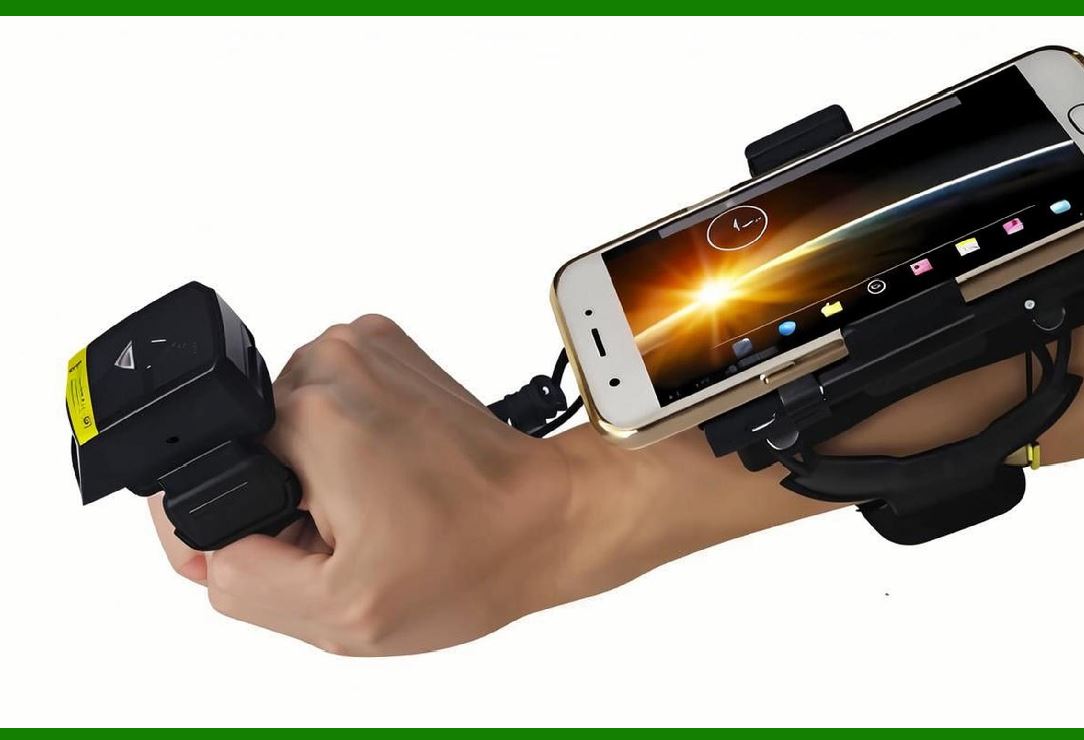
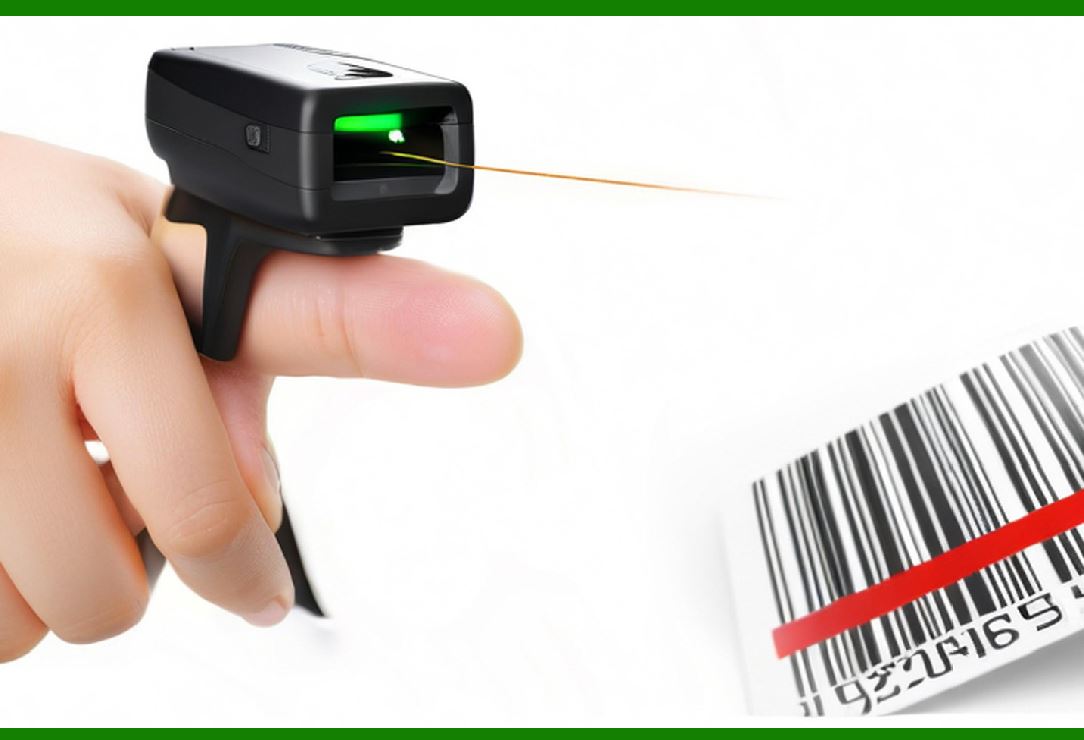
Finger-mounted scanners: Small devices attached to one or two fingers, often using a ring-like design. These allow quick scanning while leaving most of the hand free. |
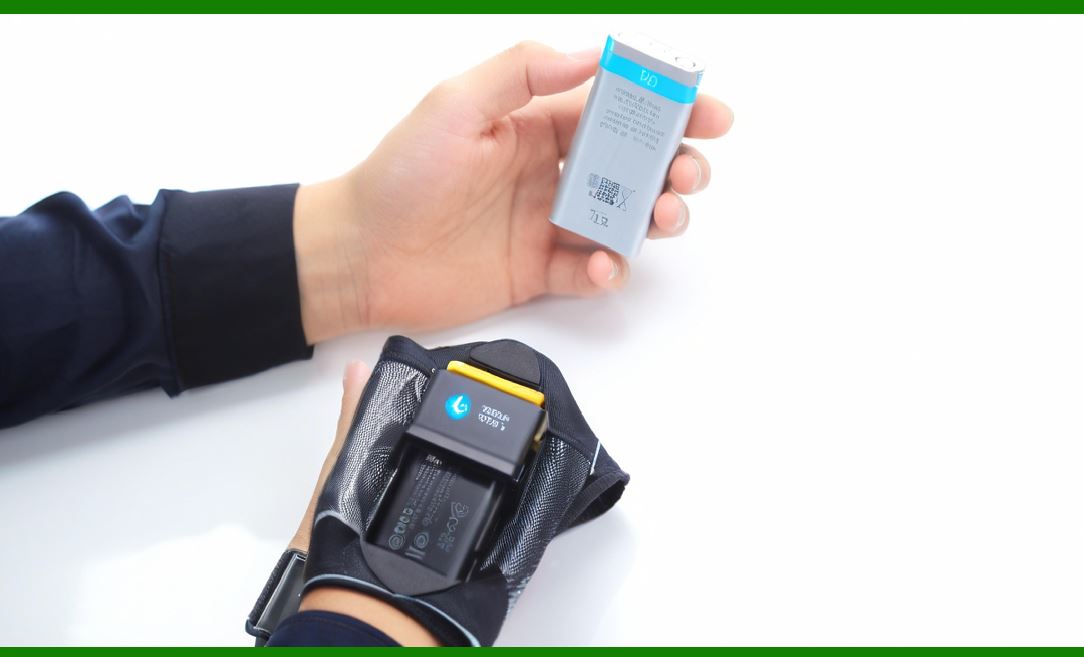
Glove-based scanners: Integrated directly into gloves, often with built-in triggers or sensors activated by finger movements. |
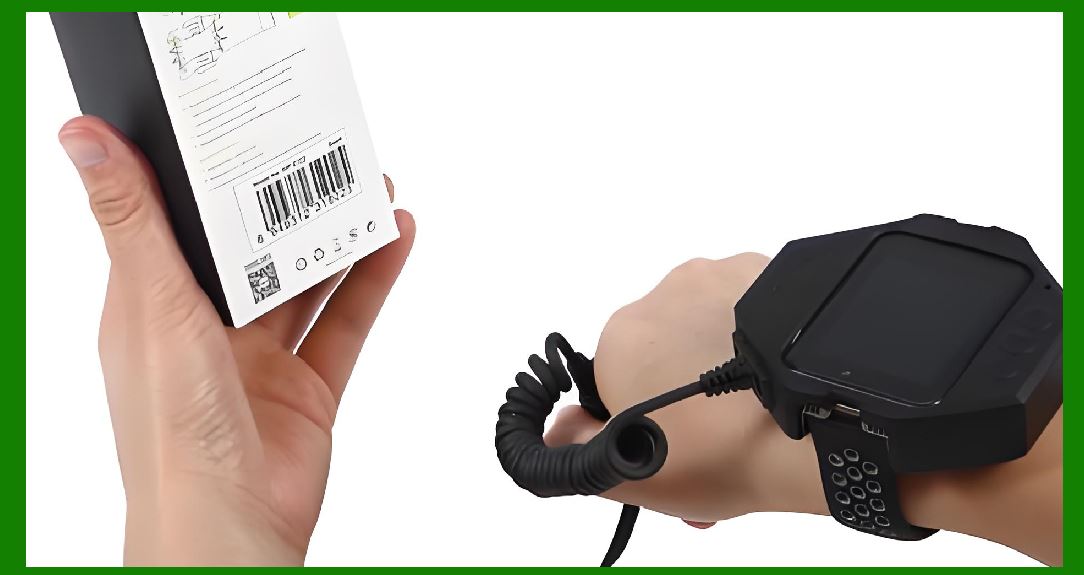
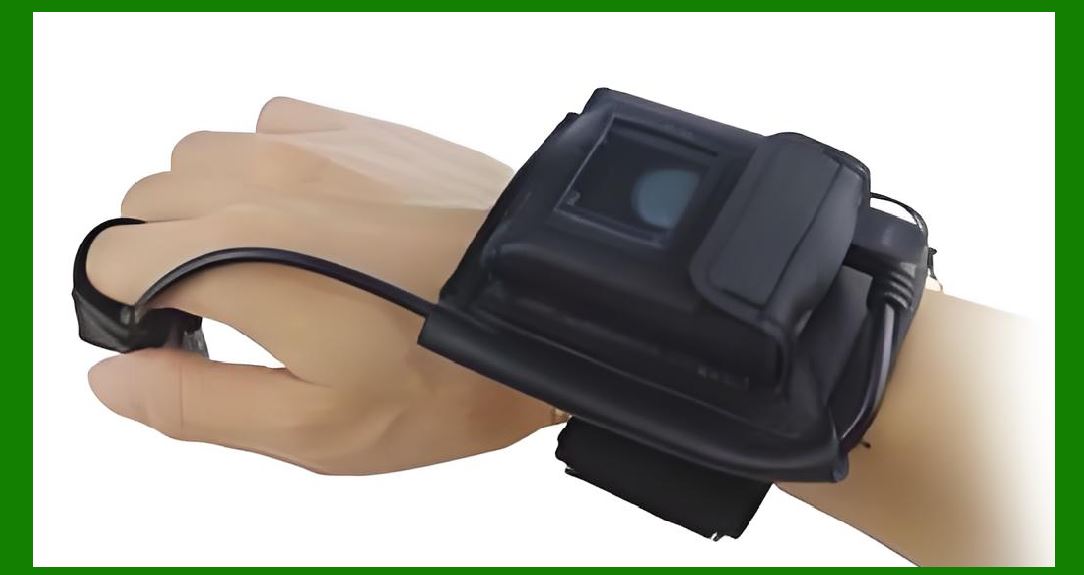
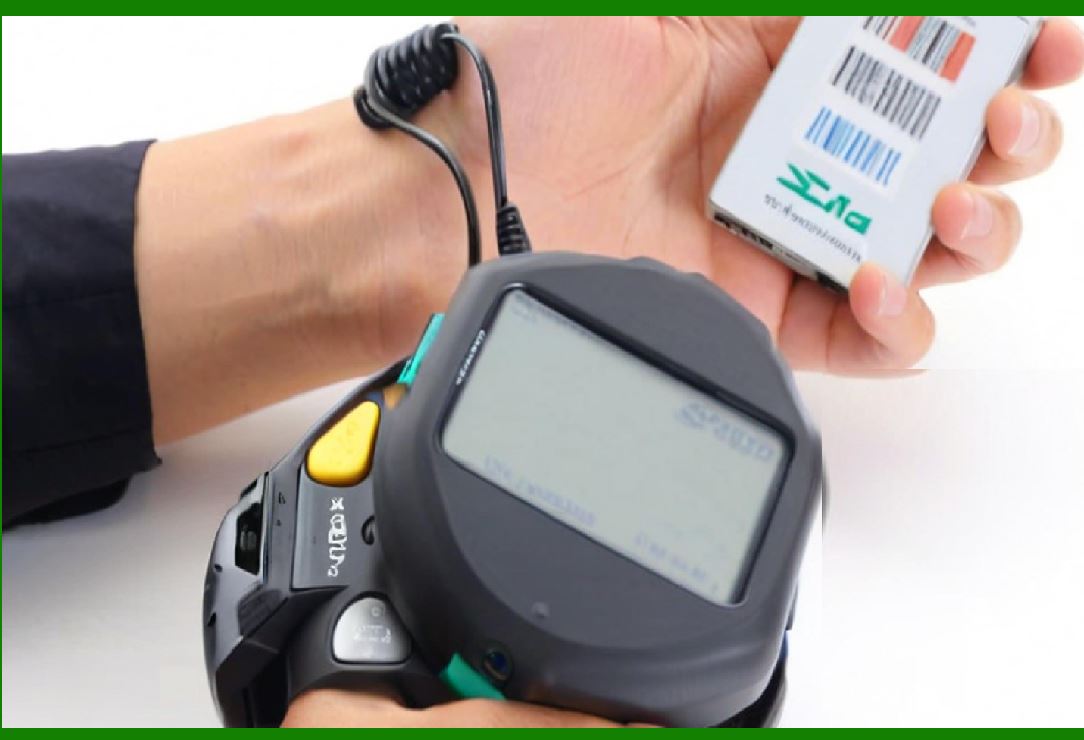
Wrist-mounted scanners: Worn like a smartwatch, these scanners may integrate a small scanning window or serve as terminals connected to finger scanners. |
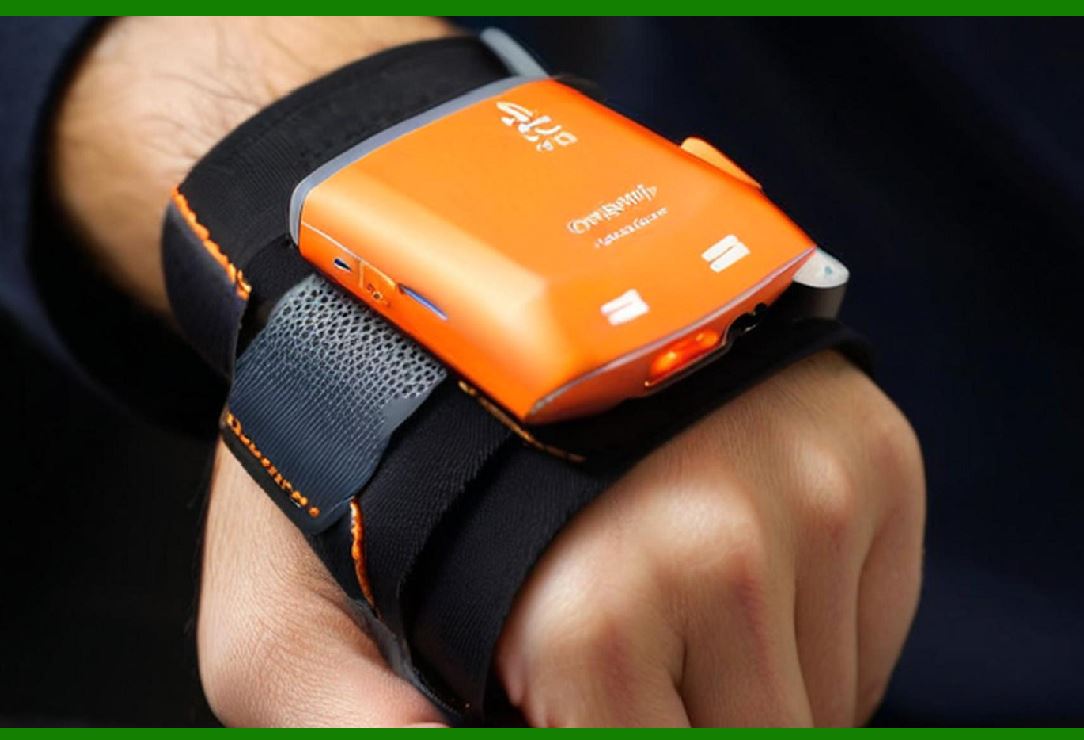
Arm-mounted computers with scanners: Larger devices strapped to the forearm, usually combining scanning capabilities with a small display and computing functions. |
Smart glasses with barcode scanning: Augmented reality (AR) glasses that overlay data onto the user’s field of view while integrating scanning capabilities. |
3.2 Each type has advantages and trade-offs. For example, finger-mounted scanners maximize freedom of movement but have limited battery life due to their compact size. Glove-based scanners provide seamless operation but may be less hygienic in environments like healthcare. Arm-mounted solutions offer computing power but may feel bulkier. |
3.3 The choice of wearable scanner depends on industry requirements, scanning volume, worker comfort, and integration with existing enterprise systems. |
|
4. Technological Components of Wearable Barcode Scanners |
4.1 Wearable barcode scanners combine multiple hardware and software elements to achieve performance, comfort, and reliability. Key components include: |
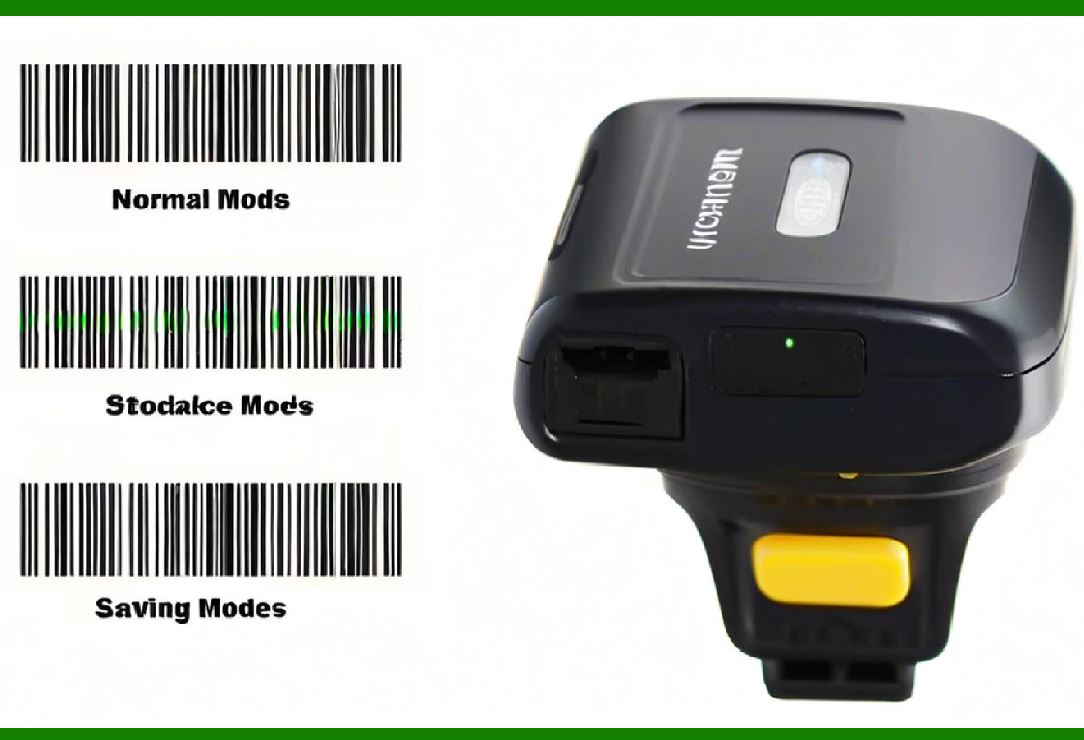
Scanning engine: The core optical or imaging system that reads barcodes. Modern devices use 1D laser engines or 2D imaging sensors capable of reading QR codes, DataMatrix, and PDF417. |
Processor and memory: Embedded chips that process captured barcode data, decode symbologies, and manage connectivity. |
Wireless communication module: Typically Bluetooth Low Energy (BLE), Wi-Fi, or NFC for data transfer to terminals, smartphones, or warehouse management systems. |
Battery: Rechargeable lithium-ion or lithium-polymer batteries optimized for small form factors and extended use. |
Housing and ergonomics: Lightweight yet durable casings made of polycarbonate, rubberized materials, or flexible textiles. |
User interface: May include haptic feedback, LEDs, beeps, or vibration alerts to confirm successful scans without requiring visual confirmation. |
Software and SDKs: Integration with enterprise applications, middleware, and device management systems. |
4.2 In advanced models, additional features include motion sensors, touch triggers, gesture recognition, and artificial intelligence-based decoding for damaged or poorly printed barcodes. |
|
5. Ergonomics and Human Factors |
5.1 One of the defining features of wearable barcode scanners is their ergonomic advantage. Handheld scanners contribute to micro-movements and repetitive strain injuries (RSI) due to constant picking up, aiming, and pressing. Wearables reduce these issues by becoming part of natural hand and arm motions. |
5.2 Ergonomic benefits include: |
Reduced arm fatigue. |
Lower repetitive strain injuries. |
Faster task switching between scanning and item handling. |
Improved comfort for long shifts. |
5.3 Ergonomic design also influences adoption rates. Workers are more likely to embrace wearables that are lightweight, breathable, and intuitive. Poorly designed wearables may cause discomfort, reduce productivity, or face resistance from employees. |
6. Industrial Applications of Wearable Barcode Scanners |
|
7. Wearable Barcode Scanners in Warehousing and Distribution |
7.1 Warehousing is one of the most significant domains for wearable barcode scanners. Traditional handheld scanners require workers to pick up and put down devices repeatedly while handling cartons, pallets, or individual items. In high-volume distribution centers, this results in wasted motion that can add up to hours of lost productivity across shifts. |
7.2 Wearable scanners eliminate this inefficiency. Workers wearing finger-mounted or glove-based scanners can instantly scan barcodes as part of their natural workflow without pausing to retrieve equipment. For instance, while picking items from shelves, the worker simply points their hand or finger scanner at the barcode, triggering a scan automatically. |
7.3 The warehouse workflow improvements include: |
Picking operations: Workers follow pick lists on mobile devices or wearable terminals, using finger scanners to verify each item. This minimizes mispicks and accelerates the picking rate. |
Put-away operations: After goods arrive, employees can scan storage location barcodes without juggling scanners and boxes, streamlining placement accuracy. |
Cycle counting and inventory checks: Hands-free scanning allows continuous movement while performing cycle counts, reducing disruption. |
Receiving and shipping verification: Wearable scanners confirm carton IDs and pallet barcodes during inbound and outbound logistics with less handling time. |
7.4 Studies from leading logistics companies show that wearable barcode scanners can increase productivity by up to 30% in picking operations compared to handheld devices. In e-commerce fulfillment centers, where millions of items are processed daily, this percentage translates into enormous efficiency gains. |
7.5 Ergonomics also matter in warehouses where employees often work long shifts. Reducing repetitive strain injuries lowers absenteeism, worker fatigue, and medical claims. |
7.6 Major adopters in warehousing include Amazon, DHL, FedEx, UPS, and Walmart distribution centers, all of which deploy wearable barcode scanners to streamline logistics workflows. |
|
8. Wearable Barcode Scanners in Logistics and Transportation |
8.1 Beyond warehouses, wearable scanners are crucial in broader logistics and transportation. Truck drivers, delivery personnel, and freight handlers often require both hands for handling packages. A wearable scanner ensures they can scan parcels without dropping items or juggling handheld devices. |
8.2 Applications include: |
Parcel sorting: Workers in courier hubs sort thousands of packages by scanning labels quickly. Wearable scanners allow faster sorting without interruptions. |
Last-mile delivery: Delivery drivers use finger-mounted scanners to confirm package handover, reducing delivery time per stop. |
Cross-docking operations: Freight hubs often require rapid unloading and reloading of shipments. Wearables accelerate barcode capture during these time-critical operations. |
Air cargo and seaports: In large shipping facilities, wearable scanners integrate with RFID and IoT tracking systems for real-time cargo visibility. |
8.3 Logistics workers also benefit from integration with wearable displays or smart glasses, showing them destination bins, dock numbers, or delivery confirmations alongside the scanning process. |
8.4 For example, DHL’s “Vision Picking” program uses smart glasses paired with wearable scanners, enabling workers to receive pick instructions directly in their field of view while scanning barcodes hands-free. This has increased efficiency by up to 25% in certain warehouses. |
|
9. Wearable Barcode Scanners in Retail and Supermarkets |
9.1 Retail environments also leverage wearable scanners, particularly in inventory management, restocking, and omnichannel fulfillment. |
9.2 Store associates often switch between helping customers and handling merchandise. With a wearable scanner, they can scan price tags or shelf labels quickly without interrupting customer service. |
9.3 Specific retail applications include: |
Shelf replenishment: Employees scan shelf barcodes and item codes while restocking products, updating inventory automatically. |
Click-and-collect fulfillment: Workers picking items for online orders use wearable scanners to ensure order accuracy. |
Price verification and markdowns: Wearable scanners paired with portable printers allow associates to update prices instantly. |
Loss prevention: Scanning stock movements helps reduce shrinkage by ensuring accurate tracking. |
9.4 Retailers like Walmart, Target, and Tesco deploy wearable scanners in backroom operations to speed up restocking and online order fulfillment. |
9.5 In luxury retail, wearable scanners are often designed to be discreet and stylish, ensuring that customer-facing staff maintain a professional appearance while leveraging scanning technology. |
|
10. Wearable Barcode Scanners in Healthcare |
10.1 Healthcare is one of the most critical industries where accuracy and speed are non-negotiable. Barcode scanning ensures patient safety, accurate medication administration, and proper specimen tracking. |
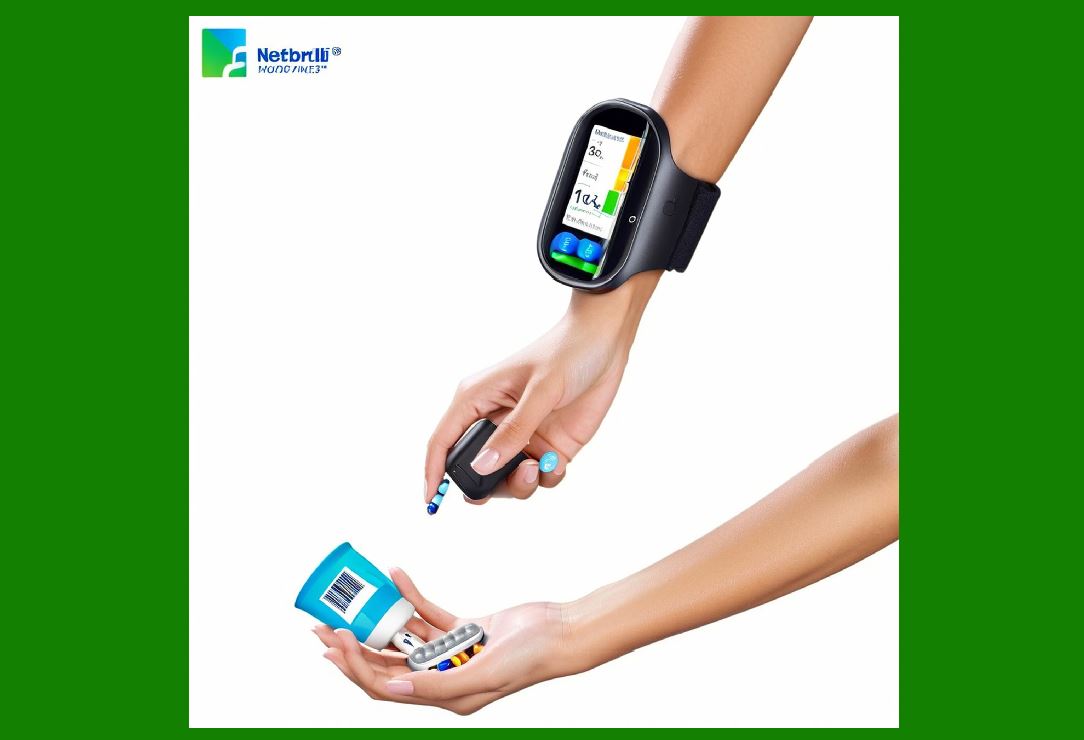
10.2 Wearable barcode scanners allow nurses, pharmacists, and laboratory technicians to maintain sterility and efficiency. Instead of juggling handheld scanners, they can scan patient wristbands or specimen labels without interrupting their workflow. |
10.3 Applications include: |
Medication administration: Nurses scan both the patient’s wristband and the medication package to verify the “five rights” of medication safety: right patient, right drug, right dose, right route, right time. |
Specimen collection: Phlebotomists use wearable scanners to ensure that blood samples are labeled correctly, minimizing errors. |
Asset tracking: Wearables track high-value medical equipment within hospitals. |
Patient identification: Emergency departments and surgical rooms require fast verification of patients, where wearable scanners reduce handling time. |
10.4 Infection control is particularly important. Finger-mounted or glove-based scanners designed with medical-grade disinfectant-resistant housings are preferred in hospitals. |
10.5 Hospitals adopting wearable scanners report improvements in patient safety, reduction in medication errors, and faster workflows in laboratories. |
|
11. Wearable Barcode Scanners in Manufacturing |
11.1 In manufacturing, production lines require speed, precision, and traceability. Barcode scanning is critical for monitoring parts, work-in-progress (WIP), and finished goods. |
11.2 Wearable scanners allow assembly line workers to scan parts without interrupting their tasks. For example, when attaching a component, the worker can quickly scan the barcode on the part before installation, ensuring proper sequencing and traceability. |
11.3 Use cases include: |
Component verification: Workers verify each part before assembly, ensuring the right components are used. |
Work-in-progress tracking: Scanning at different stages updates ERP systems in real time. |
Quality control: Inspectors use wearables to scan defective items while continuing inspections hands-free. |
Finished goods tracking: Packaging teams scan items before shipping to update stock records. |
11.4 Automotive and electronics industries particularly benefit from wearable scanners, given the complexity and precision required in production lines. |
|
12. Wearable Barcode Scanners in Postal Services |
12.1 Postal services handle billions of letters and parcels each year. Accuracy and speed in scanning are vital for tracking, sorting, and delivering items. |
12.2 Traditional handheld scanners slow down postal workers during sorting and delivery. Wearables accelerate the process while keeping both hands free for handling mail. |
12.3 Applications include: |
Sorting centers: Workers scan mail and parcels rapidly without pausing. |
Delivery route verification: Postmen scan mail while moving, confirming delivery without extra steps. |
Proof of delivery (POD): Wearable scanners capture data instantly at the customer’s door. |
12.4 Many postal services worldwide — including USPS, Royal Mail, Deutsche Post, and Japan Post — have tested or deployed wearable barcode scanners to streamline last-mile delivery. |
|
13. Wearable Barcode Scanners in Airports and Airlines |
13.1 Airports are complex environments where efficiency and accuracy directly influence passenger experience, airline profitability, and security. The movement of passengers, baggage, and cargo all relies heavily on identification and tracking systems, with barcodes playing a central role. |
13.2 Traditionally, staff used handheld scanners to check boarding passes, baggage tags, and cargo labels. While effective, this process often slowed down operations because airport staff had to juggle scanners, tickets, luggage, and security equipment simultaneously. Wearable barcode scanners resolve this by freeing both hands for handling passengers and luggage while enabling rapid scanning. |
13.3 Applications in the airport ecosystem: |
Passenger check-in and boarding: Airline staff use wearable scanners to scan boarding passes (both paper and mobile QR codes) while simultaneously handling passports or luggage tags. This speeds up boarding processes and minimizes bottlenecks at gates. |
Baggage handling: Workers at check-in counters, baggage belts, and loading bays use wearable scanners to read luggage barcodes without stopping to pick up scanners. This reduces delays and improves baggage tracking accuracy. |
Cargo management: Air freight departments use wearable scanners for high-volume cargo scanning, ensuring each shipment is correctly routed and tracked. |
Security checkpoints: Security officers use wearable scanners to validate passenger boarding passes or luggage quickly, enhancing security throughput. |
13.4 Wearable scanners integrated with airport management systems and IATA standards (such as Bar Coded Boarding Pass, BCBP) allow seamless data synchronization. |
13.5 Airlines such as Lufthansa, Emirates, and Delta have piloted wearable scanner solutions for baggage handlers and ground staff, reporting reduced baggage mishandling rates and faster passenger processing. |
13.6 Considering that airports handle millions of passengers per year, wearable barcode scanners can reduce queuing times, minimize lost baggage incidents, and improve overall customer satisfaction scores. |
|
14. Wearable Barcode Scanners in Event Ticketing and Stadiums |
14.1 Large events such as concerts, sports matches, exhibitions, and festivals rely heavily on ticket validation. Traditionally, ushers and security staff used handheld scanners or mobile devices to check paper tickets and mobile QR codes. However, this often caused congestion at entry gates. |
14.2 Wearable barcode scanners streamline this process by enabling faster, hands-free ticket validation, keeping staff mobile and efficient. |
14.3 Applications in events include: |
Gate entry scanning: Staff equipped with finger-mounted scanners quickly validate tickets while managing crowd control, reducing long queues. |
Mobile ticket verification: With the rise of digital tickets on smartphones, wearable scanners easily capture QR codes displayed on mobile screens without requiring close contact. |
VIP access control: Wearables ensure fast scanning for premium entry zones, preventing bottlenecks in high-value areas. |
Concessions and merchandise: Vendors in stadiums and arenas can scan barcodes on products or coupons while handling cash or serving customers. |
Staff management: Wearable scanners can also validate staff ID badges to ensure access to restricted areas. |
14.4 One of the most innovative uses of wearable scanners is their integration with wristband tickets that contain barcodes. At music festivals, staff equipped with wearable scanners can validate entry and re-entry instantly, keeping lines moving smoothly. |
14.5 Sports teams and event organizers also integrate wearable scanners with customer relationship management (CRM) systems. This allows them to collect real-time attendance data, personalize promotions, and enhance fan engagement. |
14.6 Case Example: At major football stadiums in Europe, wearable scanners have reduced entry validation times by 30–40%, ensuring spectators get into their seats more quickly and safely. |
|
15. Wearable Barcode Scanners in Libraries and Education |
15.1 Libraries, universities, and research institutions manage millions of books, journals, and educational materials. Barcodes are the backbone of library management systems, enabling efficient cataloging, borrowing, and returns. |
15.2 Traditionally, librarians used desktop or handheld scanners at circulation desks. However, for large collections and mobile library services, wearable barcode scanners offer greater flexibility. |
15.3 Applications in this sector: |
Inventory management: Library staff conducting inventory can scan books on shelves without juggling handheld devices, saving time. |
Book circulation: Staff can scan barcodes on books while assisting patrons directly in aisles, reducing the need to return to desks. |
Mobile libraries: In traveling or community libraries, wearable scanners allow staff to manage checkouts and returns in the field. |
Educational institutions: Schools and universities use wearable scanners for managing laboratory equipment, tracking attendance through student ID barcodes, and streamlining textbook distribution. |
15.4 For large university campuses, wearable scanners integrated with student ID cards allow rapid access control for laboratories, dormitories, and sports facilities. |
15.5 In research institutions, where thousands of samples, tools, and equipment must be tracked, wearable scanners are used for asset management and specimen identification. |
15.6 The impact is not only on efficiency but also on user experience. Patrons enjoy faster service, while institutions benefit from reduced cataloging errors. |
|
16. Wearable Barcode Scanners in Military and Defense Logistics |
16.1 Military operations demand precision, speed, and accountability in supply chain management. From tracking weapons to ensuring soldiers receive the correct supplies, barcode scanning plays an essential role. |
16.2 Traditional handheld scanners are impractical in field environments where mobility and situational awareness are crucial. Wearable scanners solve this by providing hands-free operation during high-pressure missions. |
16.3 Applications include: |
Weapon and equipment tracking: Soldiers scan barcodes on firearms, ammunition, and gear during issuance and return, ensuring accountability. |
Logistics in combat zones: Supplies like medical kits, rations, and fuel can be tracked with wearable scanners, even under challenging conditions. |
Aircraft and vehicle maintenance: Technicians use wearable scanners to verify parts, track repairs, and ensure compliance with maintenance logs. |
Personnel management: Scanning ID tags during troop movements ensures accurate headcounts and personnel deployment. |
16.4 Wearable scanners integrated with ruggedized mobile computers are designed to withstand harsh environments such as deserts, jungles, or arctic conditions. |
16.5 Defense organizations, particularly in the U.S. and NATO member states, are exploring wearable scanners as part of tactical Internet of Things (IoT) systems, where every piece of equipment and personnel movement can be tracked in real time. |
16.6 The military’s adoption of wearable scanners not only improves logistics but also enhances combat readiness, accountability, and mission success rates. |
|
17. Wearable Barcode Scanners in Agriculture and Food Supply Chains |
17.1 Agriculture and food production involve complex supply chains that span from farms to supermarkets. Traceability and safety are paramount, especially given global regulations on food quality and recalls. |
17.2 Wearable barcode scanners allow agricultural workers, food processors, and distribution staff to maintain accurate, real-time records of products as they move through the supply chain. |
17.3 Use cases include: |
Harvest tracking: Workers scan barcodes on crates of produce as they are harvested, ensuring traceability back to farms and even specific fields. |
Livestock management: Wearable scanners help track animals tagged with barcode-based ID tags, streamlining veterinary care and movement control. |
Food processing plants: Workers use wearables to scan ingredients and packaging materials, ensuring compliance with recipes and safety standards. |
Cold chain logistics: Wearable scanners combined with temperature-monitoring systems ensure perishable goods are tracked accurately during transport. |
Farm equipment tracking: Scanning parts and tools helps manage agricultural machinery maintenance schedules. |
17.4 Governments and food regulators encourage the use of wearable scanners for farm-to-fork traceability, ensuring transparency in the food industry. |
17.5 Case Example: In large U.S. farms and European greenhouses, wearable scanners allow real-time data capture during harvests, reducing paperwork and ensuring compliance with export regulations. |

|
18. Wearable Barcode Scanners in Hospitality and Tourism |
18.1 Hotels, resorts, cruise ships, and theme parks manage vast amounts of inventory, staff, and guests daily. Wearable barcode scanners improve operational efficiency in these high-contact environments. |
18.2 Applications include: |
Guest check-in and ticket validation: Wearable scanners speed up entry to resorts, cruises, and amusement parks. |
Housekeeping: Staff scan barcodes on linens, cleaning supplies, and room amenities to track usage and inventory. |
Food and beverage: Restaurants in hotels and ships use wearable scanners to manage kitchen supplies, track ingredients, and validate meal coupons. |
Asset management: Hotels track high-value items such as electronic devices, furniture, or maintenance equipment. |
Event management: Resorts hosting conferences use wearable scanners for badge scanning, ensuring smooth entry control. |
18.3 On cruise ships, where thousands of passengers embark and disembark at once, wearable scanners dramatically accelerate boarding and luggage tracking. |
18.4 Theme parks like Disneyland and Universal Studios experiment with wearable scanners integrated into staff uniforms, ensuring smoother operations while maintaining guest immersion. |
|
19. Wearable Barcode Scanners in Mining and Heavy Industry |
19.1 Mining, oil, gas, and heavy industries operate in some of the harshest environments on Earth. Workers often deal with extreme temperatures, dust, vibrations, and heavy machinery. In such conditions, handheld scanners are impractical because they require workers to put down tools, remove gloves, or break workflow to record data. |
19.2 Wearable barcode scanners — especially ruggedized versions — provide a solution by allowing workers to scan equipment, tools, and materials without interrupting their operations. |
19.3 Applications in mining and heavy industries include: |
Equipment tracking: Wearable scanners help monitor usage of drills, pumps, and safety gear, ensuring accountability and timely maintenance. |
Spare parts management: Workers scan barcodes on replacement parts during repairs, automatically updating inventory systems. |
Safety compliance: Workers scan their personal protective equipment (PPE) to confirm compliance with safety protocols before entering hazardous zones. |
Explosives and chemical management: Strict regulations require detailed tracking of explosives, fuel, and chemicals. Wearables help ensure every unit is logged properly. |
Workforce management: Workers scan ID badges when entering mines or industrial zones, providing real-time headcounts for safety monitoring. |
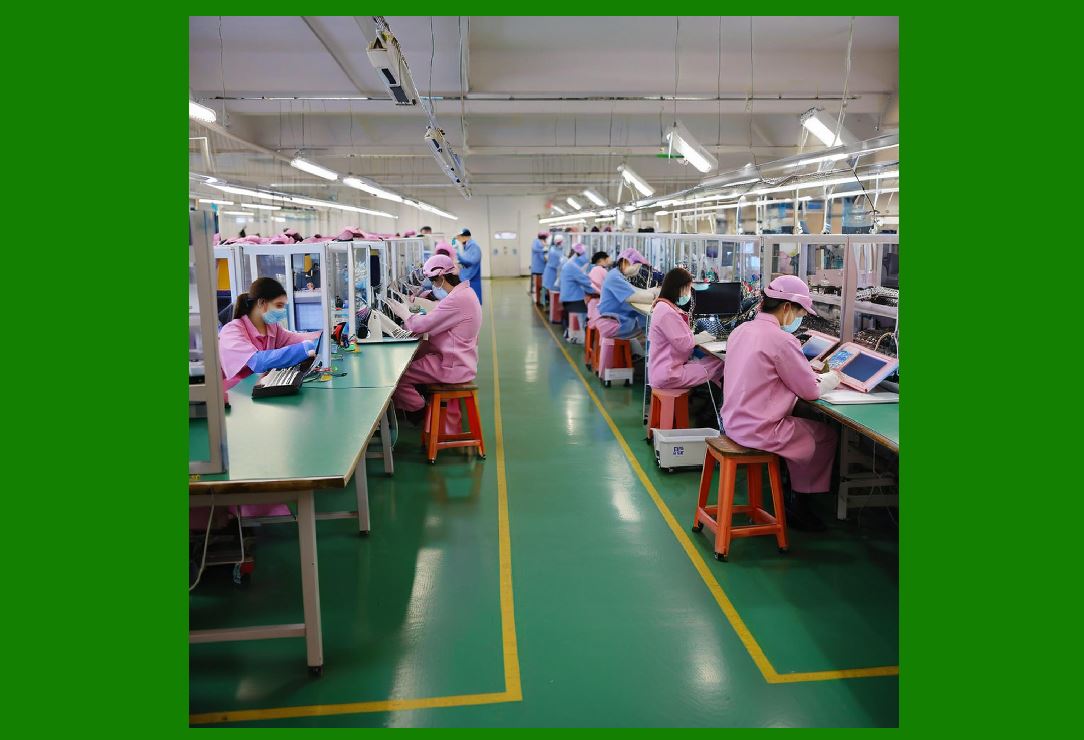
19.4 Ruggedized wearable scanners feature dust-proof, waterproof, and shock-resistant designs compliant with IP65/IP67 standards, making them suitable for underground mines, oil rigs, and construction yards. |
19.5 For example, in Australian mining operations, wearable scanners are used to log the issuance of safety helmets, gas detectors, and oxygen supplies. In case of emergencies, supervisors can quickly determine who has the proper safety equipment. |
19.6 The benefits extend beyond safety. Real-time data captured by wearable scanners integrates with ERP (Enterprise Resource Planning) and CMMS (Computerized Maintenance Management Systems), allowing predictive maintenance and optimized resource allocation. |
|
20. Wearable Barcode Scanners in Emergency Response and Firefighting |
20.1 Emergency response scenarios require speed, mobility, and accuracy under extreme stress. Firefighters, paramedics, and disaster relief workers cannot afford to carry or operate handheld barcode scanners while saving lives. Wearable scanners become essential tools in these contexts. |
20.2 Applications in emergency response: |
Patient triage: During large-scale accidents or disasters, patients are tagged with barcoded wristbands. Wearable scanners allow paramedics to log patient data instantly while keeping both hands free for medical care. |
Medication verification: Emergency teams can scan drug vials to ensure correct dosage during chaotic conditions. |
Firefighting equipment tracking: Firefighters scan barcodes on oxygen tanks, hoses, and rescue equipment to monitor usage and ensure safety compliance. |
Search and rescue operations: Wearable scanners log the deployment of drones, ropes, or survival kits during operations in collapsed buildings or wildfires. |
Supply chain in disaster zones: Humanitarian organizations use wearable scanners to track relief supplies such as food, water, and blankets in refugee camps or disaster-stricken regions. |
20.3 One significant benefit is real-time communication with emergency command centers. Scanned data from the field updates central systems instantly, helping coordinate rescue efforts and resource allocation. |
20.4 Case Example: In Hurricane response efforts in the U.S., emergency responders equipped with wearable scanners logged medical supplies and tracked patient transfers between mobile clinics and hospitals, significantly reducing duplication and errors. |
20.5 In firefighting, rugged wearable scanners resistant to heat and water ensure that critical equipment such as SCBA (Self-Contained Breathing Apparatus) tanks are logged before use. This improves accountability and prevents equipment shortages during emergencies. |
20.6 Emergency response agencies also integrate wearable scanners with GIS (Geographic Information Systems), linking scanned data to maps that visualize resource distribution in real time. |

|
21. Wearable Barcode Scanners in Construction Industry |
21.1 The construction industry deals with a wide variety of tools, equipment, materials, and labor spread across multiple job sites. Keeping track of everything is a logistical challenge. |
21.2 Traditional handheld scanners are impractical because workers often wear gloves, handle heavy machinery, or climb scaffolding. Wearable scanners offer a safer, hands-free alternative. |
21.3 Applications in construction: |
Tool management: Workers scan tools when borrowing or returning them, preventing theft and reducing tool loss. |
Material tracking: Cement bags, steel bars, and prefabricated parts are logged with wearable scanners as they arrive on site. |
Worker attendance: Employees scan ID cards upon entering and exiting construction zones, ensuring accurate labor records. |
Safety gear verification: Scanning helmets, harnesses, and vests ensures compliance with safety standards before workers are allowed on-site. |
Progress tracking: As construction phases are completed, supervisors scan barcodes on prefabricated components or construction zones to update project management systems. |
21.4 Construction wearables must be rugged and capable of withstanding dust, mud, and weather. They are often paired with rugged tablets or smart helmets for integrated project management. |
21.5 Case Example: In large infrastructure projects in China and the Middle East, wearable scanners are used to monitor the use of prefabricated building modules. Each module is scanned upon delivery, during installation, and upon completion, ensuring traceability and quality compliance. |
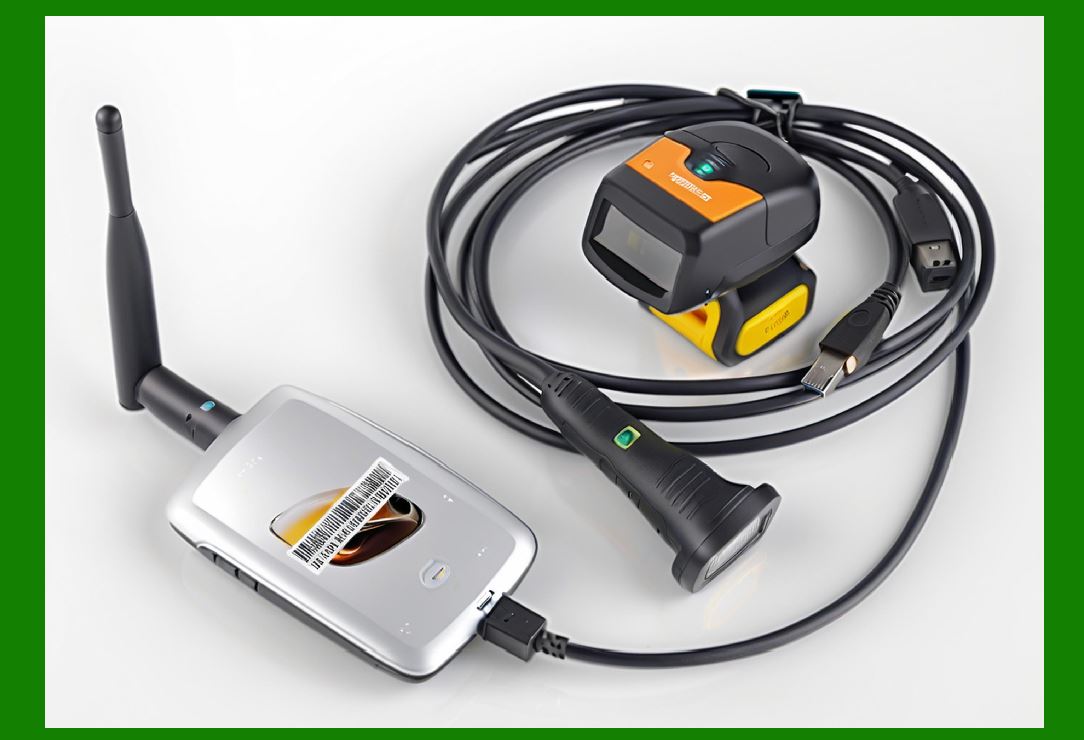
21.6 With the integration of BIM (Building Information Modeling), wearable scanners can link physical materials to digital blueprints, creating a digital twin of the construction site. This allows real-time monitoring of construction progress. |
|
22. Wearable Barcode Scanners in Pharmaceuticals and Biotechnology |
22.1 The pharmaceutical and biotechnology industries require absolute accuracy in tracking drugs, clinical samples, and laboratory equipment. Regulatory compliance (such as FDA 21 CFR Part 11 and EU Annex 11) demands precise records of every step in the drug lifecycle. |
22.2 Wearable scanners reduce human error and increase efficiency in environments where staff often need both hands for handling sterile samples, laboratory equipment, or packaging. |
22.3 Applications in this sector: |
Drug manufacturing: Workers scan raw materials and intermediate products to ensure they match batch records before production. |
Clinical trials: Wearable scanners track biological samples from collection to laboratory testing, reducing risks of mislabeling. |
Cold chain logistics: Scanning ensures vaccines and biologics are stored and transported under correct conditions. |
Pharmacy operations: Pharmacists use wearable scanners to verify prescriptions while preparing medications. |
Research labs: Scientists scan specimen barcodes during experiments, ensuring accurate tracking of thousands of samples. |
22.4 The adoption of wearable scanners supports serialization and traceability initiatives mandated by regulations such as the Drug Supply Chain Security Act (DSCSA) in the U.S. and Falsified Medicines Directive (FMD) in Europe. |
22.5 Case Example: In COVID-19 vaccine distribution, wearable barcode scanners were deployed to track vials at production facilities, warehouses, and vaccination centers, ensuring no vial was misplaced or misused. |
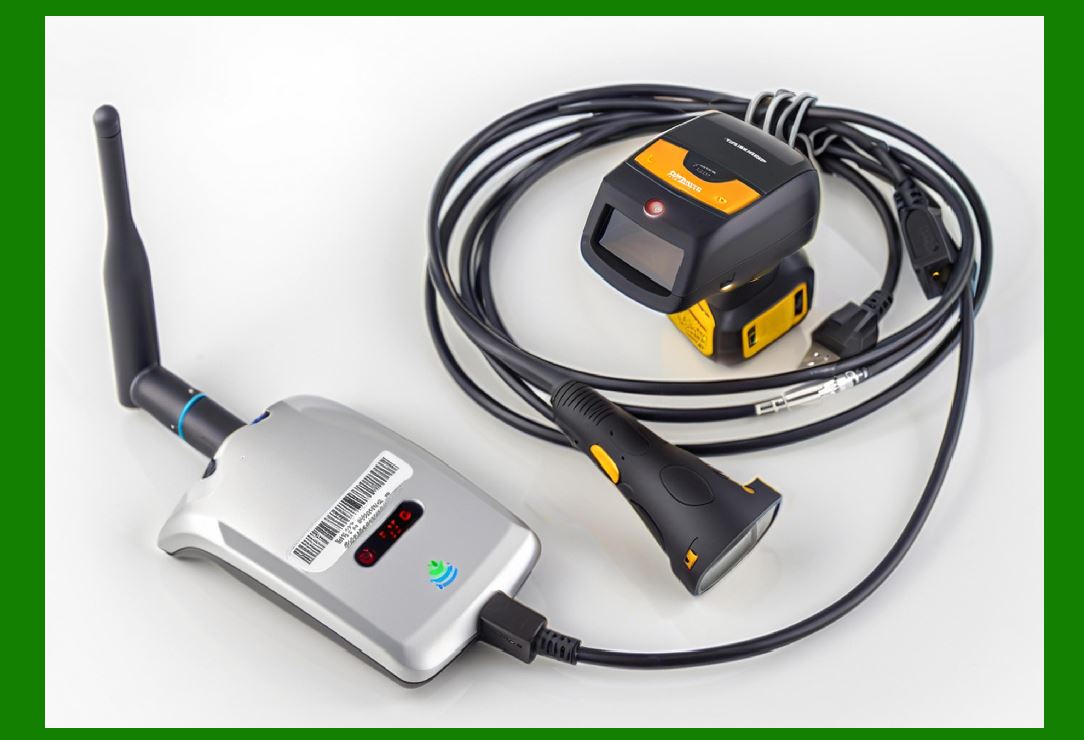
22.6 The benefits extend beyond compliance. Wearable scanners improve productivity in sterile environments where minimizing hand movements is critical for contamination control. |
|
23. Wearable Barcode Scanners in Telecommunications and Utilities |
23.1 Telecommunications and utility companies (electricity, gas, water) manage massive networks of infrastructure, equipment, and service personnel. Wearable scanners enhance field operations by enabling hands-free tracking and verification. |
23.2 Applications include: |
Asset management: Technicians scan barcodes on network components such as routers, servers, or transformers during installation and repair. |
Meter reading and verification: Utility workers scan barcoded meters to log consumption data or verify service connections. |
Work order management: Field staff scan job site IDs to confirm task completion, automatically updating central systems. |
Inventory tracking: Warehouses managing telecom equipment use wearable scanners to log materials and ensure accurate stock records. |
Safety inspections: Workers scan barcodes on protective equipment and infrastructure to confirm compliance with inspection schedules. |
23.3 Wearable scanners are often paired with mobile workforce management software, giving supervisors real-time visibility of field operations. |
23.4 Case Example: In European telecom providers, wearable scanners help technicians confirm installation of customer-premises equipment (CPE) such as modems and smart boxes, reducing installation errors. |
23.5 For utility companies, wearable scanners combined with GIS mapping allow scanned data to be tagged with precise GPS coordinates, improving infrastructure management. |
|
24. Future of Wearable Barcode Scanners: AI, AR, and IoT Integration |
24.1 The future of wearable barcode scanners lies in their integration with cutting-edge technologies such as artificial intelligence (AI), augmented reality (AR), and the Internet of Things (IoT). |
24.2 Emerging trends include: |
AR smart glasses integration: Workers equipped with AR glasses can view instructions, inventory data, or safety alerts directly in their field of view while scanning barcodes with a finger-mounted scanner. |
AI-powered scanning: Machine learning algorithms will enable scanners to read damaged, blurred, or partially covered barcodes with higher accuracy. |
IoT ecosystems: Wearable scanners will become nodes in IoT networks, transmitting data in real time to cloud systems for analytics and automation. |
Gesture-based activation: Future scanners may eliminate triggers altogether, activating automatically when the user points at an item. |
Biometric security: Wearable scanners could include fingerprint or palm recognition to ensure that only authorized personnel use them. |
Voice integration: Workers may receive voice feedback through earpieces paired with wearable scanners, confirming tasks without needing screens. |
24.3 These advancements align with Industry 4.0 principles, where factories, warehouses, and supply chains are digitized and interconnected. |
24.4 Case Example: In pilot projects, ProGlove and Zebra Technologies have tested AR glasses combined with wearable scanners, reducing picking errors in warehouses by over 50%. |
24.5 As AI and robotics advance, wearable scanners may work alongside autonomous robots, drones, and cobots (collaborative robots), ensuring seamless human-machine collaboration. |
|
25. Summary and Global Impact |
25.1 Wearable barcode scanners represent a major leap in the evolution of data capture technology. From warehouses and logistics to healthcare, military, and hospitality, they are revolutionizing workflows by combining efficiency, accuracy, and ergonomics. |
25.2 Their benefits include: |
Increased worker productivity (20–30% improvements reported). |
Enhanced worker safety and ergonomics. |
Reduced errors in high-stakes environments like healthcare and pharmaceuticals. |
Real-time data integration into enterprise systems. |
25.3 Global adoption is growing rapidly, driven by e-commerce expansion, Industry 4.0, and the need for real-time visibility in supply chains. |
25.4 As the technology evolves, wearable scanners will merge with AR, AI, and IoT, making them central to future smart workplaces. |
25.5 In conclusion, wearable barcode scanners are not merely a niche innovation — they are becoming a core enabler of digital transformation across industries worldwide, with applications ranging from everyday retail to mission-critical defense logistics. |
|
17. Wearable Barcode Scanners in Healthcare |
Wearable barcode scanners are increasingly vital in the healthcare sector, where accuracy, efficiency, and patient safety are non-negotiable requirements. Hospitals, clinics, and laboratories often rely on barcodes to track medications, specimens, and patient records. By equipping healthcare professionals with wearable scanners, the entire workflow becomes more seamless. |
Medication Administration |
Nurses frequently scan patient wristbands and medication barcodes before administration. A wearable scanner attached to their finger or wrist allows them to perform these checks without juggling handheld devices. This ensures adherence to the “five rights” of medication administration: right patient, right drug, right dose, right route, and right time. |
Patient Identification and Tracking |
Patient wristbands with barcodes are essential for reducing medical errors. Wearable scanners enable quick verification during procedures, transfers, and emergency care. For example, when moving a patient between wards, a nurse can instantly confirm their identity without interrupting their workflow. |
Specimen Collection and Lab Workflows |
Phlebotomists and lab technicians collect blood or tissue samples that must be accurately labeled and tracked. Wearable scanners make it easy to scan tubes while handling them, reducing contamination risks and errors in labeling. This ensures that diagnostic results are tied to the correct patient. |
Inventory and Supply Chain in Hospitals |
Hospitals maintain large inventories of medical supplies, pharmaceuticals, and equipment. Wearable scanners enable staff to track usage in real time, helping avoid shortages and ensuring critical items are available when needed. |
Emergency and Mobile Healthcare Settings |
During emergency response, clinicians can scan patient IDs, track supplies, and log treatments quickly with wearable scanners. The hands-free nature allows responders to prioritize patient care while ensuring accurate record-keeping. |
|
18. Wearable Barcode Scanners in Field Service and Maintenance |
Field service technicians face unique challenges that wearable barcode scanners can solve. Their work often requires using both hands while also scanning equipment tags, replacement parts, or service records. |
Asset Identification |
Machines and equipment in industrial plants or field installations carry barcodes for maintenance tracking. Wearable scanners help technicians quickly verify assets without pausing their repair work. |
Service Documentation |
By scanning equipment tags, technicians automatically retrieve service histories, warranties, and repair logs. This reduces manual entry errors and speeds up service delivery. |
Replacement Parts Tracking |
Technicians often carry toolkits and replacement parts. Wearable scanners allow them to scan parts as they use them, ensuring accurate billing and inventory updates. |
Utilities and Infrastructure Maintenance |
Workers maintaining power lines, pipelines, or communication equipment often wear gloves and safety harnesses. A wearable scanner attached to the wrist or finger enables scanning while climbing or handling heavy tools, ensuring safety and efficiency. |
|
19. Wearable Barcode Scanners in Retail Operations |
In retail, efficiency and customer experience are paramount. Wearable barcode scanners enhance speed and accuracy in stock management, order fulfillment, and customer service. |
Backroom Inventory Management |
Employees can scan items while restocking shelves or unloading shipments. Wearable scanners keep both hands free for handling boxes, speeding up operations significantly. |
Click-and-Collect and Omnichannel Fulfillment |
With the rise of e-commerce, many retailers use stores as mini-distribution centers. Staff equipped with wearable scanners can quickly pick items for customer orders while navigating aisles efficiently. |
Point-of-Sale Support |
In some environments, wearable scanners are used at checkout counters or self-service stations. Store associates can assist customers by quickly scanning items without leaving their position. |
Loss Prevention and Returns |
Wearable scanners also streamline return processing, verifying items against receipts and preventing fraud. In loss-prevention tasks, staff can verify product labels or track items across the store. |
|
20. Wearable Barcode Scanners in Postal and Courier Services |
Postal and courier companies are among the earliest adopters of wearable scanners. Their business depends on speed, accuracy, and traceability. |
Parcel Sorting |
In high-volume distribution centers, workers sort parcels at lightning speed. Wearable scanners allow them to scan labels while handling packages, cutting down on repetitive movements and increasing throughput. |
Last-Mile Delivery |
Delivery drivers use wearable scanners to confirm deliveries by scanning packages and sometimes customer IDs. Wrist-mounted devices paired with smartphones streamline the proof-of-delivery process. |
Reverse Logistics |
Handling returns is a growing part of logistics. Wearable scanners simplify the intake process, ensuring that returned parcels are correctly logged and routed. |
International Shipping Compliance |
Wearable scanners also help confirm customs documentation by matching scanned items to digital records, reducing delays and fines due to mismatched declarations. |
|
21. Ergonomics and Human Factors in Wearable Scanner Design |
Since wearable barcode scanners are worn for extended periods, ergonomic design is critical. Poorly designed devices can cause discomfort, fatigue, or even workplace injuries. |
Weight Distribution |
Devices should be lightweight, with most of the weight distributed close to the hand or wrist. Overly heavy scanners can cause strain, particularly for workers scanning hundreds of items per shift. |
Adjustable Straps and Mounts |
Wearable scanners often use straps, clips, or gloves. Adjustable options accommodate different hand sizes and ensure comfort across diverse workforces. |
Glove Compatibility |
In warehouses or cold storage, workers may wear protective gloves. Scanners must be designed to function without requiring direct finger contact, either through oversized triggers or proximity sensing. |
Fatigue Reduction |
By reducing repetitive motions and enabling natural hand positioning, wearable scanners lower the risk of repetitive strain injuries. Some designs even include vibration alerts rather than audible beeps to minimize cognitive fatigue in noisy environments. |
|
24. Wearable Barcode Scanners in Aviation Industry |
24.1 The aviation sector — encompassing airlines, airports, aircraft maintenance companies, and ground handling operations — is one of the most safety-critical industries on earth. Every part, every tool, and every operation must be traceable, documented, and verified. Wearable barcode scanners play a critical role in ensuring operational efficiency, regulatory compliance, and passenger safety. |
24.2 Key application areas include: |
Aircraft Maintenance, Repair, and Overhaul (MRO): |
Technicians performing maintenance work on aircraft use wearable scanners to track the tools they use, the parts they replace, and the service orders they complete. Every maintenance event must be logged with precision for safety audits and regulatory inspections. Wearable scanners allow hands-free operation in confined spaces, such as engine compartments or avionics bays. |
Tool Control and Accountability: |
One of the most important safety procedures in aviation maintenance is tool tracking. If a tool is left inside an engine or fuselage, it can cause catastrophic failure. Wearable scanners help technicians check tools in and out of tool rooms. Every tool is barcoded and scanned upon issuance and return. This ensures that no tool is left unaccounted for. |
Parts Traceability: |
Aircraft parts are barcoded with serial numbers and lot numbers. Technicians use wearable scanners to verify that the correct parts are installed. This is critical to maintaining airworthiness and ensuring compliance with FAA (Federal Aviation Administration), EASA (European Union Aviation Safety Agency), and other regulatory agencies. |
Inventory Management for Spare Parts: |
Airlines and MRO companies manage large warehouses of spare parts — everything from bolts and screws to engines and landing gear. Wearable scanners speed up inventory counts, part picking, and stock replenishment. |
Baggage Handling and Tracking: |
Ground crews at airports use wearable scanners to scan luggage tags during loading and unloading. This reduces lost baggage incidents and enables real-time tracking for passengers. |
24.3 Benefits for aviation include: |
Increased technician productivity |
Reduced paperwork and data entry |
Improved regulatory compliance |
Enhanced safety through tool accountability |
Faster turnaround time for aircraft between flights |
24.4 Real-world example: |
A major U.S. airline equipped its MRO personnel with ring-type wearable scanners paired with rugged tablets. This allowed each technician to work on complex maintenance tasks without carrying a handheld scanner. As a result, tool control compliance improved by 35%, and maintenance record accuracy increased significantly. |
|
25. Wearable Barcode Scanners in Maritime Industry |
25.1 In the maritime sector — including shipping, ports, shipbuilding, and naval operations — wearable barcode scanners are essential for tracking cargo, containers, tools, and maintenance tasks across massive, distributed environments. |
25.2 Application areas include: |
Container Tracking in Ports: |
Dockworkers and crane operators use wearable scanners to verify container IDs during loading and unloading of ships. This ensures the correct container is placed in the correct stack or truck, minimizing misrouting. |
Shipboard Inventory and Logistics: |
Cargo ships carry thousands of spare parts, tools, and supplies. Crew members use wearable scanners to manage onboard inventories, track consumption, and reorder items as needed. |
Shipbuilding and Repair Yards: |
Workers in shipyards scan tools, parts, and components during construction or refurbishment. Wearable scanners enable them to maintain productivity while handling heavy materials and wearing gloves or protective gear. |
Naval and Military Ships: |
Naval vessels use barcode tracking for weapons, munitions, maintenance equipment, and safety gear. Wearable scanners ensure accountability, prevent theft, and maintain readiness. |
25.3 Special environmental considerations: |
Scanners must be resistant to saltwater corrosion |
Must function reliably in extreme weather (heat, humidity, rain) |
Rugged construction with IP67 or higher water/dust protection |
Long battery life for extended shipboard deployments |
25.4 Real-world example: |
A global shipping company implemented wearable scanners at multiple international ports. Workers loading containers onto vessels scanned each container ID with ring scanners. The system was integrated with the company’s global tracking system, allowing customers to see real-time updates as containers were loaded, unloaded, or transferred. |
|
26. Wearable Barcode Scanners in Government and Military Applications |
26.1 Government agencies and military forces require highly reliable asset tracking, supply chain management, and maintenance operations. Wearable barcode scanners play a vital role in ensuring accountability and operational readiness. |
26.2 Application areas: |
Military Logistics and Supply Chains: |
Wearable scanners are used in military warehouses to track weapons, ammunition, uniforms, spare parts, and rations. Every item issued or returned is scanned and logged, ensuring that nothing is lost or misused. |
Vehicle and Aircraft Maintenance: |
Military mechanics scan tools and parts while performing maintenance on tanks, helicopters, fighter jets, and other equipment. This creates a verifiable record of every task performed. |
Base Security and Personnel Tracking: |
Military bases and secure facilities use wearable scanners to check ID cards of personnel entering restricted zones. |
Emergency Preparedness and Disaster Relief: |
Government agencies like FEMA (Federal Emergency Management Agency) use wearable scanners to track supplies, food, water, and equipment deployed in disaster zones. |
Law Enforcement: |
Police departments use wearable scanners to track evidence, weapons, and body armor. This improves chain-of-custody procedures and accountability. |
26.3 Special requirements for government/military: |
Enhanced encryption and data security |
Tamper-resistant devices |
MIL-STD-810G compliance for ruggedness |
Offline capability with delayed sync |
Integration with secure networks |
26.4 Real-world example: |
The U.S. Army Logistics Command deployed wearable barcode scanners in forward operating bases. This enabled accurate inventory tracking of critical supplies even in combat zones. Scanners were ruggedized and capable of operating offline until secure network access became available. |
|
27. Integration of Wearable Barcode Scanners with Artificial Intelligence (AI) |
27.1 As wearable scanners evolve, AI integration is becoming increasingly important. AI enables predictive analytics, intelligent automation, and smarter decision-making based on barcode data. |
27.2 Key AI-driven applications: |
Predictive Inventory Replenishment: |
AI algorithms analyze scan frequency and consumption patterns to predict when inventory will run out. Wearable scanner data feeds into these systems to trigger automated replenishment orders. |
Anomaly Detection: |
AI systems can flag unusual patterns, such as scanning the wrong product in the wrong location, or detecting duplicate scans. This helps prevent fraud, theft, or process errors. |
Task Optimization: |
Based on past performance and current workload, AI can optimize pick paths, assign tasks to the most efficient workers, and reduce walking time. |
Voice and Gesture Recognition: |
Future wearable scanners will incorporate AI to interpret voice commands or hand gestures, allowing workers to control scanning or data entry without pressing buttons. |
Computer Vision Integration: |
AI-enabled wearable cameras can recognize barcodes visually even if they are damaged or partially obscured. This can supplement laser or image-based scanning. |
27.3 Benefits of AI integration: |
Reduced human error |
Faster operations |
Enhanced automation |
Real-time decision-making |
Improved worker performance |
27.4 Example: |
A global e-commerce fulfillment center integrated AI with wearable scanners to predict when pickers would need to restock items. The system used historical scan data and real-time inventory levels to recommend optimal restocking routes. As a result, productivity increased by 18% and out-of-stock events were reduced by 27%. |
|
28. Future Trends: Augmented Reality (AR) and Wearable Scanners |
28.1 The next evolution of wearable barcode scanners involves integration with Augmented Reality (AR) systems, such as AR smart glasses. |
28.2 How AR enhances wearable scanning: |
Visual Overlays: |
Workers wearing AR glasses can see digital overlays on shelves, pallets, or equipment. Barcodes are scanned automatically by the glasses’ built-in camera, and instructions or confirmation messages appear in the worker’s field of view. |
Hands-Free Navigation: |
AR glasses can guide workers through warehouses with arrows or highlights, showing them where to go next, which item to pick, and what quantity to retrieve. |
Error Prevention: |
If a worker scans the wrong item, the AR system can display a warning instantly. This prevents incorrect picks or shipments. |
Training and Guidance: |
New employees can receive visual instructions in real-time while performing tasks, reducing the need for classroom training. |
28.3 AR-wearable barcode scanners are being tested in industries such as: |
Retail order fulfillment |
Automotive assembly lines |
Aviation maintenance |
Healthcare surgery prep |
Military logistics |
28.4 Limitations and challenges: |
AR hardware is still expensive |
Battery life and heat management |
Worker acceptance and comfort |
Integration with legacy systems |
28.5 Example: |
A European automotive manufacturer piloted AR glasses with built-in barcode scanners in their assembly line. Workers received visual instructions and scanned parts as they assembled vehicles. The system reduced assembly errors by 40% and cut training time for new employees by 60%. |
|
29. Security, Privacy, and Data Protection Considerations |
29.1 As wearable scanners collect and transmit sensitive data, organizations must ensure compliance with data protection regulations and internal security policies. |
29.2 Key concerns: |
Employee Privacy: |
Wearable scanners may collect location data, time logs, and performance metrics. Employers must ensure that worker privacy is respected and comply with labor laws and data protection regulations such as GDPR (General Data Protection Regulation) and CCPA (California Consumer Privacy Act). |
Data Encryption: |
All data transmitted by wearable scanners should be encrypted using protocols such as TLS (Transport Layer Security). This prevents interception or tampering. |
Access Control: |
Only authorized personnel should have access to scanned data. Multi-factor authentication (MFA) and role-based access control (RBAC) are recommended. |
Audit Trails: |
All scanning activity should be logged with timestamps, user IDs, and location data. This provides accountability and traceability. |
Device Management: |
Wearable scanners must support remote management, allowing administrators to update firmware, lock lost devices, or wipe data remotely. |
29.3 Example: |
A healthcare provider deployed wearable scanners in hospitals and implemented strong encryption and access controls. All scanned patient data was anonymized before being uploaded to the central database. Staff were trained on HIPAA (Health Insurance Portability and Accountability Act) compliance to ensure privacy. |
|
30. Cost-Benefit Analysis and ROI (Return on Investment) |
30.1 Before deploying wearable barcode scanners, organizations must evaluate the costs and benefits. |
30.2 Cost components: |
Hardware (wearable scanners, chargers, mounts) |
Software licenses and integration |
Training for staff |
Maintenance and support contracts |
Battery replacements and accessories |
30.3 Benefits: |
Increased productivity (more scans per hour) |
Reduced error rates (fewer picking/shipping mistakes) |
Better inventory accuracy |
Faster order fulfillment |
Improved employee safety and ergonomics |
Enhanced customer satisfaction (faster, more accurate delivery) |
30.4 ROI Calculation: |
Example scenario: |
A warehouse currently uses handheld scanners and each worker completes 600 scans per day. After switching to wearable scanners, each worker completes 900 scans per day due to faster operation. |
If the warehouse employs 100 workers, this is an increase of 30,000 scans per day. |
Assuming each error costs $5 and error rate drops from 2% to 0.5%, the warehouse saves $2,250 per day in avoided errors. |
Over a year (250 working days), that’s $562,500 in savings, not counting labor savings or increased throughput. |
30.5 Conclusion: |
While the upfront investment in wearable scanners can be significant, the long-term ROI is often achieved within 12–24 months. |
Organizations should conduct pilot programs to measure productivity improvements and validate expected ROI before full-scale deployment. |
 cs@easiersoft.com