Part 14 Advanced Symbology Support, 2D Barcodes, and Specialized Types |
14.1 Introduction to Advanced Symbology Support |
The ActiveBarcode Component supports a wide range of linear and 2D symbologies, making it suitable for complex business applications. |
Beyond basic UPC or Code 128, ActiveBarcode handles advanced barcode types required in logistics, manufacturing, healthcare, and government. |
This diversity ensures that all major use cases are covered, including high-density data storage, small-label applications, and compliance with international standards. |

|
14.2 Linear Barcode Symbologies |
ActiveBarcode supports a broad spectrum of linear (1D) barcodes, including: |
1. Code 128: Alphanumeric, high-density encoding; supports subsets A, B, and C for numbers, letters, and control codes. |
2. Code 39 / Code 39 Extended: Widely used for inventory, automotive, and industrial applications. |
3. EAN-13 / EAN-8: Standard for retail products, compatible with UPC codes. |
4. UPC-A / UPC-E: Essential for North American retail distribution. |
5. Interleaved 2 of 5: Numeric-only codes for logistics, shipping, and warehouse management. |
6. Codabar: Flexible symbology for libraries, blood banks, and air freight. |
7. POSTNET / Intelligent Mail (IMb): Postal barcodes for United States Postal Service. |
Each symbology is fully configurable, including: |
* Module width and height |
* Bar ratios and quiet zones |
* Check digit inclusion |
* Human-readable text display |
This allows ActiveBarcode to meet the precise requirements of diverse industries. |
|
14.3 2D Barcode Symbologies |
ActiveBarcode also supports 2D barcodes, which offer higher data density and error correction capabilities. Key supported types include: |
1. QR Code: |
* Alphanumeric, binary, or kanji encoding |
* Supports error correction levels L, M, Q, H |
* Ideal for URLs, serial numbers, and small-space applications |
2. Data Matrix: |
* Small-footprint barcode with high data capacity |
* Widely used in electronics, aerospace, and healthcare |
* ECC 200 error correction ensures reliable scanning |
3. PDF417: |
* Stacked linear symbology |
* Supports large amounts of text or binary data |
* Common in identification cards, transport, and logistics |
4. Aztec Code: |
* High-density 2D barcode suitable for tickets and mobile boarding passes |
* Recognizable by its central finder pattern |
5. MaxiCode: |
* Optimized for parcel and courier labeling |
* Encodes structured postal data efficiently |
2D barcodes allow ActiveBarcode to handle scenarios that require more information than 1D codes can provide, while maintaining scanning reliability. |

|
14.4 Specialized Barcode Types |
Beyond standard symbologies, ActiveBarcode supports industry-specific and specialized barcode types: |
1. Pharmaceutical Barcodes (GS1 DataBar, Code 128 for pharma packaging): |
* Enables unique identification and serialization |
* Complies with regulations like UDI (Unique Device Identification) |
2. Postal Barcodes (IMb, RM4SCC, PostBar): |
* Integration with mail sorting and tracking systems |
* Standardized formats for domestic and international postal services |
3. Industrial Barcodes (Codabar, Code 39): |
* Used in manufacturing, logistics, and asset tracking |
* Flexible lengths and character sets for internal workflows |
4. Mobile and Ticketing Barcodes (Aztec, QR): |
* Fast scanning for boarding passes, event tickets, and digital passes |
* Supports small print areas while storing significant data |
By supporting specialized types, ActiveBarcode can meet regulatory, industrial, and commercial requirements simultaneously. |

|
14.5 Configurable Error Correction |
Error correction is critical for high-density or 2D barcodes. ActiveBarcode provides: |
1. QR Code error levels: L (7%), M (15%), Q (25%), H (30%) |
2. Data Matrix ECC 200: Provides up to 30% error correction |
3. Redundancy in PDF417: Ensures recoverable data on damaged labels |
Error correction increases reliability in industrial, logistics, and healthcare environments, where barcodes may be exposed to: |
* Abrasion |
* Moisture or dirt |
* Stretching or folding |

|
14.6 High-Density and Small-Footprint Barcodes |
ActiveBarcode allows adjustment of module size and scaling for small-space applications: |
1. Reduce barcode size for compact labels or packaging |
2. Maintain readability with appropriate error correction |
3. Combine multiple barcodes on a single label without interference |
This is especially useful in electronics, jewelry, pharmaceuticals, and retail products with limited label space. |

|
14.7 Multi-Symbology Labels |
ActiveBarcode supports labels containing multiple symbologies, which may include: |
1. Linear barcodes for internal scanning |
2. 2D barcodes for external compliance or tracking |
3. Human-readable text for operators |
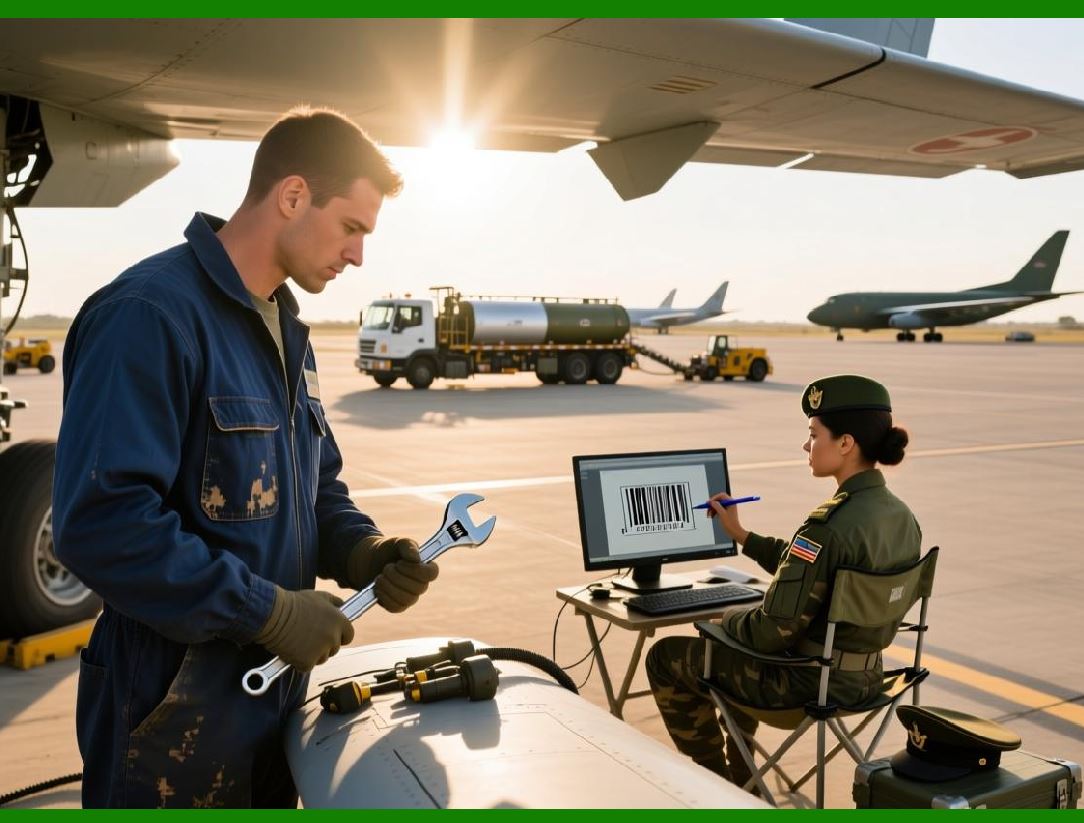
This multi-barcode approach is common in logistics, pharmaceuticals, and government labeling, where multiple scanning devices or standards must be supported simultaneously. |
|
14.8 International and Regulatory Compliance |
Advanced symbology support allows ActiveBarcode to comply with: |
1. GS1 standards for global trade and retail |
2. UDI standards in medical device labeling |
3. Postal regulations in different countries |
4. ISO/IEC standards for 1D and 2D barcodes |
Compliance ensures that barcodes are universally scannable and meet legal or industry requirements. |
|
14.9 Integration with Scanning Hardware |
Supporting advanced symbologies requires: |
1. Ensuring compatibility with scanners capable of reading 1D and 2D codes |
2. Configuring barcodes with sufficient quiet zones and contrast |
3. Testing labels in actual operational conditions |
ActiveBarcode provides preview and validation features to guarantee that advanced barcodes are reliable in real-world scanning scenarios. |

|
14.10 Symbology Selection Guidelines |
Choosing the correct barcode type is critical. ActiveBarcode guides developers and users by: |
1. Matching symbology to data content (numeric, alphanumeric, binary) |
2. Considering space constraints and print resolution |
3. Accounting for scanning environment (handheld, fixed mount, mobile camera) |
4. Ensuring compliance with industry or regulatory standards |
By providing guidance and built-in defaults, ActiveBarcode reduces configuration errors for advanced symbologies. |

|
14.11 Error Handling and Verification for Specialized Barcodes |
Specialized barcodes often include: |
1. Check digits (e.g., Code 128, EAN-13) |
2. Data encoding rules (e.g., Data Matrix ASCII/UTF-8 handling) |
3. Error detection (e.g., Reed-Solomon ECC in 2D codes) |
ActiveBarcode automatically calculates check digits and validates data before rendering, preventing unscannable or invalid barcodes. |

|
14.12 Use Cases of Advanced and 2D Barcodes |
1. Logistics: PDF417 and MaxiCode for parcel tracking |
2. Retail: EAN-13 / UPC-A for product identification |
3. Healthcare: Data Matrix codes for specimen and device tracking |
4. Event Management: QR and Aztec codes for ticketing and access control |
5. Industrial Manufacturing: Code 128 and Codabar for serialized production parts |
These examples illustrate ActiveBarcode versatility across multiple sectors. |
|
14.13 Advantages of Advanced Symbology Support |
Key benefits include: |
1. High data density: 2D barcodes encode more information in less space. |
2. Reliability: Built-in error correction ensures scan success under adverse conditions. |
3. Compliance: Meets GS1, ISO, and industry-specific requirements. |
4. Flexibility: Supports linear, 2D, and specialized formats simultaneously. |
5. Scalability: Works for small labels or large batch printing operations. |
|
14.14 Summary of Advanced Symbology and Specialized Types |
ActiveBarcode advanced support ensures: |
1. Coverage of all major linear and 2D barcode types |
2. Configurable error correction and module sizing |
3. Support for multi-barcode layouts and small-footprint applications |
4. Compliance with international and industry-specific standards |
5. Reliable scanning in real-world operational environments |
This combination positions ActiveBarcode as a complete solution for enterprise-grade barcode applications, from retail to industrial to regulated industries. |
 cs@easiersoft.com