ActiveBarcode Enterprise Components |
Part 18 of 18 Future Trends and Developments |
1. Introduction to Future Trends |
As enterprise operations grow increasingly complex, ActiveBarcode Enterprise Components are evolving to support next-generation barcode management, automation, and analytics. Emerging trends include cloud adoption, artificial intelligence, IoT integration, and advanced workflow optimization, ensuring that enterprises remain competitive and efficient. |
2. Cloud-Based and Hybrid Deployment |
Future enterprise barcode systems will increasingly leverage cloud computing: |
* Cloud-hosted barcode generation and workflow automation |
* Hybrid deployments combining on-premises servers with cloud services for scalability |
* Reduced IT infrastructure costs while enabling remote access and management |
* Seamless integration with cloud-based ERP, WMS, and BI systems |
Cloud adoption ensures enterprises can scale operations rapidly and manage distributed sites efficiently. |

|
3. AI and Machine Learning Integration |
Artificial intelligence (AI) and machine learning (ML) are poised to transform barcode operations: |
* Predictive maintenance of printers and hardware |
* Intelligent error detection in barcode quality and workflow execution |
* Optimization of workflow scheduling and resource allocation |
* AI-driven analytics for operational insights and decision-making |
Integration of AI/ML enhances efficiency, reduces downtime, and supports proactive operational management. |

|
4. Internet of Things (IoT) Connectivity |
IoT devices are becoming integral to enterprise barcode systems: |
* Smart printers, scanners, and sensors for real-time monitoring |
* Automated inventory tracking and asset management |
* Event-driven workflow triggering based on IoT sensor data |
* Enhanced operational visibility through connected devices |
IoT integration ensures dynamic, responsive barcode operations with minimal manual intervention. |
|
5. Mobile and Remote Operations |
Future developments focus on mobile and remote barcode management: |
* Barcode scanning, label printing, and workflow monitoring via mobile devices |
* Remote administration of multi-site operations |
* Integration with handheld devices for field operations and logistics |
* Mobile dashboards for real-time reporting and alerts |
Mobile capability allows enterprises to manage barcode operations from anywhere, improving agility and responsiveness. |

|
6. Advanced Security and Compliance |
With growing regulatory requirements, future systems will enhance security and compliance features: |
* End-to-end encryption for barcode data and communications |
* Blockchain-enabled traceability for critical or regulated items |
* Automated compliance reporting with audit-ready logs |
* Advanced access control and user authentication mechanisms |
Enhanced security ensures that barcode operations remain compliant and resilient against cyber threats. |

|
7. Automation and Workflow Optimization |
Future trends emphasize smarter automation: |
* Automated decision-making in barcode printing and distribution |
* Conditional workflows that adapt based on operational data |
* Predictive analytics to preemptively adjust workflows |
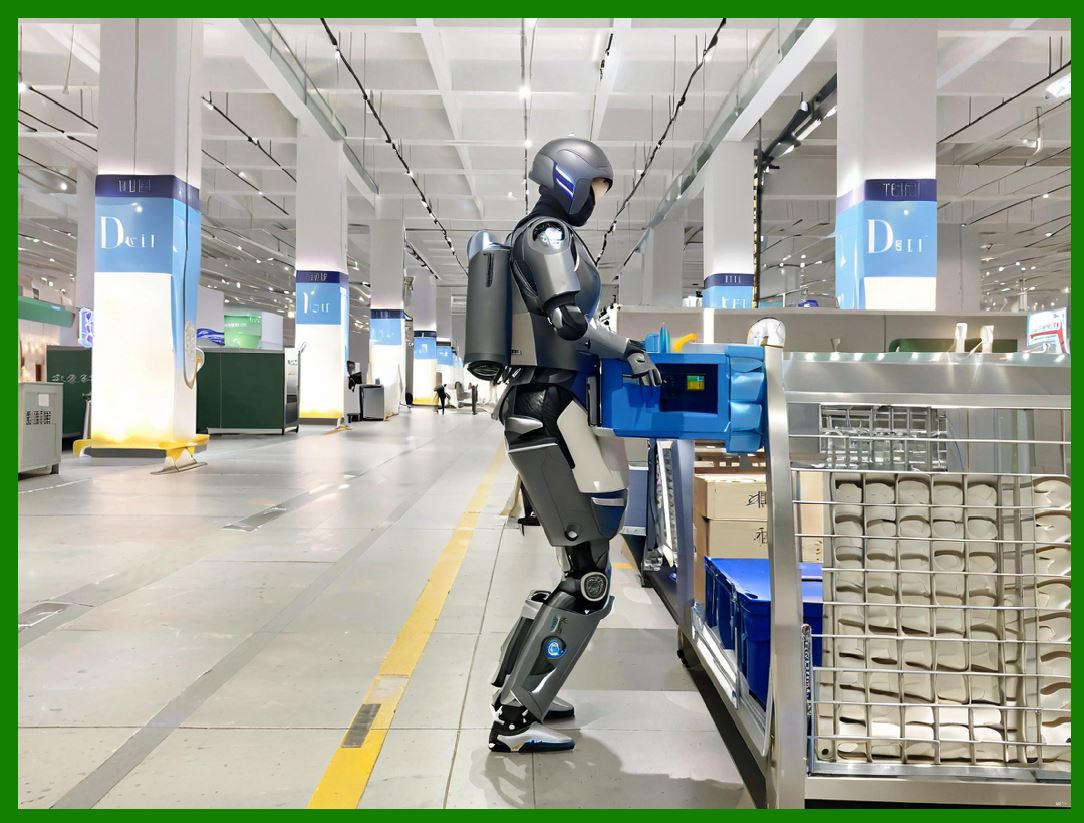
* Integration with robotic and automated material handling systems |
Automation reduces manual intervention, increases speed, and minimizes errors in large-scale operations. |

|
8. Multi-Format and Dynamic Barcode Support |
Enterprises increasingly require flexible barcode formats: |
* Support for evolving 1D, 2D, and composite symbologies |
* Dynamic barcodes that can change based on real-time data or context |
* Enhanced error correction and quality assurance mechanisms |
* Integration with digital platforms for traceability and authentication |
Multi-format support ensures that ActiveBarcode can meet diverse and evolving labeling needs. |

|
9. Analytics and Predictive Insights |
Future systems will provide deeper analytics and predictive insights: |
* Operational dashboards with AI-driven recommendations |
* Predictive workload and capacity planning |
* Trend analysis for multi-site performance optimization |
* Integration with enterprise BI platforms for strategic decision-making |
Advanced analytics enable proactive management, driving efficiency and strategic advantage. |

|
10. Sustainability and Green Printing |
Environmental considerations are becoming increasingly important: |
* Optimization of print materials and consumables |
* Reduced energy usage through workflow and printer scheduling |
* Reporting on sustainability metrics related to barcode operations |
* Integration with corporate sustainability initiatives |
Sustainable barcode operations support corporate responsibility goals and reduce operational costs. |

|
11. Integration with Emerging Enterprise Technologies |
ActiveBarcode Enterprise Components are evolving to integrate with emerging technologies: |
* Robotic Process Automation (RPA) for workflow automation |
* Augmented reality (AR) for warehouse and inventory visualization |
* AI-powered supply chain optimization tools |
* Cloud-native microservices for distributed operational scalability |
Integration with emerging technologies positions enterprises to remain agile in rapidly evolving operational landscapes. |

|
12. Continuous Innovation and Upgrades |
The future of ActiveBarcode emphasizes continuous innovation: |
* Regular software updates with new features and symbology support |
* Cloud-based delivery for instant access to enhancements |
* User feedback-driven development for operational improvements |
* Backward compatibility to protect enterprise investments |
Continuous innovation ensures that enterprises can adopt new capabilities without disruption. |

|
13. Industry-Specific Adaptations |
Future development focuses on tailored solutions for specific industries: |
* Healthcare: Enhanced patient and medication traceability |
* Logistics: Real-time shipment tracking and predictive route optimization |
* Retail: Dynamic pricing and multi-channel labeling |
* Manufacturing: Automated serial number generation and quality monitoring |
Industry-specific adaptations maximize operational relevance and efficiency. |

|
14. AI-Powered Quality Assurance |
Quality assurance will leverage AI to: |
* Detect unreadable or misaligned barcodes automatically |
* Provide real-time feedback to operators or printers |
* Predict potential quality failures before printing |
* Support automated correction workflows |
AI-driven quality assurance improves accuracy, reduces waste, and ensures compliance. |

|
15. Scalability for Global Enterprises |
Future developments enable seamless global scalability: |
* Multi-region deployment for distributed operations |
* Cloud-enabled synchronization and backup |
* Centralized monitoring with decentralized execution |
* Adaptive workflows for region-specific requirements |
Scalability ensures that ActiveBarcode Enterprise Components grow with enterprise needs. |

|
16. Enhanced User Experience |
Enterprise operations will benefit from enhanced user experience: |
* Intuitive dashboards and control panels |
* Drag-and-drop workflow design and template customization |
* Contextual guidance and tooltips for operators |
* Mobile-friendly interfaces for remote users |
A better user experience reduces training requirements and improves operational efficiency. |

|
17. Transition to Enterprise AI-Driven Ecosystems |
ActiveBarcode Enterprise Components are evolving toward AI-driven ecosystems, integrating workflow automation, analytics, multi-site operations, and IoT devices into a cohesive, intelligent system. This evolution enables enterprises to: |
* Optimize resource utilization automatically |
* Predict operational challenges and proactively respond |
* Integrate barcode operations seamlessly into enterprise-wide digital transformation initiatives |

|
18. Conclusion |
ActiveBarcode Enterprise Components represent a robust, flexible, and future-ready solution for high-volume, multi-site, and mission-critical barcode operations. By embracing cloud computing, AI, IoT, advanced analytics, and sustainability, enterprises can: |
* Streamline barcode generation and printing workflows |
* Maintain regulatory compliance and operational visibility |
* Scale operations globally with centralized control |
* Achieve continuous improvement and operational excellence |
The system design, integration capabilities, and adaptability ensure that enterprises are well-positioned for future operational challenges and technological innovations. |
For further reference, more information can be found at: |
https://www.activebarcode.com |
 cs@easiersoft.com