Part 16: Future Developments, Emerging Technologies, and Concluding Insights |
16.1 Introduction to Future Developments |
Aspose.BarCode SDK has established itself as a robust and flexible barcode solution for enterprise applications. Looking forward, the barcode technology landscape is evolving rapidly, influenced by trends in mobile computing, IoT, cloud automation, and AI-assisted image processing. Part 16 explores anticipated enhancements, emerging use cases, and strategic insights for leveraging Aspose.BarCode in future deployments. |

|
16.2 Integration with AI and Machine Learning |
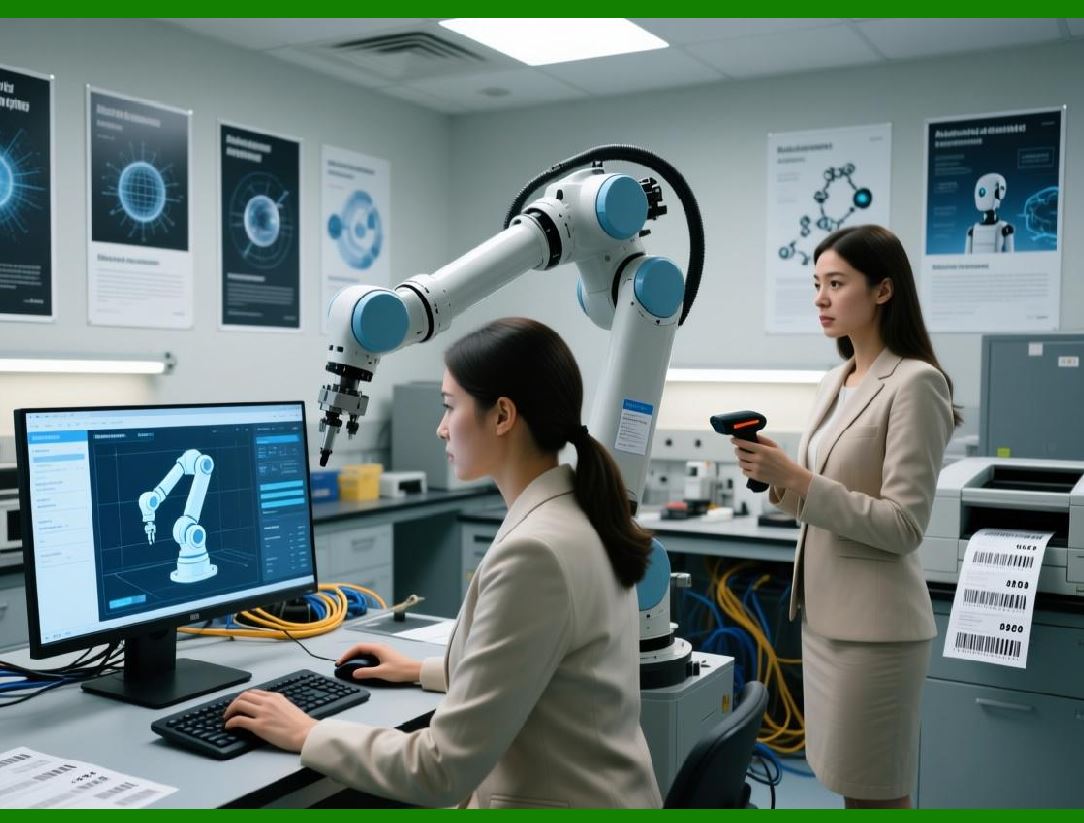
1. Enhanced Recognition Accuracy Future versions of barcode recognition can leverage AI models to improve scanning of damaged, distorted, or low-contrast barcodes beyond traditional image-processing methods. |
2. Predictive Error Correction Machine learning algorithms may anticipate common scanning failures and auto-correct errors, reducing the need for re-scans. |
3. Intelligent Workflow Automation AI can dynamically select barcode types, encoding parameters, or error correction levels based on operational context, e.g., lighting, printer quality, or package size. |
Aspose.BarCode could integrate with AI frameworks to offer smarter, self-optimizing barcode solutions, especially in high-volume, dynamic environments. |
|
16.3 Mobile and Edge Computing Enhancements |
The proliferation of mobile devices, drones, and IoT sensors is changing how barcodes are generated and recognized: |
1. On-Device Recognition Increasing computational power in smartphones and IoT devices enables barcode recognition without server-side processing, reducing latency and network dependency. |
2. Edge-Based Automation IoT-enabled edge devices can scan barcodes, process data locally, and synchronize with cloud systems, ensuring real-time decision-making in warehouses, logistics, and manufacturing. |
3. Augmented Reality (AR) Interfaces AR-enabled devices could overlay barcode information in real-time, assisting operators in complex workflows such as assembly lines or medical sample management. |
Aspose.BarCode mobile SDKs for Android and cross-platform deployment make it well-positioned for these emerging edge-computing scenarios. |

|
16.4 Cloud-Native Barcode Services |
Enterprises increasingly adopt cloud-first strategies, necessitating barcode solutions that operate seamlessly in distributed, cloud-native environments: |
1. Microservices Architecture Barcode generation and recognition as cloud-native microservices, enabling scalable, stateless deployments. |
2. Serverless Functions Barcode operations executed on-demand, reducing infrastructure costs and providing elasticity for peak workloads. |
3. Global Multi-Region Processing Cloud deployments allow barcode recognition and generation to scale geographically, serving multiple locations with minimal latency. |
Aspose.BarCode can be integrated into Azure Functions, AWS Lambda, or Kubernetes-based deployments, making it suitable for global enterprise operations. |

|
16.5 QR Codes and Emerging 2D Standards |
1. Dynamic QR Codes Future adoption of dynamic QR Codes, which can change destination URLs or data content in real time, offers marketing, logistics, and secure document-tracking capabilities. |
2. High-Density 2D Codes As printing technology improves, higher-density Data Matrix and QR Codes can store more data in smaller spaces, requiring enhanced recognition algorithms. |
3. Interactive and Secure Codes Integration of QR Codes with cryptography, digital signatures, and authentication protocols increases security for sensitive applications like finance, healthcare, and government. |
Aspose.BarCode is well-positioned to support these innovations through its existing error correction, encryption, and symbology flexibility. |

|
16.6 Blockchain and Traceability Applications |
1. Supply Chain Transparency Barcodes combined with blockchain can provide immutable traceability of goods from origin to endpoint. |
2. Anti-Counterfeiting Measures Unique barcode identifiers linked to blockchain records prevent counterfeiting in pharmaceuticals, luxury goods, and electronics. |
3. Audit and Verification Enterprises can automatically verify barcode authenticity and history using blockchain-enabled recognition workflows. |
Future Aspose.BarCode integrations with blockchain services can enhance security, transparency, and regulatory compliance. |

|
16.7 Advanced Analytics and Real-Time Reporting |
Barcode data is increasingly leveraged for predictive analytics: |
1. Operational Insights Track efficiency, throughput, and error rates in warehouses, manufacturing plants, and logistics operations. |
2. Customer Behavior Analysis Analyze QR Code scans in marketing campaigns to measure engagement, geolocation, and conversion metrics. |
3. Predictive Maintenance Recognize patterns in barcode scanning failures to preemptively maintain equipment or optimize labeling systems. |
Aspose.BarCode data-rich recognition output is already suitable for feeding into analytics pipelines, enhancing business intelligence. |

|
16.8 Industry-Specific Innovations |
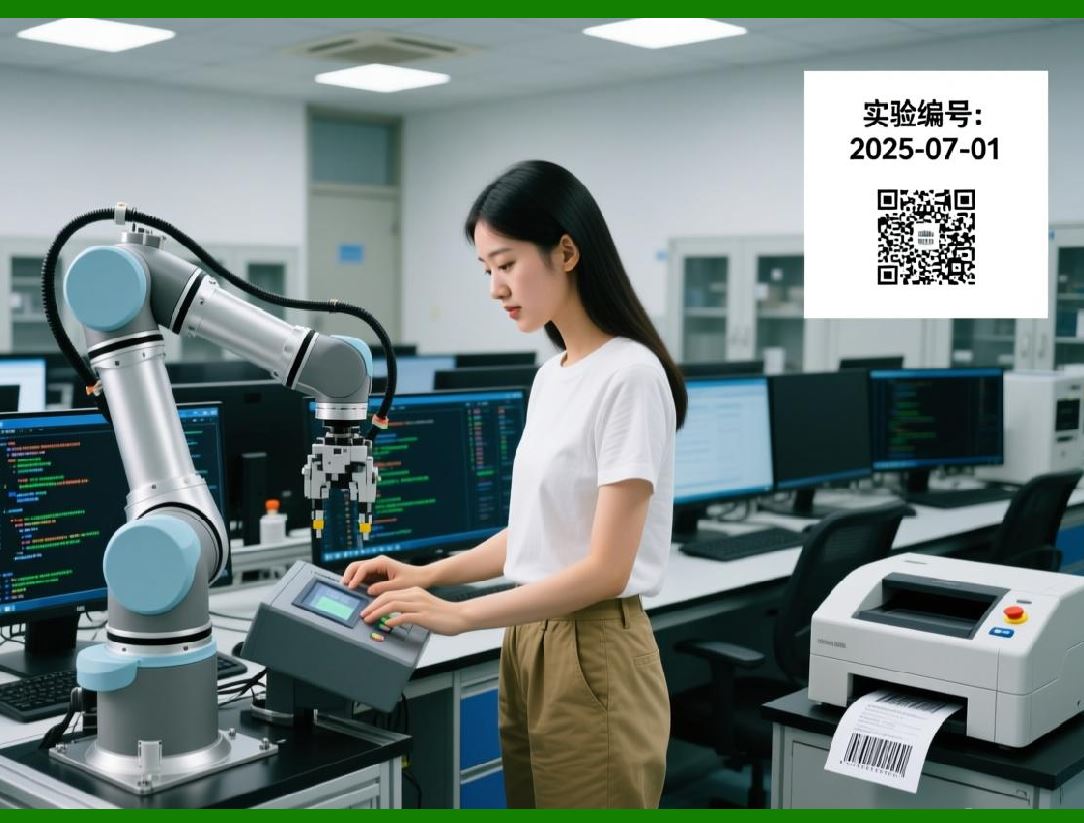
Healthcare: Integration with wearable devices, lab automation systems, and patient monitoring for instant sample verification. |
Retail: Smart shelves and IoT-enabled barcode scanning for dynamic inventory management. |
Logistics: Drone-based scanning and automated sorting using AI-enhanced recognition. |
Manufacturing: Digital twins and AR-based barcode overlays for precision assembly and tracking. |
These innovations highlight the continuing strategic role of barcodes in automation, IoT, and AI-driven processes. |
|
16.9 Developer Ecosystem and Cross-Platform Expansion |
Aspose.BarCode .NET, Java, and Android SDKs provide a foundation for developers to create: |
1. Cross-platform mobile apps Barcode scanning, label generation, and validation on Android and cross-platform frameworks. |
2. Enterprise middleware Integration of barcode workflows into ERP, WMS, DMS, and cloud pipelines. |
3. Custom solutions Tailored barcode generators for niche applications in logistics, healthcare, or government. |
Future SDK expansions may include enhanced support for iOS, cross-platform frameworks like Xamarin or Flutter, and cloud-first SDKs. |

|
16.10 Continuous Standards Compliance |
Barcode standards evolve constantly: |
* ISO/IEC updates Ensuring ongoing compliance with emerging international symbology standards. |
* GS1 Digital Link Linking traditional barcodes with web-accessible resources for enhanced traceability and digital commerce. |
* Postal and regulatory updates Keeping up with postal code changes, medication labeling rules, and logistics regulations. |
Aspose.BarCode ensures enterprises remain compliant by supporting flexible symbology updates and configurable output options. |

|
16.11 Summary of Future Trends |
1. AI and ML-enhanced recognition Smarter, more resilient barcode decoding. |
2. Mobile and edge deployment Faster recognition on handheld and IoT devices. |
3. Cloud-native barcode services Elastic, scalable, and distributed processing pipelines. |
4. High-density, secure, and dynamic 2D codes Adaptation for marketing, logistics, and secure applications. |
5. Blockchain and traceability integration Enhanced security and authenticity verification. |
6. Advanced analytics and real-time reporting Turning barcode data into actionable business intelligence. |
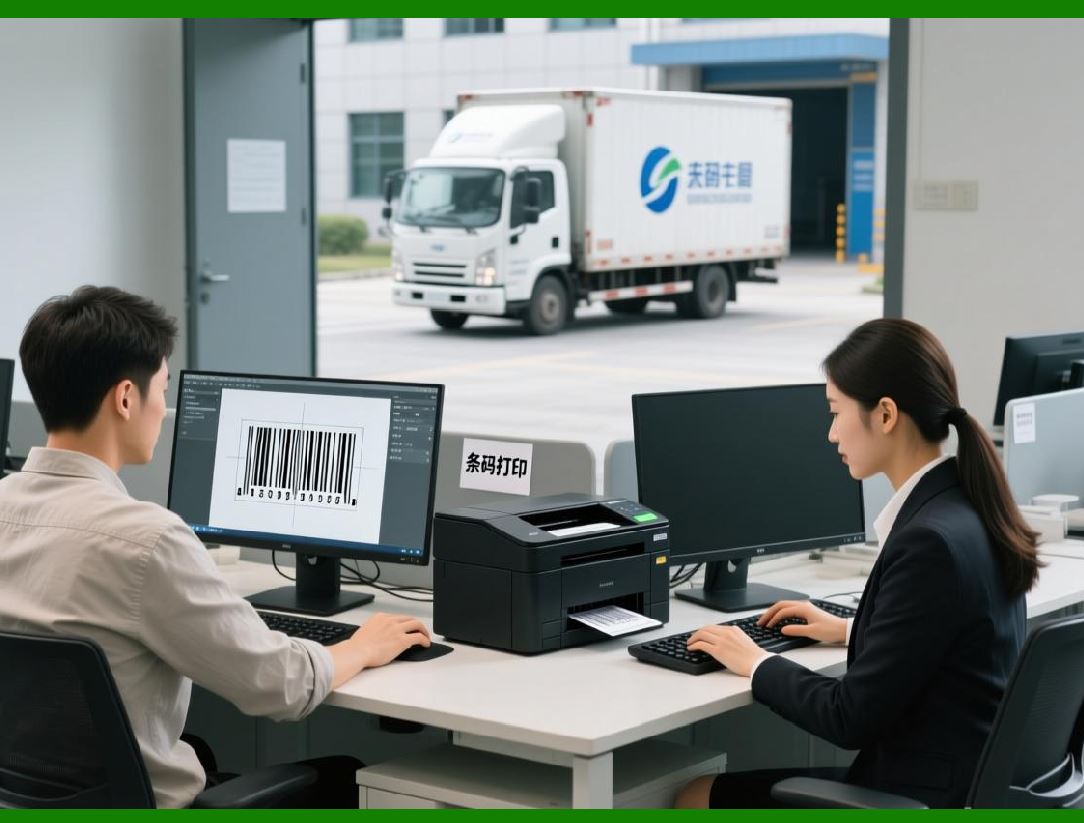
These trends demonstrate that barcode technology remains a strategic enabler of digital transformation, and Aspose.BarCode SDK continues to evolve in alignment with enterprise needs. |
|
16.12 Concluding Insights |
Aspose.BarCode SDK represents a comprehensive, cross-platform barcode solution that combines: |
* Support for over 60 symbologies, including linear, 2D, and postal barcodes |
* High-volume, high-performance generation and recognition |
* Advanced customization for aesthetics, error correction, and branding |
* Seamless integration into enterprise workflows, cloud services, and mobile platforms |
* Compliance with international standards and regulatory requirements |
Enterprises leveraging Aspose.BarCode benefit from reliable, scalable, and flexible barcode solutions that support automation, improve operational efficiency, enhance traceability, and enable innovative applications across industries. |
The SDK future-ready architecture ensures it remains relevant in the era of AI, cloud computing, IoT, and digital transformation, providing organizations with a trusted foundation for barcode-driven operations. |

|
References: |
* Official Aspose.BarCode website: [https://products.aspose.com/barcode/](https://products.aspose.com/barcode/) |
* ISO/IEC Barcode Standards |
* GS1 Digital Link Initiative Documentation |
 cs@easiersoft.com