Part 19 Future Trends, Scalability, Maintenance, and the Evolution of BarcodeLib |
19.1 Overview and Importance of Long-Term Considerations |
19.1 As barcode technology continues to evolve, maintaining scalable, maintainable, and future-proof systems is essential. |
19.2 BarcodeLib, as a lightweight open-source .NET library, remains highly relevant for developers, but long-term strategies ensure that applications: |
* Adapt to evolving barcode symbologies |
* Remain compatible with new operating systems, frameworks, and devices |
* Scale to meet growing enterprise needs |
* Integrate emerging technologies like cloud, IoT, and mobile scanning |

|
19.2 Scalability in Barcode Systems |
19.3 Scalability encompasses: |
* Vertical scaling: Improving performance on a single server (faster CPU, more memory) |
* Horizontal scaling: Distributing barcode generation across multiple servers or microservices |
19.4 BarcodeLib lightweight architecture supports both vertical and horizontal scaling, especially when: |
* Barcode instances are created per thread or request |
* Stream-based output is used to reduce memory overhead |
* Cloud storage or distributed queues are leveraged for task distribution |
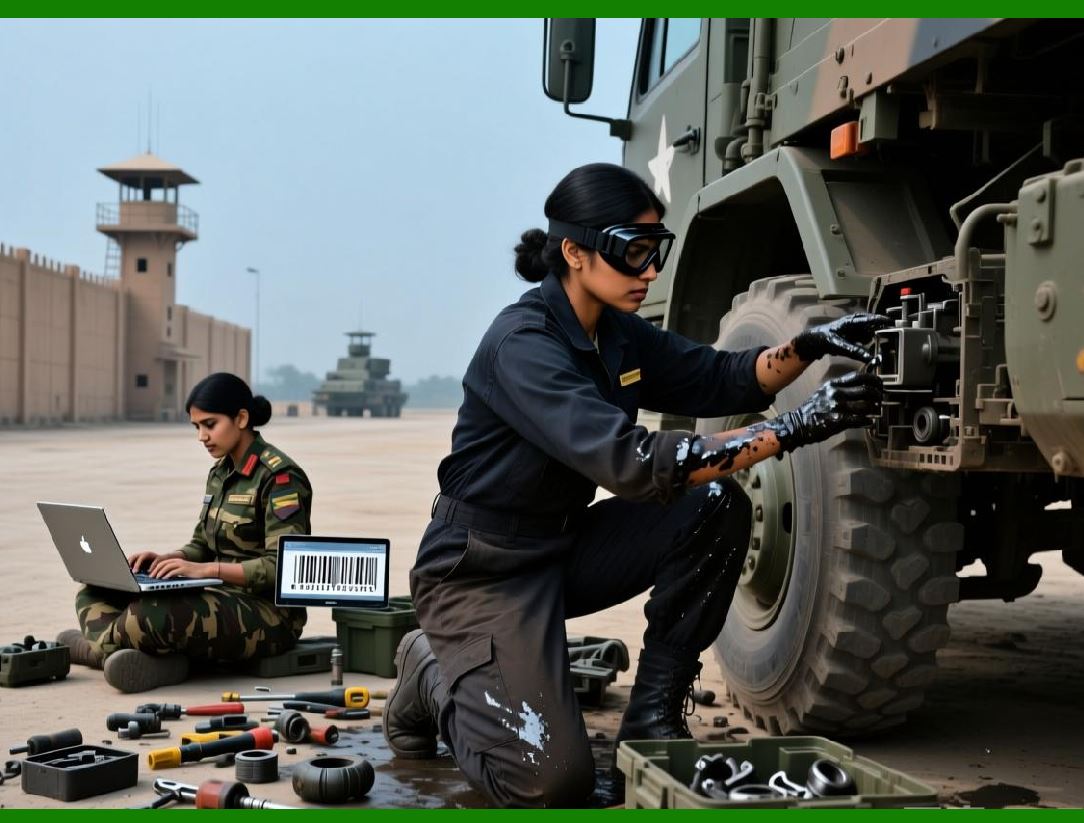
19.5 Scalable systems ensure that high-volume applications, like logistics, e-commerce, and manufacturing, continue to operate efficiently. |
|
19.3 Maintenance and Versioning Best Practices |
19.6 Open-source libraries like BarcodeLib require careful maintenance to ensure long-term stability: |
* Track library updates: Monitor the GitHub repository or community forums for bug fixes, performance improvements, and new features |
* Version control: Freeze specific versions in production to prevent unexpected changes |
* Regression testing: Ensure that updates do not introduce incompatibilities with existing barcode workflows |
* Documentation: Maintain internal documentation for configuration, workflows, and integrations |
19.7 Regular maintenance ensures compatibility with new .NET versions and operating system updates. |

|
19.4 Adapting to Emerging Barcode Symbologies |
19.8 The barcode landscape evolves with new requirements: |
* 2D barcodes (QR Code, Data Matrix) for high-density data |
* Color barcodes (High Capacity Color Barcode, HCCB) for brand or product information |
* Security-enhanced barcodes with cryptographic protection |
19.9 BarcodeLib currently focuses on linear barcodes, but developers may: |
* Combine BarcodeLib with secondary libraries for 2D or color barcodes |
* Extend BarcodeLib via its open-source architecture |
* Integrate new symbologies as enterprise requirements evolve |
19.10 Planning for future symbologies ensures that systems remain adaptable to new scanning technologies and market demands. |

|
19.5 Integration with IoT and Automated Systems |
19.11 BarcodeLib can support IoT-enabled devices, such as automated scanners, smart printers, and inventory robots: |
* Real-time barcode generation for dynamically produced items |
* Embedded labels in smart packaging |
* Integration with sensors and data logging systems for real-time monitoring |
19.12 IoT integration allows dynamic operational workflows, such as: |
* Warehouse robots reading barcodes on conveyor belts |
* Smart shelves updating inventory automatically |
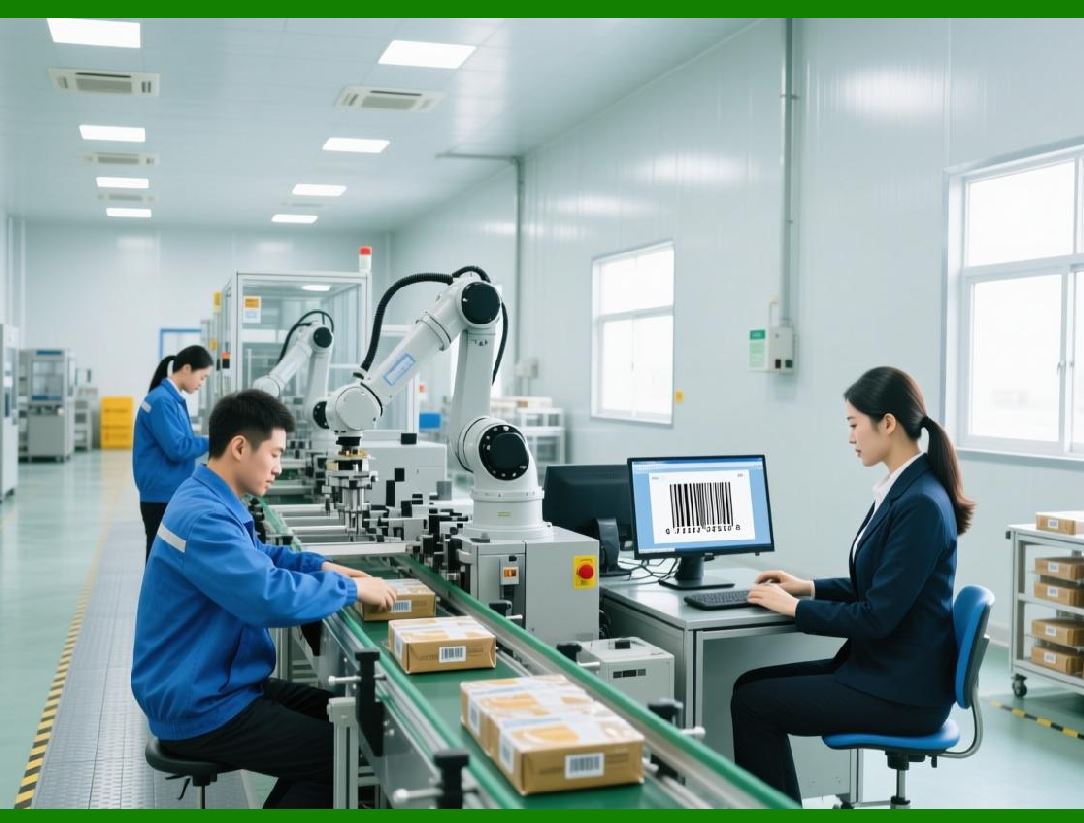
* Automated quality checks during manufacturing |

|
19.6 Cloud-Native and Microservice Approaches |
19.13 Future deployments benefit from cloud-native strategies: |
* Deploy BarcodeLib services in containers (Docker, Kubernetes) |
* Implement microservices for dynamic barcode generation, logging, and printing |
* Use serverless functions (Azure Functions, AWS Lambda) for on-demand generation |
19.14 Cloud-native approaches offer: |
* Elastic scalability for peak loads |
* Simplified cross-platform access |
* Reduced infrastructure management overhead |
|
19.7 Security Evolution |
19.15 As cyber threats grow, barcode systems must evolve to maintain security: |
* Advanced encryption of barcode data |
* Secure transmission over APIs using HTTPS and token-based authentication |
* Audit logging for compliance verification |
19.16 Integrating BarcodeLib in secure environments ensures that barcodes remain reliable and tamper-resistant, especially in regulated industries like healthcare, pharmaceuticals, and logistics. |

|
19.8 Maintenance of High-Volume Production Systems |
19.17 Long-term high-volume operations require proactive maintenance: |
* Monitor system performance (CPU, memory, disk I/O) |
* Implement automated error detection and recovery for batch jobs |
* Regularly verify scanner compatibility as devices are updated or replaced |
* Maintain backup and disaster recovery procedures for barcode databases and generated images |
19.18 These practices ensure that business-critical operations remain uninterrupted. |

|
19.9 Continuous Integration and Testing |
19.19 Enterprise systems using BarcodeLib should incorporate CI/CD pipelines: |
* Automated builds and deployment of barcode generation services |
* Unit and integration tests for all symbologies and configuration options |
* Regression tests for changes in .NET framework or BarcodeLib updates |
19.20 Continuous testing prevents errors in production and maintains high reliability for large-scale applications. |
|
19.10 Future Trends in Barcode Technology |
19.21 Key trends that may influence BarcodeLib deployments: |
* Increased adoption of 2D barcodes for high-density data and contactless applications |
* Mobile-first workflows, with barcode scanning on smartphones and tablets |
* Augmented reality (AR) applications where barcodes trigger digital overlays |
* Enhanced traceability systems, integrating blockchain or secure databases with barcodes |
* AI-driven scanning that optimizes reading under challenging conditions |
19.22 Preparing BarcodeLib-based systems for these trends ensures long-term relevance. |

|
19.11 Practical Recommendations for Long-Term Use |
19.23 Developers and enterprises using BarcodeLib should: |
1. Maintain version control and track library updates |
2. Modularize barcode generation workflows for easy maintenance |
3. Implement monitoring and logging for high-volume operations |
4. Plan for integration with modern technologies, including cloud and mobile platforms |
5. Ensure security, compliance, and traceability for sensitive applications |
19.24 Following these recommendations ensures BarcodeLib deployments remain efficient, secure, and scalable for years to come. |

|
19.12 Summary of Part 19 |
19.25 Part 19 concludes the comprehensive discussion of BarcodeLib with a focus on future trends, scalability, maintenance, and evolution. |
19.26 Key points: |
* BarcodeLib lightweight architecture supports high-volume and distributed deployments |
* Maintenance, versioning, and testing are crucial for long-term stability |
* Integration with cloud, web, mobile, and IoT ensures modern relevance |
* Security, compliance, and traceability remain critical in regulated industries |
* Preparing for future barcode technologies and workflows ensures ongoing utility |
19.27 By adopting these strategies, developers can leverage BarcodeLib as a robust, long-term solution for barcode generation across diverse enterprise applications. |

|
19.13 Conclusion |
19.28 BarcodeLib, as an open-source .NET barcode library, offers flexibility, extensibility, and simplicity, making it suitable for a wide range of applications from small-scale projects to enterprise-grade deployments. |
19.29 Through careful planning in areas such as batch processing, performance optimization, security, and cloud integration, developers can build reliable barcode systems that remain scalable, maintainable, and adaptable to evolving technology and regulatory environments. |
19.30 This concludes the 19-part comprehensive analysis of BarcodeLib, providing a complete understanding of its capabilities, applications, and long-term potential. |
References: |
* [BarcodeLib GitHub Repository](https://github.com/barnhill/barcodelib) |
* [GS1 Standards for Barcode Implementation](https://www.gs1.org/standards) |
* [Microsoft .NET Documentation](https://docs.microsoft.com/en-us/dotnet/) |
 cs@easiersoft.com