Below is Part 10 of the long-form article. |
Part 10 Automation Interfaces, Scripting, and External Application Control |
10.1 From Interactive Tool to Embedded Component |
One of the defining characteristics of the LabelJoy barcode component is its ability to operate beyond an interactive desktop application. While many users encounter LabelJoy as a graphical label design and printing tool, a significant portion of its value emerges when it is used as an *automatable component* embedded within larger software workflows. |
This dual identity—standalone application and programmable engine—allows LabelJoy to bridge the gap between manual label design and fully automated label production systems. |
Automation capabilities are particularly important in environments where: |
1. Labels must be generated without user interaction. |
2. Printing is triggered by business events. |
3. Label layouts must be reused consistently across systems. |
4. Human error must be minimized. |

|
10.2 Automation Philosophy and Design Goals |
LabelJoy automation interfaces are designed around pragmatic goals rather than academic purity. The emphasis is on: |
1. Simplicity of invocation. |
2. Predictable behavior. |
3. Integration with existing Windows-based applications. |
4. Minimal runtime dependencies. |
Rather than introducing a complex proprietary scripting language, LabelJoy leverages well-established automation paradigms commonly used in Windows environments. This makes it accessible to developers with diverse backgrounds, including those working in legacy systems. |

|
10.3 Command-Line Automation |
One of the most straightforward automation mechanisms supported by LabelJoy is command-line control. Through command-line arguments, external applications or scripts can instruct LabelJoy to perform predefined operations. |
Typical command-line automation tasks include: |
1. Loading a specific label template. |
2. Selecting a data source. |
3. Printing labels silently. |
4. Exporting barcode images. |
5. Closing automatically after completion. |
Command-line automation is especially useful for: |
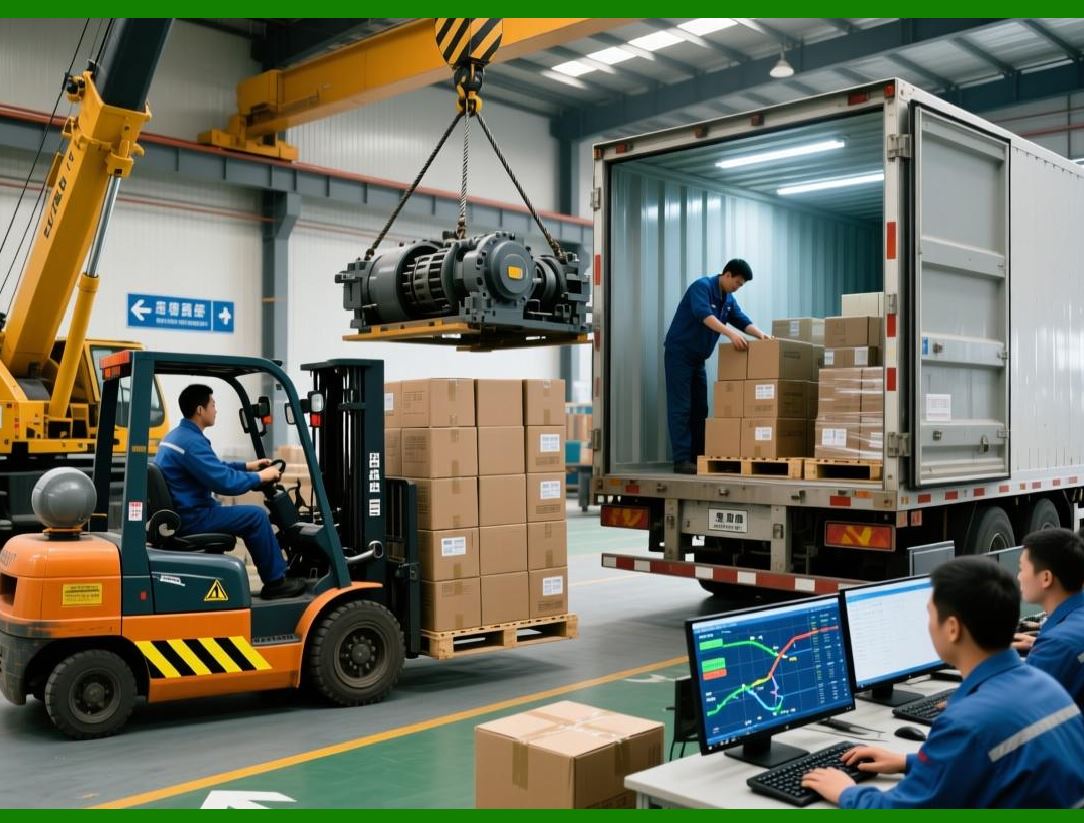
1. Batch jobs executed by schedulers. |
2. Integration with legacy systems. |
3. Rapid prototyping of automated workflows. |
4. Environments where GUI interaction is undesirable or impossible. |
|
10.4 Silent and Unattended Operation |
A critical requirement in automated environments is the ability to run without user intervention. LabelJoy supports silent operation modes where: |
1. Dialog boxes are suppressed. |
2. Default or predefined settings are used. |
3. Errors are logged rather than displayed interactively. |
This capability allows LabelJoy to be deployed on production machines where operators are not present, such as print servers or background service hosts. |

|
10.5 COM and ActiveX Automation Model |
Beyond command-line usage, LabelJoy exposes functionality through COM/ActiveX automation interfaces. This model has deep roots in the Windows ecosystem and remains widely supported in enterprise and industrial software. |
Through COM automation, external programs can: |
1. Instantiate LabelJoy objects. |
2. Load and modify label layouts. |
3. Assign data sources programmatically. |
4. Trigger barcode generation and printing. |
5. Monitor execution status. |
This approach enables tight integration with applications written in: |
1. Visual Basic. |
2. C++. |
3. Delphi. |
4. Scripting languages that support COM. |

|
10.6 Integration with Windows-Based Applications |
Because LabelJoy is designed specifically for Microsoft Windows, its automation interfaces align naturally with Windows application architectures. |
This alignment allows developers to: |
1. Embed labeling functionality directly into desktop software. |
2. Reuse existing Windows authentication and permissions. |
3. Leverage installed printer drivers and system fonts. |
4. Avoid cross-platform compatibility layers. |
As a result, LabelJoy is frequently used as a behind-the-scenes labeling engine within custom business applications. |

|
10.7 Automation of Variable Data Printing |
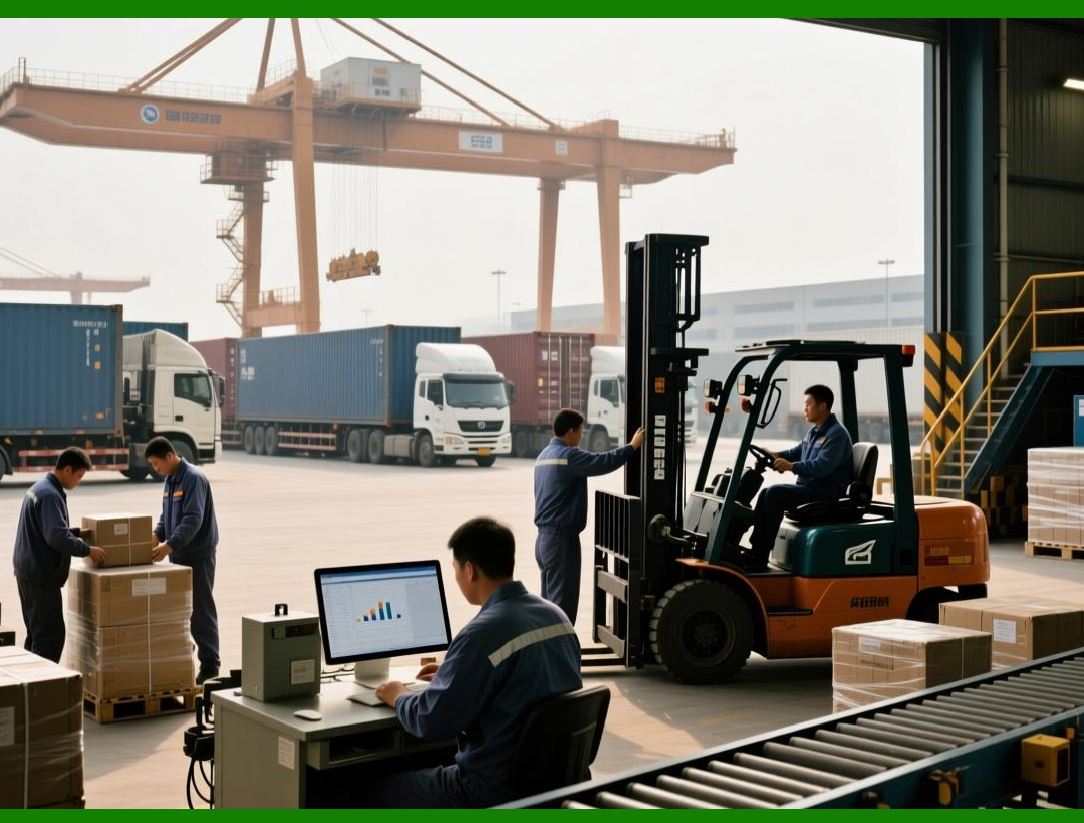
When combined with the data connectivity features discussed in Part 9, automation interfaces enable fully data-driven label production. |
A typical automated workflow might include: |
1. Receiving new records in a database. |
2. Launching LabelJoy via script or API. |
3. Binding the records to a label template. |
4. Printing or exporting labels automatically. |
5. Marking records as processed. |
This end-to-end automation eliminates manual steps and supports high-throughput operations. |
|
10.8 Export Automation Beyond Printing |
Automation in LabelJoy is not limited to physical printing. Labels and barcodes can also be exported programmatically in various formats. |
Common export scenarios include: |
1. Generating barcode images for web applications. |
2. Embedding labels in PDF documents. |
3. Archiving label output for compliance. |
4. Feeding barcode images into other systems. |
By automating exports, LabelJoy extends its usefulness beyond the physical world into digital workflows. |

|
10.9 Error Reporting and Return Codes |
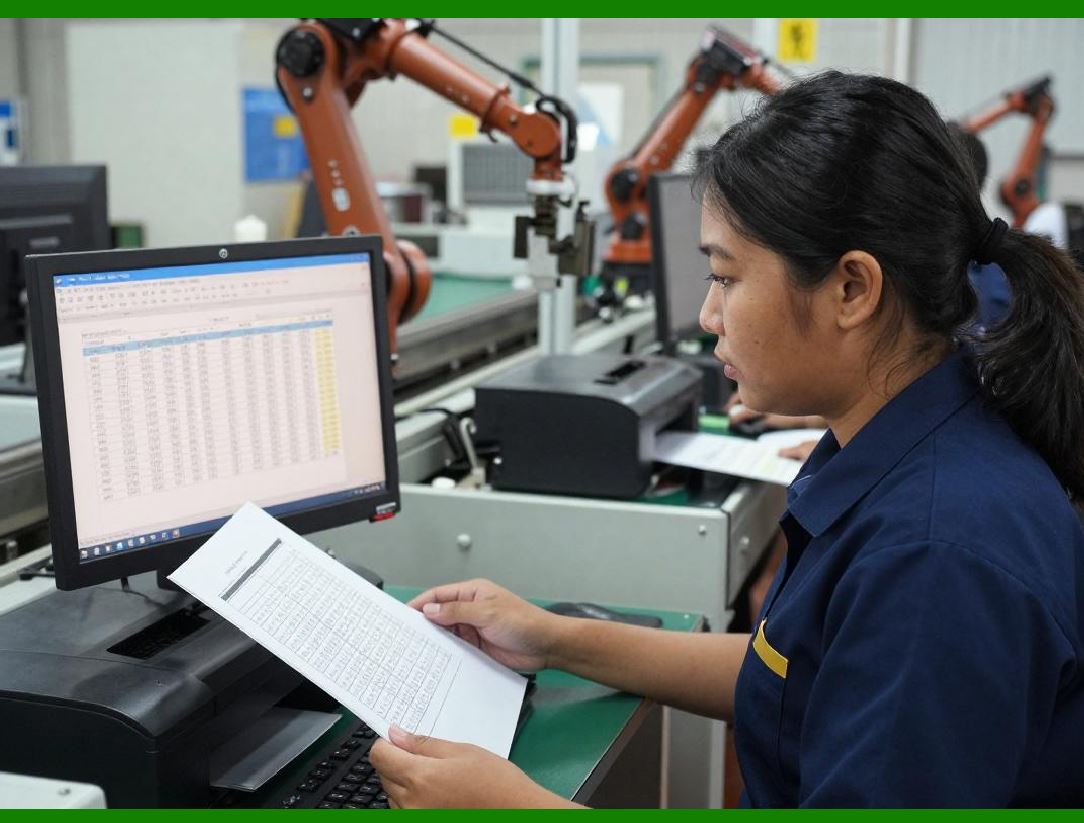
In automated systems, it is essential for applications to detect whether an operation succeeded or failed. LabelJoy supports basic error reporting mechanisms that allow calling processes to respond appropriately. |
These mechanisms typically include: |
1. Return codes indicating success or failure. |
2. Log file output. |
3. Predictable termination behavior. |
Although not a full diagnostic framework, this level of feedback is sufficient for most integration scenarios and allows higher-level systems to implement their own error-handling logic. |
|
10.10 Scheduling and Time-Based Automation |
LabelJoy can be integrated with scheduling systems to support time-based label generation. |
Examples include: |
1. Nightly batch printing of inventory labels. |
2. Scheduled regeneration of price tags. |
3. Periodic export of barcode images. |
4. Maintenance-related asset labeling. |
By combining command-line automation with system schedulers, organizations can ensure consistent and timely label production without manual oversight. |

|
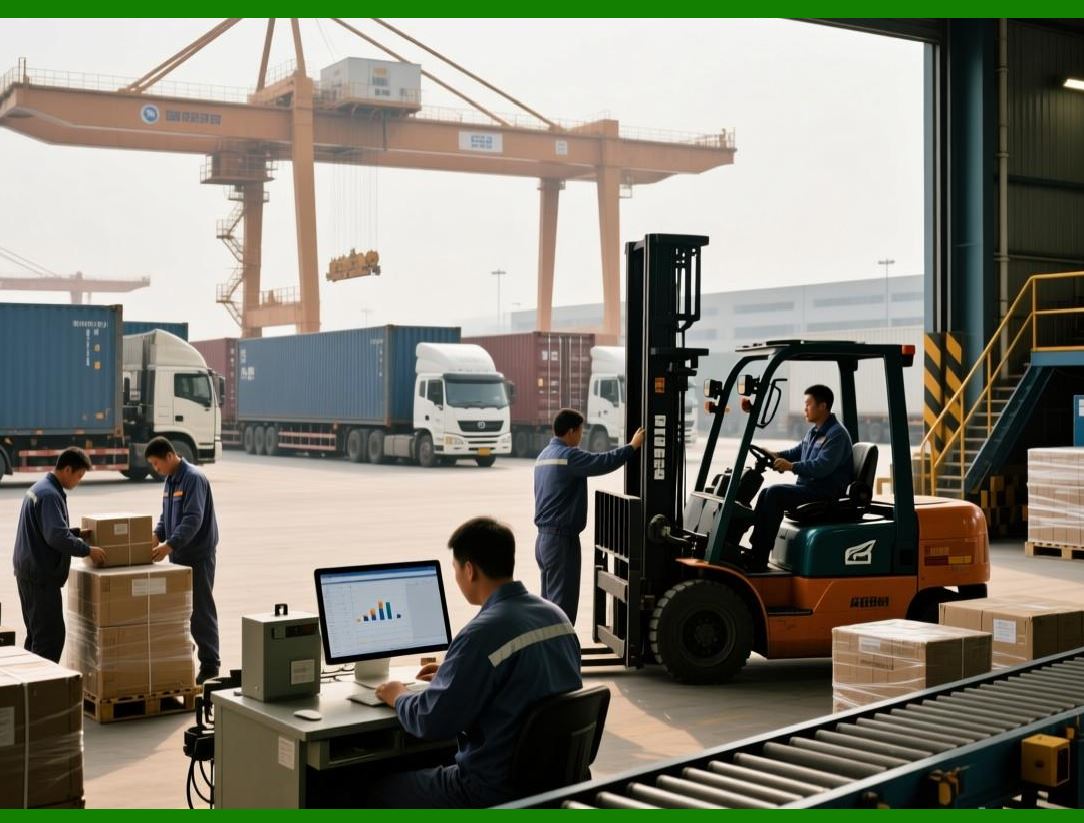
10.11 Automation in Logistics and Warehousing |
In logistics environments, automation is often event-driven rather than time-driven. LabelJoy automation interfaces allow it to respond to events such as: |
1. Order creation. |
2. Shipment confirmation. |
3. Goods receipt. |
4. Inventory relocation. |
In these contexts, LabelJoy functions as a responsive service that produces labels exactly when they are needed. |

|
10.12 Manufacturing and Production Line Integration |
Manufacturing environments place unique demands on automation: |
1. Real-time responsiveness. |
2. High reliability. |
3. Minimal operator interaction. |
LabelJoy can be integrated into production line software where: |
1. Each produced item triggers label generation. |
2. Serial numbers are assigned automatically. |
3. Printers are controlled programmatically. |
4. Output consistency is critical. |
Although LabelJoy is not a real-time control system, its automation capabilities are sufficient for many light-to-medium industrial use cases. |

|
10.13 Versioning and Template Management in Automation |
Automation introduces the challenge of managing label templates over time. LabelJoy supports the reuse of saved templates, allowing organizations to: |
1. Standardize label designs. |
2. Update templates centrally. |
3. Deploy changes without modifying code. |
4. Roll back to previous designs if necessary. |
This separation between template design and automation logic is a key architectural strength. |

|
10.14 Security Considerations in Automated Use |
When LabelJoy is used in automated workflows, security considerations include: |
1. File system permissions for templates and data sources. |
2. Database access credentials. |
3. Printer access rights. |
4. Execution privileges for scripts. |
Because LabelJoy relies on the underlying operating system for security enforcement, it integrates cleanly into existing IT policies without introducing new authentication layers. |
|
10.15 Performance and Resource Management |
Automated usage patterns often involve repeated invocation of LabelJoy. To support this efficiently: |
1. Startup time is kept relatively low. |
2. Resource usage is predictable. |
3. Batch operations reduce overhead. |
4. Memory is released cleanly after execution. |
These characteristics make LabelJoy suitable for repeated automated tasks throughout the day. |

|
10.16 Limitations of the Automation Model |
Despite its flexibility, LabelJoy automation model has limitations: |
1. It is tightly coupled to Windows. |
2. It does not expose REST or web-based APIs. |
3. Advanced scripting logic must reside outside the application. |
4. Real-time feedback is limited. |
These limitations reflect the software focus on desktop and on-premises environments rather than cloud-native architectures. |

|
10.17 Comparison with Pure SDK-Based Libraries |
Compared to pure barcode SDKs, LabelJoy automation approach emphasizes: |
1. Ease of use over low-level control. |
2. Rapid integration over custom rendering. |
3. Visual template reuse over code-defined layouts. |
This makes it particularly attractive for organizations that want automation without building a full labeling system from scratch. |

|
10.18 Strategic Value of Automation in LabelJoy |
Automation transforms LabelJoy from a tool into an infrastructure component. It allows: |
1. Consistent labeling across departments. |
2. Reduction of manual labor. |
3. Faster response to business events. |
4. Improved data accuracy. |
For many SMEs, this represents a critical step toward operational maturity. |
|
10.19 Transition to the Next Part |
With automation and external control mechanisms fully explored, the next part will examine barcode standards support and symbology implementation, detailing how LabelJoy encodes, validates, and renders a wide range of barcode types within both manual and automated workflows. |
 cs@easiersoft.com