Part 15 Error Correction, Verification, and Barcode Quality Control Mechanisms |
15.1 Importance of Error Correction and Verification |
In enterprise and industrial applications, the reliability of barcode scanning is paramount. Errors in barcode generation or printing can result in: |
1. Misidentified products |
2. Shipping delays |
3. Regulatory compliance violations |
4. Operational inefficiencies |
Neodynamic Barcode Professional & Printing SDK provides comprehensive error correction, verification, and quality control mechanisms to mitigate these risks. |

|
15.2 Error Correction in 2D Barcodes |
Two-dimensional barcodes such as QR Code, Data Matrix, PDF417, and Aztec Code include built-in error correction algorithms. The SDK enables developers to: |
1. Select the appropriate error correction level For QR Code, levels L, M, Q, and H are supported, balancing data capacity versus recovery robustness. |
2. Adjust redundancy Higher error correction allows barcodes to remain readable despite partial damage, smudges, or print imperfections. |
3. Automatic adaptation The SDK calculates optimal symbol size based on the selected error correction and data volume to maintain readability. |
By controlling error correction parameters, developers can tailor barcodes for harsh industrial environments or high-volume retail scanning. |

|
15.3 Linear Barcode Validation and Check Digits |
Linear barcodes rely on check digits to detect errors during scanning. Barcode Professional automatically supports: |
1. Check digit calculation For Code 39 (Modulo 43), Code 128, UPC/EAN, Interleaved 2 of 5, and other symbologies. |
2. Check digit verification Developers can validate input data before rendering to prevent invalid barcodes. |
3. Automatic inclusion or exclusion Options to display the check digit as human-readable text or encode it silently. |
Check digits improve first-pass scan success rates and prevent costly misreads in inventory or shipping workflows. |

|
15.4 Barcode Verification Tools |
To ensure generated barcodes meet quality and compliance standards, the SDK provides verification features: |
1. Symbol structure validation Checks that barcodes conform to symbology rules and standards. |
2. Data integrity verification Confirms that encoded data matches the intended content, including check digits. |
3. Error reporting Highlights potential issues such as insufficient quiet zones, module width deviations, or unsupported characters. |
These tools are essential for organizations operating under regulatory or industry compliance mandates, such as healthcare, logistics, or retail. |

|
15.5 Print Quality Assessment |
Neodynamic Barcode Professional emphasizes print quality to ensure scanner readability: |
1. Module width consistency Confirms that printed bars or modules maintain proper dimensions. |
2. Contrast and edge sharpness checks Ensures bars and spaces are distinguishable, especially for CCD or laser scanners. |
3. Quiet zone compliance Verifies minimum required margins around the barcode. |
4. Density and scaling analysis Confirms that barcodes are readable at intended physical dimensions. |
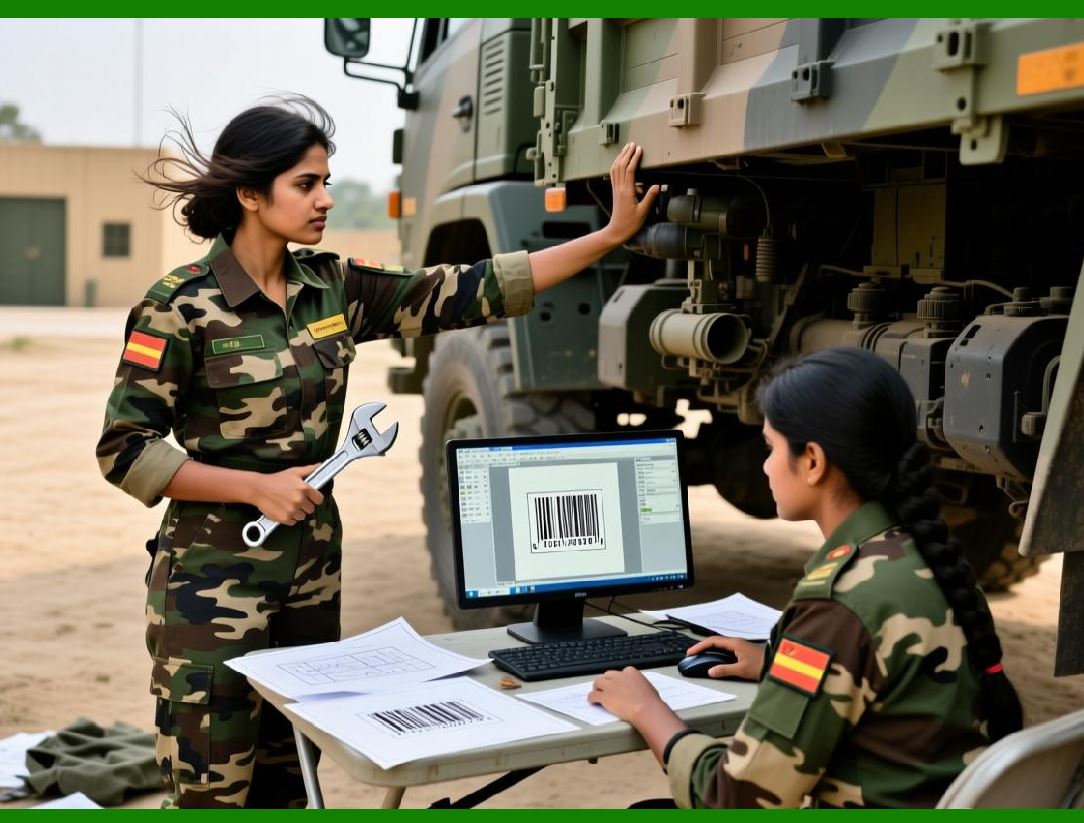
Print quality assessment helps minimize scanning errors, even when using low-resolution or high-speed printing devices. |
|
15.6 Human-Readable Text and Verification |
Human-readable text, while optional, is often required for manual identification. Barcode Professional ensures: |
1. Legible font sizes Adapted to the label size and printer resolution |
2. Correct placement Below or alongside the barcode without interfering with quiet zones |
3. Text-to-data consistency Human-readable text matches the encoded barcode content |
These measures prevent confusion when scanning devices fail and operators must rely on visual verification. |

|
15.7 Integration with Quality Control Processes |
The SDK allows seamless integration into enterprise quality control workflows: |
1. Automated verification scripts Barcode generation pipelines can include automated checks before printing. |
2. Batch validation Supports scanning of large batches to confirm that all barcodes meet quality thresholds. |
3. Error logging and reporting Provides comprehensive feedback for corrective action. |
This ensures high operational reliability, reducing product recalls and mis-shipments. |

|
15.8 Compliance with International Standards |
Barcode Professional aligns with international verification standards, including: |
1. ISO/IEC 15415 2D barcode print quality |
2. ISO/IEC 15416 Linear barcode print quality |
3. GS1 General Specifications Retail and supply chain compliance |
4. USPS and other postal standards Postal barcode readability and automation |
Compliance ensures barcodes are industry-accepted and verifiable by scanners worldwide. |

|
15.9 Error Correction and Verification in Web Applications |
For web-based barcode generation, verification remains critical: |
1. Server-side validation Barcodes are checked before sending to the client for printing. |
2. Client-side preview Web applications can render a preview to confirm symbol quality. |
3. Automated alerts In case of low-quality prints, systems can automatically regenerate the barcode. |
This approach ensures that web-generated barcodes maintain the same reliability as desktop-generated ones. |

|
15.10 Advanced Reporting for Quality Control |
The SDK supports detailed reporting: |
1. Batch print reports Confirming successful barcode generation and quality metrics |
2. Error logs Highlighting failed validations, incorrect check digits, or poor print resolution |
3. Regulatory compliance documentation Supporting audits in highly regulated industries |
These reports provide actionable insights for continuous process improvement and operational transparency. |

|
15.11 Error Handling in Automated Workflows |
In automated barcode generation or printing workflows, error handling includes: |
1. Automatic retry Re-rendering failed barcodes with adjusted parameters |
2. Fallback symbology selection Switching to more robust symbologies if scanning issues persist |
3. Notification alerts Sending messages to operators or system administrators for manual intervention |
Such mechanisms ensure continuous operation and reduce downtime in high-throughput environments. |

|
15.12 Summary of Part 15 |
Key highlights: |
1. Error correction in 2D codes ensures resilience against damage or print defects |
2. Check digit validation protects linear barcode integrity |
3. Verification tools enforce compliance with symbology rules and standards |
4. Print quality assessment maintains readability across devices and conditions |
5. Human-readable text verification reduces manual errors |
6. Integration with automated workflows and quality control ensures operational reliability |
7. Standards compliance with ISO, GS1, and postal specifications |
By combining error correction, verification, and quality control, Neodynamic Barcode Professional ensures that barcodes remain reliable, readable, and compliant across all enterprise use cases. |

|
15.13 Transition to Next Part |
The next section, Part 16, will explore label layout design, multi-barcode page composition, and integration with logos and graphics, which are essential for creating professional, multi-functional labels in various industries. |
 cs@easiersoft.com