Part 18: JD Edwards ERP Barcode Functions |
JD Edwards ERP, now part of Oracle, is a powerful enterprise resource planning software that helps businesses manage their operations efficiently, particularly in industries such as manufacturing, distribution, and supply chain management. The software integrates various modules to streamline business processes, including finance, procurement, human resources, and supply chain management. Barcode technology is fully embedded within JD Edwards ERP, playing a critical role in automating data capture, improving inventory accuracy, enhancing warehouse operations, and optimizing asset tracking. In this section, we will explore how barcode functions are implemented within JD Edwards ERP, focusing on inventory management, warehouse operations, asset tracking, and reporting. |
|
18.1 Barcode Integration for Inventory Management in JD Edwards ERP |
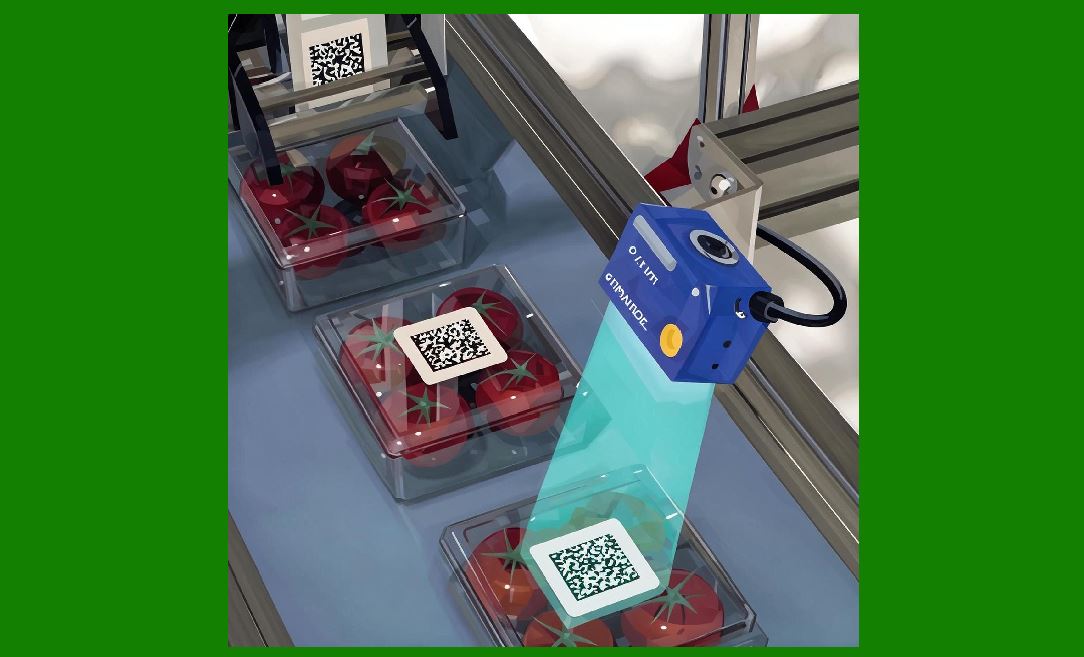
Inventory management is one of the most vital aspects of JD Edwards ERP, and barcode technology is extensively used to streamline operations and ensure real-time inventory updates, reducing errors and improving data accuracy. |
* Real-Time Inventory Updates: Barcode scanning in JD Edwards ERP allows businesses to track inventory in real time. When goods are received, shipped, or transferred, employees can scan the barcode on each item, and the system automatically updates the inventory records. This provides businesses with accurate stock levels and ensures that inventory data is always current. This capability helps prevent stockouts and overstocking, both of which can be costly to businesses. |
* Automated Inventory Adjustments: Barcode technology in JD Edwards ERP automates the process of inventory adjustments. When products are returned, damaged, or misplaced, employees simply scan the barcode of the affected item, and the system automatically adjusts stock levels. This reduces the need for manual updates, lowers the risk of errors, and ensures that the inventory is always correctly accounted for. |
* Cycle Counting and Stocktaking: JD Edwards ERP supports barcode scanning during cycle counting and physical stocktaking. Employees can scan product barcodes during regular audits, and the system updates the inventory automatically. This increases the efficiency of stock counts, reduces human error, and ensures more accurate inventory records without requiring a full physical count. |
* Batch and Serial Number Tracking: Barcode scanning in JD Edwards ERP allows businesses to track products by batch or serial number. This is particularly useful for industries like pharmaceuticals, food production, and electronics, where tracking individual products and their movements through the supply chain is essential for regulatory compliance and quality control. |
|
18.2 Barcode Technology in JD Edwards ERP Warehouse Management |
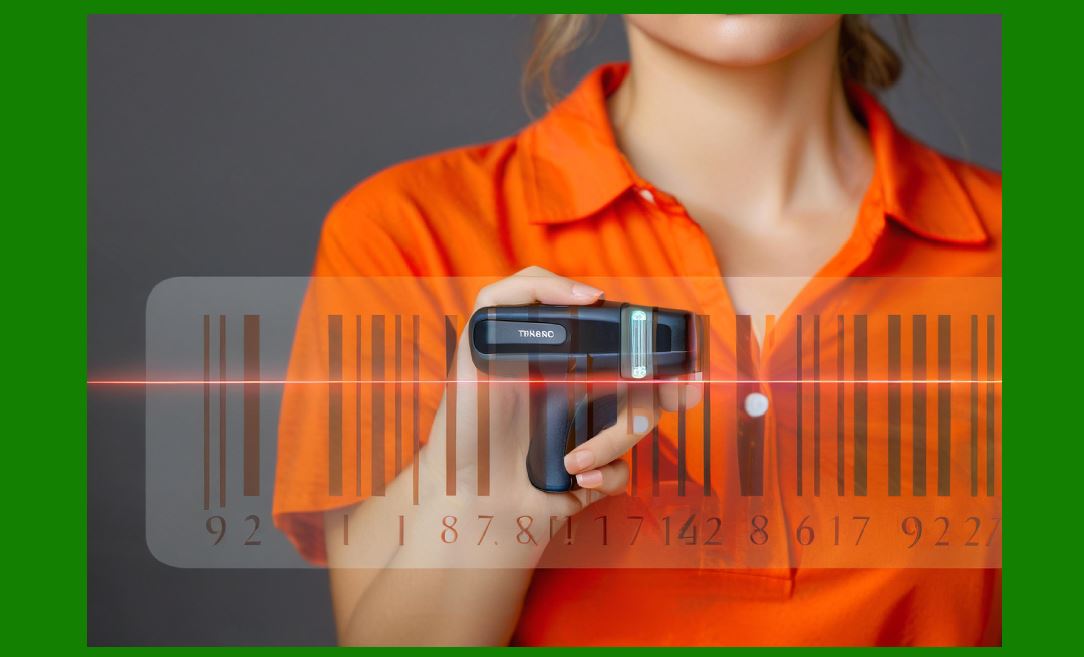
Warehouse management is a key area where JD Edwards ERP integrates barcode technology to streamline operations and improve overall warehouse efficiency. Barcode scanning helps automate receiving, putaway, picking, packing, and shipping, reducing errors and speeding up these processes. |
* Receiving and Putaway: Barcode scanning plays an important role during the receiving process. When products are delivered to the warehouse, employees can scan the barcode on each product to verify that the correct items have arrived and match the purchase order. This ensures that inventory records in JD Edwards ERP are automatically updated. The system can also suggest the optimal storage location for products, improving warehouse organization and space utilization. |
* Order Picking: JD Edwards ERP uses barcode technology to improve the accuracy and efficiency of the order picking process. When warehouse workers pick items for customer orders, they can scan the barcode on each product to verify that the correct items are selected. This reduces picking errors and ensures faster order fulfillment. Additionally, JD Edwards ERP can guide workers to the most efficient picking path in the warehouse, helping to further optimize picking times. |
* Packing and Shipping: Barcode scanning is used in JD Edwards ERP during the packing and shipping stages to ensure that the right items are packed for delivery. Workers scan the barcode on each product before it is packed, ensuring the accuracy of the order. Once packed, shipping labels with barcodes are generated, enabling logistics providers to track shipments and ensuring that customers receive their correct orders on time. |
* Warehouse Performance Metrics: JD Edwards ERP tracks warehouse performance metrics using barcode data. These include order picking accuracy, inventory turnover rates, shipping efficiency, and other key performance indicators (KPIs). By analyzing these metrics, businesses can identify areas for improvement, optimize warehouse workflows, and reduce operational costs. |

|
18.3 Barcode Printing and Labeling in JD Edwards ERP |
Barcode printing and labeling are crucial components of JD Edwards ERP, helping businesses automate the labeling process and ensure that all products, shipments, and assets are properly tagged for tracking and compliance purposes. |
* Customizable Barcode Labels: JD Edwards ERP allows businesses to design and print customizable barcode labels. These labels can include key product information, such as product codes, descriptions, serial numbers, batch numbers, and more. Customizable labels ensure that businesses can meet both internal and regulatory requirements for product tracking, making it easier to maintain compliance and improve operational efficiency. |
* Automated Label Generation: JD Edwards ERP automates barcode label generation at different stages of business operations. When inventory is received, products are picked, or shipments are packed, the system automatically generates the corresponding barcode labels. This reduces manual label creation and ensures that the correct data is captured on every label, improving accuracy and reducing the risk of human error. |
* Integration with Barcode Printers: JD Edwards ERP integrates seamlessly with barcode printers, allowing businesses to print barcode labels directly from the system. When product data is entered into the system, JD Edwards ERP sends the relevant information to a connected barcode printer, which then generates the labels. This integration simplifies the labeling process, ensures consistency, and accelerates label printing. |
* Batch and Serial Number Labeling: For industries where tracking products by batch or serial number is essential, JD Edwards ERP supports the generation of barcode labels with unique batch or serial numbers. These labels are critical for ensuring product traceability, meeting compliance standards, and facilitating product recalls if necessary. |

|
18.4 Barcode-Driven Reporting and Analytics in JD Edwards ERP |
Barcode data captured in JD Edwards ERP is leveraged for reporting and analytics, providing businesses with real-time insights into inventory levels, warehouse performance, and overall operational efficiency. |
* Inventory Reports: JD Edwards ERP generates barcode-driven inventory reports that provide visibility into stock levels, product movements, and inventory turnover. These reports help businesses identify trends, optimize inventory levels, and make informed decisions about restocking and procurement. Barcode data ensures that inventory reports are always accurate and up to date. |
* Warehouse Performance Analytics: Barcode data in JD Edwards ERP is used to track warehouse performance metrics, such as picking accuracy, order fulfillment times, and shipping efficiency. These reports help businesses monitor warehouse operations and identify areas where processes can be improved. By using these insights, companies can optimize their warehouse workflows and enhance overall productivity. |
* Production and Manufacturing Analytics: For manufacturing businesses, JD Edwards ERP leverages barcode scanning to track raw material consumption, monitor production progress, and measure production output. Barcode-driven analytics provide real-time insights into manufacturing efficiency, allowing businesses to identify bottlenecks, reduce waste, and optimize resource utilization. |
* Predictive Analytics and Demand Forecasting: JD Edwards ERP uses barcode data to support predictive analytics and demand forecasting. By analyzing historical data, businesses can predict future demand for products, optimize procurement strategies, and align production schedules to meet future needs. This helps businesses avoid stockouts, reduce excess inventory, and ensure that they are prepared for shifts in customer demand. |

|
18.5 Barcode Functions for Asset Management in JD Edwards ERP |
In addition to inventory management, JD Edwards ERP integrates barcode technology for asset management, helping businesses efficiently track and manage physical assets such as machinery, tools, and equipment. |
* Asset Tagging and Tracking: JD Edwards ERP allows businesses to assign barcode labels to assets, making it easy to track their location, usage, and maintenance. Employees can scan the barcode on each asset to access its detailed record, including maintenance history and current status. This ensures that businesses have real-time visibility into their assets, helping to optimize their utilization and reduce the risk of misplacement. |
* Maintenance Management: JD Edwards ERP supports asset maintenance management through barcode scanning. By scanning the barcode on an asset, workers can view its maintenance schedule, log repairs, and track ongoing maintenance activities. This functionality helps businesses ensure that their assets are well-maintained, reducing the risk of downtime and extending the life of valuable equipment. |
* Asset Audits: Barcode scanning in JD Edwards ERP simplifies asset audits by allowing employees to scan asset barcodes during audit processes. The system automatically updates asset records, reducing the time spent on manual audits and ensuring that asset data is accurate and up-to-date. This functionality is crucial for businesses that need to maintain accurate asset records for regulatory compliance or financial reporting. |

|
Summary of Part 18: |
In this section, we explored how JD Edwards ERP integrates barcode technology to enhance inventory management, warehouse operations, asset tracking, and reporting. Barcode scanning automates real-time inventory updates, improves the accuracy of product picking and shipping, and streamlines warehouse processes. JD Edwards ERP also provides barcode printing and labeling capabilities, ensuring that products, shipments, and assets are correctly labeled for tracking and compliance. Barcode-driven reporting and analytics help businesses optimize operations, improve efficiency, and make data-driven decisions. |
 cs@easiersoft.com