Wasp Barcode Maker |
A Comprehensive Technical and Practical Analysis |
Part 4 of 20 |
31. Printing Technologies in Barcode Environments |
31.1 Importance of Printing in Barcode Systems |
Printing is the final and most critical step in the barcode creation process. No matter how well a barcode is encoded digitally, its effectiveness ultimately depends on how accurately it is reproduced on a physical medium. Wasp Barcode Maker is designed with a strong awareness of real-world printing constraints, ensuring that barcodes remain scannable once printed. |
Barcode printing introduces variables such as printer resolution, ink or thermal contrast, substrate material, and environmental conditions. The software role is to generate barcode graphics that tolerate these variables as effectively as possible. |

|
31.2 Common Printer Types Used with Wasp Barcode Maker |
Wasp Barcode Maker is compatible with a range of printer types commonly found in small and mid-sized organizations. These typically include: |
1. Desktop laser printers |
2. Inkjet printers |
3. Direct thermal label printers |
4. Thermal transfer label printers |
Each printer type has distinct characteristics that affect barcode quality, and the software output is designed to accommodate these differences. |
31.3 Software Responsibility Versus Hardware Responsibility |
The software focuses on generating correct barcode geometry, while the printer is responsible for accurate reproduction. Wasp Barcode Maker does not attempt to compensate for severely misconfigured or malfunctioning printers, but it does provide output that conforms to best practices for typical hardware setups. |

|
32. Thermal Printing Considerations |
32.1 Direct Thermal Printing |
Direct thermal printers produce images by heating special thermal paper. They are widely used for inventory and shipping labels due to their simplicity and low operating costs. |
Wasp Barcode Maker generates high-contrast barcodes that print cleanly on direct thermal media, taking into account the limited tonal range of thermal printing. |
32.2 Thermal Transfer Printing |
Thermal transfer printers use a ribbon to transfer ink onto labels, producing more durable output than direct thermal printing. This method is often used for asset tags and labels exposed to harsher conditions. |
The software clean edge rendering supports thermal transfer printing by minimizing edge bleeding and preserving bar width accuracy. |
32.3 Durability Implications |
While durability is largely determined by label materials and ribbons, barcode design plays a supporting role. Proper bar width and spacing generated by Wasp Barcode Maker help ensure that barcodes remain readable even as labels age or experience wear. |

|
33. Laser and Inkjet Printing |
33.1 Laser Printer Characteristics |
Laser printers are commonly used for office printing and can produce high-resolution output. However, they may introduce challenges such as toner spread or uneven fusing. |
Wasp Barcode Maker output is designed to tolerate minor toner spread by maintaining adequate bar spacing and avoiding excessively thin elements. |
33.2 Inkjet Printer Characteristics |
Inkjet printers offer flexibility but can suffer from ink bleed, especially on porous paper. The software conservative barcode dimensions help mitigate these issues by avoiding overly dense encoding. |
Inkjet printing is generally suitable for low-volume barcode printing or documentation purposes rather than high-volume labeling. |
33.3 Selecting the Right Printer for the Job |
Wasp Barcode Maker does not dictate printer selection but supports informed decision-making through predictable output. Users can choose printers that align with their durability, volume, and cost requirements. |

|
34. Printer Resolution and DPI Management |
34.1 Understanding DPI in Barcode Printing |
Dots per inch, or DPI, determines the resolution at which a printer reproduces images. Barcode quality is closely tied to DPI, as insufficient resolution can distort bar widths and spacing. |
Wasp Barcode Maker generates vector-like output that scales appropriately with printer resolution, reducing the risk of distortion. |
34.2 Common Barcode Printer Resolutions |
Common resolutions for barcode printers include 203 DPI, 300 DPI, and 600 DPI. Each resolution level supports different minimum bar widths and data densities. |
The software default settings are generally optimized for widely used resolutions, particularly 203 DPI and 300 DPI thermal printers. |
34.3 Avoiding Resolution Mismatches |
Resolution mismatches occur when barcode designs are created with assumptions that do not match the printer capabilities. Wasp Barcode Maker minimizes this risk by avoiding ultra-fine elements that would require unusually high resolution. |

|
35. Label Stock and Media Compatibility |
35.1 Types of Label Materials |
Label materials vary widely and include paper, synthetic films, and specialty materials designed for specific environments. Wasp Barcode Maker is media-agnostic, focusing on barcode design rather than substrate selection. |
However, clean barcode geometry improves compatibility across different materials. |
35.2 Adhesive and Surface Considerations |
Adhesive strength and surface texture affect label performance but not barcode encoding directly. The software contribution lies in producing barcodes that remain readable even if labels are slightly wrinkled or misaligned. |
High-contrast output improves scanner tolerance for imperfect label application. |
35.3 Environmental Exposure |
Exposure to heat, moisture, chemicals, or abrasion can degrade barcode labels. While Wasp Barcode Maker cannot control environmental factors, its standards-compliant output provides the best possible starting point for durable labeling. |

|
36. Label Size and Layout Alignment |
36.1 Matching Barcode Size to Label Dimensions |
Accurate alignment between barcode size and label dimensions is critical. Wasp Barcode Maker allows users to specify dimensions that match their label stock, reducing wasted space and print errors. |
Correct sizing also ensures that quiet zones are preserved within label boundaries. |
36.2 Orientation and Rotation |
The software supports basic orientation options, allowing barcodes to be printed horizontally or vertically. Orientation choices may be driven by label shape, scanner ergonomics, or packaging constraints. |
Rotation is handled in a way that preserves structural integrity and quiet zones. |
36.3 Multi-Label Sheets |
For sheet-based labels used with laser or inkjet printers, alignment consistency is essential. Wasp Barcode Maker predictable output supports alignment with pre-cut label sheets when combined with proper printer configuration. |

|
37. Print Preview and Alignment Verification |
37.1 Role of Print Preview |
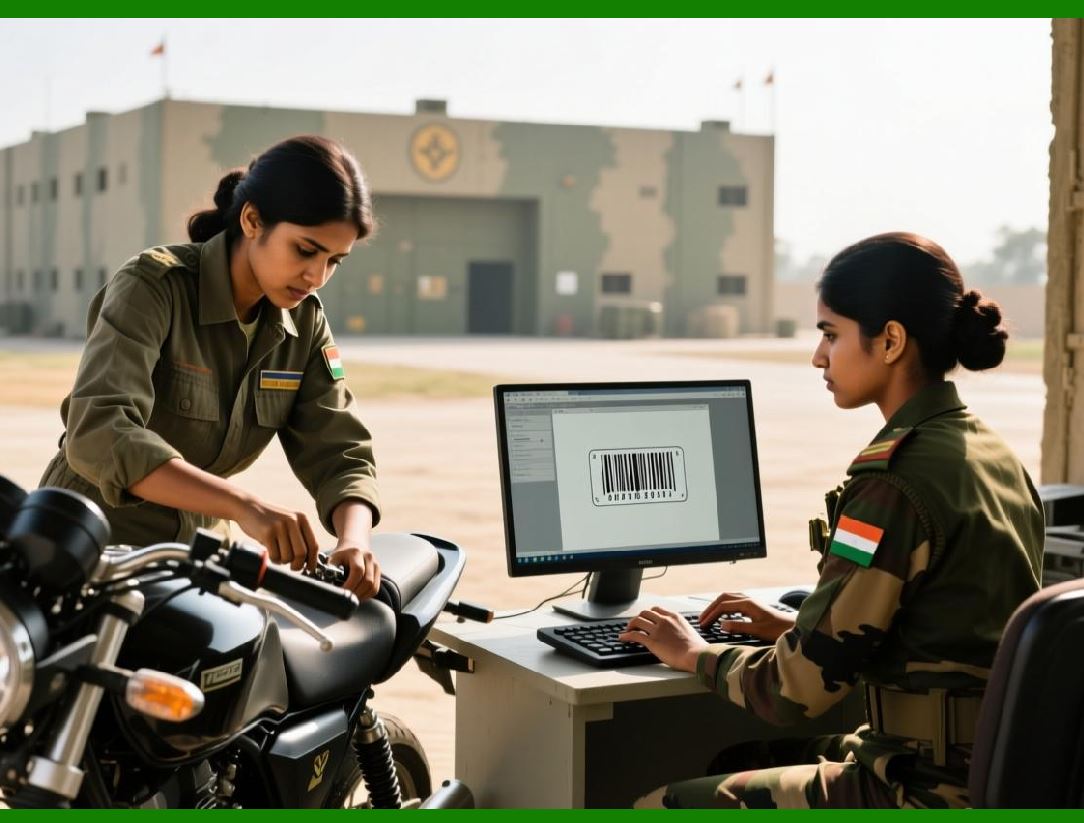
Print preview provides a final opportunity to verify layout, size, and alignment before committing to physical printing. Wasp Barcode Maker emphasizes preview accuracy to reduce waste and errors. |
Preview output closely matches printed results, improving user confidence. |
37.2 Identifying Common Alignment Issues |
Previewing helps identify issues such as clipped barcodes, insufficient margins, or overlapping text. Early detection prevents the production of unusable labels. |
The software preview system reflects its conservative design philosophy, prioritizing reliability over artistic flexibility. |
37.3 Iterative Adjustment Workflow |
Users can make small adjustments and immediately see the results in preview. This iterative workflow supports fine-tuning without excessive trial printing. |
|
38. Print Performance and Volume Considerations |
38.1 Low-Volume Printing |
For low-volume scenarios, such as labeling a small number of assets, Wasp Barcode Maker provides a quick and straightforward printing experience. Setup time is minimal, and output quality is consistent. |
This makes the software suitable for ad hoc labeling tasks. |
38.2 Medium-Volume Printing |
In medium-volume environments, efficiency becomes more important. While Wasp Barcode Maker does not include industrial-scale batch automation, it supports repeated printing with consistent results. |
Users can rely on stable output across multiple print runs. |
38.3 High-Volume Limitations |
For very high-volume printing, dedicated label printing software or integrated systems may be more appropriate. Wasp Barcode Maker role in such environments is typically limited to initial setup or supplemental labeling. |
|
39. Common Printing Errors and Mitigation |
39.1 Bar Width Distortion |
Bar width distortion can occur due to printer calibration issues or unsuitable media. Wasp Barcode Maker conservative bar width choices help mitigate minor distortion. |
Regular printer maintenance remains essential. |
39.2 Inadequate Contrast |
Low contrast between bars and background reduces scan reliability. The software default black-on-white output maximizes contrast and scanner compatibility. |
Users are encouraged to avoid decorative colors that could compromise readability. |
39.3 Clipping and Cropping |
Clipping occurs when barcode elements extend beyond printable areas. Wasp Barcode Maker preview and margin management reduce the risk of clipping when labels are properly configured. |
|
40. Best Practices for Print Quality Assurance |
40.1 Test Printing |
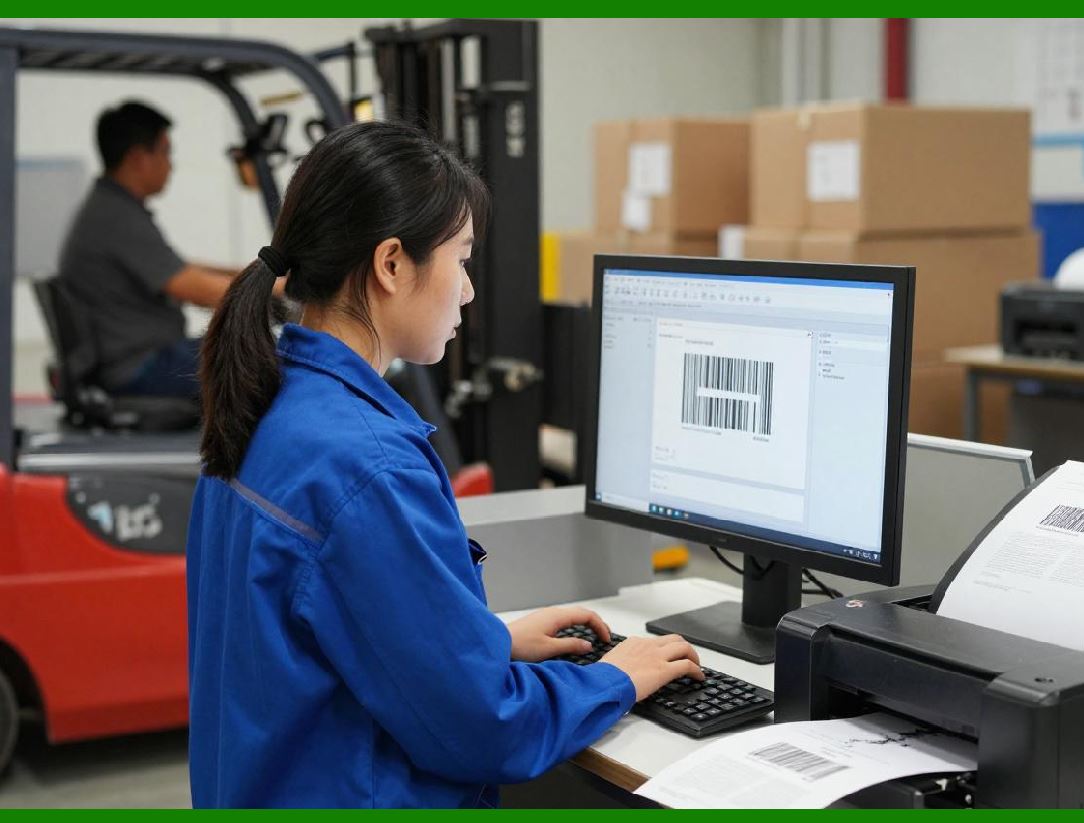
Test printing is a critical step in any barcode deployment. Users should print sample labels and verify them with the intended scanners. |
Wasp Barcode Maker predictable output simplifies this process. |
40.2 Scanner Testing Across Conditions |
Testing should be performed under typical lighting and handling conditions. Successful scanning in real-world environments confirms that barcode design and printing choices are appropriate. |
40.3 Ongoing Monitoring |
As printers age or supplies change, print quality can drift. Periodic checks help ensure continued barcode readability over time. |
|
Part 5 will explore software usability, user roles, configuration persistence, and everyday operational workflows, focusing on how Wasp Barcode Maker fits into daily business use. |
 cs@easiersoft.com