Part 12: Future Developments, Emerging Technologies, and Strategic Outlook |
12.1 Overview of Technological Evolution in Labeling |
1. Labeling technology is evolving rapidly to meet the demands of digital supply chains, IoT integration, and automated operations. |
2. WaspLabeler has historically adapted to advances in barcode standards, printer technology, and enterprise integration. |
3. Future developments will increasingly emphasize connectivity, intelligence, and automation. |
4. Modern labeling requires seamless interaction between physical labels and digital systems. |
5. Organizations expect labeling software to support predictive analytics, real-time monitoring, and data-driven decision-making. |
6. WaspLabeler roadmap reflects these trends, offering enhancements in workflow efficiency, cloud capabilities, and integration with emerging technologies. |
7. Strategic adoption of new features will help businesses maintain competitive advantage. |
8. Understanding future trends enables users to plan investments in labeling infrastructure. |
9. Labeling will increasingly become a critical element of operational intelligence. |
10. WaspLabeler is positioned to evolve in line with these industry expectations. |

|
12.2 Cloud Integration and Remote Accessibility |
1. Cloud computing has transformed enterprise software deployment, offering scalability, accessibility, and centralized management. |
2. WaspLabeler is exploring or supporting cloud-based options for template storage, print job management, and user access. |
3. Cloud integration enables remote label printing without requiring local installation on every workstation. |
4. Centralized templates in the cloud ensure version control and consistency across multiple sites. |
5. Users can securely access label designs and data from remote locations, supporting distributed operations. |
6. Cloud-based printing may allow seamless interaction with networked printers across regions. |
7. Cloud integration simplifies updates and maintenance, reducing IT overhead. |
8. Data synchronization between cloud and on-premises databases ensures accurate label content. |
9. Security protocols, including encryption and user authentication, protect sensitive label data. |
10. Cloud adoption positions WaspLabeler as a future-ready solution for modern enterprise operations. |

|
12.3 Internet of Things (IoT) and Smart Labeling |
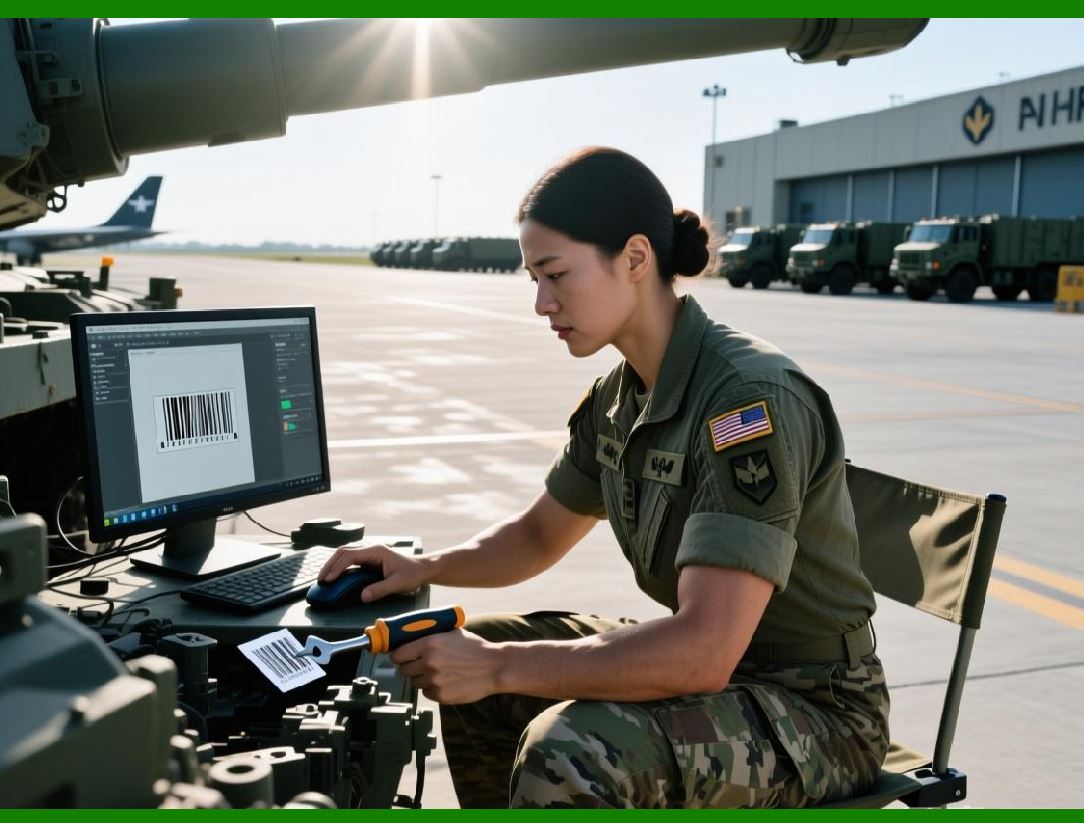
1. The IoT ecosystem connects devices, sensors, and machines to enable real-time data exchange. |
2. Labels, when integrated with IoT devices, can communicate information about products, conditions, or location. |
3. WaspLabeler supports the creation of labels compatible with RFID, QR codes, and 2D barcodes suitable for IoT applications. |
4. Smart labeling enables automated tracking in warehouses, manufacturing, and logistics. |
5. Labels may carry data that triggers automated workflows, inventory updates, or alerts. |
6. IoT-enabled labeling improves traceability, reduces human error, and optimizes operations. |
7. Integration with WMS, ERP, and cloud platforms allows labels to become active components of intelligent systems. |
8. The software ensures that barcodes remain readable and accurate even when embedded in IoT-enabled processes. |
9. IoT labeling supports predictive maintenance and real-time decision-making. |
10. Future-ready labeling solutions like WaspLabeler align with Industry 4.0 standards. |
|
12.4 Artificial Intelligence and Label Optimization |
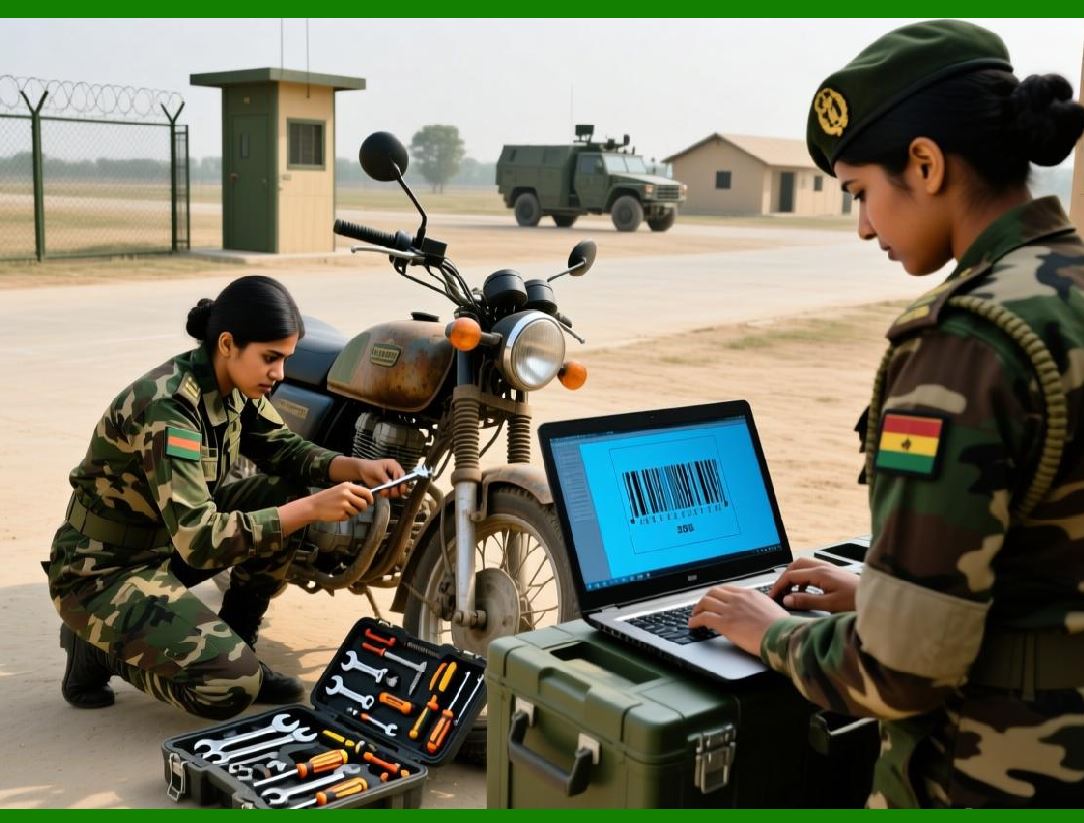
1. AI-driven technologies can enhance label design, error detection, and print optimization. |
2. WaspLabeler could leverage AI for automatic layout adjustments to improve readability and scan performance. |
3. AI-based image recognition may validate that logos, symbols, or graphics comply with design standards. |
4. Predictive analytics can suggest optimal label formats based on historical printing data. |
5. AI may detect potential barcode readability issues before printing. |
6. Machine learning models can optimize batch printing workflows for speed and accuracy. |
7. Intelligent suggestion systems can automate data mapping from ERP or inventory systems. |
8. AI integration enhances both operational efficiency and quality assurance. |
9. Over time, AI can continuously improve template performance based on usage patterns. |
10. These capabilities position WaspLabeler at the forefront of automated labeling solutions. |
|
12.5 Mobile and On-Demand Label Printing |
1. Mobile devices are increasingly used for on-demand label printing in warehouses, retail, and field operations. |
2. WaspLabeler can integrate with mobile printing solutions, enabling printing from tablets, laptops, or handheld devices. |
3. On-demand printing allows immediate label generation at the point of use. |
4. This reduces inventory of pre-printed labels and increases operational flexibility. |
5. Mobile printing integration supports just-in-time labeling strategies. |
6. Operators can access up-to-date templates and data remotely. |
7. Mobile-ready features ensure accurate label content even in dynamic workflows. |
8. Connectivity with Bluetooth or Wi-Fi printers allows seamless operations without physical network cables. |
9. On-demand printing reduces waste and improves responsiveness to operational changes. |
10. WaspLabeler adaptability supports mobile-first enterprise environments. |

|
12.6 Advanced Data Integration and API Capabilities |
1. Modern enterprises require labeling software that integrates seamlessly with existing IT infrastructure. |
2. WaspLabeler supports advanced data connectivity, allowing import/export from databases, spreadsheets, and ERP systems. |
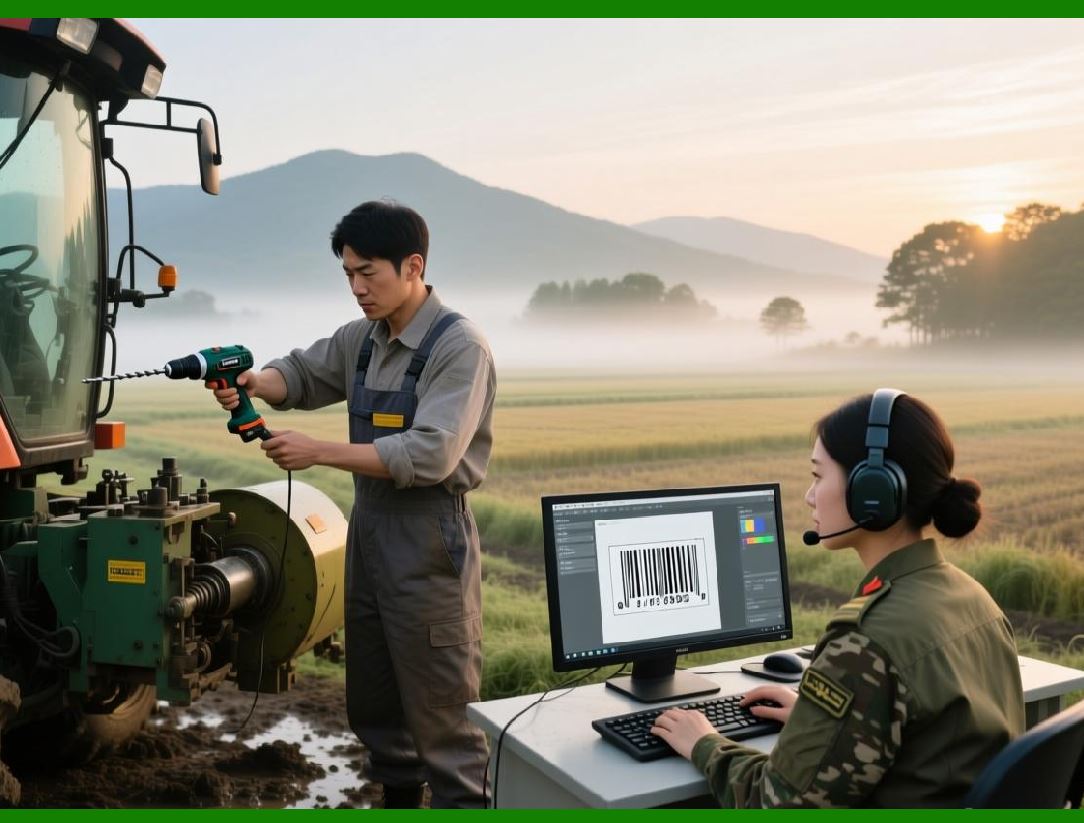
3. Future developments include robust API support for automated label creation and printing. |
4. APIs enable external systems to trigger label printing based on real-time data events. |
5. Integration ensures that labels always reflect accurate product, batch, or shipment information. |
6. Automation through APIs reduces human error and increases operational efficiency. |
7. Cross-platform integration allows WaspLabeler to interact with web services and cloud platforms. |
8. API-driven workflows can scale across multiple sites and departments. |
9. Advanced integration enhances enterprise-level analytics and reporting. |
10. Data-driven labeling transforms WaspLabeler from a standalone tool into an intelligent operational component. |
|
12.7 Sustainability and Environmental Considerations |
1. Future labeling strategies increasingly emphasize sustainability. |
2. WaspLabeler can support label designs that minimize material waste. |
3. Optimized layouts reduce paper, ink, and adhesive usage. |
4. Integration with print preview and job planning tools ensures efficient use of media. |
5. Templates can be standardized for minimal material consumption. |
6. Use of environmentally friendly media, such as recycled or compostable labels, is supported. |
7. Labels can include information for end-of-life management or recycling instructions. |
8. Sustainable practices align with corporate social responsibility initiatives. |
9. Reducing waste also lowers operational costs. |
10. WaspLabeler positions organizations to meet regulatory and consumer expectations for sustainability. |

|
12.8 Strategic Outlook and Industry Trends |
1. WaspLabeler ongoing development aligns with broader trends in automation, digital transformation, and smart supply chains. |
2. Cloud adoption, mobile printing, IoT integration, and AI-driven optimization are shaping the future of labeling. |
3. Regulatory compliance remains a constant driver for innovation in label design and printing software. |
4. Enterprises increasingly require scalable, flexible solutions that integrate with multiple systems and data sources. |
5. The ability to manage multi-site operations efficiently is a key competitive advantage. |
6. WaspLabeler focus on workflow standardization, template centralization, and data-driven labeling ensures readiness for the next decade. |
7. Strategic investments in software capabilities can reduce operational risk, improve traceability, and enhance customer satisfaction. |
8. Organizations adopting WaspLabeler benefit from both immediate operational efficiency and long-term scalability. |
9. By anticipating future trends, WaspLabeler ensures relevance in rapidly evolving industries. |
10. Enterprises can view WaspLabeler not just as a labeling tool, but as a strategic operational asset. |

|
12.9 Conclusion of WaspLabeler Analysis |
1. WaspLabeler is a comprehensive labeling solution capable of serving small businesses and large enterprises alike. |
2. Key strengths include template management, serialization, multi-user support, integration with data sources, and flexible printing options. |
3. Advanced features, including graphics, workflow automation, and batch processing, improve efficiency and consistency. |
4. Industry-specific capabilities ensure compliance with manufacturing, healthcare, retail, and logistics standards. |
5. Enterprise-grade features, such as cloud integration, role-based access, and networked printing, support scalability. |
6. Future developments, including AI optimization, IoT connectivity, and mobile printing, position WaspLabeler as a forward-looking solution. |
7. Sustainability, standardization, and compliance remain central to the software strategic value. |
8. Organizations using WaspLabeler benefit from improved operational control, reduced errors, and enhanced traceability. |
9. As labeling continues to evolve with digital supply chains and Industry 4.0, WaspLabeler provides the tools needed for competitive, reliable, and future-ready operations. |
10. Overall, WaspLabeler combines technical robustness, workflow intelligence, and strategic adaptability, making it a leading choice for enterprise labeling solutions. |
 cs@easiersoft.com