Part 9 |
System Integration, Workflow Optimization, and Multi-User Considerations in WaspLabeler |
96. Importance of Integration in Labeling Systems |
96.1 Labeling software rarely operates in isolation within modern organizations. |
96.2 WaspLabeler is often used as part of a larger ecosystem that includes inventory systems, databases, and enterprise software. |
96.3 Effective integration reduces manual data entry and minimizes errors. |
96.4 Automated data flow improves efficiency and consistency. |
96.5 Integration capabilities significantly increase the value of labeling software. |

|
97. Standalone Versus Integrated Deployment Models |
97.1 WaspLabeler can function as a standalone application. |
97.2 In standalone mode, users manually manage data sources and label designs. |
97.3 Integrated deployments connect WaspLabeler to external systems. |
97.4 Each deployment model serves different operational needs. |
97.5 Organizations choose based on complexity and scale. |

|
98. Database Connectivity Concepts |
98.1 Database integration allows WaspLabeler to pull data directly from structured sources. |
98.2 These sources may include inventory databases or production systems. |
98.3 Connectivity enables real-time access to up-to-date information. |
98.4 Data-driven labels reduce discrepancies between systems. |
98.5 Database use supports high-volume and automated environments. |

|
99. Workflow Automation and Repeatability |
99.1 Workflow automation is essential for efficiency. |
99.2 WaspLabeler supports repeatable workflows through templates and saved configurations. |
99.3 Automated workflows reduce the need for user intervention. |
99.4 Repeatability ensures consistent label output. |
99.5 Automation is particularly valuable in manufacturing and logistics. |

|
100. Batch Processing in Integrated Environments |
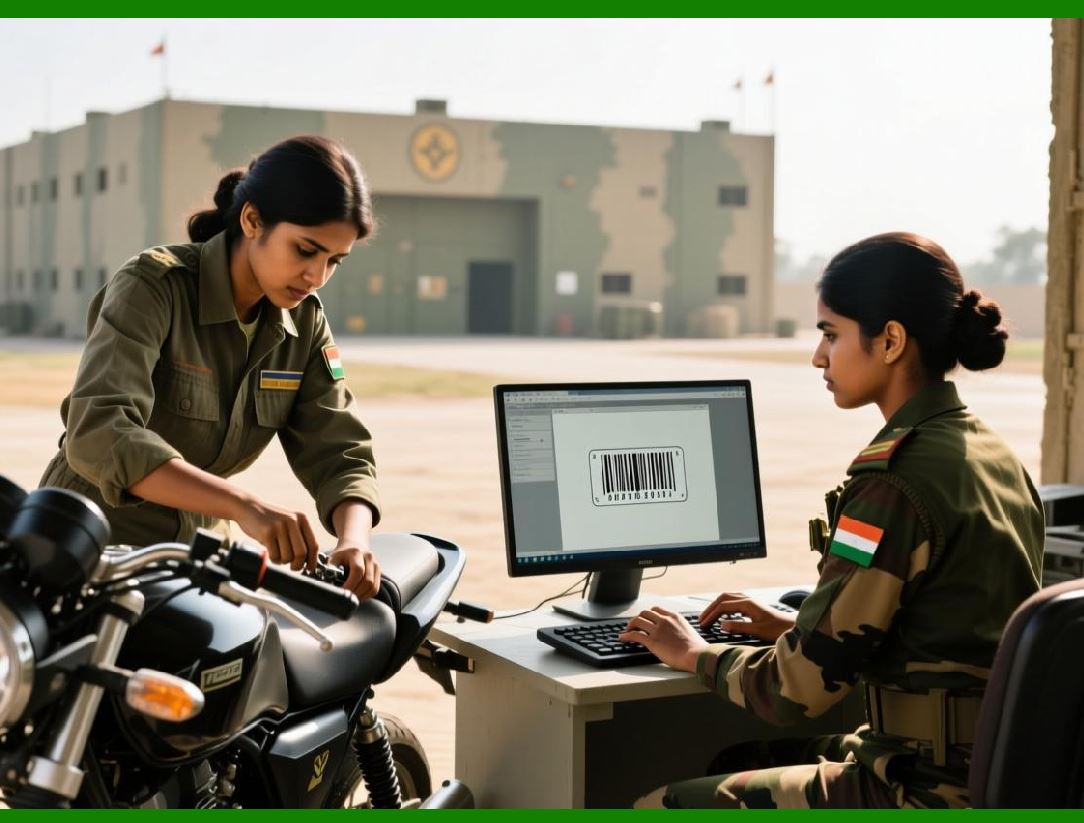
100.1 Batch processing allows multiple records to be printed automatically. |
100.2 WaspLabeler handles batch jobs sourced from databases or files. |
100.3 Each record generates one or more labels. |
100.4 Batch processing reduces time and labor costs. |
100.5 Reliability in batch operations is critical. |
|
101. Multi-User Usage Scenarios |
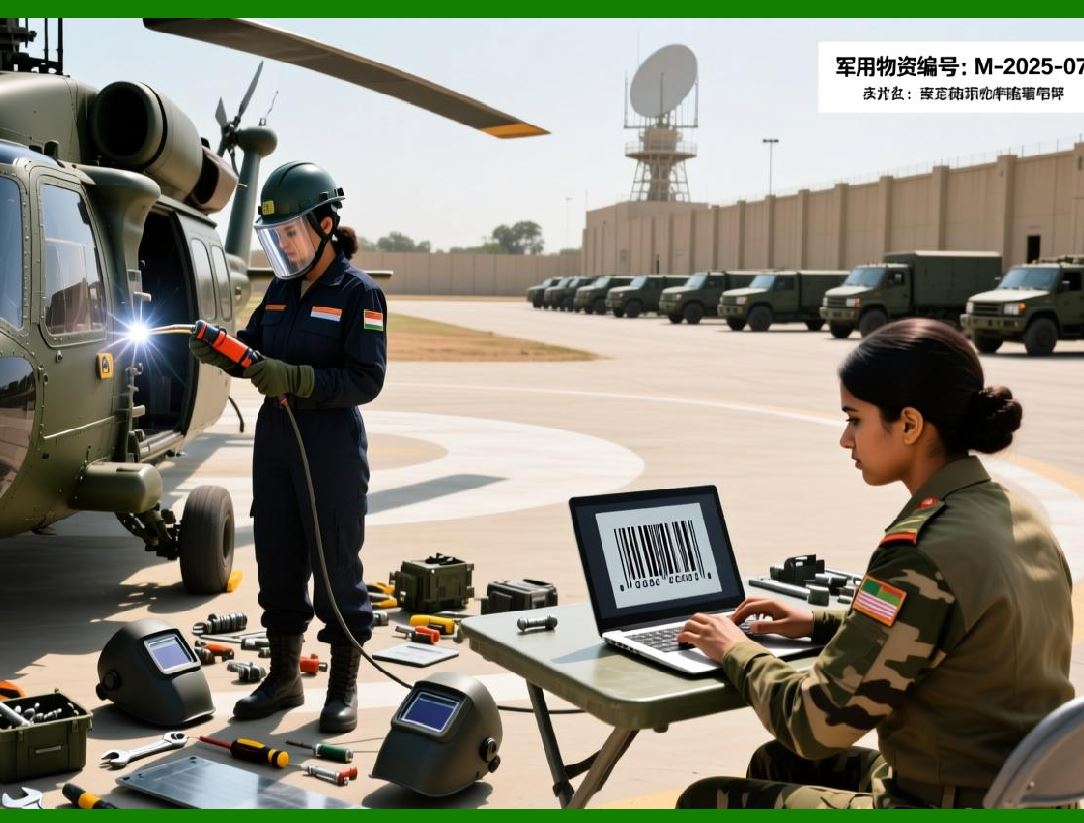
101.1 In many organizations, multiple users interact with labeling systems. |
101.2 WaspLabeler may be used by designers, operators, and supervisors. |
101.3 Each role has different requirements and permissions. |
101.4 Multi-user considerations affect workflow design. |
101.5 Clear role separation improves accountability. |
|
102. File Sharing and Template Management |
102.1 Label templates are often shared among users. |
102.2 Centralized template management ensures consistency. |
102.3 WaspLabeler templates can be stored on shared drives. |
102.4 Version control helps prevent outdated designs from being used. |
102.5 Controlled access reduces accidental modifications. |

|
103. User Permissions and Operational Control |
103.1 Some environments require restrictions on what users can modify. |
103.2 WaspLabeler may rely on operating system controls for permissions. |
103.3 Limiting access to design functions protects label integrity. |
103.4 Operators may be allowed to print but not edit templates. |
103.5 Permission control supports compliance and quality assurance. |

|
104. Error Reduction Through Integration |
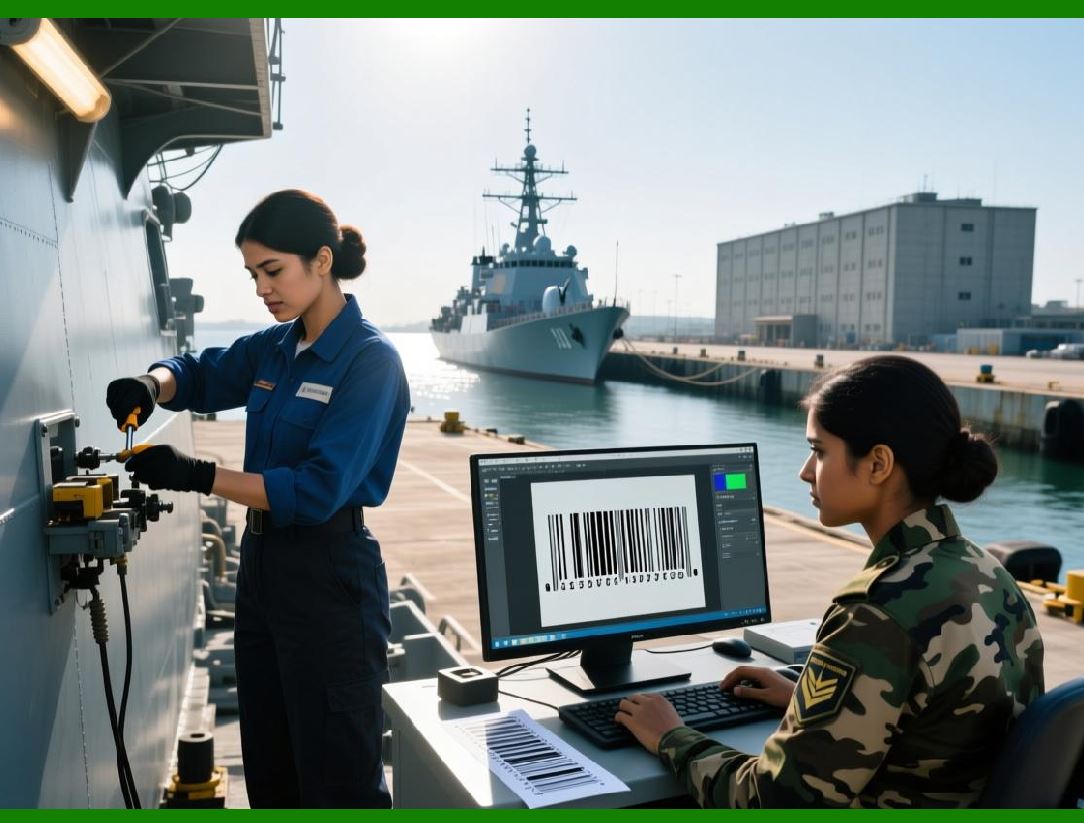
104.1 Manual data entry is a common source of labeling errors. |
104.2 Integration reduces reliance on manual input. |
104.3 Automated data mapping ensures accuracy. |
104.4 Error reduction improves operational reliability. |
104.5 Consistent data flow supports quality standards. |
|
105. Performance Considerations in High-Volume Environments |
105.1 High-volume labeling demands efficient performance. |
105.2 WaspLabeler must handle large datasets without delays. |
105.3 Performance depends on system resources and data sources. |
105.4 Efficient workflows prevent bottlenecks. |
105.5 Performance tuning supports scalability. |

|
106. Networked Printing and Distributed Operations |
106.1 Label printing may occur across multiple locations. |
106.2 WaspLabeler can be used with networked printers. |
106.3 Distributed operations require reliable connectivity. |
106.4 Centralized data with decentralized printing is common. |
106.5 Network awareness improves coordination. |

|
107. Compliance and Audit Considerations |
107.1 Some industries require traceability and auditability. |
107.2 Integrated labeling systems support compliance. |
107.3 Consistent data usage aids regulatory adherence. |
107.4 Label accuracy contributes to audit readiness. |
107.5 Integration supports documentation and reporting needs. |

|
108. Summary of Part 9 and Upcoming Topics |
108.1 This part has explored system integration, workflow optimization, and multi-user considerations in WaspLabeler. |
108.2 The next part will focus on error handling, troubleshooting, and quality assurance practices. |
 cs@easiersoft.com