89. Advanced Troubleshooting in Multi-Site, Multi-Device Environments |
In large-scale operations, barcode integration must handle multiple sites, devices, and workflows simultaneously. Troubleshooting strategies include: |
* Centralized Logging: All scanner and printer events from multiple sites are aggregated in a central monitoring system to detect errors, latency, or failures. |
* Transaction Correlation: Barcode events are correlated with ERP transactions, enabling rapid identification of discrepancies between scanned data and system records. |
* Device Health Monitoring: Network connectivity, battery levels, firmware versions, and scanner performance are continuously tracked. |
* Automated Recovery Mechanisms: Failed transactions can be automatically queued for reprocessing, and label printing errors can trigger retries with error notifications. |
* Remote Diagnostics: IT teams can remotely access devices to troubleshoot issues without disrupting operations. |
Advanced troubleshooting minimizes downtime and ensures operational continuity in complex environments. |

|
90. Strategic Integration Governance |
Proper governance ensures that barcode-ERP integration remains reliable, secure, and compliant: |
* Integration Policies: Define roles, responsibilities, and workflow rules for scanning, label generation, and data updates. |
* Change Management: All modifications to ERP workflows, barcode templates, or device configurations are reviewed and approved before deployment. |
* Compliance Audits: Regular checks verify adherence to regulatory requirements, labeling standards, and internal data policies. |
* Performance Metrics: Integration success is measured through scan accuracy, error rates, processing latency, and system uptime. |
* Continuous Improvement Programs: Governance frameworks support iterative optimization of workflows, device management, and template updates. |
Strategic governance aligns barcode integration with enterprise objectives, reducing operational risk. |

|
91. ERP-Driven Label Orchestration |
Integration enables ERP systems to orchestrate label generation intelligently: |
* Template Selection Logic: ERP rules determine which label template to use based on product type, batch, region, or customer requirements. |
* Dynamic Field Mapping: ERP data fields, including serial numbers, batch codes, weights, and expiration dates, are dynamically mapped to barcode elements. |
* Conditional Printing: Labels are printed only when certain conditions are met, such as items exceeding reorder thresholds or requiring special handling. |
* Print Queue Optimization: ERP systems manage multi-printer environments, balancing workloads and ensuring timely output. |
* Audit Trail: Every printed label is logged with ERP references, ensuring traceability and compliance. |
This orchestration allows enterprises to automate complex labeling workflows with minimal human intervention. |

|
92. ROI Analysis Across Operational and Financial Metrics |
Integrated barcode systems deliver quantifiable ROI: |
* Labor Efficiency: Reduces manual data entry, verification, and reconciliation, freeing staff for higher-value tasks. |
* Inventory Accuracy: Minimizes stock discrepancies, mis-picks, and shrinkage, reducing costs and improving service levels. |
* Operational Speed: Accelerates receiving, picking, packing, and shipping processes, enabling faster fulfillment. |
* Regulatory Compliance: Reduces penalties and audit failures through accurate labeling and traceability. |
* Decision-Making Quality: Real-time ERP data supports more accurate forecasting, planning, and procurement decisions. |
Financial ROI is realized through reduced costs, improved service levels, and operational optimization, while strategic ROI includes enhanced customer satisfaction and competitive advantage. |

|
93. Operational Risk Mitigation |
Barcode integration also mitigates operational risks: |
* Human Error Reduction: Automated scanning and ERP validation reduce reliance on manual entry, lowering error rates. |
* Data Integrity: Centralized logging, validation rules, and exception handling prevent corrupted or incomplete records. |
* Supply Chain Visibility: Real-time tracking of inventory across multiple sites reduces the risk of stockouts and mis-shipments. |
* Regulatory Compliance: Accurate labeling and traceability prevent violations that could result in fines or product recalls. |
* Business Continuity: Redundant systems, cloud backups, and disaster recovery procedures ensure minimal disruption in case of failures. |
Mitigating operational risk ensures both reliability and trust in integrated systems. |

|
94. Training and Change Management in Integration |
A critical success factor for integration is effective training and change management: |
* User Education: Staff are trained on scanning devices, label generation workflows, and ERP interface usage. |
* Process Awareness: Employees understand how barcode scanning affects inventory, fulfillment, and compliance. |
* Continuous Feedback: Scan errors and workflow inefficiencies are reported back to management for process improvements. |
* Change Adoption: Updates to templates, symbologies, or ERP workflows are communicated clearly, and staff are trained on new procedures. |
* Performance Monitoring: Metrics such as scan accuracy, labeling errors, and throughput inform ongoing training requirements. |
Effective change management ensures that human factors do not undermine system performance. |

|
95. Long-Term Technological Evolution |
Barcode integration must anticipate future technological trends: |
* Artificial Intelligence: AI-driven analytics can optimize inventory levels, predict demand, and identify workflow bottlenecks. |
* IoT-Connected Devices: Barcode scanners, smart shelves, and sensors provide automated data capture feeding ERP and analytics systems. |
* Cloud Integration: Cloud-based ERP allows multi-site, remote, and global operations to be integrated seamlessly. |
* Blockchain: Immutable records of scanned items enhance traceability and compliance across the supply chain. |
* Augmented Reality: AR-assisted picking and labeling can improve operator efficiency and reduce errors in complex environments. |
Proactive adoption of emerging technologies ensures that barcode integration remains a strategic advantage. |

|
96. Continuous Monitoring and Improvement |
Integration is not a static implementation but an ongoing process: |
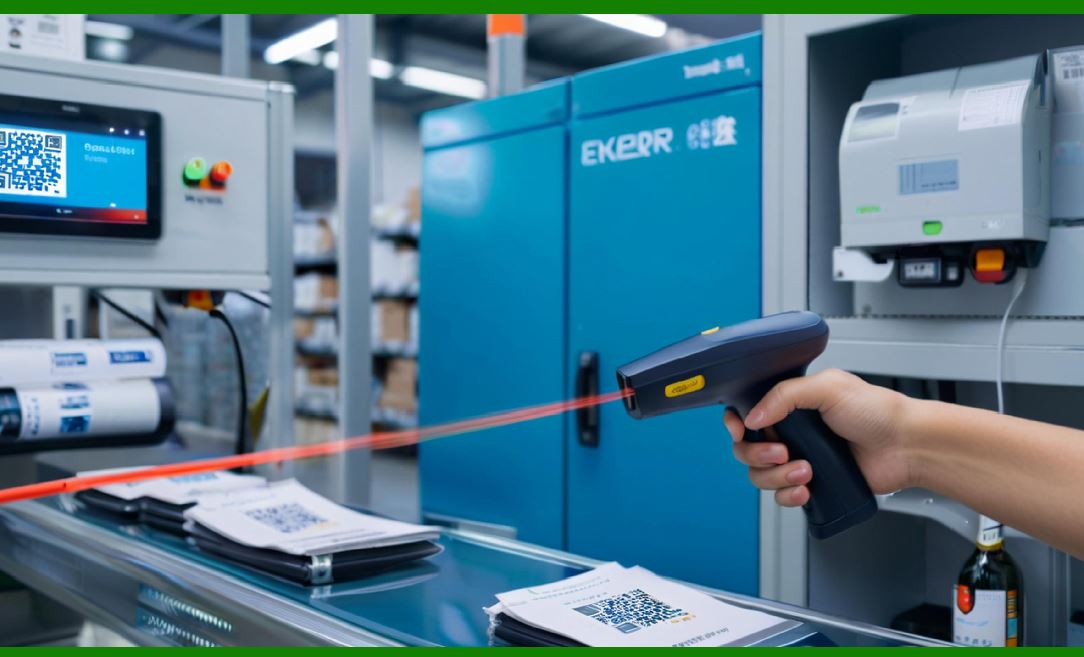
* Performance Dashboards: Continuous monitoring of scanners, printers, label generation, and ERP transaction throughput. |
* Error Analytics: Tracking common errors allows identification of root causes and corrective measures. |
* Process Refinement: Workflows are optimized based on scan speed, label readability, and operator feedback. |
* Device Calibration: Regular maintenance ensures that scanners and printers maintain accuracy and reliability. |
* Periodic Review: ERP and barcode software upgrades, business growth, and regulatory changes are reviewed to adjust integration strategies. |
Continuous improvement maximizes efficiency, accuracy, and ROI over time. |
|
97. Integration for Multi-Channel and E-Commerce Operations |
Integrated barcode systems are critical in omnichannel retail and e-commerce: |
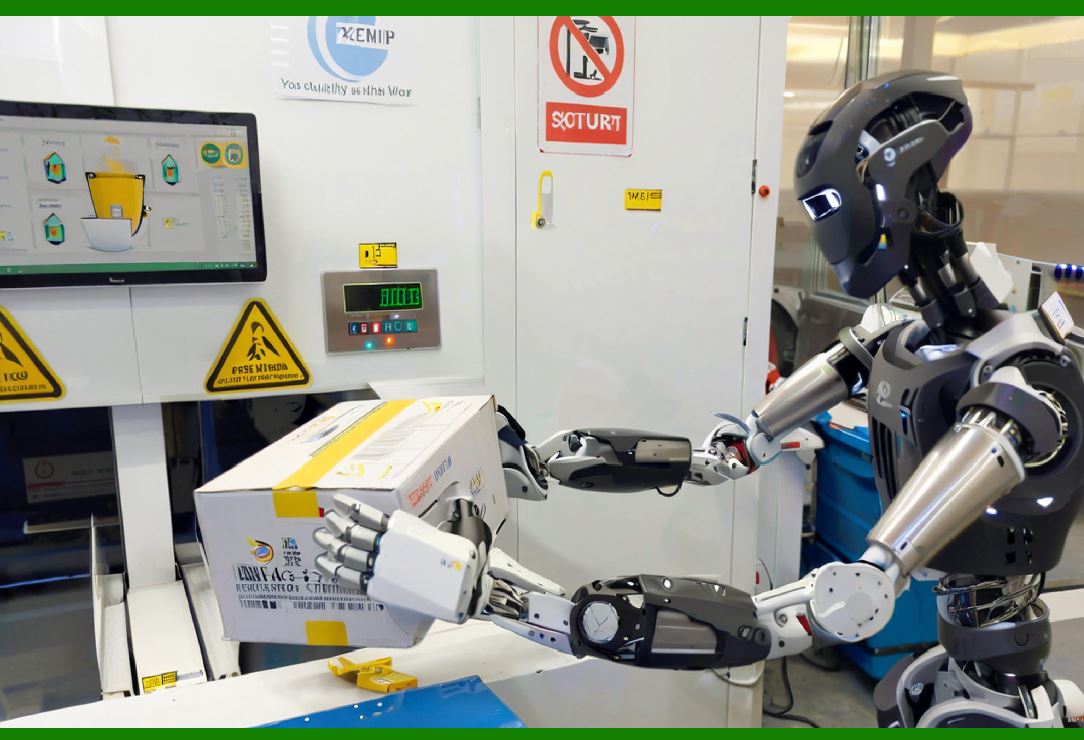
* Inventory Synchronization: Scanning updates ERP and inventory systems in real time across online stores, physical locations, and distribution centers. |
* Order Accuracy: Barcode validation ensures correct items are picked and shipped to customers. |
* Returns Management: Scans verify returned items, update stock levels, and trigger ERP workflows for refunds or exchanges. |
* Promotional and Seasonal Campaigns: Integration enables dynamic labeling and fulfillment adjustments based on sales events or customer demand. |
This integration ensures customer satisfaction while optimizing multi-channel operational efficiency. |
|
98. Strategic Recommendations for Implementation |
Enterprises planning barcode-ERP integration should consider the following strategies: |
* Comprehensive Planning: Conduct needs analysis to determine symbology, label templates, device requirements, and integration touchpoints. |
* Master Data Quality: Maintain accurate, consistent, and standardized item, location, and supplier data. |
* Device and Network Readiness: Ensure scanning and printing devices are properly configured, networked, and secured. |
* Process Documentation: Document workflows, error-handling procedures, and operational rules for consistency. |
* Scalability and Future-Proofing: Choose integration technologies that can scale with business growth and adopt emerging innovations. |
Strategic planning reduces risk, accelerates adoption, and maximizes benefits from integration. |

|
99. Key Benefits Summary |
The integration of barcode software with inventory management and ERP systems delivers multifaceted benefits: |
* Operational Efficiency: Faster, more accurate receiving, picking, packing, and shipping. |
* Error Reduction: Minimized human error through automated validation and real-time scanning. |
* Regulatory Compliance: Ensures traceability, serialization, and adherence to labeling standards. |
* Visibility and Reporting: Real-time data for inventory, production, and fulfillment decisions. |
* Scalability: Supports multi-site, multi-device, and multi-channel operations. |
* Cost Savings and ROI: Reduced labor costs, inventory discrepancies, and operational inefficiencies. |
* Strategic Advantage: Enhanced decision-making and supply chain transparency. |
These benefits demonstrate why integration is considered a cornerstone of modern enterprise operations. |

|
100. Conclusion and Future Outlook |
Barcode software integration with ERP and inventory systems represents a transformative capability for modern enterprises. By automating labeling, scanning, validation, and data exchange, organizations achieve: |
* Seamless operational workflows across multiple sites and channels. |
* Accurate, real-time inventory visibility and decision-making. |
* Compliance with global standards and regulatory requirements. |
* Scalable and flexible operations that can adapt to emerging technologies. |
Future developments, including AI-driven analytics, IoT-enabled scanning, blockchain traceability, and augmented reality, will further enhance integration capabilities. Enterprises that invest in robust, scalable, and secure integration strategies will gain a sustainable competitive advantage, reduce operational risk, and maximize ROI. |
In summary, barcode software integration is no longer a peripheral operational tool it is a strategic enabler that enhances efficiency, accuracy, compliance, and business intelligence across the entire enterprise ecosystem. |
 cs@easiersoft.com