Improved Scanning Flexibility of 2D Barcodes | 1.Introduction to Barcode Scanning Flexibility The advent of barcode technology revolutionized the way industries manage inventory, track products, and streamline processes. Traditional 1D barcodes, while highly effective, have limitations in terms of scanning flexibility. 2D barcodes, on the other hand, offer improved scanning flexibility, making them more suitable for various environments and applications. This document will delve into the reasons behind the enhanced scanning flexibility of 2D barcodes, the technical aspects that enable this flexibility, and provide detailed examples to illustrate their advantages. | 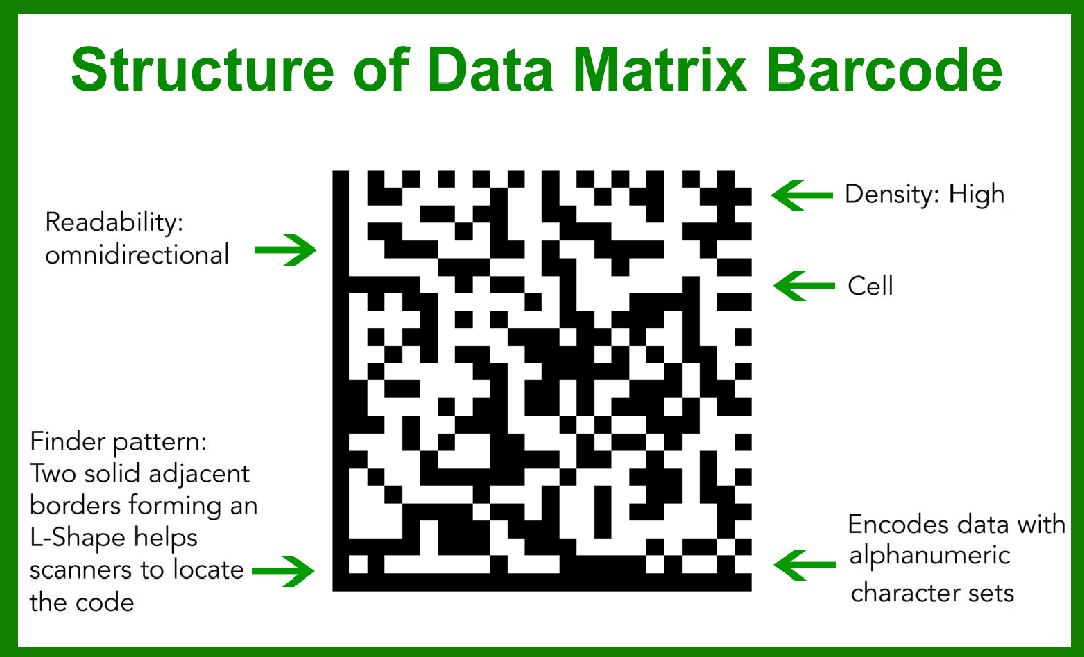
| 2.Understanding 1D Barcodes and Their Limitations 1D barcodes, also known as linear barcodes, represent data by varying the widths and spacing of parallel lines. Common examples include the Universal Product Code (UPC) and Code 39. These barcodes require precise alignment with the scanner's laser or camera for accurate reading. The linear nature of 1D barcodes means they are more susceptible to scanning issues if the barcode is tilted, partially obscured, or damaged. For instance, in a busy retail environment, a cashier must ensure the barcode is oriented correctly for the scanner to read it, which can slow down the checkout process. | 3.Introduction to 2D Barcodes 2D barcodes, in contrast, encode data both horizontally and vertically, allowing them to store significantly more information in a smaller space. Examples of 2D barcodes include QR codes, Data Matrix, and PDF417. The encoding mechanism of 2D barcodes is more robust, and their design inherently provides better scanning flexibility. This flexibility is crucial in dynamic environments where quick and reliable scanning is essential. | 
| 4.Technical Aspects of 2D Barcode Scanning Flexibility The enhanced scanning flexibility of 2D barcodes is due to several technical factors: | Omnidirectional Scanning: Unlike 1D barcodes, which need to be aligned horizontally with the scanner, 2D barcodes can be read from any angle. This omnidirectional scanning capability is made possible by the grid-like pattern of 2D barcodes, which can be interpreted correctly regardless of orientation. Error Correction: Many 2D barcodes incorporate error correction algorithms, such as Reed-Solomon error correction. This feature allows a scanner to reconstruct the encoded data even if parts of the barcode are damaged or obscured. For example, QR codes can still be read accurately if up to 30% of the code is damaged, depending on the error correction level used. Redundancy: 2D barcodes often contain redundant data, which means that the same information is encoded in multiple areas of the barcode. This redundancy ensures that even if a part of the barcode is unreadable, the scanner can still retrieve the necessary data. | 5.Omnidirectional Scanning Explained Omnidirectional scanning refers to the ability of a barcode scanner to read a barcode from any angle. This is a significant advantage over 1D barcodes, which require precise horizontal alignment. The grid-like structure of 2D barcodes, such as the checkerboard pattern of a QR code, allows scanners to interpret the data correctly regardless of the barcode's orientation. In practical terms, this means that a QR code can be scanned whether it is upright, tilted, or even upside down. This flexibility is particularly useful in environments where quick scanning is necessary, such as in warehouses, retail, and manufacturing. | 
| 6.Error Correction Mechanisms in 2D Barcodes Error correction is a critical feature of 2D barcodes that enhances their reliability and scanning flexibility. QR codes, for example, use Reed-Solomon error correction, which adds extra data to the barcode to allow for the recovery of the original information even if parts of the barcode are damaged. This error correction capability can be adjusted to different levels (L, M, Q, H) to balance between data capacity and error tolerance. In environments where barcodes may be scratched, dirty, or partially obscured, this feature ensures that the data can still be retrieved, minimizing scanning errors and improving efficiency. | 7.Redundancy in 2D Barcodes Redundancy in 2D barcodes refers to the duplication of data within the barcode. This means that the same information is stored in multiple locations within the barcode's grid. In the event that part of the barcode is unreadable, the scanner can still access the duplicated data from another part of the barcode. This redundancy enhances the robustness of 2D barcodes and contributes to their improved scanning flexibility. For instance, in a logistics setting where barcodes on packages may get damaged during transit, the redundancy feature ensures that the barcode can still be scanned successfully. | 
| 8.Examples of 2D Barcode Applications The improved scanning flexibility of 2D barcodes makes them ideal for a wide range of applications across various industries. Here are some detailed examples: | Retail: In retail environments, QR codes are used for product information, pricing, and promotions. The ability to scan QR codes from any angle speeds up the checkout process and enhances customer experience. For example, a customer can quickly scan a QR code on a product shelf to access detailed information about the item without needing to align the barcode perfectly with their smartphone camera. Manufacturing: In manufacturing, Data Matrix codes are commonly used to track components and products through the production process. The error correction and redundancy features of Data Matrix codes ensure that even if the barcode is damaged or partially obscured by grease or dust, it can still be scanned accurately, reducing downtime and errors. Logistics and Shipping: PDF417 barcodes are used in logistics and shipping for tracking parcels and managing inventory. The large data capacity and scanning flexibility of PDF417 barcodes enable quick and reliable scanning in busy warehouses where barcodes may be at various orientations and conditions. Healthcare: In healthcare, 2D barcodes are used on medication packaging and patient wristbands. The omnidirectional scanning capability and error correction of 2D barcodes ensure that important information can be retrieved quickly and accurately, even in fast-paced environments where precise alignment is challenging. Transportation: Boarding passes and tickets often use QR codes. The ability to scan these codes from any angle makes the boarding process more efficient, as passengers can present their tickets in any orientation, speeding up the check-in and boarding process. | 
| 9.Comparing 1D and 2D Barcode Scanning Efficiency The efficiency of barcode scanning is crucial in environments where speed and accuracy are essential. The following comparison highlights the differences between 1D and 2D barcode scanning efficiency: | Scanning Speed: 2D barcodes can be scanned faster than 1D barcodes due to their omnidirectional nature. This reduces the time spent aligning the barcode with the scanner, which is particularly beneficial in high-volume environments such as retail checkouts and warehouse operations. Accuracy: The error correction and redundancy features of 2D barcodes enhance scanning accuracy. Even if the barcode is damaged or partially obscured, the scanner can retrieve the correct data, reducing the likelihood of scanning errors and the need for rescanning. Data Capacity: 2D barcodes can store significantly more information than 1D barcodes. This increased data capacity allows for the inclusion of more detailed product information, batch numbers, expiration dates, and other critical data, which can be quickly accessed during scanning. | 
| 10.Case Study: QR Codes in Retail To illustrate the benefits of 2D barcodes in a real-world setting, consider the use of QR codes in retail. A major retail chain implemented QR codes on product tags and shelves to provide customers with detailed product information and promotional offers. The QR codes were designed to be scanned from any angle, allowing customers to quickly access the information using their smartphones. The implementation of QR codes resulted in a significant reduction in checkout times, as cashiers could scan the codes faster than traditional 1D barcodes. Additionally, customers reported a more convenient shopping experience, as they could easily access product information without needing to handle the items directly. | 11.Case Study: Data Matrix Codes in Manufacturing In the manufacturing industry, a leading electronics manufacturer adopted Data Matrix codes to track components through the assembly process. The Data Matrix codes were printed on small components, which could be damaged or obscured during handling. The error correction and redundancy features of the Data Matrix codes ensured that the components could still be accurately tracked, even if the codes were partially damaged. This improved tracking accuracy reduced production delays and errors, leading to increased efficiency and cost savings for the manufacturer. | 
| 12.Case Study: PDF417 Barcodes in Logistics A global logistics company implemented PDF417 barcodes on shipping labels to improve package tracking and inventory management. The PDF417 barcodes were chosen for their large data capacity and scanning flexibility. In busy warehouses, packages are often stacked and oriented in various directions, making precise alignment challenging. The omnidirectional scanning capability of PDF417 barcodes allowed warehouse workers to quickly scan packages from any angle, improving the speed and accuracy of inventory management. The error correction feature also ensured that damaged labels could still be read, reducing the need for manual data entry and minimizing errors. | 13.Future Trends in 2D Barcode Technology As technology continues to evolve, 2D barcode technology is expected to advance further, offering even greater scanning flexibility and efficiency. Some future trends in 2D barcode technology include: | Enhanced Error Correction: Future developments may lead to even more robust error correction algorithms, allowing 2D barcodes to tolerate higher levels of damage and distortion without compromising data integrity. Increased Data Capacity: Advances in encoding techniques could enable 2D barcodes to store even more information in the same physical space, further enhancing their utility in applications that require detailed data. Integration with Emerging Technologies: The integration of 2D barcodes with emerging technologies such as augmented reality (AR) and the Internet of Things (IoT) could provide new ways to interact with and utilize barcode data, creating more seamless and interactive experiences for users. | 
| 14.Conclusion The improved scanning flexibility of 2D barcodes offers significant advantages over traditional 1D barcodes, making them more suitable for a wide range of applications across various industries. The technical aspects of 2D barcodes, including omnidirectional scanning, error correction, and redundancy, contribute to their enhanced reliability and efficiency. Real-world examples from retail, manufacturing, logistics, and healthcare demonstrate the practical benefits of 2D barcodes in dynamic environments where quick and accurate scanning is essential. As technology continues to advance, 2D barcodes are poised to play an even more integral role in the future of data management and automation. | 15.Summary of Key Points | Omnidirectional Scanning: 2D barcodes can be scanned from any angle, providing greater flexibility and speed in various applications. Error Correction: The incorporation of error correction algorithms ensures that 2D barcodes can be accurately read even if they are partially damaged or obscured. Redundancy: Redundant data storage within 2D barcodes enhances their robustness and reliability. Examples of Applications: 2D barcodes are used in retail, manufacturing, logistics, healthcare, and transportation, offering improved efficiency and user experience. Future Trends: Ongoing advancements in 2D barcode technology are expected to further enhance their capabilities and integration with emerging technologies. | 
| 16.Further Reading and Resources For readers interested in exploring the topic further, the following resources provide additional information on 2D barcode technology and its applications: | 'QR Code Essentials' by Kenichi Umeda 'Barcode Bootcamp for Beginners' by Anisha Patel 'Automatic Identification and Data Collection (AIDC): A Comprehensive Guide' by Mark Roberti 'Understanding Barcodes: From UPC to 2D Codes' by Thomas O'Connor | 17.Practical Tips for Implementing 2D Barcodes | Choosing the Right Type: Select the appropriate 2D barcode type based on the specific requirements of your application, such as data capacity, scanning environment, and durability needs. Error Correction Level: Adjust the error correction level of QR codes according to the expected level of damage or distortion in your application. Printing Quality: Ensure high-quality printing of 2D barcodes to maximize readability and scanning efficiency. Scanner Compatibility: Use compatible scanners and software that can handle the specific type and features of your 2D barcodes. | 
| 18.Conclusion The improved scanning flexibility of 2D barcodes represents a significant advancement in barcode technology. By addressing the limitations of 1D barcodes and providing enhanced reliability, efficiency, and versatility, 2D barcodes have become indispensable tools in modern data management and automation. The detailed exploration of their technical aspects, practical applications, and future trends underscores their pivotal role in various industries and highlights their potential for further innovation and integration with emerging technologies. |
|
 cs@easiersoft.com