GS1 is a worldwide organization that plays a pivotal role in supply chain management. Their mission is to create a common foundation for businesses by uniquely identifying, accurately capturing, and automatically sharing vital information about products, locations, assets, and more. |
|
Some key aspects of GS1 standards: |
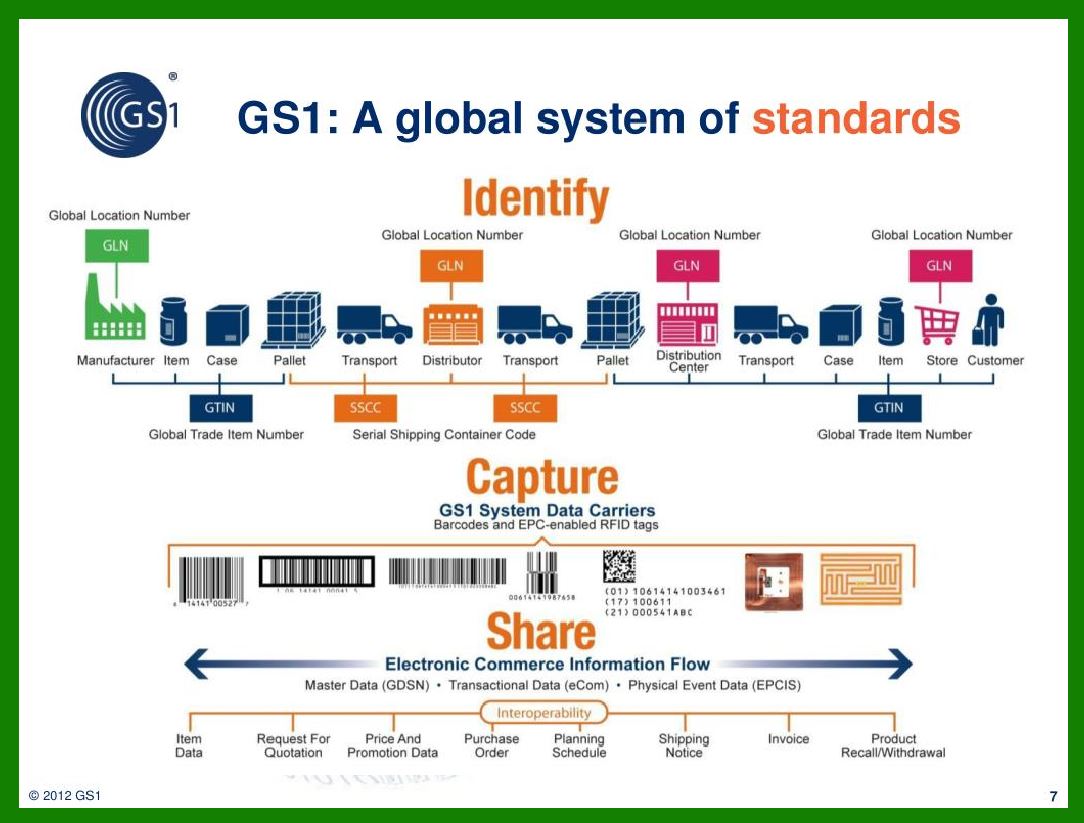
GTIN (Global Trade Item Number): These barcodes help identify products and services. They are commonly seen on consumer products and facilitate efficient inventory management. |
EAN/UPC Barcodes: These encode identity on consumer products. You've probably encountered them while shopping—they're the familiar barcodes on product packaging. |
|
GLN (Global Location Number): GLNs are used to identify parties and locations within the supply chain. They ensure transparency and compatibility across different systems. |
GPC (Global Product Classification): This standard helps classify products based on essential characteristics. It simplifies product categorization and enhances data accuracy. |
2D Barcodes: These barcodes can encode more data and even enable web-based interactions. They're commonly used for tracking and traceability. |
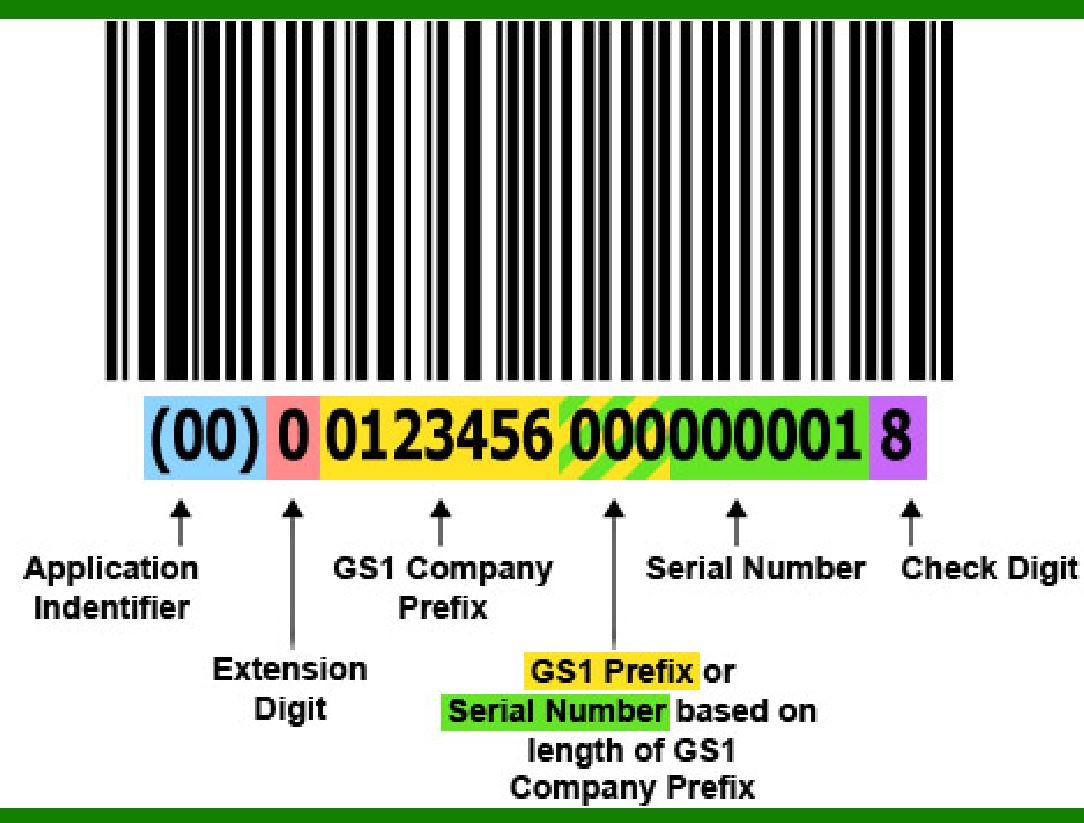
SSCC (Serial Shipping Container Code): SSCCs uniquely identify logistic units (such as pallets or containers) as they move through the supply chain. |
|
GDSN (Global Data Synchronization Network): GDSN allows for automatic sharing of master product data among trading partners. It streamlines processes and reduces errors. |
EPCIS (Electronic Product Code Information Services) & CBV (Core Business Vocabulary): These standards enable the sharing of product movement and status information across the supply chain. |
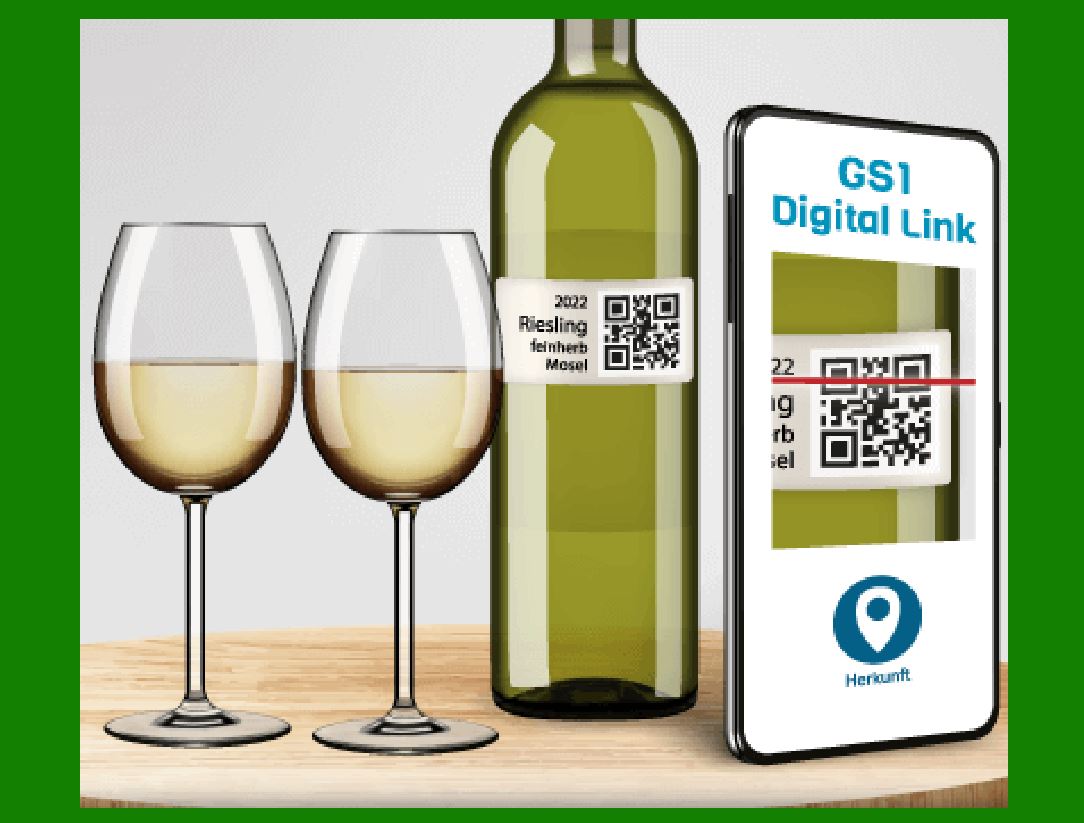
GS1 Digital Link: This standard encodes a URL into a barcode or tag, allowing consumers to access additional information about a product. |
|
In summary, GS1 standards provide a common language for identifying, capturing, and sharing supply chain data. They ensure that crucial information is accessible, accurate, and easy to understand. If you'd like to explore how these standards work in various industries, check out the GS1 Discovery App. |
Additionally, GS1 actively combats counterfeiting and promotes traceability solutions to enhance supply chain excellence. |
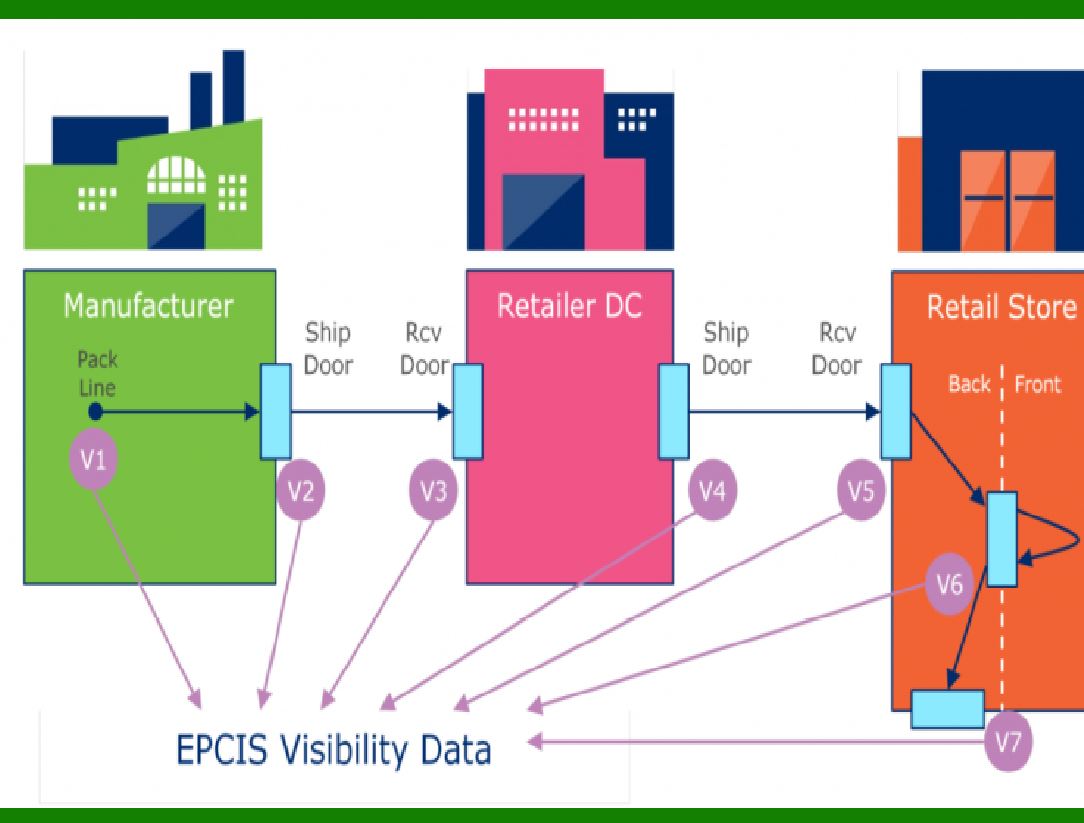
EPCIS (Electronic Product Code Information Services) is a powerful standard developed by GS1 that enhances supply chain visibility by enabling real-time tracking and traceability of products as they traverse the supply chain. |
|
Let's delve into its benefits: Greater Visibility and Traceability: EPCIS provides real-time visibility into the movement of products and other assets. It answers critical questions such as "what, when, where, why, and how" regarding product status, location, movement, and chain of custody. |
Improved Efficiency: By offering a standardized framework for capturing and sharing data, EPCIS streamlines supply chain operations. It ensures that relevant information is accessible across enterprises, trading partners, and stakeholders. This efficiency leads to better resource allocation and reduced operational costs. |
Better Decision-Making: With accurate and timely data, businesses can make informed decisions. EPCIS enables organizations to track products whereabouts, monitor sensor data (e.g., temperature in cold chains), and assess chemical concentrations (for food safety). Armed with this knowledge, companies can optimize processes and respond proactively to supply chain disruptions. |
|
Increased Customer Satisfaction: EPCIS contributes to a seamless customer experience. Consumers benefit from knowing the origin, handling, and safety of products they purchase. Whether it's tracking the freshness of perishable goods or ensuring timely delivery, EPCIS enhances customer trust. |
In summary, EPCIS serves as a traceability event messaging standard, fostering supply chain visibility and promoting data-driven decision-making. Its adoption across industries such as automotive, healthcare, retail, and more'has led to improved business processes, compliance, and safety. |
 cs@easiersoft.com