Advantages of 2D Barcodes: Capacity Constraints |
1. Introduction to Barcode Types |
1.1 Introduction to 1D Barcodes |
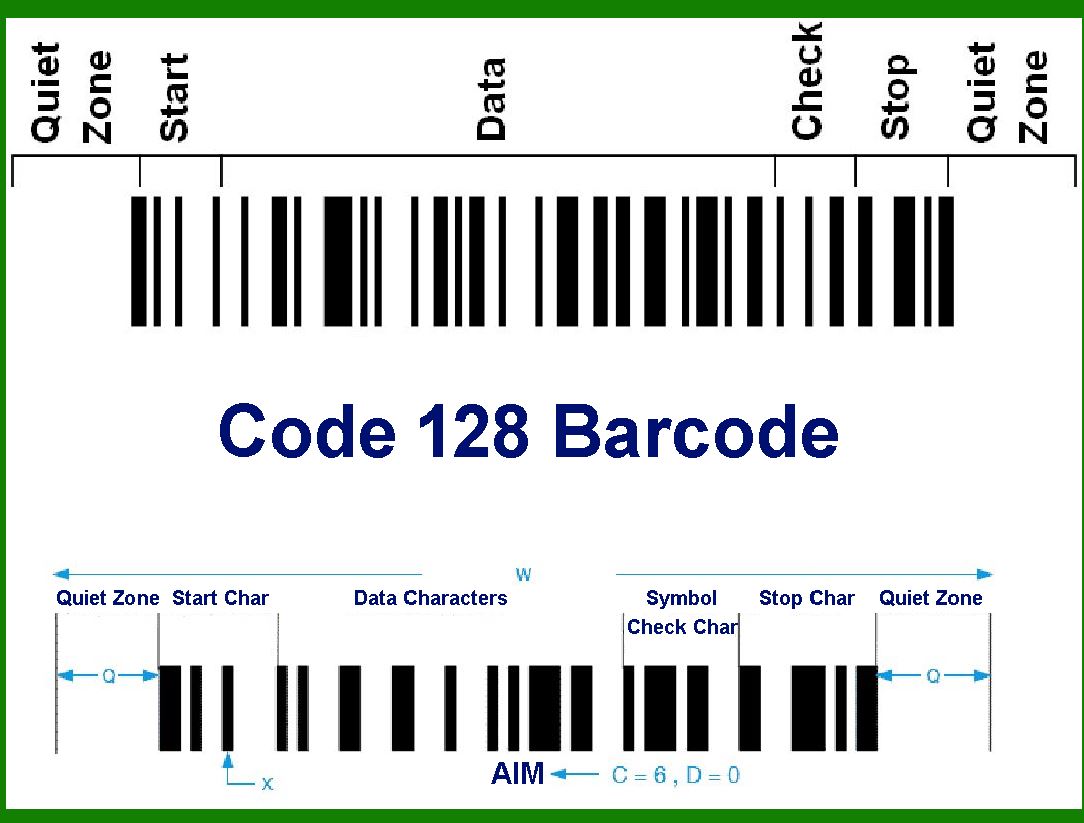
Linear barcodes, often referred to as 1D barcodes, are the most familiar type of barcodes. Examples include the Universal Product Code (UPC) and the European Article Number (EAN). These barcodes encode data in a series of parallel lines and spaces. Each line and space combination represents a different character, with the width of the bars and gaps corresponding to the data. The primary limitation of 1D barcodes lies in their capacity to store information. Typically, a standard UPC code can encode only 12 numerical digits, which translates to a limited amount of data-often only enough to represent a product identifier or a short code. |
1.2 Introduction to 2D Barcodes |
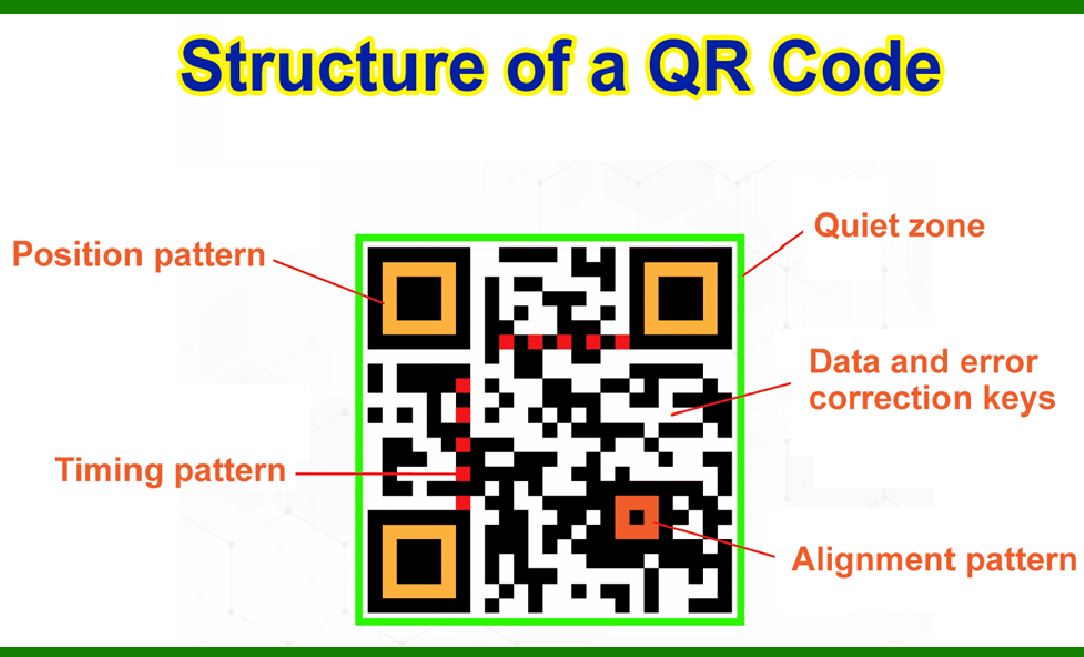
In contrast, 2D barcodes, such as QR codes, DataMatrix codes, and PDF417 codes, encode data in both horizontal and vertical dimensions. This allows 2D barcodes to store significantly more information compared to their 1D counterparts. The data is represented in patterns of squares, dots, or hexagons, enabling a higher density of information. The shift from 1D to 2D barcodes addresses the capacity constraints inherent in linear barcodes, providing a solution for applications that require the encoding of larger volumes of data. |
|
2. Capacity of 1D Barcodes |
2.1 Limitations of Linear Encoding |
The fundamental design of 1D barcodes involves a single line of data, which constrains the amount of information that can be encoded. For example, the UPC-A format, one of the most common 1D barcodes, encodes a 12-digit number. This format is adequate for many retail applications, but it becomes limiting when there is a need to store more complex data or additional information. |
2.2 Typical Uses and Constraints |
While 1D barcodes are highly efficient for their intended purpose-encoding product identifiers and simple data-they are limited in their ability to handle additional information. For instance, the EAN-13 code, an extension of UPC, can encode 13 digits, but this is still relatively small compared to the data storage capacity of 2D barcodes. The constraint becomes apparent in applications such as logistics, where additional data such as batch numbers, expiration dates, or detailed product information needs to be encoded. |
2.3 Example of Data Limitation |
Consider a retail setting where a 1D barcode is used to encode a product's identifier. The UPC code provides the ability to uniquely identify the product, but it does not accommodate additional details like pricing, manufacturing information, or promotional codes. Each additional piece of information would require a separate barcode or alternative methods of encoding, complicating the inventory management process. |
|
3. Advantages of 2D Barcodes Over 1D Barcodes |
3.1 Increased Data Capacity |
2D barcodes offer a significant advantage over 1D barcodes in terms of data capacity. For example, a QR code, one of the most popular 2D barcodes, can store up to 4,296 alphanumeric characters. This is a substantial increase compared to the 12-digit limit of a UPC code. The increased capacity allows for the encoding of more complex information, such as URLs, contact information, and detailed product descriptions, all within a single code. |
3.2 Versatility and Flexibility |
2D barcodes are designed to be highly versatile. They can store various types of data, including numeric, alphanumeric, and binary information. This flexibility is beneficial in diverse applications. For instance, DataMatrix codes, another type of 2D barcode, can encode up to 2,335 alphanumeric characters, making them suitable for applications such as tracking small items or components in the aerospace industry. |
3.3 Error Correction and Robustness |
Many 2D barcodes incorporate error correction mechanisms that enhance their robustness. QR codes, for example, use Reed-Solomon error correction to recover data even if the code is partially damaged or obscured. This feature is particularly useful in environments where barcodes may be subjected to wear and tear, such as on packaging or labels exposed to the elements. |
3.4 Enhanced Data Encoding Examples |
To illustrate the practical benefits of 2D barcodes, consider a logistics scenario where a DataMatrix code is used to track shipments. The code can encode detailed information such as the shipment's destination, handling instructions, and a unique tracking number. This comprehensive data set, encoded in a compact 2D barcode, simplifies logistics management and improves efficiency compared to a 1D barcode, which would require additional barcodes or systems to store the same amount of information. |

|
4. Practical Applications and Examples |
4.1 Retail and Consumer Goods |
In retail, 2D barcodes provide enhanced functionality compared to 1D barcodes. For example, a QR code on a product packaging can link consumers to a website with detailed product information, promotional offers, or customer reviews. This added functionality not only enhances the shopping experience but also provides businesses with valuable consumer engagement data. |
4.2 Healthcare and Pharmaceuticals |
In the healthcare and pharmaceutical industries, 2D barcodes are crucial for improving safety and efficiency. For instance, DataMatrix codes are used on vials and packaging to store critical information such as drug name, dosage, and expiration date. This allows for precise tracking and reduces the risk of errors compared to using a 1D barcode that might only encode a product identifier. |
4.3 Logistics and Supply Chain |
In logistics, 2D barcodes streamline operations by encoding detailed shipment information. For example, a PDF417 code can store data such as shipment contents, handling instructions, and destination addresses. This comprehensive encoding facilitates efficient tracking and management of goods throughout the supply chain, reducing the need for multiple barcodes and simplifying inventory control. |
4.4 Event Management and Ticketing |
For event management and ticketing, 2D barcodes offer advantages in encoding ticket details and access permissions. A QR code on an event ticket can store information such as the attendee's name, seat number, and event date. This simplifies the check-in process and allows for quick and accurate verification of tickets. |

|
5. Conclusion |
5.1 Summary of Advantages |
In summary, 2D barcodes provide a substantial advantage over 1D barcodes in terms of data capacity, versatility, and error correction. The ability to store a larger amount of information in a compact format makes 2D barcodes suitable for a wide range of applications, from retail and healthcare to logistics and event management. This increased capacity addresses the limitations of 1D barcodes and offers a more flexible solution for encoding complex data. |
5.2 Future Prospects |
As technology continues to advance, the use of 2D barcodes is expected to grow, with ongoing developments in encoding techniques and error correction algorithms. The future may see even more innovative applications and improvements in barcode technology, further expanding the possibilities for data encoding and management. |
5.3 Final Thoughts |
The transition from 1D to 2D barcodes represents a significant leap in the ability to manage and utilize data. By overcoming the capacity constraints of linear barcodes, 2D barcodes offer a robust and flexible solution for modern data encoding needs. As industries continue to adopt and integrate these technologies, the benefits of increased data capacity and enhanced functionality will become even more pronounced, driving efficiency and innovation across various sectors. |

|
 cs@easiersoft.com