1. Introduction to Barcode Technology |
1.1 Barcode technology is one of the most influential innovations in modern information processing, retail, logistics, and industrial automation. Since its introduction in the mid-20th century, barcodes have revolutionized how products are identified, tracked, and managed across global supply chains. A barcode, at its simplest, is a visual representation of data encoded in a way that can be read quickly and accurately by a machine, typically through an optical scanner. |
1.2 The earliest barcodes were one-dimensional (1D), consisting of a series of parallel black and white bars of varying widths. Each unique sequence of these bars corresponds to a numerical or alphanumeric code. Over time, however, as the demand for faster, more efficient, and more data-rich methods of information encoding grew, two-dimensional (2D) barcodes emerged. Unlike 1D barcodes, which only encode information horizontally, 2D barcodes encode data both horizontally and vertically, making them far more versatile. |
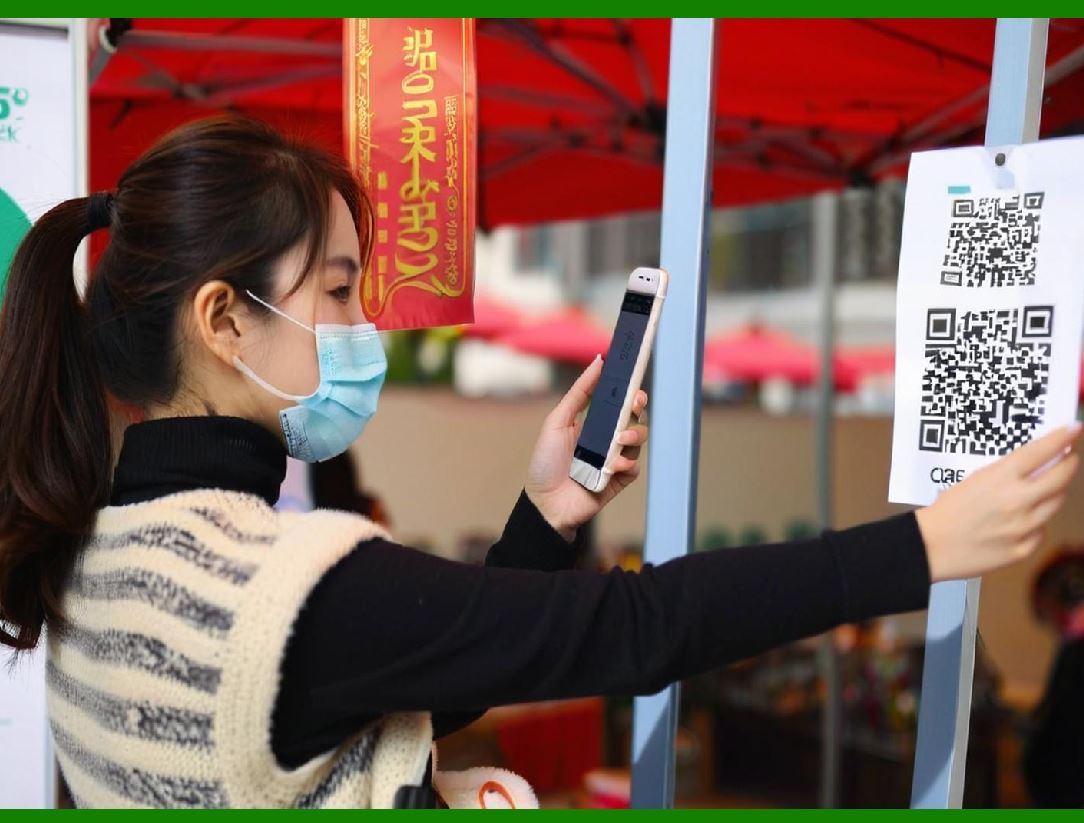
1.3 To fully appreciate the advantages of 2D barcodes over 1D barcodes, one must understand that this is not simply an incremental improvement but rather a paradigm shift. The jump from 1D to 2D represents a leap from limited, linear information encoding to multidimensional, high-capacity encoding capable of supporting modern applications such as mobile payments, logistics automation, healthcare management, ticketing, authentication, and the Internet of Things. |
1.4 This document will explore in exhaustive detail the advantages of 2D barcodes over 1D barcodes, spanning technical, operational, economic, social, and strategic perspectives. By the end, readers will gain not only a comprehensive understanding of why 2D barcodes dominate modern industries but also how they will continue shaping future innovations in digital transformation. |
|
2. Data Capacity: One of the Most Fundamental Advantages |
2.1 The most obvious and widely cited advantage of 2D barcodes over 1D barcodes is their vastly superior data capacity. While 1D barcodes can typically encode between 8 and 20 characters of data, depending on the symbology and print size, 2D barcodes can encode hundreds to thousands of characters in the same or smaller physical space. |
2.2 For example, a UPC-A barcode (a common 1D code) contains exactly 12 numeric digits, which correspond to a manufacturer identifier and product identifier. In contrast, a QR Code (a common 2D code) can encode up to 7,089 numeric characters, 4,296 alphanumeric characters, or 2,953 bytes of binary data. This exponential increase in storage capacity allows 2D barcodes to carry far more complex and detailed information. |
2.3 The implications of this higher data density are enormous. In logistics, for instance, a 1D barcode might only represent a product identification number that must be cross-referenced in a database to retrieve further details. A 2D barcode, by contrast, can encode not just the product identifier but also lot number, batch information, manufacturing date, expiration date, origin, and even customer-specific details all within the symbol itself. |
2.4 This reduces reliance on backend systems for data lookups and enables decentralized verification. For example, in pharmaceuticals, a 2D Data Matrix code can encode both the Global Trade Item Number (GTIN) and critical traceability information required by regulations. This means that a pharmacist, customs officer, or even a consumer can verify product authenticity without needing to access a central database. |
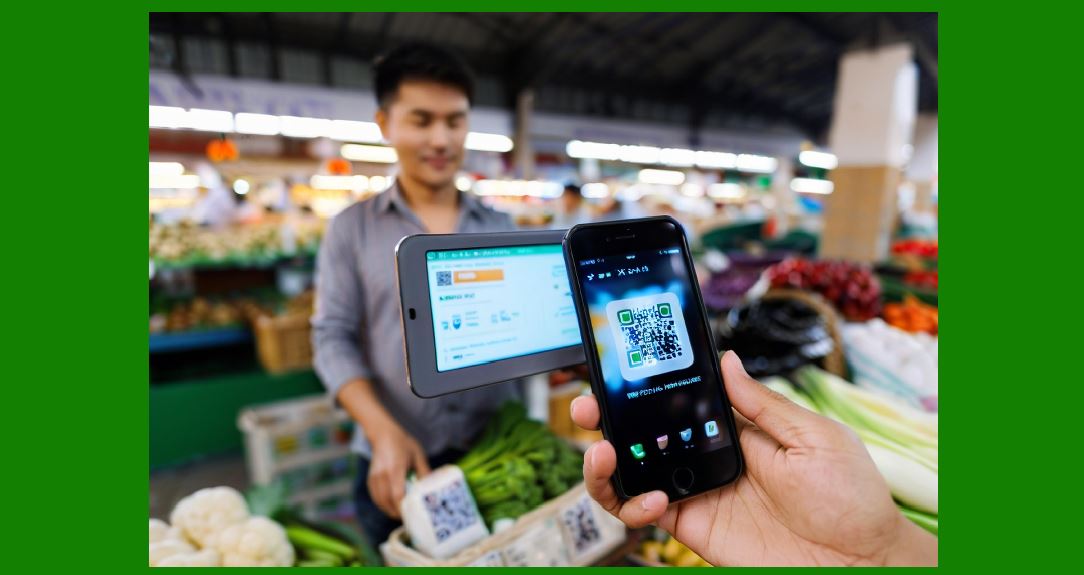
2.5 Data density also allows for new types of applications. 2D barcodes can encode URLs, vCard contact information, Wi-Fi configuration settings, payment instructions, or cryptographic signatures. This versatility makes them integral to mobile and digital ecosystems, something that 1D barcodes cannot achieve. |
|
3. Physical Size and Space Efficiency |
3.1 Another significant advantage of 2D barcodes over 1D barcodes is their space efficiency. 1D barcodes rely on length to store information the more characters you encode, the longer the barcode becomes. As a result, long 1D barcodes can take up considerable horizontal space, making them impractical for small items or compact labels. |
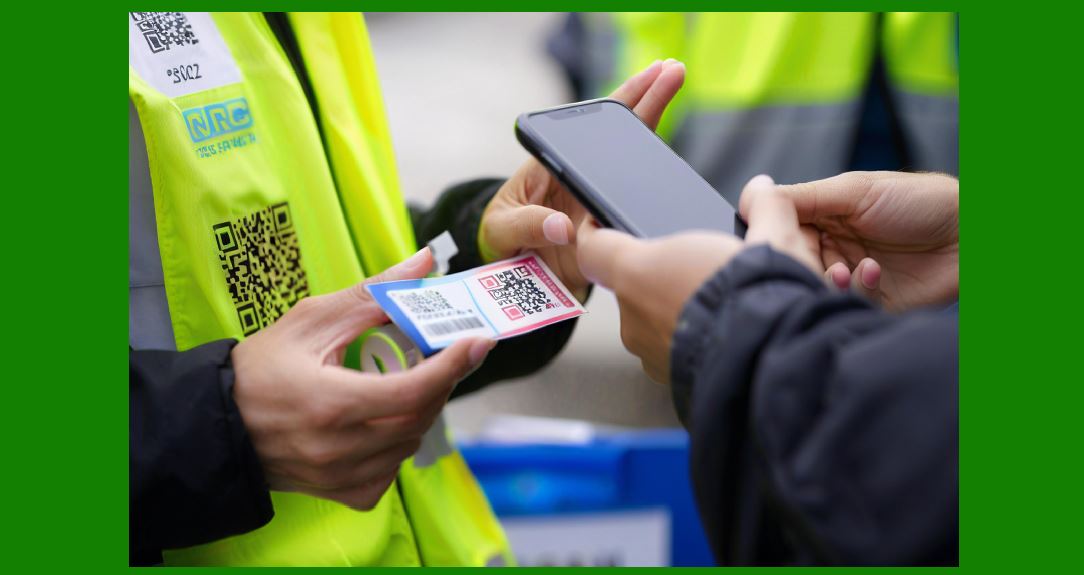
3.2 By contrast, 2D barcodes utilize both dimensions height and width to pack more data into a smaller area. Even when encoding hundreds of characters, a 2D barcode can fit into a square space no larger than a postage stamp. This makes them ideal for small consumer electronics, tiny pharmaceutical vials, jewelry tags, printed tickets, or documents with limited margins. |
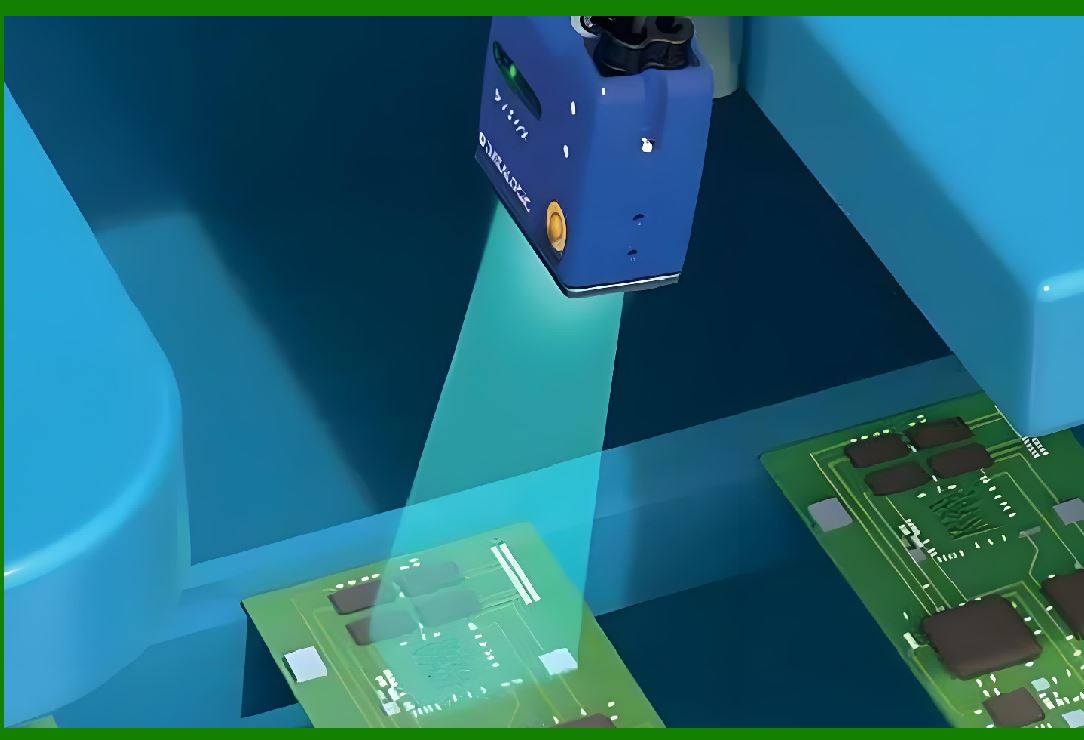
3.3 For industries dealing with miniaturized products, this space efficiency is indispensable. Consider microelectronics: chips and circuit boards require traceability marks but offer extremely limited surface area for printing. A 2D Data Matrix code can encode a full serial number and traceability information in a symbol less than 2 millimeters square, something impossible with a 1D barcode. |
3.4 Space efficiency also reduces label printing costs. Since 2D barcodes occupy less physical area for the same amount of data, companies can reduce label size, paper usage, and packaging material. When multiplied across millions of products, this translates into substantial cost savings. |
3.5 Moreover, the compactness of 2D barcodes supports design flexibility. Companies do not have to compromise on branding or packaging aesthetics by reserving large areas for barcodes. A small but information-rich 2D barcode can coexist unobtrusively with logos, instructions, and graphic design elements. |
|
4. Error Correction and Reliability |
4.1 A critical advantage of 2D barcodes lies in their built-in error correction mechanisms. Most 1D barcodes lack any significant error correction, meaning that if part of the barcode is damaged, smudged, or obscured, it may become unreadable. In contrast, many 2D barcode symbologies incorporate error correction algorithms such as Reed¨CSolomon codes, which allow the barcode to remain scannable even if a significant portion is destroyed. |
4.2 For instance, a QR Code can be configured to recover from 7% to 30% data loss, depending on the selected error correction level. This means that even if the barcode is scratched, torn, partially covered by dirt, or printed on a curved or irregular surface, scanners can still accurately decode the information. |
4.3 Error correction dramatically increases reliability in real-world environments where barcodes are subjected to wear, environmental stress, and handling. In industrial and logistics operations, barcodes may encounter dust, moisture, abrasion, or chemical exposure. In retail, barcodes may be crumpled or partially obscured by price stickers. 2D barcodes¡¯ error tolerance ensures uninterrupted functionality in these conditions. |
4.4 This reliability is especially important in high-stakes industries such as healthcare and aviation. A damaged barcode on a medication vial must still be scannable to avoid life-threatening errors. A partially scratched barcode on an aircraft component must still yield accurate data to ensure maintenance safety. 2D barcodes provide this assurance in ways that 1D barcodes cannot. |
4.5 Furthermore, error correction enhances long-term readability. Documents, certificates, and archival materials may degrade over time. 2D barcodes printed on paper or labels can still be reliably decoded decades later, provided a portion of the symbol remains intact. This makes them ideal for long-term identification and preservation applications. |
|
5. Versatility of Data Encoding |
5.1 One of the major advantages of 2D barcodes compared to 1D barcodes lies in the variety of data types that can be encoded. A 1D barcode is generally limited to representing numeric or, in some cases, alphanumeric strings. These strings must then be cross-referenced in a database to access the full information about the item. |
5.2 By contrast, 2D barcodes are not restricted to simple alphanumeric encoding. They can store binary data, extended character sets, symbols, and even specialized information formats such as URLs, XML snippets, or vCard contact details. This capability transforms them into flexible carriers of information, not merely identifiers. |
5.3 For example, a 2D barcode printed on a business card can directly contain the full contact details of the individual, including name, phone number, email, company, and web address. When scanned, the user¡¯s smartphone can instantly import the information into their address book. A 1D barcode cannot perform this function, as it cannot embed such diverse and structured data. |
5.4 Another key use case is wireless configuration encoding. A 2D QR Code can store Wi-Fi SSID, password, and encryption details in a standardized format. By scanning the code, a smartphone automatically connects to the network. This bypasses the need for manual data entry, reducing human error and improving user experience. |
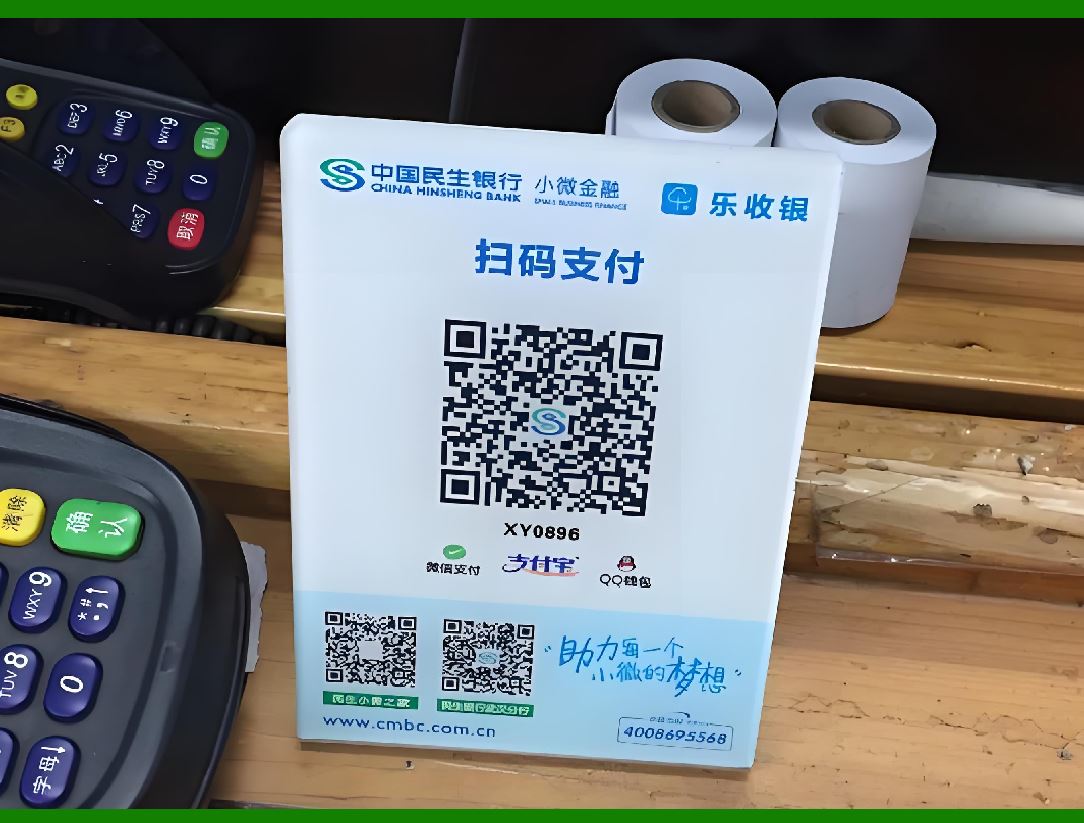
5.5 Payment and authentication systems also benefit from the versatility of 2D barcodes. A QR Code on a payment terminal can encode transaction details such as merchant ID, transaction amount, and cryptographic signatures. Customers scanning the code initiate secure payments instantly. The barcode here is not merely pointing to a database record but actively carrying structured payment instructions. |
5.6 Furthermore, 2D barcodes support multilingual encoding. Since they can encode Unicode characters, they are suitable for global use in countries with non-Latin scripts such as Chinese, Japanese, Arabic, or Cyrillic alphabets. This universality allows multinational companies to standardize systems without worrying about language or regional character limitations. |
5.7 The ability to directly encode meaningful data reduces dependency on network connectivity. In areas with limited or no internet access, a 2D barcode can contain all the essential information needed for verification, configuration, or identification, whereas a 1D barcode would fail without a supporting database. |
|
6. Independence from Centralized Databases |
6.1 A fundamental limitation of 1D barcodes is their reliance on external databases. A UPC-A barcode, for instance, does not provide product details by itself it merely encodes a numeric identifier that must be matched against a retailer¡¯s or manufacturer¡¯s product database to retrieve information such as the product name, price, or description. |
6.2 This dependency becomes a bottleneck in situations where connectivity is poor, database access is restricted, or latency is critical. It also introduces a single point of failure: if the database is corrupted, unavailable, or misconfigured, the barcode loses its functionality. |
6.3 By contrast, 2D barcodes can embed all or most relevant information directly into the symbol itself. Instead of merely being a pointer, the barcode becomes a self-contained data carrier. For example, a 2D Data Matrix code on a medical device can include product identifiers, manufacturing date, serial number, and expiration date. Even if the database is offline, users can extract essential details directly from the code. |
6.4 This self-sufficiency is invaluable in critical environments. In humanitarian aid distribution, for example, barcodes on supply packages may be scanned in remote regions without internet access. If the barcode contains full details of the contents, workers can still distribute goods accurately without querying a central system. |
6.5 In digital ticketing, embedding validity rules directly into the 2D code ensures that the ticket can be verified offline. A concert ticket QR Code might include event details, seat number, and a cryptographic hash. Gate scanners can validate the ticket¡¯s authenticity without needing continuous internet access, ensuring seamless entry even when connectivity is overloaded by crowds. |
6.6 By enabling decentralized validation, 2D barcodes improve resilience and reliability. They empower organizations to operate in diverse conditions remote areas, disaster zones, or crowded venues without being crippled by infrastructure limitations. This independence represents a leap forward in usability and reliability over 1D barcodes. |

|
7. Enhanced Security and Anti-Counterfeiting |
7.1 Security has become an essential concern in today¡¯s globalized world, where counterfeiting, fraud, and identity theft are rampant. One of the strongest advantages of 2D barcodes over 1D barcodes is their ability to incorporate security features that safeguard authenticity and integrity. |
7.2 1D barcodes are highly vulnerable to duplication. Anyone with a basic printer can replicate a UPC or Code 128 barcode. Since the data is simple and often corresponds to a database record, the duplicate is indistinguishable from the original unless additional checks are performed. |
7.3 In contrast, 2D barcodes allow for cryptographic integration. A QR Code or Data Matrix can embed digital signatures, encrypted payloads, or checksums. This ensures that the information cannot be altered or forged without detection. For instance, a pharmaceutical company can digitally sign the serialized product code embedded in a 2D barcode. A scanner with the public key can instantly verify authenticity. |
7.4 Another example is secure payment QR Codes. When a customer scans the code, their app verifies the merchant¡¯s cryptographic signature to confirm that the payment is directed to the correct account, protecting against man-in-the-middle attacks or fraudulent code replacements. |
7.5 2D barcodes also support tamper-evident encoding. Since they can carry more information, manufacturers can include production metadata, random identifiers, or transaction-specific codes that are extremely difficult to replicate. This enables robust track-and-trace solutions across industries such as pharmaceuticals, luxury goods, and electronics. |
7.6 Beyond counterfeiting prevention, 2D barcodes also enhance data integrity. Built-in error correction not only ensures readability but also prevents undetected alterations. If part of the barcode is tampered with, the error correction algorithm either restores the original data or flags the symbol as invalid. |
7.7 As regulatory environments tighten globally such as with the EU Falsified Medicines Directive or U.S. Drug Supply Chain Security Act the security superiority of 2D barcodes makes them indispensable for compliance. Unlike 1D barcodes, which lack the space or sophistication for embedded security features, 2D barcodes provide a scalable and reliable solution to combat fraud. |
|
8. Faster and More Flexible Scanning |
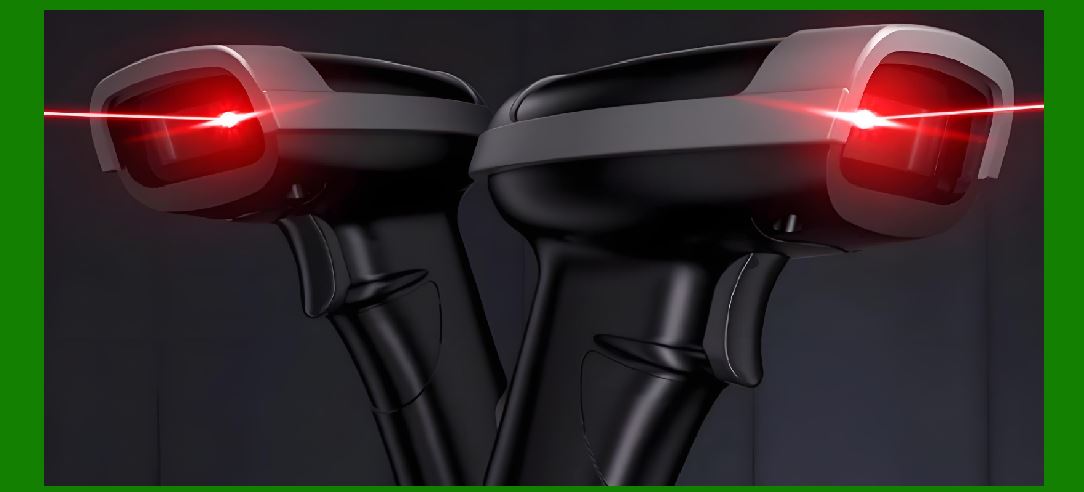
8.1 Another practical advantage of 2D barcodes is the speed and flexibility of scanning. Traditional 1D barcodes require linear scanning, meaning that the scanner must sweep across the barcode in alignment with its orientation. If the code is rotated, tilted, or partially obscured, scanning can be difficult or fail altogether. |
8.2 2D barcodes, however, can be read omnidirectionally. Imaging scanners capture the entire symbol at once and decode it regardless of orientation. This means that users can scan a QR Code upside down, sideways, or at an angle without any issues. |
8.3 This capability significantly improves efficiency in real-world operations. In retail, customers scanning mobile coupons or loyalty codes on their phones can present the screen at any angle, and the scanner will still decode the code instantly. In logistics, warehouse staff can quickly scan packages without meticulously aligning each label. |
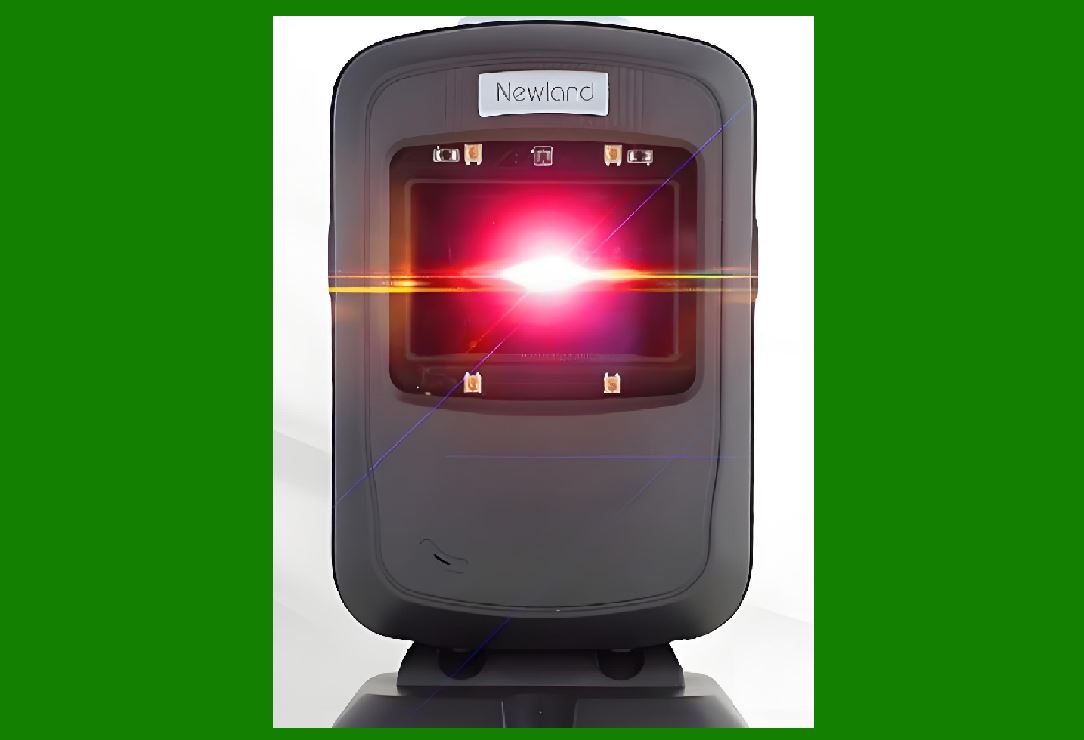
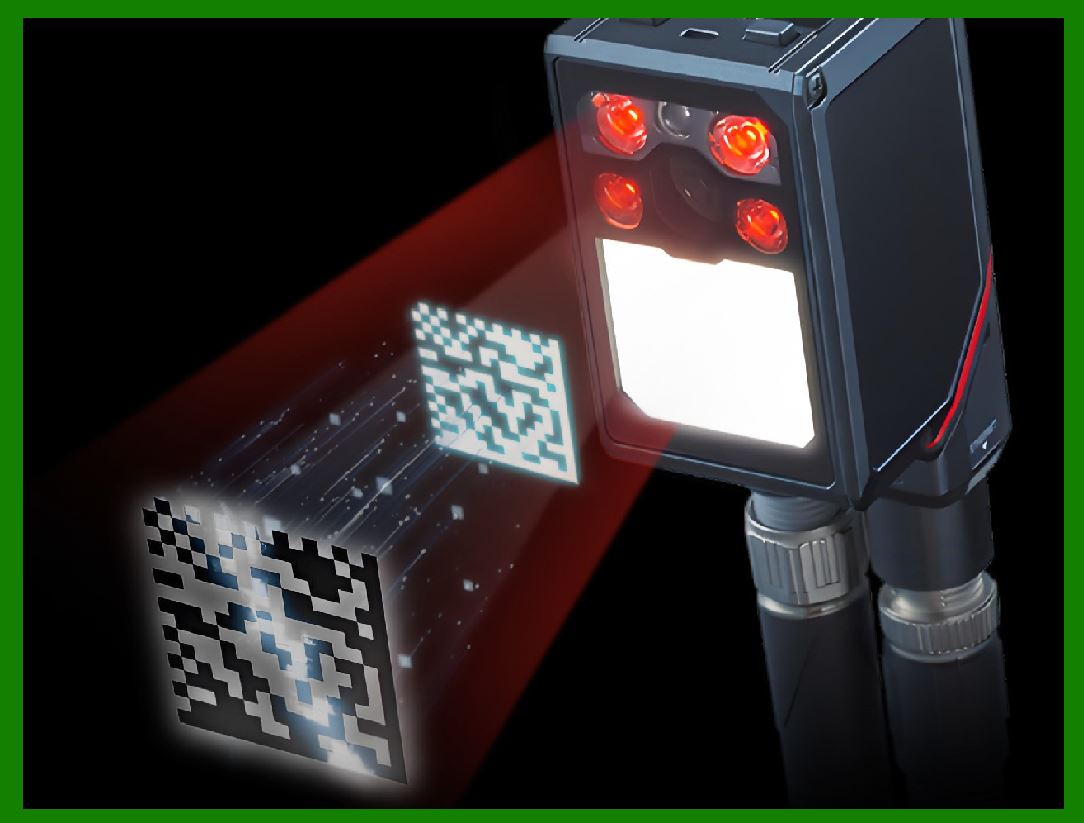
8.4 The adoption of imaging-based scanners has further accelerated this advantage. Unlike older laser scanners designed for 1D barcodes, modern imaging scanners can read both 1D and 2D codes quickly. They also perform better on reflective, curved, or low-contrast surfaces. |
8.5 The speed advantage is amplified when dealing with high-volume scanning environments. At airline boarding gates, for instance, passengers must be processed rapidly to avoid delays. QR Code boarding passes allow for near-instant scanning regardless of how the passenger holds the ticket or smartphone. |
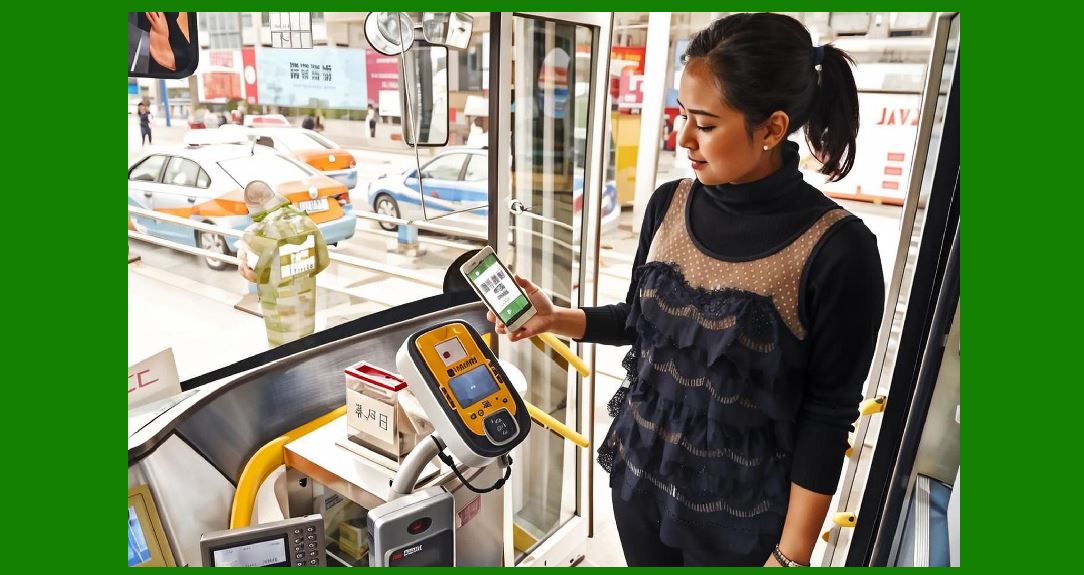
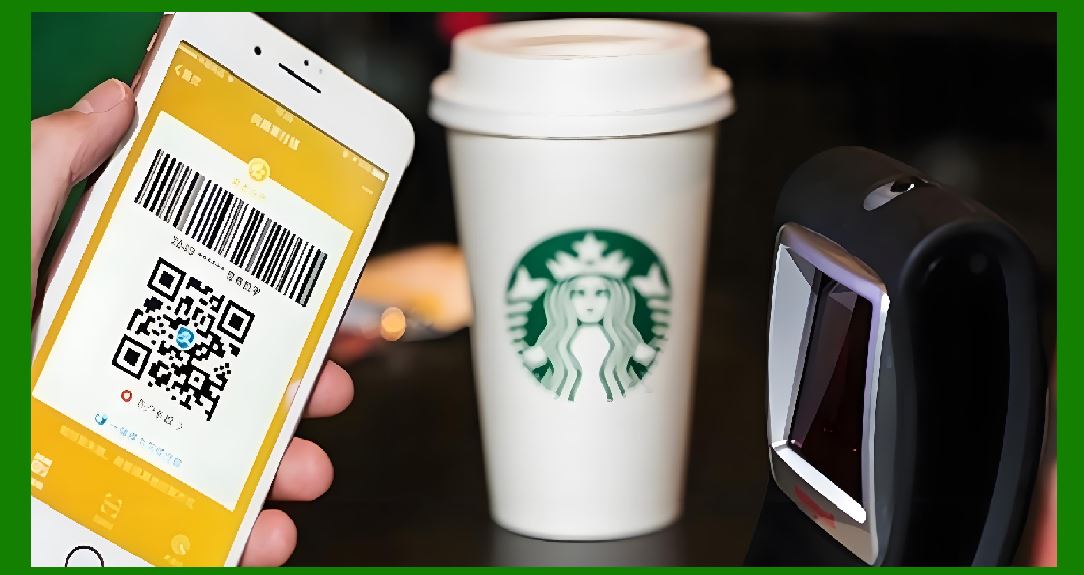
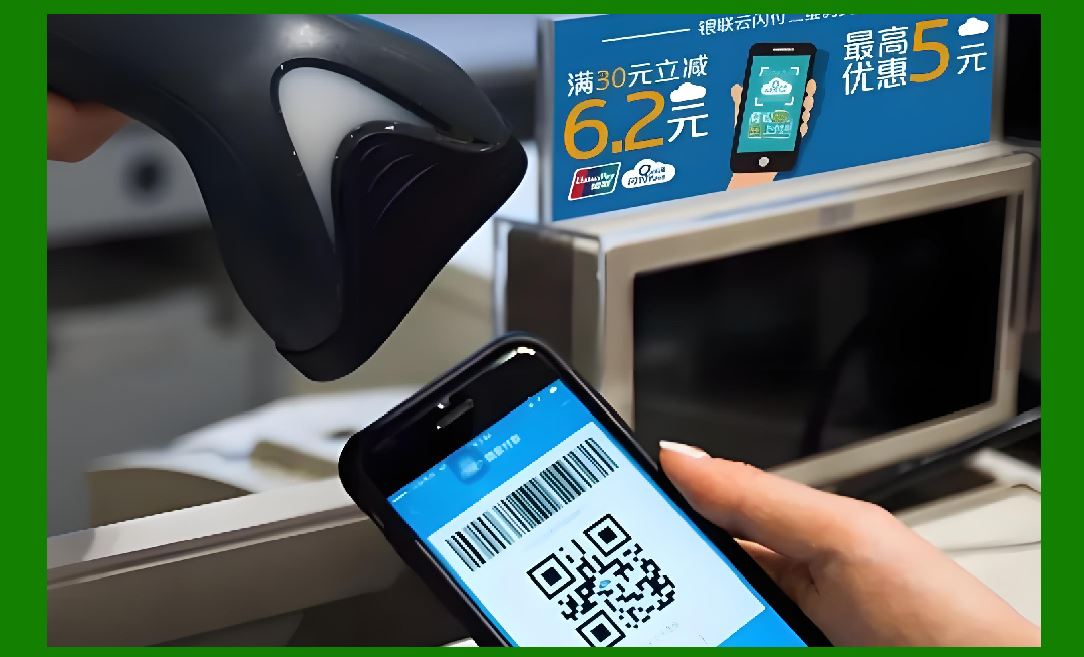
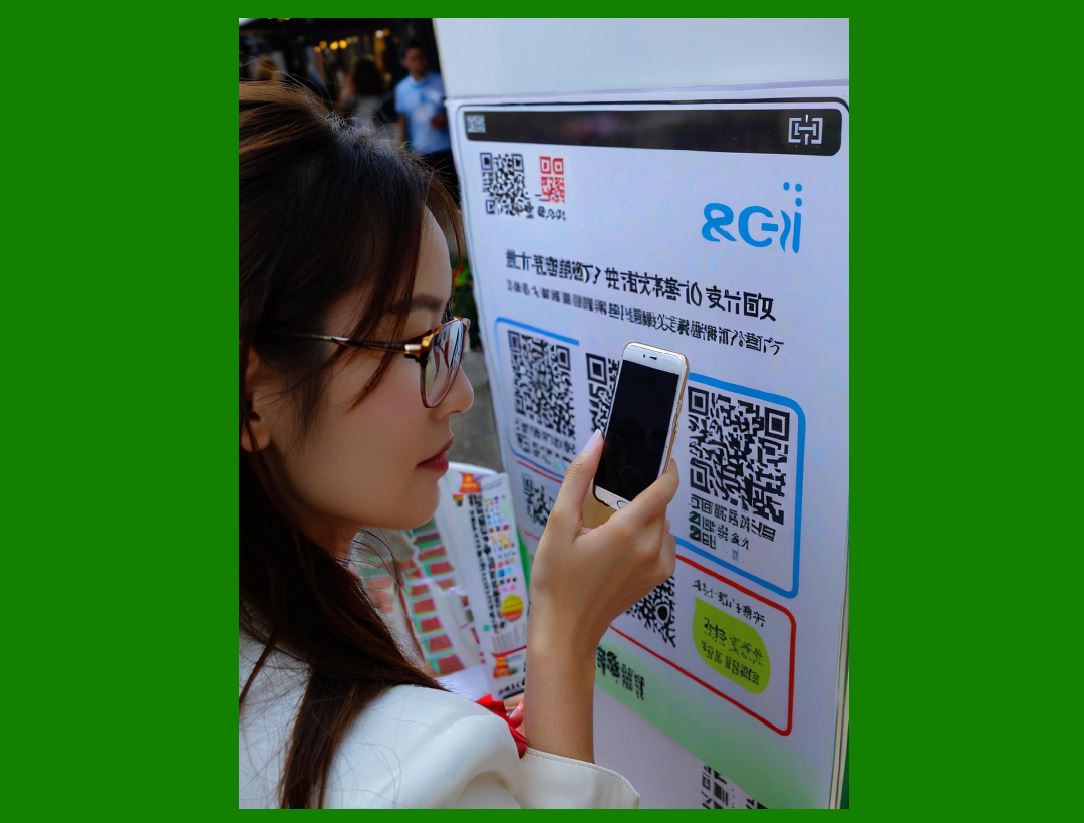
8.6 Moreover, 2D barcodes can be read from digital screens, something many 1D barcodes struggle with. Since smartphones are now ubiquitous, the ability to distribute codes digitally and scan them directly from screens is a massive advantage. Mobile ticketing, digital coupons, and contactless payments are all made possible through this capability. |
|
9. Durability in Harsh Environments |
9.1 In many industries, barcodes are exposed to harsh physical conditions that can degrade readability. 1D barcodes, with their long linear structure and lack of error correction, are particularly vulnerable. A single scratch or smudge across the length of the barcode can render it unreadable. |
9.2 2D barcodes, on the other hand, are more durable by design. Their square or rectangular patterns distribute data across multiple areas of the symbol. Even if part of the symbol is damaged, the redundancy and error correction built into the code ensure that the data can still be retrieved. |
9.3 This resilience is critical in sectors such as: |
Manufacturing, where parts may be exposed to oil, dust, or heat. |
Aerospace, where components endure extreme temperature variations. |
Healthcare, where vials and instruments must withstand sterilization or chemical cleaning. |
Logistics, where packages may be scuffed, dampened, or handled roughly. |
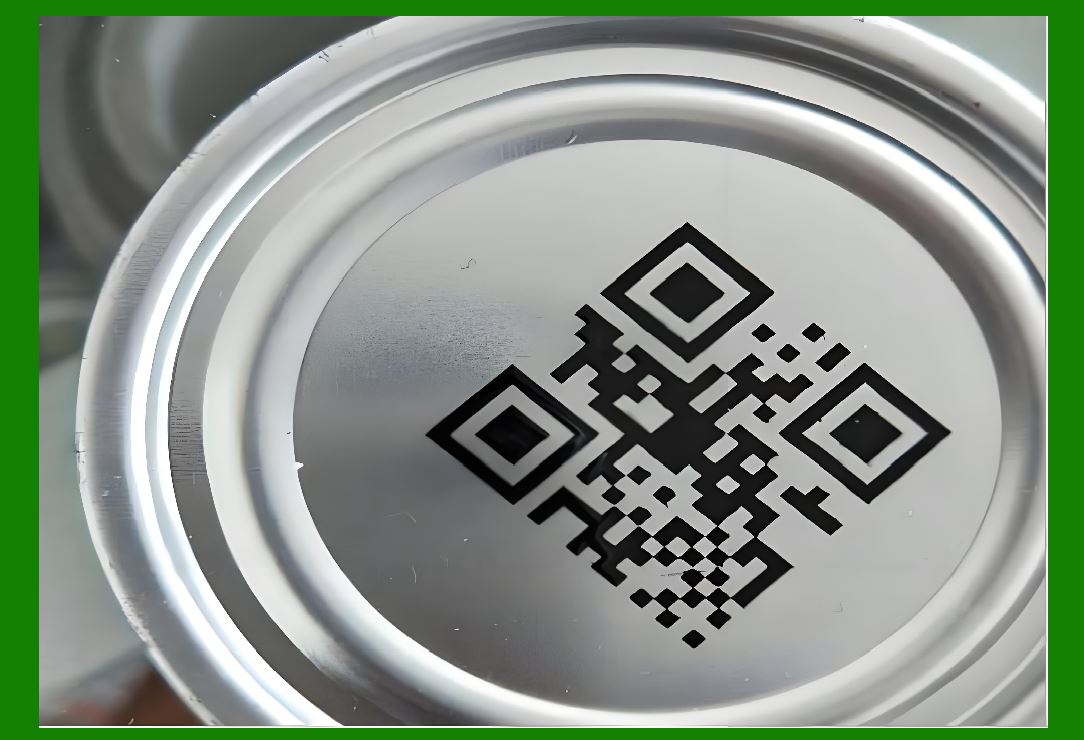
9.4 The contrast requirements of 2D barcodes are also more forgiving. Whereas a 1D barcode typically requires high-contrast black-and-white printing for reliable scanning, many 2D codes can be read in lower contrast conditions. Even barcodes printed directly onto metal, glass, or plastic using laser etching remain readable after prolonged use. |
9.5 Long-term survivability is another factor. 1D barcodes printed on labels may fade after years in storage. 2D codes etched or engraved into surfaces (e.g., Data Matrix codes on medical implants) remain permanently scannable, providing traceability across the entire lifecycle of a product. |
|
10. Greater Information Density for Traceability |
10.1 Traceability is increasingly vital across industries. From food supply chains to pharmaceuticals, governments and customers demand visibility into origin, processing, and distribution. 1D barcodes simply do not have the capacity to encode all this information. |
10.2 A 1D barcode typically encodes a product identifier (e.g., GTIN). Any additional details such as batch number, production date, or expiration must be stored separately in a database. In contrast, a 2D barcode can embed all traceability details directly into the code. |
10.3 For instance, in food packaging, a 2D barcode can carry: |
GTIN (Global Trade Item Number) |
Batch/lot number |
Production date |
Expiry date |
Country of origin |
Handling instructions |
This allows full traceability without the need to query a backend system. |
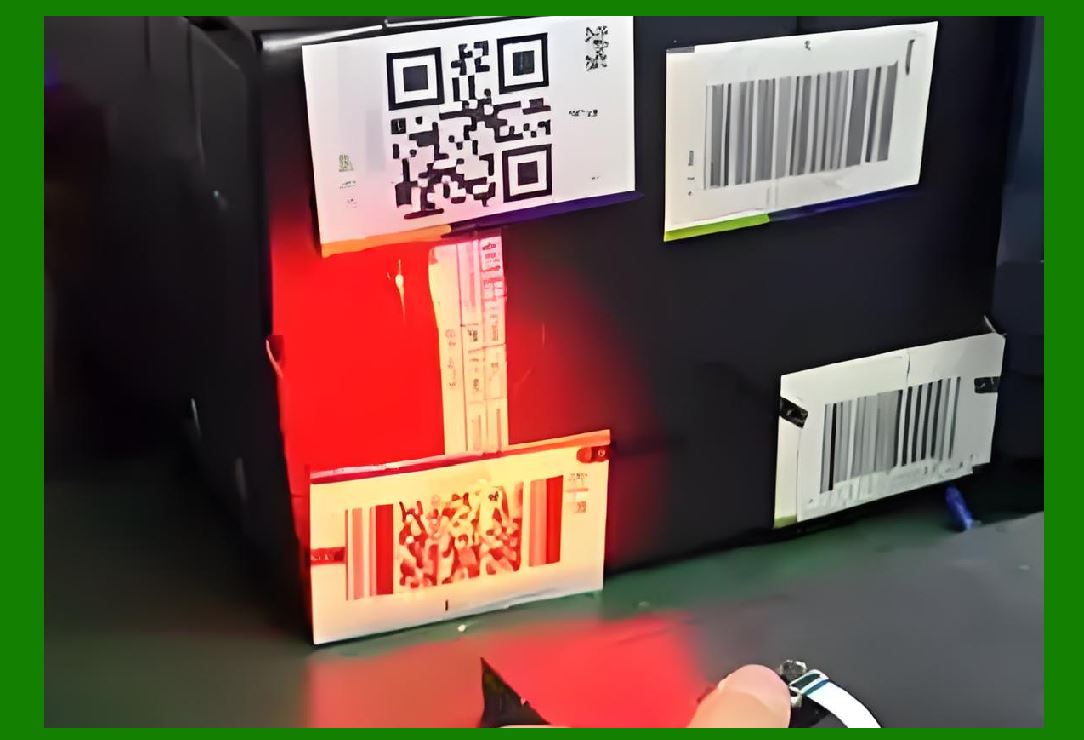
10.4 In pharmaceuticals, 2D Data Matrix codes mandated under the EU Falsified Medicines Directive and U.S. Drug Supply Chain Security Act include serialization, lot, and expiration data. This ensures that every package can be uniquely identified and authenticated across the supply chain. |
10.5 In aerospace and automotive, parts marked with permanent 2D codes enable lifetime traceability. From manufacture to maintenance to decommissioning, each part¡¯s history can be tracked reliably. This level of granularity improves safety, compliance, and operational efficiency. |
|
11. Support for Mobile and Digital Ecosystems |
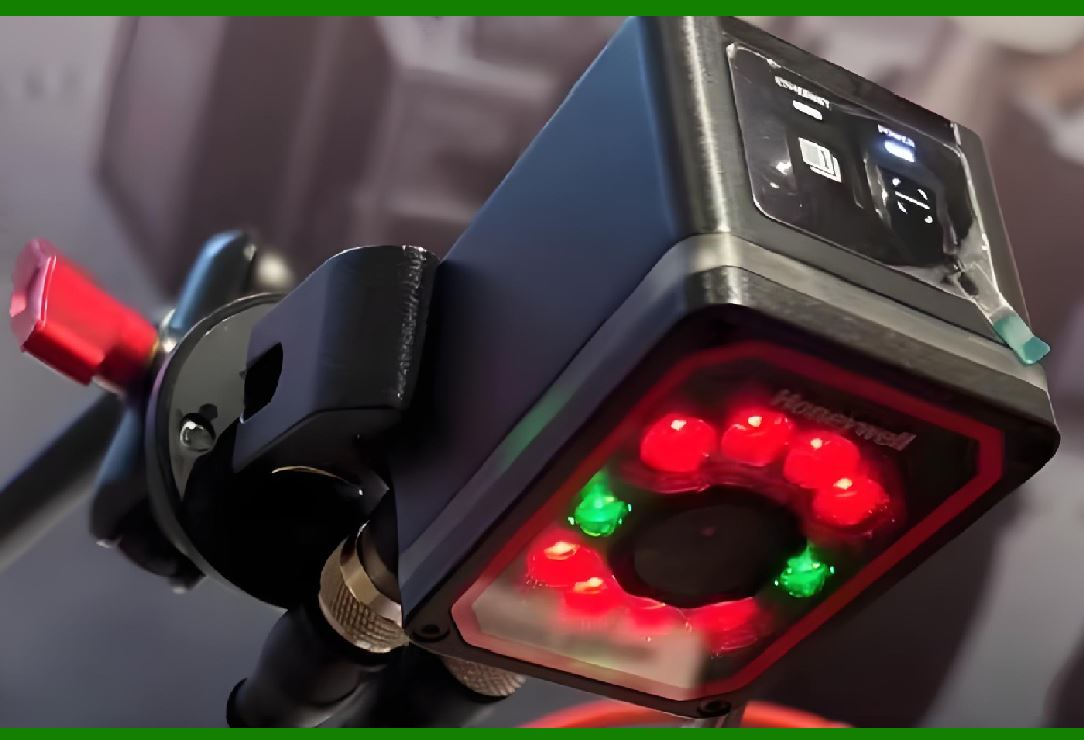
11.1 Perhaps the most transformative advantage of 2D barcodes over 1D barcodes is their seamless integration with mobile technology. The rise of smartphones with built-in cameras has turned 2D codes into universal connectors between the physical and digital worlds. |
11.2 1D barcodes were designed for laser scanners, not for cameras. While some apps can decode 1D barcodes, they are harder to scan with mobile devices due to alignment issues, reflective surfaces, and small size. By contrast, 2D barcodes like QR Codes are optimized for camera recognition, offering fast and reliable decoding from screens and print alike. |
11.3 Applications of 2D barcodes in mobile ecosystems include: |
Mobile payments (e.g., Alipay, WeChat Pay, PayPal, Apple Pay QR Codes). |
Mobile ticketing for flights, trains, concerts, and events. |
Digital coupons and loyalty cards, redeemable directly from smartphone screens. |
App deep linking, where scanning a code opens a specific app page or download link. |
Smart advertising, where scanning a code in a magazine, billboard, or product links directly to a promotional website or video. |
11.4 This tight coupling of 2D barcodes and mobile devices has created entire industries. For example, in China, QR Code payments have become the dominant method of retail transactions, processing billions of payments daily. This level of ubiquity would have been impossible with 1D barcodes. |
11.5 Moreover, 2D barcodes act as bridges for the Internet of Things (IoT). A QR Code on a smart appliance can link the user to setup instructions, firmware updates, or a cloud management interface. By scanning the code, the user bypasses manual configuration, reducing barriers to adoption. |
|
12. Cost Efficiency in Printing and Deployment |
12.1 While some might assume that advanced 2D barcodes are more costly to implement, the opposite is often true. Their space efficiency and error resilience make them cost-effective compared to 1D barcodes. |
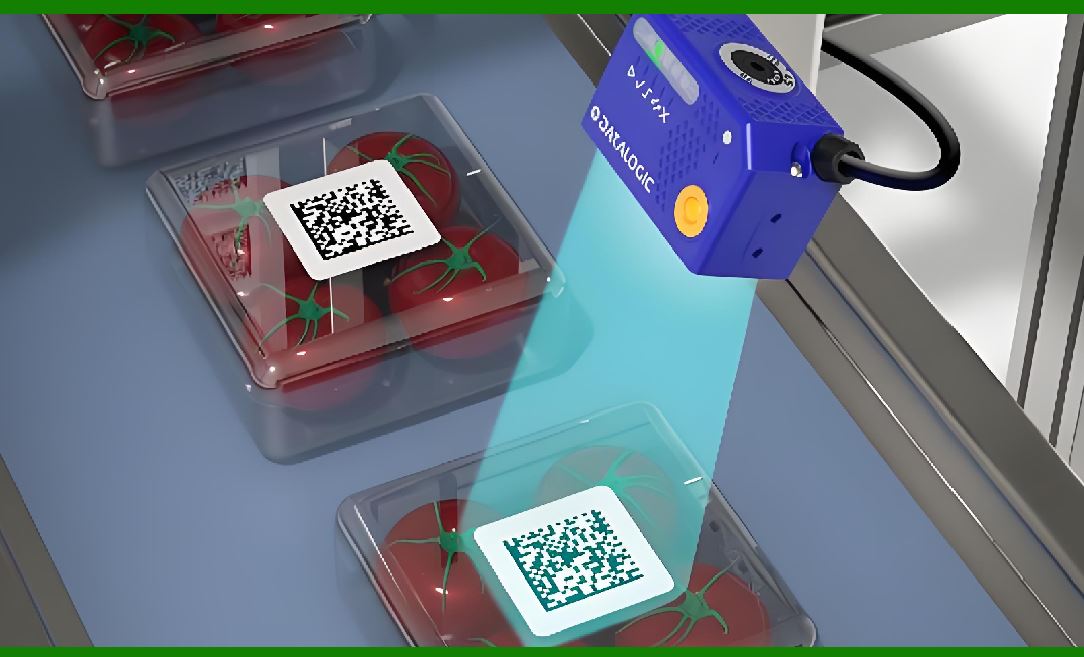
12.2 With 1D barcodes, encoding more information means printing larger labels, which consumes more material and space on packaging. In contrast, a small 2D barcode can replace several large 1D barcodes, consolidating information into a single symbol. |
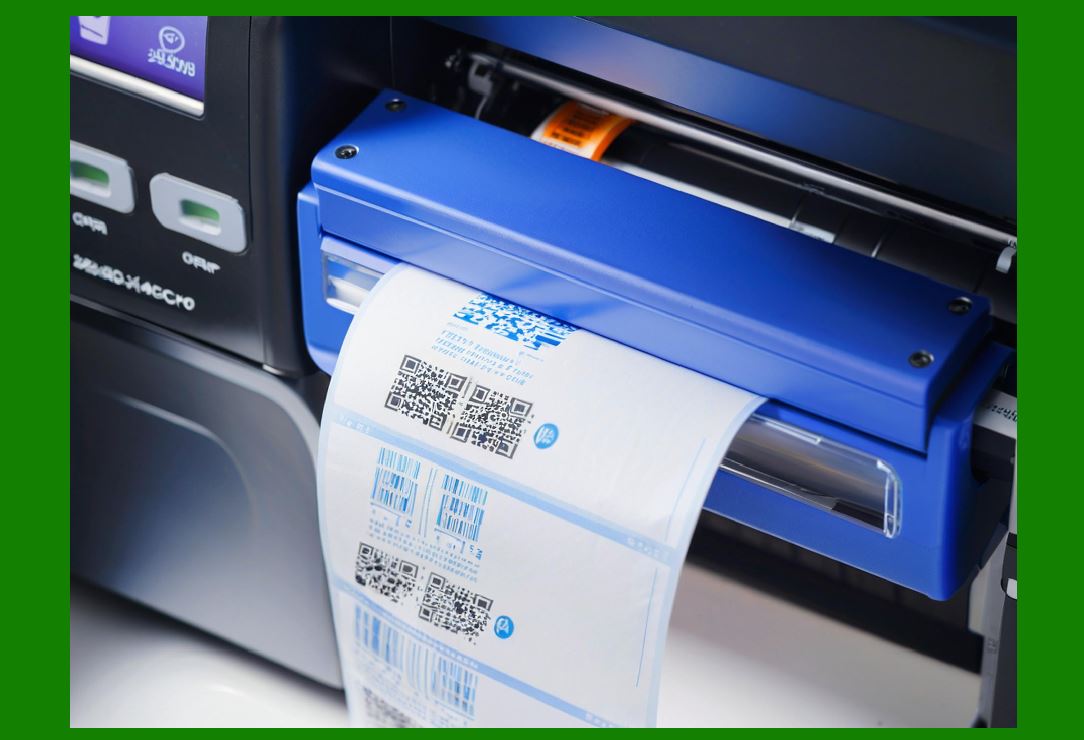
12.3 Printing 2D barcodes also requires no special equipment standard inkjet, laser, or thermal printers are sufficient. For high-durability needs, they can be engraved, etched, or molded directly into materials, eliminating the need for adhesive labels. |
12.4 Cost savings extend to scanning infrastructure as well. Modern imaging scanners can read both 1D and 2D barcodes, often at similar or lower costs than older laser scanners. This dual compatibility allows organizations to transition gradually without needing to replace existing 1D-based systems overnight. |
12.5 When multiplied across millions of products, the efficiency of 2D barcodes translates into significant savings in materials, labor, and equipment, while simultaneously unlocking advanced features that reduce operational costs further. |
|
13. Versatility Across Industries |
13.1 The adaptability of 2D barcodes makes them suitable for nearly every industry, whereas 1D barcodes are largely confined to retail and basic inventory. |
13.2 Retail: Beyond product identification, QR Codes support mobile coupons, loyalty programs, and digital receipts. |
13.3 Healthcare: Data Matrix codes ensure accurate medication dispensing, patient wristband identification, and surgical instrument tracking. |
13.4 Logistics: 2D barcodes encode rich tracking data for packages, improving visibility across supply chains. |
13.5 Aerospace & Automotive: Permanent part marking ensures compliance with safety and traceability regulations. |
13.6 Government: 2D barcodes on ID cards, tax forms, and voting materials ensure secure authentication and fraud prevention. |
13.7 Education: Schools use QR Codes to distribute digital learning materials or attendance verification. |
13.8 The sheer range of applications demonstrates that 2D barcodes are not just incremental improvements but foundational technologies for the modern digital economy. |
|
14. Environmental Sustainability |
14.1 Sustainability is increasingly important for organizations worldwide. 2D barcodes contribute positively by reducing material waste and supporting eco-friendly business practices. |
14.2 Since 2D barcodes pack more data into smaller spaces, labels can be downsized, conserving paper, ink, and packaging materials. For companies distributing millions of units, even small reductions per label lead to substantial environmental benefits. |
14.3 Digital integration further enhances sustainability. A 2D barcode can replace printed manuals, promotional leaflets, or warranty cards by linking directly to digital content. This not only saves paper but also ensures customers always access the most up-to-date information. |
14.4 Moreover, permanent marking of parts using 2D barcodes reduces reliance on disposable labels. In industries like automotive, direct part marking ensures identification throughout the lifecycle without generating label waste. |
|
15. Scalability and Future-Proofing |
15.1 1D barcodes, by design, have limited scalability. Their structure constrains both the volume and type of information they can encode. In an era demanding richer data, this limitation becomes a liability. |
15.2 2D barcodes, however, are inherently scalable. Their high capacity, error correction, and support for digital ecosystems make them suitable not just for today¡¯s needs but for future applications. |
15.3 As industries embrace smart packaging, IoT, and blockchain integration, 2D barcodes can evolve to carry cryptographic hashes, digital twins, or secure transaction records. This ensures that products remain verifiable and trackable across decentralized systems. |
15.4 The global push toward GS1 Digital Link standards embedding standardized web addresses in 2D barcodes demonstrates how 2D technology is becoming the backbone of next-generation supply chain visibility. Unlike 1D barcodes, which point only to numbers, 2D barcodes can link to the entire digital ecosystem of a product. |
|
16. Integration with Automation and Robotics |
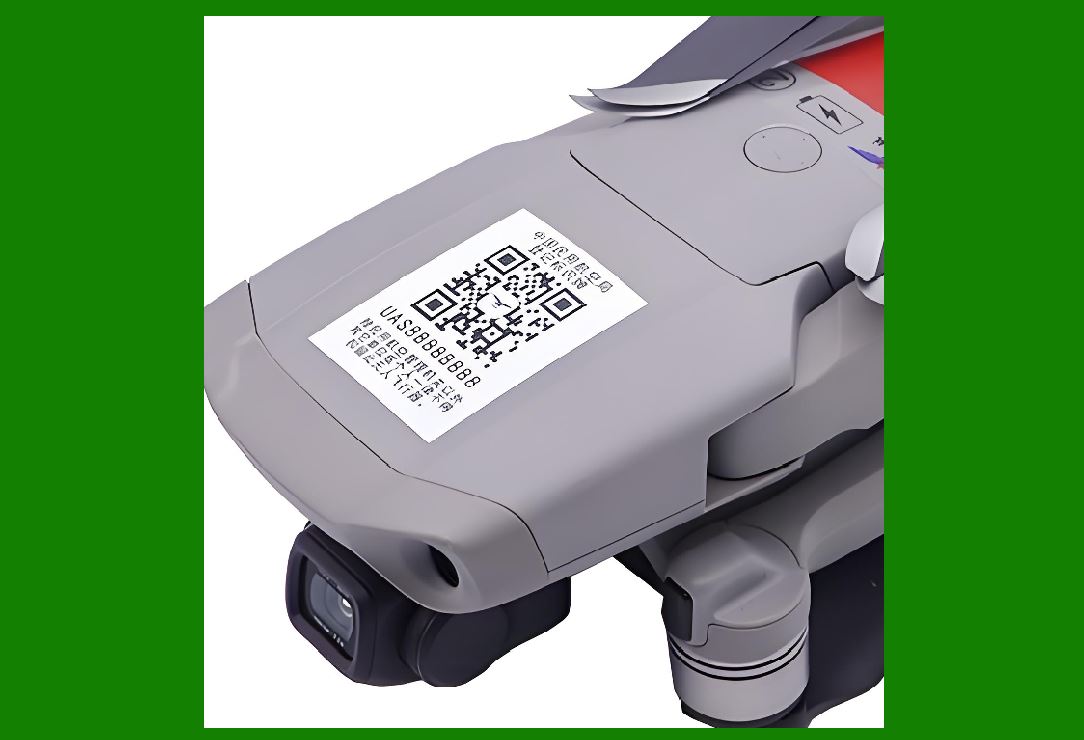
16.1 Modern warehouses and factories increasingly rely on automation, robotics, and computer vision systems. 2D barcodes are far better suited to these technologies than 1D barcodes. |
16.2 Robots equipped with vision systems can easily detect and decode 2D barcodes regardless of orientation. Since 2D codes store more data, robots can retrieve instructions, parameters, or routing information directly from the symbol without constant database queries. |
16.3 This autonomy accelerates operations in environments like: |
Automated warehouses, where robots pick and place goods. |
Smart manufacturing lines, where machines identify parts and apply customized processes. |
Autonomous delivery systems, where drones or robots scan packages for routing information. |
16.4 The combination of machine vision and 2D codes creates a synergy that is foundational for Industry 4.0. 1D barcodes simply cannot deliver the same level of integration or functionality. |
|
17. Enhancing Customer Experience |
17.1 Beyond operational efficiency, 2D barcodes significantly enhance customer experience, something 1D barcodes rarely achieve. |
17.2 A 1D barcode at checkout is invisible to customers it is a tool for internal operations. By contrast, 2D barcodes engage customers directly. Scanning a QR Code on packaging might reveal product origin, authenticity certificates, recipes, or promotional campaigns. |
17.3 In retail, loyalty programs powered by QR Codes allow customers to earn rewards instantly. In travel, mobile boarding passes reduce stress and waiting times. In healthcare, patients scanning medication codes can access dosage instructions or safety warnings. |
17.4 This interactive capability transforms barcodes from passive identifiers into active communication tools, enriching brand-customer relationships and fostering loyalty. |
|
18. Regulatory Compliance and Standards |
18.1 Regulations worldwide increasingly mandate detailed tracking, serialization, and authentication. 1D barcodes lack the space to meet these requirements. |
18.2 2D barcodes, however, are central to regulatory compliance in multiple industries: |
Pharmaceuticals: Serialization under the EU FMD and U.S. DSCSA. |
Food: Enhanced traceability under FDA and EU food safety rules. |
Aerospace: Direct part marking requirements for lifetime traceability. |
Medical devices: Unique Device Identification (UDI) mandates. |
18.3 Compliance is not optional failure can result in fines, recalls, or reputational damage. By adopting 2D barcodes, organizations not only meet today,s requirements but also prepare for stricter regulations in the future. |
|
19. Global Adoption and Interoperability |
19.1 While 1D barcodes remain in use, global trends clearly favor 2D barcodes. Retail giants, logistics leaders, and regulators are accelerating adoption due to the unmatched benefits. |
19.2 For example, GS1 Sunrise 2027 is a global initiative pushing for universal migration from 1D to 2D barcodes at point-of-sale. This transition will unify product identification and enable richer consumer engagement worldwide. |
19.3 Interoperability is another advantage. 2D barcodes are standardized across multiple formats QR Code, Data Matrix, Aztec, PDF417 ensuring compatibility across industries and geographies. This universality fosters global trade and supply chain efficiency in ways that fragmented 1D codes cannot. |
|
20. Summary of Advantages |
20.1 To summarize, the advantages of 2D barcodes over 1D barcodes include: |
Vastly higher data capacity. |
Space efficiency and compact design. |
Built-in error correction for reliability. |
Versatility in encoding diverse data types. |
Independence from centralized databases. |
Enhanced security and anti-counterfeiting measures. |
Faster, omnidirectional, and screen-friendly scanning. |
Durability in harsh conditions. |
Support for traceability and regulatory compliance. |
Integration with mobile ecosystems and IoT. |
Cost efficiency in printing and deployment. |
Suitability across a broad range of industries. |
Contributions to environmental sustainability. |
Scalability and future-proofing for digital transformation. |
Seamless integration with automation and robotics. |
Enhanced customer engagement and experience. |
Global interoperability and adoption momentum. |
20.2 These advantages are not incremental, they are transformative. They explain why 2D barcodes have overtaken 1D barcodes in critical sectors and why they are positioned as the global standard for the future of identification, authentication, and digital integration. |
 cs@easiersoft.com