Advantages of 2D barcodes |
2D barcodes, also known as two-dimensional barcodes, offer several advantages over traditional linear (1D) barcodes. These benefits make them increasingly popular across various industries. Here’s a detailed look at the advantages of 2D barcodes: |
1. Higher Data Capacity |
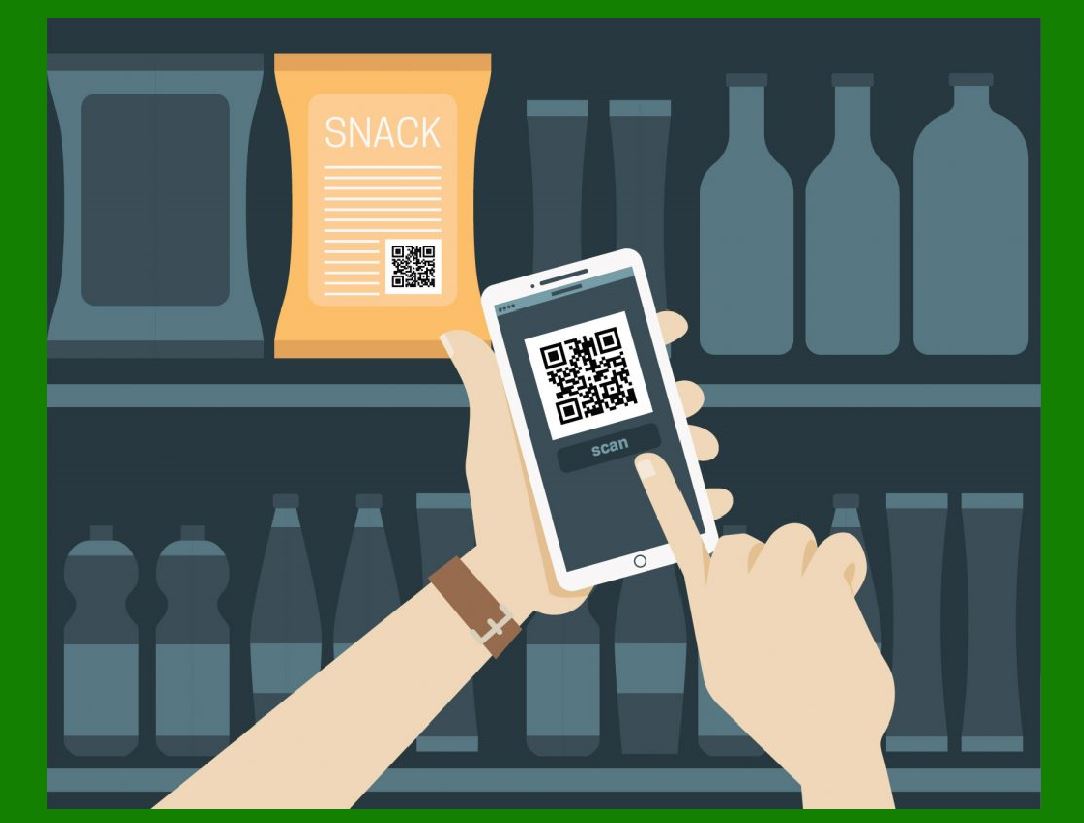
Storage Volume: Unlike 1D barcodes, which can hold only a limited amount of data (typically up to 20-25 characters), 2D barcodes can store thousands of characters of information. This includes alphanumeric characters, binary data, and other forms of information. Complex Data Encoding: They can encode complex data such as images, web addresses, and even encrypted information. |
|
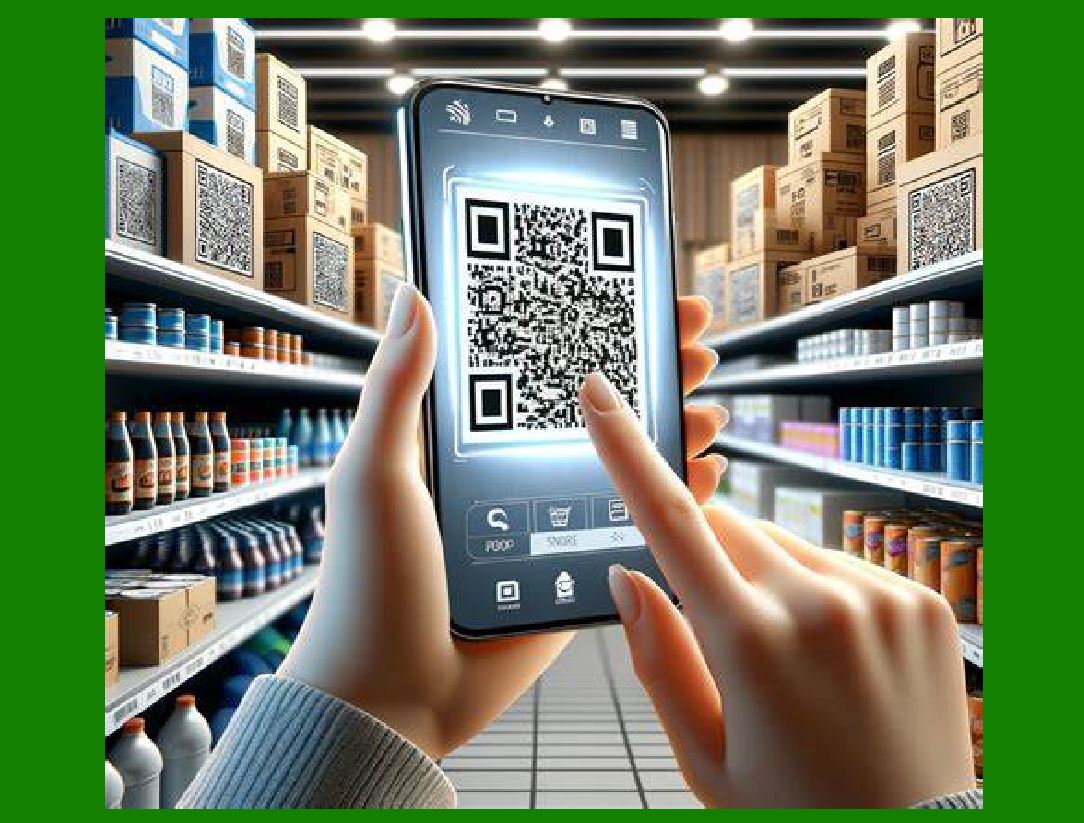
2. Smaller Physical Size Compact: Due to their ability to store more data in less space, 2D barcodes can be significantly smaller than 1D barcodes while holding the same amount or even more data. This is beneficial for small products or when limited space is available on packaging. |
|
3. Error Correction |
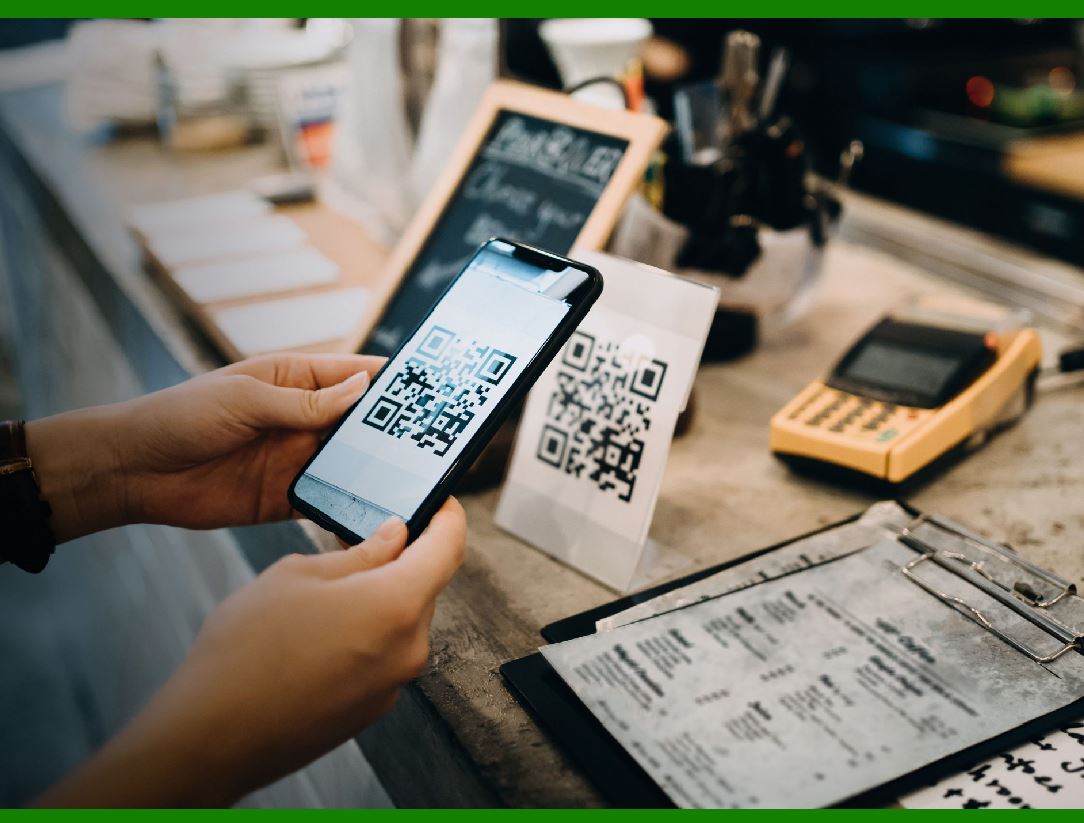
Data Recovery: Many 2D barcode symbologies (like QR codes) include error correction algorithms (e.g., Reed-Solomon error correction). This means the barcode can still be read accurately even if it is partially damaged, obscured, or dirty. Reliability: The inclusion of error correction enhances the reliability of data retrieval, ensuring accurate scanning even under less-than-ideal conditions. |
|
4. Multi-Directional Scanning |
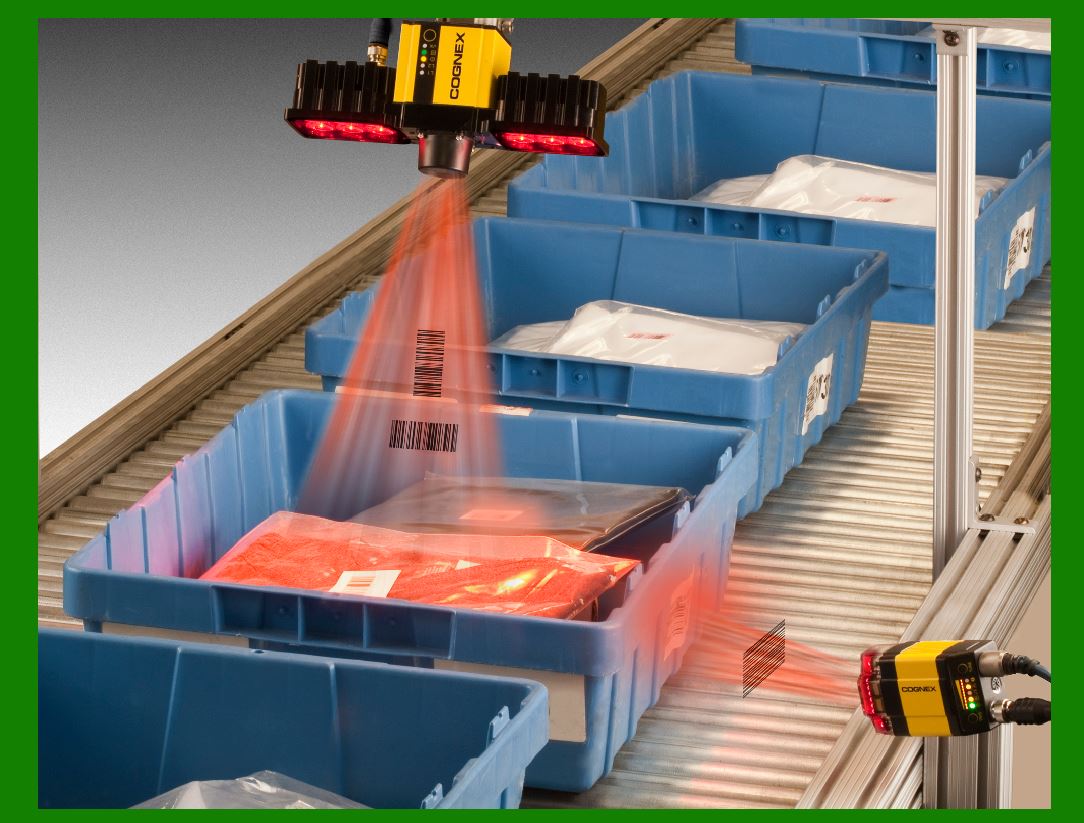
Orientation Independence: 2D barcodes can be scanned from any direction or angle, unlike 1D barcodes, which require alignment with the scanner. This multi-directional capability speeds up the scanning process and reduces errors. Ease of Use: This feature makes 2D barcodes more user-friendly, as the precise orientation is less critical during scanning. |
|
5. Enhanced Security Features |
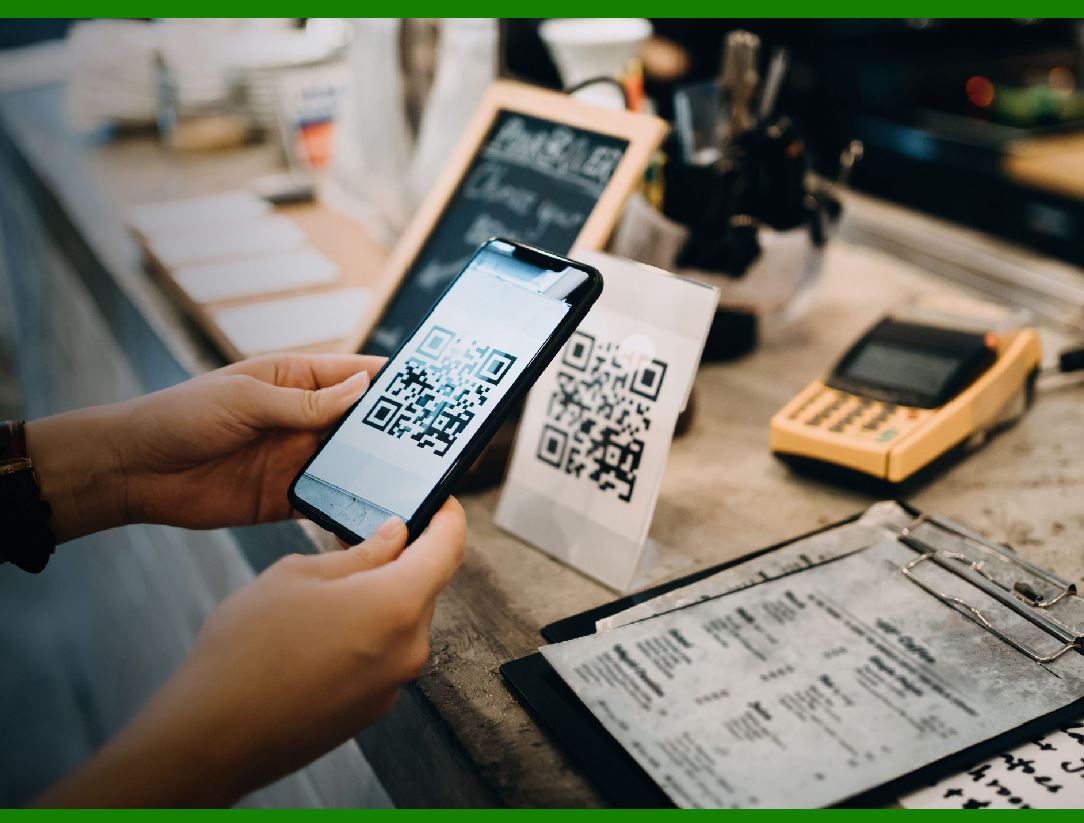
Data Encryption: 2D barcodes can incorporate encryption, adding a layer of security to the data they store. This is useful for applications requiring sensitive information. Authentication: They can be used to authenticate products and verify their legitimacy, helping to combat counterfeiting and fraud. |
|
6. Versatile Applications |
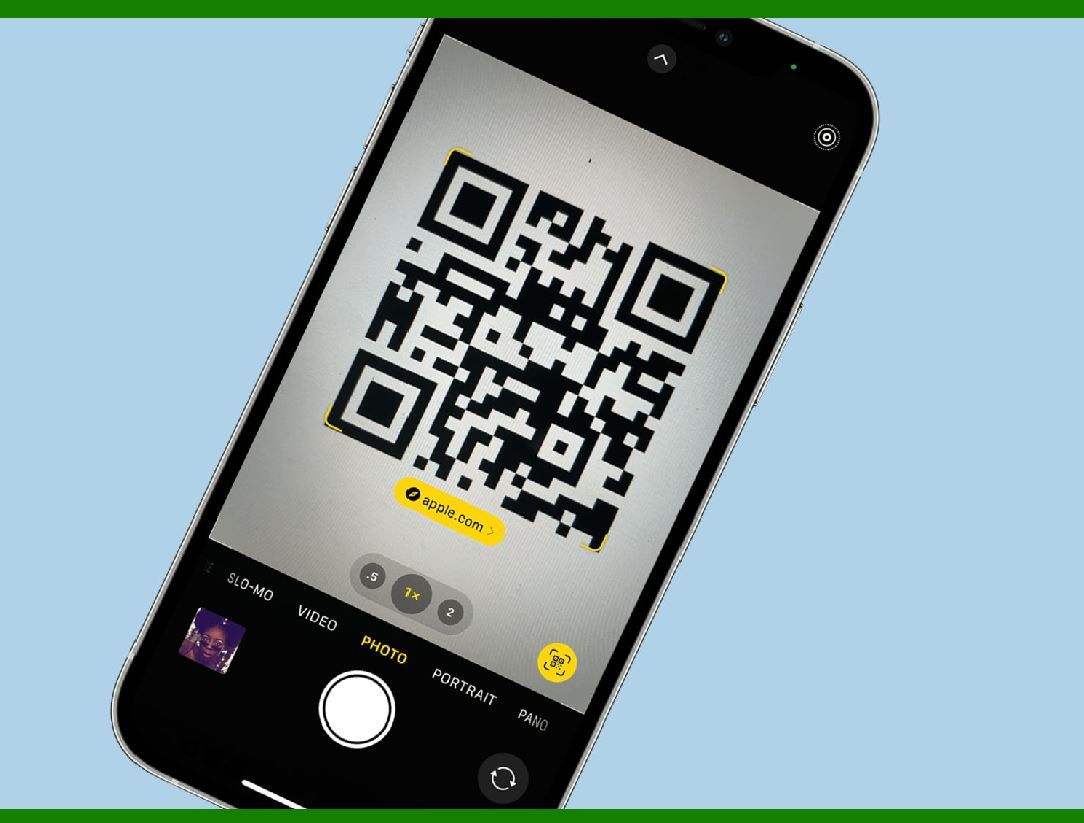
Variety of Uses: The ability to store various types of data makes 2D barcodes suitable for a wide range of applications, including product tracking, inventory management, ticketing, mobile payments, and marketing (e.g., QR codes linking to websites). Integration: They are easily integrated into mobile devices and scanners, enabling widespread adoption in different technological environments. |
|
7. Cost-Effectiveness |
Reduced Costs: Despite their advanced capabilities, the technology to generate and read 2D barcodes is relatively inexpensive. This cost-effectiveness extends to the printing process, as 2D barcodes can be printed using standard printing techniques. |
|
8. Improved Data Accuracy and Management |
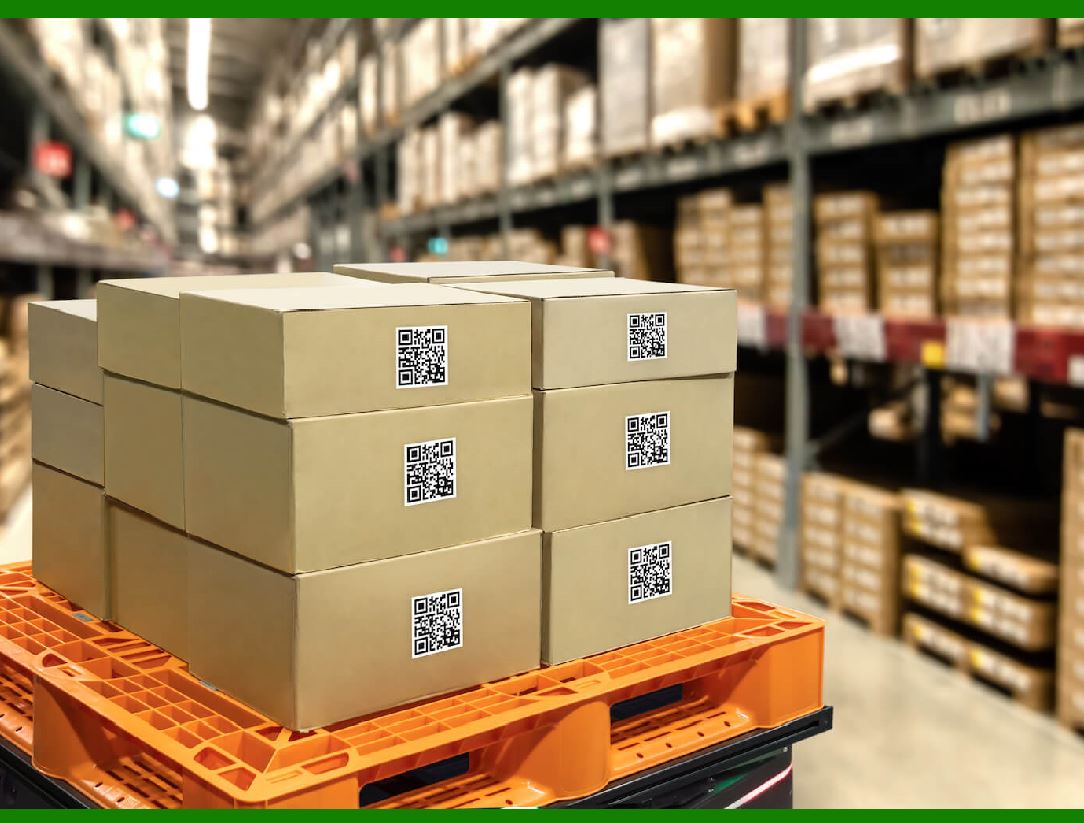
Single Scan Efficiency: Because 2D barcodes can contain all necessary information in a single scan, the likelihood of human error is reduced compared to entering data manually or using multiple 1D barcodes. Centralized Information: They enable centralized data management, where all relevant information is encapsulated within a single barcode, improving efficiency in data handling and processing. |
|
9. Durability and Versatility |
Resilience: 2D barcodes are often more durable and resilient to damage than 1D barcodes due to their compact and dense data patterns. Material Compatibility: They can be printed on various materials, including paper, plastic, and even metal, broadening their applicability in different environments and industries. |
|
10. Conclusion |
The advantages of 2D barcodes, including their higher data capacity, compact size, error correction capabilities, and ease of use, make them a superior choice for many modern applications. Their versatility and reliability ensure they can meet the needs of various industries, from retail and logistics to healthcare and beyond. |
 cs@easiersoft.com