1. Introduction |
1.1 The modern world depends heavily on the rapid and reliable movement of goods. The express delivery and logistics industries form the backbone of global trade, ensuring that products move efficiently from manufacturers to consumers. Within this complex web of transportation, warehousing, inventory control, and customer service, one technological element stands out for its simplicity and effectiveness: barcode technology. |
1.2 Barcode technology, originally designed in the mid-20th century for retail checkout automation, has evolved into an indispensable component of logistics systems worldwide. Its ability to encode information in machine-readable form has transformed manual processes into automated, data-driven workflows. Today, every parcel that travels through an express delivery network is tracked, sorted, and verified through barcode scanning at multiple stages. |
1.3 The application of barcodes in express logistics is not merely a matter of tracking packages. It encompasses the full spectrum of supply chain management ¡ª including order entry, inventory monitoring, warehouse operations, route optimization, proof of delivery, and even customer feedback. The goal of this comprehensive analysis is to explore, in depth, how barcode technology enables the express delivery sector to achieve high precision, efficiency, and transparency. |
1.4 The discussion that follows will move from historical foundations and technical principles to operational applications, exploring each component of the logistics ecosystem where barcodes play a decisive role. By doing so, it will show how this humble pattern of lines and spaces has become the digital language of global commerce. |

|
2. Historical Development of Barcode Technology in Logistics |
2.1 The first use of barcode technology in logistics can be traced back to the 1970s, when the retail industry began adopting the Universal Product Code (UPC). As consumer goods began to be identified uniquely by barcodes, manufacturers and distributors realized that the same technology could be applied to pallets, cartons, and shipments. This insight set the stage for the integration of barcode systems into supply chains. |
2.2 During the 1980s, major courier and logistics companies such as Federal Express (FedEx) and United Parcel Service (UPS) began experimenting with barcode scanning for parcel tracking. This innovation allowed customers to receive information about the status of their packages, marking the birth of ¡°track-and-trace¡± services. It represented a paradigm shift: for the first time, logistics became transparent and measurable. |
2.3 The following decade, the 1990s, witnessed large-scale adoption of barcode systems as handheld scanners became more affordable and robust. Warehouses integrated barcode readers into their material handling processes, while transportation hubs used conveyor-mounted scanners to identify and sort parcels automatically. The result was a dramatic increase in throughput and accuracy. |
2.4 In the early 2000s, two-dimensional barcodes such as Data Matrix and QR Code emerged, capable of holding far more data than their one-dimensional predecessors. These new formats allowed logistics providers to encode detailed shipment information, including sender, destination, routing code, and even security verification data, in a single mark. |
2.5 As the 2010s unfolded, the global explosion of e-commerce intensified the demand for barcode-driven logistics automation. Express delivery networks had to manage millions of parcels daily, and barcode technology became the cornerstone of their digital infrastructure. Today, every major logistics enterprise ¡ª from DHL and UPS to SF Express and JD Logistics ¡ª depends on barcode identification as the first and most fundamental layer of data collection. |
2.6 The 2020s have seen the integration of barcode technology with the Internet of Things (IoT), cloud computing, and artificial intelligence. Barcode data is no longer merely captured; it is analyzed in real time to optimize routes, predict delays, and enhance customer satisfaction. Thus, the history of barcode technology in logistics mirrors the evolution of digital transformation itself. |
|
3. Technical Fundamentals of Barcode Systems in Logistics |
3.1 A barcode is a symbolic representation of data, composed of patterns that can be read by optical sensors. In express delivery and logistics, barcodes encode identifiers that correspond to shipment records in backend databases. When scanned, they instantly retrieve information about the item¡¯s location, status, and next destination. |
3.2 Structure of a typical logistics barcode: |
A logistics barcode generally includes a unique consignment number, service type, routing code, origin, and destination indicators. The encoding structure follows global standards such as GS1-128 or Code 128, ensuring interoperability across carriers and customs systems. |
3.3 Barcode formats used in logistics: |
Most express delivery companies rely on linear symbologies (e.g., Code 128, Code 39, Interleaved 2 of 5) for waybills and shipping labels, while 2D formats such as Data Matrix and QR Code are used for high-density encoding, particularly in cross-border or high-value shipments. |
3.4 Printing and material considerations: |
Logistics barcodes must be printed on durable, smudge-resistant materials such as thermal transfer or coated paper. The print quality and contrast ratio directly affect scan reliability. Labels are designed to withstand humidity, temperature fluctuations, and mechanical abrasion during transit. |
3.5 Scanning technology: |
Barcode scanners used in logistics range from handheld laser scanners to high-speed CCD or CMOS imagers integrated into conveyor systems. Modern scanning units can capture thousands of codes per minute, even on curved or damaged surfaces, thanks to adaptive image processing algorithms. |
3.6 Data processing workflow: |
Once a barcode is scanned, its numeric or alphanumeric content is transmitted to a warehouse management system (WMS) or transportation management system (TMS). This system records the timestamp, operator ID, and scan location, updating the package¡¯s tracking history in real time. |
3.7 Error correction and redundancy: |
In high-volume environments, errors can have costly consequences. Therefore, barcode systems implement redundancy through multiple scans at different checkpoints, checksum verification, and database cross-validation. Two-dimensional barcodes include built-in error correction (e.g., Reed¨CSolomon codes) to recover damaged data. |
3.8 The technical foundation of barcode technology thus provides logistics networks with a highly reliable, cost-effective means of identification and tracking, forming the essential interface between the physical and digital worlds. |

|
4. Core Functions of Barcode Technology in Express Delivery Operations |
4.1 Barcode technology serves several interconnected purposes within express delivery systems. These functions include parcel identification, routing, sorting, status tracking, inventory control, proof of delivery, and returns management. Each function relies on accurate, real-time barcode data to ensure operational efficiency. |
4.2 Parcel Identification |
When a shipment is created, a unique barcode label is printed and affixed to the package. This code acts as the digital fingerprint of the parcel throughout its journey. It links the physical package to its corresponding digital record in the carrier¡¯s database, enabling all subsequent operations. |
4.3 Routing and Sorting |
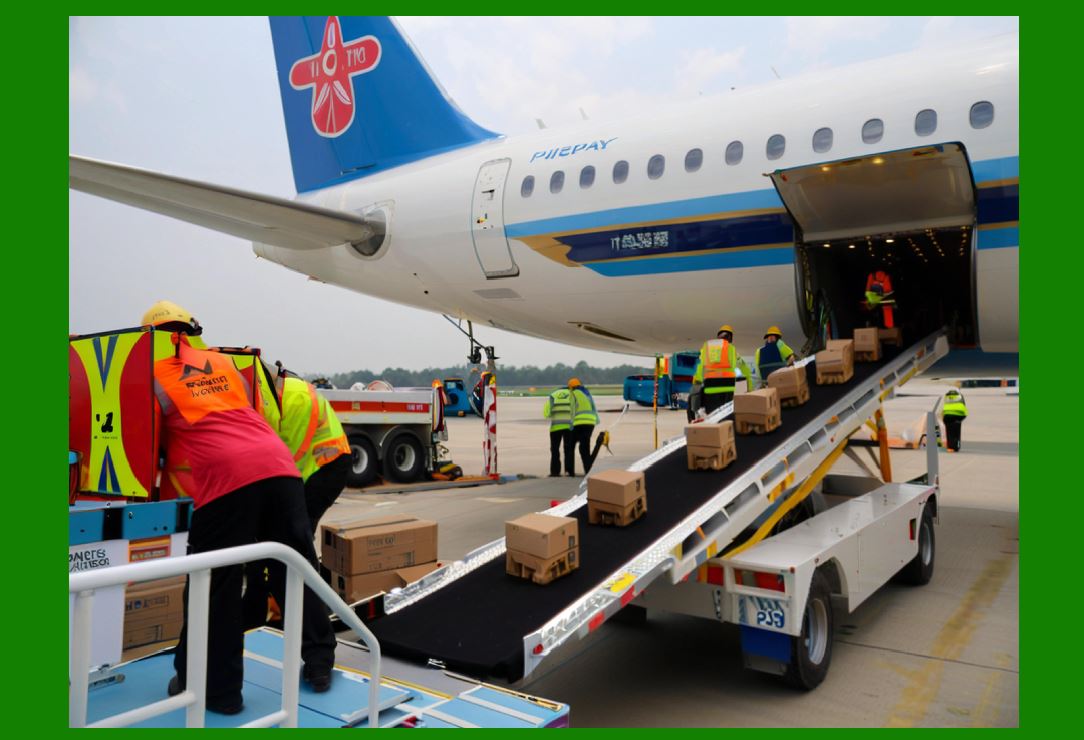
Barcodes encode destination and service information used by automated sorting machines. At major logistics hubs, high-speed conveyors equipped with multiple scanners read barcodes on moving parcels, determining the correct chute or belt for each item. This automation can handle tens of thousands of parcels per hour. |
4.4 Shipment Tracking |
Each time a barcode is scanned ¡ª at pickup, hub arrival, departure, or delivery ¡ª the event is recorded with a timestamp and geographic coordinates. These records collectively form the shipment¡¯s tracking history, accessible to both the logistics provider and the customer. Barcode-based tracking enhances transparency and reduces customer inquiries. |
4.5 Warehouse Inventory Control |
In distribution centers, barcodes are also applied to storage locations, pallets, and containers. Workers use handheld scanners to confirm item placement, ensuring that inventory data remains synchronized with the warehouse management system. This reduces misplacement and facilitates rapid retrieval during order fulfillment. |
4.6 Proof of Delivery (POD) |
Upon delivery, the final scan of the package¡¯s barcode confirms completion of service. This event may be combined with a recipient¡¯s signature or photo capture, producing a verifiable digital record. The POD data enables billing, performance monitoring, and dispute resolution. |
4.7 Reverse Logistics and Returns |
When customers return items, the original barcode enables reverse identification. Logistics systems can instantly determine the product¡¯s origin, purchase date, and route back to the supplier. Barcodes thus ensure traceability even in reverse logistics workflows. |
4.8 These functional pillars make barcode technology indispensable to the daily operation of express delivery services, ensuring that every package moves through a controlled, documented process from origin to destination. |

|
5. Integration with Logistics Information Systems |
5.1 Barcode systems do not operate in isolation. Their full power is realized only when integrated with enterprise-level logistics information platforms. These include Warehouse Management Systems (WMS), Transportation Management Systems (TMS), and Enterprise Resource Planning (ERP) systems. |
5.2 Integration with WMS |
In a WMS environment, barcode scanning validates every inbound and outbound transaction. When goods arrive at a warehouse, their barcodes are scanned to confirm receipt and automatically allocate storage locations. During picking and packing, scanning ensures the correct items are selected and shipped. |
5.3 Integration with TMS |
In transportation management, barcode data drives routing decisions and shipment tracking. By analyzing scan timestamps, the system can estimate delivery times, detect bottlenecks, and reroute shipments dynamically. This creates a responsive and adaptive logistics network. |
5.4 Integration with ERP and CRM |
Barcode information can also flow into ERP and Customer Relationship Management (CRM) systems, linking logistics events with financial and customer data. For example, a successful delivery scan may automatically trigger invoice generation, while delays can prompt customer notifications. |
5.5 Data Interoperability and Standards |
Global logistics depends on standardized communication protocols such as GS1¡¯s Electronic Data Interchange (EDI). Barcodes formatted according to GS1 standards ensure compatibility between carriers, customs agencies, and trading partners, facilitating seamless cross-border operations. |
5.6 The deep integration of barcode systems with enterprise software ecosystems enables the express delivery industry to maintain visibility and control across vast geographical networks, effectively transforming raw scan data into actionable intelligence. |

|
6. Barcode Use in Major Phases of Express Logistics |
6.1 The logistics workflow can be divided into several major phases: pickup, transportation, hub processing, delivery, and after-sales management. Barcodes play a central role in each phase, serving as the common reference for all activities. |
6.2 Pickup Phase |
When a courier collects a parcel from the sender, a shipping label with a unique barcode is generated. The first scan creates the digital shipment record, marking the starting point of tracking. Pickup scanners often transmit data via mobile networks to update the central system instantly. |
6.3 Transportation Phase |
As parcels move between cities or regions, they pass through multiple transit hubs. Each transfer point performs barcode scans to confirm receipt and dispatch. This creates a transparent chain of custody, ensuring accountability at every stage. |
6.4 Sorting and Hub Processing |
In large logistics centers, automatic sorting systems use barcode scanners positioned along conveyor belts to read labels as parcels flow through at high speed. The scanner data determines the sorting destination, ensuring each package is routed to the correct delivery zone. High-capacity hubs may process hundreds of thousands of packages daily. |
6.5 Final Delivery Phase |
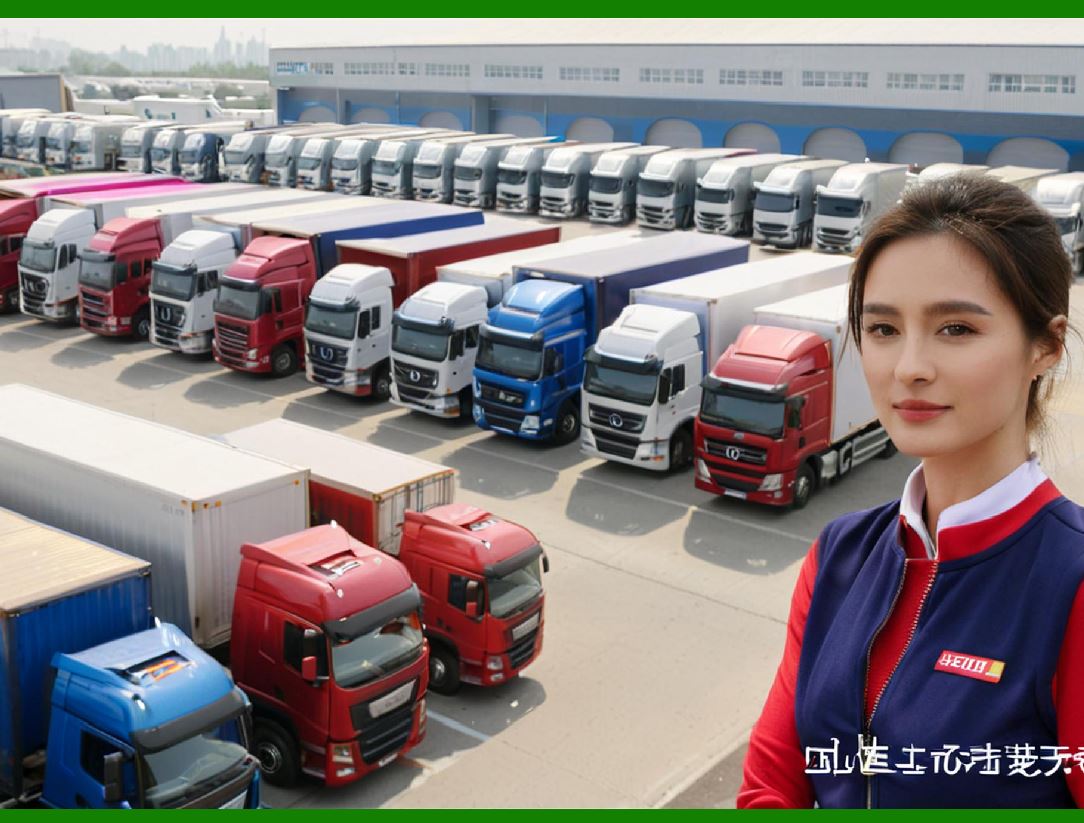
In the last-mile delivery process, couriers use portable barcode readers or mobile devices to scan each package before delivery. This ensures that only the correct parcels are loaded onto each route. Upon handover to the recipient, a final scan confirms completion and updates the online tracking system. |
6.6 After-Sales and Returns |
Barcodes remain valuable after delivery. When customers initiate returns, scanning the original shipment barcode automatically retrieves transaction details, expediting refund or replacement processes. This capability enhances customer satisfaction and operational efficiency. |
6.7 Thus, barcode scanning permeates every phase of express logistics, providing a unified digital thread that connects the sender, carrier, and recipient across the entire delivery lifecycle. |

|
7. Advantages of Barcode Technology in Express Logistics |
7.1 The benefits of barcode implementation in logistics are numerous and measurable. They include enhanced accuracy, improved efficiency, cost reduction, real-time visibility, and error prevention. |
7.2 Accuracy |
Manual data entry is prone to human error. Barcode scanning eliminates transcription mistakes, ensuring that package identifiers and routing data are captured precisely. This leads to reliable shipment tracking and reduced misdelivery. |
7.3 Efficiency |
Scanning a barcode takes less than a second. In high-volume operations, this speed translates into significant productivity gains. Workers can process more parcels per hour, while automated systems can handle millions daily with minimal supervision. |
7.4 Cost Reduction |
Barcodes require minimal infrastructure compared with alternative technologies such as RFID. Printing and scanning costs are low, and the return on investment is rapid due to savings from reduced labor and error correction. |
7.5 Real-Time Visibility |
Barcode scans provide continuous updates on package status. Customers can monitor shipments online, and logistics managers can identify bottlenecks or delays immediately. This visibility strengthens trust and allows proactive problem solving. |
7.6 Scalability and Flexibility |
Barcode systems are easy to scale. New routes, hubs, or service types can be added by defining new label formats or data fields without major hardware investment. This flexibility supports rapid business expansion. |
7.7 Error Prevention and Security |
Checksum validation and redundant scans minimize the risk of undetected errors. In addition, barcodes can incorporate encrypted elements or authentication patterns to prevent counterfeit labels or fraud. |
7.8 Collectively, these advantages explain why barcode technology remains the dominant identification method in express delivery, despite the availability of more sophisticated alternatives. |

|
8. Challenges and Limitations of Barcode Technology |
8.1 Despite its strengths, barcode technology faces several challenges in express logistics environments. These challenges stem from physical, operational, and technological factors. |
8.2 Label Damage and Contamination |
Packages often experience rough handling, moisture, or dirt during transit. Damaged or obscured barcodes can cause scan failures, requiring manual intervention and slowing down the workflow. |
8.3 Environmental Conditions |
Extreme temperatures or humidity can affect print quality or adhesive performance. Thermal labels may fade under sunlight or heat, while condensation can blur inkjet prints. |
8.4 Human Factors |
Although scanning is simple, inconsistent operator training or negligence may lead to missed scans, resulting in incomplete tracking records. This can undermine customer confidence. |
8.5 Data Synchronization Issues |
In high-volume networks, thousands of scanners upload data simultaneously. Any network latency or system downtime can delay status updates, causing temporary visibility gaps. |
8.6 Limited Data Capacity |
Traditional 1D barcodes can encode only a small amount of data. Complex logistics information often must be stored in backend databases rather than directly in the barcode itself. |
8.7 Counterfeiting and Security Risks |
Since barcodes are visually reproducible, unauthorized copying of labels can occur. Although encryption and verification mechanisms exist, implementing them universally adds cost and complexity. |
8.8 Overcoming these challenges requires continuous improvement in label materials, scanning technology, workflow design, and data management ¡ª areas that have evolved significantly over the past two decades. |

|
9. Modern Barcode Solutions for Express Delivery |
9.1 To address operational challenges, logistics companies have developed advanced barcode systems that combine improved materials, high-resolution printing, and intelligent data structures. |
9.2 High-Durability Labels |
New synthetic substrates such as polypropylene and polyester resist moisture and tearing. Thermal transfer printing with resin ribbons provides fade-resistant, crisp codes suitable for long-distance international shipping. |
9.3 2D and Composite Barcodes |
Two-dimensional symbologies like QR Code and Data Matrix encode more data in smaller space, improving reliability and information richness. Composite codes combine linear and 2D elements, supporting backward compatibility with existing scanners. |
9.4 Dynamic Barcode Generation |
In modern express systems, labels are generated dynamically based on routing algorithms and shipment metadata. This allows last-minute changes in destination or service type without manual relabeling. |
9.5 Mobile Scanning and Apps |
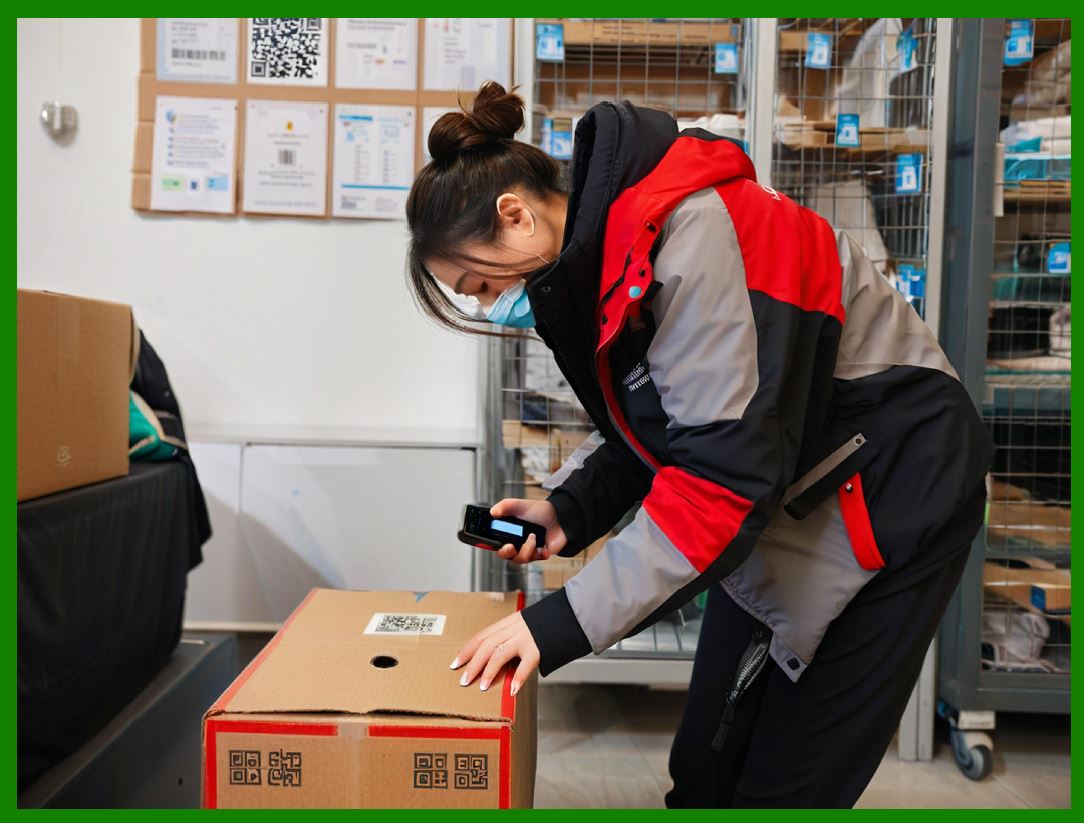
Delivery personnel now use smartphones equipped with scanning apps instead of dedicated hardware. This reduces equipment cost and integrates seamlessly with mobile data networks. |
9.6 Cloud-Based Barcode Management |
Barcode data is often stored and synchronized via cloud platforms, ensuring consistent access across all facilities. Cloud integration also simplifies analytics and system updates. |
9.7 Security Enhancements |
Encrypted or digital-signature barcodes help prevent counterfeiting and ensure authenticity. Some express carriers incorporate invisible infrared inks or micro-patterns for high-value shipments. |
9.8 Together, these innovations extend the applicability of barcode technology into the modern era of digital logistics, ensuring that the system remains efficient, secure, and future-proof. |
|
10. Case Example: Parcel Tracking in a National Express Network |
10.1 To understand how barcodes operate in practice, consider a typical parcel¡¯s journey through a national express network. |
10.2 Step 1 ¨C Shipment Creation |
A customer schedules pickup online. The system generates a unique tracking number and corresponding barcode label. The label encodes sender, recipient, weight, service level, and routing information. |
10.3 Step 2 ¨C Pickup and First Scan |
The courier arrives, scans the barcode to confirm pickup, and transmits the data to headquarters. The customer receives an automatic notification stating ¡°Shipment Collected.¡± |
10.4 Step 3 ¨C Local Sorting Center |
At the local depot, packages are unloaded and placed on a conveyor belt. Scanners read each barcode, and software determines the correct regional hub. The parcel is automatically sorted into the appropriate bin. |
10.5 Step 4 ¨C Regional Hub Transfer |
During transit, packages are grouped into larger containers or pallets, each with its own barcode for batch tracking. Upon arrival at the hub, both container and individual parcel barcodes are scanned to confirm integrity. |
10.6 Step 5 ¨C National Distribution Center |
High-speed optical scanners verify each package¡¯s destination. The system may reprint new barcodes if labels are damaged. Sorting data updates the routing plan for the next leg of transport. |
10.7 Step 6 ¨C Final Delivery Center |
At the last-mile depot, couriers scan barcodes during loading. The scanning application optimizes route order based on geographic proximity and traffic conditions. |
10.8 Step 7 ¨C Delivery Confirmation |
Upon reaching the customer, the courier scans the barcode one final time and obtains digital proof of delivery. The tracking status updates instantly to ¡°Delivered.¡± |
10.9 This sequence of automated barcode scans exemplifies how express logistics achieves precision and visibility from end to end, enabling millions of successful deliveries daily. |

|
11. Barcode-Based Sorting Systems |
11.1 Automated sorting is the heart of modern express logistics. Without barcode technology, the speed and accuracy required by contemporary e-commerce would be impossible. |
11.2 System Architecture |
A typical sorting line includes conveyor belts, diverters, scanners, and control software. As parcels move along the belt, cameras or laser scanners read barcodes at multiple angles. The control system matches the scanned data to routing tables and activates diverters to direct parcels to their proper destinations. |
11.3 Throughput Capacity |
High-end sorting systems can process 30,000 to 60,000 parcels per hour. Barcode scanning reliability above 99.9% is required to maintain uninterrupted flow. Any unreadable item triggers an automatic rejection chute for manual inspection. |
11.4 Redundancy and Error Handling |
Multiple scanners are positioned along the conveyor to ensure redundancy. If one scanner fails, others capture the barcode from different perspectives. Software algorithms reconstruct incomplete scans when labels are partially damaged. |
11.5 Integration with Data Systems |
Sorting results are transmitted to the logistics management system in real time. This enables load planning, truck scheduling, and route optimization. Managers can view live dashboards showing parcel volumes by destination. |
11.6 Performance Monitoring |
Barcode read rates and error ratios are key performance indicators. Continuous data collection allows predictive maintenance of scanners and conveyors, preventing downtime. |
11.7 The synergy between barcode scanning and automated sorting defines the operational efficiency of major logistics hubs, turning data into movement at industrial scale. |
|
12. Warehouse and Distribution Center Applications |
12.1 Within express logistics networks, warehouses and distribution centers act as the vital nodes linking transportation and delivery systems. Barcode technology underpins virtually every process within these facilities, transforming them into automated, data-driven environments that operate with precision and speed. |
12.2 Inbound Operations |
When goods arrive at a warehouse, barcode scanning begins immediately. Each inbound shipment carries a unique barcode corresponding to the supplier or shipper. Warehouse operators scan the code to register the arrival, verifying that it matches the expected consignment in the warehouse management system (WMS). This process prevents discrepancies between purchase orders and received goods. |
12.3 Putaway and Location Control |
Once inbound goods are confirmed, the WMS assigns a specific storage location. Each storage rack, shelf, or bin is labeled with a barcode representing its coordinates within the facility. Workers scan both the product barcode and the location barcode, linking the item¡¯s digital record to its precise physical location. This ensures real-time inventory accuracy. |
12.4 Picking and Order Fulfillment |
During picking, warehouse personnel or robots use handheld or mounted scanners to confirm the correct items are retrieved. Scanning verifies item identity, quantity, and batch number. The WMS automatically updates inventory counts and flags any discrepancies. This barcode-driven verification process minimizes picking errors that could otherwise cascade into customer dissatisfaction. |
12.5 Packing and Consolidation |
After picking, goods are transferred to packing stations, where barcodes again play a critical role. The system generates a shipping label with a new barcode that consolidates all items in an order. Scanning verifies completeness before sealing, ensuring nothing is missing or misrouted. |
12.6 Outbound and Dispatch Operations |
As shipments leave the warehouse, each package¡¯s barcode is scanned to confirm dispatch. The event updates the logistics system and triggers transport planning modules that allocate the appropriate vehicle, route, and hub destination. |
12.7 Cycle Counting and Auditing |
Barcode-based cycle counting allows partial but continuous inventory verification without halting operations. Staff scan location and item codes to confirm quantities, and discrepancies are reconciled electronically. The process enhances inventory accuracy to above 99%. |
12.8 Warehouse Automation |
Modern automated warehouses deploy barcode-guided autonomous vehicles (AGVs) and robotic arms. These systems use cameras or laser sensors to read barcodes on shelves or containers, enabling unmanned material movement. Every automated task, from pallet retrieval to outbound staging, depends on barcode identification. |
12.9 Thus, within warehouses, barcode technology functions as the nervous system that coordinates human and machine activity, ensuring synchronization between digital instructions and physical movements. |

|
13. Cross-Border and International Logistics |
13.1 International express delivery involves complex coordination among multiple carriers, customs authorities, and freight forwarders. Barcodes provide the common digital language that unifies these diverse participants. |
13.2 Universal Standards and Data Formats |
Global logistics companies adopt the GS1 system to maintain consistency in barcode structures. Each shipment¡¯s barcode encodes not only the tracking number but also key customs and routing information, enabling interoperability across borders. |
13.3 Customs Clearance Integration |
When a parcel crosses international boundaries, customs officers scan its barcode to retrieve declaration data, including contents, value, and origin. This allows automated matching against electronic customs submissions, reducing manual paperwork and speeding up clearance. |
13.4 Multi-Carrier Coordination |
Express parcels often change carriers during transit. For instance, a shipment originating in China might be handled by SF Express domestically, transferred to FedEx for international transport, and delivered by a local partner at the destination. Barcode identifiers ensure that tracking continuity is maintained through these handovers. |
13.5 Security and Compliance Tracking |
Certain shipments, such as pharmaceuticals or high-value electronics, require stringent traceability. Barcodes enable compliance with international regulations by recording every custody transfer, providing verifiable data for audits and anti-counterfeit verification. |
13.6 International Labeling Standards |
The International Air Transport Association (IATA) mandates standardized barcode formats for air waybills and cargo labels. These codes are designed to be readable by scanning systems at airports, ensuring consistent data exchange among ground handlers, airlines, and freight forwarders. |
13.7 Real-Time Visibility Across Borders |
Global logistics networks maintain centralized tracking databases where each barcode scan¡ªwhether in Shanghai, Dubai, or Chicago¡ªupdates the same record. Customers thus enjoy continuous visibility of their shipments regardless of geographical transitions. |
13.8 Barcode technology, by establishing a globally recognizable identity for every parcel, has effectively removed the informational boundaries that once separated national logistics systems. |

|
14. Customer Interface and Digital Experience |
14.1 Barcode systems have also revolutionized how customers interact with express delivery services. The barcode printed on a parcel¡¯s label serves as both a logistical identifier and a customer interface element. |
14.2 Online Tracking |
By entering or scanning the barcode number on a logistics website or app, customers can view real-time updates on shipment status. The tracking interface displays events generated by each barcode scan across the network, converting operational data into customer-facing transparency. |
14.3 Mobile and QR Interaction |
Many express services include a QR Code on the label. When scanned by a smartphone, it can open the tracking page automatically, eliminating the need to manually type tracking numbers. Some QR Codes even embed personalized URLs that allow customers to leave feedback or request delivery rescheduling. |
14.4 Delivery Confirmation Notifications |
Once the final barcode scan occurs at the time of delivery, automated systems send SMS or email confirmations to customers. This synchronization between scanning events and communication systems enhances service reliability. |
14.5 Returns and Customer Service Integration |
Barcodes simplify return logistics by serving as the link between customer orders and product data. When a customer initiates a return, scanning the shipment barcode retrieves all relevant purchase and delivery details, accelerating refund or replacement workflows. |
14.6 Digital Receipts and Paperless Operations |
Some express carriers issue electronic receipts containing digital versions of shipment barcodes. These virtual codes can be scanned at pickup points or lockers, enabling contactless services and reducing paper waste. |
14.7 The integration of barcode data with mobile and web platforms demonstrates how logistics has evolved from a purely operational process into an interactive, customer-centric experience driven by instant information access. |

|
15. Barcodes and Automation in Last-Mile Delivery |
15.1 The last mile ¡ª the final segment from the distribution center to the customer ¡ª represents the most cost-intensive and complex portion of express logistics. Barcode technology enhances control and traceability throughout this critical phase. |
15.2 Route Optimization |
Before departure, couriers scan all packages loaded onto their vehicle. The system cross-checks barcode data to verify completeness and calculates the most efficient route based on destinations. Real-time scanning ensures that no parcel is misplaced. |
15.3 Mobile Delivery Apps |
Modern delivery devices use integrated cameras to scan barcodes. These apps update shipment status immediately, record geographic coordinates, and sync data with the central server through mobile networks. |
15.4 Contactless Delivery Verification |
In certain service models, customers receive a digital QR code representing their order. Upon delivery, the courier scans the customer¡¯s code while the customer scans the parcel code in return, producing a dual-verification record. |
15.5 Locker and Pickup Station Integration |
Smart lockers in residential or commercial areas rely on barcode or QR Code scanning for authentication. When a courier delivers a parcel, scanning assigns the item to a locker cell. The customer later scans the barcode sent via SMS or app to retrieve it. |
15.6 Real-Time Performance Monitoring |
Barcode scans along delivery routes create geotagged performance records. Dispatch managers can monitor delivery progress and identify route inefficiencies or missed deliveries in real time. |
15.7 Error Reduction |
Without barcode verification, couriers could easily mix up packages with similar addresses. Scanning ensures each parcel matches its intended recipient before handover, dramatically reducing misdelivery incidents. |
15.8 By enabling digital validation of every delivery event, barcode technology provides the precision and accountability required to manage the inherently unpredictable dynamics of last-mile logistics. |
|
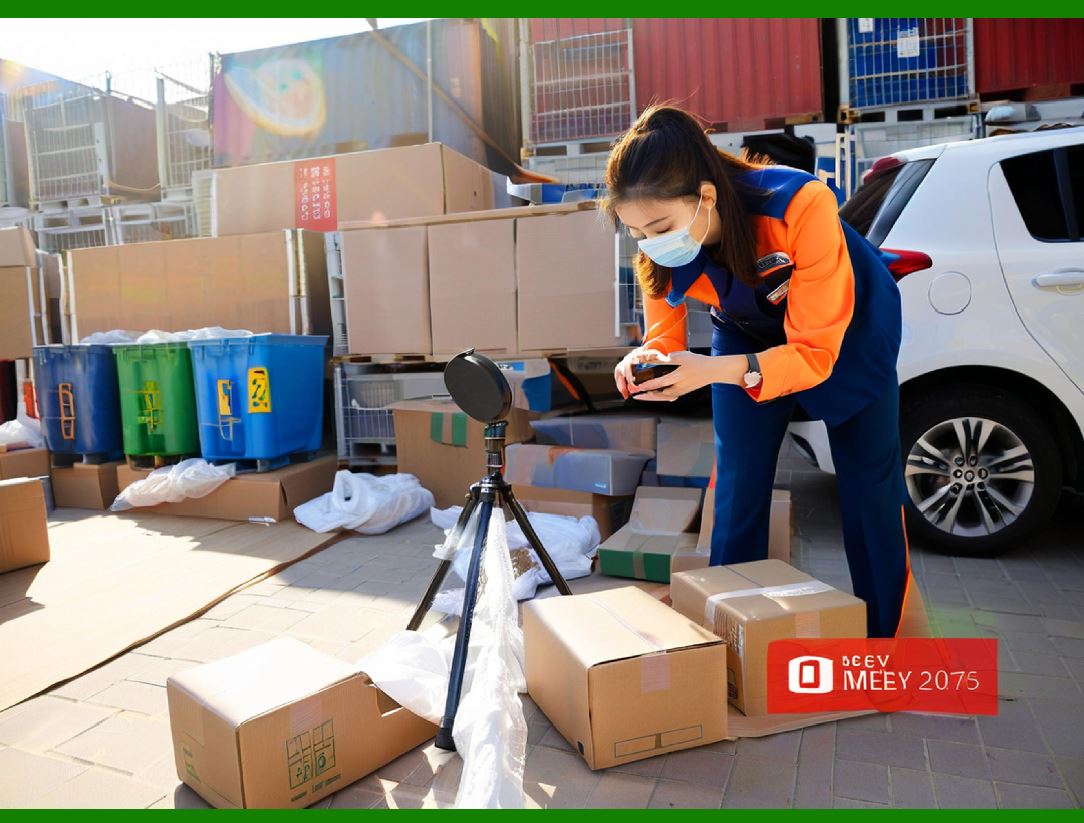
16. Reverse Logistics and Sustainability |
16.1 Reverse logistics¡ªthe process of handling product returns, recycling, and waste management¡ªhas grown in importance as e-commerce expands. Barcodes streamline these complex flows by maintaining visibility even as goods move backward through the supply chain. |
16.2 Return Merchandise Authorization (RMA) |
When customers request returns, the system generates an RMA barcode linked to the original order. Scanning this code during pickup automatically retrieves product and payment details, simplifying verification and refund initiation. |
16.3 Sorting and Inspection of Returns |
Returned items pass through inspection stations where barcode scanning categorizes them as restockable, repairable, or disposable. This ensures accurate inventory updates and prevents mix-ups between customer and supplier returns. |
16.4 Recycling and Asset Recovery |
In sustainability programs, barcodes track reusable packaging, pallets, or containers. Each item¡¯s lifecycle can be monitored through repeated scans, supporting circular logistics models. |
16.5 Waste Reduction through Accuracy |
Barcode-driven traceability reduces losses from unidentified returns or misplaced materials. The resulting operational efficiency lowers resource consumption, indirectly contributing to environmental sustainability. |
16.6 Integration with Green Logistics |
Some companies use barcode data analytics to optimize routes for collecting returned items, minimizing carbon emissions. Thus, barcodes not only improve operational performance but also align logistics with broader environmental goals. |
16.7 By ensuring that every item ¡ª whether moving forward or backward ¡ª remains identifiable, barcode systems close the informational loop of the supply chain, enabling efficient and sustainable operations. |
|
17. Data Analytics and Operational Intelligence |
17.1 Barcode scanning generates enormous amounts of operational data. Each scan captures time, location, operator ID, and package status, forming a continuous digital record of logistics activity. |
17.2 Data Collection and Structuring |
Scans are transmitted to central databases in real time. Over weeks or months, this data forms an extensive historical record that can be mined for performance trends and anomaly detection. |
17.3 Performance Analytics |
By analyzing scan frequency and intervals, logistics managers can measure productivity, identify delays, and optimize hub capacity. Heat maps of scanning activity reveal congestion points and inefficiencies in facility layouts. |
17.4 Predictive Maintenance |
Barcode read error rates can indicate scanner degradation or alignment issues. Monitoring these metrics allows maintenance before system failures occur, preventing downtime. |
17.5 Customer Experience Analytics |
Tracking event patterns enables predictive modeling of delivery times, allowing logistics companies to provide accurate estimated arrival times (ETAs). Machine learning models trained on barcode scan data can forecast bottlenecks under varying load conditions. |
17.6 Fraud Detection |
Abnormal scanning sequences or duplicated barcodes can signal tampering or theft. Automated systems can flag suspicious activity for investigation. |
17.7 Strategic Decision-Making |
Executives use aggregated barcode data to assess regional performance, determine investment priorities, and plan expansion strategies. Thus, what begins as a simple label becomes a powerful source of managerial insight. |
17.8 In essence, barcodes not only move parcels but also generate the informational lifeblood that fuels continuous improvement in express logistics operations. |

|
18. Barcodes vs RFID in Express Logistics |
18.1 While barcode technology remains dominant, radio-frequency identification (RFID) has emerged as a complementary identification method. Comparing the two illuminates why barcodes still prevail in express delivery. |
18.2 Cost Efficiency |
RFID tags are more expensive than printed barcodes, making them impractical for disposable shipping labels. Barcodes can be produced for fractions of a cent, supporting billions of shipments economically. |
18.3 Scanning and Infrastructure |
Barcodes require line-of-sight scanning, while RFID can operate wirelessly. However, the simplicity and reliability of barcode scanners outweigh RFID¡¯s advantages in many contexts, particularly where manual verification is necessary. |
18.4 Data Richness and Complexity |
RFID can store more information and enable bulk reading, but most express operations already store detailed data in backend systems. Therefore, barcode data suffices as a unique identifier linking to external databases. |
18.5 Operational Familiarity |
Millions of logistics workers worldwide are trained in barcode handling. Replacing this global standard would require vast retraining and infrastructure investment. |
18.6 Hybrid Systems |
Some high-value shipments use both technologies: barcodes for standard tracking and RFID for automated location detection within warehouses. This hybrid approach combines affordability with automation benefits. |
18.7 Future Outlook |
As RFID costs decrease, integration may expand. Yet even in an RFID-rich future, barcodes will continue to coexist as a low-cost, universally compatible layer of identification. |
18.8 Thus, barcodes remain the pragmatic choice for the majority of express delivery operations, balancing efficiency, cost, and universality. |

|
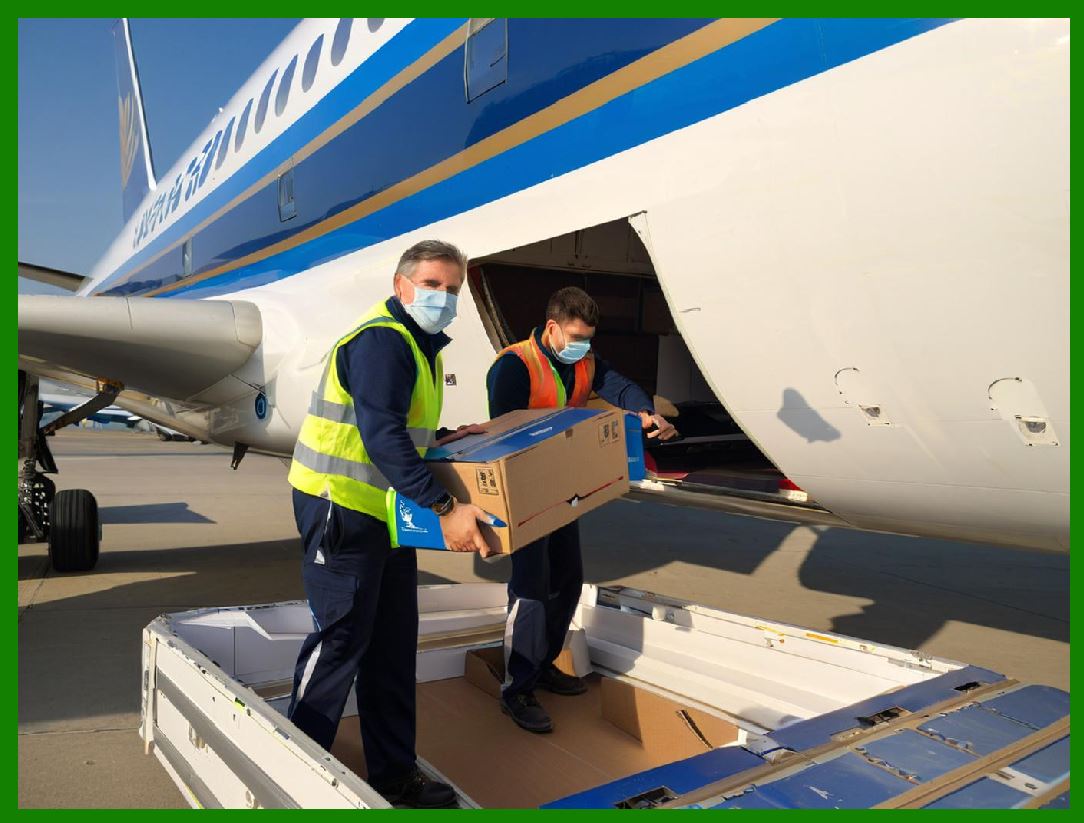
19. Security and Anti-Counterfeiting Applications |
19.1 Barcodes also serve critical roles in protecting shipment integrity and combating counterfeiting. |
19.2 Unique Identification |
Each barcode corresponds to a unique database entry. Duplicating or falsifying it without backend access produces invalid tracking data, making counterfeit shipments detectable. |
19.3 Tamper-Evident Labels |
Security labels incorporate special adhesives or holographic overlays that reveal tampering attempts. Scanning such barcodes validates package authenticity. |
19.4 Encrypted and Invisible Codes |
Advanced systems use encrypted barcode segments or invisible inks readable only by infrared scanners. These protect confidential or high-value shipments from substitution or diversion. |
19.5 Authentication Systems |
For sensitive sectors such as pharmaceuticals or luxury goods, customers can scan product barcodes to verify authenticity against the manufacturer¡¯s server. Logistics partners integrate these systems into their delivery processes. |
19.6 Chain-of-Custody Monitoring |
Every scan event establishes proof of custody. If a parcel disappears, the last recorded scan identifies where it was last handled, enabling targeted investigation. |
19.7 Data Integrity and Cybersecurity |
Secure transmission of scan data prevents tampering with tracking records. End-to-end encryption ensures that barcode-derived information remains trustworthy. |
19.8 By embedding security into the simplest component of the logistics process ¡ª the label ¡ª barcode systems reinforce confidence across global supply chains. |
|
20. Economic and Social Impact |
20.1 The adoption of barcode technology has profoundly reshaped not only logistics operations but also broader economic systems. |
20.2 Productivity and Cost Savings |
Automated barcode workflows reduce human labor, errors, and administrative overhead, lowering delivery costs and enabling affordable express services accessible to the mass market. |
20.3 Globalization and Trade Expansion |
Standardized identification accelerates cross-border commerce by ensuring traceability and compliance. Small exporters can now access international customers through express networks built on barcode-driven efficiency. |
20.4 Employment Transformation |
While automation reduces manual data entry, it creates new roles in system management, IT support, and analytics. Barcode literacy has become a basic skill in modern logistics employment. |
20.5 Customer Empowerment |
Consumers gain visibility and control through online tracking, reducing anxiety and enhancing trust in global commerce. The barcode democratizes information once confined to logistics professionals. |
20.6 Environmental Benefits |
Efficient barcode-guided routing minimizes unnecessary transport, lowering emissions. Additionally, paperless processes enabled by digital barcodes reduce resource consumption. |
20.7 National Infrastructure Modernization |
Countries investing in barcode-based postal and courier systems improve delivery reliability, supporting digital economy growth and e-commerce development. |
20.8 The economic and social ripple effects of barcode adoption thus extend far beyond logistics, shaping the global culture of instant connectivity and transparency. |
|
21. Future Developments and Innovations |
21.1 As technology evolves, barcode systems continue to adapt to new logistical demands and digital ecosystems. |
21.2 Integration with IoT and Sensors |
Packages equipped with IoT sensors may transmit environmental data such as temperature or vibration, while barcodes serve as identifiers linking sensor data to shipment records. |
21.3 AI-Powered Scanning |
Artificial intelligence enhances image recognition, allowing scanners to decode damaged or distorted barcodes with near-perfect accuracy even on curved or reflective surfaces. |
21.4 Blockchain-Based Tracking |
Barcode scan events can be logged onto blockchain ledgers, ensuring immutable proof of delivery and traceability. This approach increases trust in international supply chains. |
21.5 Augmented Reality (AR) Interfaces |
Warehouse workers may use AR glasses that overlay real-time barcode information, guiding picking routes and displaying contextual data without manual device handling. |
21.6 Color and Digital Watermark Codes |
Emerging symbologies such as High Capacity Color Barcode (HCCB) or Digimarc embed invisible patterns in label graphics, combining aesthetics with machine readability. |
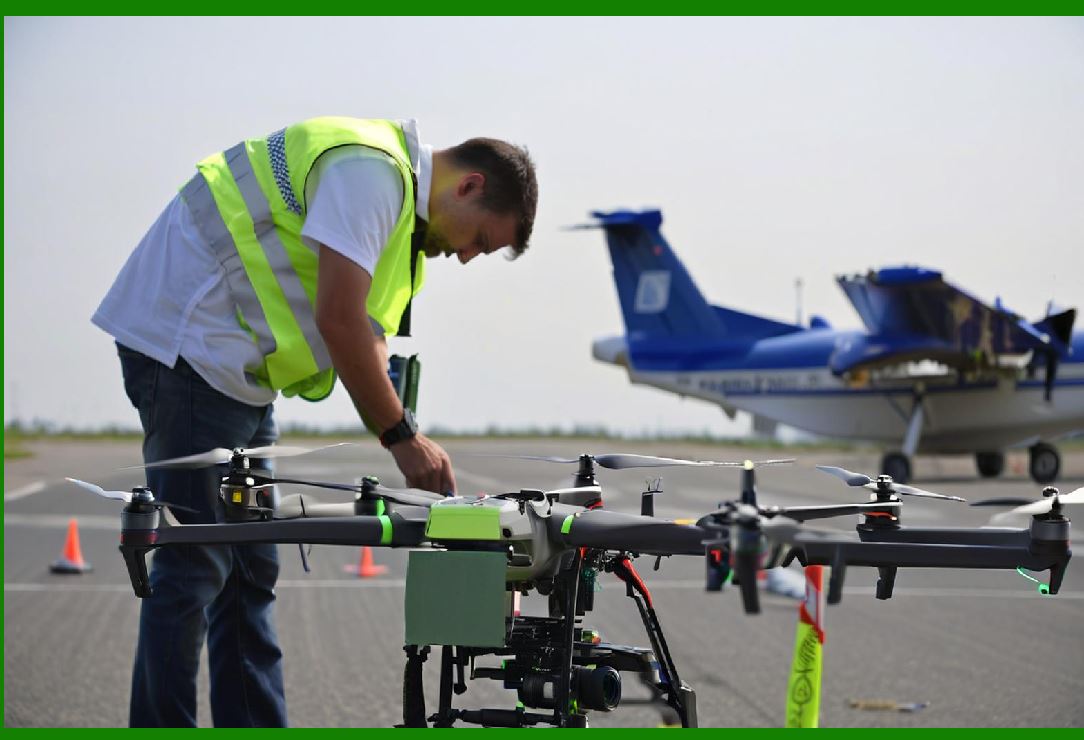
21.7 Integration with Autonomous Vehicles and Drones |
Barcode-based navigation and identification systems will support drone and autonomous vehicle deliveries, providing lightweight, visual localization cues. |
21.8 These innovations confirm that barcode technology, while mature, remains a dynamic and evolving foundation for the future of express logistics. |

|
22. Global Case Studies |
22.1 FedEx pioneered real-time parcel tracking through barcode scanning in the 1980s, revolutionizing customer visibility. |
22.2 UPS integrated barcode data into its ORION route optimization system, achieving significant fuel savings. |
22.3 DHL uses multi-angle barcode scanners across its European hubs, ensuring nearly flawless read rates at 60,000 parcels per hour. |
22.4 SF Express in China combines barcode tracking with facial recognition at lockers, ensuring secure handovers. |
22.5 Amazon Logistics relies on barcode-based fulfillment systems that synchronize millions of inventory items across global warehouses. |
22.6 These cases collectively demonstrate that the operational excellence of the world¡¯s logistics leaders rests on the backbone of barcode technology. |
|
23. Standardization and Governance |
23.1 Barcode effectiveness depends on standardized governance. |
23.2 GS1 provides the global framework for barcode symbologies and data structures used in logistics. |
23.3 ISO/IEC 15417 (Code 128) and ISO/IEC 16022 (Data Matrix) establish technical specifications ensuring cross-platform compatibility. |
23.4 Compliance with these standards guarantees that a parcel¡¯s barcode printed in one country can be scanned and understood in another. |
23.5 Regulatory agencies and postal authorities collaborate with GS1 to maintain unified practices, ensuring global interoperability of express systems. |

|
24. Training, Human Factors, and Organizational Adoption |
24.1 The success of barcode implementation depends not only on technology but also on human adoption. |
24.2 Workers must be trained to handle scanners correctly, verify label placement, and interpret system feedback. |
24.3 Consistent training reduces missed scans, improves throughput, and enhances data accuracy. |
24.4 Organizational culture that values data integrity ensures that every scan event becomes a reliable information source. |
24.5 Many logistics enterprises deploy gamified training modules where staff improve scanning speed and accuracy through measurable targets, reinforcing engagement. |
|
25. The Broader Technological Ecosystem |
25.1 Barcode systems rarely operate alone. They interact with printers, scales, OCR systems, and mobile devices. |
25.2 Integration ensures seamless communication between hardware and software, enabling a unified digital thread from the printing of the label to the final scan. |
25.3 Middleware platforms synchronize data from barcode scanners, IoT sensors, and GPS trackers, ensuring consistent real-time information flow across the logistics network. |
|
26. Long-Term Outlook |
26.1 The future of express delivery will remain deeply intertwined with barcode technology. |
26.2 Even as new identification technologies emerge, barcodes will continue as the universal, low-cost foundation for traceability. |
26.3 The synergy between barcodes, data analytics, and automation will define the next generation of logistics systems capable of self-optimization and autonomous operation. |
26.4 Ultimately, the barcode¡¯s simplicity conceals its profound impact ¡ª transforming global logistics into an integrated, intelligent, and transparent network that connects producers and consumers with unprecedented efficiency. |
|
27. Conclusion |
27.1 From its humble beginnings as a tool for grocery checkout to its central role in the global logistics ecosystem, barcode technology has become the silent engine of express delivery efficiency. |
27.2 Every scan represents a moment of synchronization between the physical and digital worlds. |
27.3 It enables parcels to traverse thousands of miles, cross multiple jurisdictions, and still arrive at the right doorstep ¡ª all because each carries a unique, machine-readable identity. |
27.4 As e-commerce continues to expand, barcode-driven logistics will remain indispensable to sustaining global commerce, ensuring transparency, reliability, and scalability. |
27.5 The story of barcode technology is therefore the story of modern logistics itself ¡ª a testament to how simple symbols can orchestrate the movement of the world. |
 cs@easiersoft.com