Impact on Global Trade and Standardization |
1.Introduction to Barcode Standardization |
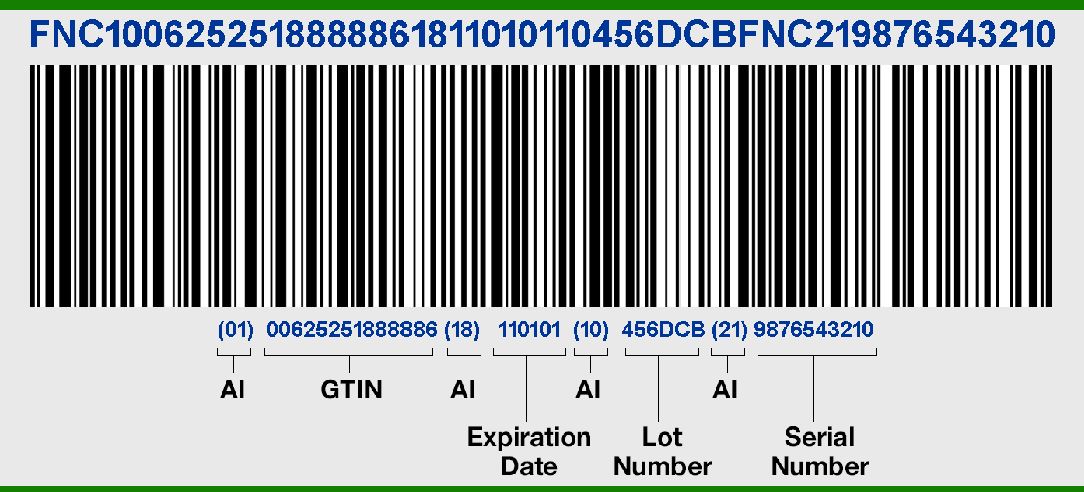
The development and adoption of barcodes have significantly influenced global trade by creating a universal system for tracking and managing products. Standardization in barcodes began with the introduction of the Universal Product Code (UPC) in the 1970s, primarily in the United States, and expanded globally with the adoption of the International Article Number (EAN). These barcodes are now ubiquitous in various industries, enabling seamless transactions and operations across borders. |
|
2.The Role of UPC and EAN in Global Trade |
The UPC and EAN barcodes serve as fundamental pillars for product identification in international commerce. The UPC, introduced in 1974, was initially used in North America for retail products. Its counterpart, the EAN, was developed for international use and is recognized worldwide. The EAN-13 barcode, a 13-digit code, ensures that products can be identified and scanned in different countries without modification, promoting international trade and simplifying inventory management for multinational companies. |
3.Facilitation of Cross-Border Transactions |
Barcodes like UPC and EAN have facilitated cross-border transactions by providing a common language for product identification. For example, a product manufactured in Germany and exported to the United States can be easily scanned and identified using its EAN-13 barcode. This uniformity eliminates the need for different identification systems in each country, streamlining the import and export processes and reducing the potential for errors. |
4.Enhancement of Global Supply Chains |
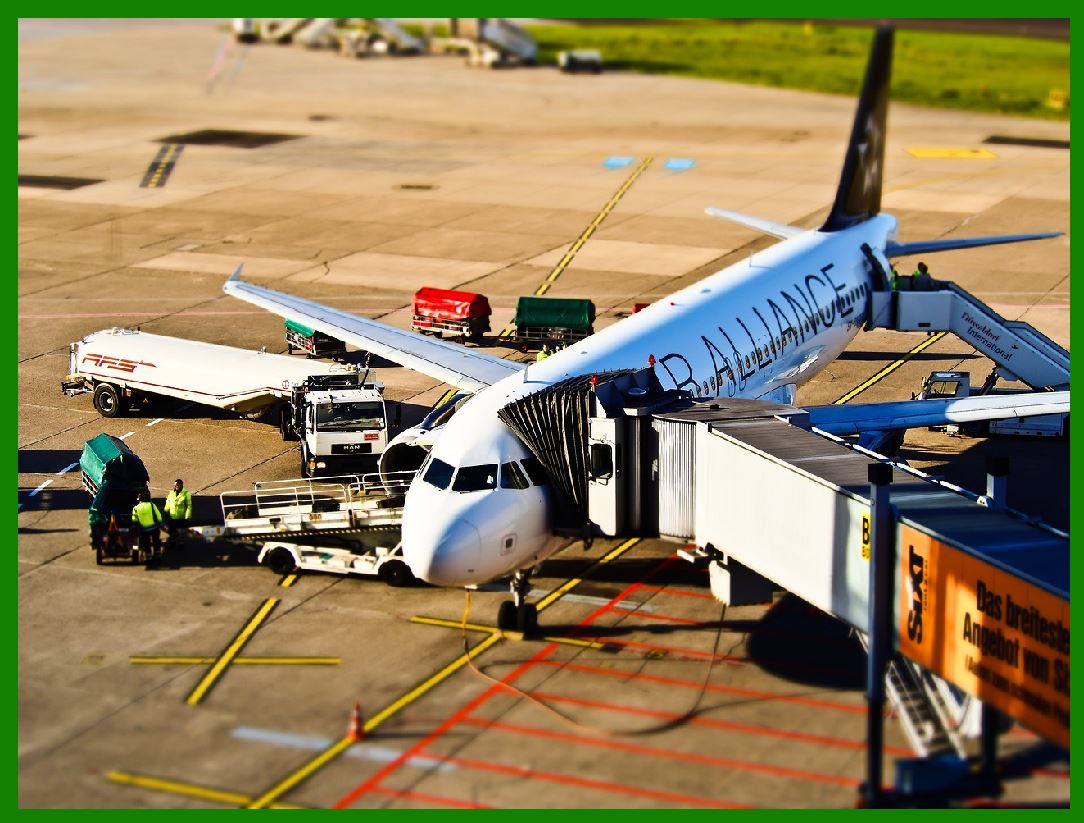
The standardization of barcodes has revolutionized global supply chains by enhancing the tracking and management of products. With standardized barcodes, companies can monitor the movement of goods from production to the point of sale. For instance, a product shipped from China to Canada can be tracked at various checkpoints using its EAN barcode, ensuring real-time visibility and improving supply chain efficiency. This transparency reduces lead times, minimizes losses, and enhances customer satisfaction. |
|
5.Reduction of Barriers to International Trade |
International barcode standards have played a crucial role in reducing barriers to international trade. Before standardization, each country had its own system for product identification, creating significant obstacles for exporters and importers. The adoption of standardized barcodes like EAN-13 has eliminated these barriers, allowing businesses to expand their markets and operate globally with ease. This harmonization has been particularly beneficial for small and medium-sized enterprises (SMEs), enabling them to compete in the international arena. |
6.Improvement of Inventory Management and Logistics |
Standardized barcodes have vastly improved inventory management and logistics on a global scale. Companies can use these barcodes to automate inventory tracking, reducing manual errors and enhancing accuracy. For example, a multinational retailer can use EAN-13 barcodes to manage its inventory across different countries, ensuring consistent stock levels and timely replenishments. This automation not only saves time and labor costs but also enhances overall operational efficiency. |
7.Support for International Commerce Growth |
The global acceptance of barcode standards has been instrumental in supporting the growth of international commerce. By providing a reliable and consistent method for product identification, barcodes have facilitated the expansion of global markets. For instance, an electronics manufacturer in Japan can sell its products in Europe and the United States, confident that its EAN-13 barcodes will be recognized and scanned accurately. This level of assurance has encouraged businesses to explore and invest in international markets, driving economic growth. |

|
8.Examples of Barcode Usage in Different Industries |
Various industries have benefited from the standardization of barcodes. In the retail sector, supermarkets and department stores worldwide use EAN-13 barcodes to streamline checkout processes and manage inventory. In the healthcare industry, barcodes are used to track medical supplies and patient records, ensuring accuracy and safety. The logistics industry relies on standardized barcodes to track shipments and manage warehouse operations efficiently. These examples demonstrate the widespread applicability and impact of barcode standardization across different sectors. |
9.Challenges and Solutions in Barcode Standardization |
Despite the numerous benefits, barcode standardization has faced challenges, including the need for continuous updates and compatibility with emerging technologies. To address these challenges, organizations like GS1 (formerly known as the Uniform Code Council) oversee the development and maintenance of barcode standards. GS1 ensures that barcodes evolve to meet the changing needs of global trade and technological advancements. For instance, the introduction of GS1 DataBar and QR codes has provided additional options for encoding more information and enhancing traceability. |
10.Future Trends in Barcode Technology and Standardization |
The future of barcode technology and standardization looks promising, with ongoing innovations aimed at further enhancing global trade. The integration of barcodes with the Internet of Things (IoT) and blockchain technology is expected to revolutionize supply chain management. For example, products embedded with RFID tags and barcodes can be tracked in real-time through IoT networks, providing unprecedented visibility and control. Blockchain integration can ensure the authenticity and integrity of product information, reducing counterfeiting and improving consumer trust. |

|
11.Conclusion: The Lasting Impact of Barcode Standardization |
The standardization of barcodes has had a profound and lasting impact on global trade. By providing a universal system for product identification, barcodes have facilitated seamless cross-border transactions, enhanced supply chain efficiency, and supported the growth of international commerce. As technology continues to evolve, barcode standards will likely adapt to meet new challenges and opportunities, further solidifying their role in the global economy. The continued collaboration between industries, standardization bodies, and technology developers will be crucial in ensuring that barcodes remain a vital tool for international trade and logistics. |
Detailed Examples and Case Studies |
12.Case Study: Walmart's Global Supply Chain |
Walmart, one of the world's largest retailers, exemplifies the impact of barcode standardization on global trade. The company relies on EAN-13 barcodes to manage its vast inventory across different countries. By using standardized barcodes, Walmart ensures that products can be tracked and identified consistently, regardless of their origin or destination. This standardization allows Walmart to optimize its supply chain operations, reduce costs, and provide better service to customers worldwide. |
13.Case Study: Healthcare Industry and Patient Safety |
In the healthcare industry, the use of standardized barcodes has improved patient safety and operational efficiency. Hospitals and clinics use barcodes to track medications, medical devices, and patient records. For instance, a hospital in the United Kingdom can use EAN-13 barcodes to ensure that the correct medication is administered to the right patient. This system reduces the risk of errors and enhances patient care, demonstrating the critical role of barcode standardization in the healthcare sector. |

|
14.Case Study: Amazon's Global E-commerce Operations |
Amazon, a global e-commerce giant, leverages standardized barcodes to manage its extensive inventory and streamline its logistics operations. Products sold on Amazon's platform are tagged with UPC or EAN barcodes, ensuring consistent identification and tracking. This standardization enables Amazon to efficiently process orders, manage stock levels, and deliver products to customers around the world. The ability to handle millions of products from various suppliers with standardized barcodes highlights the importance of this technology in modern e-commerce. |
15.Case Study: The Automotive Industry and Part Traceability |
The automotive industry benefits from barcode standardization through improved traceability of parts and components. Manufacturers use barcodes to track parts from suppliers to assembly lines and beyond. For example, an automotive manufacturer in Germany can use EAN-13 barcodes to trace the origin of each component, ensuring quality control and compliance with industry standards. This traceability is crucial for recalls and warranty claims, underscoring the importance of standardized barcodes in maintaining product integrity and customer satisfaction. |
16.Case Study: Food and Beverage Industry |
The food and beverage industry relies on standardized barcodes for efficient supply chain management and product safety. Retailers and distributors use EAN-13 barcodes to track food products from farms to grocery store shelves. For instance, a grocery store in France can scan the EAN-13 barcode on a bottle of wine to verify its authenticity and origin. This system enhances food safety, reduces the risk of counterfeit products, and ensures compliance with international regulations. |

|
17.Case Study: Pharmaceuticals and Regulatory Compliance |
The pharmaceutical industry uses standardized barcodes to comply with regulatory requirements and ensure the safety of medications. EAN-13 barcodes are used to track pharmaceutical products from manufacturers to pharmacies. For example, a pharmaceutical company in India can use EAN-13 barcodes to comply with the European Union's Falsified Medicines Directive (FMD), which mandates the serialization and tracking of medications. This compliance ensures that patients receive safe and genuine medications, highlighting the importance of barcode standardization in the pharmaceutical industry. |
18.Case Study: Logistics and Shipping |
The logistics and shipping industry relies on standardized barcodes to manage the movement of goods across borders. Shipping companies use barcodes to track packages and containers throughout their journey. For instance, a shipping company in Singapore can use EAN-13 barcodes to monitor the status of a container being transported to the United States. This visibility reduces the risk of lost or delayed shipments and enhances overall supply chain efficiency. |
19.Case Study: Retail Industry and Point-of-Sale Systems |
In the retail industry, point-of-sale (POS) systems rely on standardized barcodes to streamline checkout processes and improve customer service. Retailers use EAN-13 barcodes to scan products at the checkout counter, reducing the time needed for manual entry and minimizing errors. For example, a supermarket in Australia can use EAN-13 barcodes to quickly scan and process items, ensuring a smooth and efficient checkout experience for customers. This efficiency translates to higher customer satisfaction and increased sales. |

|
20.Case Study: Agricultural Sector and Traceability |
The agricultural sector uses standardized barcodes to enhance traceability and quality control. Farmers and producers use barcodes to track crops and livestock from the field to the market. For example, an organic farm in Brazil can use EAN-13 barcodes to certify the authenticity and origin of its produce. This traceability ensures that consumers receive high-quality products and supports the farm's reputation for sustainability and transparency. |
21.Case Study: Government and Public Sector |
Governments and public sector organizations use standardized barcodes to improve service delivery and efficiency. For instance, postal services in various countries use barcodes to track mail and packages. A postal service in Canada can use EAN-13 barcodes to monitor the delivery status of packages, ensuring timely and accurate deliveries. This system enhances public trust and satisfaction with government services. |
22.Challenges in Implementing Barcode Standardization |
Implementing barcode standardization can present challenges, including the need for coordination among different stakeholders and the cost of updating systems. Companies may need to invest in new barcode scanners and software to comply with international standards. Additionally, training employees to use standardized barcodes effectively can require time and resources. Despite these challenges, the long-term benefits of barcode standardization, such as improved efficiency and reduced errors, outweigh the initial investment. |

|
23.Collaboration Among Industry Stakeholders |
Collaboration among industry stakeholders is crucial for the successful implementation of barcode standardization. Manufacturers, retailers, logistics providers, and regulatory bodies must work together to develop and maintain barcode standards. Organizations like GS1 play a vital role in facilitating this collaboration by providing guidelines and support for implementing barcode standards. For example, GS1's global network of member organizations helps companies adopt EAN-13 barcodes and integrate them into their operations. |
24.Regulatory Frameworks and Compliance |
Regulatory frameworks and compliance requirements drive the adoption of standardized barcodes in various industries. Governments and regulatory bodies mandate the use of barcodes to ensure product safety, traceability, and transparency. For example, the European Union requires the use of standardized barcodes for tracking pharmaceuticals and medical devices. Compliance with these regulations ensures that companies can operate in international markets and meet the expectations of consumers and regulators. |
25.Technology Advancements and Innovation |
Technology advancements and innovation continue to shape the future of barcode standardization. The development of new barcode symbologies, such as QR codes and Data Matrix codes, provides additional options for encoding information. These new barcodes can store more data and support advanced applications, such as mobile payments and digital marketing. The integration of barcodes with emerging technologies like IoT and blockchain will further enhance their capabilities and impact on global trade. |

|
26.Future Directions in Barcode Standardization |
The future of barcode standardization will involve continuous innovation and adaptation to meet the evolving needs of global trade. Industry stakeholders must stay informed about emerging trends and developments to ensure that barcode standards remain relevant and effective. The collaboration between technology developers, standardization bodies, and industry players will be essential for driving the next generation of barcode technologies. As global trade becomes increasingly interconnected, the role of barcode standardization in facilitating seamless and efficient transactions will continue to grow. |
27.Conclusion: Embracing the Benefits of Standardization |
Embracing the benefits of barcode standardization is essential for businesses looking to succeed in the global marketplace. The widespread adoption of standardized barcodes has transformed the way products are identified, tracked, and managed across borders. By leveraging these standards, companies can improve their supply chain operations, reduce costs, and enhance customer satisfaction. The ongoing collaboration among industry stakeholders will ensure that barcode standardization continues to drive the growth of international commerce and support the development of efficient and transparent global supply chains. |

|
28.Final Thoughts |
The impact of barcode standardization on global trade is a testament to the power of collaboration and innovation. By establishing a universal system for product identification, barcodes have broken down barriers to international trade and enabled businesses to operate more efficiently. As technology continues to evolve, the role of barcodes in facilitating global commerce will only become more significant. Companies that embrace barcode standardization will be well-positioned to navigate the complexities of the global marketplace and capitalize on new opportunities for growth and expansion. |
 cs@easiersoft.com