The Role of Barcodes in Enhancing Patient Safety and Operational Efficiency in Healthcare | 1.Introduction to Barcoding in Healthcare Barcodes have become integral to the healthcare sector, playing a pivotal role in enhancing patient safety and operational efficiency. The adoption of barcoding technology addresses several critical areas of healthcare, including medication administration, patient identification, medical record management, and equipment tracking. By enabling accurate identification and tracking, barcodes significantly reduce the risk of errors and improve overall patient outcomes. | 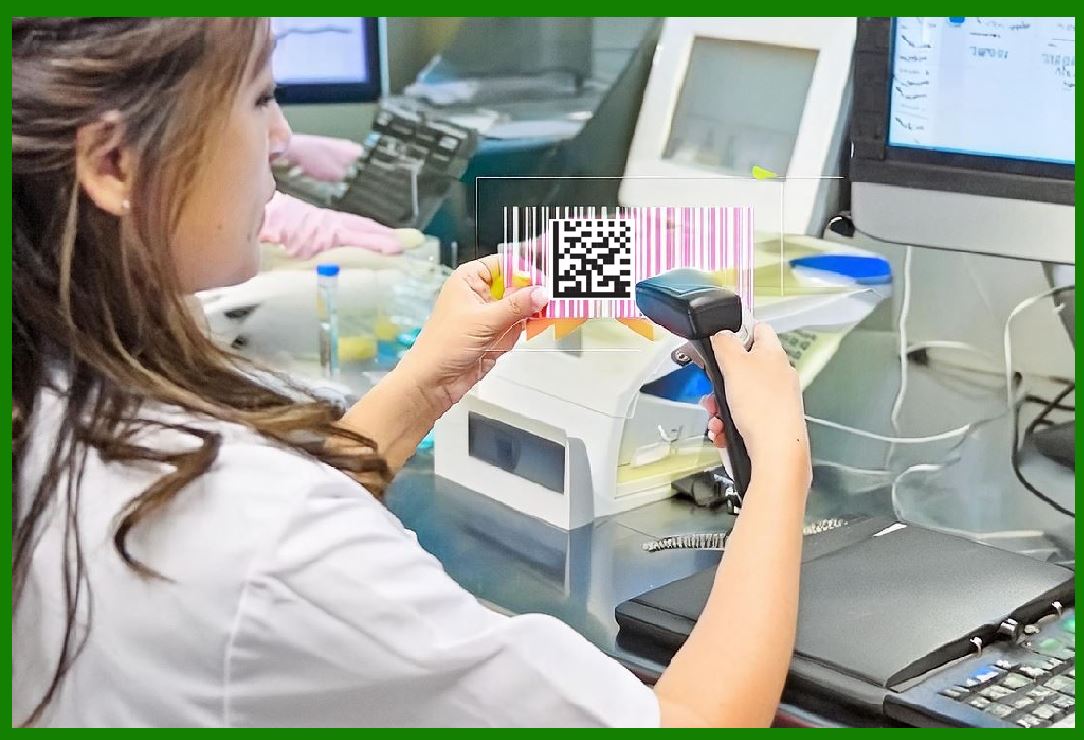
| 2.Barcodes and Medication Administration Medication errors are a substantial concern in healthcare, leading to adverse drug events and compromising patient safety. Barcoding systems ensure that the right patient receives the correct medication and dosage at the appropriate time. Each medication is labeled with a unique barcode that includes information about the drug name, dosage, and administration instructions. When administering medication, healthcare professionals scan the patient's wristband and the medication barcode to verify the match. This process helps prevent errors such as administering the wrong drug, incorrect dosage, or giving medication to the wrong patient. | 3.Patient Identification and Wristbands Accurate patient identification is crucial in preventing medical errors and ensuring proper treatment. Patient wristbands with barcodes contain essential information such as the patient's name, medical record number, and other identifiers. When a patient is admitted to a healthcare facility, they receive a wristband with a unique barcode. Throughout their stay, this barcode is scanned during various procedures, including medication administration, specimen collection, and surgical interventions. This practice ensures that all actions are accurately documented and associated with the correct patient, significantly reducing the risk of misidentification and medical errors. | 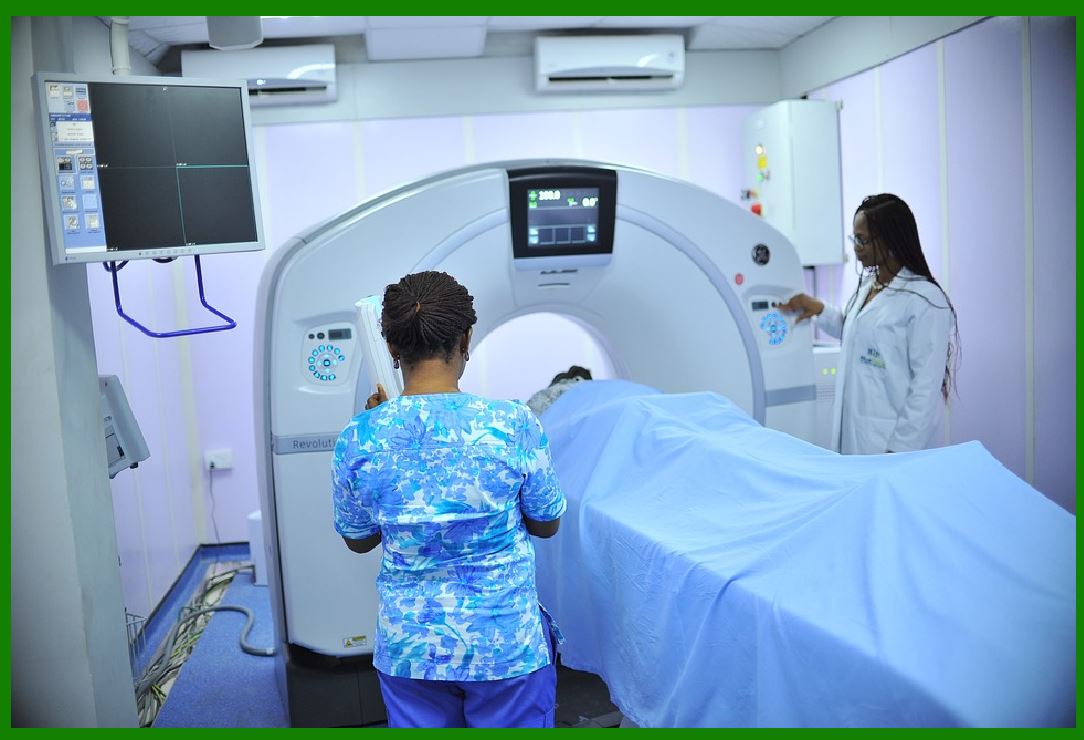
| 4.Medical Record Management Barcoding systems streamline the management of medical records, ensuring that patient information is accurately recorded and easily accessible. Medical records, whether in physical or electronic form, are tagged with barcodes that link to the patient's comprehensive health data. When healthcare providers scan these barcodes, they can quickly access the patient's history, treatment plans, and other relevant information. This seamless access to medical records enhances communication among healthcare teams, improves the quality of care, and reduces the likelihood of documentation errors. | 5.Tracking Medications and Specimens Barcodes play a crucial role in tracking medications and laboratory specimens, ensuring that they are properly handled and accurately associated with the correct patient. For medications, barcoding ensures that each dose is tracked from the pharmacy to the patient, reducing the chances of diversion or administration errors. In the case of laboratory specimens, barcodes attached to blood samples, tissue biopsies, and other specimens ensure that they are accurately labeled and transported to the correct laboratory. This meticulous tracking helps prevent mix-ups and ensures that test results are accurately attributed to the correct patient. | 
| 6.Managing Medical Equipment and Supplies Efficient management of medical equipment and supplies is vital for maintaining high standards of care. Barcoding systems enable healthcare facilities to track the location, usage, and maintenance of medical equipment. Each piece of equipment is tagged with a barcode that includes details about its maintenance schedule, usage history, and inventory status. By scanning these barcodes, healthcare providers can ensure that equipment is properly maintained, available when needed, and promptly serviced if issues arise. This proactive approach minimizes downtime and ensures that critical equipment is always operational, supporting optimal patient care. | 7.Inventory Management and Supply Chain Efficiency Barcoding systems enhance inventory management and supply chain efficiency in healthcare settings. Medical supplies, ranging from surgical instruments to disposable gloves, are tagged with barcodes that contain information about their stock levels, expiration dates, and usage patterns. When supplies are used, their barcodes are scanned to update inventory records in real time. This real-time tracking enables healthcare facilities to maintain optimal stock levels, reduce waste, and prevent shortages of essential supplies. Additionally, barcode-based inventory management streamlines the reordering process, ensuring that supplies are replenished promptly and cost-effectively. | 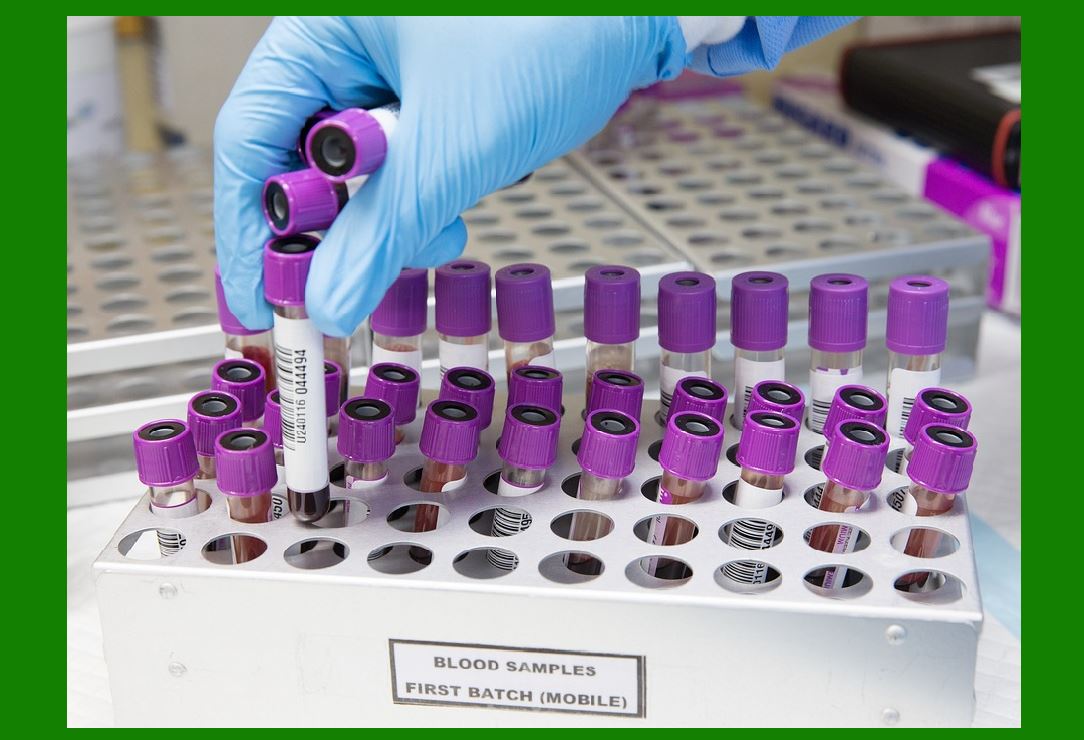
| 8.Reducing Administrative Burdens The implementation of barcoding systems reduces administrative burdens on healthcare staff, allowing them to focus more on patient care. Manual data entry and documentation are time-consuming and prone to errors. Barcoding automates these processes, ensuring accurate and efficient data capture. For example, when medications are administered, the barcode scanning process automatically updates the patient's electronic health record (EHR) with the relevant information. This automation reduces the time spent on paperwork and minimizes the risk of transcription errors, enabling healthcare providers to dedicate more time to direct patient care. | 9.Enhancing Patient Safety through Barcoding Barcoding technology significantly enhances patient safety by providing an additional layer of verification at various points of care. For instance, before performing a surgical procedure, the surgical team can scan the patient's wristband and the surgical instruments to confirm that they match the planned procedure. This verification process helps prevent wrong-site surgeries and other critical errors. Similarly, during medication administration, barcode scanning ensures that the correct medication is given to the right patient, reducing the risk of adverse drug events. Overall, the use of barcodes in healthcare settings creates a culture of safety and vigilance, ultimately improving patient outcomes. | 
| 10.Improving Compliance with Regulatory Standards Barcoding systems help healthcare facilities comply with regulatory standards and guidelines. Regulatory bodies such as the Joint Commission and the U.S. Food and Drug Administration (FDA) have established stringent requirements for patient safety and medication management. Barcoding technology facilitates adherence to these standards by ensuring accurate documentation, proper medication administration, and effective tracking of medical supplies. Compliance with regulatory requirements not only enhances patient safety but also protects healthcare facilities from potential legal and financial repercussions. | 11.Case Study: Implementing Barcoding in a Hospital To illustrate the impact of barcoding in healthcare, consider the implementation of a barcoding system in a hospital setting. In this case study, the hospital introduced barcoded wristbands for patient identification, barcoded medication administration, and barcoded tracking of medical supplies. The results were significant: medication administration errors decreased by 80%, patient identification errors were virtually eliminated, and inventory management became more efficient. Healthcare providers reported increased confidence in their ability to deliver safe and accurate care, and patient satisfaction scores improved as a result of the enhanced safety measures. | 
| 12.Challenges and Considerations in Barcoding Implementation Despite the benefits, implementing barcoding systems in healthcare can present challenges. One significant challenge is the initial cost of purchasing and installing barcode scanners, printers, and software. Additionally, training healthcare staff to use the new technology effectively requires time and resources. Ensuring interoperability with existing EHR systems and other healthcare technologies is also crucial for seamless integration. However, these challenges can be mitigated through careful planning, adequate training, and ongoing support. The long-term benefits of improved patient safety and operational efficiency outweigh the initial investment and implementation hurdles. | 13.Future Trends in Healthcare Barcoding The future of barcoding in healthcare is promising, with ongoing advancements in technology poised to further enhance patient safety and operational efficiency. Emerging trends include the integration of barcode technology with radio-frequency identification (RFID) for even more precise tracking and real-time location monitoring. Additionally, the use of mobile devices and applications for barcode scanning is becoming increasingly prevalent, allowing healthcare providers to access critical information at the point of care. As artificial intelligence (AI) and machine learning continue to evolve, these technologies may further optimize barcode-based processes, enabling predictive analytics and personalized patient care. | 
| 14.Conclusion: The Impact of Barcoding on Healthcare In conclusion, barcoding technology has revolutionized the healthcare sector by enhancing patient safety and operational efficiency. By ensuring accurate identification and tracking, barcodes mitigate the risk of medication errors, improve patient identification, streamline medical record management, and optimize the management of medical equipment and supplies. The adoption of barcoding systems aligns with regulatory standards and supports healthcare providers in delivering high-quality care. As technology continues to advance, the role of barcodes in healthcare will undoubtedly expand, further improving patient outcomes and maintaining high standards of care. | 
|
|
 cs@easiersoft.com