Barcode in the Medical Field: Patient Wristband Barcodes Linked to Electronic Medical Records (EMRs) |
Barcodes have become an essential part of modern healthcare systems, especially in managing patient information, medications, and treatment processes. One of the most critical applications of barcode technology in the medical field is in the use of patient wristbands, where barcodes are linked to electronic medical records (EMRs). This approach improves patient safety, streamlines healthcare operations, and ensures that accurate information is available for diagnosis, treatment, and medication administration. In this detailed explanation, we will explore how barcode technology is used in the medical field, focusing specifically on patient wristband barcodes and their integration with EMRs. |

|
1. Introduction to Barcode Technology in Healthcare |
Barcodes are machine-readable symbols that encode information in a visual pattern of parallel lines or other geometric shapes. These codes can be scanned using optical devices, such as barcode readers or cameras, to extract the encoded data. In healthcare, barcodes are widely used to track various items and individuals, including medications, medical equipment, and patients. The ability to scan a barcode quickly and accurately makes it an indispensable tool in modern healthcare environments, where efficiency and accuracy are paramount. |
Patient wristbands featuring barcodes are one of the most innovative applications of barcode technology in healthcare. These wristbands allow healthcare providers to quickly access critical patient information, which is linked to the patient's electronic medical record (EMR). By scanning the barcode on a patient's wristband, clinicians can retrieve up-to-date diagnostic and treatment data, ensuring the right care is administered to the right patient at the right time. |
|
2. The Importance of Patient Wristbands in Healthcare |
Patient wristbands are typically worn by patients during their hospital stays or medical procedures. These wristbands contain vital information such as the patient's name, unique identification number, and other details that are critical for proper identification and care. Traditionally, this information was manually recorded on paper, which introduced the potential for errors and inefficiencies. |
With the advent of barcode technology, patient wristbands have evolved into powerful tools for improving patient safety and healthcare efficiency. Barcodes on these wristbands encode unique patient identifiers, which are linked directly to the patient's EMR. This system reduces the risk of misidentification, medication errors, and other potential mistakes that can occur in healthcare settings. It also enables real-time tracking of patient information, enhancing the accuracy and timeliness of diagnoses and treatments. |

|
3. Barcode Technology and Its Role in Electronic Medical Records (EMRs) |
An Electronic Medical Record (EMR) is a digital version of a patient's paper chart. It contains comprehensive information about the patient's medical history, diagnoses, treatment plans, test results, medications, allergies, and other crucial data. EMRs are used by healthcare providers to streamline patient care, improve communication, and reduce the risk of errors. |
Barcodes on patient wristbands are an integral part of the EMR system. Each barcode is uniquely tied to a patient's EMR, allowing healthcare professionals to access the patient's complete medical history at the point of care. This link between the barcode and the EMR provides numerous benefits, including: |
Instant Access to Medical Data: By scanning the barcode, clinicians can quickly retrieve critical patient information, such as allergies, current medications, and recent test results. |
Elimination of Manual Data Entry: Scanning the barcode eliminates the need for healthcare providers to manually enter patient information, reducing the risk of transcription errors. |
Up-to-Date Information: As the patient's treatment progresses, their EMR is updated in real-time, ensuring that healthcare providers have access to the most current information. |
Improved Communication Among Healthcare Providers: Barcodes facilitate the exchange of accurate patient data between different departments, improving coordination and communication within the healthcare facility. |

|
4. How Barcode Scanning Works in the Medical Field |
In a hospital or healthcare setting, barcode scanning is typically done with handheld barcode readers or mobile devices equipped with barcode scanning software. When a patient arrives at a healthcare facility, they are usually given a wristband with a barcode that contains a unique identifier, often referred to as a Patient ID or Medical Record Number (MRN). |
Here's how the barcode scanning process typically works: |
1.Patient Admission: When a patient is admitted to the hospital or clinic, they are assigned a unique identifier. This identifier is encoded into a barcode on a wristband, which is then placed on the patient's wrist. |
2.Barcode Scanning at Point of Care: Healthcare providers use barcode scanners or mobile devices to scan the barcode on the patient's wristband. This process can occur at any point during the patient's treatment, whether in the emergency department, during surgery, or while administering medication. |
3.Linking to EMR: Upon scanning, the barcode reader sends the patient identifier to the hospital's database or EMR system. The system then retrieves the patient's corresponding electronic medical record, displaying up-to-date information on the healthcare provider's screen. |
4.Access to Patient Data: The clinician can review the patient's medical history, current diagnoses, medications, allergies, and any other pertinent data. This allows them to make informed decisions about the patient's care. |
5.Real-Time Updates: Any actions taken, such as medication administration or changes in treatment, are updated in the patient's EMR, ensuring that the information remains current for all healthcare providers involved in the patient's care. |

|
5. Patient Safety Benefits of Barcode Wristbands |
Patient safety is a primary concern in healthcare, and barcode wristbands significantly enhance patient safety in several key areas: |
1.Prevention of Misidentification: One of the most critical aspects of healthcare is ensuring that patients receive the correct treatment. Barcode wristbands eliminate the risk of misidentifying patients by providing a quick and reliable method for verifying patient identity. |
2.Medication Administration Safety: Medication errors are a major concern in healthcare settings. Barcode technology helps ensure that patients receive the correct medication, dosage, and administration route by scanning the barcode on the patient's wristband and comparing it to the medication order in the EMR. |
3.Blood Transfusions and Procedures: Barcode wristbands are particularly important in high-risk procedures such as blood transfusions or surgeries. The barcode allows healthcare providers to verify the patient's identity and the correct blood type or surgical site, reducing the risk of dangerous mistakes. |
4.Error Reduction in Lab Testing: When a patient undergoes lab testing, the barcode on their wristband can be scanned to ensure that the correct samples are matched to the correct patient. This reduces the risk of mix-ups in test results, which can have serious consequences for diagnosis and treatment. |
5.Real-Time Monitoring and Alerts: Barcode systems can be integrated with other hospital systems, such as medication administration records (MAR) or laboratory information systems (LIS). This integration allows for real-time monitoring and alerts, ensuring that any issues or discrepancies are flagged immediately for further investigation. |
|
6. Integration with Other Healthcare Systems |
Barcode wristbands are not only linked to EMRs but can also be integrated with a variety of other healthcare systems, creating a seamless flow of patient data throughout the facility. This integration enhances the overall efficiency of hospital operations and supports better decision-making by healthcare professionals. |
1.Hospital Inventory Systems: Barcodes on wristbands can be used to track the inventory of medical supplies, medications, and equipment used by the patient. For example, when a nurse administers a medication, the barcode on the wristband can be scanned to update the hospital's inventory system, ensuring accurate tracking of supplies. |
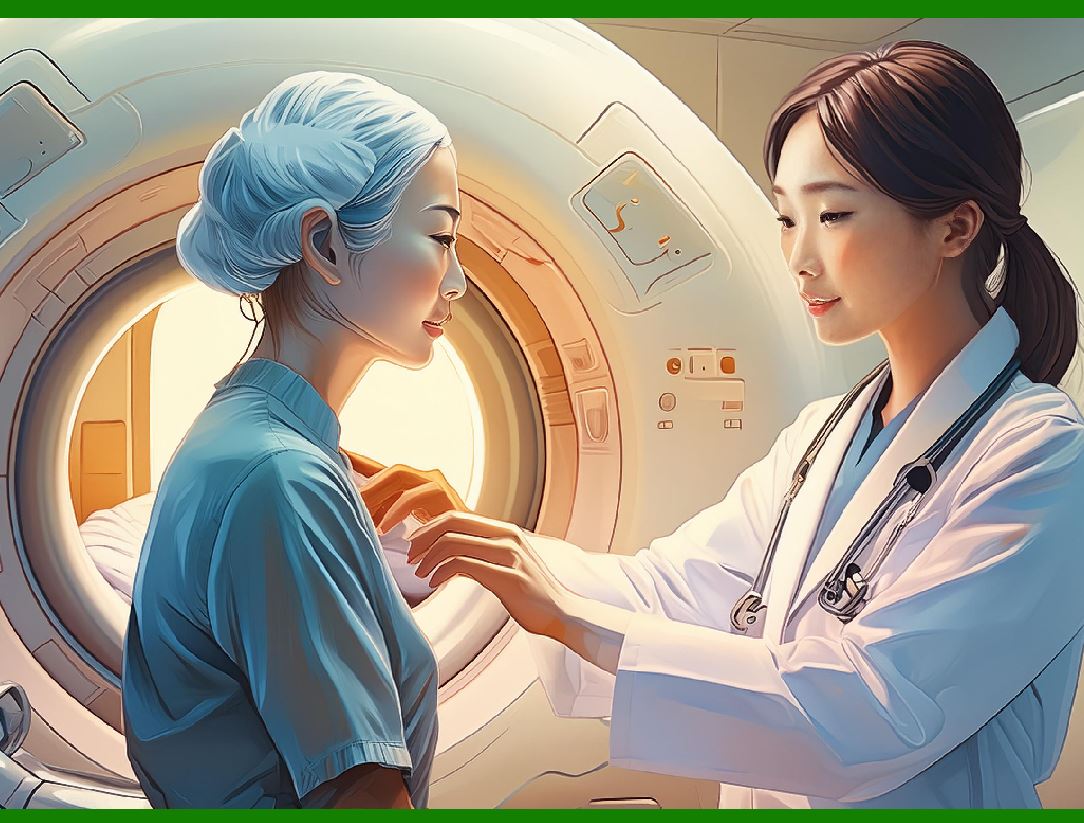
2.Radiology and Imaging Systems: In the case of diagnostic imaging (e.g., X-rays, MRIs, CT scans), the barcode on the wristband can be scanned to ensure that the correct patient is matched with their imaging results. This integration minimizes the risk of mistakes in diagnostic procedures. |
3.Patient Flow Management: Barcodes can also be used in patient flow management systems to track the movement of patients through various departments, such as the emergency department, operating rooms, and recovery areas. This real-time tracking ensures that patients are efficiently managed and that no one is overlooked. |
4.Billing and Insurance: Barcodes are linked to the patient's unique identifier, which is used in billing and insurance systems. Scanning the barcode can quickly pull up the patient's financial information, streamlining the billing process and reducing the risk of billing errors. |
|
7. Challenges and Limitations of Barcode Technology in Healthcare |
While barcode technology offers numerous advantages, there are some challenges and limitations that healthcare providers must address to maximize its potential. |
1.Barcode Scanning Errors: Barcode scanning is generally reliable, but errors can occur if the barcode is damaged, poorly printed, or obscured. Ensuring that barcodes are clear, legible, and printed with high-quality equipment is essential to prevent scanning issues. |
2.Integration with Legacy Systems: Some healthcare institutions may still rely on older systems that are not fully compatible with modern barcode technology. Integrating barcode systems with legacy EMR or hospital information systems (HIS) can be a complex and costly process. |
3.Cost of Implementation: While the benefits of barcode technology are substantial, the initial cost of implementing barcode systems, including wristbands, scanners, and software, can be significant. Healthcare organizations must weigh the upfront costs against the long-term benefits of improved patient safety and operational efficiency. |
4.Privacy and Security Concerns: Since barcode data is tied to a patient's EMR, there are concerns about privacy and data security. Healthcare providers must implement robust security protocols to ensure that patient information is protected from unauthorized access and breaches. |

|
8. The Future of Barcode Technology in Healthcare |
The use of barcode technology in healthcare is continuously evolving, and there are several trends and innovations on the horizon: |
1.RFID Integration: Radio Frequency Identification (RFID) is a newer technology that is being integrated with barcode systems. RFID tags offer some advantages over traditional barcodes, such as the ability to scan without direct line-of-sight, allowing for faster and more efficient patient tracking. |
2.Mobile Devices and Wearable Technology: Mobile devices, such as smartphones and tablets, are increasingly being used to scan barcodes and access patient information. Additionally, wearable technology may allow patients to carry their own barcodes, giving them more control over their health data. |
3.Blockchain for Data Security: With growing concerns about data privacy and security, blockchain technology is being explored as a way to secure patient records linked to barcode systems. Blockchain could offer a decentralized and tamper-proof method of managing patient data. |
4.AI and Machine Learning Integration: Artificial intelligence (AI) and machine learning could be used to analyze the data retrieved from barcode scans, providing clinicians with advanced insights and predictive analytics to enhance patient care. |
|
9. Conclusion |
Barcode technology has revolutionized the way healthcare systems manage patient information, medications, and treatments. Patient wristbands with barcodes linked to electronic medical records (EMRs) have become a cornerstone of modern healthcare, enhancing patient safety, reducing errors, and improving the efficiency of healthcare operations. Although there are challenges to overcome, the continued adoption and integration of barcode technology in healthcare promise to lead to better outcomes for patients and healthcare providers alike. |

|
What challenges will encounter when applying the Barcode in Medical field? |
Applying barcode technology in the medical field comes with several challenges that healthcare institutions must address to ensure successful implementation and usage. While the advantages of barcode technology, such as improved patient safety, enhanced operational efficiency, and better data accuracy, are clear, these benefits are often accompanied by hurdles that require careful planning, investment, and management. Below are some of the main challenges encountered when applying barcode technology in healthcare: |
1. Barcode Scanning Errors |
One of the most common challenges is the risk of barcode scanning errors. These errors can occur for several reasons, including: |
Poor Print Quality: If the barcode on a patient wristband is poorly printed or damaged, it may not be scannable, or the scanner may misread it. This is especially critical in a high-paced healthcare environment where time is of the essence. |
Obscured Barcodes: Patient wristbands can get obscured by clothing, IV lines, or other medical equipment, making it difficult or impossible for scanners to read the barcode. |
Low-Resolution Barcodes: Barcodes with low resolution or small sizes can result in scanning errors, as they may not be recognized accurately by scanners or mobile devices. |
Solution: Ensuring high-quality printing, regularly inspecting wristbands for damage, and training staff to ensure that barcodes are correctly placed and visible can help mitigate these errors. Implementing checks to re-scan barcodes when an error occurs can also help avoid patient misidentification. |
|
2. Integration with Existing Healthcare Systems |
Healthcare institutions often operate a variety of information management systems, such as Electronic Medical Records (EMRs), Laboratory Information Systems (LIS), and Pharmacy Information Systems (PIS). Integrating barcode scanning technology with these systems can be challenging, particularly when dealing with legacy systems that were not originally designed to support barcode data. |
Compatibility Issues: Older EMRs and hospital systems may not be fully compatible with barcode scanning technologies, requiring costly system upgrades or complete overhauls to integrate barcode functionality. |
Data Synchronization: Even if the systems are compatible, ensuring that data is synchronized in real time across all platforms is a complex task. Any discrepancies in data synchronization can lead to errors, such as outdated or incorrect patient information being displayed. |
Solution: Successful integration requires significant planning and investment. Hospitals and healthcare systems must choose barcode technology that is compatible with their existing systems, or plan for upgrades. Implementing standardized protocols for data exchange and integration, such as HL7 or FHIR (Fast Healthcare Interoperability Resources), can help streamline the process. |
|
3. Cost of Implementation |
The initial cost of implementing barcode technology in healthcare settings can be a significant barrier, particularly for smaller or budget-constrained institutions. Costs include: |
Hardware: Barcode scanners, mobile devices, and servers to store and process data can be expensive. Hospitals may also need to invest in additional infrastructure to support these devices. |
Software: In addition to hardware, software to manage barcode scanning, track patient data, and integrate with other systems (like EMRs) can require substantial investment. |
Training: Staff need to be trained to use the new barcode systems effectively, which adds to the overall cost of implementation. |
Solution: Hospitals should carefully evaluate their needs and choose a solution that balances cost with benefits. Implementing barcode systems incrementally in phases, focusing on the most critical areas (e.g., medication administration or patient identification), can help spread costs over time. Some healthcare organizations also choose to lease equipment or adopt cloud-based solutions to reduce upfront investment. |
|
4. Resistance to Change and Staff Adoption |
Healthcare environments can be highly resistant to change, especially in hospitals or clinics with long-established practices. Introducing barcode technology often requires changes to workflows, which may face resistance from staff. Barcodes may require additional steps or alter familiar routines, which can be perceived as an inconvenience. |
Change Fatigue: Healthcare workers, already under significant pressure, may experience resistance to adopting new technologies due to concerns over added workload or complexity. |
Lack of Training: If staff do not receive adequate training or support in using barcode technology, they may struggle to use the system effectively, leading to errors or inefficiencies. |
Solution: Ensuring thorough training and providing ongoing support are essential for the successful adoption of barcode systems. Involving staff in the planning and implementation stages can help ease concerns and make the transition smoother. It is also helpful to demonstrate the direct benefits of barcode technology, such as reduced errors and time savings, to encourage buy-in. |

|
5. Privacy and Data Security Concerns |
The implementation of barcode technology in healthcare involves the collection and sharing of sensitive patient information, which raises concerns about privacy and data security. Patient information linked to barcodes is typically stored in electronic systems, which are vulnerable to data breaches, hacking, and unauthorized access. |
Unauthorized Access: If the systems that store or process barcode data are not properly secured, unauthorized individuals may gain access to sensitive patient information. |
Data Encryption: Patient data must be encrypted both during transmission (when sent between systems) and at rest (when stored in databases) to protect it from unauthorized access. |
Solution: Strong data encryption protocols, multi-factor authentication for accessing healthcare systems, and strict user access controls are necessary to safeguard patient data. Healthcare organizations must also comply with regulations such as HIPAA (Health Insurance Portability and Accountability Act) in the U.S. to ensure data privacy and security. |

|
6. Patient Wristband Durability and Comfort |
Patient wristbands are often worn for extended periods, sometimes even for days or weeks, which means they need to be durable and comfortable. However, there are a few challenges related to wristband durability: |
Wear and Tear: Barcodes on wristbands can become worn out or damaged over time, especially if the patient is active or the wristband comes into contact with fluids, sweat, or medical devices. This can make it difficult or impossible for scanners to read the barcode, increasing the risk of errors. |
Patient Comfort: Patients may find wristbands uncomfortable, especially if they have sensitive skin, or they may experience irritation or discomfort from long-term wear. |
Solution: Healthcare institutions should choose wristbands made from durable, high-quality materials that can withstand environmental stress, such as water or friction. Additionally, using barcodes printed with high-quality ink or laser engraving can reduce the likelihood of wear and tear. Hospitals can also offer different wristband options for patients with specific needs, such as hypoallergenic or soft wristbands. |

|
7. Barcode Data Accuracy and Standardization |
For barcode technology to function properly, the data encoded in the barcode must be accurate and standardized across the healthcare facility. However, issues with data accuracy can arise, such as: |
Inconsistent Data Entry: If patient data is not entered correctly into the system when generating wristbands, it can lead to incorrect or incomplete barcodes, which may be difficult to scan or link to the wrong patient's medical record. |
Lack of Standardization: Different barcode formats or systems may be used across various departments or facilities, leading to confusion and errors when trying to scan or read the barcodes. |
Solution: Establishing standardized protocols for barcode creation, data entry, and scanning is essential for maintaining accuracy. Healthcare providers should ensure that the same barcode format (e.g., Code 128, DataMatrix, etc.) is used across all departments and that all patient data is entered correctly at the point of care. |
|
8. Human Error and Workflow Disruptions |
While barcode technology helps reduce human error, it does not eliminate it entirely. Human error can still occur during barcode scanning or patient identification, such as: |
Failure to Scan: Healthcare providers may forget to scan the patient's wristband or may scan the wrong wristband if multiple patients are being treated in close proximity. |
Workflow Disruptions: Introducing barcode scanning into an already established workflow can sometimes cause disruptions, especially if staff are not accustomed to using the technology during high-pressure situations. |
Solution: Building barcode scanning into workflows in a way that makes it easy and intuitive for healthcare providers to use can reduce human error. For example, barcode scanners or mobile devices could be integrated directly into existing medical equipment or mobile carts used by healthcare workers, making the scanning process seamless and reducing the chances of missing a scan. |
|
9. Regulatory Compliance and Legal Challenges |
Healthcare organizations must comply with various regulations and standards, such as HIPAA in the United States or GDPR in the European Union, when implementing barcode technology. Failure to comply with these regulations can result in significant legal penalties, data breaches, and damage to the organization's reputation. |
Data Retention and Access Rules: Barcode data is linked to sensitive patient information, and healthcare organizations must ensure that the data is stored, accessed, and shared in accordance with relevant laws. |
Audit Trails: Regulatory agencies often require that audit trails be kept of any changes to patient data. Barcode systems must ensure that this information is captured and stored in a way that complies with these rules. |
Solution: Healthcare institutions should work closely with legal and compliance teams to ensure that barcode technology is fully compliant with all applicable regulations. This includes implementing features like secure data storage, encrypted data transmission, and detailed audit trails. |
|
10. Scalability and Maintenance |
As healthcare organizations grow, the barcode systems they implement must be scalable to accommodate an increasing number of patients, staff, and medical devices. Scalability challenges include: |
Capacity: Barcode systems must be able to handle large volumes of patient data, especially in large hospitals or healthcare networks. |
Maintenance: Barcode technology requires ongoing maintenance, including software updates, hardware repairs, and periodic training for staff. |
Solution: It's important for healthcare organizations to choose scalable barcode solutions that can grow with their needs. Regular maintenance schedules and dedicated IT support teams can help ensure that systems continue to function efficiently over time. |
In conclusion, while barcode technology offers significant benefits to the medical field, its implementation comes with challenges. Addressing these challenges through careful planning, investment in infrastructure, staff training, and compliance with privacy regulations is essential for the successful integration of barcode technology in healthcare systems. |

|
Which industries have already applied this Barcode in Medical field technology in practice? |
Barcode technology in the medical field has been successfully implemented across various healthcare sectors and industries, improving patient safety, operational efficiency, and data accuracy. Here are the key industries and sectors that have already adopted barcode technology in practice: |
1. Hospitals and Healthcare Facilities |
Hospitals are among the most widespread users of barcode technology in the medical field. Barcode systems are utilized for patient identification, medication administration, inventory management, and tracking medical equipment. The technology has helped hospitals reduce medication errors, improve patient safety, and streamline operations. |
Patient Identification and Wristbands: Hospitals commonly use barcode-enabled wristbands for patient identification. These wristbands are linked to electronic medical records (EMRs), allowing healthcare providers to access real-time patient information, such as lab results, treatment history, and medication records. |
Medication Administration: Barcodes are used in the medication administration process to ensure that the right patient receives the correct medication. When a nurse scans a patient's wristband and the medication barcode, the system cross-references the information with the patient's record to verify the medication, dose, and administration time, reducing the risk of errors. |
Inventory and Supply Chain Management: Barcodes are used to track the movement and usage of medical supplies, drugs, and devices within hospitals. This system ensures proper stock management, reduces waste, and improves procurement efficiency. |

|
2. Pharmaceutical Industry |
The pharmaceutical industry has been a key adopter of barcode technology for tracking medications and ensuring patient safety. Barcode systems are used throughout the drug manufacturing, distribution, and dispensing processes. |
Manufacturing and Quality Control: In pharmaceutical manufacturing, barcodes are applied to packaging to track the production process, validate the authenticity of medications, and ensure compliance with regulations. This is particularly important for ensuring that drugs meet safety standards and are free from counterfeiting. |
Pharmacy Dispensing: Pharmacies, both within hospitals and in retail settings, use barcode scanning to verify prescriptions and medication dispensing. By scanning the barcode on the prescription and the medication package, pharmacists can confirm that the prescribed drug matches the intended medication for the patient. |
Track-and-Trace Systems: Barcode technology is used to track the journey of pharmaceuticals from the manufacturer to the pharmacy or healthcare provider. This is particularly crucial for ensuring that medications are not tampered with during transit and that patients receive authentic medications. |
|
3. Laboratories and Diagnostic Centers |
In laboratories and diagnostic centers, barcode technology plays a crucial role in ensuring the accuracy and efficiency of specimen tracking and testing processes. |
Specimen Collection and Tracking: Barcodes are used to label patient specimens (such as blood, urine, or tissue samples) when they are collected. By scanning the barcode on the specimen container, laboratory technicians can ensure that the specimen is correctly linked to the patient's information in the laboratory system, preventing misidentification and sample mix-ups. |
Test Result Integration: Barcodes help ensure that laboratory test results are accurately linked to patient records. This reduces errors in data entry and improves turnaround times for delivering results to clinicians. |
Automation and Streamlining: Many laboratories use barcode scanning to automate processes, such as sample tracking, inventory management, and the integration of results into EMRs. This helps reduce human error and speeds up the diagnostic process. |

|
4. Blood Banks and Transfusion Services |
Barcode technology plays a critical role in ensuring the safety and accuracy of blood transfusions and the management of blood supplies in blood banks. |
Blood Donor Identification: Blood donors are assigned a barcode, which is linked to their donor information and blood type. This helps ensure that the correct blood is matched with the correct patient in case of a transfusion. |
Blood Product Tracking: Blood products, such as red blood cells, plasma, and platelets, are labeled with barcodes, allowing blood banks to track their storage, usage, and expiration dates. This ensures that blood products are properly managed and that they are used before they expire. |
Transfusion Safety: Barcode technology is used to verify that the right blood product is given to the right patient. Before a transfusion, healthcare providers scan the barcode on the patient's wristband and the blood product label, ensuring that the correct match is made, which is crucial for patient safety. |

|
5. Medical Device Manufacturers |
Medical device manufacturers have adopted barcode technology to streamline manufacturing, distribution, and regulatory compliance. |
Device Tracking: Barcodes are used to label medical devices, allowing manufacturers to track the devices from production through to shipment and sale. This helps ensure that devices meet regulatory standards and allows for easier recall if a defect or safety issue is identified. |
Sterilization and Inventory Management: Barcodes are also used to track the sterilization process of medical devices, ensuring that equipment used in surgeries or other medical procedures is properly sterilized. Additionally, barcodes are employed in inventory management to monitor the availability and status of medical devices. |

|
6. Long-Term Care and Assisted Living Facilities |
In long-term care settings, such as nursing homes and assisted living facilities, barcode technology is used for patient identification, medication administration, and equipment management, improving safety and efficiency in these environments. |
Patient Identification: Barcoded wristbands or ID cards are used to ensure that caregivers can quickly and accurately identify patients, linking them to their electronic medical records. This reduces the likelihood of misidentifying patients, particularly in settings where residents may have similar names or medical conditions. |
Medication Management: Similar to hospitals, long-term care facilities use barcode scanning systems for medication administration. This ensures that the right medication is given to the right patient at the right time, reducing the risk of medication errors. |
Asset Management: Barcodes are used to track medical equipment and assistive devices, ensuring that these items are properly maintained and available when needed. |
|
7. Telemedicine and Remote Healthcare |
Telemedicine and remote healthcare providers are increasingly adopting barcode technology to improve patient care in virtual settings. |
Patient Identification: When patients use telemedicine services, barcode systems can help ensure that the right patient is identified during remote consultations. This is particularly important when conducting virtual appointments that require accurate medical histories and prescriptions. |
Prescription and Medication Verification: Barcode technology is also used to verify medications prescribed remotely. When prescriptions are sent to a pharmacy, barcodes on the medication packaging can be scanned to ensure that the correct medication is dispensed. |
Remote Monitoring Devices: Some remote monitoring devices, such as wearables or home healthcare kits, are integrated with barcode technology. These devices can transmit patient data back to healthcare providers, who can scan barcodes to identify the patient and their medical history. |
|
8. Insurance and Billing |
The healthcare insurance and billing sector has benefited from barcode technology to reduce errors and streamline claims processing. |
Claims Submission: Barcodes can be used to encode patient information and medical codes on insurance forms, ensuring that claims are processed accurately and efficiently. |
Verification of Services: Healthcare providers and insurers use barcodes to verify that the services billed to patients match the treatment provided. By scanning barcodes linked to patient records, insurers can confirm the validity of claims before reimbursement is made. |
Medical Billing Integration: Barcode systems help integrate patient information and billing data, reducing administrative workload and ensuring that billing is accurate and up-to-date. |
|
9. Veterinary Medicine |
The veterinary industry has also adopted barcode technology to track patient information, medications, and medical supplies. |
Pet Identification and Tracking: Similar to human healthcare, pets are often tagged with barcoded identification tags, allowing veterinarians to access their medical records quickly and accurately. |
Medication and Treatment Management: Veterinarians use barcodes to track medications prescribed to animals, ensuring that the correct treatments are administered. Barcode systems can also track the usage of veterinary drugs and supplies. |
|
10. Clinical Research and Trials |
Barcode technology is increasingly being used in clinical research and trials to ensure accurate tracking and data management. |
Participant Enrollment and Tracking: Barcodes are used to track clinical trial participants and their enrollment status. Barcodes linked to patient identifiers help researchers maintain accurate participant records and ensure that the correct treatment is administered. |
Sample and Data Management: Barcodes are used to label biological samples collected for research, ensuring proper tracking throughout the study. Researchers use barcode systems to link samples to participant records, minimizing the risk of sample mix-ups or data inaccuracies. |
|
Conclusion |
Barcode technology is already making a significant impact across multiple sectors of the medical field. From hospitals and pharmacies to blood banks, medical device manufacturers, and insurance companies, barcode systems are enhancing patient safety, improving operational efficiency, and reducing human error. As healthcare continues to evolve, the adoption of barcode technology will likely expand even further, driving improvements in patient care, data management, and cost-effectiveness across the entire healthcare ecosystem. |
|
Which country have already applied this Barcode in Medical field technology in practice? |
Barcode technology in the medical field has been widely adopted across the globe, and several countries have implemented this technology into their healthcare systems to improve patient safety, operational efficiency, and accuracy in patient care. Here are some of the key countries where barcode technology has already been successfully applied in the medical field: |
1. United States |
The United States has been a leader in the adoption of barcode technology in healthcare. Various aspects of healthcare, including patient identification, medication administration, and supply chain management, rely heavily on barcode systems. |
Hospitals: Many U.S. hospitals use barcode technology for patient identification through wristbands, which are linked to Electronic Health Records (EHRs). This enables healthcare providers to access real-time patient information and ensure the correct administration of medications. |
FDA and Drug Safety: The U.S. Food and Drug Administration (FDA) mandates the use of barcode labeling on drugs to improve medication safety. The Drug Quality and Security Act (DQSA) requires manufacturers to include barcodes on drug packaging to help prevent medication errors and counterfeit drugs. |
Pharmaceuticals: Barcode scanning is integral to the U.S. pharmaceutical industry's track-and-trace systems, helping to verify the authenticity of drugs and prevent diversion or counterfeiting. |
|
2. United Kingdom |
The United Kingdom has also embraced barcode technology in various healthcare settings, particularly in hospitals and pharmacies. |
NHS (National Health Service): The NHS has implemented barcode wristbands for patient identification in several hospitals. Barcodes are also used to track medications and medical supplies, reducing the likelihood of errors during medication administration. |
Clinical Trials and Research: The UK has implemented barcode systems to track clinical trial participants, medical devices, and biological samples used in research. This ensures that research data is accurately linked to patient information, maintaining the integrity of trials. |
Pharmaceutical Industry: The UK has adopted barcode scanning technology for pharmaceutical distribution, particularly in tracking the flow of medicines through the supply chain. |
|
3. Germany |
Germany is known for its advanced healthcare infrastructure, and barcode technology is widely used in its hospitals and healthcare facilities. |
Patient Identification and Medication Safety: Many German hospitals use barcode wristbands to identify patients and track their medical histories. This system helps to avoid errors, such as administering the wrong medication, and ensures that treatments are recorded accurately. |
Pharmaceutical and Medical Device Tracking: Germany uses barcode systems in the pharmaceutical industry to track the distribution of medicines and medical devices. This is especially important in ensuring compliance with safety regulations and managing inventory. |
|
4. Canada |
Canada has adopted barcode technology extensively in its healthcare sector, with a focus on patient safety and medication tracking. |
Hospital and Healthcare Facilities: Canadian hospitals use barcode-enabled wristbands for patient identification, reducing the risk of patient misidentification. Barcode systems are integrated into the medical record systems to ensure accurate data management. |
Blood Banks and Transfusion Services: Barcode technology is used in Canadian blood banks to track blood products and match them to patients. This helps to ensure that patients receive the correct blood type during transfusions. |
Pharmaceutical Supply Chain: The Canadian pharmaceutical industry uses barcode tracking for drug distribution and inventory management, improving the efficiency of the supply chain. |
|
5. Australia |
Australia has adopted barcode technology in multiple healthcare settings to streamline processes and improve safety. |
Public Hospitals and Healthcare Systems: Australian public hospitals utilize barcode technology for patient identification and medication administration. Barcode wristbands ensure that patients are correctly identified, and their medical records are accessible to healthcare providers. |
Pharmaceuticals and Medication Safety: Barcode labeling is used extensively for pharmaceuticals, ensuring that medications are properly tracked from the manufacturer to the end user. This reduces the chances of medication errors and enhances patient safety. |
Laboratories: Barcode systems are used to track biological samples in clinical laboratories, ensuring accurate labeling and avoiding sample mix-ups. |
|
6. Sweden |
Sweden is known for its advanced healthcare system, and barcode technology is widely used across hospitals and medical institutions. |
Hospital Workflow and Patient Safety: Swedish hospitals use barcode wristbands to improve patient identification, ensuring that the correct medical treatments are provided. The use of barcode technology extends to medication administration, ensuring that the right drug is given to the right patient. |
Medical Device and Equipment Tracking: Sweden has implemented barcode systems to track the usage and sterilization of medical equipment in hospitals, ensuring compliance with safety and hygiene standards. |
|
7. Singapore |
Singapore has implemented cutting-edge healthcare technology, including barcode systems, to ensure patient safety and operational efficiency. |
Patient Identification: Singaporean hospitals use barcode wristbands for accurate patient identification and to link patients with their medical records in real time. This reduces human error and ensures that patients receive the correct treatments and medications. |
Pharmaceutical and Medication Tracking: Barcode technology is used to track medications and ensure that they are administered correctly. Pharmacies use barcode scanning to verify that the right medication is dispensed to patients. |
|
8. Japan |
Japan's healthcare system is highly advanced, and barcode technology is used across various sectors to improve efficiency and safety. |
Hospitals and Medical Institutions: Many Japanese hospitals use barcode wristbands for patient identification and medication administration. Barcode systems are integrated into electronic health records (EHRs) to ensure that the right treatments are administered and that patient data is accurate. |
Pharmaceuticals and Medical Device Tracking: Japan uses barcode technology to track the movement of pharmaceuticals and medical devices through the supply chain, ensuring proper stock management and compliance with safety regulations. |
Blood Banks: Barcode systems are used in Japan to manage blood products in blood banks, ensuring that the correct blood type is matched to the right patient. |
|
9. South Korea |
South Korea is another country where barcode technology has been integrated into the healthcare system to improve safety and operational effectiveness. |
Hospitals and Healthcare Facilities: South Korean hospitals use barcode wristbands for patient identification and medication administration. Barcode systems are also used in the management of medical equipment and inventory. |
Pharmaceutical Industry: The South Korean pharmaceutical industry uses barcode technology to track drug distribution and ensure that medications are properly handled throughout the supply chain. |
|
10. France |
France has also implemented barcode technology in its healthcare sector, especially in hospitals and pharmacies, to enhance patient safety and efficiency. |
Patient Identification: Barcode wristbands are used in French hospitals to accurately identify patients and link them to their medical records. This ensures that all treatments and medications are accurately recorded and administered. |
Medication and Pharmacy Management: Barcode scanning is used in French pharmacies to verify prescriptions and ensure that the correct medications are dispensed to patients. |
Blood Banks: Barcode technology is used in French blood banks to track blood products, ensuring they are correctly matched to patients and that they are used before expiration. |
|
11. United Arab Emirates (UAE) |
The UAE has been at the forefront of adopting technology in healthcare, including barcode systems for patient identification and medication safety. |
Hospitals and Medical Centers: Barcode wristbands are widely used in hospitals in the UAE for patient identification and tracking medical records. These systems are integrated with hospital information systems to provide real-time data access for healthcare providers. |
Pharmaceutical Industry: The UAE uses barcode technology in the pharmaceutical supply chain to track medications and ensure their authenticity, improving medication safety and reducing the risk of counterfeit drugs. |
|
12. Brazil |
Brazil, with its large and diverse healthcare system, has adopted barcode technology to improve patient safety and medication management. |
Public and Private Hospitals: Brazilian hospitals use barcode wristbands for patient identification, ensuring that medical records are linked to the correct patient. The barcode system is also used in medication administration and to track patient treatments. |
Blood and Organ Banks: Barcode technology is used in blood banks in Brazil to track donated blood and ensure proper matching for transfusions. Similarly, barcode labels are used to manage organ transplants, ensuring the correct match between donor and recipient. |
|
13. India |
India, with its rapidly expanding healthcare system, has started adopting barcode technology, particularly in large hospitals and pharmacies. |
Hospitals and Clinics: Large hospitals in India use barcode wristbands to identify patients and link them to their medical records, reducing the risk of errors in patient care. |
Pharmacy Management: Barcode technology is being used in pharmacies to track and dispense medications accurately, particularly in large retail pharmacy chains. |
Blood Banks: Barcode systems are being implemented in blood banks to track blood donations and ensure safe blood transfusions. |
|
Conclusion |
Barcode technology has been successfully implemented in various healthcare sectors across multiple countries. From hospitals and pharmacies to blood banks and pharmaceutical industries, barcode systems play a crucial role in improving patient safety, reducing errors, and streamlining healthcare operations. Countries like the United States, the United Kingdom, Germany, Canada, and Singapore are at the forefront of applying barcode technology in medical practice, but many other countries are following suit as they modernize their healthcare systems. As the technology continues to evolve, it is expected that more nations will adopt barcode solutions to enhance healthcare delivery and ensure patient safety. |
 cs@easiersoft.com