Enabling Real-time Data Collection and Analysis with Barcodes |
1. Introduction to Real-time Data Collection with Barcodes |
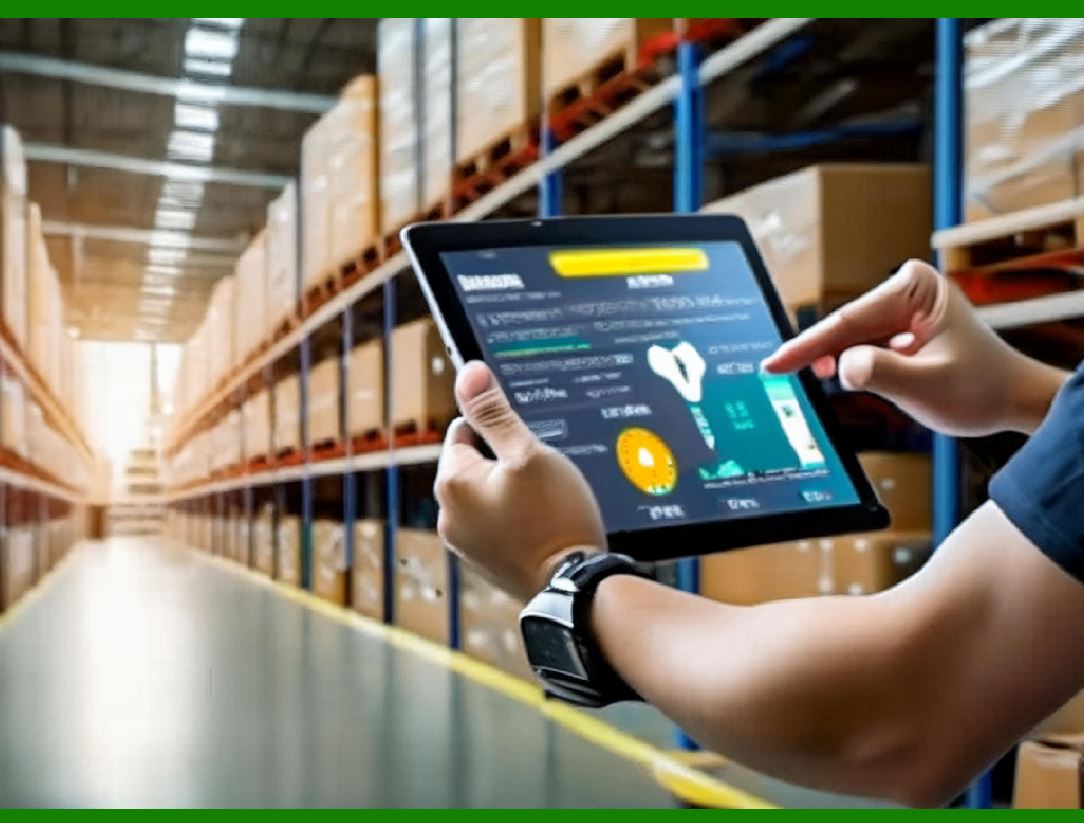
Barcodes have become a foundational technology for real-time data collection and analysis across various industries. Their ability to quickly and accurately capture information about products and transactions has revolutionized the way businesses operate. By enabling real-time data collection, barcodes provide businesses with valuable insights that drive efficiency, improve inventory management, enhance customer satisfaction, and support strategic decision-making. |
|
2. The Mechanics of Barcode Scanning |
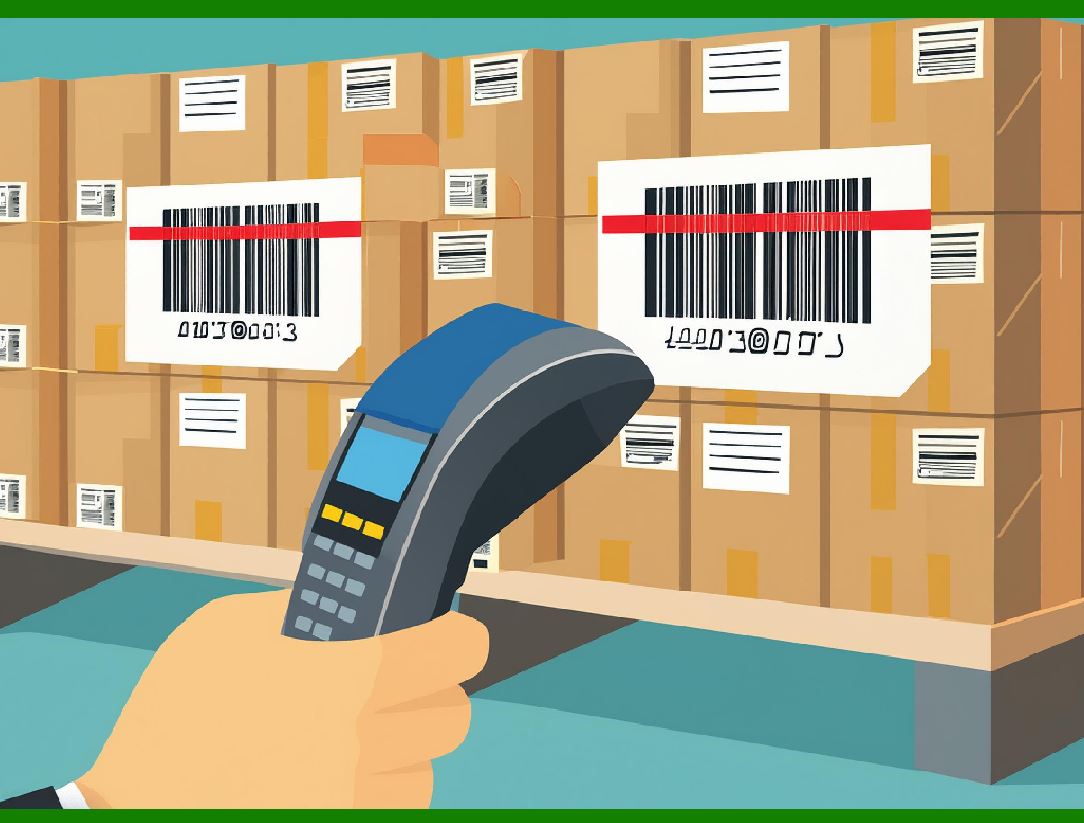
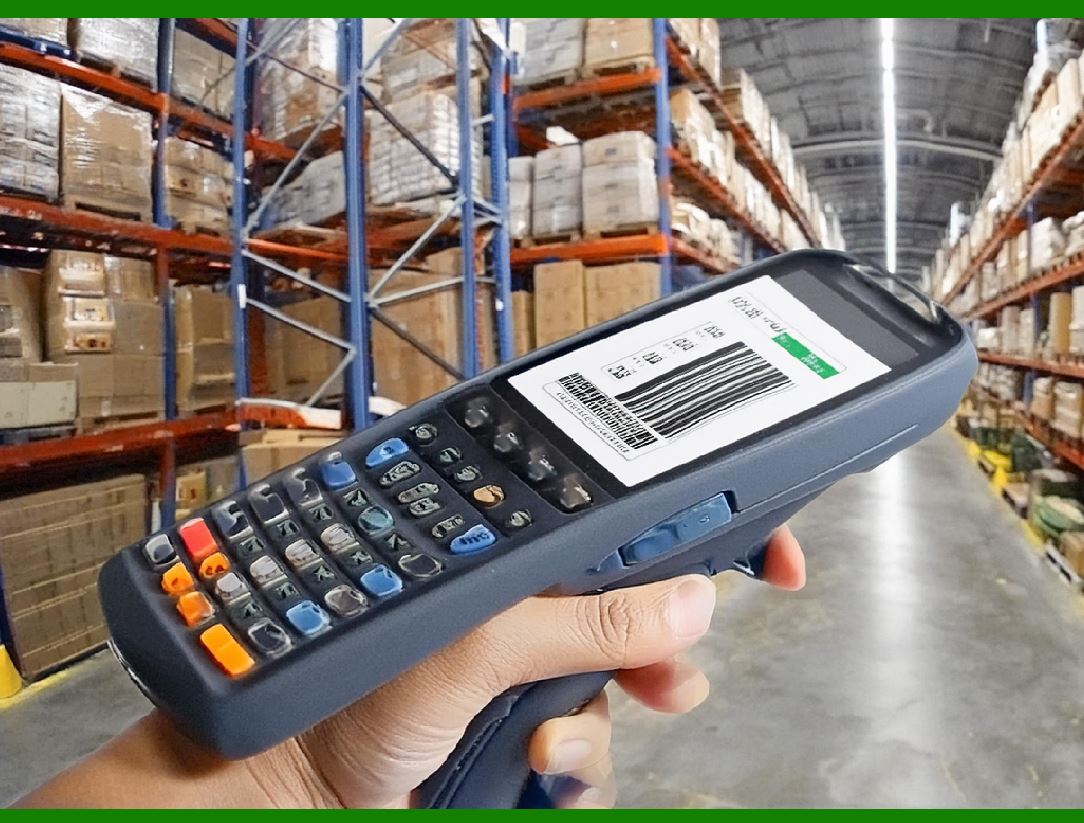
The process of barcode scanning involves using a barcode reader or scanner to capture the data encoded in a barcode. This data is then transmitted to a central system, where it can be stored, processed, and analyzed. The speed and accuracy of barcode scanning make it possible to collect large volumes of data in real-time, which is crucial for maintaining up-to-date information on product movement, inventory levels, and sales performance. |
3. Applications in Production and Manufacturing |
In the manufacturing sector, barcodes are used extensively to track the movement of raw materials, components, and finished products. By scanning barcodes at different stages of production, companies can monitor the progress of goods through the production line, ensuring that each step is completed correctly and on schedule. This real-time tracking helps identify bottlenecks, streamline workflows, and improve overall production efficiency. |
Example: A car manufacturing plant uses barcodes to track the assembly of each vehicle. From the arrival of parts to the final quality check, barcodes ensure that every component is accounted for and that the assembly process is seamless. If a problem arises, such as a delay in the delivery of a specific part, the system can immediately alert managers to address the issue and minimize downtime. |
|
4. Enhancing Inventory Management |
Effective inventory management is critical for businesses to maintain the right balance between supply and demand. Barcodes facilitate real-time inventory tracking, providing accurate information on stock levels, locations, and movements. This visibility helps prevent overstocking or stockouts, reducing carrying costs and ensuring that products are available when customers need them. |
Example: A retail store uses barcode scanners to update inventory levels as products are received, shelved, and sold. When a customer purchases an item, the barcode is scanned at the checkout, automatically deducting the item from the inventory system. This real-time update allows store managers to reorder products before they run out, improving customer satisfaction by ensuring that popular items are always in stock. |
5. Streamlining Distribution and Logistics |
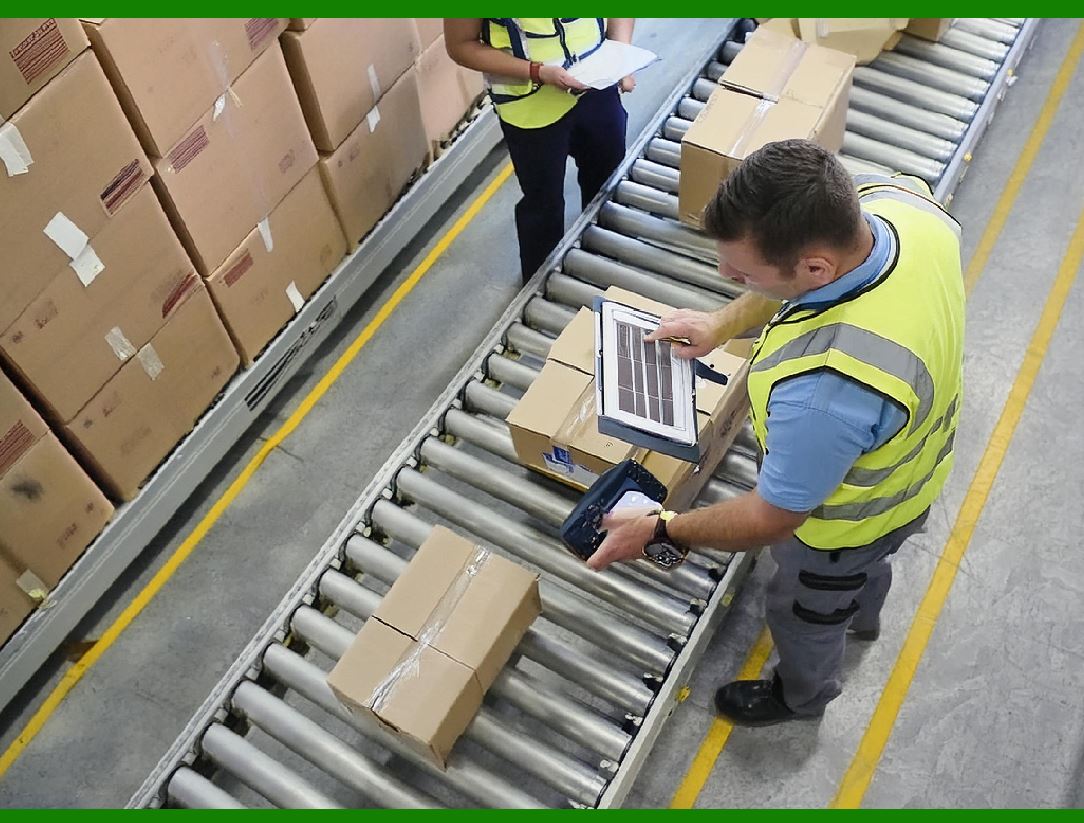
Barcodes are indispensable in the distribution and logistics industry, where they help manage the movement of goods from warehouses to retail shelves. By scanning barcodes on packages and pallets, logistics companies can track shipments in real-time, monitor the status of deliveries, and optimize routes for efficiency. This capability is essential for meeting delivery deadlines and reducing transportation costs. |
Example: A logistics company uses barcodes to manage its fleet of delivery trucks. Each package is scanned as it is loaded onto a truck, providing real-time data on the truck's cargo. During transit, barcodes are scanned at various checkpoints, updating the central system on the truck's location and estimated arrival time. This transparency allows the company to provide customers with accurate delivery updates and quickly address any issues that may arise during transit. |
|
6. Improving Sales and Customer Experience |
In the retail sector, barcodes play a crucial role in enhancing the customer experience by streamlining the checkout process and providing accurate pricing information. When a product's barcode is scanned at the point of sale, the system retrieves the price and product details, ensuring that customers are charged correctly. This efficiency reduces wait times and enhances the overall shopping experience. |
Example: A supermarket implements self-checkout stations equipped with barcode scanners. Customers can scan the barcodes on their items, bag their purchases, and complete the payment process without assistance from a cashier. This convenience speeds up the checkout process, reduces lines, and improves customer satisfaction. |
7. Enabling Real-time Data Analysis |
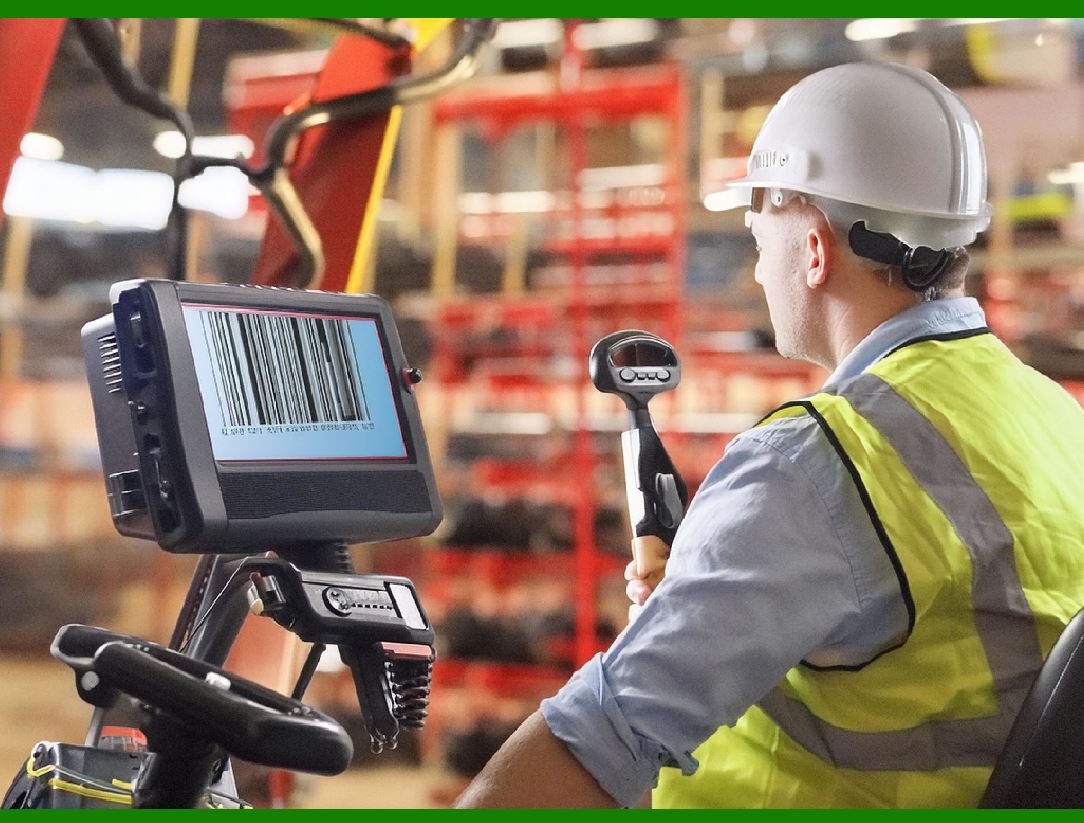
The data collected from barcode scanning can be analyzed in real-time to provide businesses with actionable insights. Advanced analytics tools can process this data to identify trends, forecast demand, and optimize operations. Real-time data analysis enables businesses to make informed decisions quickly, respond to market changes, and continuously improve their processes. |
Example: A beverage company uses real-time data analysis to monitor sales trends across different regions. By analyzing barcode data from point-of-sale systems, the company identifies which products are selling well and which are underperforming. This information allows the company to adjust its marketing strategies, optimize inventory levels, and allocate resources more effectively. |
|
8. Enhancing Agility and Responsiveness |
The ability to access real-time information enhances a company's agility and responsiveness. Businesses can quickly adapt to changing market conditions, customer preferences, and operational challenges. Real-time data from barcodes allows companies to respond promptly to issues, such as product recalls, supply chain disruptions, or shifts in consumer demand. |
Example: A toy manufacturer experiences a sudden increase in demand for a particular toy during the holiday season. By analyzing real-time sales data from barcodes, the company can ramp up production, expedite shipments, and ensure that retailers are stocked to meet customer demand. This agility helps the company maximize sales and capitalize on market opportunities. |
9. Supporting Continuous Improvement |
Barcodes support a culture of continuous improvement by providing accurate and timely data on every aspect of a business's operations. This data can be used to identify areas for improvement, measure the impact of changes, and drive ongoing enhancements. Continuous improvement initiatives, supported by real-time data, help businesses stay competitive and achieve long-term success. |
Example: A pharmaceutical company uses barcode data to track the efficiency of its production processes. By analyzing data on production times, error rates, and equipment performance, the company identifies opportunities to streamline operations and reduce waste. Over time, these improvements lead to higher productivity, lower costs, and better product quality. |
|
10. Facilitating Compliance and Traceability |
In industries with strict regulatory requirements, such as pharmaceuticals and food production, barcodes are essential for ensuring compliance and traceability. Barcodes enable companies to track products through every stage of the supply chain, providing a detailed record of their origin, handling, and distribution. This traceability is crucial for meeting regulatory standards and ensuring product safety. |
Example: A food manufacturer uses barcodes to trace the origin of its ingredients. Each batch of ingredients is assigned a unique barcode, which is scanned at various points in the production process. In the event of a contamination issue, the company can quickly trace the affected products back to their source, isolate the problem, and implement corrective actions. This traceability helps protect consumers and maintain the company's reputation for safety and quality. |
11. Integrating Barcodes with Other Technologies |
Barcodes can be integrated with other technologies, such as RFID, IoT devices, and machine learning, to further enhance real-time data collection and analysis. This integration enables more comprehensive data capture and provides deeper insights into operations. |
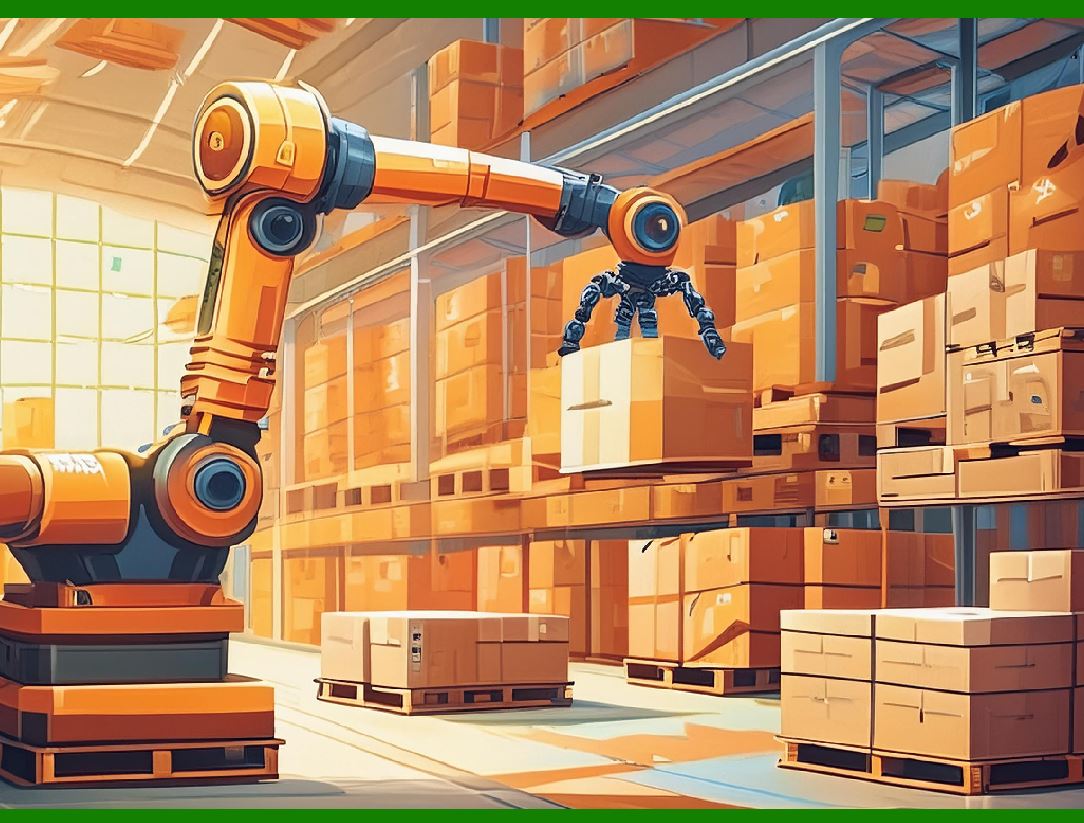
Example: A warehouse uses a combination of barcodes and RFID tags to track inventory. RFID tags provide real-time location data, while barcodes capture detailed product information. IoT devices monitor environmental conditions, such as temperature and humidity, ensuring that products are stored correctly. Machine learning algorithms analyze this data to optimize warehouse layout and improve inventory management. |
|
12. Case Study: Amazon's Use of Barcodes for Real-time Data Collection |
Amazon, one of the world's largest e-commerce companies, relies heavily on barcodes for real-time data collection and analysis. In its fulfillment centers, barcodes are used to track the movement of millions of products, from receiving and storage to picking, packing, and shipping. This real-time data ensures that orders are processed efficiently and accurately, enabling Amazon to meet its promise of fast delivery times. |
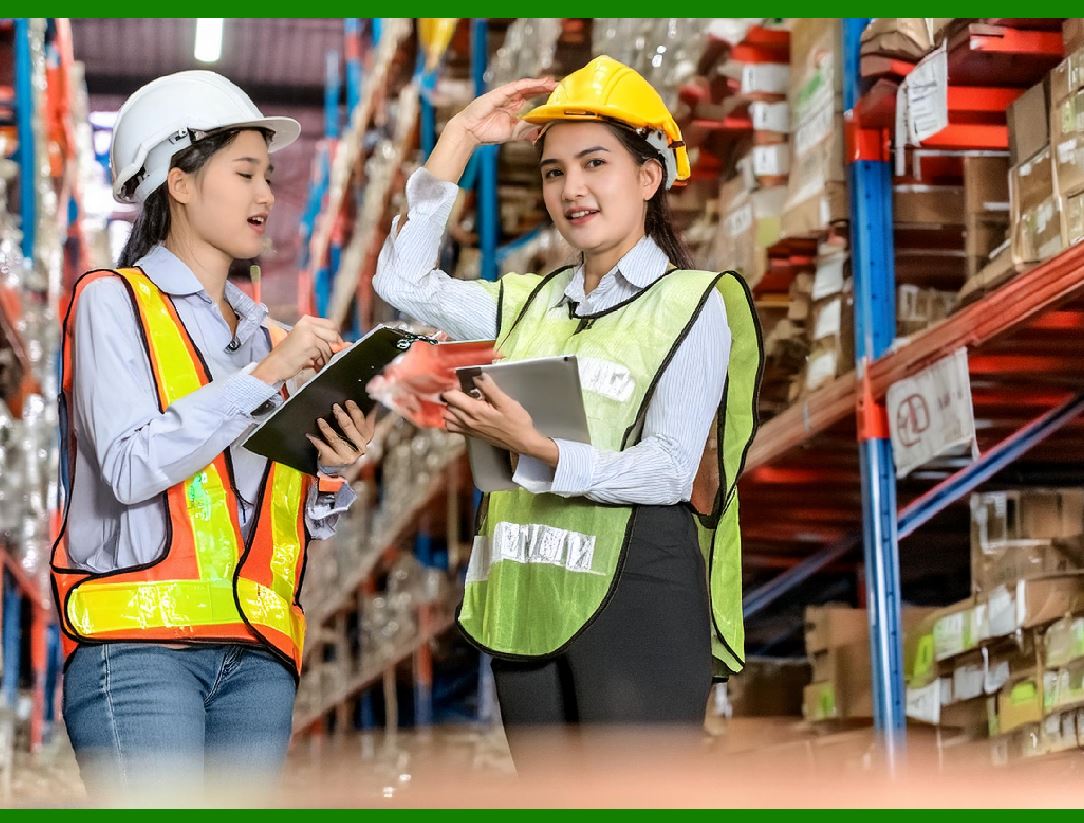
Example: In an Amazon fulfillment center, each product is assigned a unique barcode upon arrival. As products move through the warehouse, they are scanned at various checkpoints, providing real-time updates on their location and status. This data is used to optimize the picking process, ensuring that items are quickly located and packed for shipment. Real-time data analysis helps Amazon anticipate demand, manage inventory levels, and allocate resources effectively, contributing to its success as a leading e-commerce platform. |
|
13. Conclusion: The Future of Real-time Data Collection with Barcodes |
As technology continues to evolve, the capabilities of barcodes for real-time data collection and analysis will only expand. Advances in barcode technology, such as increased data capacity and improved scanning accuracy, will further enhance their utility. The integration of barcodes with emerging technologies, such as AI and blockchain, will open new possibilities for real-time data collection, analysis, and decision-making. |
In conclusion, barcodes play a crucial role in enabling real-time data collection and analysis, providing businesses with the insights they need to optimize operations, improve customer satisfaction, and stay competitive in a dynamic market. By leveraging the power of barcodes, companies can achieve greater efficiency, agility, and continuous improvement, driving success in the digital age. |
 cs@easiersoft.com