Timeline of Barcode Adoption Expanding from Retail to Other Industries |
|
1. Early Developments in Barcode Technology |
1.1 1948 - The Inception: Bernard Silver and Norman Joseph Woodland, graduate students at Drexel Institute of Technology in Philadelphia, begin working on developing a system to automate the checkout process at grocery stores. Woodland draws inspiration from Morse code and the structure of movie soundtracks. 1.2 1952 - Patent Filed: Woodland and Silver receive a patent for their 'Classifying Apparatus and Method,' which describes a pattern of concentric circles that can be scanned and interpreted. This early prototype sets the stage for future barcode development. |
2. The Retail Industry and the Rise of UPC |
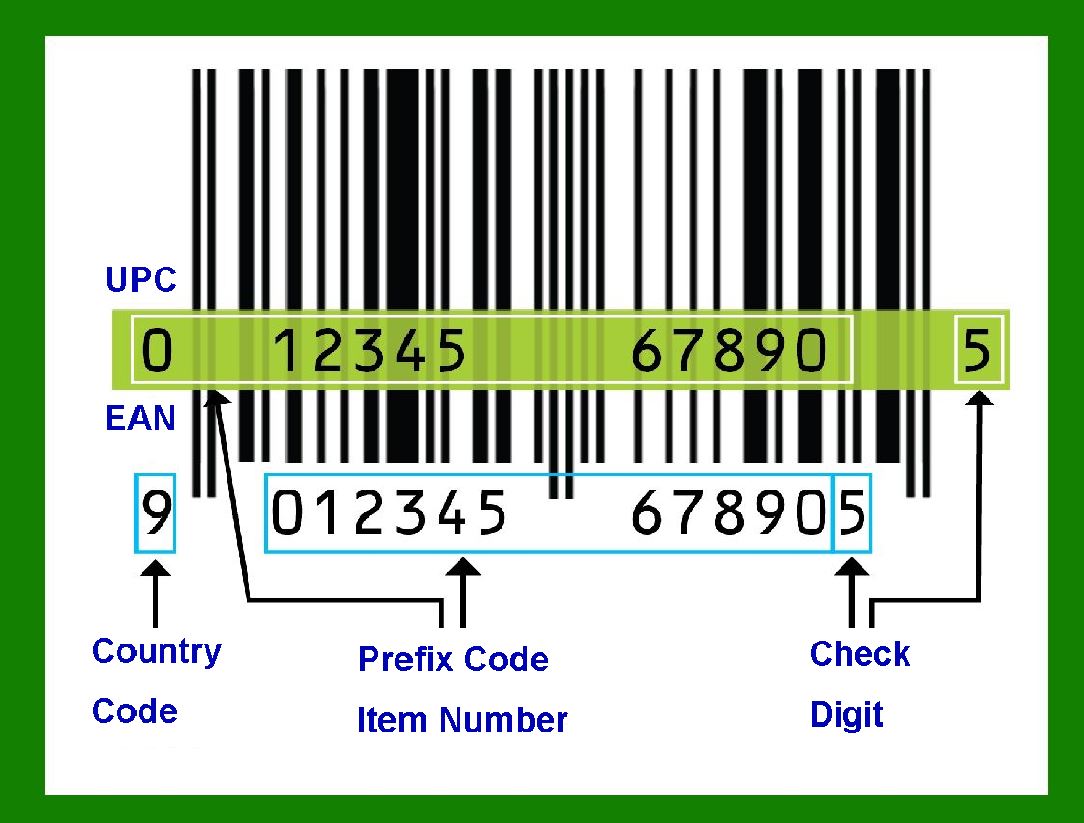
2.1 1966 - National Association of Food Chains: The National Association of Food Chains (NAFC) begins studying the potential of automated checkout systems to improve efficiency in grocery stores. This initiative leads to the establishment of the Uniform Grocery Product Code Council. 2.2 1973 - Introduction of UPC: The Uniform Product Code (UPC) is introduced as a standard barcode for retail products. George Laurer, an IBM engineer, develops the linear barcode design, which becomes widely adopted in the grocery industry. 2.3 1974 - First UPC Scan: On June 26, 1974, the first UPC barcode is scanned at a Marsh supermarket in Troy, Ohio. The scanned item is a pack of Wrigley's chewing gum. This marks the beginning of widespread adoption of barcodes in the retail sector. |
3. Expansion Beyond Retail |
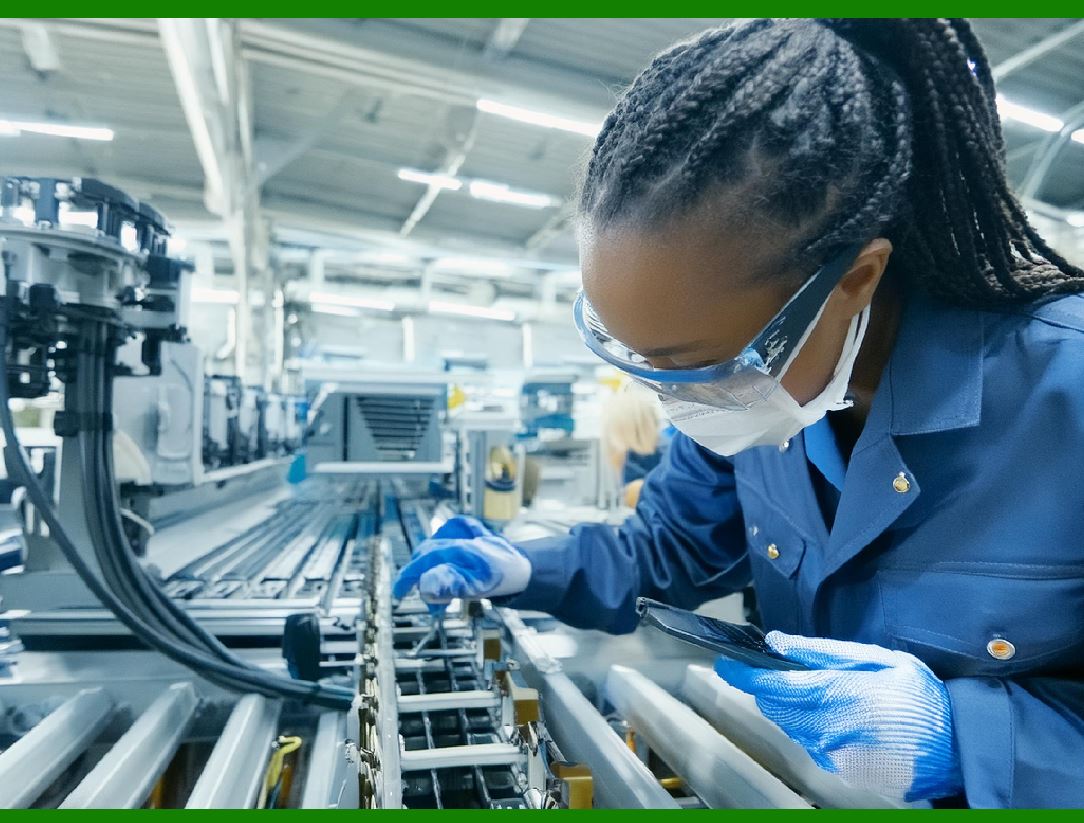
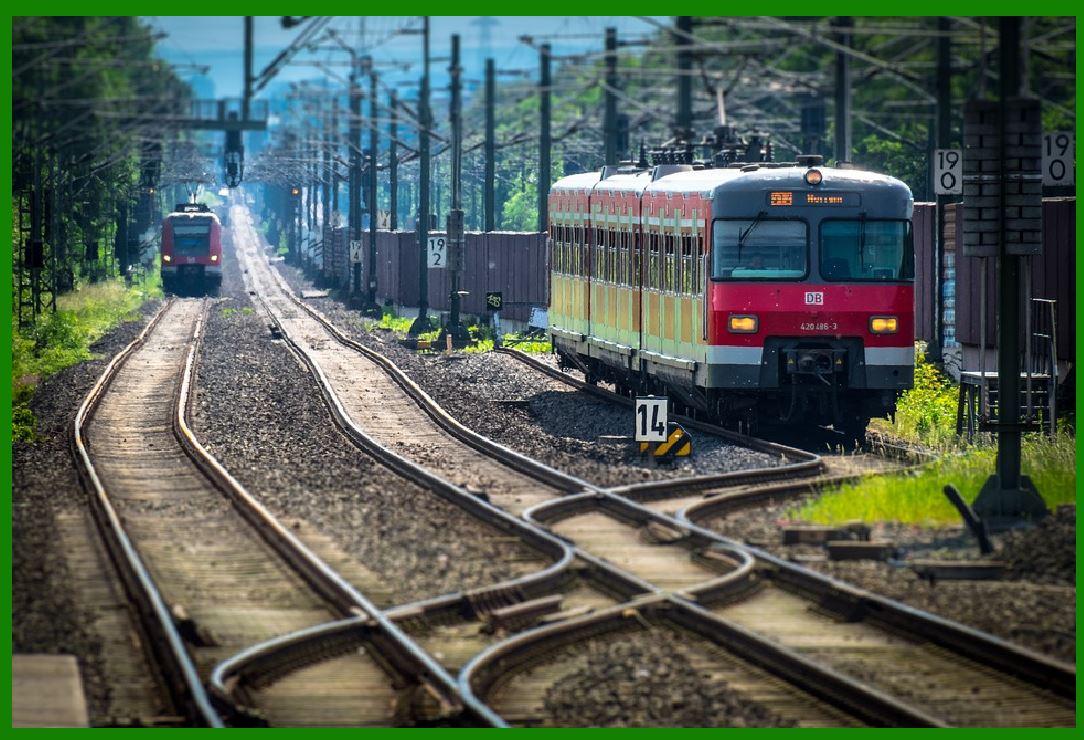
3.1 1980s - Manufacturing and Warehousing: Barcodes begin to be adopted in manufacturing and warehousing. The adoption of barcodes in these industries helps streamline inventory management, reduce errors, and improve tracking of goods through the supply chain. 3.2 1982 - Introduction of Code 39: Code 39, a variable-length alphanumeric barcode, is introduced. It gains popularity in the automotive and defense industries due to its ability to encode both letters and numbers, making it suitable for a wider range of applications. 3.3 1988 - Transportation and Logistics: The adoption of barcodes in the transportation and logistics industry begins. Barcodes are used to track packages and shipments, improving efficiency and accuracy in the delivery process. |

|
4. Barcodes in Healthcare |
4.1 1980s - Pharmaceutical Industry: Barcodes start to be used in the pharmaceutical industry for labeling medications. This helps improve accuracy in dispensing medications and reduces the risk of errors. 4.2 1990s - Hospital Systems: Hospitals begin adopting barcode technology for patient identification, medication administration, and inventory management. Barcodes help improve patient safety by ensuring the right medication is given to the right patient at the right time. |
5. Barcodes in the Postal Services |
5.1 1982 - POSTNET: The United States Postal Service (USPS) introduces POSTNET, a barcode symbology used for sorting and directing mail. This helps automate the mail sorting process and improves the efficiency of postal operations. 5.2 2006 - Intelligent Mail Barcode (IMb): USPS introduces the Intelligent Mail Barcode (IMb), which provides more information and greater tracking capabilities than previous postal barcodes. IMb allows for end-to-end tracking of mailpieces, enhancing the overall efficiency of postal services. |
6. Barcodes in the Entertainment Industry |
6.1 1990s - Ticketing: Barcodes begin to be used in the entertainment industry for ticketing. Event tickets, including those for concerts, movies, and sports events, are printed with barcodes to streamline the check-in process and reduce the risk of counterfeiting. 6.2 2000s - Digital Media: With the rise of digital media, barcodes are used to encode information about digital products. For example, Digital Object Identifiers (DOIs) use barcode technology to provide a unique identifier for digital content, such as academic papers and e-books. |
|
7. Barcodes in the Airline Industry |
7.1 1980s - Baggage Handling: Barcodes are adopted in the airline industry for baggage handling. Each piece of luggage is tagged with a barcode that contains information about the passenger and flight, helping to reduce the incidence of lost baggage and improving the efficiency of baggage handling operations. 7.2 2000s - Boarding Passes: Airlines begin using barcodes on boarding passes. This allows for automated check-in and boarding processes, reducing wait times for passengers and improving the overall efficiency of airport operations. |
8. Barcodes in the Agriculture Industry |
8.1 1990s - Livestock Tracking: Barcodes are used in the agriculture industry for tracking livestock. Each animal is tagged with a barcode that contains information about its breed, age, and health records, helping farmers manage their herds more effectively. 8.2 2000s - Crop Management: Barcodes are also used in crop management. Barcodes on seed packets, fertilizer bags, and pesticide containers help farmers keep track of their inventory and ensure they are using the right products for their crops. |
9. Barcodes in the Automotive Industry |
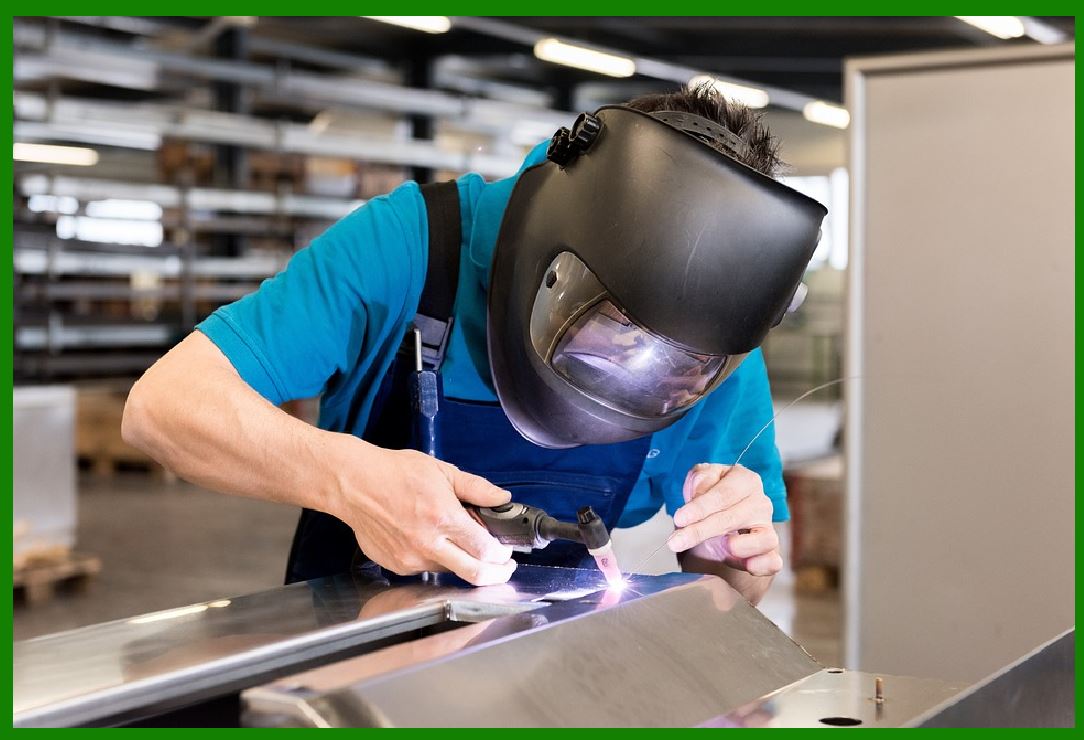
9.1 1980s - Vehicle Identification: Barcodes are used for vehicle identification and tracking in the automotive industry. Each vehicle is assigned a barcode that contains information about its make, model, and manufacturing history, helping manufacturers and dealers manage their inventories more effectively. 9.2 1990s - Parts Management: Barcodes are used to track automotive parts throughout the manufacturing and supply chain process. This helps reduce errors, improve inventory management, and ensure the right parts are used in the assembly process. |
|
10. Barcodes in the Fashion Industry |
10.1 1990s - Inventory Management: The fashion industry begins using barcodes for inventory management. Barcodes on clothing tags help retailers keep track of their stock, streamline the checkout process, and reduce the risk of theft. 10.2 2000s - Supply Chain Management: Barcodes are used to track clothing and accessories throughout the supply chain, from manufacturing to retail. This helps improve efficiency, reduce costs, and ensure that products are delivered to stores in a timely manner. |
11. Barcodes in Libraries |
11.1 1980s - Book Tracking: Libraries adopt barcodes for tracking books and other materials. Each item is assigned a barcode that contains information about its title, author, and location, helping librarians manage their collections more effectively. 11.2 1990s - Self-Checkout Systems: Libraries implement self-checkout systems that use barcode technology. Patrons can scan the barcodes on their library cards and books to check out items, reducing wait times and freeing up staff to focus on other tasks. |
12. Barcodes in the Construction Industry |
12.1 1990s - Tool Tracking: Barcodes are used in the construction industry to track tools and equipment. Each tool is tagged with a barcode that contains information about its location, usage, and maintenance history, helping construction companies manage their assets more effectively. 12.2 2000s - Material Management: Barcodes are used to track construction materials throughout the supply chain. This helps ensure that the right materials are delivered to job sites on time, reducing delays and improving overall project management. |

|
13. Barcodes in the Education Sector |
13.1 1990s - Student Identification: Barcodes are used in schools and universities for student identification. Each student is assigned a barcode that contains information about their enrollment, grades, and attendance, helping educators manage their student records more effectively. 13.2 2000s - Resource Management: Barcodes are used to track educational resources, such as textbooks, laptops, and laboratory equipment. This helps schools and universities manage their inventories and ensure that resources are available when needed. |
14. Barcodes in the Hospitality Industry |
14.1 1990s - Guest Check-In: Barcodes are used in the hospitality industry for guest check-in and room key management. Guests can scan barcodes on their reservations and room keys to access their rooms, improving the efficiency of the check-in process. 14.2 2000s - Inventory Management: Barcodes are used to track inventory in hotels and restaurants. This includes tracking food and beverage supplies, linens, and cleaning supplies, helping hospitality businesses manage their operations more effectively. |
15. Barcodes in the Sports Industry |
15.1 1990s - Ticketing: Barcodes are used for ticketing at sports events. Each ticket is printed with a barcode that contains information about the event, seat number, and purchaser, helping to streamline the check-in process and reduce the risk of counterfeiting. 15.2 2000s - Athlete Tracking: Barcodes are used to track athletes and their performance. This includes tracking training data, competition results, and health records, helping coaches and trainers manage their athletes more effectively. |

|
16. Barcodes in the Financial Industry |
16.1 1990s - Document Management: Barcodes are used in the financial industry for document management. Each document is assigned a barcode that contains information about its contents and status, helping financial institutions manage their records more effectively. 16.2 2000s - Transaction Tracking: Barcodes are used to track financial transactions. This includes tracking checks, invoices, and receipts, helping financial institutions improve accuracy and reduce the risk of errors. |
17. Barcodes in the Real Estate Industry |
17.1 1990s - Property Management: Barcodes are used in the real estate industry for property management. Each property is assigned a barcode that contains information about its location, ownership, and maintenance history, helping real estate companies manage their portfolios more effectively. 17.2 2000s - Document Tracking: Barcodes are used to track real estate documents, such as contracts, deeds, and leases. This helps ensure that documents are processed accurately and efficiently, reducing the risk of errors and delays. |
18. Barcodes in the Government Sector |
18.1 1990s - Document Management: Government agencies adopt barcode technology for document management. Each document is assigned a barcode that contains information about its contents and status, helping agencies manage their records more effectively. 18.2 2000s - Asset Tracking: Barcodes are used to track government assets, such as vehicles, equipment, and supplies. This helps improve asset management, reduce costs, and ensure that resources are available when needed. |
|
19. Barcodes in the Food and Beverage Industry |
19.1 1990s - Food Safety: Barcodes are used in the food and beverage industry to track food products throughout the supply chain. This helps ensure food safety by enabling quick and accurate recalls in the event of contamination or other issues. 19.2 2000s - Inventory Management: Barcodes are used to track inventory in restaurants and food processing facilities. This helps improve efficiency, reduce waste, and ensure that the right products are available when needed. |
20. Barcodes in the Energy Sector |
20.1 1990s - Equipment Tracking: Barcodes are used in the energy sector to track equipment and supplies. This includes tracking tools, parts, and maintenance records, helping energy companies manage their operations more effectively. 20.2 2000s - Document Management: Barcodes are used to manage documents in the energy sector. This includes tracking contracts, permits, and regulatory filings, helping energy companies ensure compliance and improve efficiency. |
21. Barcodes in the Telecommunications Industry |
21.1 1990s - Equipment Tracking: Barcodes are used in the telecommunications industry to track equipment and supplies. This includes tracking tools, parts, and maintenance records, helping telecommunications companies manage their operations more effectively. 21.2 2000s - Customer Service: Barcodes are used to improve customer service in the telecommunications industry. This includes tracking customer orders, repairs, and service requests, helping companies provide better service and support to their customers. |

|
22. Barcodes in the Environmental Sector |
22.1 1990s - Waste Management: Barcodes are used in the environmental sector for waste management. This includes tracking waste containers, recycling bins, and hazardous materials, helping companies and municipalities manage their waste more effectively. 22.2 2000s - Resource Tracking: Barcodes are used to track environmental resources, such as water, soil, and air quality. This helps improve environmental monitoring and ensure compliance with regulations. |
23. Barcodes in the Legal Industry |
23.1 1990s - Case Management: Barcodes are used in the legal industry for case management. Each case file is assigned a barcode that contains information about its contents and status, helping law firms and courts manage their records more effectively. 23.2 2000s - Document Tracking: Barcodes are used to track legal documents, such as contracts, briefs, and evidence. This helps ensure that documents are processed accurately and efficiently, reducing the risk of errors and delays. |
24. Barcodes in the Retail Industry |
24.1 1990s - E-commerce: Barcodes are used in the retail industry to improve the efficiency of e-commerce operations. This includes tracking inventory, managing orders, and processing returns, helping retailers provide better service to their online customers. 24.2 2000s - Mobile Payments: Barcodes are used to enable mobile payments in the retail industry. Customers can scan barcodes on their smartphones to pay for purchases, improving the convenience and speed of the checkout process. |

|
25. Barcodes in the Aerospace Industry |
25.1 1990s - Part Tracking: Barcodes are used in the aerospace industry to track parts and components. Each part is assigned a barcode that contains information about its origin, specifications, and maintenance history, helping manufacturers and airlines manage their inventories more effectively. 25.2 2000s - Document Management: Barcodes are used to manage documents in the aerospace industry. This includes tracking maintenance records, flight logs, and regulatory filings, helping companies ensure compliance and improve efficiency. |
26. Barcodes in the Pharmaceutical Industry |
26.1 1990s - Drug Tracking: Barcodes are used in the pharmaceutical industry to track drugs throughout the supply chain. This helps ensure the safety and authenticity of medications, reducing the risk of counterfeit drugs entering the market. 26.2 2000s - Patient Safety: Barcodes are used to improve patient safety in the pharmaceutical industry. This includes tracking medications from the manufacturer to the patient, helping ensure that the right drugs are given to the right patients. |
27. Barcodes in the Security Industry |
27.1 1990s - Access Control: Barcodes are used in the security industry for access control. Each access card is assigned a barcode that contains information about the cardholder and their access privileges, helping companies manage security more effectively. 27.2 2000s - Asset Tracking: Barcodes are used to track security assets, such as surveillance cameras, alarms, and security vehicles. This helps improve asset management and ensure that security resources are available when needed. |
|
28. Barcodes in the Fashion Industry |
28.1 1990s - Inventory Management: The fashion industry begins using barcodes for inventory management. Barcodes on clothing tags help retailers keep track of their stock, streamline the checkout process, and reduce the risk of theft. 28.2 2000s - Supply Chain Management: Barcodes are used to track clothing and accessories throughout the supply chain, from manufacturing to retail. This helps improve efficiency, reduce costs, and ensure that products are delivered to stores in a timely manner. |
29. Barcodes in the Gaming Industry |
29.1 1990s - Product Tracking: Barcodes are used in the gaming industry to track products and inventory. This includes tracking video games, consoles, and accessories, helping retailers and manufacturers manage their inventories more effectively. 29.2 2000s - Digital Content: Barcodes are used to encode information about digital gaming content. This includes tracking downloads, updates, and in-game purchases, helping gaming companies provide better service to their customers. |
30. Barcodes in the Robotics Industry |
30.1 1990s - Parts Tracking: Barcodes are used in the robotics industry to track parts and components. Each part is assigned a barcode that contains information about its specifications and usage, helping manufacturers manage their inventories more effectively. 30.2 2000s - Assembly Process: Barcodes are used to streamline the assembly process in the robotics industry. This includes tracking parts and assemblies throughout the production line, helping improve efficiency and reduce errors. |
31. Barcodes in the Food Safety Industry |
31.1 1990s - Traceability: Barcodes are used in the food safety industry to ensure traceability of food products. This includes tracking food from the farm to the table, helping ensure that food is safe and free from contamination. 31.2 2000s - Recall Management: Barcodes are used to manage food recalls. This includes tracking affected products and ensuring that they are removed from the market quickly and efficiently, helping protect consumers from potential health risks. |

|
32. Barcodes in the Art and Museum Sector |
32.1 1990s - Inventory Management: Barcodes are used in the art and museum sector to manage inventory. This includes tracking artworks, artifacts, and exhibits, helping museums and galleries manage their collections more effectively. 32.2 2000s - Exhibit Management: Barcodes are used to manage exhibits and displays. This includes tracking the movement and installation of exhibits, helping ensure that they are presented accurately and efficiently. |
33. Barcodes in the Medical Device Industry |
33.1 1990s - Device Tracking: Barcodes are used in the medical device industry to track devices throughout the supply chain. This helps ensure the safety and authenticity of medical devices, reducing the risk of counterfeit products entering the market. 33.2 2000s - Patient Safety: Barcodes are used to improve patient safety in the medical device industry. This includes tracking devices from the manufacturer to the patient, helping ensure that the right devices are used for the right patients. |
34. Barcodes in the Logistics Industry |
34.1 1990s - Shipment Tracking: Barcodes are used in the logistics industry to track shipments and packages. This helps improve the efficiency and accuracy of delivery operations, reducing the risk of lost or delayed shipments. 34.2 2000s - Warehouse Management: Barcodes are used to manage inventory in warehouses and distribution centers. This includes tracking goods as they move through the supply chain, helping improve efficiency and reduce costs. |
35. Barcodes in the Music Industry |
35.1 1990s - Product Tracking: Barcodes are used in the music industry to track products and inventory. This includes tracking CDs, vinyl records, and other physical media, helping retailers and distributors manage their inventories more effectively. 35.2 2000s - Digital Content: Barcodes are used to encode information about digital music content. This includes tracking downloads, streaming, and purchases, helping music companies provide better service to their customers. |

|
36. Barcodes in the Textile Industry |
36.1 1990s - Inventory Management: The textile industry begins using barcodes for inventory management. Barcodes on fabric rolls and finished products help manufacturers keep track of their stock, streamline the production process, and reduce the risk of errors. 36.2 2000s - Supply Chain Management: Barcodes are used to track textiles and garments throughout the supply chain, from raw materials to finished products. This helps improve efficiency, reduce costs, and ensure that products are delivered to customers in a timely manner. |
37. Barcodes in the Publishing Industry |
37.1 1990s - Book Tracking: Barcodes are used in the publishing industry to track books and other publications. This includes tracking inventory, sales, and distribution, helping publishers and retailers manage their operations more effectively. 37.2 2000s - Digital Content: Barcodes are used to encode information about digital publications. This includes tracking e-books, online articles, and digital magazines, helping publishers provide better service to their readers. |
38. Barcodes in the Event Management Industry |
38.1 1990s - Ticketing: Barcodes are used for ticketing at events. Each ticket is printed with a barcode that contains information about the event, seat number, and purchaser, helping to streamline the check-in process and reduce the risk of counterfeiting. 38.2 2000s - Attendee Tracking: Barcodes are used to track attendees at events. This includes tracking registration, attendance, and participation, helping event organizers manage their events more effectively. |
39. Barcodes in the Food and Beverage Industry |
39.1 1990s - Food Safety: Barcodes are used in the food and beverage industry to track food products throughout the supply chain. This helps ensure food safety by enabling quick and accurate recalls in the event of contamination or other issues. 39.2 2000s - Inventory Management: Barcodes are used to track inventory in restaurants and food processing facilities. This helps improve efficiency, reduce waste, and ensure that the right products are available when needed. |

|
40. Barcodes in the Energy Sector |
40.1 1990s - Equipment Tracking: Barcodes are used in the energy sector to track equipment and supplies. This includes tracking tools, parts, and maintenance records, helping energy companies manage their operations more effectively. 40.2 2000s - Document Management: Barcodes are used to manage documents in the energy sector. This includes tracking contracts, permits, and regulatory filings, helping energy companies ensure compliance and improve efficiency. |
41. Barcodes in the Telecommunications Industry |
41.1 1990s - Equipment Tracking: Barcodes are used in the telecommunications industry to track equipment and supplies. This includes tracking tools, parts, and maintenance records, helping telecommunications companies manage their operations more effectively. 41.2 2000s - Customer Service: Barcodes are used to improve customer service in the telecommunications industry. This includes tracking customer orders, repairs, and service requests, helping companies provide better service and support to their customers. |
42. Barcodes in the Environmental Sector |
42.1 1990s - Waste Management: Barcodes are used in the environmental sector for waste management. This includes tracking waste containers, recycling bins, and hazardous materials, helping companies and municipalities manage their waste more effectively. 42.2 2000s - Resource Tracking: Barcodes are used to track environmental resources, such as water, soil, and air quality. This helps improve environmental monitoring and ensure compliance with regulations. |
43. Barcodes in the Legal Industry |
43.1 1990s - Case Management: Barcodes are used in the legal industry for case management. Each case file is assigned a barcode that contains information about its contents and status, helping law firms and courts manage their records more effectively. 43.2 2000s - Document Tracking: Barcodes are used to track legal documents, such as contracts, briefs, and evidence. This helps ensure that documents are processed accurately and efficiently, reducing the risk of errors and delays. |
|
44. Barcodes in the Retail Industry |
44.1 1990s - E-commerce: Barcodes are used in the retail industry to improve the efficiency of e-commerce operations. This includes tracking inventory, managing orders, and processing returns, helping retailers provide better service to their online customers. 44.2 2000s - Mobile Payments: Barcodes are used to enable mobile payments in the retail industry. Customers can scan barcodes on their smartphones to pay for purchases, improving the convenience and speed of the checkout process. |
45. Barcodes in the Aerospace Industry |
45.1 1990s - Part Tracking: Barcodes are used in the aerospace industry to track parts and components. Each part is assigned a barcode that contains information about its origin, specifications, and maintenance history, helping manufacturers and airlines manage their inventories more effectively. 45.2 2000s - Document Management: Barcodes are used to manage documents in the aerospace industry. This includes tracking maintenance records, flight logs, and regulatory filings, helping companies ensure compliance and improve efficiency. |
46. Barcodes in the Pharmaceutical Industry |
46.1 1990s - Drug Tracking: Barcodes are used in the pharmaceutical industry to track drugs throughout the supply chain. This helps ensure the safety and authenticity of medications, reducing the risk of counterfeit drugs entering the market. 46.2 2000s - Patient Safety: Barcodes are used to improve patient safety in the pharmaceutical industry. This includes tracking medications from the manufacturer to the patient, helping ensure that the right drugs are given to the right patients. |
47. Barcodes in the Security Industry |
47.1 1990s - Access Control: Barcodes are used in the security industry for access control. Each access card is assigned a barcode that contains information about the cardholder and their access privileges, helping companies manage security more effectively. 47.2 2000s - Asset Tracking: Barcodes are used to track security assets, such as surveillance cameras, alarms, and security vehicles. This helps improve asset management and ensure that security resources are available when needed. |
48. Barcodes in the Music Industry |
48.1 1990s - Product Tracking: Barcodes are used in the music industry to track products and inventory. This includes tracking CDs, vinyl records, and other physical media, helping retailers and distributors manage their inventories more effectively. 48.2 2000s - Digital Content: Barcodes are used to encode information about digital music content. This includes tracking downloads, streaming, and purchases, helping music companies provide better service to their customers. |

|
49. Barcodes in the Textile Industry |
49.1 1990s - Inventory Management: The textile industry begins using barcodes for inventory management. Barcodes on fabric rolls and finished products help manufacturers keep track of their stock, streamline the production process, and reduce the risk of errors. 49.2 2000s - Supply Chain Management: Barcodes are used to track textiles and garments throughout the supply chain, from raw materials to finished products. This helps improve efficiency, reduce costs, and ensure that products are delivered to customers in a timely manner. |
50. Barcodes in the Publishing Industry |
50.1 1990s - Book Tracking: Barcodes are used in the publishing industry to track books and other publications. This includes tracking inventory, sales, and distribution, helping publishers and retailers manage their operations more effectively. 50.2 2000s - Digital Content: Barcodes are used to encode information about digital publications. This includes tracking e-books, online articles, and digital magazines, helping publishers provide better service to their readers. |
51. Barcodes in the Event Management Industry |
51.1 1990s - Ticketing: Barcodes are used for ticketing at events. Each ticket is printed with a barcode that contains information about the event, seat number, and purchaser, helping to streamline the check-in process and reduce the risk of counterfeiting. 51.2 2000s - Attendee Tracking: Barcodes are used to track attendees at events. This includes tracking registration, attendance, and participation, helping event organizers manage their events more effectively. |
Conclusion |
From their humble beginnings in the retail industry, barcodes have become a ubiquitous technology used across a wide range of industries. Their ability to improve efficiency, reduce errors, and enhance tracking and management capabilities has made them an essential tool in modern business operations. As technology continues to evolve, the applications of barcodes will likely continue to expand, offering new opportunities for innovation and improvement. |
 cs@easiersoft.com