Application of Barcode and RFID Technology in Medical Systems |
1. Introduction |
1.1 Medical systems are among the most complex operational environments in modern society. They encompass hospitals, clinics, pharmacies, laboratories, rehabilitation centers, and extended healthcare institutions. Every day, countless interactions take place involving patients, physicians, nurses, medications, medical devices, diagnostic tools, and administrative processes. With such complexity comes a heightened risk of errors, inefficiencies, and safety concerns. |
1.2 Technologies like barcodes and radio-frequency identification (RFID) have become indispensable tools for improving healthcare operations. While barcodes have been widely used since the 1970s in retail and logistics, their adoption in healthcare accelerated in the 1990s. RFID, introduced later, brought new levels of automation, enabling real-time tracking, non-line-of-sight data capture, and integration into the Internet of Things (IoT). |
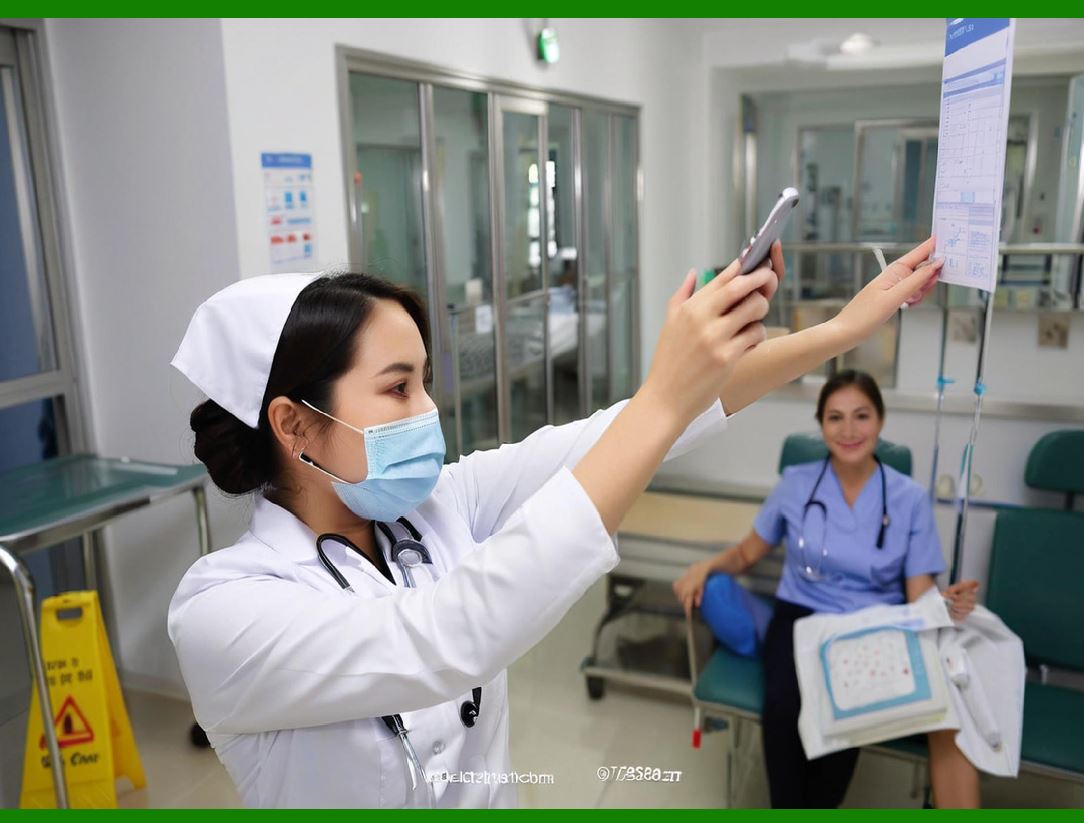
1.3 In medical systems, these technologies are applied across many domains: patient identification, medication management, surgical instrument tracking, blood and tissue management, inventory control, laboratory automation, imaging workflows, and hospital logistics. The overall goals are patient safety, process efficiency, regulatory compliance, cost reduction, and real-time visibility. |
1.4 This document provides a comprehensive exploration of how barcodes and RFID technologies are applied within healthcare, with a focus on technical principles, real-world workflows, industry standards, benefits, challenges, and future directions. The analysis is highly detailed and segmented into logical categories for clarity. |
|
2. Fundamentals of Barcode and RFID Technology |
2.1 Barcode basics: A barcode is a machine-readable representation of data, typically printed on labels or directly engraved/etched on objects. In healthcare, the most commonly used barcode symbologies include: |
Linear (1D) barcodes: Code 128, Code 39, GS1-128, Interleaved 2 of 5. |
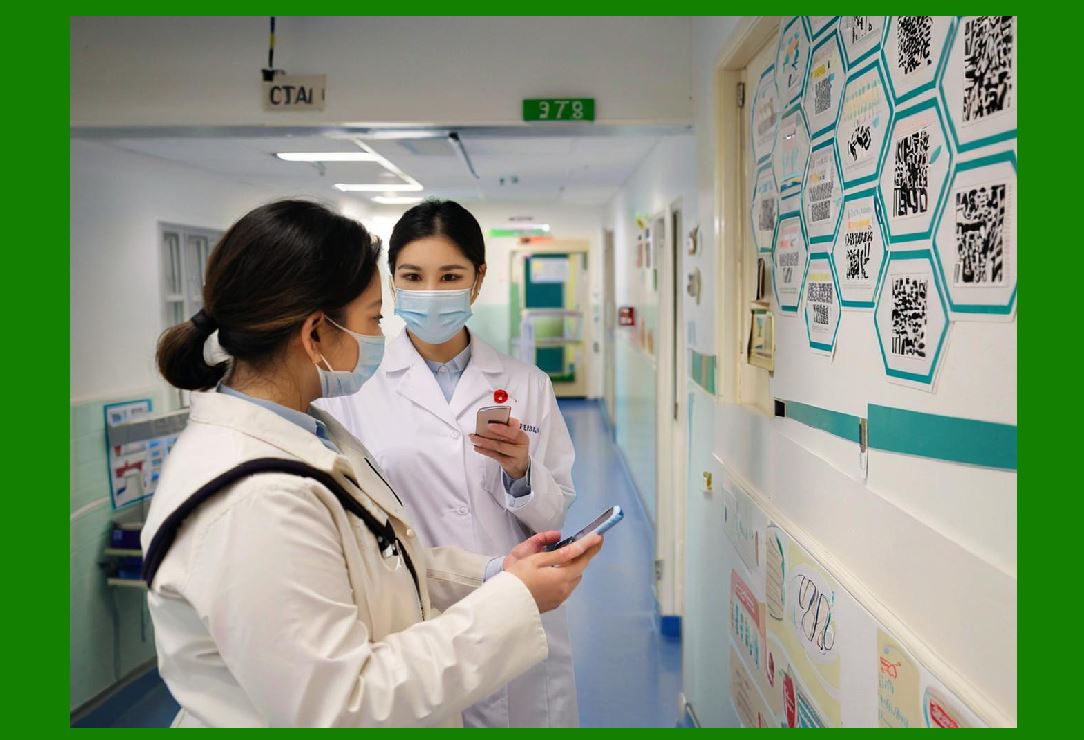
2D barcodes: QR Code, Data Matrix, PDF417. |
2D barcodes are especially popular in medical systems because they can encode large amounts of information in a small area, withstand damage, and are used on medications, implants, and laboratory samples. |
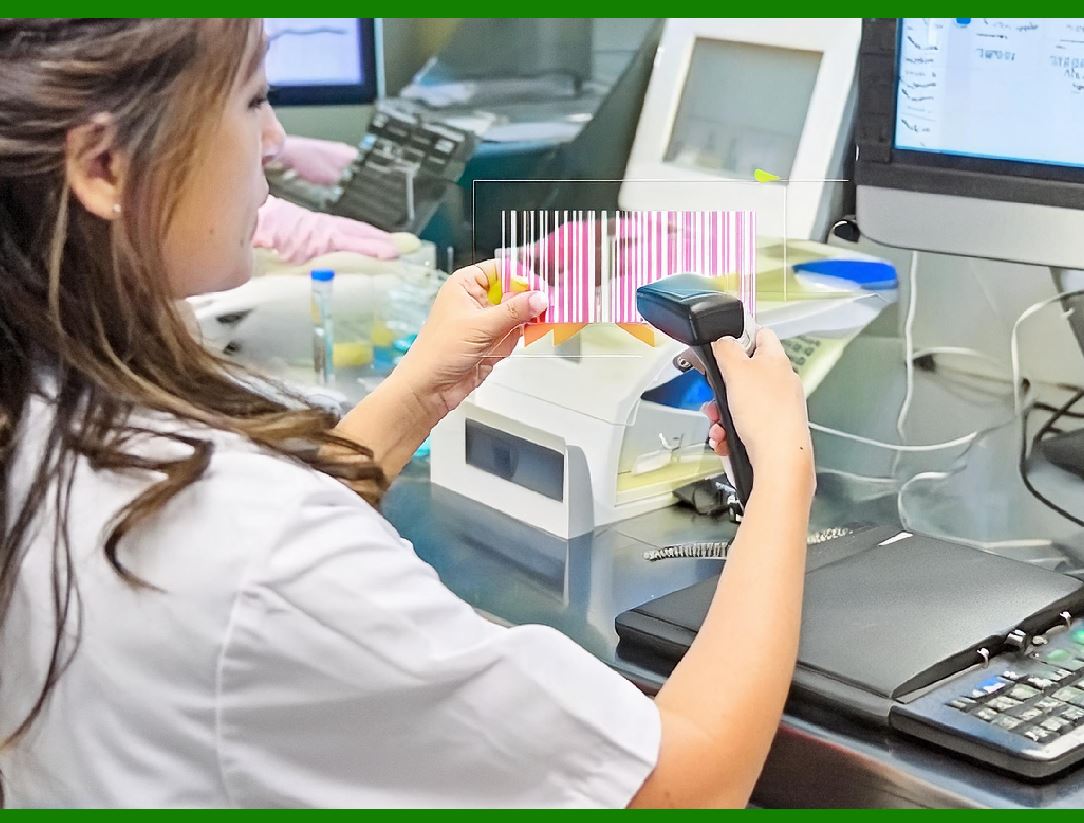
2.2 Barcode scanning technology: Healthcare settings utilize laser scanners, CCD scanners, and increasingly imagers (camera-based barcode readers). Imagers can read damaged codes, codes on curved surfaces (like vials), and support omnidirectional scanning. Integration with electronic medical record (EMR) systems is a key enabler. |
2.3 RFID basics: RFID is a wireless system that uses electromagnetic fields to identify and track tags attached to objects. Unlike barcodes, RFID does not require line-of-sight and can read multiple items simultaneously. RFID tags come in several forms: |
Passive tags: Powered by the reader¡¯s signal, commonly used for disposable medical items. |
Active tags: Battery-powered, with longer read ranges, used for tracking medical equipment. |
Semi-passive tags: Hybrid models with onboard power for sensors. |
2.4 Frequency ranges in RFID healthcare: |
Low Frequency (LF, ~125¨C134 kHz): Used for implantable devices, animal tagging, short-range secure identification. |
High Frequency (HF, 13.56 MHz): Used in smart cards, patient wristbands, and library-like tracking of lab samples. |
Ultra High Frequency (UHF, 860¨C960 MHz): Used in supply chain, equipment tracking, and larger-area asset management. |
Microwave (2.45 GHz, 5.8 GHz): Specialized, often used in RTLS (real-time location systems). |
2.5 Complementary nature: Barcodes are low-cost, easily printable, and ideal for single-scan use cases like medication administration. RFID, though more expensive, enables automation, bulk scanning, and continuous monitoring. Most modern hospitals adopt hybrid systems that leverage both technologies depending on workflow needs. |

|
3. Patient Identification and Safety |
3.1 One of the most critical applications of barcode and RFID technology in healthcare is accurate patient identification. Medical errors often stem from mismatched patient data, leading to wrong medication, incorrect procedures, or misfiled test results. |
3.2 Barcode wristbands: Upon admission, patients are issued wristbands with 1D or 2D barcodes encoding patient identifiers (name, ID number, date of birth, admission date, allergies). At every point of care¡ªwhether administering drugs, drawing blood, or performing surgery¡ªstaff scan the wristband to confirm identity. |
3.3 RFID wristbands: Many hospitals are moving toward RFID-enabled wristbands. These allow contactless scanning, even if the patient is asleep or immobile. Active RFID wristbands can be integrated into real-time location systems (RTLS) to track patient movement across wards, reducing the risk of lost or misplaced patients, particularly in pediatric or psychiatric units. |
3.4 Error prevention: When a nurse administers medication, barcode scanning ensures the ¡°Five Rights of Medication Administration¡±¡ªright patient, right drug, right dose, right route, right time. RFID offers the same function with less manual handling, reducing infection risks. |
3.5 Case study example: Hospitals that have adopted barcode wristbands report a 70%¨C85% reduction in medication administration errors, while RFID-enhanced systems add benefits like location tracking and integration with nurse call systems. |
3.6 Patient consent and privacy: Both technologies are tied to electronic health records (EHRs). Strong security measures must be implemented to prevent unauthorized scanning or data misuse. Encryption and access control are essential, particularly for RFID. |

|
4. Medication Management |
4.1 Medication management is one of the most error-prone areas in healthcare. Mistakes in dispensing, administering, or documenting drugs can have severe consequences. Barcodes and RFID provide essential safeguards. |
4.2 Pharmacy operations: |
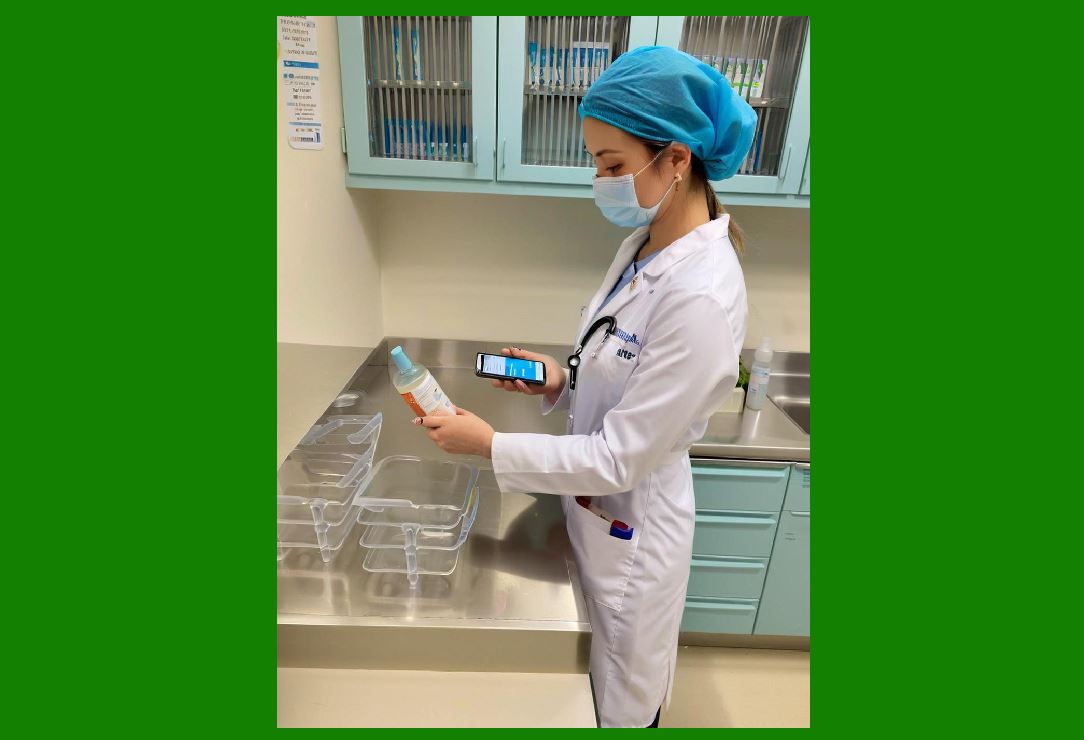
Barcoding in dispensing: Medication packages and individual doses carry barcodes (often GS1 DataMatrix). Pharmacists scan barcodes to ensure correct drug selection, dosage, and batch/lot identification. |
RFID tagging: High-value medications (e.g., chemotherapy drugs, biologics) can be RFID-tagged to prevent diversion or theft. |
4.3 Unit-dose barcoding: Regulations in many countries now require barcodes on every unit dose. Nurses scan both the patient wristband and the drug before administration, ensuring alignment. |
4.4 Inventory and expiry tracking: RFID-enabled cabinets and refrigerators automatically track when medications are added or removed. Expiry dates and lot numbers are logged, preventing the use of expired drugs. |
4.5 Cold chain monitoring: Some RFID tags have built-in sensors to track temperature exposure. This is crucial for vaccines, blood products, and biologics that must remain within strict thermal ranges. |
4.6 Narcotics control: Controlled substances require stringent monitoring. RFID smart cabinets track every withdrawal, linked to authorized staff badges, ensuring accountability and preventing misuse. |
4.7 Integration with EMR/EHR: Medication barcoding/RFID systems feed data directly into the patient¡¯s electronic chart, creating automatic documentation that eliminates manual entry errors. |
|
5. Surgical Instrument and Device Tracking |
5.1 Operating rooms are high-risk environments where instruments, sponges, and devices must be carefully tracked to avoid retention in patients or cross-contamination. |
5.2 Barcode application: Instruments can be laser-etched with Data Matrix codes that withstand repeated sterilization. Staff scan them during surgical set assembly and before/after procedures to ensure completeness. |
5.3 RFID application: RFID tags embedded in surgical sponges allow detection if a sponge is accidentally left inside a patient. RFID readers can scan the surgical field before closing. |
5.4 Sterilization tracking: Surgical trays tagged with RFID are automatically logged when entering or exiting sterilization equipment. This ensures traceability and compliance with infection control standards. |
5.5 Implantable devices: Barcodes and RFID ensure implants (e.g., pacemakers, orthopedic hardware) are correctly matched to patients. Lot and serial numbers are recorded for recalls. |
5.6 Operational efficiency: RFID systems enable real-time visibility of instrument location across sterilization departments, reducing delays and preventing lost items. |
|
6. Blood, Tissue, and Laboratory Sample Management |
6.1 Blood transfusions and laboratory samples are areas where misidentification can be fatal. Barcode and RFID technologies ensure integrity and traceability. |
6.2 Blood bank systems: |
Each unit of blood carries a barcode with donor ID, blood type, collection date, and expiration. |
RFID-enhanced blood bags allow non-line-of-sight scanning, ensuring accurate matching and reducing handling time. |
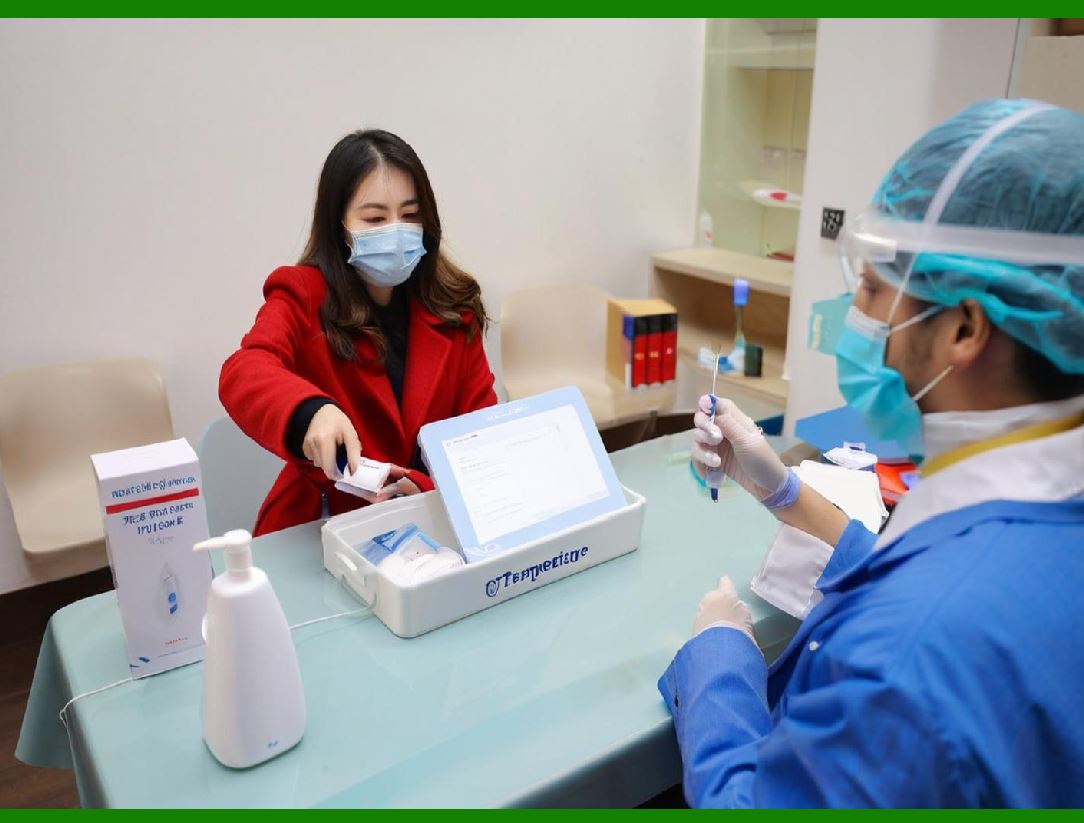
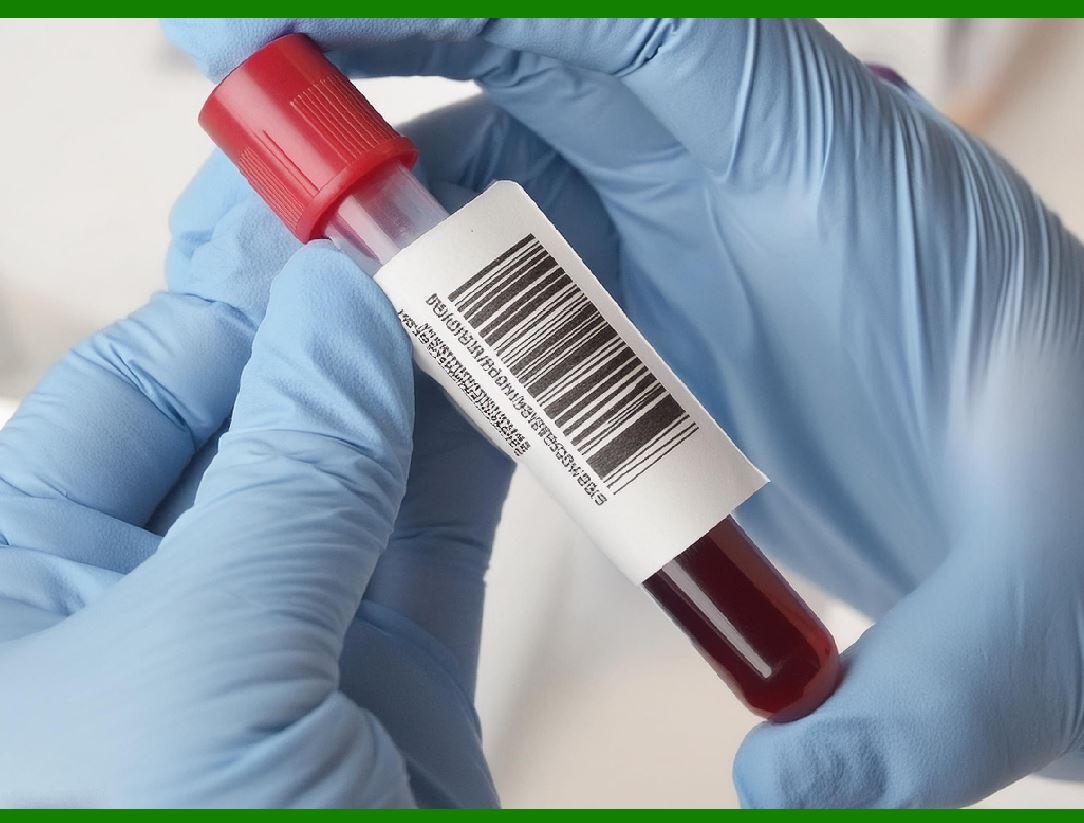
6.3 Sample collection: Nurses and phlebotomists scan the patient¡¯s wristband and immediately print a barcode label at bedside for tubes or slides. This eliminates manual labeling errors. |
6.4 Laboratory workflow: Automated analyzers use barcode readers to load samples. RFID-tagged racks streamline high-throughput testing, reducing sorting time. |
6.5 Tissue and organ tracking: RFID is particularly useful for organs in transit for transplantation. Temperature sensors embedded in tags monitor conditions, and GPS-enabled active RFID provides real-time tracking. |
6.6 Chain of custody: Both technologies ensure strict documentation of who collected, handled, transported, and analyzed samples¡ªcrucial in forensic and diagnostic applications. |

|
7. Asset and Equipment Tracking in Hospitals |
7.1 Hospitals manage thousands of assets¡ªinfusion pumps, wheelchairs, ventilators, portable monitors, defibrillators. Losing track of equipment leads to inefficiency, financial loss, and compromised care. |
7.2 Barcode asset tags: Low-cost barcodes are applied to equipment. Staff scan items during checkout and return, creating audit trails. |
7.3 RFID RTLS (Real-Time Location Systems): Active RFID tags provide continuous tracking. Staff can locate the nearest available infusion pump via hospital management systems. This reduces hoarding, saves rental costs, and ensures timely patient care. |
7.4 Maintenance and calibration: RFID/barcode records link each asset to its maintenance schedule. Alerts are generated when calibration or inspection is due, improving compliance and safety. |
7.5 Theft prevention: RFID tags trigger alerts if equipment is moved outside authorized zones. This is particularly useful for portable and high-value devices. |
|
8. Hospital Logistics and Supply Chain |
8.1 Medical systems operate on complex supply chains involving pharmaceuticals, consumables, linens, surgical supplies, and food services. Errors and inefficiencies in logistics can compromise patient care. |
8.2 Barcoded inventory systems: Each supply item is barcoded. Staff scan items when stocked, issued, or discarded. Systems automatically update stock levels, reducing manual counts. |
8.3 RFID-enabled supply rooms: Cabinets equipped with RFID readers log every item removed. Supplies are replenished based on real-time usage data. |
8.4 Laundry and linens: RFID chips sewn into hospital garments and linens enable automated sorting, washing, and distribution, ensuring hygiene compliance and reducing losses. |
8.5 Waste management: Barcodes and RFID are used to track biomedical waste containers from ward to disposal, ensuring compliance with environmental regulations. |
|
9. Integration with Hospital Information Systems (HIS) and Electronic Health Records (EHRs) |
9.1 The full benefits of barcodes and RFID in medical systems are only realized when integrated into hospital IT ecosystems. Hospital Information Systems (HIS) and Electronic Health Records (EHRs) serve as the digital backbone connecting clinical, administrative, and logistical workflows. |
9.2 Barcode/EHR integration: |
Each barcode scan (patient wristband, medication, lab sample) is automatically linked to the corresponding patient record. |
Scanning eliminates manual entry errors and provides time-stamped audit logs. |
Example: When a nurse scans a medication, the system instantly checks for allergies or contraindications in the EHR before allowing administration. |
9.3 RFID/EHR integration: |
RFID wristbands automatically update patient location in real-time. |
Asset tracking data is linked to clinical orders, e.g., ensuring a specific infusion pump is available for a scheduled treatment. |
RFID-controlled cabinets are connected to HIS for automatic charge capture (billing) whenever supplies are removed. |
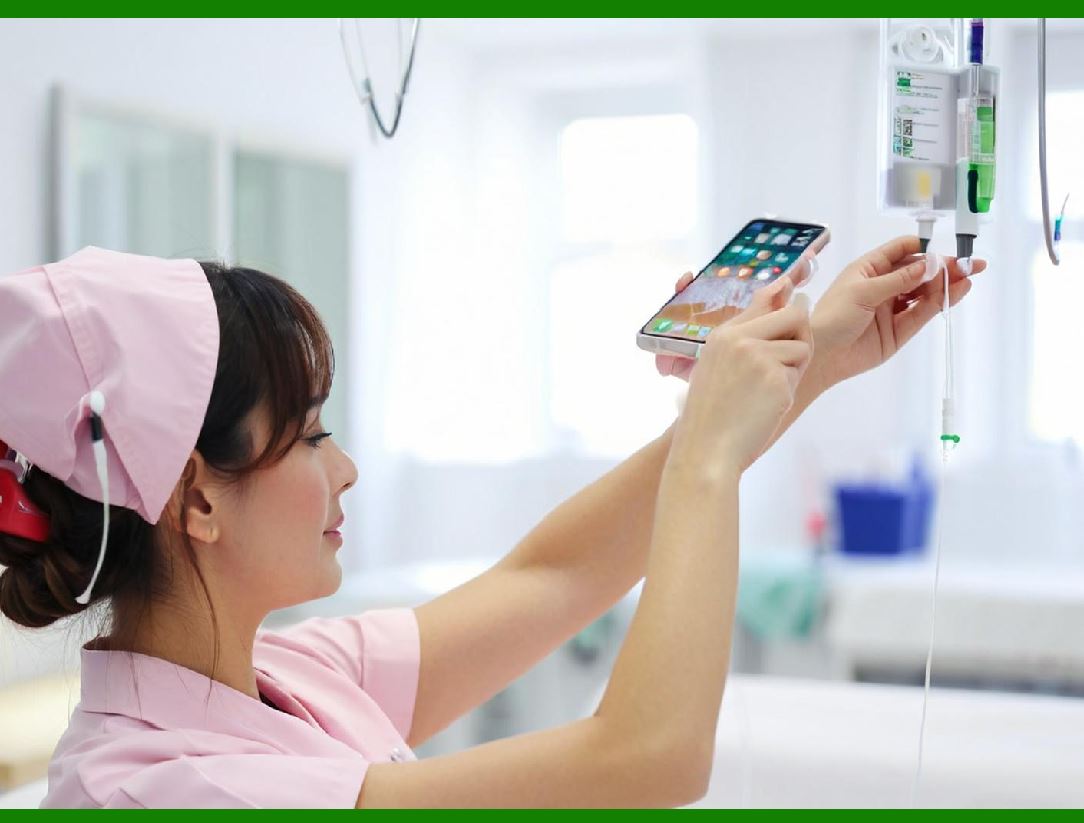
9.4 Bedside care systems: Handheld scanners and mobile workstations allow nurses to scan barcodes or RFID tags at the bedside, ensuring point-of-care verification. This direct integration improves safety and workflow efficiency. |
9.5 Data interoperability: Hospitals must ensure barcode and RFID systems adhere to standards such as HL7 and FHIR, enabling smooth communication with laboratory information systems (LIS), radiology information systems (RIS), and pharmacy management systems. |
9.6 Analytics and decision support: Integrated scanning data feeds into clinical decision support systems (CDSS). For example, medication scanning alerts may warn of drug-drug interactions, while RFID location data helps optimize bed allocation. |

|
10. Laboratory Automation and Pathology Applications |
10.1 Laboratories handle enormous sample volumes daily. Misidentification, delays, or contamination can lead to diagnostic errors. Barcode and RFID technologies are indispensable in lab workflows. |
10.2 Sample collection process: |
A nurse scans the patient wristband, ensuring the sample label matches the patient. |
Barcode or RFID labels are immediately printed bedside and affixed to vials, slides, or culture plates. |
This minimizes handwriting errors and ensures traceability from collection to analysis. |
10.3 Laboratory analyzers: Modern analyzers include built-in barcode readers. When racks of tubes are loaded, the system automatically identifies samples, eliminating manual entry. |
10.4 RFID in high-throughput labs: RFID-tagged racks allow simultaneous identification of dozens of samples. Readers embedded in lab equipment streamline workflows, reducing time spent sorting and scanning. |
10.5 Specimen storage: Freezers and cryogenic storage often use RFID for inventory management. Researchers can locate specific samples quickly without opening containers and risking thaw cycles. |
10.6 Chain of custody: Pathology samples and forensic evidence must maintain strict chain-of-custody documentation. Barcode scanning or RFID logging records every handler, transfer, and location. |
10.7 Error reduction: Studies show barcode-enabled labs reduce sample misidentification by over 85%, while RFID provides additional automation benefits in large-volume settings. |

|
11. Radiology and Imaging Workflow Enhancement |
11.1 Radiology departments rely heavily on accurate patient identification and precise procedure management. Barcodes and RFID support safety, efficiency, and data integrity. |
11.2 Patient-ID matching: Before any imaging procedure (MRI, CT, X-ray), staff scan the patient¡¯s barcode or RFID wristband. This ensures the correct imaging order is performed on the right patient. |
11.3 Contrast agent tracking: Barcodes on syringes and RFID-tagged vials allow tracking of contrast agents, ensuring correct dosage and avoiding expired stock. |
11.4 Equipment management: RFID tags on mobile imaging devices (portable X-ray, ultrasound) enable real-time location tracking, minimizing delays in emergency situations. |
11.5 Radiology Information Systems (RIS) integration: |
Scanning links images directly to the patient¡¯s record, avoiding mix-ups. |
RFID readers can trigger automatic documentation when a patient enters the imaging suite. |
11.6 Radiation dose monitoring: Barcode scans tied to patient records allow cumulative dose tracking, ensuring compliance with ALARA (As Low As Reasonably Achievable) principles. |
|
12. Emergency and Disaster Response Applications |
12.1 In emergencies, speed and accuracy are critical. Barcodes and RFID support triage, patient movement, and supply logistics under high-pressure conditions. |
12.2 Mass casualty triage: |
Emergency responders attach barcode or RFID-enabled triage tags to patients at the disaster site. |
Scans immediately transmit condition and priority data to command centers. |
RFID allows continuous monitoring of patient flow to hospitals. |
12.3 Ambulance and ER integration: Barcodes on medication kits and RFID on defibrillators ensure readiness and proper documentation of emergency use. |
12.4 Disaster logistics: During pandemics or natural disasters, RFID-enabled supply chain systems help track critical resources like PPE, ventilators, and vaccines. |
12.5 Field hospitals: RFID wristbands and portable readers enable temporary field hospitals to maintain accurate patient tracking even without permanent IT infrastructure. |

|
13. Regulatory Compliance and Standards |
13.1 Healthcare is heavily regulated, and barcode/RFID systems must comply with multiple frameworks to ensure safety, privacy, and interoperability. |
13.2 FDA regulations: |
The U.S. FDA requires barcodes on most prescription drugs. |
The Unique Device Identification (UDI) system mandates barcodes or RFID for medical devices, including implants. |
13.3 GS1 standards: Global barcoding and RFID systems in healthcare often follow GS1 standards, ensuring interoperability across supply chains and borders. |
13.4 HIPAA (Health Insurance Portability and Accountability Act): RFID and barcode systems handling patient data must maintain confidentiality and prevent unauthorized access. |
13.5 WHO recommendations: The World Health Organization supports barcode-enabled traceability of vaccines and medications, particularly for global health initiatives. |
13.6 European Union regulations: The EU¡¯s Falsified Medicines Directive requires serialization and barcode tracking of prescription drugs, ensuring authenticity and reducing counterfeit risks. |

|
14. RFID and Barcode in Pharmacy Automation |
14.1 Pharmacies, both hospital-based and retail, leverage these technologies to improve accuracy, efficiency, and compliance. |
14.2 Automated dispensing systems: |
Barcode scanning ensures the robot dispenses the correct drug. |
RFID-tagged high-value medications are securely tracked. |
14.3 Self-service kiosks: Patients collecting medications scan barcodes on prescriptions or use RFID-enabled ID cards, streamlining the process. |
14.4 Drug recalls: When recalls occur, barcode/RFID tracking allows immediate identification of affected batches in patient records and inventory. |
14.5 Adherence monitoring: RFID-enabled smart pill bottles record when they are opened, supporting adherence programs for chronic diseases. |
|
15. IoT and AI Convergence with Barcode and RFID in Medical Systems |
15.1 The integration of barcode and RFID data into IoT platforms is transforming healthcare into ¡°smart hospital¡± ecosystems. |
15.2 IoT-enabled tracking: |
RFID tags transmit data to cloud-based platforms. |
Combined with sensors, they monitor temperature, humidity, and equipment utilization. |
15.3 Artificial intelligence applications: |
AI algorithms analyze barcode/RFID usage data for predictive analytics (e.g., forecasting medication shortages). |
AI-powered computer vision complements barcode scanning by recognizing labels automatically. |
15.4 Wearable devices: RFID and barcode systems integrate with wearables, enabling continuous patient monitoring and automated data capture. |
15.5 Smart environments: RFID and barcodes contribute to patient-centered smart rooms, where medication administration, equipment use, and patient movement are logged seamlessly. |

|
16. Case Studies of Implementation |
16.1 Johns Hopkins Hospital: Barcode-based medication administration reduced errors by 70% within the first year. |
16.2 Cleveland Clinic: RFID-enabled asset tracking saved millions annually by reducing equipment loss and rental costs. |
16.3 Tokyo University Hospital: Implemented RFID in surgical instrument tracking, reducing lost instrument incidents to near zero. |
16.4 UK NHS Trusts: Adoption of GS1 barcodes across hospitals improved supply chain efficiency and compliance with national standards. |
16.5 COVID-19 vaccine distribution: Both barcodes and RFID played a critical role in ensuring cold chain integrity and traceability during global vaccination campaigns. |
|
17. Challenges and Limitations of Barcode and RFID in Medical Systems |
17.1 While barcodes and RFID provide significant benefits in healthcare, their adoption is not without challenges. Understanding these limitations is critical for successful system design and long-term sustainability. |
17.2 Implementation costs: |
Barcodes are inexpensive to print but require investment in printers, scanners, and integration with IT systems. |
RFID is costlier due to tags, readers, middleware, and infrastructure installation. Hospitals often hesitate to invest in RFID unless ROI is clear. |
17.3 Training and workflow adaptation: |
Staff must be trained to use scanners consistently. In busy clinical settings, even small workflow changes can meet resistance. |
Without proper training, staff may bypass scanning steps, undermining safety. |
17.4 Data privacy and security: |
Barcodes are visible and can be copied, raising risks of unauthorized replication. |
RFID tags can be scanned remotely, creating potential for unauthorized access unless encryption or authentication is used. |
Compliance with HIPAA and GDPR requires strict safeguards. |
17.5 Technical limitations: |
Barcodes require line-of-sight; damaged or curved labels (on syringes, vials) may be difficult to read. |
RFID can be interfered with by metal surfaces, liquids, or electromagnetic noise, limiting reliability in certain medical environments. |
17.6 Standardization issues: |
Multiple barcode formats and RFID protocols exist. Without harmonized standards (GS1, ISO/IEC), interoperability across institutions and supply chains suffers. |
Proprietary RFID solutions may lock hospitals into vendor ecosystems. |
17.7 Maintenance requirements: |
Printers and scanners need calibration and maintenance. |
RFID systems require periodic firmware updates, battery replacements (for active tags), and troubleshooting of connectivity issues. |
17.8 Cultural and organizational barriers: |
Some clinicians view technology as an intrusion on patient interaction. |
Hospitals may prioritize short-term budget savings over long-term efficiency gains, delaying adoption. |
17.9 Legal and liability concerns: |
If scanning systems fail, hospitals remain liable for errors. Backup workflows are needed to prevent disruption. |
RFID tracking of patients can raise ethical questions about surveillance. |

|
18. Comparative Analysis: Barcode vs RFID in Medical Settings |
18.1 To better understand the role of each technology, it is essential to compare barcodes and RFID directly in terms of cost, functionality, and application domains. |
18.2 Cost considerations: |
Barcodes: Printing a barcode costs fractions of a cent. Scanners are affordable. |
RFID: Tags range from $0.10 to $20 depending on type (passive vs active). Infrastructure costs are higher. |
18.3 Ease of adoption: |
Barcodes: Require minimal workflow changes. Easy to print and integrate. |
RFID: Require more extensive planning, infrastructure installation, and IT integration. |
18.4 Scanning characteristics: |
Barcodes: Require line-of-sight, one-by-one scanning. |
RFID: Allow bulk, non-line-of-sight scanning, reading multiple items simultaneously. |
18.5 Durability: |
Barcodes: Can fade or become unreadable after sterilization. Laser-etching improves durability. |
RFID: Tags can survive harsh sterilization, but embedding them in metal instruments requires specialized design. |
18.6 Data capacity: |
Barcodes: Limited capacity (1D stores ~20 characters; 2D stores thousands). |
RFID: Can store more data, and some tags are rewritable. |
18.7 Use cases: |
Barcodes dominate medication administration, lab samples, and patient wristbands. |
RFID dominates asset tracking, surgical instrument management, and real-time patient or equipment location. |
18.8 Hybrid systems: |
The most effective approach is combining both: |
Barcodes for low-cost, single-scan applications. |
RFID for continuous monitoring and automation. |
Hospitals that deploy both technologies achieve maximum safety and efficiency. |

|
19. Industry-by-Industry Applications in Healthcare Ecosystem |
19.1 The healthcare ecosystem spans multiple industries beyond hospitals. Barcode and RFID technology play crucial roles across pharmaceuticals, diagnostics, insurance, logistics, and even home healthcare. |
19.1 Pharmaceuticals and Drug Manufacturing |
19.1.1 At the manufacturing stage, barcodes and RFID ensure compliance with serialization regulations. Every drug package carries a unique identifier traceable from factory to patient. |
19.1.2 RFID smart labels with embedded sensors track storage conditions, especially for biologics and vaccines requiring cold chain integrity. |
19.1.3 Counterfeit prevention: Serialized barcodes and RFID authentication reduce counterfeit drug infiltration, a major issue in global supply chains. |
19.2 Hospital and Clinical Care |
19.2.1 Hospitals apply barcodes and RFID across patient care, medication administration, laboratory testing, and surgical workflows. |
19.2.2 Nursing staff benefit most from barcoding, reducing medication errors dramatically. RFID extends this benefit to asset tracking and location services. |
19.3 Diagnostic Laboratories |
19.3.1 Barcodes dominate sample identification. |
19.3.2 RFID accelerates large-scale lab automation, allowing simultaneous tracking of hundreds of samples across analyzers and storage systems. |
19.4 Medical Device Industry |
19.4.1 FDA¡¯s Unique Device Identification (UDI) system requires every device to carry a barcode or RFID identifier. |
19.4.2 Hospitals can track implants, ensuring proper documentation and recall management. |
19.4.3 RFID tags embedded in surgical tools support sterilization tracking and anti-counterfeit validation. |
19.5 Insurance and Billing |
19.5.1 Barcode scanning of patient IDs and procedures automates billing accuracy. |
19.5.2 RFID data supports activity-based costing, capturing actual resource usage (equipment time, supplies) for insurance claims. |
19.6 Home Healthcare and Telemedicine |
19.6.1 Patients use barcoded medication packaging to track adherence. Smartphone apps scan barcodes to log intake. |
19.6.2 RFID-enabled wearables and home medical devices send real-time data to providers, integrating into remote patient monitoring systems. |
19.7 Public Health and Epidemiology |
19.7.1 Vaccine campaigns use barcodes for batch tracking, ensuring safety in mass immunization. |
19.7.2 RFID supports pandemic logistics by monitoring PPE distribution and hospital bed availability in real time. |

|
20. Future Prospects of Barcode and RFID in Medical Systems |
20.1 The future of healthcare technology lies in deeper integration of identification technologies with IoT, AI, blockchain, and nanotechnology. |
20.1 AI-Driven Predictive Analytics |
20.1.1 Barcode and RFID data streams will be analyzed by AI to predict supply shortages, equipment failures, and patient risk factors. |
20.1.2 For example, RFID-based asset utilization data can forecast when infusion pumps need servicing before breakdowns. |
20.2 Blockchain for Secure Traceability |
20.2.1 By linking barcode and RFID data to blockchain ledgers, healthcare systems can create immutable records of medication provenance, device usage, and sample custody. |
20.2.2 This strengthens recall processes and builds patient trust in drug authenticity. |
20.3 Nanotechnology and Smart Tags |
20.3.1 Researchers are developing nanoscale RFID chips that can be embedded directly into pills or implants. |
20.3.2 Such tags would allow doctors to confirm medication ingestion or monitor implant conditions in real time. |
20.4 Integration with Smart Hospitals |
20.4.1 In next-generation hospitals, RFID sensors, barcode scanners, IoT networks, and AI systems will merge into intelligent ecosystems. |
20.4.2 Examples include automated restocking robots guided by RFID data, or AI-driven alerts triggered by barcode scan discrepancies. |
20.5 Personalized Medicine |
20.5.1 Barcodes on genetic test kits and RFID-enabled biobanks ensure precise matching of personalized therapies to patients. |
20.5.2 This will be crucial in fields like oncology, where treatments are tailored to individual genetic profiles. |
20.6 Global Health and Developing Nations |
20.6.1 Low-cost barcoding will continue to dominate vaccine campaigns and medication distribution in resource-limited settings. |
20.6.2 RFID adoption will grow where cold-chain monitoring and anti-counterfeit measures are critical. |

|
21. Conclusion and Comprehensive Synthesis |
21.1 The integration of barcodes and RFID in medical systems represents one of the most significant technological advancements in modern healthcare. From patient safety to supply chain integrity, these technologies underpin nearly every aspect of healthcare operations. |
21.2 Key themes from this exploration: |
Barcodes remain indispensable for low-cost, high-volume applications like medication administration and lab samples. |
RFID enables automation, real-time visibility, and asset tracking at a scale barcodes cannot achieve. |
Together, they form a hybrid ecosystem essential for modern hospitals. |
21.3 Impact on patient safety: Barcodes reduce medication errors by over 70%, while RFID prevents lost instruments, misidentified samples, and patient location risks. |
21.4 Operational efficiency: Hospitals using RFID save millions annually through improved asset utilization, reduced theft, and optimized supply chains. |
21.5 Regulatory alignment: Global standards (FDA UDI, GS1, EU FMD) ensure barcoding and RFID remain integral to compliance and traceability. |
21.6 Future trajectory: Integration with AI, blockchain, IoT, and nanotechnology will transform healthcare into a truly smart, predictive, and personalized system. |
21.7 Ultimately, barcodes and RFID are not just identification tools; they are foundational technologies enabling the digital transformation of healthcare. By ensuring accuracy, safety, and efficiency, they help medical systems fulfill their central mission: saving lives and improving health outcomes. |
|
Executive Summary: Application of Barcode and RFID Technology in Medical Systems |
1. Introduction |
Barcode and RFID (Radio Frequency Identification) technologies have become vital tools in modern healthcare systems. They improve patient safety, enhance operational efficiency, reduce errors, and support regulatory compliance. While barcodes dominate due to their low cost and simplicity, RFID provides advanced tracking, automation, and data analytics capabilities. Both technologies complement each other when strategically implemented in hospitals, pharmacies, laboratories, and supply chains. |
2. Applications of Barcode Technology in Healthcare |
2.1 Patient Identification |
Barcoded wristbands ensure accurate patient identification throughout treatment. |
Prevents 'wrong-patient' medical errors. |
Used at admission, diagnostics, surgery, and discharge. |
2.2 Medication Administration |
Barcode Medication Administration (BCMA) ensures the ¡°five rights¡±: right patient, drug, dose, route, and time. |
Reduces medication errors by up to 80%. |
2.3 Laboratory and Diagnostic Accuracy |
Barcoded specimen labels prevent mix-ups. |
Integrated into LIS (Laboratory Information Systems). |
Critical for blood transfusion safety. |
2.4 Surgical and Clinical Workflows |
Barcodes track surgical instruments and implants. |
Supports sterilization cycle monitoring. |
Improves operating room efficiency and documentation. |
2.5 Pharmacy and Drug Management |
Barcode scanning at dispensing points prevents drug substitution. |
Helps pharmacies track inventory and expiry dates. |
2.6 Asset and Equipment Tracking |
Hospitals barcode portable equipment like infusion pumps. |
Reduces loss, theft, and maintenance delays. |
3. Applications of RFID Technology in Healthcare |
3.1 Real-Time Location Systems (RTLS) |
RFID tags on equipment enable continuous location tracking. |
Reduces time spent searching for critical devices. |
Lowers equipment rental costs. |
3.2 Patient Tracking and Safety |
RFID wristbands allow hands-free identification and monitoring. |
Useful for newborns, dementia patients, and restricted-access wards. |
3.3 Surgical Safety |
RFID-tagged sponges, gauze, and instruments prevent retained surgical items (RSI). |
Enhances compliance with operating room safety protocols. |
3.4 Supply Chain and Inventory Management |
RFID supports automated drug and medical supply replenishment. |
Enables cold-chain monitoring for vaccines and biologics. |
3.5 Laboratory and Blood Bank Applications |
RFID improves tracking of blood units, reagents, and high-value biological samples. |
Provides real-time inventory visibility. |
3.6 Infection Control and Hygiene |
RFID tags track hand-hygiene compliance among staff. |
Helps control hospital-acquired infections (HAIs). |
4. Benefits of Barcode and RFID in Medical Systems |
4.1 Patient Safety |
Both technologies reduce misidentification and medication errors. |
RFID enhances automation, while barcodes enforce manual double-checking. |
4.2 Efficiency Gains |
Faster patient processing, reduced waiting times. |
Automated asset tracking reduces idle time. |
4.3 Cost Savings |
Barcodes: low-cost implementation. |
RFID: higher initial investment but long-term savings through automation and reduced losses. |
4.4 Regulatory Compliance |
Supports FDA, GS1, and Joint Commission patient safety standards. |
Ensures traceability of drugs, implants, and biologics. |
5. Challenges and Limitations |
5.1 Barcode Limitations |
Requires line-of-sight scanning. |
Labels can be damaged or illegible. |
5.2 RFID Limitations |
Higher upfront cost of tags, readers, and integration. |
Signal interference with metals/liquids in hospital environments. |
Privacy and cybersecurity concerns with patient data. |
5.3 Integration Issues |
Requires alignment with existing HIS, EMR, LIS, and ERP systems. |
Staff training and workflow redesign are essential. |
6. Future Outlook |
6.1 Hybrid Systems |
Increasing integration of barcode and RFID in complementary roles. |
Example: barcode for patient verification, RFID for asset tracking. |
6.2 Advanced Analytics and AI |
RFID data feeding AI-driven hospital analytics for predictive maintenance, patient flow optimization, and infection prevention. |
6.3 Blockchain and Traceability |
Integration with blockchain for transparent medical supply chain tracking. |
6.4 IoT in Smart Hospitals |
RFID-enabled devices as part of IoT ecosystems. |
Supports fully automated hospital logistics and real-time monitoring. |

|
7. Conclusion |
Barcode and RFID technologies have become cornerstones of healthcare digitalization. Barcodes remain indispensable for low-cost, high-accuracy identification, while RFID enables automation, mobility, and real-time data collection. The combination of both technologies enhances patient safety, reduces operational costs, and improves efficiency across the healthcare continuum. As hospitals evolve into smart, connected ecosystems, hybrid barcode-RFID solutions, integrated with IoT and AI, will play a pivotal role in the future of medical systems. |
 cs@easiersoft.com