Barcode Standardization and Global Compatibility |
Barcode technology has evolved over the years to become a key enabler in global trade, logistics, and retail systems. With the increased demand for faster processing and enhanced traceability of goods across borders, the need for standardized barcodes that work across different systems and regions has never been more critical. Barcode standardization ensures that businesses can seamlessly integrate barcode-based data capture technologies into their operations, regardless of geographical location or industry. The GS1 organization, as a leading global standards body, plays a pivotal role in this process. |
In this section, we will explore the importance of barcode standardization, the role of GS1, and how the GS1 Unified Standard Extension (including GS1 Digital Link) supports both traditional and new barcode formats. We will also discuss how these developments enhance global compatibility, streamline logistics, and facilitate new capabilities like URL redirection, enabling companies to unify data across multiple business functions. |
|
1. Introduction to Barcode Standardization |
Barcode technology is an essential part of the modern supply chain, retail, healthcare, and logistics industries. A barcode is a machine-readable representation of data that allows the automated identification and tracking of products, services, and assets. As businesses expand globally, the challenge of managing product information in a consistent and compatible manner grows. Barcode standardization, therefore, becomes vital to ensure that data encoded in barcodes is universally understandable and readable by scanners, regardless of the brand or country of origin. |
There are several barcode standards in existence, with each standard designed to meet specific industry needs. For example, the EAN-13 standard is commonly used for retail product identification, while the PDF417 standard is popular for transportation and logistics. However, to create global compatibility and ensure efficient operations, there must be a unified system that can integrate various barcode formats, facilitating interoperability between regions, industries, and companies. |
|
2. The Role of GS1 in Barcode Standardization |
The GS1 system, established in 1973, is a global organization responsible for developing and maintaining standards for barcode technology. GS1 is recognized for creating the Global Trade Item Number (GTIN), which is used to identify products worldwide. The organization also manages a range of other standards and tools, including the GS1 DataMatrix, GS1-128, and GS1 Digital Link. |
GS1's barcode standards are designed to be universally applicable, enabling businesses to ensure that their barcodes can be read across a wide range of scanners, systems, and platforms, regardless of geographic location or industry sector. GS1's barcode system is especially important for global supply chains, where the movement of goods across borders requires systems that can share data consistently. |
By maintaining a unified standard, GS1 allows businesses to streamline operations, enhance traceability, and improve product availability. Importantly, GS1's role in barcode standardization helps ensure that consumers, retailers, suppliers, and government bodies have consistent access to accurate and up-to-date information about products. |
|
3. GS1 Unified Standard Extension: The Introduction of GS1 Digital Link |
The GS1 Unified Standard Extension refers to a strategic initiative by GS1 to enhance the flexibility and capabilities of traditional barcode formats while supporting new, more dynamic data sources. The most prominent development under this extension is the introduction of GS1 Digital Link. |
GS1 Digital Link is a significant step forward in the evolution of barcode technology. It allows for the creation of web-enabled barcodes that not only encode product information but also provide a direct link to digital resources. These resources can include web pages, product specifications, manuals, videos, reviews, or even instructions for use. GS1 Digital Link combines the power of traditional barcodes with the accessibility and versatility of the internet, providing a new level of interaction and engagement for businesses and consumers alike. |
GS1 Digital Link uses a web URL structure that encodes product data, allowing businesses to link their barcodes to multiple pieces of digital information. This capability is particularly valuable in industries like retail, where consumers expect fast and easy access to product information through their smartphones. It also supports applications in logistics and supply chain management, where access to real-time product data can improve decision-making and operational efficiency. |
|
4. GS1 Digital Link: Compatibility with Traditional Barcode Formats |
A major advantage of GS1 Digital Link is its backward compatibility with traditional barcode formats. While GS1 Digital Link enables the use of more advanced features, it does not render older formats obsolete. This ensures that businesses that have already adopted GS1's traditional barcode standards, such as UPC, EAN-13, or GS1-128, can continue to use them without requiring a complete system overhaul. |
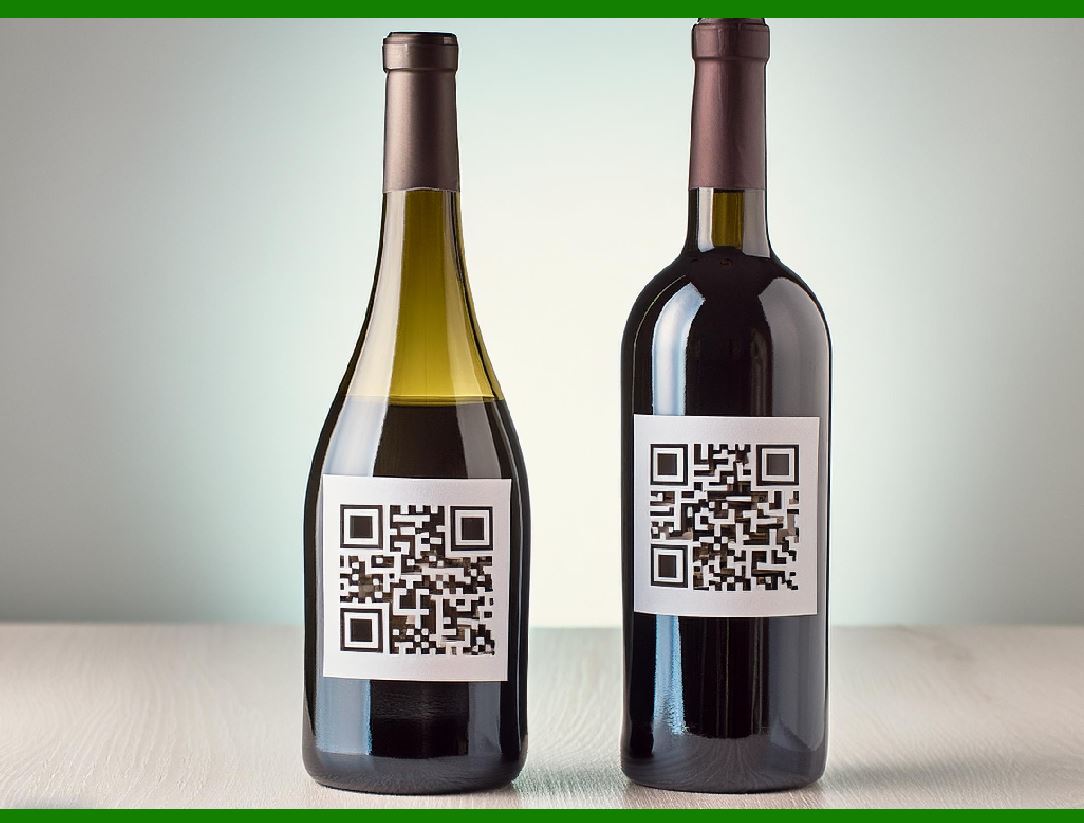
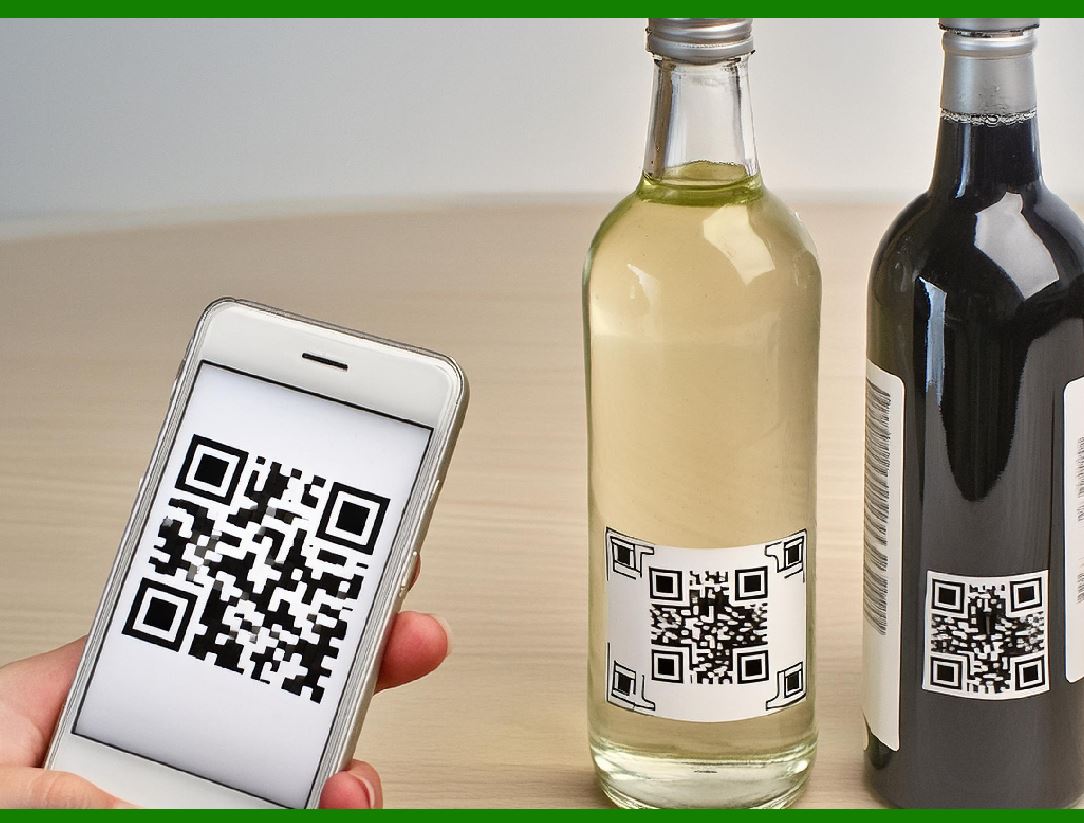
Instead of replacing older barcode types, GS1 Digital Link complements them by adding more flexibility. For example, a GTIN-13 barcode could be scanned by traditional systems to retrieve product data. However, when scanned with a device capable of interpreting GS1 Digital Link, the same barcode can redirect the user to a web page, display additional product details, and even enable online purchasing. |
This capability is essential for businesses that want to modernize their barcode systems while still maintaining compatibility with legacy systems. The combination of traditional barcodes with new digital capabilities opens the door for multi-functional barcodes that serve multiple purposes, from basic product identification to providing a rich, interactive customer experience. |
|
5. URL Redirection and Unification of Data Across Business Functions |
One of the key benefits of GS1 Digital Link is its ability to support URL redirection. This allows businesses to embed URLs within barcodes, which, when scanned, can redirect users to specific web pages or digital assets. This redirection can be used for a variety of purposes, such as: |
Providing detailed product information |
Enabling e-commerce transactions |
Allowing customers to view instructions, reviews, or warranty information |
Facilitating product traceability and supply chain management |
URL redirection also plays a significant role in data unification. Businesses often maintain different data sources for various functions, such as retail, logistics, and customer service. These systems may store different types of information in different formats, creating silos of data that are not easily accessible by all parties. |
GS1 Digital Link helps solve this problem by enabling businesses to centralize their data and make it accessible through a single, unified link. Instead of relying on multiple barcodes or data points for each process, businesses can use a single GS1 Digital Link barcode to connect various systems, whether it is for retail, logistics, or marketing. |
For example, a retailer may use a GS1 Digital Link to provide product information on a webpage, while the logistics team can scan the same barcode to track shipments and manage inventory. This unification of data ensures consistency and reduces the need for manual data entry or reconciliation across departments. |

|
6. GS1 Digital Link and the Internet of Things (IoT) |
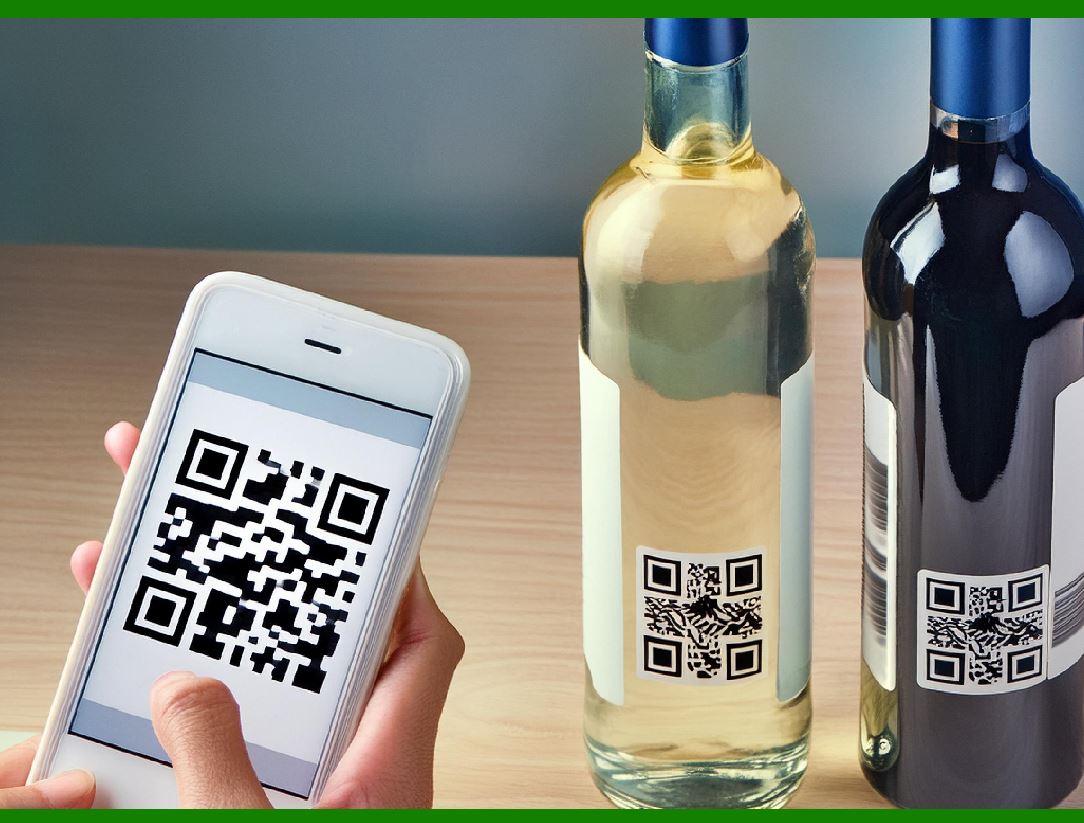
GS1 Digital Link plays a critical role in enabling the Internet of Things (IoT) within supply chains and product management. The ability to link a barcode to a URL means that businesses can integrate their physical products with digital systems. This integration creates opportunities for real-time tracking, predictive analytics, and automated decision-making. |
For example, consider a scenario where a smart sensor embedded in a product scans its barcode (encoded with GS1 Digital Link) to retrieve information about its location, condition, and shipping status. This data can then be sent to a cloud-based system for real-time monitoring, helping businesses track products as they move through the supply chain. By incorporating IoT technology into barcode systems, businesses can significantly improve operational visibility and efficiency. |
|
7. Enhancing Traceability and Compliance with GS1 Digital Link |
Another major benefit of GS1 Digital Link is its ability to enhance product traceability and compliance. In industries like pharmaceuticals, food safety, and aerospace, the ability to track and trace products is essential to ensuring safety, regulatory compliance, and quality control. With GS1 Digital Link, businesses can store and retrieve detailed records about a product's entire lifecycle, from manufacturing to distribution. |
For example, in the pharmaceutical industry, regulatory bodies such as the FDA require detailed records of a drug's journey from the manufacturer to the patient. By encoding traceability information into a GS1 Digital Link barcode, businesses can comply with regulations and provide authorities with easy access to product histories. This feature is also important for recall management, allowing companies to quickly identify and withdraw products from the market in the event of a safety issue. |
|
8. Advantages of GS1 Digital Link in Global Supply Chains |
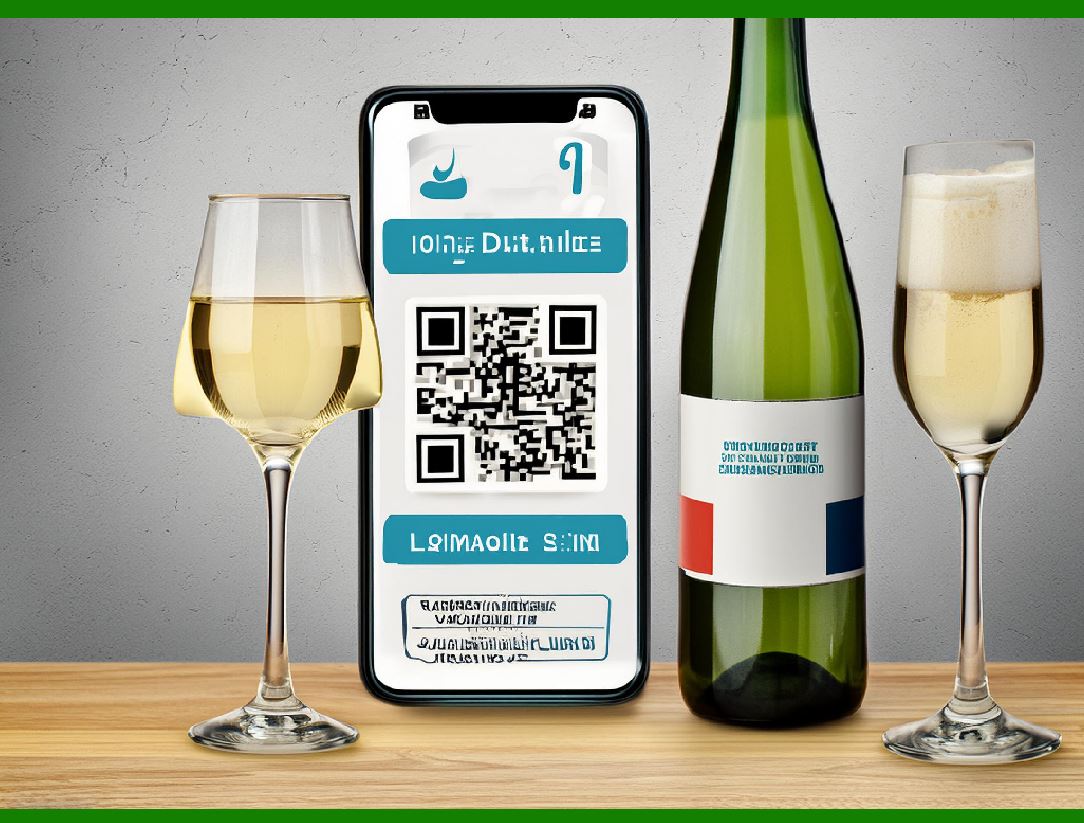
As businesses operate in increasingly globalized supply chains, the need for standardized barcodes that can work across regions becomes more important. GS1 Digital Link is designed to facilitate this by enabling cross-border data exchange. Whether a product is being shipped from Europe to Asia, or from the United States to Africa, the same GS1 Digital Link can be scanned and used to access detailed product information, regardless of the region. |
This global compatibility is a key advantage for businesses that need to manage international logistics and operations. The use of a single global standard reduces the complexity of managing multiple barcode formats and data systems. It also ensures that businesses can track products and retrieve information no matter where they are in the world. |
|
9. Future Developments in Barcode Technology |
The development of GS1 Digital Link is only the beginning of what promises to be an ongoing evolution in barcode technology. Future developments will likely include further enhancements in data security, sustainability, and interoperability. As barcode standards continue to evolve, businesses will benefit from new ways to interact with customers, improve operational efficiencies, and ensure compliance. |
The adoption of blockchain technology in conjunction with GS1 Digital Link could further enhance product traceability and security, creating tamper-proof records for each product in the supply chain. Additionally, as digital technologies like 5G and edge computing become more widespread, barcodes will play an increasingly important role in enabling real-time, data-driven decision-making. |
|
10. Conclusion |
Barcode standardization is a critical element in ensuring global compatibility and efficiency in modern supply chains, retail, and logistics. GS1, as the leading organization in barcode standards, continues to innovate and extend the capabilities of traditional barcode formats through initiatives like GS1 Digital Link. This new system not only enhances the compatibility of barcodes with digital resources but also supports URL redirection, allowing businesses to unify data across functions like retail, logistics, and marketing. |
As businesses continue to operate in increasingly complex and globalized environments, barcode standardization, enabled by GS1, will be key to improving traceability, reducing costs, and driving efficiency. The flexibility of GS1 Digital Link, coupled with its backward compatibility and ability to integrate with IoT and emerging technologies, ensures that barcode systems will remain a vital tool for businesses in the years to come. |
|
Which industries have already applied this GS1 Digital Link technology in practice? |
GS1 Digital Link technology has already begun to make significant impacts across various industries by enhancing traceability, improving consumer engagement, and enabling more efficient operations. Its ability to link traditional barcodes to digital resources through URL redirection is particularly useful in sectors that require high levels of product traceability, consumer interaction, and supply chain optimization. Here are some of the industries that have already applied GS1 Digital Link technology in practice: |
1. Retail and E-commerce |
The retail and e-commerce industries were among the first to embrace GS1 Digital Link technology due to the growing demand for enhanced consumer experiences and seamless integration across multiple channels. |
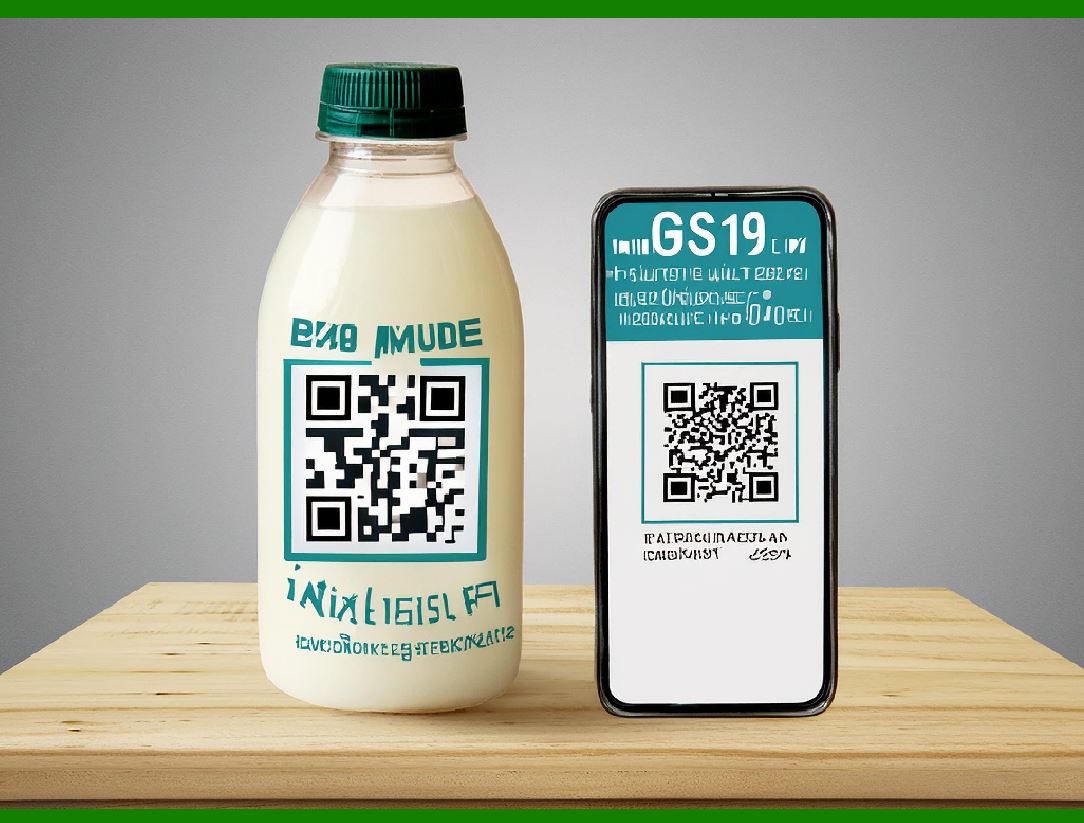
Product Information and Consumer Engagement: Retailers are using GS1 Digital Link to provide consumers with more detailed product information through a simple scan. When customers scan a barcode on a product, they are redirected to a web page where they can access product specifications, usage instructions, videos, customer reviews, and even online purchasing options. |
Omnichannel Integration: By using GS1 Digital Link, retailers can connect their physical stores with their online platforms, ensuring that customers have a consistent experience across all touchpoints. This unification of data enables a seamless shopping experience, where customers can scan a product in-store to check availability online or compare prices. |
Inventory Management: Retailers are also using GS1 Digital Link to improve inventory management. By linking barcodes to digital data, retailers can track stock levels, view product movements, and update inventory in real time. |
|
2. Food and Beverage |
The food and beverage industry has applied GS1 Digital Link to address a range of challenges related to food safety, traceability, and consumer transparency. |
Food Safety and Traceability: With food recalls becoming increasingly common, the ability to trace a product's journey from farm to table is critical. GS1 Digital Link enables manufacturers, distributors, and retailers to track food products in real-time. This technology allows customers and regulators to access detailed information about a product's origin, production methods, and distribution path by scanning a barcode. |
Ingredient Transparency: Food brands are using GS1 Digital Link to provide customers with easy access to information about ingredients, nutritional content, allergen information, and sustainability practices. By scanning the barcode, customers can quickly verify product details, helping them make informed decisions about their food choices. |
Supply Chain Optimization: Producers and distributors in the food industry are using GS1 Digital Link to streamline their supply chains. By linking each product to real-time data, they can track shipments, monitor stock levels, and quickly respond to supply chain disruptions. |

|
3. Pharmaceuticals and Healthcare |
The pharmaceutical and healthcare industries are early adopters of GS1 Digital Link, given their stringent requirements for product traceability, safety, and regulatory compliance. |
Drug Traceability and Counterfeit Prevention: GS1 Digital Link enhances the traceability of pharmaceutical products, providing detailed information on each product's journey from manufacturing to distribution. This traceability is vital for preventing counterfeit drugs from entering the market. By scanning a barcode on a medication, healthcare professionals and patients can access a product's history, verifying its authenticity and ensuring it complies with regulations. |
Regulatory Compliance: The healthcare industry is subject to strict regulations such as Track and Trace requirements for pharmaceuticals. GS1 Digital Link facilitates compliance with these regulations by linking each pharmaceutical product to a unique identifier that includes its production batch, expiration date, and manufacturing details. |
Patient Engagement: In addition to traceability, GS1 Digital Link is used to improve patient education. Healthcare providers and pharmaceutical companies can use barcodes to direct patients to instructional videos, information about side effects, dosage instructions, or even patient support resources. |
|
4. Automotive |
The automotive industry is increasingly applying GS1 Digital Link to enhance product traceability, improve parts management, and optimize the supply chain. |
Parts Traceability: Manufacturers and suppliers in the automotive sector use GS1 Digital Link to track parts and components throughout the supply chain. Each part is linked to a digital record containing information about its origin, manufacturing process, testing results, and installation history. This helps ensure that components meet quality standards and can be quickly identified if a defect is found. |
Maintenance and Service: Auto manufacturers and service centers use GS1 Digital Link to provide customers with detailed maintenance records and service histories. By scanning a barcode on a vehicle's parts or components, mechanics can access information about when the part was installed, any maintenance performed, and whether it is due for replacement. |
Supply Chain Efficiency: Automakers use GS1 Digital Link to optimize their supply chains by integrating real-time data from suppliers, distributors, and dealers. This improves production scheduling, reduces inventory costs, and increases responsiveness to market demand. |
|
5. Healthcare Devices |
In the medical device industry, GS1 Digital Link is used to ensure compliance with safety regulations, provide traceability, and improve patient outcomes. |
Device Traceability: GS1 Digital Link enables manufacturers to link each medical device to detailed data such as production dates, usage history, maintenance records, and certifications. This helps healthcare providers quickly retrieve the most up-to-date information about a device's lifecycle, ensuring proper usage and compliance with safety standards. |
Regulatory Compliance: Like pharmaceuticals, the medical device industry is highly regulated. GS1 Digital Link supports compliance with standards such as the U.S. Food and Drug Administration (FDA) requirements and the European Union Medical Device Regulation (MDR). By providing easy access to device information, it helps manufacturers and healthcare providers meet regulatory requirements. |
Patient Safety and Support: Medical device manufacturers use GS1 Digital Link to offer more comprehensive product information to healthcare professionals and patients. For instance, patients using a medical device can scan a barcode to access user manuals, troubleshooting tips, or even support services, enhancing patient safety and satisfaction. |
|
6. Logistics and Supply Chain Management |
The logistics and supply chain sectors are using GS1 Digital Link to enhance visibility, optimize operations, and streamline processes. |
Shipment Tracking: Logistics companies are adopting GS1 Digital Link to track products as they move through the supply chain. By scanning barcodes on packages, logistics providers can access real-time data on a product's location, delivery status, and handling conditions (e.g., temperature-sensitive items). This ensures timely delivery and reduces the risk of lost or damaged goods. |
End-to-End Visibility: GS1 Digital Link enables end-to-end visibility across the supply chain by linking barcodes to detailed data that can be accessed by all stakeholders-manufacturers, distributors, retailers, and even consumers. This transparency improves inventory management, reduces delays, and enhances coordination among supply chain partners. |
Customs and Compliance: For international shipments, GS1 Digital Link simplifies customs processes by providing a unified format for product data. Customs authorities can scan barcodes to access all necessary information for clearance, reducing delays and improving the efficiency of cross-border trade. |
|
7. Fashion and Apparel |
The fashion and apparel industry uses GS1 Digital Link to enhance customer engagement, improve supply chain management, and support sustainability efforts. |
Consumer Engagement: Fashion brands use GS1 Digital Link to provide customers with detailed product information, such as fabric composition, care instructions, and sustainability practices. Scanning a barcode can lead to digital content, including styling tips, videos, or information about the brand's ethical sourcing practices. |
Supply Chain Transparency: Brands use GS1 Digital Link to increase transparency in their supply chains. Customers can track the origins of materials, learn about labor practices, and see how their garments were made. This is especially important for brands that emphasize sustainability and ethical practices. |
Inventory and Order Management: Fashion retailers use GS1 Digital Link to manage stock levels across their stores and warehouses more efficiently. By linking barcodes to digital systems, retailers can quickly check the availability of products and avoid overstocking or stockouts. |
|
8. Consumer Electronics |
The consumer electronics industry benefits from GS1 Digital Link by improving product traceability, enhancing after-sales service, and offering personalized experiences to customers. |
Warranty Management: Electronics manufacturers are using GS1 Digital Link to simplify warranty registration and management. Consumers can scan a barcode to register their product and access warranty information. This reduces the need for paper-based registration and provides a more efficient and user-friendly experience. |
Product Support and Troubleshooting: Electronics companies use GS1 Digital Link to direct consumers to support resources. If a product experiences issues, users can scan the barcode to access troubleshooting guides, FAQs, and customer support. |
Supply Chain Visibility: Like in the automotive and retail sectors, consumer electronics companies are using GS1 Digital Link to track products through the supply chain, ensuring that products reach consumers on time and in the right condition. |
|
9. Luxury Goods |
The luxury goods industry uses GS1 Digital Link to protect brand integrity, combat counterfeiting, and offer an enhanced customer experience. |
Anti-Counterfeiting: Counterfeit products are a major problem in the luxury goods sector. By using GS1 Digital Link, brands can link each product to a digital record containing detailed information about its authenticity, origin, and history. Consumers can verify the authenticity of a product by scanning the barcode and accessing the product's digital certificate. |
Exclusive Content for Consumers: Luxury brands use GS1 Digital Link to offer personalized experiences to customers. Scanning a barcode on a luxury product can lead to exclusive content, such as limited-edition releases, brand history, or VIP access to events. |
|
Conclusion |
GS1 Digital Link technology is being implemented across a wide range of industries, including retail, pharmaceuticals, healthcare, food and beverage, automotive, logistics, fashion, and luxury goods. Its ability to link traditional barcodes to digital resources via URL redirection enables businesses to enhance consumer engagement, improve supply chain visibility, ensure compliance with regulations, and optimize operational efficiency. |
|
What challenges will companies encounter when applying this GS1 Digital Link barcode? |
While GS1 Digital Link offers substantial benefits in terms of enhanced traceability, consumer engagement, and operational efficiency, the implementation of this technology can also present several challenges for companies. These challenges stem from both technical and organizational factors, and addressing them effectively requires careful planning, investment, and coordination. Below are some of the key challenges companies may face when applying GS1 Digital Link barcodes: |
1. Integration with Legacy Systems |
One of the most significant challenges for companies is integrating GS1 Digital Link with their existing IT infrastructure, particularly legacy systems that were not designed to support this type of advanced barcode technology. |
Compatibility Issues: Many businesses rely on older systems that may not support the URL-based approach of GS1 Digital Link, making it difficult to link traditional barcode formats (like UPC, EAN, or GS1-128) to the new digital resources. |
Data Migration: Migrating existing product data into the new digital link system can be a complex and time-consuming process. Companies need to ensure that historical data is properly linked and accessible through the new system, which can involve significant manual effort or require custom software development. |
|
2. Standardization and Data Consistency |
Although GS1 Digital Link is built on global standards, businesses often struggle to maintain data consistency across their supply chains and product catalogs. |
Inconsistent Data Entry: Different departments or partners may enter data in varied formats or at different levels of detail, leading to inconsistencies in the digital links. For example, product descriptions, ingredient lists, or labeling might differ between suppliers, manufacturers, and retailers. |
Global Compatibility: Companies operating in multiple regions may face difficulties ensuring that their digital link data aligns with local regulations or specific market needs. Adapting GS1 Digital Link standards to comply with various global requirements can be challenging, especially for businesses with complex, multinational supply chains. |
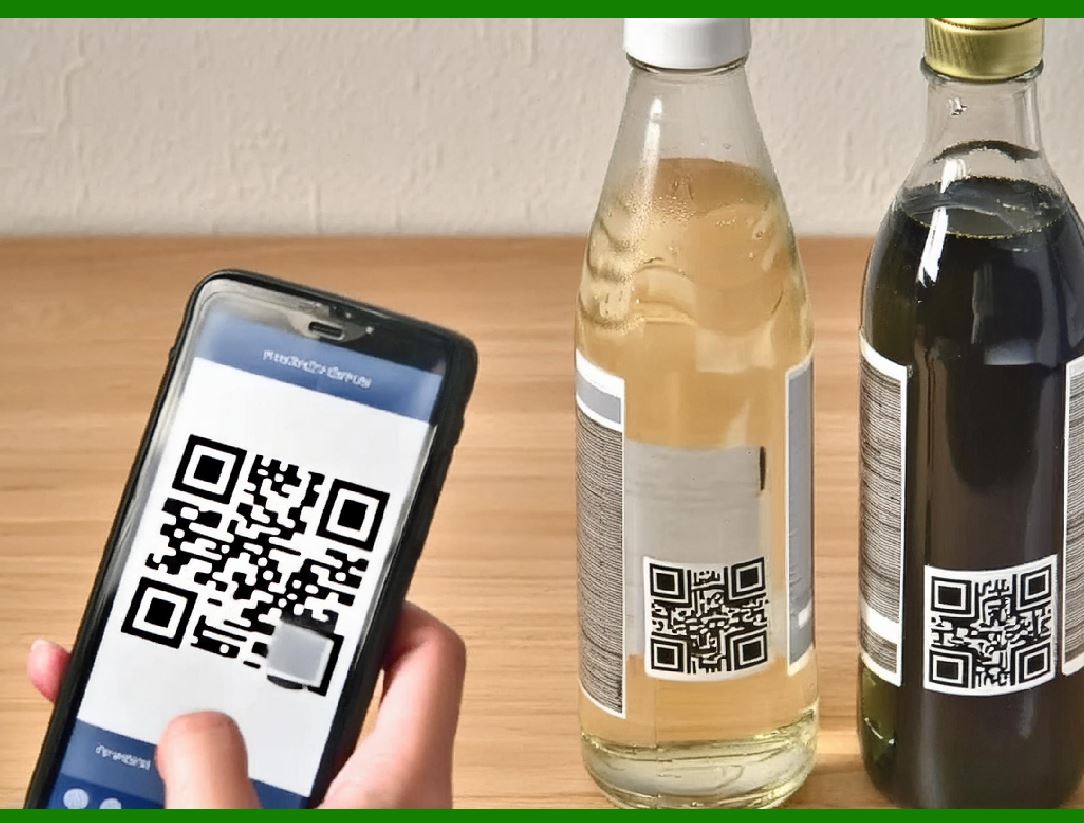
|
3. Technological Infrastructure and Investment |
Implementing GS1 Digital Link often requires significant upgrades to a company's technological infrastructure. |
Infrastructure Upgrades: Many companies may not have the necessary IT infrastructure to support GS1 Digital Link, which could require investing in new barcode scanning technology, software platforms, and cloud-based systems to handle the real-time data exchange. |
Cost of Implementation: The financial investment needed to integrate GS1 Digital Link technology, train staff, and migrate existing systems can be substantial. Small and medium-sized businesses (SMBs) may find these costs prohibitive, particularly when they already face financial pressures from other areas of their operations. |
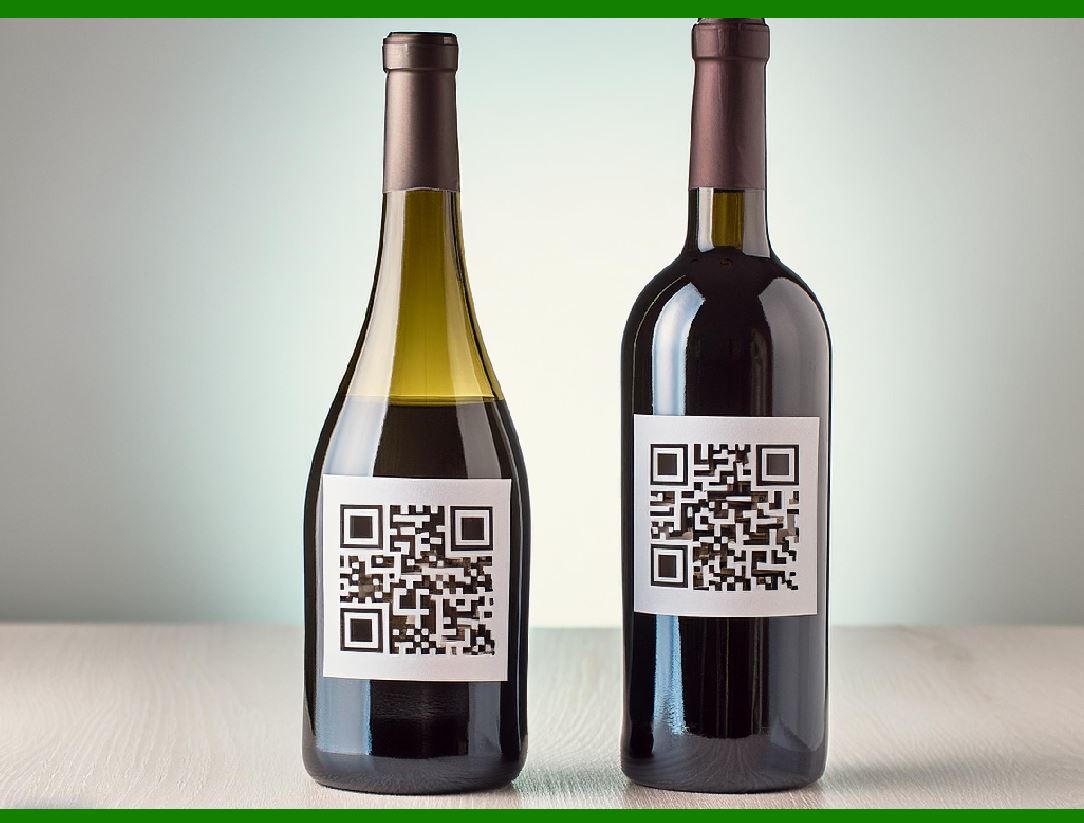
|
4. Training and Employee Adoption |
For GS1 Digital Link to be effective, employees must understand how to use the new system and integrate it into their daily workflows. |
Training Requirements: Staff across multiple departments, from supply chain management to customer service, may need to be trained on how to interact with the new system, interpret the data it provides, and maintain it. This could include training on how to manage URLs, handle product data, and troubleshoot issues. |
Employee Resistance: Employees may resist adopting new systems and processes, particularly if they are accustomed to traditional barcodes and have not worked with digital link technologies before. Overcoming this resistance requires clear communication, well-organized training programs, and a change management strategy. |

|
5. Security and Data Privacy Concerns |
With the ability to link physical products to digital resources via URL, companies must be mindful of security and data privacy concerns. |
Data Security: As GS1 Digital Link involves linking products to online resources, companies must ensure that the data they are providing is secure. This is particularly important when handling sensitive information, such as personal consumer data or proprietary product details. Any vulnerabilities in the digital link system could expose businesses to data breaches or cyberattacks. |
Consumer Privacy: GS1 Digital Link can enable more personalized consumer experiences, such as sending targeted offers or product recommendations. However, businesses must be transparent about data collection practices and comply with privacy laws like the General Data Protection Regulation (GDPR) in the EU or the California Consumer Privacy Act (CCPA) in the U.S. Failure to protect consumer privacy could lead to legal and reputational risks. |
|
6. Scalability and Maintenance |
As businesses grow, they must ensure that their GS1 Digital Link systems can scale to handle increased data volumes and expanded product lines. |
System Scalability: For companies with large product catalogs or complex supply chains, scaling the GS1 Digital Link system to accommodate thousands or millions of items can be challenging. This requires not only robust technical infrastructure but also careful management of data to ensure that links remain accurate and functional over time. |
Ongoing Maintenance: Once implemented, GS1 Digital Link systems require continuous monitoring and maintenance. As products are updated, new product information needs to be linked to the appropriate URLs. This ongoing management of digital resources is time-consuming and can be resource-intensive, especially for companies with dynamic product lines. |
|
7. Stakeholder Coordination and Collaboration |
GS1 Digital Link implementation requires collaboration among multiple stakeholders, including manufacturers, suppliers, distributors, retailers, and third-party service providers. |
Lack of Cooperation: In some industries, stakeholders may not be fully aligned on adopting GS1 Digital Link technology. For instance, small suppliers may not be able to afford the infrastructure or training required to implement the system, leading to inconsistencies in the data shared across the supply chain. |
Data Sharing and Ownership: Sharing product data through GS1 Digital Link often requires careful consideration of data ownership and access rights. Some stakeholders may be reluctant to share detailed product information, especially if it relates to intellectual property or competitive advantage. |
|
8. Consumer Awareness and Engagement |
While GS1 Digital Link technology enables more engaging consumer experiences, some consumers may not fully understand or take advantage of the benefits offered by these digital links. |
Lack of Consumer Adoption: Despite the potential for offering rich product information, not all consumers are familiar with how to scan barcodes or use the information they access. Businesses must invest in educating consumers about the benefits of scanning products and encourage them to engage with the digital content linked to GS1 Digital Links. |
User Experience (UX) Challenges: The effectiveness of GS1 Digital Link relies heavily on the quality of the digital resources to which it links. Poorly designed websites or hard-to-navigate mobile apps can detract from the user experience and make consumers less likely to engage with the digital content provided by the barcode. |
|
9. Regulatory Compliance and Legal Considerations |
In some sectors, regulatory compliance is a major concern, and implementing GS1 Digital Link systems must align with strict legal requirements. |
Compliance with Industry Standards: Different regions and industries have varying regulations about how product information must be communicated. For example, pharmaceutical products have highly specific labeling requirements governed by regulatory bodies like the FDA in the U.S. or the European Medicines Agency (EMA) in the EU. Companies must ensure that GS1 Digital Link meets these regulatory standards while remaining flexible enough to accommodate the broader ecosystem of product data. |
Cross-Border Issues: Businesses operating internationally may encounter legal complexities when applying GS1 Digital Link technology in different markets. Regulatory environments can differ across borders, so companies must ensure that their GS1 Digital Link systems comply with local laws and standards in each jurisdiction. |
|
10. Dependence on External Systems and Partners |
GS1 Digital Link relies heavily on external systems, such as cloud-based platforms, URL redirection services, and third-party service providers, which can introduce dependencies. |
Reliability of External Systems: If third-party systems or services used for URL redirection or data storage experience downtime or technical issues, it could impact the functionality of GS1 Digital Link. Businesses need to ensure that their partners provide reliable and scalable services. |
Vendor Lock-in: Companies may become dependent on specific technology providers for their GS1 Digital Link infrastructure. This can create a situation where switching vendors or migrating systems becomes costly and complex. |
|
Conclusion |
While GS1 Digital Link holds great promise for improving traceability, consumer engagement, and operational efficiency, companies will face several challenges in its implementation. These include integrating with legacy systems, ensuring data consistency, managing security and privacy concerns, coordinating with stakeholders, and maintaining the system over time. Successful adoption requires careful planning, significant investment in infrastructure, and close collaboration with all parties involved to overcome these challenges and fully realize the potential of GS1 Digital Link. |
|
Which country have already applied this GS1 Digital Link QR Code in practice? |
Several countries have already begun applying GS1 Digital Link QR codes in practice, particularly in sectors like retail, pharmaceuticals, food safety, and logistics. The technology, which enhances product traceability, consumer engagement, and supply chain optimization through URL redirection embedded in QR codes, has seen adoption in different regions worldwide. The implementation is often driven by the need for enhanced transparency, regulatory compliance, and modern consumer experiences. Here are some countries where GS1 Digital Link QR codes are already being used: |
1. United States |
In the U.S., GS1 Digital Link has been actively adopted in the pharmaceutical, food, and retail sectors, with a strong focus on improving product traceability and consumer safety. |
Pharmaceuticals: The FDA (Food and Drug Administration) has been pushing for track and trace regulations in the pharmaceutical sector. GS1 Digital Link QR codes are used to link prescription drugs to digital resources for ensuring their authenticity, regulatory compliance, and safe use. Manufacturers, distributors, and retailers are using QR codes that allow consumers and healthcare professionals to access detailed product data. |
Food Safety and Transparency: The food industry in the U.S. is increasingly adopting GS1 Digital Link QR codes for enhanced traceability. The FDA's Food Safety Modernization Act (FSMA) has driven food producers to ensure that they can quickly trace the origin of ingredients, manufacturing processes, and shipment details, which can be accessed via QR codes on product packaging. |
Retail and Consumer Goods: U.S. retailers, especially those with large inventories and omnichannel operations, are using GS1 Digital Link QR codes to integrate online and in-store experiences. QR codes link products to additional information like promotions, reviews, and detailed specifications. |
|
2. European Union (EU) |
The European Union is one of the leading regions in adopting GS1 Digital Link QR codes, especially due to its rigorous regulatory standards across multiple sectors, such as pharmaceuticals, food safety, and luxury goods. |
Pharmaceuticals: EU regulations, particularly the Falsified Medicines Directive (FMD), require the verification of pharmaceutical products. GS1 Digital Link QR codes are used to provide detailed product information, including manufacturing details, batch numbers, and expiry dates, ensuring compliance with FMD. These QR codes help prevent counterfeit medicines from entering the market. |
Food and Beverage Industry: Similar to the U.S., European countries like Germany, France, and Italy have applied GS1 Digital Link to improve food traceability. The EU General Food Law requires that food products be traceable throughout the entire supply chain, and QR codes enable real-time access to data regarding product origins, manufacturing processes, and even sustainability practices. |
Luxury Goods: In countries like France and Italy, where luxury goods are a major part of the economy, GS1 Digital Link QR codes are being used to authenticate high-end products like fashion, watches, and jewelry. QR codes link to digital certificates of authenticity, helping to combat counterfeiting. |
|
3. China |
China has embraced GS1 Digital Link QR codes in the retail, pharmaceutical, and logistics sectors, driven by the growing e-commerce market and the need for better product traceability. |
Retail and E-commerce: Major Chinese e-commerce platforms like Alibaba and JD.com have adopted QR codes that link to GS1 Digital Link technology. Consumers can scan QR codes to access detailed product information, including origin, specifications, and reviews, enhancing their online shopping experience. Brands in China are increasingly using QR codes to integrate offline and online shopping channels, offering a seamless omnichannel experience. |
Pharmaceuticals and Healthcare: The Chinese government is pushing for stricter regulations to combat counterfeit drugs, and GS1 Digital Link QR codes play a role in this effort. QR codes on pharmaceutical packaging are used to ensure that consumers and healthcare providers can verify the authenticity and safety of drugs. |
Food Safety and Traceability: Given China's concerns over food safety, the government has implemented traceability initiatives that include the use of GS1 Digital Link QR codes. These codes provide consumers with direct access to information about food product origins, manufacturing, and handling. |
|
4. Australia |
Australia has been using GS1 Digital Link QR codes in several sectors, particularly food traceability, healthcare, and retail. |
Food and Beverage Industry: Australian food producers are increasingly adopting GS1 Digital Link QR codes to provide transparency about food products, including sourcing, processing, and sustainability practices. This is particularly important in the context of Australia's focus on food safety and quality. |
Healthcare: Similar to other regions, Australia is using GS1 Digital Link QR codes to combat counterfeit drugs and ensure the safety of pharmaceutical products. The Therapeutic Goods Administration (TGA) uses these codes to ensure compliance with regulations and to provide consumers with real-time access to drug information. |
Retail and Logistics: Australian retailers are using QR codes to offer consumers easy access to product information and promotions. The integration of digital links is especially prominent in grocery and e-commerce retail, where companies are increasingly using QR codes to connect in-store experiences with digital platforms. |
|
5. Brazil |
Brazil has made strides in applying GS1 Digital Link QR codes, especially in retail, food traceability, and pharmaceuticals, following initiatives for improved consumer safety and regulatory compliance. |
Pharmaceuticals: Brazilian authorities are beginning to use GS1 Digital Link QR codes to improve the traceability of pharmaceutical products. These QR codes provide healthcare professionals and consumers with access to key product details, including batch numbers, manufacturing information, and expiry dates. |
Food Industry: The Brazilian government has put in place policies that encourage the use of digital technology for food traceability. GS1 Digital Link QR codes are being used to link food products to digital records, making it easier for authorities to trace products and ensuring that consumers have access to information about the origins and quality of the food they buy. |
Retail: Brazil's e-commerce sector is rapidly growing, and GS1 Digital Link QR codes are being applied to improve the customer experience. QR codes provide an easy way for Brazilian consumers to scan products and get additional information, including reviews, promotions, and specifications. |
|
6. Japan |
Japan has been a strong proponent of GS1 standards and is using GS1 Digital Link QR codes in several key industries, particularly food safety, pharmaceuticals, and retail. |
Pharmaceuticals: In Japan, GS1 Digital Link QR codes are being used to track the authenticity and safety of pharmaceutical products. The Ministry of Health, Labour, and Welfare (MHLW) has introduced regulations that support the use of digital links to ensure that consumers can verify the authenticity of their medications. |
Food Traceability: The Japanese Food Traceability Law requires the traceability of certain food products, especially seafood and meat. GS1 Digital Link QR codes are used to provide consumers with detailed information about the origins and safety of food items, from farm to table. |
Retail and Consumer Goods: Japanese retailers are increasingly adopting QR codes to enhance customer engagement. GS1 Digital Link QR codes are used in-store and online to provide customers with additional product information, reviews, and promotional offers. |
|
7. India |
India has started to adopt GS1 Digital Link QR codes, particularly in the pharmaceutical, food safety, and retail sectors. |
Pharmaceuticals: India has one of the largest pharmaceutical markets in the world, and GS1 Digital Link QR codes are being used to enhance the traceability of drugs. The Central Drugs Standard Control Organization (CDSCO) has supported initiatives to combat counterfeit drugs, and GS1 Digital Link is being used to enable consumers and healthcare providers to verify product authenticity. |
Food Safety: India's government has been encouraging the use of QR codes for food traceability, particularly in the context of India's Food Safety and Standards Authority (FSSAI) regulations. GS1 Digital Link QR codes allow consumers to access information about food origins, safety, and quality. |
Retail and E-commerce: The adoption of GS1 Digital Link QR codes in Indian e-commerce is growing, with retailers and brands using QR codes to link products to digital information. This allows consumers to access additional details about products, such as specifications, pricing, and reviews. |
|
Conclusion |
GS1 Digital Link QR codes are gaining traction across multiple countries, including the United States, European Union, China, Australia, Brazil, Japan, and India. These countries are leveraging the technology to improve product traceability, enhance consumer engagement, ensure regulatory compliance, and optimize supply chain operations. As more industries and regions adopt these technologies, the global push for transparency, safety, and efficiency will likely continue to drive the adoption of GS1 Digital Link QR codes in the coming years. |
 cs@easiersoft.com