1. Introduction to RFID and Blockchain Technologies |
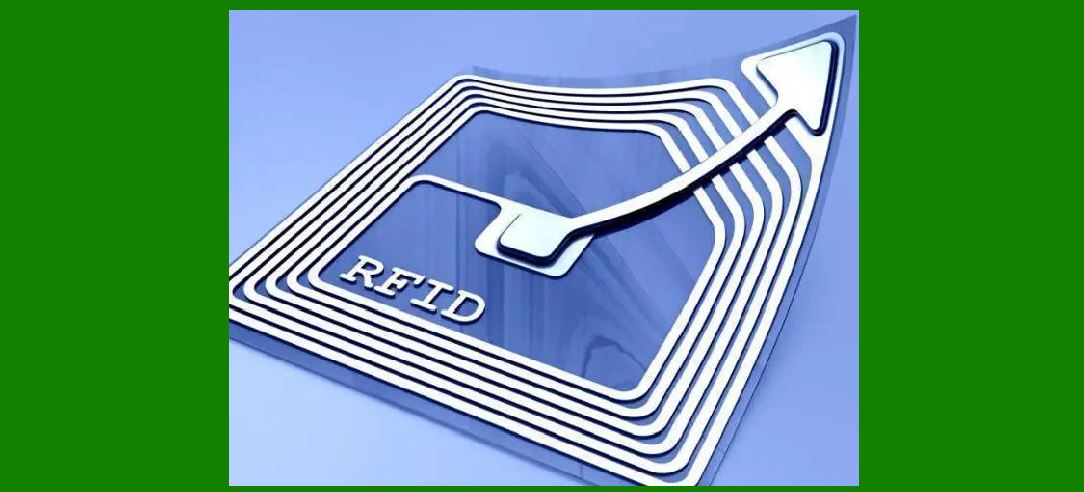
1.1 Radio Frequency Identification (RFID) RFID is a technology that uses radio waves to identify and track objects equipped with RFID tags. These tags can be passive, active, or semi-active, depending on whether they have their own power source or rely on the reader for power. RFID systems typically consist of three components: the RFID tag, the RFID reader, and the backend system that processes the data. |
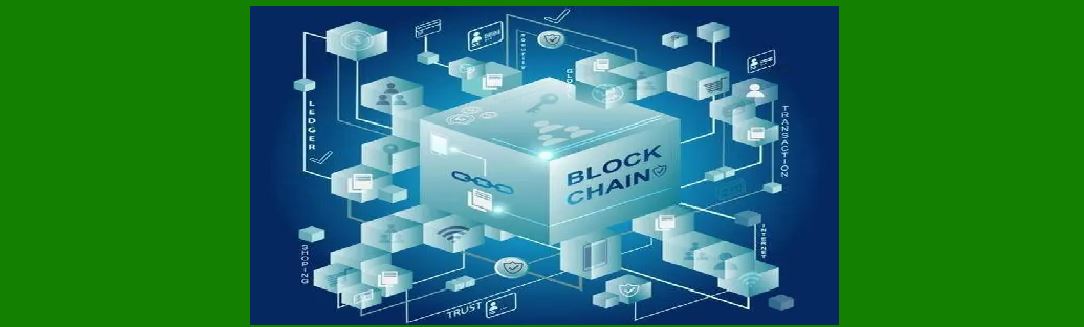
1.2 Blockchain Technology Blockchain is a decentralized ledger technology that records transactions across multiple computers in such a way that the registered transactions cannot be altered retroactively. Each record or 'block' is linked to the previous one, creating a chain of blocks. This technology ensures transparency, security, and immutability of data. |
|
2. Benefits of Integrating RFID with Blockchain |
2.1 Enhanced Traceability and Transparency |
2.1.1 Immutable Audit Trail By integrating RFID with blockchain, each RFID tag's data can be recorded on a blockchain ledger. This creates an immutable audit trail that tracks the movement and handling of each item throughout its lifecycle. For instance, in the pharmaceutical industry, the journey of a drug from manufacturing to distribution to retail can be traced in real-time. This ensures that every stage of the drug's journey is recorded and cannot be altered, which helps in verifying its authenticity and compliance with regulatory standards. |
2.1.2 Real-World Example: Pharmaceuticals A notable example is the integration of RFID and blockchain in tracking vaccines. During the COVID-19 pandemic, RFID tags were used to track vaccines from production to distribution. By recording each vaccine's RFID data on a blockchain, stakeholders could ensure that the vaccines were stored and transported under the correct conditions. This not only helped in managing inventory but also in verifying the authenticity of the vaccines, preventing counterfeiting and ensuring that only legitimate vaccines reached healthcare providers. |
|
2.2 Improved Security and Fraud Prevention |
2.2.1 Secure Data Exchange Blockchain's decentralized nature enhances security by ensuring that data is not stored in a single location but across a network of computers. When RFID data is recorded on a blockchain, it becomes nearly impossible for malicious actors to alter or forge data without consensus from the majority of the network. This makes RFID-blockchain integration highly secure against tampering and fraud. |
2.2.2 Real-World Example: Supply Chain Security In the supply chain industry, RFID tags on products can be linked to a blockchain to provide a secure record of the product's journey. For example, luxury goods manufacturers use RFID-blockchain integration to combat counterfeiting. Each product's RFID tag contains information that is recorded on a blockchain, allowing consumers and retailers to verify the authenticity of the product before purchase. This system significantly reduces the risk of counterfeit goods entering the market. |

|
2.3 Streamlined Processes and Efficiency |
2.3.1 Automated Data Management Integrating RFID with blockchain automates the data management process. RFID tags can automatically record data on the blockchain as items move through various stages of the supply chain. This reduces the need for manual data entry and minimizes human errors, leading to more efficient operations and lower administrative costs. |
2.3.2 Real-World Example: Inventory Management Retailers and warehouses can use RFID-blockchain integration to manage inventory more efficiently. RFID tags on products update their status and location on the blockchain in real-time. This provides accurate inventory data, reducing the likelihood of stockouts or overstock situations. For example, a retail chain that uses this technology can instantly see the availability of products in different locations and optimize stock levels accordingly. |

|
2.4 Enhanced Compliance and Reporting |
2.4.1 Regulatory Compliance In industries with stringent regulatory requirements, such as pharmaceuticals and food safety, RFID-blockchain integration ensures that all necessary compliance data is accurately recorded and easily accessible. Blockchain's immutable records provide proof of compliance with regulatory standards, simplifying audits and inspections. |
2.4.2 Real-World Example: Food Safety Food producers and distributors can use RFID-blockchain integration to track the freshness and safety of products. For example, a food manufacturer can record every step of the food's journey-from production to processing to distribution-on the blockchain. If a food safety issue arises, the manufacturer can quickly trace the affected products and identify where the problem occurred, facilitating rapid recalls and ensuring compliance with food safety regulations. |

|
2.5 Improved Consumer Trust and Engagement |
2.5.1 Transparent Product Information By integrating RFID with blockchain, consumers can access detailed information about the products they purchase. This transparency builds trust, as consumers can verify the authenticity and origin of products. For example, a consumer buying a luxury handbag can scan the RFID tag to access its blockchain record, confirming its authenticity and origin. |
2.5.2 Real-World Example: Ethical Consumerism Many consumers are increasingly concerned about the ethical practices of the brands they support. Companies that use RFID-blockchain integration can provide consumers with information about the ethical sourcing and manufacturing practices of their products. For instance, a fashion brand can use this technology to show that its clothing is made from sustainably sourced materials, enhancing its appeal to environmentally conscious consumers. |

|
2.6 Efficient Recall Management |
2.6.1 Rapid Response to Defects In the event of a product recall, RFID-blockchain integration allows for rapid identification and retrieval of affected items. The blockchain ledger provides a detailed history of each item, making it easier to locate and remove defective products from the supply chain. |
2.6.2 Real-World Example: Automotive Industry Automotive manufacturers use RFID-blockchain integration to manage recalls more effectively. When a recall is issued, the manufacturer can quickly trace affected vehicles and parts through the blockchain ledger, ensuring that all potentially defective items are identified and addressed. This minimizes the impact on consumers and helps maintain the manufacturer's reputation. |

|
2.7 Advanced Analytics and Insights |
2.7.1 Data-Driven Decision Making The integration of RFID with blockchain provides a wealth of data that can be analyzed to gain insights into supply chain operations, product performance, and customer behavior. Advanced analytics can uncover patterns and trends that inform strategic decision-making and operational improvements. |
2.7.2 Real-World Example: Retail Analytics Retailers can use RFID-blockchain integration to analyze consumer purchasing patterns and optimize their product offerings. By examining the blockchain data on product movement and sales, retailers can identify which products are popular, adjust inventory levels, and tailor marketing strategies to better meet customer needs. |

|
2.8 Scalability and Flexibility |
2.8.1 Adaptable to Various Industries RFID-blockchain integration is highly adaptable and can be applied across various industries. Whether it's pharmaceuticals, food and beverage, retail, or manufacturing, the technology can be customized to meet the specific needs of different sectors. |
2.8.2 Real-World Example: Logistics In logistics, RFID-blockchain integration can be scaled to manage complex supply chains involving multiple stakeholders. The technology can track goods across international borders, ensuring that each stage of the supply chain is recorded and transparent. This flexibility makes it possible to manage global supply chains more effectively and efficiently. |

|
3. Conclusion |
The integration of RFID with blockchain technology offers numerous benefits, including enhanced traceability, improved security, streamlined processes, and greater consumer trust. By creating an immutable audit trail, integrating RFID with blockchain ensures that data is accurate, secure, and transparent. This technology is particularly valuable in industries with high compliance requirements, such as pharmaceuticals and food safety, where traceability and authenticity are critical. As the technology continues to evolve, its applications are likely to expand, offering even more opportunities for innovation and efficiency across various sectors. |
This detailed exploration highlights how RFID-blockchain integration can revolutionize industries by providing robust solutions for traceability, security, efficiency, and consumer engagement. |
 cs@easiersoft.com