The Internet of Things (IoT) is a transformative technology that connects everyday objects to the internet, allowing them to collect, exchange, and analyze data. The core technologies of IoT provide the foundation for its widespread adoption across various sectors, such as healthcare, manufacturing, transportation, agriculture, and smart homes. The following is a detailed exploration of the core technologies that make IoT possible. |
1. Sensors and Actuators |
1.1 Definition and Function |
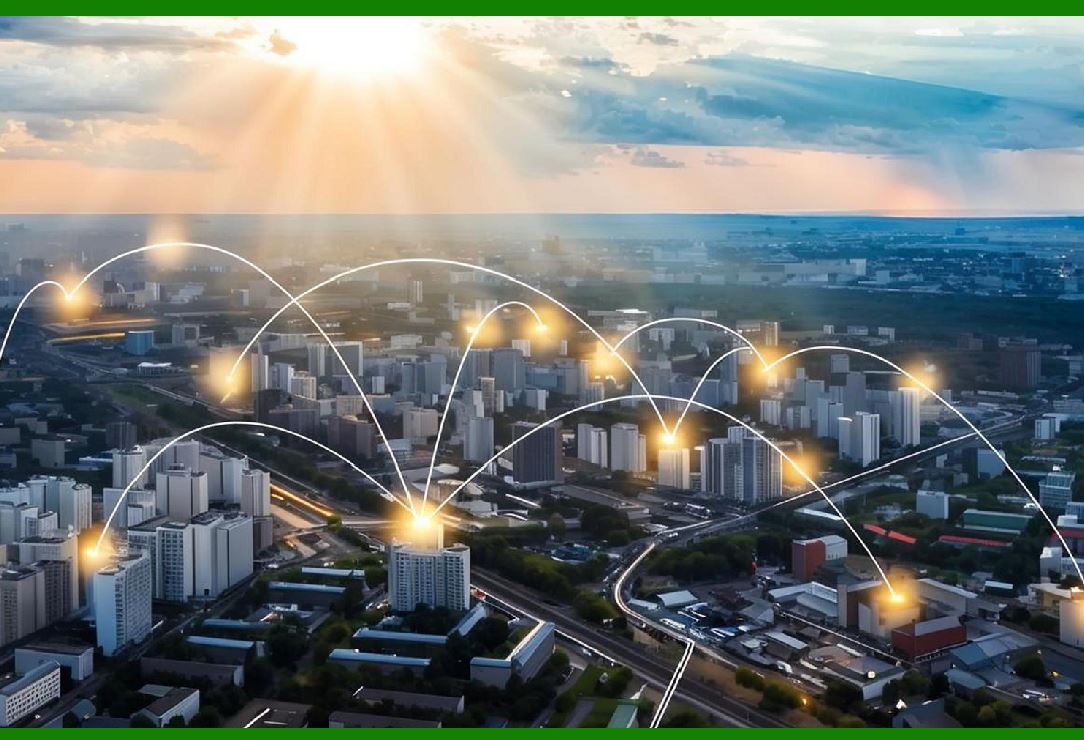
Sensors and actuators are the foundational elements of IoT devices. A sensor is a device that detects changes in the environment, such as temperature, humidity, motion, light, or pressure. It collects real-world data and converts it into an electrical signal, which can be processed by other devices or systems. Actuators, on the other hand, are devices that perform actions based on input received from sensors or other control signals, such as adjusting temperature, turning on lights, or opening a valve. |
|
1.2 Types of Sensors |
There are various types of sensors used in IoT applications, including: |
Temperature Sensors: Measure heat levels and changes in temperature. |
Motion Sensors: Detect the movement of objects or people. |
Pressure Sensors: Monitor changes in atmospheric pressure or other types of pressure. |
Humidity Sensors: Measure the moisture level in the air. |
Light Sensors: Detect ambient light intensity. |
1.3 Role in IoT |
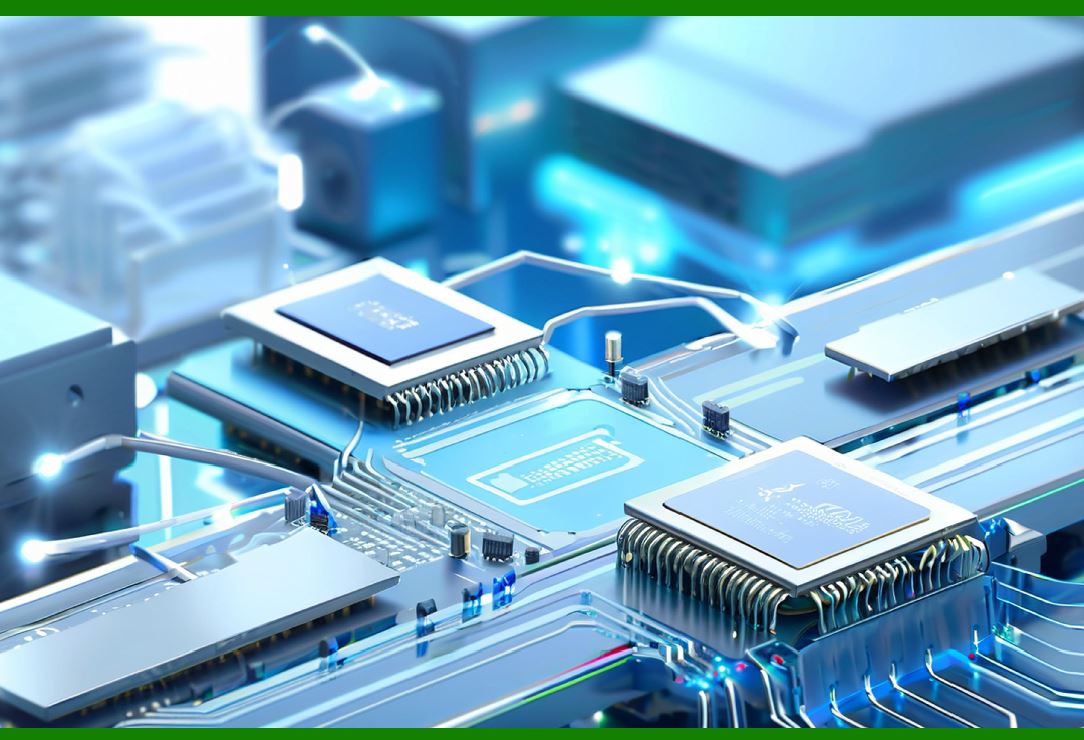
These sensors form the 'eyes' and 'ears' of IoT systems. They provide data that is essential for triggering actions, monitoring conditions, and enabling automation. Actuators, on the other hand, enable systems to perform physical tasks, making IoT systems interactive and responsive. |
|
2. Connectivity Protocols |
2.1 Definition and Role |
Connectivity protocols are the communication standards and technologies that allow IoT devices to exchange data. These protocols ensure that data is transmitted accurately and securely between devices, networks, and cloud servers. |
2.2 Common IoT Connectivity Technologies |
Several connectivity technologies are commonly used in IoT, including: |
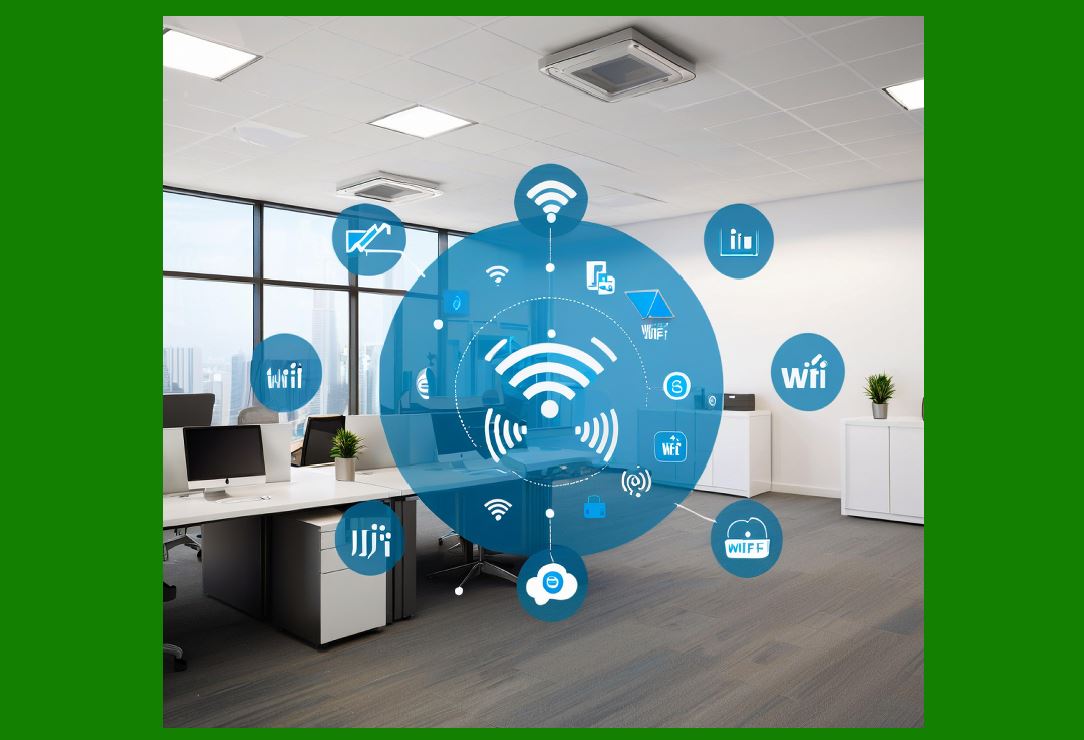
Wi-Fi: Used for local, short-range communication in home and office environments. |
Bluetooth: Provides low-power, short-range communication for devices like wearable devices, sensors, and IoT peripherals. |
Zigbee: A low-power, short-range wireless communication standard designed for home automation and industrial IoT. |
LoRaWAN: A long-range, low-power wide-area network protocol suited for outdoor and rural IoT applications. |
Cellular Networks (4G, 5G): Used for wide-area IoT applications requiring higher data rates, such as connected vehicles and remote sensors. |
NFC (Near Field Communication): Short-range communication, typically used for device pairing and payment applications. |
2.3 Role in IoT |
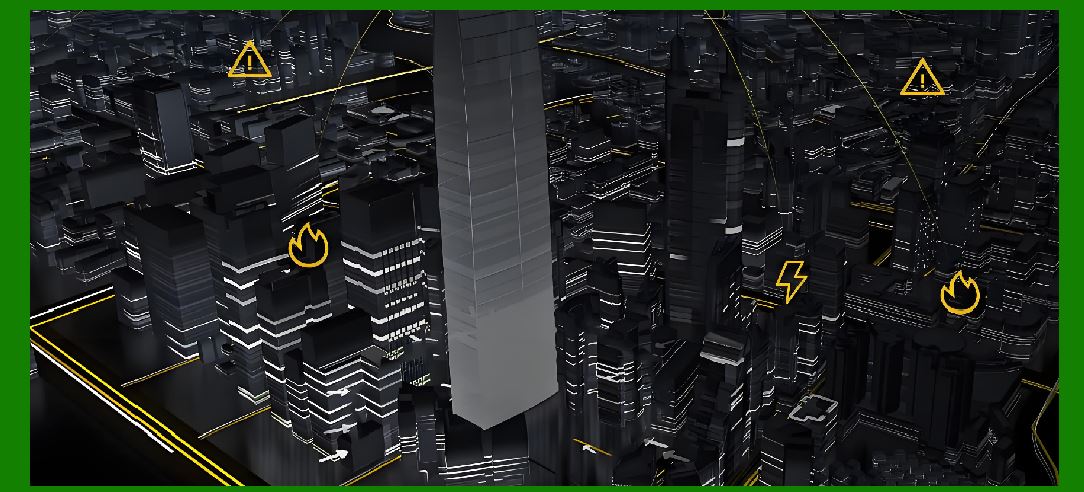
These connectivity protocols form the communication backbone of IoT systems. They facilitate data transmission between devices, allowing them to function as part of a larger network. The choice of connectivity protocol depends on the requirements of the application, including range, power consumption, and data throughput. |
|
3. Cloud Computing and Data Storage |
3.1 Definition and Role |
Cloud computing refers to the delivery of computing resources and services (such as data storage, processing, and analytics) over the internet. In IoT, cloud platforms store, manage, and analyze the massive amounts of data generated by IoT devices. |
3.2 Key Components of Cloud Computing for IoT |
Cloud Storage: Stores data from IoT devices securely and makes it accessible from anywhere. |
Data Analytics: IoT cloud platforms often include powerful analytics tools that process and analyze data from IoT sensors to extract insights. |
Machine Learning: Some IoT cloud services include machine learning capabilities to identify patterns and make predictions based on sensor data. |
3.3 Role in IoT |
Cloud computing allows IoT systems to scale by providing virtually unlimited storage and computing power. It also facilitates remote monitoring and control of IoT devices and systems, offering real-time access to data and analytics. |

|
4. Edge Computing |
4.1 Definition and Role |
Edge computing refers to the practice of processing data closer to the source, i.e., at the 'edge' of the network, rather than sending it to centralized cloud servers. This reduces latency and bandwidth usage, which is critical for time-sensitive IoT applications. |
4.2 Benefits of Edge Computing for IoT |
Reduced Latency: By processing data locally, edge computing reduces the time it takes to respond to real-world events. |
Bandwidth Efficiency: Since only relevant data is sent to the cloud, edge computing reduces the amount of data that needs to be transmitted, saving bandwidth. |
Improved Security: Data can be processed and stored locally, reducing the risk of sensitive information being intercepted in transit. |
4.3 Role in IoT |
Edge computing is particularly useful in applications where real-time decision-making is required, such as autonomous vehicles, industrial automation, and healthcare systems. |
|
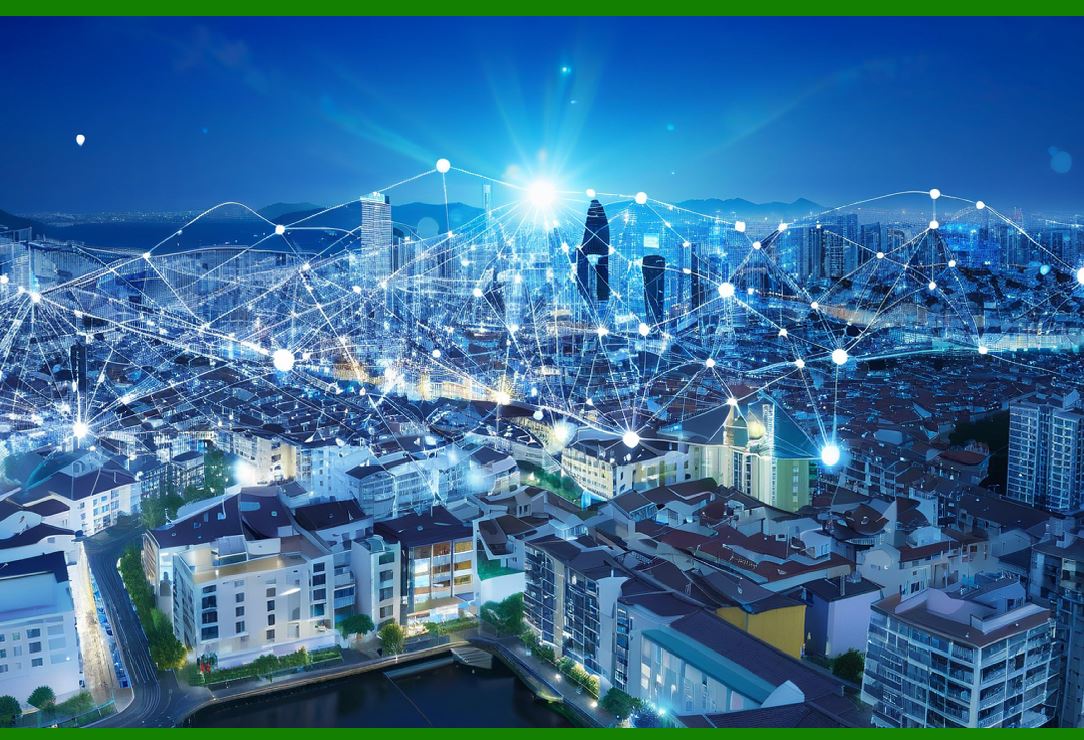
5. Data Analytics and Artificial Intelligence |
5.1 Data Analytics |
The large volume of data generated by IoT devices needs to be processed and analyzed to extract valuable insights. Data analytics involves examining this data to uncover patterns, trends, and anomalies that can improve decision-making and operational efficiency. |
5.2 Artificial Intelligence (AI) and Machine Learning (ML) |
AI and ML algorithms are used to enhance the analytical capabilities of IoT systems. These technologies enable devices to learn from data and make predictions or decisions autonomously. For example, AI can predict maintenance needs for industrial equipment or optimize energy usage in smart homes. |
5.3 Role in IoT |
Data analytics and AI enable IoT systems to be more intelligent and adaptive. By analyzing sensor data, these technologies provide actionable insights that improve efficiency, automate processes, and enable predictive capabilities. |
|
6. Security and Privacy |
6.1 Definition and Role |
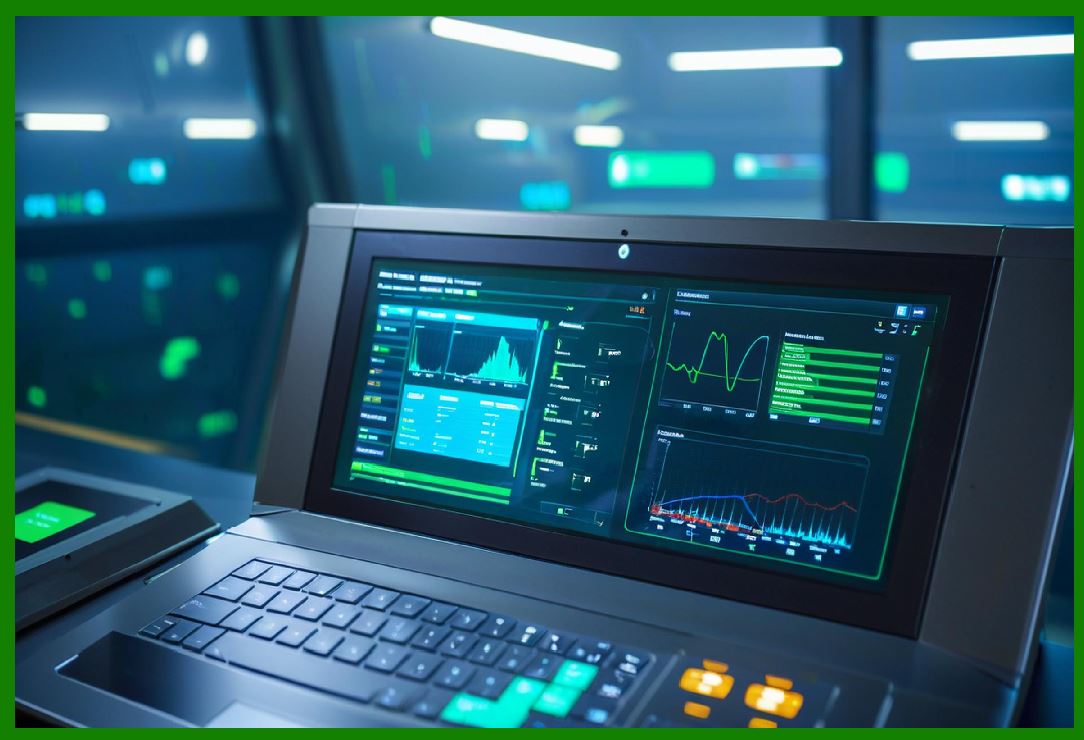
Security is a critical concern in IoT due to the vast amounts of sensitive data being transmitted and processed. Security mechanisms are required to ensure that data is protected from unauthorized access, tampering, and breaches. |
6.2 Key IoT Security Technologies |
Encryption: Used to protect data during transmission and storage. |
Authentication and Authorization: Ensures that only authorized devices and users can access and control IoT systems. |
Firewalls and Intrusion Detection Systems: Monitor and protect IoT networks from unauthorized access and cyberattacks. |
6.3 Role in IoT |
Security technologies are essential for ensuring the integrity and confidentiality of IoT data and preventing cyberattacks. They are particularly important in industries like healthcare, transportation, and finance, where IoT systems handle sensitive personal data. |
|
7. Integration and Interoperability |
7.1 Definition and Role |
Interoperability refers to the ability of different IoT devices, platforms, and systems to work together seamlessly. In IoT ecosystems, various devices and technologies must be able to communicate and share data effectively, regardless of manufacturer or platform. |
7.2 Challenges in Interoperability |
IoT systems often involve a wide range of devices, platforms, and communication protocols, which can create compatibility issues. Standardization efforts, such as those led by the Open Connectivity Foundation (OCF) and the Industrial Internet Consortium (IIC), aim to address these challenges. |
7.3 Role in IoT |
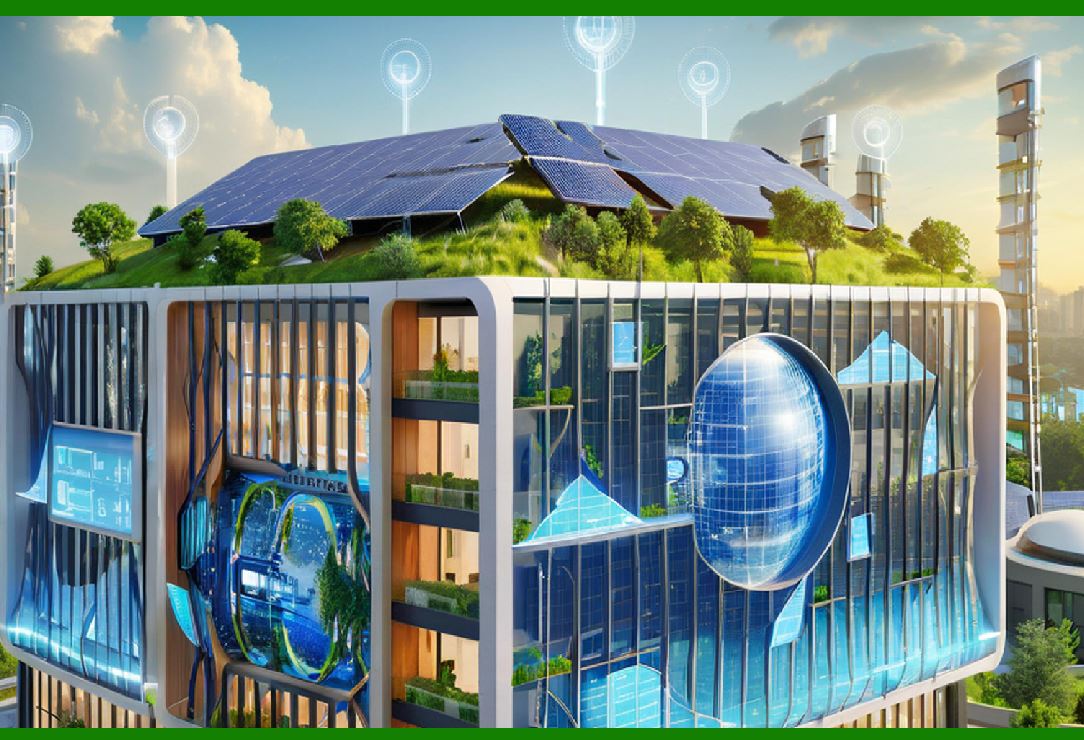
Interoperability ensures that IoT systems can be integrated into larger ecosystems and function as part of a broader network. This is crucial for applications such as smart cities, where multiple devices and systems need to work together to create a cohesive and efficient environment. |
|
8. Low-Power Wide-Area Networks (LPWAN) |
8.1 Definition and Role |
LPWANs are a category of wireless communication technologies designed for long-range, low-power IoT applications. They enable IoT devices to communicate over vast distances while consuming minimal energy. |
8.2 Common LPWAN Technologies |
LoRa: A popular LPWAN technology known for its long-range capabilities. |
NB-IoT (Narrowband IoT): A cellular-based LPWAN technology optimized for low-power, wide-area IoT applications. |
8.3 Role in IoT |
LPWAN technologies are ideal for IoT applications in remote or rural areas, such as agriculture and environmental monitoring, where long-range communication and low power consumption are essential. |

|
9. Blockchain Technology |
9.1 Definition and Role |
Blockchain is a decentralized, distributed ledger technology that can be used to record transactions and data exchanges in IoT systems securely. Blockchain ensures data integrity and transparency by providing a tamper-proof record of all transactions. |
9.2 Benefits of Blockchain for IoT |
Security: Blockchain's cryptographic techniques ensure the integrity of data. |
Transparency: All transactions are recorded and can be audited. |
Decentralization: Eliminates the need for central authority, reducing the risk of single points of failure. |
9.3 Role in IoT |
Blockchain is used in IoT to ensure secure data exchange, provide traceability, and enhance trust in transactions. It is particularly useful in supply chain management, financial transactions, and contract management. |
Conclusion |
The core technologies of the Internet of Things enable the creation of highly interconnected, intelligent systems that have the potential to revolutionize industries and improve our daily lives. From sensors and connectivity protocols to cloud computing, data analytics, security, and interoperability, each technology plays a critical role in ensuring that IoT systems are efficient, secure, and scalable. As these technologies continue to evolve, IoT will likely play an even more significant role in shaping the future of various sectors, from smart cities to healthcare, transportation, and beyond. |

|
The Role of Sensors in IoT: The 'Eyes' and 'Ears' of Smart Systems |
Sensors are integral to the functionality of the Internet of Things (IoT) because they serve as the primary mechanisms for data acquisition from the physical world. As the 'eyes' and 'ears' of IoT systems, sensors are responsible for detecting changes in environmental conditions, enabling devices to respond in real time. Without sensors, IoT systems would lack the critical input needed to make decisions, automate processes, and enable intelligent actions. |
1. Understanding Sensors and Their Functions |
1.1 What is a Sensor? |
A sensor is a device that detects physical stimuli and converts this information into an electrical signal that can be measured, processed, and analyzed. Sensors monitor variables like temperature, humidity, pressure, light, motion, sound, and more. They allow IoT systems to gather data from their environment, which is essential for making decisions, activating actions, and triggering responses. |
1.2 Types of Sensors in IoT |
There are many types of sensors, each designed to measure specific environmental parameters. Some of the most common sensors used in IoT include: |
Temperature Sensors: Measure the ambient temperature or the temperature of an object or environment. Common examples include thermocouples and thermistors. |
Humidity Sensors: Measure the level of moisture in the air. They are typically used in weather monitoring, HVAC systems, and agricultural applications. |
Pressure Sensors: Measure the force exerted by liquids or gases. These sensors are widely used in weather forecasting, automotive industries, and industrial automation. |
Motion Sensors: Detect physical movement or changes in position. They are used in security systems, smart homes, and robotics. |
Proximity Sensors: Detect the presence or absence of an object within a specific range. Common examples are used in touchless interfaces and in manufacturing lines to detect machine parts or personnel. |
Light Sensors: Measure the intensity of light. These are used in smart lighting systems, where the light level adjusts automatically based on the surrounding environment. |
Sound Sensors: Detect sound vibrations in the environment. They are often used in speech recognition systems and in applications where noise levels need to be monitored. |
|
2. How Sensors Enable IoT Systems to 'See' and 'Hear' |
Sensors provide the sensory input that IoT devices need to make intelligent decisions. Without these inputs, devices would be blind and deaf to their surroundings, unable to interact meaningfully with the environment. By acting as the 'eyes' and 'ears,' sensors enable the IoT ecosystem to function autonomously, respond to changes, and adapt to various conditions. |
2.1 Sensors as the 'Eyes' of IoT |
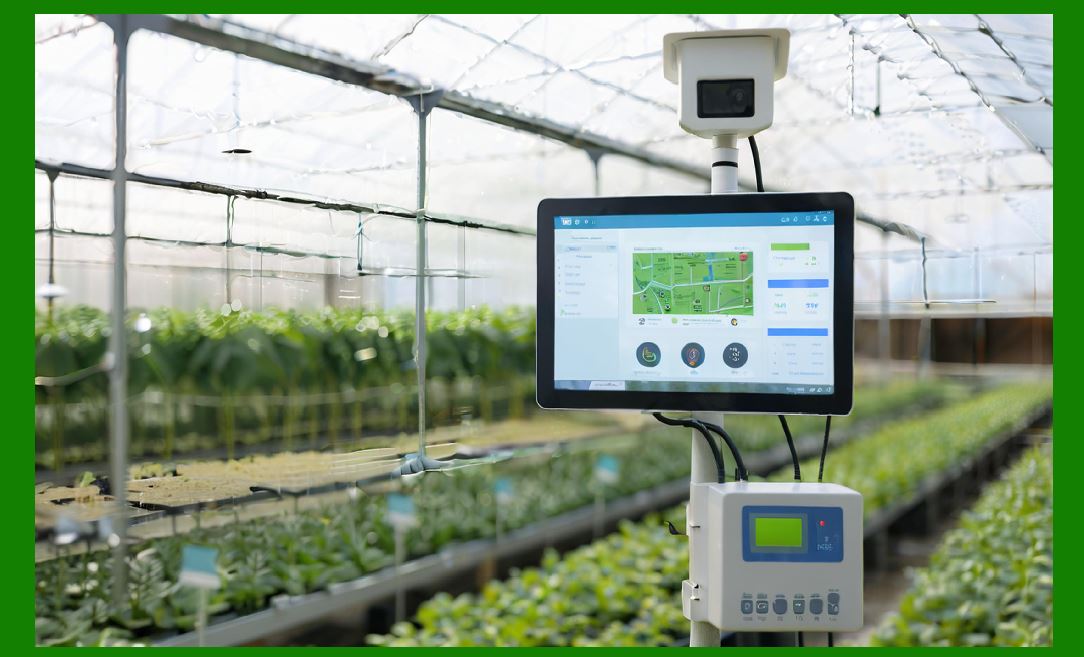
Sensors that detect visual and environmental changes serve as the eyes of IoT systems. These sensors are crucial in applications that require visual feedback or environmental awareness. |
Vision Sensors (Cameras): Used for tasks such as object recognition, facial recognition, and motion detection. They enable IoT systems to 'see' and interpret the visual world, which is useful in areas like surveillance, smart retail, and autonomous vehicles. |
Infrared (IR) Sensors: These sensors detect infrared radiation and can 'see' heat signatures, which is useful for night vision systems and for detecting living organisms in security applications. |
Optical Sensors: Used for detecting changes in light levels or colors, optical sensors are employed in various applications, from automated manufacturing processes to smart agriculture (detecting plant health). |
2.2 Sensors as the 'Ears' of IoT |
Sound and vibration sensors act as the ears of IoT systems. These sensors are used to detect noise, voice, and sound levels, enabling the system to understand acoustic environments. |
Microphones (Acoustic Sensors): These sensors detect sound waves in the environment and convert them into electrical signals. IoT systems with microphones can 'hear' voice commands, detect abnormal sounds (such as breaking glass or alarms), and even monitor noise pollution. |
Vibration Sensors: Used to detect movement or vibrations, these sensors act as ears for machinery or devices in industries like predictive maintenance. They help monitor the operational health of equipment by detecting unusual vibrations that may indicate malfunctions. |
|
3. How Sensors Collect and Process Data |
3.1 Data Acquisition |
Sensors detect changes in environmental variables, convert them into electrical signals, and transmit this data to the IoT system for processing. This is often done in real-time, ensuring that the system can respond immediately to any changes in its environment. |
For example, a temperature sensor might detect a rise in temperature beyond a set threshold and send this information to a connected thermostat or HVAC system to trigger cooling. |
3.2 Signal Processing |
The electrical signals from sensors are often raw data and need to be processed before they can be used. This can include amplification, filtering, and conversion into digital formats. In some cases, sensors may have built-in processors (known as smart sensors), which can preprocess data on-site before sending it to the IoT platform. |
For example, motion sensors often use a combination of infrared and ultrasonic technologies to detect movement and convert that into binary signals (yes/no, moving/not moving) before transmitting the data. |
3.3 Data Transmission |
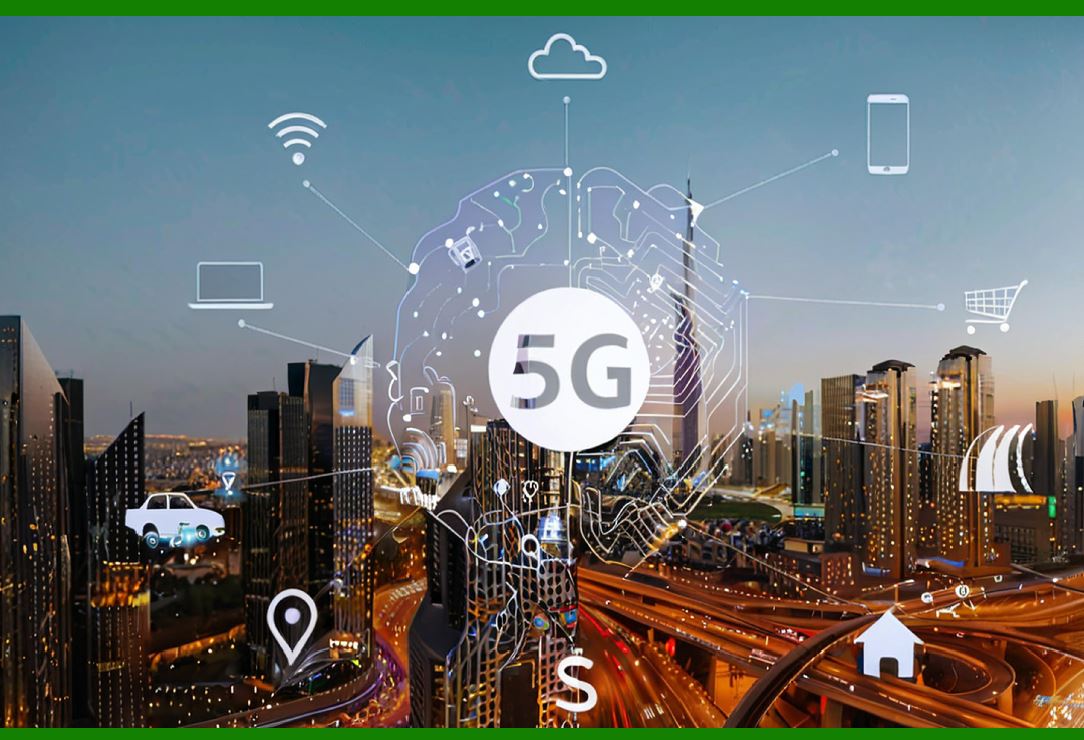
Once the data is processed, it is transmitted through IoT connectivity protocols (such as Wi-Fi, Bluetooth, or Zigbee) to cloud servers, edge devices, or local systems for further analysis. This real-time transmission allows IoT systems to react instantly to sensor inputs. |
|
4. Importance of Sensor Data for IoT Automation |
4.1 Automation and Decision Making |
The primary function of sensors in IoT is to enable automated systems. When sensors detect a particular change, they trigger actions automatically based on pre-programmed rules or machine learning algorithms. This makes IoT systems more efficient, reducing human intervention and increasing responsiveness. |
For instance, in a smart home system, a motion sensor detects when a person enters a room. The system can then trigger lights to turn on automatically or adjust the thermostat to a desired temperature. |
4.2 Real-Time Feedback |
Sensors enable IoT systems to provide real-time feedback and monitoring. In healthcare, for example, wearable sensors like heart rate monitors continuously track a patient¡¯s vital signs and provide instant feedback to healthcare providers. This allows for faster response times and more accurate care. |
4.3 Predictive Maintenance |
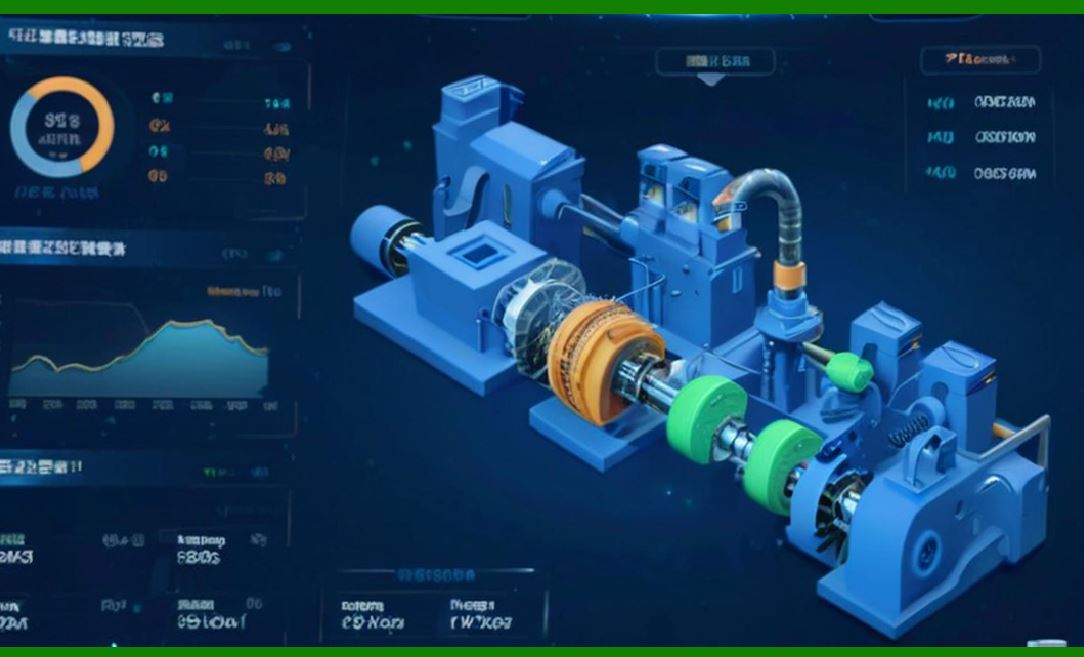
Sensors can also play a significant role in predictive maintenance. By continuously monitoring the condition of machines, sensors can detect early signs of wear or malfunction (e.g., vibrations in a motor) and alert maintenance teams to perform repairs before a failure occurs. This improves efficiency, reduces downtime, and lowers maintenance costs. |

|
5. Challenges in Sensor Technology for IoT |
5.1 Accuracy and Calibration |
For IoT systems to function effectively, sensors must provide accurate readings. Inaccurate sensor data can lead to incorrect actions, which may be detrimental in critical applications like healthcare or autonomous vehicles. Regular calibration and sensor fusion techniques are used to improve accuracy. |
5.2 Power Consumption |
Many IoT devices are battery-powered, especially in remote environments. Sensors must be designed to minimize energy consumption while maintaining data quality. Low-power sensors are essential for applications like environmental monitoring or wearable devices, where battery life is critical. |
5.3 Sensor Fusion |
In some IoT applications, multiple sensors are required to work together to provide a comprehensive understanding of the environment. This is known as sensor fusion, and it presents a challenge in terms of data integration, synchronization, and analysis. Combining data from multiple sensors (e.g., temperature and humidity sensors) can offer a more accurate representation of conditions. |
5.4 Environmental Sensitivity |
Sensors are often subject to environmental conditions like temperature, humidity, dust, and vibration. These factors can degrade sensor performance over time or lead to erroneous data. Choosing the right sensor material and housing design can mitigate some of these challenges. |

|
6. The Future of Sensors in IoT |
6.1 Miniaturization |
As technology advances, sensors continue to become smaller, more powerful, and more cost-effective. This miniaturization enables the deployment of sensors in a wide variety of applications, even in small, constrained spaces. |
6.2 Smart Sensors |
The future of sensors in IoT lies in the development of 'smart sensors'¡ªdevices that can preprocess data, communicate with other devices, and make decisions without needing to rely on cloud-based systems. This will reduce latency, improve efficiency, and enable more robust edge computing solutions. |
6.3 Advanced Sensing Technologies |
Emerging sensor technologies, such as biosensors, quantum sensors, and nano-sensors, hold the promise of providing even more precise and sensitive measurements. These advances could lead to new applications in fields like healthcare (e.g., monitoring blood sugar levels), agriculture (e.g., soil health), and environmental monitoring (e.g., detecting pollutants at extremely low concentrations). |
Conclusion |
Sensors are the cornerstone of IoT, providing the critical sensory input that allows devices to 'see' and 'hear' the world around them. As IoT technology evolves, sensors will continue to improve, becoming more accurate, energy-efficient, and capable of supporting a wide range of applications. Whether it's in smart homes, autonomous vehicles, industrial automation, or healthcare, sensors will remain at the heart of the IoT ecosystem, enabling intelligent systems that can react to and anticipate environmental changes. |
|
Using Barcodes in IoT Systems |
Barcodes are a widely recognized technology for encoding data in a machine-readable format. While traditionally used in retail for inventory management and point-of-sale (POS) applications, barcodes have found a significant place within the Internet of Things (IoT) systems. In IoT, barcodes serve as a critical tool for tracking, identifying, and managing devices, assets, and data throughout connected networks. Their integration into IoT ecosystems enhances automation, increases data accuracy, and improves the overall efficiency of operations. |
1. What Are Barcodes? |
1.1 Basic Definition |
A barcode is a visual representation of data that can be scanned and decoded by a barcode reader or scanner. It consists of a series of parallel lines (in 1D barcodes) or squares (in 2D barcodes) that represent information in a coded format. The most common types of barcodes include: |
1D Barcodes: Linear barcodes such as UPC, EAN, Code 39, and Code 128. |
2D Barcodes: Matrix barcodes such as QR codes, Data Matrix, and Aztec codes, which store more information in a compact form compared to 1D barcodes. |
1.2 Data Encoding in Barcodes |
Each barcode is designed to encode specific information about an item or product, such as an ID number, location, status, or other attributes. 2D barcodes, in particular, can hold much larger volumes of data, including URLs, product specifications, or serial numbers, which are crucial in IoT systems for identifying and tracking devices or products. |
|
2. Why Barcodes Are Useful in IoT |
2.1 Simple and Cost-Effective |
One of the main reasons barcodes are widely used in IoT systems is their simplicity and low cost. They do not require complex hardware or high-powered devices to scan, making them accessible for a wide range of industries and applications. Barcodes can be easily printed on labels and affixed to IoT devices, assets, or products, allowing for easy tracking and identification. |
2.2 Integration with Existing Infrastructure |
Barcodes are already a part of many industries' existing workflows, particularly in logistics, manufacturing, and retail. This makes it easier to integrate barcode systems into existing IoT ecosystems, without requiring significant changes to infrastructure. Barcodes provide a bridge between the physical and digital worlds by linking tangible objects with data in IoT systems. |
2.3 Data Accuracy and Automation |
Barcodes eliminate the need for manual data entry, which reduces human error and increases the accuracy of information input into IoT systems. By scanning barcodes on devices or products, users can automatically update databases, trigger processes, and feed real-time data into the IoT network. |

|
3. Applications of Barcodes in IoT Systems |
3.1 Asset and Inventory Management |
In IoT-enabled environments, asset tracking and inventory management are essential tasks. Barcodes provide an efficient way to track the location, status, and condition of devices or products. IoT systems can use barcode data to automatically update inventory levels, notify users of restocking needs, or trigger actions such as maintenance schedules. |
For example: |
Smart Warehouses: IoT sensors integrated with barcode systems help monitor the location and condition of goods in real time. When a product with a barcode is scanned, IoT systems update inventory counts, manage product movement, and ensure that stock levels are optimized. |
Field Equipment Monitoring: Barcodes can be affixed to assets in the field, allowing IoT systems to track their location and condition. If an asset reaches a predefined threshold (e.g., maintenance time), the system can automatically notify maintenance teams. |
3.2 Supply Chain and Logistics |
Barcodes are integral to IoT-powered supply chain management. Using barcodes in conjunction with IoT sensors (e.g., RFID tags, temperature sensors, and GPS), companies can track products or assets as they move through the supply chain. Real-time data, such as location, condition, and delivery status, is transmitted via IoT platforms. |
For instance: |
Product Tracking: Barcodes on packages and pallets can be scanned at each stage of the supply chain, sending data to an IoT system that tracks the shipment's location and status in real time. |
Temperature and Condition Monitoring: IoT sensors paired with barcodes allow businesses to monitor the condition of sensitive products (e.g., pharmaceuticals or food) throughout the transportation process, ensuring they remain within required temperature ranges. |
3.3 Healthcare and Medical Devices |
Barcodes are widely used in healthcare for tracking medical equipment, pharmaceuticals, and patient data. In IoT systems, barcode scanning integrates with real-time monitoring systems, improving patient safety, ensuring compliance, and streamlining inventory management. |
For example: |
Patient Identification: Patient wristbands with barcodes can be scanned to identify the patient, check medical records, and administer medications. IoT devices can use this data to ensure that the correct medication is administered at the right time and in the right dosage. |
Medical Device Monitoring: Barcodes on medical devices allow for efficient inventory management and automated maintenance scheduling. IoT systems can track the status of medical equipment and send alerts when maintenance or calibration is needed. |
3.4 Retail and Smart Stores |
In retail environments, IoT and barcode systems can be combined to offer seamless customer experiences and optimize store operations. Smart shelves, connected products, and automated checkout systems benefit from barcode integration in IoT ecosystems. |
For instance: |
Smart Inventory: Barcode scanning on retail shelves helps IoT systems monitor stock levels. When an item is sold or removed from a shelf, the barcode is scanned, triggering an automatic restock alert to inventory management systems. |
Checkout Systems: Barcode scanning integrated with IoT and mobile systems allows for fast, automated checkout processes. IoT-enabled self-checkout kiosks can scan items, process payments, and update inventory in real time. |
3.5 Manufacturing and Industrial Automation |
In industrial settings, barcodes are often used to track components, machinery, and finished products within the IoT-powered production environment. IoT sensors embedded in manufacturing equipment communicate with barcode systems to track performance, efficiency, and downtime. |
For example: |
Product Assembly: Barcodes can be attached to individual components or work-in-progress items, allowing IoT systems to track their location and progress along the assembly line. |
Predictive Maintenance: Barcodes can help identify parts or machinery that require maintenance by linking asset data with IoT systems. IoT sensors can monitor wear and tear, sending alerts when a part needs to be replaced or serviced. |
3.6 Smart Homes and Building Automation |
Barcodes also find applications in smart homes and buildings by integrating with IoT devices to manage energy use, security, and automation. |
For instance: |
Smart Appliances: Barcodes on home appliances or devices can be scanned by IoT systems to monitor their status, track energy consumption, and perform predictive maintenance. |
Asset Management in Buildings: In large buildings or campuses, barcodes help manage the location and status of assets (e.g., HVAC systems, lighting equipment). IoT systems can track equipment condition, scheduling maintenance, and improving energy efficiency. |

|
4. Challenges and Limitations of Using Barcodes in IoT |
4.1 Limited Data Storage |
Traditional 1D barcodes have a limited capacity to store data compared to 2D barcodes. This may be a limitation in IoT systems that require the storage of large amounts of data on each device or asset. Although 2D barcodes like QR codes and Data Matrix can hold more information, their size and resolution may still be limiting factors in certain environments. |
4.2 Line of Sight Requirement |
Barcodes, especially 1D barcodes, typically require line-of-sight scanning, meaning the barcode must be visible to the scanner. In contrast, RFID tags or NFC technology do not require line-of-sight and can be scanned from a distance, which makes them more suitable for some IoT applications. |
4.3 Durability |
Barcodes, particularly printed labels, can wear out over time, especially in harsh environments like industrial settings. This can impact the readability of barcodes, potentially disrupting the IoT system's ability to track or manage assets accurately. |
4.4 Security and Data Integrity |
Barcodes are vulnerable to counterfeiting, tampering, and unauthorized access, especially when used in high-security IoT applications. Adding additional security measures, such as encryption or integration with blockchain for tamper-proof tracking, can help mitigate these risks. |
|
5. Future Trends in Barcode Use for IoT |
5.1 Integration with Blockchain |
As IoT systems continue to evolve, combining barcodes with blockchain technology could improve the security and traceability of asset data. Blockchain can provide a secure, tamper-proof record of barcode scans, enhancing data integrity and transparency. |
5.2 Integration with AI and Machine Learning |
Barcodes, combined with IoT systems, can feed large datasets into artificial intelligence (AI) and machine learning (ML) models. These models can then predict asset failure, optimize supply chains, and enhance predictive analytics. |
5.3 Advancement in Barcode Scanning Technology |
With the development of more advanced barcode scanning technologies, including those capable of reading damaged or partially obscured barcodes, the reliability of barcode-based IoT systems will improve significantly. Enhanced scanning technologies can help overcome some of the limitations related to barcode readability and durability. |
Conclusion |
Barcodes, as part of IoT ecosystems, offer a cost-effective and efficient way to manage, track, and identify assets across industries. Despite some challenges, barcodes remain an integral tool in many IoT applications, from inventory management to healthcare, retail, and manufacturing. As IoT continues to evolve, barcode technology is expected to integrate with emerging technologies like AI, blockchain, and advanced scanning systems, further enhancing its role in IoT-driven processes. |
|
Connectivity Protocols in IoT: The Backbone of Communication |
Connectivity protocols are a critical element of the Internet of Things (IoT) infrastructure. These protocols enable seamless communication between IoT devices, sensors, gateways, cloud servers, and other components of an IoT ecosystem. They define the rules and standards for data transmission, ensuring that devices can send and receive information accurately, efficiently, and securely across different networks. Without effective connectivity protocols, IoT systems would fail to function, as devices would be unable to communicate or exchange data. |
In this deep dive, we will explore the various types of connectivity protocols used in IoT, their functionalities, advantages, and challenges, and how they enable the IoT ecosystem to operate. |
|
1. What Are Connectivity Protocols? |
1.1 Definition |
A connectivity protocol is a set of standardized rules that govern how data is transmitted and received between devices in an IoT system. These protocols ensure that communication happens reliably and securely, regardless of the type of device, network, or underlying hardware used. In essence, they define the language and methods that devices use to talk to each other. |
1.2 Role in IoT |
Connectivity protocols are essential for the following functions: |
Data Transmission: Transmitting data from IoT devices to other devices or centralized systems. |
Communication Efficiency: Ensuring optimal use of network resources by managing data traffic, minimizing delays, and reducing congestion. |
Interoperability: Allowing devices from different manufacturers and with different technologies to communicate effectively. |
Security: Ensuring that the data exchanged is protected from unauthorized access and tampering. |
|
2. Types of Connectivity Protocols in IoT |
IoT systems require various connectivity protocols to handle different types of communication, depending on factors such as range, data rate, power consumption, and application requirements. Below are the most widely used connectivity protocols in IoT. |
2.1 Short-Range Communication Protocols |
These protocols are designed for communication over relatively short distances, often within a building or a limited area. They are typically low-power, low-cost, and enable fast communication. |
2.1.1 Wi-Fi |
Overview: Wi-Fi is one of the most common wireless communication technologies used in IoT, offering high data transfer rates and relatively widespread availability. |
Use Cases: Smart home devices, industrial IoT systems, healthcare applications. |
Advantages: High-speed data transmission, availability in most households and offices, easy integration with existing infrastructure. |
Challenges: High power consumption compared to other protocols, limited range (especially in large buildings), network congestion. |
Example: A smart thermostat in a home that connects to the home Wi-Fi network to provide remote control via a mobile app. |
2.1.2 Bluetooth |
Overview: Bluetooth is a short-range wireless protocol that operates in the 2.4 GHz frequency band and is commonly used for connecting devices in close proximity. |
Use Cases: Wearable devices (fitness trackers, smartwatches), medical monitoring devices, home automation. |
Advantages: Low power consumption, easy pairing, low cost, and effective for device-to-device communication. |
Challenges: Limited range (typically up to 100 meters), relatively low data rates compared to Wi-Fi. |
Example: A fitness tracker that communicates with a smartphone via Bluetooth to sync health data. |
2.1.3 Zigbee |
Overview: Zigbee is a low-power, low-data-rate wireless protocol designed for short-range communication in IoT applications, often in home automation or industrial control. |
Use Cases: Smart home systems (lighting, temperature control), industrial automation, building management systems. |
Advantages: Very low power consumption, mesh network topology for extended range, support for large-scale networks. |
Challenges: Lower data rates compared to Wi-Fi, relatively complex setup. |
Example: Zigbee-enabled smart bulbs that can be controlled remotely and scheduled to turn on or off through a smartphone app. |
2.1.4 Near Field Communication (NFC) |
Overview: NFC is a short-range communication protocol that works at very close distances (typically up to 10 cm), primarily used for secure data exchange. |
Use Cases: Contactless payment systems, smart cards, asset tracking. |
Advantages: Extremely low power consumption, simple communication setup, and secure transmission. |
Challenges: Very short communication range, limited data capacity. |
Example: Using an NFC-enabled smartphone to make a payment at a point-of-sale terminal. |
2.2 Long-Range Communication Protocols |
These protocols are used for communication over longer distances, often in outdoor or wide-area applications where large-scale IoT networks are deployed. |
2.2.1 LoRaWAN (Long Range Wide Area Network) |
Overview: LoRaWAN is a low-power, long-range wireless protocol designed for outdoor and wide-area IoT applications, such as smart agriculture and environmental monitoring. |
Use Cases: Agricultural IoT, smart cities, industrial IoT, utility monitoring. |
Advantages: Long-range communication (up to 15 km in rural areas), low power consumption, supports large-scale networks. |
Challenges: Low data rate (typically below 50 kbps), limited to non-time-sensitive applications. |
Example: IoT sensors in a smart farm that send soil moisture data to a cloud platform for monitoring crop conditions. |
2.2.2 NB-IoT (Narrowband IoT) |
Overview: NB-IoT is a cellular-based, low-power wide-area (LPWA) protocol that operates over cellular networks, optimized for small, infrequent data transmissions. |
Use Cases: Asset tracking, smart metering, environmental monitoring, smart cities. |
Advantages: Long range, secure communication through cellular infrastructure, wide coverage. |
Challenges: Requires cellular network infrastructure, relatively low data rates. |
Example: Smart meters that use NB-IoT to send data on energy consumption to utility companies. |
2.2.3 5G |
Overview: The fifth generation of cellular networks (5G) is designed to offer high-speed, low-latency communication with the ability to support massive IoT networks. |
Use Cases: Autonomous vehicles, remote healthcare, industrial automation. |
Advantages: Ultra-low latency, high data transfer rates, massive device density support. |
Challenges: Infrastructure requirements, higher power consumption. |
Example: A fleet of autonomous vehicles that communicates in real time with a cloud-based traffic management system using 5G. |
2.3 Wired Communication Protocols |
In some IoT applications, wired protocols are still preferred due to their reliability, security, and the ability to support high data rates over long distances. |
2.3.1 Ethernet |
Overview: Ethernet is a widely used wired networking protocol in traditional IT infrastructure, but it is also used in some industrial IoT systems for reliable and high-speed data transmission. |
Use Cases: Industrial automation, connected factories, smart buildings. |
Advantages: High-speed communication, reliable, secure. |
Challenges: Lack of mobility, higher installation costs. |
Example: Industrial IoT systems in a manufacturing plant where sensors and machines are connected via Ethernet to a central control system. |
2.3.2 Modbus |
Overview: Modbus is a communication protocol used in industrial automation systems. It allows devices to communicate over a serial or Ethernet connection. |
Use Cases: Manufacturing, HVAC systems, building automation. |
Advantages: Open protocol, widely used in industrial environments, simple to implement. |
Challenges: Limited scalability, low security. |
Example: A temperature sensor in a manufacturing plant that communicates with a central control system using Modbus. |

|
3. Security Protocols for IoT Connectivity |
3.1 Data Encryption |
Security is a critical concern in IoT due to the large amounts of sensitive data transmitted across various networks. IoT protocols use encryption to ensure that data remains confidential during transmission. |
Transport Layer Security (TLS): TLS is commonly used in IoT systems to secure communications between devices and cloud platforms, ensuring data is encrypted while in transit. |
Advanced Encryption Standard (AES): AES is a widely adopted encryption standard used to protect data at rest and in transit. |
3.2 Authentication and Authorization |
IoT devices must be authenticated to prevent unauthorized access. Protocols like OAuth and mutual authentication ensure that only authorized devices can access the network. |
4. Interoperability and Standardization in IoT Connectivity |
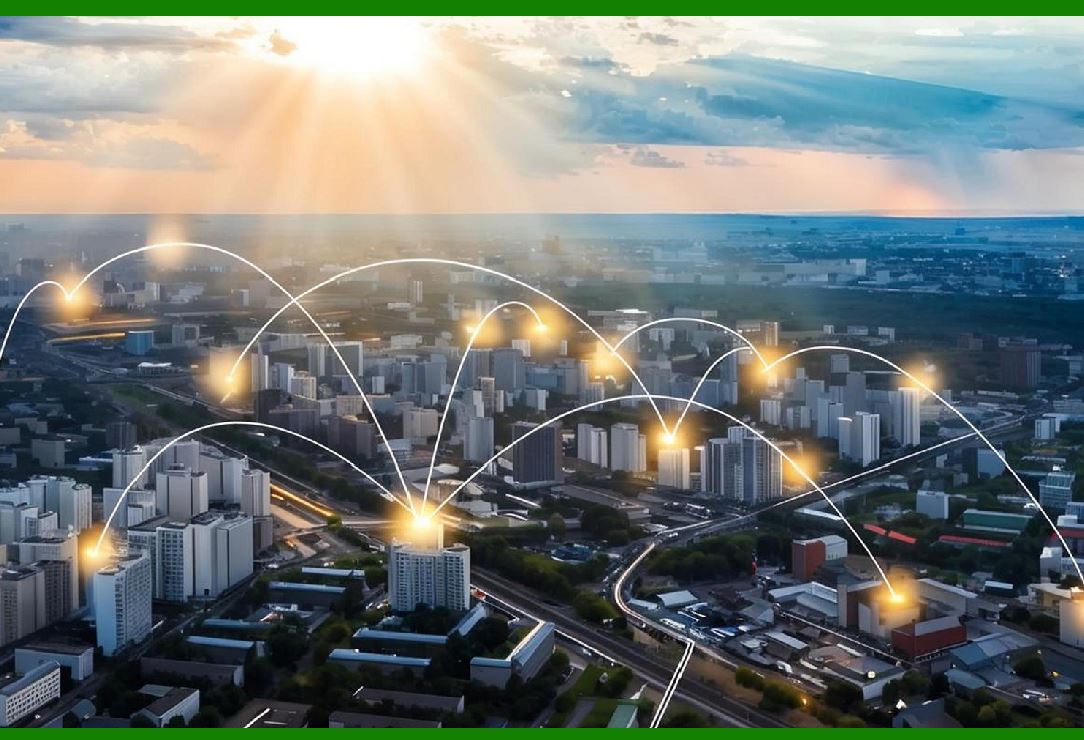
A major challenge for IoT ecosystems is ensuring that devices from different manufacturers and operating on different connectivity protocols can work together seamlessly. Industry organizations, such as the Internet Engineering Task Force (IETF) and the Institute of Electrical and Electronics Engineers (IEEE), are working toward the standardization of IoT connectivity protocols to improve interoperability. |
|
5. The Future of IoT Connectivity |
The future of IoT connectivity will likely see the continued development and deployment of: |
6G Networks: With even higher speeds, lower latency, and the ability to support trillions of connected devices. |
More Integrated Low-Power Wide-Area Networks (LPWANs): For use cases requiring long-range communication with low power consumption. |
Increased Use of Edge Computing: Reducing latency and enhancing the processing power of IoT systems closer to the data source. |
 cs@easiersoft.com