1. Introduction to the Internet of Things (IoT) |
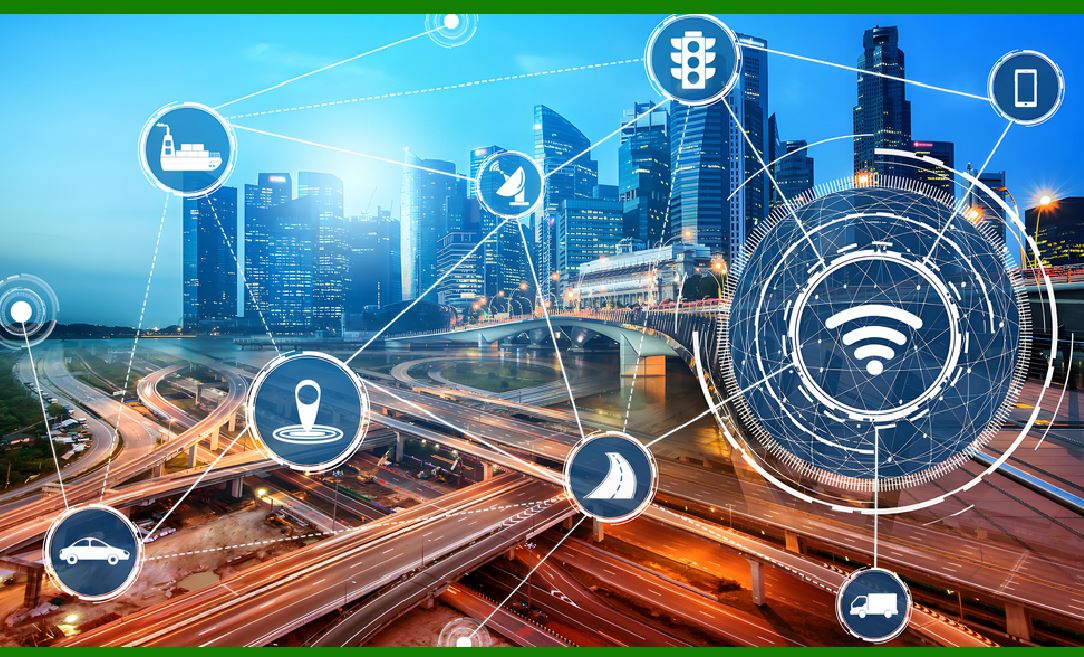
The Internet of Things (IoT) refers to the interconnection of physical devices, vehicles, buildings, and other objects through the internet or a private network. These devices are embedded with sensors, software, and other technologies that enable them to collect and exchange data. IoT aims to create a smart and interconnected world, where devices can communicate and make decisions with minimal human intervention. |
1.1. Definition and Scope of IoT |
IoT connects everyday objects to the internet, allowing them to share data and interact with each other. This includes everything from household appliances to industrial machines, all of which can be remotely monitored and controlled. |
1.2. Evolution of IoT |
The concept of connected devices dates back to the 1980s, with the development of machine-to-machine (M2M) communication. However, it wasn't until the early 2000s, with the growth of wireless communication technologies and the proliferation of internet access, that IoT began to take off. |
1.3. IoT’s Role in Modern Society |
IoT is reshaping industries and society. From smart homes that manage energy usage to healthcare systems that monitor patients remotely, IoT is enabling automation, efficiency, and convenience. |
|
2. Core Components of IoT |
IoT is built on several core components that allow devices to function and communicate effectively. These include: |
2.1. Sensors and Actuators |
Sensors are devices that gather data about the physical environment. These sensors can detect temperature, humidity, pressure, light, and other variables, and convert this data into digital signals that can be processed. |
Actuators are devices that act on the physical world based on data received from sensors. For example, a thermostat can control the temperature of a room, or a smart lock can open or close based on user input. |
2.2. Connectivity |
Connectivity is the backbone of IoT. Devices must be able to communicate with each other and the internet. This can be achieved through various communication protocols: |
Wi-Fi: Ideal for high-bandwidth, short-range communication. |
Bluetooth: Used for close-range communication, especially in personal devices like smartphones. |
Zigbee and Z-Wave: Low-power, short-range protocols for smart home devices. |
Cellular Networks (5G/4G): For long-range communication and mobile IoT applications. |
LoRaWAN (Long Range Wide Area Network): For low-power, long-range communication in rural or remote areas. |
2.3. Data Processing |
Once data is collected from sensors, it needs to be processed. This is done through a combination of: |
Edge Computing: Processing data close to the source, which reduces latency and bandwidth usage. |
Cloud Computing: Data is sent to the cloud, where it is stored and analyzed, enabling advanced analytics and insights. |
2.4. Actuation |
After processing, the IoT system may need to make decisions and actuate the system by triggering physical actions such as turning on lights, locking doors, or adjusting temperatures. |
|
3. IoT Architectures and Models |
There are several ways to structure IoT systems, depending on the complexity and scale of deployment. |
3.1. Three-Layer IoT Architecture |
Perception Layer: This layer includes the physical devices (sensors, actuators) that collect data from the environment. |
Network Layer: This layer facilitates communication between devices and the cloud or other systems. It handles data transmission via various communication protocols. |
Application Layer: The highest layer, where the data is processed and analyzed to provide actionable insights. This layer serves different industry-specific applications. |
3.2. Five-Layer IoT Architecture |
Perception Layer: Same as the three-layer architecture, responsible for data collection. |
Network Layer: Transmits data over communication networks. |
Edge Layer: Handles preprocessing of data closer to the source, reducing the need for constant cloud communication. |
Data Layer: The data storage layer, where vast amounts of IoT data are stored and organized. |
Application Layer: Provides specialized services, such as analytics, reporting, and user interfaces. |
3.3. Industry-Specific Architectures |
Different sectors (smart homes, healthcare, manufacturing) have specific IoT architectures designed to meet their needs. For example, smart home systems might prioritize ease of use and security, while industrial IoT focuses on real-time monitoring and predictive maintenance. |
|
4. IoT Communication Protocols |
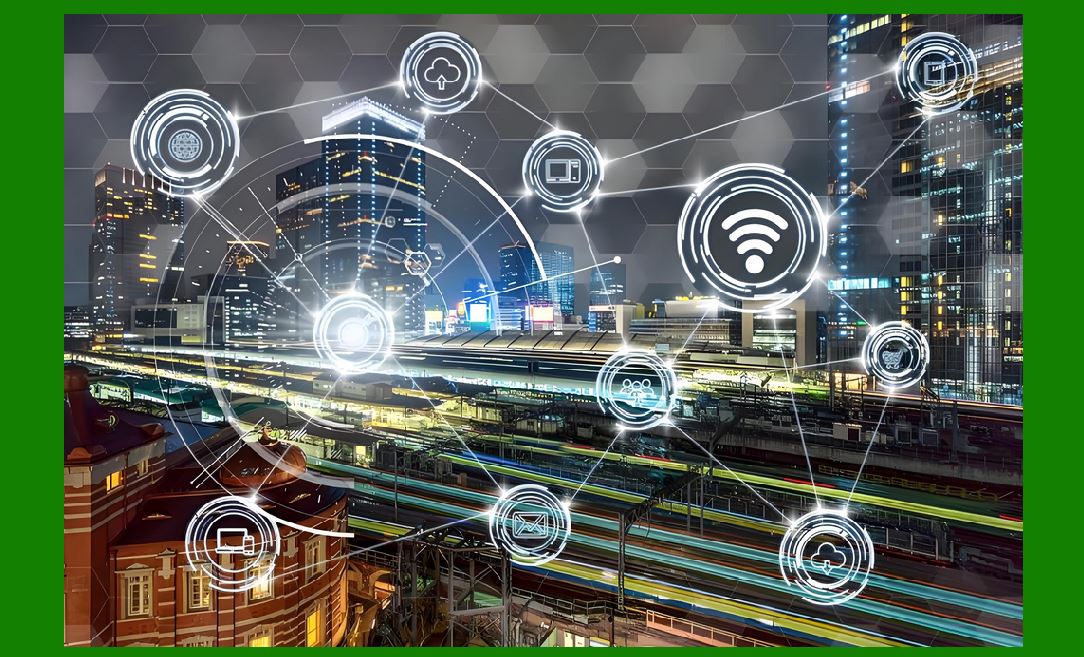
Effective communication is essential in an IoT system, and many protocols are used to ensure that devices can talk to each other. |
4.1. MQTT (Message Queuing Telemetry Transport) |
A lightweight protocol designed for low-bandwidth, high-latency networks, making it ideal for IoT. It uses a publish/subscribe model, allowing devices to communicate efficiently with minimal overhead. |
4.2. CoAP (Constrained Application Protocol) |
A specialized web transfer protocol for constrained devices, typically used in low-power environments like home automation systems. |
4.3. HTTP/HTTPS |
Widely used in web applications, HTTP and HTTPS are also used in IoT, particularly when devices need to communicate over the internet. |
4.4. Zigbee and Z-Wave |
Used in home automation, these protocols focus on low power consumption, making them ideal for smart homes, lighting, and security systems. |
|
5. Data Security in IoT |
With the growing number of connected devices, ensuring the security of IoT systems is crucial to prevent cyberattacks, data breaches, and unauthorized access. |
5.1. Challenges of IoT Security |
IoT devices often have limited computing resources, making it difficult to implement robust security measures. Additionally, the vast number of devices and their interoperability increases the attack surface. |
5.2. Encryption |
IoT devices often use encryption (e.g., TLS/SSL, AES) to protect data transmitted across networks. Ensuring that both the devices and the cloud infrastructure are encrypted is critical. |
5.3. Authentication and Authorization |
Proper authentication ensures that only authorized devices can join the network. Multi-factor authentication (MFA) is increasingly used to strengthen security. |
5.4. Secure Firmware and Updates |
IoT devices must be able to receive security patches and updates over the air (OTA) to protect against vulnerabilities. Regular firmware updates help mitigate security threats. |
|
6. IoT Applications |
IoT has a wide range of applications across various industries, including: |
6.1. Smart Homes |
IoT-enabled smart homes use devices like thermostats, lights, locks, and security cameras that can be controlled remotely. Smart home ecosystems like Google Home and Amazon Alexa allow users to interact with multiple devices through voice commands. |
6.2. Healthcare and Remote Monitoring |
IoT devices are revolutionizing healthcare by enabling remote patient monitoring, wearable fitness trackers, and real-time health data analytics. This allows for proactive health management and reduces the burden on healthcare providers. |
6.3. Industrial IoT (IIoT) |
In industries such as manufacturing, IoT is used for predictive maintenance, real-time monitoring of equipment, and enhancing production efficiency. Sensors embedded in machines can detect wear and tear, predicting failures before they occur. |
6.4. Smart Cities |
Smart cities use IoT to improve urban infrastructure, including traffic management, waste management, and energy optimization. IoT solutions help cities become more sustainable, efficient, and responsive to citizen needs. |
6.5. Agriculture and Farming |
IoT is transforming agriculture by providing solutions for precision farming, where soil moisture, temperature, and weather conditions are monitored in real-time to optimize crop production and reduce resource wastage. |
|
7. Challenges in IoT |
Despite the significant benefits of IoT, there are several challenges that need to be addressed. |
7.1. Interoperability |
IoT devices often use different standards and protocols, which can create compatibility issues. Ensuring that devices from different manufacturers can communicate and work together is a key challenge in IoT development. |
7.2. Scalability |
As IoT networks grow, managing a large number of devices and ensuring the scalability of infrastructure becomes difficult. Solutions like cloud computing and edge computing are being explored to manage large-scale deployments. |
7.3. Data Management and Analytics |
IoT generates huge amounts of data, and managing, storing, and analyzing this data is a challenge. Advanced data analytics and AI are increasingly being used to extract actionable insights from IoT-generated data. |
|
8. Future Trends in IoT |
As IoT technology evolves, new trends and innovations are emerging. |
8.1. 5G Integration |
The rollout of 5G technology will provide faster, more reliable, and lower-latency connectivity for IoT devices. This will enable real-time communication for mission-critical applications, such as autonomous vehicles and remote surgery. |
8.2. AI and Machine Learning in IoT |
AI and machine learning are playing an increasing role in IoT, enabling devices to make smarter decisions based on the data they collect. For instance, IoT sensors can learn from patterns in data to predict failures or optimize operations. |
8.3. Edge Computing |
As the amount of data generated by IoT devices continues to increase, edge computing is becoming more important. By processing data at the edge of the network, closer to where it is generated, IoT systems can reduce latency and improve efficiency. |
This outline provides a comprehensive overview of IoT technology, from its definition to its future potential |
Let’s continue exploring the detailed breakdown of the Internet of Things (IoT) technology. We’ll dive deeper into the sections we’ve started and provide more detailed information. |
|
9. Advanced Data Analytics in IoT |
Data is the backbone of the IoT ecosystem, and effective data analytics are critical for deriving meaningful insights from the massive volumes of data generated by IoT devices. In fact, advanced analytics are what make IoT more than just a network of connected devices—they transform raw data into actionable intelligence. |
9.1. Types of Data Generated by IoT Devices |
IoT devices generate a wide variety of data, including: |
Structured Data: This includes numerical data like sensor readings, temperatures, or humidity levels. |
Unstructured Data: Text-based data, such as logs, video feeds, or audio captured by smart assistants. |
Time-Series Data: Often seen in IoT, this data is generated over time, such as temperature readings taken every minute or real-time tracking of a vehicle's location. |
9.2. Real-Time Analytics |
Real-time analytics refers to the ability to process and analyze data as it is being generated, allowing for immediate responses to specific events. For example, real-time analytics can be used in: |
Manufacturing: Monitoring machine performance to detect anomalies and trigger maintenance alerts before a failure occurs. |
Smart Homes: Detecting unusual patterns in energy consumption and alerting users or automatically adjusting settings. |
Healthcare: Analyzing patient vitals in real time to provide immediate interventions if necessary. |
9.3. Predictive Analytics |
Using data collected by IoT devices, predictive analytics can forecast future trends based on historical data. This is particularly useful in applications such as: |
Predictive Maintenance: IoT sensors monitor the health of equipment, and predictive algorithms can foresee failures, allowing businesses to schedule maintenance proactively, reducing downtime. |
Traffic Management: Analyzing traffic patterns over time to predict congestion and optimize traffic light timings. |
9.4. Machine Learning and AI in IoT |
Machine learning (ML) and AI algorithms allow IoT systems to evolve and improve over time, without the need for human intervention. For instance: |
Anomaly Detection: AI algorithms can automatically detect unusual behavior in IoT systems, such as a smart thermostat that is not operating within expected ranges or a smart security camera detecting unusual motion patterns. |
Optimization: IoT systems powered by AI can learn from their environment and adjust operations accordingly. For instance, a smart building can learn the preferred temperature settings of its occupants and adjust the HVAC system accordingly to optimize energy consumption. |
9.5. Data Visualization |
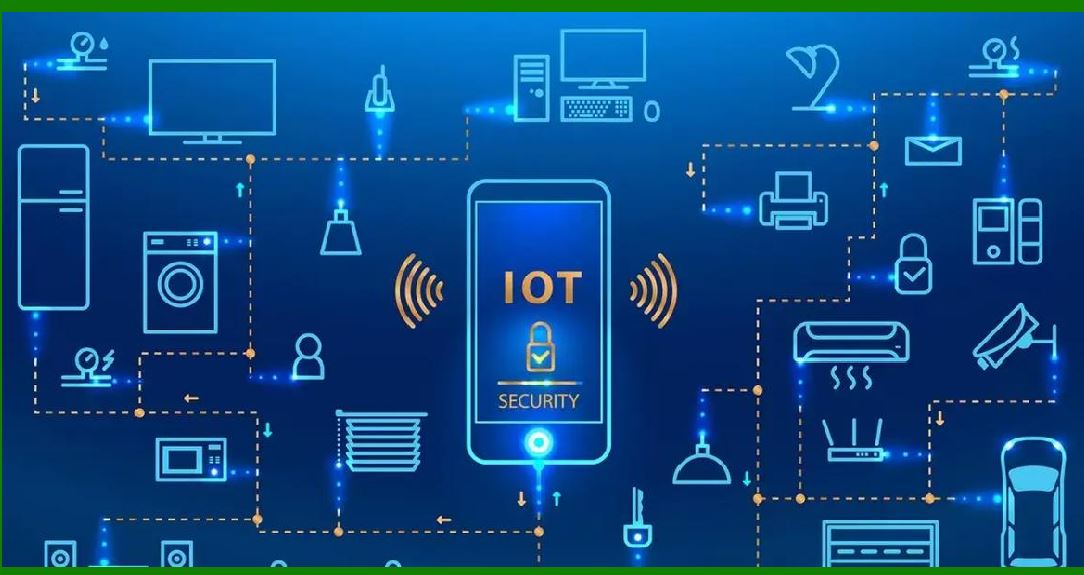
Data visualization is a crucial element in making IoT data understandable. Dashboards and visualizations allow users to easily interpret complex datasets and make informed decisions. In industrial IoT, for example, data from manufacturing processes might be visualized in real-time, helping managers optimize production. |
|
10. Edge Computing in IoT |
Edge computing refers to the processing of data closer to where it is generated, rather than sending all the data to a centralized cloud. This is increasingly important in IoT because it reduces latency and bandwidth usage, while also enabling real-time data processing. |
10.1. Benefits of Edge Computing in IoT |
Reduced Latency: IoT devices often require immediate responses. Edge computing enables data processing near the source of the data, which significantly reduces response time compared to sending data to a distant cloud server. |
Bandwidth Efficiency: IoT generates huge volumes of data, and constantly sending this data to the cloud can strain bandwidth. Edge computing processes data locally, reducing the amount of data transmitted. |
Security: By processing sensitive data locally, edge computing reduces the need for data transmission over the internet, thus mitigating security risks associated with data breaches or cyberattacks. |
10.2. Edge AI and Machine Learning |
Edge AI refers to running machine learning algorithms locally on IoT devices or edge servers. This enables real-time decision-making in situations where sending data to the cloud would introduce unacceptable latency. For example, in autonomous vehicles, AI running on the edge can immediately process sensor data from the car to make driving decisions without waiting for cloud responses. |
10.3. Use Cases for Edge Computing in IoT |
Industrial IoT (IIoT): Sensors on industrial machines send data to local edge devices that can analyze it and detect faults, triggering automatic adjustments or maintenance schedules without needing to send the data to the cloud. |
Smart Cities: In traffic management systems, edge computing can process data from street cameras and traffic sensors in real time, optimizing traffic lights and reducing congestion without relying on cloud-based infrastructure. |
|
11. IoT in Industrial Automation (IIoT) |
The Industrial Internet of Things (IIoT) is a subset of IoT applied specifically in industrial settings. It connects machines, sensors, and systems to enhance operational efficiency, productivity, and safety. |
11.1. Smart Factories |
In smart factories, IoT devices monitor equipment, inventory, and processes. They can automatically adjust production schedules, detect maintenance needs, and ensure safety. Some key components include: |
Sensors: These monitor machinery performance, temperature, vibration, and other metrics. |
Actuators: They help in making physical changes to the system, such as adjusting machine speed or activating cooling systems. |
Edge Computing: Processes data locally for real-time decision-making, reducing downtime and increasing efficiency. |
11.2. Predictive Maintenance |
One of the biggest advantages of IIoT is the ability to predict when machinery will fail. Using data from sensors embedded in equipment, machine learning models can predict wear and tear, helping to schedule maintenance before a breakdown occurs. This reduces unplanned downtime and maintenance costs. |
11.3. Supply Chain Optimization |
IoT can significantly improve supply chain management by providing real-time visibility into the location and condition of goods as they move through the supply chain. For example: |
Tracking: RFID tags, GPS, and sensors help track the location and condition of shipments, reducing the chances of loss or damage. |
Inventory Management: IoT-powered systems can automatically reorder supplies when stock levels fall below a certain threshold, minimizing stockouts and ensuring optimal inventory levels. |
|
12. IoT in Healthcare |
IoT is transforming the healthcare industry by enabling remote patient monitoring, improving operational efficiencies, and enhancing patient care. |
12.1. Remote Patient Monitoring |
IoT devices can monitor patient health metrics, such as heart rate, blood pressure, blood sugar levels, and oxygen saturation, in real time. Data is transmitted to healthcare providers, allowing them to track a patient's condition remotely and intervene when necessary. |
Wearables: Devices like smartwatches can track vital signs and activity levels, alerting patients and doctors to any abnormalities. |
Implants: Some IoT devices are implanted in the body, such as pacemakers or insulin pumps, to monitor health and administer treatment. |
12.2. Smart Hospitals |
In smart hospitals, IoT devices track the status of equipment, rooms, and patients. For instance: |
Asset Tracking: IoT tags can track medical equipment, ensuring they are always in the right place when needed. |
Environmental Monitoring: IoT sensors monitor temperature, humidity, and air quality in patient rooms and operating theaters to ensure optimal conditions. |
12.3. Telemedicine |
Telemedicine, which enables healthcare consultations through video calls, is enhanced by IoT. Remote monitoring tools and IoT devices enable doctors to monitor their patients' health in real-time, allowing for more accurate assessments and more timely interventions. |
|
13. IoT in Agriculture |
IoT is revolutionizing the agriculture industry by improving the efficiency and sustainability of farming practices. The term Precision Agriculture refers to the use of IoT technologies to optimize crop yields and reduce resource waste. |
13.1. Smart Irrigation Systems |
IoT-based irrigation systems use soil moisture sensors to detect the water content in the soil. When moisture levels fall below a certain threshold, the system activates irrigation systems, ensuring that crops receive the optimal amount of water. This reduces water wastage and helps farmers save costs. |
13.2. Livestock Monitoring |
Farmers use IoT devices to monitor the health and well-being of livestock. These devices can track the animal's location, monitor its activity levels, and detect signs of illness, allowing farmers to take quick action when necessary. |
13.3. Crop Health Monitoring |
IoT sensors placed in fields monitor environmental factors like temperature, humidity, and soil composition. Drones equipped with IoT technology can also capture images of crops to detect signs of pests, disease, or nutrient deficiencies, enabling targeted interventions. |

|
14. Future Trends and Innovations in IoT |
The IoT landscape is continually evolving, with several emerging trends that are set to shape the future of this technology. |
14.1. Autonomous IoT Systems |
In the future, IoT systems will become more autonomous, requiring minimal human intervention. These systems will be able to learn from their environment and adjust their behavior based on data received from sensors. For example: |
Smart Cars: Autonomous vehicles will rely heavily on IoT for navigation, traffic management, and vehicle-to-vehicle communication. |
Smart Homes: IoT systems will automatically adjust environmental settings like lighting, heating, and security based on the user's preferences, routines, and even moods. |
14.2. Integration of Blockchain and IoT |
Blockchain technology has the potential to enhance the security and trustworthiness of IoT systems. By ensuring that data transmitted between IoT devices is tamper-proof, blockchain can help prevent fraud, data breaches, and unauthorized access to critical systems. |
14.3. 5G Connectivity |
The deployment of 5G networks will revolutionize IoT by providing ultra-low latency and high-speed communication. This will enable new IoT applications that require real-time data processing and fast communication, such as: |
Autonomous Vehicles |
Smart Grids |
Augmented Reality (AR) and Virtual Reality (VR) for IoT |
This section builds upon the IoT framework and dives deeper into some critical aspects like edge computing, analytics, and various industrial and consumer applications. |
|
Let’s continue expanding on the intricate details of the Internet of Things (IoT) and explore additional areas, including emerging innovations, the role of AI in IoT, and its impact on various industries. |
15. Artificial Intelligence (AI) and Machine Learning (ML) in IoT |
AI and ML have become integral components of IoT systems, enabling them to become more autonomous and efficient. By incorporating AI and ML, IoT devices can make smarter decisions based on real-time data, learn from patterns, and even predict future events. These technologies are especially useful in applications that require real-time responses and dynamic decision-making. |
15.1. Role of AI in IoT |
AI enhances the capabilities of IoT by enabling devices to not only collect and transmit data but also interpret it. This allows IoT systems to operate autonomously and make decisions based on that interpretation. |
Smart Decision Making: AI helps IoT systems make real-time decisions. For example, a smart factory could use AI algorithms to decide when a machine is about to fail and take corrective action. |
Natural Language Processing (NLP): AI-powered virtual assistants, such as Amazon Alexa or Google Assistant, allow users to interact with IoT devices via voice commands, making IoT systems more user-friendly. |
Facial and Object Recognition: AI is used in security and surveillance systems to recognize faces or detect anomalies in video footage captured by IoT cameras. |
15.2. Machine Learning in IoT |
Machine learning allows IoT systems to improve over time without human intervention. By analyzing historical data, ML models can detect patterns, learn from them, and predict future outcomes. |
Predictive Maintenance: ML algorithms can analyze sensor data to predict when equipment will fail, allowing for timely maintenance to prevent costly downtime. |
Anomaly Detection: ML algorithms can identify unusual patterns or behaviors, which could indicate potential security breaches or equipment malfunctions. For example, in an industrial setting, ML can detect unusual vibrations in machines, signaling an impending failure. |
15.3. AI-Driven Automation |
AI-driven IoT systems are expected to drive a massive shift toward automation across various industries. By using AI algorithms, these systems can take real-time actions based on input from IoT sensors, eliminating the need for human intervention in many cases. |
Smart Homes: AI enables systems to automatically adjust lighting, temperature, and security settings based on a user’s routine, preferences, or environmental changes. |
Autonomous Vehicles: Self-driving cars use a combination of IoT sensors (cameras, radar, LIDAR) and AI to make real-time decisions, including navigating through traffic and avoiding obstacles. |

|
16. The Role of IoT in Smart Cities |
Smart cities are urban areas that use IoT technology to manage and optimize resources, services, and infrastructure to enhance the quality of life for citizens and improve sustainability. IoT enables real-time data collection and decision-making that can transform how cities function. |
16.1. Smart Traffic Management |
Traffic congestion is a major issue in most cities, and IoT is helping to address this by providing real-time insights into traffic flow, vehicle speeds, and road conditions. Smart traffic lights, for example, can change in response to traffic volume, reducing congestion and improving traffic flow. |
Vehicle-to-Infrastructure Communication (V2I): IoT systems allow vehicles to communicate with road infrastructure like traffic signals and signs, improving traffic management and safety. |
Parking Management: Smart parking systems use sensors to detect available parking spaces and guide drivers to the nearest spot, reducing traffic congestion caused by people looking for parking. |
16.2. Environmental Monitoring |
Smart cities leverage IoT devices to monitor air quality, temperature, noise levels, and other environmental factors in real time. These sensors provide valuable data that city planners and environmental authorities can use to ensure cleaner and healthier living conditions. |
Air Quality Sensors: IoT sensors track pollution levels and help local governments take necessary actions when pollution exceeds safe levels. |
Waste Management: IoT-enabled bins with sensors can track waste levels and optimize trash collection routes and schedules, reducing operational costs and improving sanitation. |
16.3. Smart Energy Grids |
Smart energy grids are IoT-enabled systems that allow for more efficient, sustainable, and reliable electricity distribution. By using IoT sensors and communication networks, these grids can monitor energy usage and adjust energy distribution in real-time. |
Smart Meters: These meters allow consumers to track their energy consumption in real time and make more informed decisions about energy usage. For utilities, they enable better demand forecasting and grid management. |
Demand-Response Systems: IoT allows utility companies to dynamically adjust the supply of electricity based on real-time demand, which helps balance the grid and prevent outages. |
|
17. IoT in Retail and E-Commerce |
In retail, IoT is helping businesses improve customer experiences, streamline operations, and enhance inventory management. The integration of IoT into e-commerce and brick-and-mortar stores is creating a seamless and personalized shopping experience for consumers. |
17.1. Inventory and Supply Chain Management |
IoT is transforming how retailers manage inventory, track shipments, and forecast demand. By embedding RFID tags, GPS, and sensors in products, retailers gain full visibility into their supply chains. |
Smart Shelves: IoT-enabled shelves are equipped with weight sensors and RFID to monitor stock levels in real time. This ensures that shelves are always stocked with the right products. |
Real-Time Tracking: IoT devices track products throughout the supply chain, helping businesses reduce losses, prevent stockouts, and optimize delivery routes. |
17.2. Personalized Customer Experience |
IoT enhances the customer shopping experience by allowing businesses to collect data on customer behavior and preferences. This data can be used to offer personalized recommendations, discounts, and promotions. |
Smart Fitting Rooms: In apparel retail, IoT devices like smart mirrors allow customers to virtually try on clothes and receive suggestions based on their preferences. |
Beacon Technology: Beacons are small devices that use Bluetooth to send targeted promotions and offers to customers' smartphones when they enter a store or pass by a specific location within a store. |
17.3. Self-Checkout Systems |
IoT is being used to create self-checkout systems that allow customers to scan items using their smartphones or IoT-enabled devices. This reduces wait times and improves the efficiency of the checkout process. |
RFID Checkout: Some stores use RFID technology to enable “grab-and-go” shopping, where customers simply pick up items and walk out without going through a traditional checkout line. |
|
18. IoT in Agriculture and Food Security |
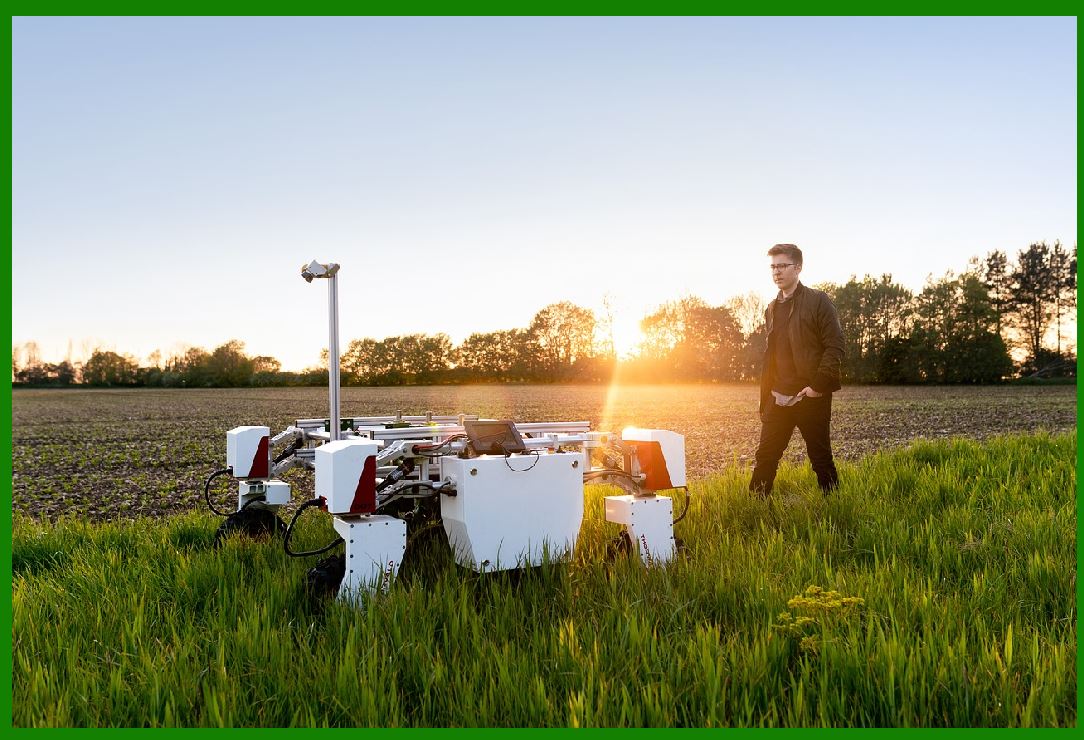
IoT is revolutionizing the agriculture industry by improving crop yields, reducing waste, and ensuring better food security. By using IoT-enabled sensors and devices, farmers can monitor their fields, livestock, and equipment in real time. |
18.1. Precision Farming |
Precision farming uses IoT technology to monitor soil moisture, temperature, humidity, and other environmental factors. This allows farmers to make data-driven decisions on irrigation, fertilization, and pesticide application, leading to better yields and resource conservation. |
Smart Irrigation Systems: These systems use soil moisture sensors to optimize irrigation schedules, ensuring crops receive the right amount of water at the right time. |
Drone Monitoring: Drones equipped with IoT sensors capture aerial images of crops, helping farmers assess plant health, detect diseases, and identify areas that need attention. |
18.2. Livestock Management |
IoT in livestock management helps farmers track the health, location, and activity of animals in real time. This reduces the risk of disease outbreaks, ensures better animal welfare, and improves productivity. |
Wearable Sensors: IoT sensors attached to animals monitor their health metrics, such as temperature and heart rate, and send alerts to farmers when something goes wrong. |
GPS Tracking: GPS-enabled collars allow farmers to monitor the location of livestock, ensuring that animals are not lost or straying outside of designated areas. |
18.3. Food Traceability |
IoT is enhancing food traceability, allowing consumers to know where their food comes from and ensuring its safety. Sensors embedded in packaging or along the supply chain track food from farm to table, providing valuable information about production, processing, and transportation. |

|
19. Challenges of IoT Implementation |
While IoT has many benefits, it also comes with its own set of challenges that organizations must consider before adoption. |
19.1. Privacy Concerns |
IoT devices often collect sensitive data, such as health metrics, location, and personal preferences. Ensuring that this data is protected from unauthorized access is paramount. |
Data Encryption: Sensitive data should be encrypted both in transit and at rest to protect against data breaches. |
User Consent: IoT devices should clearly inform users about the data being collected and how it will be used. |
19.2. Integration and Interoperability |
IoT devices often come from different manufacturers and may use different communication protocols, which can make it challenging to integrate them into a single system. |
Standardization: Industry standards and protocols like MQTT, CoAP, and Zigbee help promote interoperability between different IoT devices. |
Platform Compatibility: Businesses must ensure that their IoT systems are compatible with existing IT infrastructure and can scale as needed. |
19.3. Security Issues |
IoT devices are often vulnerable to cyberattacks due to weak security protocols, which can expose systems to data breaches and malicious intrusions. |
Device Authentication: Strong authentication mechanisms must be used to ensure that only authorized devices can access the network. |
Software Updates: Regular security patches and updates are crucial to maintaining the integrity of IoT devices and preventing exploitation by attackers. |

|
20. The Future of IoT: Emerging Trends and Technologies |
The future of IoT is exciting, with advancements in 5G, AI, blockchain, and more transforming the landscape. Here are some trends that are expected to shape the next generation of IoT: |
20.1. IoT and 5G Integration |
5G technology will revolutionize IoT by providing higher bandwidth, lower latency, and better connectivity. This will enable real-time communication for mission-critical IoT applications, such as autonomous vehicles, smart grids, and remote healthcare. |
Enhanced Connectivity: 5G networks will allow IoT devices to operate with greater reliability and speed, enabling applications that require immediate responses. |
Massive Device Connectivity: 5G can support a much higher density of connected devices, which is critical for large-scale IoT deployments, such as in smart cities. |
20.2. Blockchain and IoT Security |
Blockchain technology, known for its decentralized and tamper-proof nature, is being integrated with IoT to address security and privacy concerns. |
Secure Data Sharing: Blockchain can be used to secure the data exchange between IoT devices, ensuring that sensitive information is protected and transparent. |
Smart Contracts: IoT devices can use blockchain-powered smart contracts to autonomously execute agreements and transactions based on predefined conditions. |
This extended discussion continues to build a comprehensive picture of IoT, covering applications, challenges, and emerging technologies |
Use barcode tech in IoT |
The integration of barcode technology with the Internet of Things (IoT) is a powerful combination that enhances the functionality of both systems. Barcode technology, which has been widely used for identification, tracking, and inventory management, can be seamlessly incorporated into IoT solutions to improve automation, accuracy, and efficiency. This integration is transforming industries by enabling smarter devices, enhanced real-time tracking, and streamlined processes. |
|
Let’s explore how barcode technology plays a role in IoT: |
1. Barcode Technology Overview in IoT |
Barcode technology is primarily used for identifying and tracking products, assets, or data. A barcode is an optical representation of data that can be scanned by barcode readers (or scanners) to retrieve that data. The most common types of barcodes are: |
1D Barcodes (Linear Barcodes): These barcodes represent data using parallel lines of varying widths. |
2D Barcodes (QR Codes, Data Matrix, etc.): These barcodes encode data in two dimensions, allowing them to store much more information in the same amount of space. |
RFID (Radio Frequency Identification): Though different from barcodes, RFID can complement barcode technology in IoT systems by offering contactless, real-time tracking. |
In an IoT context, barcode technology is enhanced by IoT sensors, connectivity, and data processing. IoT-enabled barcode systems allow for real-time data sharing, monitoring, and decision-making. |
|
2. IoT Applications of Barcode Technology |
2.1. Inventory and Asset Management |
In warehouses, retail stores, and manufacturing plants, IoT-enabled barcode systems are used to track inventory and assets in real-time. Each product or asset can be tagged with a barcode, and IoT-enabled scanners or cameras can automatically scan these barcodes to update the system with information on location, stock levels, and movement. |
Automatic Stock Updates: When an item is scanned, the barcode scanner (integrated with IoT) can instantly update inventory databases, alerting systems about low stock or triggering automatic reorders. |
Real-Time Tracking: IoT sensors embedded in products or packages can send data back to the system as the item moves, making it possible to track inventory in real-time, reducing errors and improving efficiency. |
2.2. Supply Chain Management |
IoT-powered barcode scanning systems improve supply chain transparency by providing detailed, real-time data on goods in transit. Barcodes are used to tag products, and IoT-enabled scanners track their movement through the supply chain from production to delivery. |
Tracking and Traceability: Each product or shipment is tagged with a barcode, and as it moves through various stages (e.g., warehouse, distribution center, transport), its location and condition are monitored via IoT sensors. |
Efficient Delivery: GPS and RFID integrated with barcodes allow IoT systems to track products and shipments in real-time, optimizing delivery routes and schedules, improving speed, and reducing costs. |
2.3. Smart Manufacturing |
In smart manufacturing environments, barcode technology integrated with IoT can streamline operations and increase productivity. Products on production lines are tagged with barcodes that are scanned at each stage of the manufacturing process. |
Automated Quality Control: IoT sensors track items as they pass through quality control stages, ensuring that each item is inspected and scanned. If an item fails quality control, the barcode information can trigger alerts, allowing for immediate corrective action. |
Maintenance Scheduling: When a barcode is scanned on machinery or equipment, IoT sensors can capture data about its usage and condition. This data is sent to a maintenance system, triggering alerts when a machine requires maintenance or servicing. |
Smart Equipment: Some IoT devices embedded with barcode scanners automatically detect and catalog incoming materials and finished products, adjusting production lines accordingly. |
2.4. Healthcare and Medical Device Tracking |
Barcodes are commonly used in healthcare for tracking medical devices, pharmaceuticals, and patient information. By integrating barcode systems with IoT technology, healthcare providers can enhance patient safety and operational efficiency. |
Medication Management: IoT-enabled barcode scanning systems are used to track medications and prescriptions, ensuring that the right drugs are administered to the right patients. |
Asset Management: Medical equipment such as infusion pumps, wheelchairs, and ECG machines can be tagged with barcodes, allowing healthcare workers to track their location and condition in real-time using IoT sensors. |
Patient Tracking: Barcoded wristbands are used for patient identification, and IoT-enabled scanners can ensure accurate monitoring of patient data, ensuring better care coordination. |
2.5. Retail and Customer Experience |
In the retail sector, IoT-enabled barcode systems can improve inventory management, product tracking, and the overall customer shopping experience. |
Smart Shopping Carts: Some stores use IoT-enabled shopping carts that scan barcodes on products as they are added to the cart, automatically updating the customer's cart total and eliminating the need for checkout counters. |
Contactless Payments: Customers can scan QR codes (a type of 2D barcode) to make payments using mobile devices, making the checkout process quicker and more convenient. |
Shelf Management: IoT sensors can monitor product levels on store shelves, ensuring that items are always stocked and available for customers. If a barcode scan indicates low stock, it can automatically trigger a restock order. |
2.6. Agriculture and Livestock Tracking |
In agriculture, IoT systems combined with barcodes can help farmers track crop production, livestock health, and farm equipment. |
Crop Monitoring: IoT sensors attached to plants can monitor growth conditions, and barcodes on plants or agricultural products provide a record of their origin and status in the supply chain. |
Livestock Identification: Farmers use barcoded tags on livestock for identification and monitoring. IoT sensors embedded in the tags can track the animal’s health, location, and activity levels, sending real-time data to the farmer. |
Field Sensors: IoT-enabled field sensors use barcodes to track the conditions of specific areas in the field, enabling farmers to apply pesticides, water, or fertilizers only where needed. |
|
3. Benefits of Integrating Barcode Technology with IoT |
3.1. Real-Time Data Collection and Monitoring |
One of the biggest advantages of integrating barcodes with IoT is the ability to collect data in real time. IoT devices, such as scanners and sensors, can continuously scan barcodes to update information on inventory, shipments, or assets. This eliminates delays and manual data entry, providing up-to-date visibility. |
3.2. Automation and Efficiency |
Barcodes streamline workflows and enhance automation in IoT systems. With IoT-enabled barcode systems, organizations can automate processes such as inventory updates, stock replenishment, and order processing. This reduces human error, increases operational efficiency, and accelerates decision-making. |
3.3. Improved Accuracy and Reduced Errors |
IoT-enabled barcode systems minimize the chance of errors. Manual tracking methods are prone to mistakes, especially in fast-paced environments, but barcode scanning ensures that the correct data is recorded every time, enhancing accuracy. |
3.4. Cost Reduction |
Integrating barcode technology with IoT helps reduce operational costs. In supply chains and manufacturing processes, barcode scanning automates data collection and eliminates the need for manual labor. Additionally, real-time inventory tracking helps prevent stockouts, overstocking, and product loss. |
3.5. Enhanced Traceability and Transparency |
With IoT-enabled barcode systems, organizations can track the movement of goods, assets, and products from start to finish. This is particularly important for industries like healthcare and food safety, where traceability is vital for compliance and safety standards. |
Supply Chain Transparency: Barcodes, integrated with IoT sensors, provide detailed data about the conditions and location of products at every point in the supply chain. |
Compliance and Reporting: Barcode tracking helps organizations comply with regulatory requirements. For example, the ability to track the movement of pharmaceutical products using barcode technology ensures compliance with laws like the Drug Supply Chain Security Act (DSCSA). |
3.6. Increased Customer Satisfaction |
In retail and healthcare, IoT-enabled barcode systems enhance customer experiences by improving speed and accuracy. In retail, customers benefit from quicker checkouts, while in healthcare, barcode-enabled IoT systems ensure the right treatments and medications are administered to patients in a timely manner. |

|
4. Challenges of Integrating Barcode Technology with IoT |
While the integration of barcode technology with IoT offers significant advantages, there are some challenges to consider: |
4.1. Device Compatibility |
IoT systems use a wide range of devices, each with its own communication protocols, which may not always be compatible with barcode scanners or other barcode-related devices. Ensuring seamless integration of different technologies and devices can be complex. |
4.2. Data Security and Privacy |
IoT systems that use barcode technology often collect sensitive data, such as patient health records or customer purchase histories. Ensuring that this data is securely transmitted, stored, and accessed is critical to prevent data breaches and maintain privacy. |
4.3. Infrastructure and Investment |
Implementing IoT systems that use barcode technology requires significant investment in infrastructure, including IoT sensors, scanners, network connectivity, and backend software systems. Small businesses or organizations with limited budgets may find it difficult to deploy these systems at scale. |
4.4. Maintenance and Updates |
Maintaining and updating the system can be challenging. As barcode technology evolves, businesses need to ensure that their IoT devices remain compatible with new barcode formats and communication protocols. Regular software updates, device calibration, and security patches are essential to keep the system functioning optimally. |
|
5. Future Trends of Barcode Technology in IoT |
The integration of barcode technology with IoT is expected to evolve rapidly, driven by advancements in both fields. Some future trends include: |
5.1. Advanced 2D Barcodes |
As IoT continues to grow, more advanced barcode types such as QR codes and Data Matrix codes will become more widely adopted. These 2D barcodes can store more data than traditional 1D barcodes and offer enhanced capabilities, such as storing URLs, product details, and even payment information. |
5.2. Increased Use of RFID |
While barcodes require line-of-sight scanning, RFID (Radio Frequency Identification) allows for contactless, non-line-of-sight scanning. Combining RFID with IoT will increase the efficiency of tracking products and assets in real-time, reducing the need for manual scanning and improving automation. |
5.3. Integration with Artificial Intelligence (AI) |
AI-driven barcode systems will enhance decision-making by analyzing real-time data collected from IoT devices. For example, AI can predict supply chain disruptions or maintenance needs based on data obtained from barcode scanners and IoT sensors. |
The integration of barcode technology with IoT is an exciting development that is transforming industries worldwide. It enables seamless tracking, automation, and real-time decision-making, leading to more efficient operations and better customer experiences. As this integration evolves, businesses will increasingly rely on IoT-enabled barcode systems to stay competitive and enhance their operational capabilities. |
|
Here are some practical examples of how barcode technology integrated with IoT is used in various industries: |
1. Smart Warehousing and Inventory Management |
Scenario: Automated Inventory Updates in a Warehouse |
Example: |
In a large retail or e-commerce warehouse, barcodes are attached to products and packages. As items are moved, scanned, or shipped, IoT-enabled barcode scanners (integrated with warehouse management systems) update the inventory in real-time. |
How It Works: |
Products are tagged with 1D or 2D barcodes (such as QR codes or Data Matrix codes) at the point of manufacture. |
RFID tags might also be used for tracking in addition to barcodes. IoT-connected scanners or mobile devices in the warehouse automatically scan barcodes as goods move through different areas (shelves, packing stations, shipping). |
The inventory system (connected to the IoT network) receives these scans in real time and updates stock levels, locations, and order statuses without manual input. |
Benefits: |
Real-Time Inventory Tracking: There’s no need for periodic stock checks. The system continuously monitors inventory. |
Error Reduction: Manual data entry is eliminated, reducing human error. |
Faster Operations: With IoT-enabled automation, the process of updating stock levels becomes quicker and more efficient, speeding up fulfillment processes. |
|
2. Healthcare: Medication Tracking and Patient Safety |
Scenario: Real-Time Medication Monitoring |
Example: |
Hospitals use barcode scanning to track medication from the pharmacy to patient administration, ensuring the right medication is given to the right patient at the right time. |
How It Works: |
Barcoded wristbands are assigned to each patient upon admission. The wristband contains vital patient data such as name, ID number, and allergies in the form of a barcode (1D or 2D). |
Medications also have barcodes on their packaging. |
IoT-enabled barcode scanners or mobile devices are used by nurses or doctors to scan the patient's wristband and the medication barcode before administration. |
If the medication is matched correctly, the IoT system sends real-time data to a central database, updating the patient’s records. |
If there’s a mismatch (wrong medication, dosage, or patient), an alert is triggered in the system. |
Benefits: |
Improved Patient Safety: Scanning ensures the correct medication is administered to the right patient. |
Real-Time Updates: Medication administration data is logged immediately, reducing the chances of mistakes and improving documentation. |
Automated Alerts: IoT-enabled systems trigger alerts for mismatches, enabling quick corrections. |
|
3. Retail: Smart Shelves and Customer Experience |
Scenario: Automated Stock Replenishment in Retail Stores |
Example: |
In a grocery store or retail shop, IoT-enabled smart shelves equipped with barcode scanners and sensors automatically detect when products are running low. |
How It Works: |
Each product on the shelf is tagged with a barcode. |
IoT sensors are embedded in the shelf to monitor stock levels in real time. The sensors can detect changes in weight or movement, indicating when items are taken. |
When stock reaches a predetermined threshold, the barcode scanners or sensors automatically trigger a request to the system to replenish the stock. |
The inventory system is updated instantly, and orders are automatically placed with suppliers to restock items. |
Benefits: |
Efficient Stock Management: Stockouts are minimized, ensuring customers can always find the products they need. |
Time Savings: Retail staff don’t have to manually monitor or update stock levels, freeing them up for customer service. |
Enhanced Customer Experience: Customers don’t face empty shelves, leading to improved satisfaction. |
|
4. Supply Chain: Real-Time Tracking of Shipments |
Scenario: Shipment and Asset Tracking in the Supply Chain |
Example: |
A logistics company uses barcode and IoT technology to track the movement of shipments across the supply chain, from the warehouse to final delivery. |
How It Works: |
Each shipment or package is labeled with a barcode that includes tracking information. |
IoT sensors attached to the shipment provide additional data such as temperature, humidity, and location via GPS. |
Scanners installed at key points along the supply chain (e.g., loading docks, sorting centers) scan the barcode to track the shipment’s progress. |
The IoT network updates the shipment's status in real-time, sending notifications to customers and managers about the package’s current location, estimated delivery time, and any potential delays. |
Benefits: |
End-to-End Visibility: Both customers and logistics managers can track the package’s location and condition in real time. |
Faster Decision Making: Real-time data enables quicker responses to delays, damages, or other issues in transit. |
Reduced Losses: Packages are better monitored, reducing the chances of misplacement or theft. |
|
5. Manufacturing: Predictive Maintenance for Equipment |
Scenario: Equipment Condition Monitoring in a Factory |
Example: |
In a manufacturing plant, IoT-enabled barcode systems track the condition of machinery and automate maintenance schedules based on usage. |
How It Works: |
Barcodes or RFID tags are placed on critical machinery and equipment. |
IoT sensors monitor key parameters like temperature, vibration, and performance. |
The barcode scanner reads the tag when maintenance personnel interact with equipment and automatically logs the usage and maintenance history in the system. |
Based on IoT data collected, the system can predict when a machine is likely to fail or requires preventive maintenance based on wear-and-tear data, triggering automated alerts for the maintenance team. |
If a part’s barcode is scanned and its data suggests it’s nearing the end of its useful life, alerts are sent to schedule replacement or repairs. |
Benefits: |
Reduced Downtime: Preventive maintenance is performed before a failure occurs, leading to fewer unscheduled stoppages. |
Cost Savings: Maintenance costs are reduced because repairs are planned and proactive, not reactive. |
Improved Productivity: Equipment runs efficiently with less interruption, boosting overall productivity. |
|
6. Agriculture: Crop and Livestock Monitoring |
Scenario: IoT-Based Livestock Monitoring with Barcodes |
Example: |
A farm uses IoT-based barcode tags to track and monitor livestock, ensuring the health and well-being of animals. |
How It Works: |
Each animal is tagged with a barcoded ear tag that contains its identification number and health data. |
IoT sensors attached to the animals monitor their vital signs (e.g., temperature, movement, activity levels). |
The barcode can be scanned by workers using a mobile device to access the animal’s full health record, including vaccinations, medical history, and location. |
Real-Time Alerts are triggered if an animal’s data shows signs of illness or distress (such as unusual movement patterns or a drop in activity), and corrective actions are immediately taken. |
Benefits: |
Health Monitoring: Livestock health can be continuously tracked, leading to quicker interventions if animals are sick. |
Increased Productivity: Ensuring the well-being of animals leads to better growth rates and higher-quality products (e.g., milk, meat). |
Better Traceability: Barcoded tags provide clear documentation of each animal’s health and farming conditions, useful for regulatory compliance. |
|
7. Retail: Contactless Payments and Checkout Systems |
Scenario: QR Code Payments at Checkout |
Example: |
A coffee shop or retail store uses QR codes (a type of 2D barcode) as part of an IoT-powered contactless payment system. |
How It Works: |
Customers open the store's app on their mobile device, which displays a unique QR code representing their transaction. |
At checkout, the barcode scanner (integrated with the store's POS system) scans the customer’s QR code. |
The IoT-powered system processes the payment and updates inventory in real time. |
After scanning, the transaction is logged, and the customer receives a digital receipt via email or mobile app. |
Benefits: |
Faster Transactions: No need for cash or physical credit card swipes, speeding up the checkout process. |
Reduced Touchpoints: With QR codes, customers don’t need to touch anything other than their phone, promoting safer, more hygienic interactions. |
Seamless Integration: IoT systems ensure that payment, inventory updates, and customer records are all updated automatically. |
|
8. Smart Buildings: Energy Management and Automation |
Scenario: Energy Consumption Tracking in Smart Buildings |
Example: |
In a smart office building, IoT-enabled barcode systems help track energy consumption and optimize energy usage. |
How It Works: |
Barcodes are attached to energy meters, HVAC systems, and lighting fixtures in the building. |
IoT sensors monitor real-time data like electricity consumption, temperature, and light levels, sending this data to a central building management system. |
The system automatically scans the barcodes and collects usage data, adjusting heating, cooling, and lighting based on occupancy or time of day. |
Reports are generated showing energy consumption per unit or floor, allowing facility managers to identify areas for improvement and reduce energy waste. |
Benefits: |
Energy Efficiency: The building uses less energy by adjusting systems based on real-time usage. |
Cost Reduction: Energy savings reduce operational costs over time. |
Sustainability: Optimizing energy use reduces the building's carbon footprint, contributing to sustainability goals. |
These examples illustrate how barcode technology, combined with IoT capabilities, can create intelligent, connected systems that drive automation, improve efficiency, and enhance real-time decision-making across various sectors |
Let's continue exploring more practical examples of how barcode technology integrated with IoT is transforming various industries and applications. This time, we'll focus on some additional sectors where this integration brings even greater value. |
|
9. Smart Logistics and Fleet Management |
Scenario: Real-Time Fleet Monitoring and Route Optimization |
Example: |
In logistics and transportation, IoT-enabled barcode systems help manage and monitor fleets in real time, optimizing routes, reducing delays, and ensuring efficient use of resources. |
How It Works: |
Barcodes are attached to packages, cargo, or containers, as well as vehicles (trucks, delivery vans, etc.). |
IoT sensors track the location, temperature, and condition of the cargo. For example, a temperature-sensitive shipment (such as pharmaceuticals or perishable goods) might include a temperature barcode tag that records and transmits data on the item’s condition throughout its journey. |
GPS-enabled barcode scanners track the vehicle’s movement in real time. When a barcode is scanned at key checkpoints (e.g., at the warehouse, on loading docks, or en route), the system updates its location and estimated delivery times. |
The IoT system analyzes traffic data, road conditions, and historical trends to recommend the most optimal delivery routes for each vehicle, factoring in both the cargo’s location and the vehicle's location. |
Benefits: |
Reduced Delivery Delays: Real-time tracking and route optimization ensure faster and more efficient deliveries. |
Real-Time Cargo Monitoring: For sensitive goods, continuous monitoring of environmental conditions (e.g., temperature) ensures products are kept in the right conditions. |
Fleet Efficiency: GPS data and smart route planning help maximize vehicle efficiency, reducing fuel consumption and maintenance costs. |
|
10. Smart Retail: Personalized In-Store Experiences |
Scenario: Personalized Marketing Based on In-Store Interactions |
Example: |
IoT and barcode technology combined are used to offer a personalized shopping experience for customers based on their in-store behavior and interactions with products. |
How It Works: |
Customers carry mobile devices that are equipped with QR code scanners or NFC-enabled apps. |
Smart shelves in the store are embedded with IoT sensors that detect when products are picked up or touched. Each product is tagged with a barcode. |
When a customer picks up a product, the store’s IoT system detects the interaction. The QR code or product barcode is scanned to identify the product. |
The IoT system pushes personalized offers or recommendations to the customer's mobile device based on their purchase history, preferences, or loyalty program. |
In addition, the system can update the store's digital displays with real-time promotions based on the customer's behavior or location in the store. |
Benefits: |
Enhanced Customer Experience: Personalized recommendations and offers make the shopping experience more engaging and tailored to each customer. |
Improved Sales and Conversions: By offering promotions and discounts on the spot, customers are more likely to make a purchase. |
Increased Store Efficiency: Real-time interactions with products help optimize inventory and marketing efforts. |
|
11. Smart Farming and Precision Agriculture |
Scenario: Crop Health Monitoring with IoT-Enabled Barcode Systems |
Example: |
In smart farming, IoT sensors and barcode technology are used together to monitor crop health, track field conditions, and automate farming processes. |
How It Works: |
Barcodes or QR codes are affixed to specific sections of the farm, such as crop fields or plant beds. These barcodes link to detailed information about soil conditions, irrigation systems, or plant health. |
IoT sensors track environmental variables like soil moisture, temperature, and nutrient levels in real time. When the barcode on a plant or field section is scanned, the system retrieves information from the database, providing real-time data on the crop's health status. |
IoT systems can be connected to drone technology, where drones scan barcoded tags and take aerial images of the crops, analyzing them for any signs of disease, nutrient deficiencies, or pest infestations. |
The IoT system then uses this data to automatically adjust irrigation systems or activate drones that deliver pesticides or fertilizers to specific areas of the field. |
Benefits: |
Increased Crop Yields: By monitoring conditions and responding to plant needs in real time, farmers can maximize crop productivity. |
Resource Optimization: IoT-driven irrigation and fertilization reduce waste and ensure that resources like water and fertilizers are applied efficiently. |
Early Disease Detection: Drones and sensors help identify early signs of disease or pest infestations, allowing for quick intervention and minimizing crop loss. |
|
12. Smart Homes: Automated Management of Home Appliances |
Scenario: IoT-Connected Home Devices with Barcode Scanning for Maintenance |
Example: |
In a smart home, IoT devices such as thermostats, lighting systems, and security cameras are paired with barcode scanning for maintenance and inventory management. |
How It Works: |
Each home appliance (such as a refrigerator, washing machine, or air purifier) is tagged with a barcode containing unique product and maintenance information. |
IoT-enabled devices in the home continuously monitor the condition of appliances. For example, a smart thermostat could track temperature fluctuations, while a smart refrigerator monitors energy usage. |
When maintenance is required (e.g., replacing an air filter or cleaning a vent), users can scan the barcode to access the maintenance schedule, part replacement instructions, and relevant troubleshooting information. |
The IoT system might also notify the homeowner when supplies like air filters or cleaning products (with associated barcodes) need to be replaced or restocked, automatically ordering replacements through an e-commerce platform. |
Benefits: |
Efficient Home Management: Barcodes and IoT make it easier for homeowners to maintain appliances, reducing downtime and repairs. |
Preventive Maintenance: IoT systems can alert homeowners to upcoming maintenance tasks, helping to extend the life of appliances and keep homes running smoothly. |
Convenience: Scanning barcodes on household products for reordering or replacement ensures a hassle-free experience for consumers. |
|
13. Automotive Industry: Parts Tracking and Maintenance |
Scenario: Automotive Parts and Maintenance Tracking |
Example: |
In the automotive industry, barcode and IoT technology are used to track the condition of automotive parts, manage inventories, and automate maintenance scheduling. |
How It Works: |
Barcodes are affixed to critical vehicle components such as engines, tires, or batteries. |
IoT sensors embedded in the vehicle monitor the performance and wear of these parts over time. For example, sensors on tires can measure tire pressure and tread depth, while an engine's barcode links to maintenance records and performance data. |
When the barcode is scanned (either manually or through an IoT-powered device), the system retrieves real-time data, including service history, usage patterns, and predicted wear and tear. |
If a part is nearing the end of its lifespan or requires maintenance, the IoT system automatically generates a work order for the maintenance shop and schedules the repair. |
Benefits: |
Improved Vehicle Reliability: Real-time data helps prevent unexpected breakdowns by ensuring timely maintenance. |
Efficiency in Parts Replacement: Barcode scanning streamlines the process of ordering replacement parts and scheduling services, reducing downtime. |
Better Customer Experience: For vehicle owners, having maintenance managed through IoT systems ensures that repairs are done proactively rather than reactively. |
|
14. Smart Logistics: Cold Chain Monitoring |
Scenario: Temperature-Controlled Shipping and Storage |
Example: |
In the cold chain industry, where products such as food, medicine, or chemicals need to be stored and transported under specific temperature conditions, barcode technology integrated with IoT sensors is used to monitor and maintain the required temperatures. |
How It Works: |
Barcode labels are placed on temperature-sensitive items such as vaccines, perishable food items, or pharmaceuticals. |
IoT temperature sensors are embedded in packaging or storage facilities to monitor the temperature in real time. |
As items are moved through the supply chain, barcode scanners scan the products at various checkpoints (e.g., warehouse, shipping dock, truck), ensuring the products remain within the correct temperature range. |
If the temperature rises above or falls below the preset threshold, the IoT system triggers an alert to logistics managers, allowing them to make immediate adjustments (e.g., switching to refrigeration or rerouting shipments). |
Benefits: |
Reduced Product Loss: Real-time temperature tracking helps prevent spoilage or degradation of sensitive products, ensuring they reach their destination in optimal condition. |
Compliance: IoT-enabled barcode systems make it easier to comply with regulatory requirements for the transportation of temperature-sensitive goods. |
Transparency: Real-time data offers complete visibility of the cold chain, enhancing traceability and providing reassurance to customers and regulators. |
 cs@easiersoft.com