1. Introduction to UHF RFID Technology |
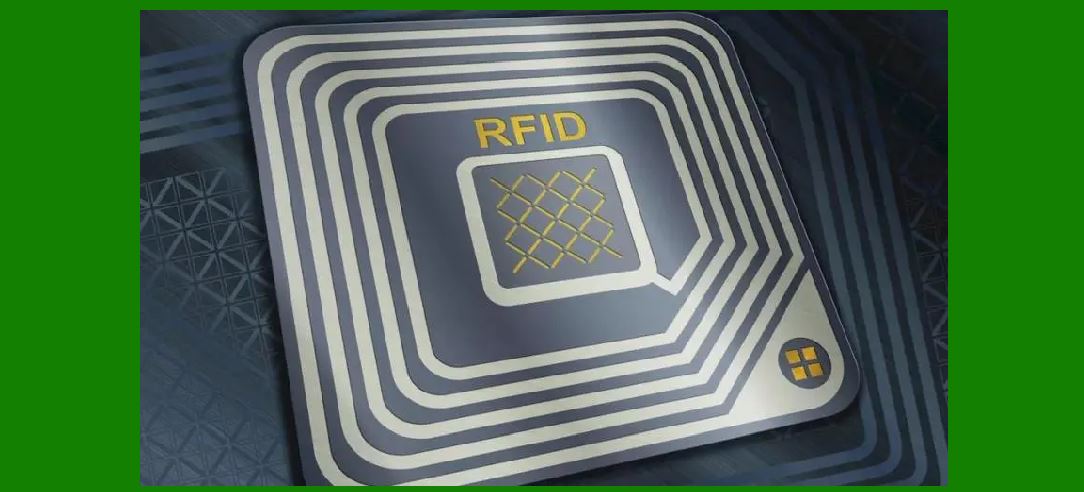
UHF RFID (Ultra High Frequency Radio Frequency Identification) is a technology used for automatic identification and data capture. It operates within the UHF frequency range of 860 to 960 MHz. UHF RFID systems consist of three main components: tags, readers, and antennas. UHF RFID tags contain a microchip and an antenna, while readers emit radio waves and receive signals from the tags. The primary advantage of UHF RFID over other types of RFID technology, such as LF (Low Frequency) and HF (High Frequency), is its ability to read tags at longer distances and faster speeds. |
|
2. Overview of Recent Developments in UHF RFID Technology |
Recent advancements in UHF RFID technology have significantly enhanced its performance, durability, and functionality. These developments include improvements in passive tag design, advancements in memory and processing capabilities, and innovations in tag durability and performance in various environmental conditions. |
|
3. Enhanced Memory and Processing Capabilities |
3.1 Increased Memory Capacity |
One of the notable advancements in UHF RFID technology is the enhancement of memory capacities within passive tags. Modern UHF RFID tags now feature increased memory, allowing them to store more data compared to earlier versions. This is particularly beneficial for applications that require the storage of detailed information. |
Example: A recent development is the introduction of UHF RFID tags with up to 32 kilobytes of memory. This expanded capacity enables the storage of complex data structures such as product information, serial numbers, and maintenance histories, making it suitable for applications in supply chain management and asset tracking. |
3.2 Improved Processing Power |
Advancements in processing capabilities have also been a significant development. Newer UHF RFID tags are equipped with more powerful microchips that can perform complex computations and data processing tasks. This improved processing power allows tags to execute more sophisticated commands and handle more complex data operations. |
Example: Tags with embedded encryption algorithms can now securely process and transmit sensitive data, enhancing security in applications such as financial transactions and personal identification. |

|
4. Innovations in Tag Durability |
4.1 Enhanced Resistance to Environmental Conditions |
Modern UHF RFID tags are designed to withstand harsh environmental conditions. Improvements in materials and construction techniques have increased the durability of tags, making them suitable for use in extreme environments such as high temperatures, moisture, and chemical exposure. |
Example: Tags used in the automotive industry are now engineered to withstand high temperatures and vibrations, ensuring reliable performance throughout the lifecycle of automotive components. Similarly, RFID tags used in agricultural applications are designed to resist exposure to water and soil. |
4.2 Advanced Tag Designs for Improved Performance |
Innovations in tag design have led to the development of tags with better performance characteristics. These include improved read range, increased sensitivity, and enhanced robustness. |
Example: The introduction of high-gain antennas and optimized tag geometries has improved the read range of UHF RFID tags. Tags with these advanced designs can now be read from distances exceeding 10 meters, which is advantageous for applications requiring long-range identification. |
|
5. Integration with Other Technologies |
5.1 RFID and IoT Integration |
The integration of UHF RFID with the Internet of Things (IoT) is a significant advancement. By combining RFID technology with IoT platforms, organizations can achieve real-time data monitoring and analytics. |
Example: In logistics and supply chain management, RFID tags can be integrated with IoT systems to provide real-time tracking of shipments. This integration allows for the monitoring of conditions such as temperature and humidity, improving the management of perishable goods. |
5.2 RFID and Blockchain Technology |
Another notable development is the use of blockchain technology in conjunction with UHF RFID. Blockchain provides a decentralized and secure way to record and verify transactions, which can enhance the security and traceability of RFID data. |
Example: In the pharmaceutical industry, UHF RFID tags can be used to track the production and distribution of drugs, while blockchain technology ensures that the data is immutable and transparent, reducing the risk of counterfeiting. |

|
6. Applications and Case Studies |
6.1 Retail and Inventory Management |
UHF RFID technology has revolutionized inventory management and retail operations. Enhanced memory and processing capabilities have enabled more detailed tracking of inventory, leading to improved accuracy and efficiency. |
Example: Major retailers like Walmart and Zara have implemented UHF RFID systems to manage their inventory. RFID tags on products allow for real-time stock visibility, reducing stockouts and overstock situations. |
6.2 Healthcare and Asset Tracking |
In the healthcare sector, UHF RFID tags are used for asset tracking, patient identification, and inventory management. The durability and enhanced memory of modern RFID tags contribute to better management of medical equipment and pharmaceuticals. |
Example: Hospitals use RFID tags to track surgical instruments and ensure they are sterilized and ready for use. The improved processing capabilities allow for real-time monitoring and reporting, enhancing patient safety and operational efficiency. |
6.3 Logistics and Supply Chain |
UHF RFID technology is widely used in logistics and supply chain management for tracking and managing goods. The ability to store detailed information and withstand environmental conditions makes RFID tags valuable in this sector. |
Example: Logistics companies use UHF RFID tags to monitor the movement of containers and pallets. Enhanced memory allows for the storage of detailed shipment information, while increased durability ensures reliable performance in various conditions. |

|
7. Future Trends and Challenges |
7.1 Advances in Tag Technology |
Future developments in UHF RFID are likely to focus on further enhancements in tag technology. This includes the development of tags with even greater memory capacities, faster processing speeds, and improved durability. |
Example: Researchers are exploring the use of advanced materials such as flexible electronics and nanotechnology to create next-generation RFID tags that are lighter, more durable, and capable of higher performance. |
7.2 Privacy and Security Concerns |
As UHF RFID technology becomes more integrated into various applications, privacy and security concerns are becoming increasingly important. Ensuring the protection of sensitive data and preventing unauthorized access to RFID tags will be a key challenge. |
Example: The use of encryption and authentication mechanisms will be crucial in addressing security concerns. Additionally, advancements in anti-tampering technologies will help protect RFID tags from unauthorized manipulation. |

|
8. Conclusion |
Recent advancements in UHF RFID technology have significantly enhanced the performance, durability, and functionality of passive tags. Improved memory and processing capabilities, along with innovations in tag design and integration with other technologies, have expanded the potential applications of UHF RFID. As technology continues to evolve, further advancements are expected to address emerging challenges and unlock new opportunities across various industries. |
|
 cs@easiersoft.com