Dynamic Barcode: Real-Time Content Update Through Cloud Association |
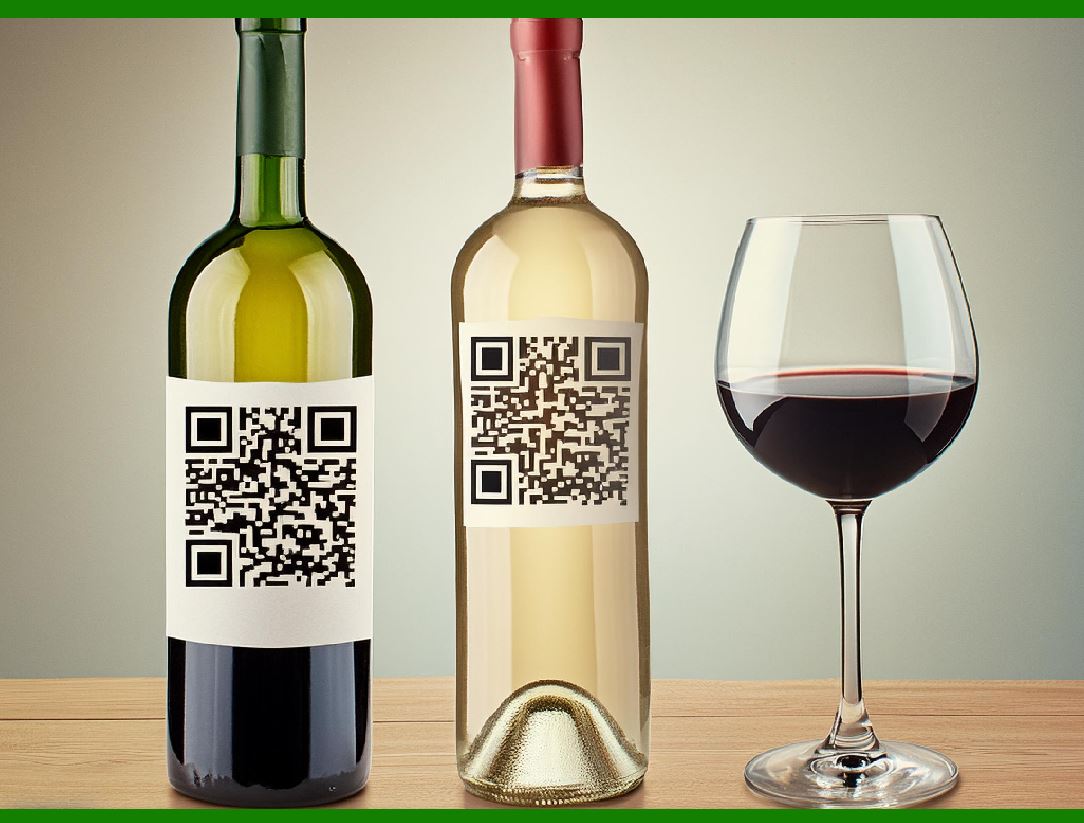
Dynamic barcodes represent a significant evolution in barcode technology, allowing for real-time updates and offering a higher level of security compared to static barcodes. Unlike traditional barcodes that encode fixed information, dynamic barcodes are linked to a cloud-based service, enabling them to reflect updated content such as payment statuses, logistics tracking, or product information without requiring any changes to the physical barcode itself. This advancement has the potential to significantly improve both security and efficiency in industries such as retail, logistics, and finance. |
|
1. Introduction to Dynamic Barcodes |
Barcodes have become ubiquitous in modern commerce, logistics, and manufacturing, providing a means for encoding information quickly and accurately. Traditional barcodes, such as 1D and 2D types (e.g., QR codes), encode static data that does not change over time. For example, a barcode on a product may encode the product's price or SKU, but that information remains the same unless manually altered. |
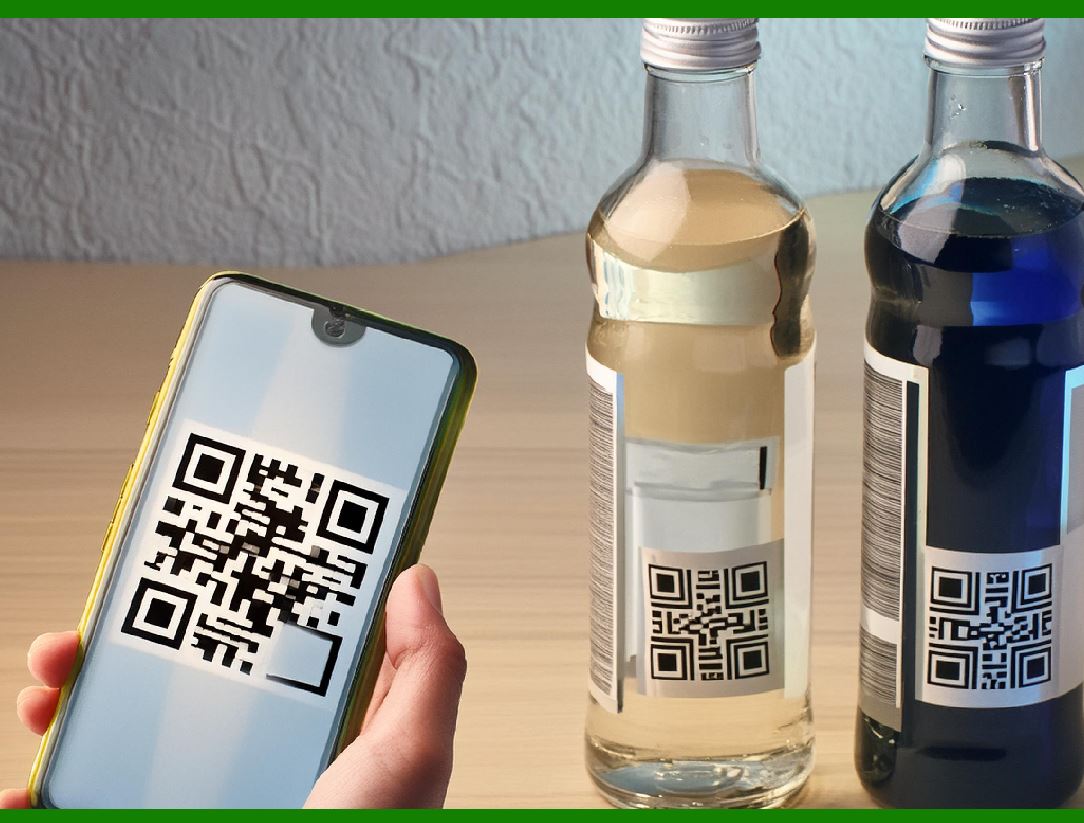
Dynamic barcodes, in contrast, represent a major leap forward. These barcodes are not fixed but are associated with cloud-based data that can be updated in real time. For example, a dynamic barcode linked to a payment system may initially encode a payment request, but once scanned, the barcode could link to a server where it retrieves up-to-date payment status information, or even change the amount to be paid based on user input. |
This ability to change data remotely allows dynamic barcodes to play a crucial role in real-time content updates, enhancing security and reducing the risks associated with static barcodes. With dynamic barcodes, the data encoded within the barcode is not directly stored on the physical code but is instead retrieved from a remote server. This means that any changes made to the content of the barcode are instantly reflected when the barcode is scanned. |
|
2. How Dynamic Barcodes Work |
The basic premise of dynamic barcodes is that they link to a cloud-based system that stores the actual content of the barcode. Here's a breakdown of how they function: |
2.1. Cloud-Based Association |
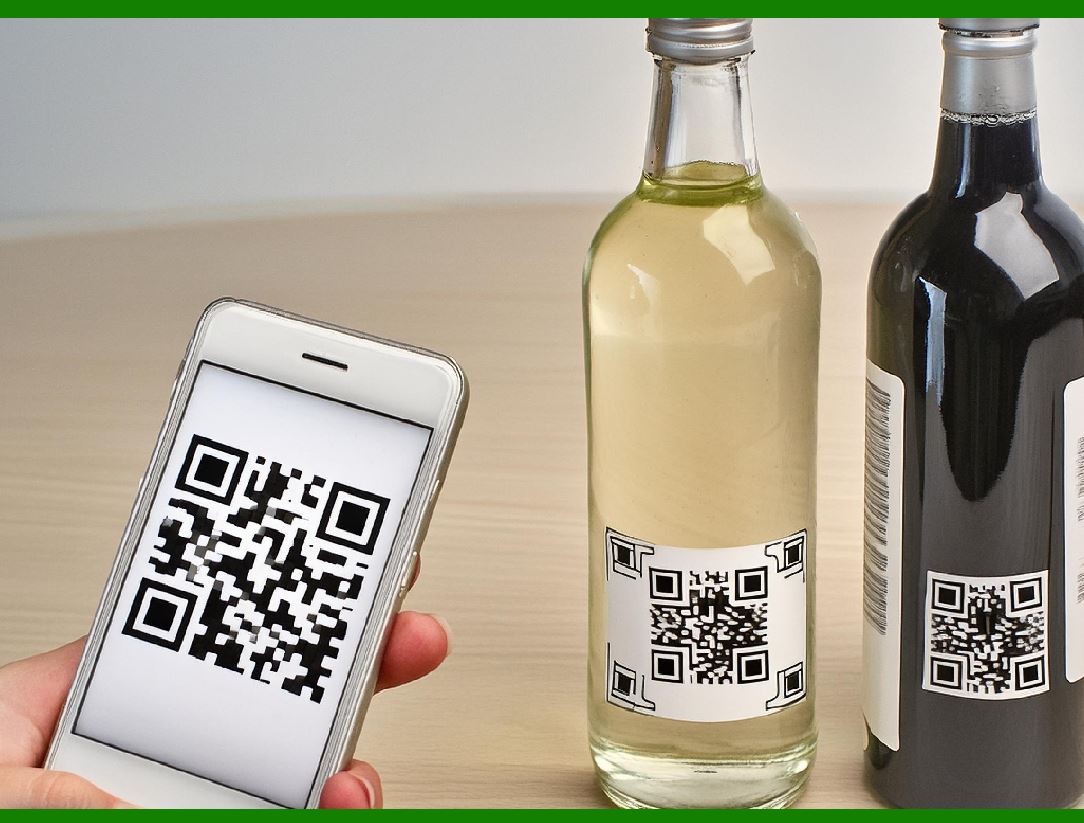
Dynamic barcodes don't store data directly within their encoded pattern. Instead, they point to a cloud server or a central database, where the actual data is stored. When the barcode is scanned, the scanning device (such as a smartphone or barcode scanner) contacts the server via the internet to retrieve the data associated with that barcode. |
For example, a QR code used for payment might encode a URL, which redirects the scanner to an online payment gateway. The payment gateway can then display real-time payment information such as transaction status or available balance. The URL encoded within the barcode might remain constant, but the content it leads to can change based on real-time data. |
2.2. Real-Time Updates |
One of the most powerful features of dynamic barcodes is their ability to reflect real-time updates. As the data stored on the cloud server is updated, any scans of the dynamic barcode will reflect these changes. This functionality is particularly valuable in industries like logistics, where tracking information changes frequently, or in retail, where prices or availability of items might shift rapidly. |
For example, a barcode used in a shipping context might initially encode tracking information for a package, but as the package moves through various stages of delivery (such as shipping, customs clearance, or final delivery), the barcode can be updated with the current status. When scanned at different points in the journey, the barcode will display the most up-to-date status, without the need for physical re-labeling of the package. |
2.3. Security Enhancements |
Traditional barcodes are vulnerable to being copied or tampered with. A static barcode containing sensitive information, like a payment amount or delivery address, can be easily duplicated by someone with access to the barcode. This opens up the possibility for fraudulent activities, such as intercepting payments or changing tracking information. |
Dynamic barcodes significantly reduce this risk because the data they encode is not static. The cloud-based nature of dynamic barcodes means that even if the barcode itself is copied, the information retrieved from the cloud server can change. This makes it much harder for malicious actors to alter the data or use copied barcodes for fraudulent purposes. If a barcode's link or data is tampered with, the cloud service can detect the discrepancy, potentially flagging the barcode as invalid or out-of-date. |
|
3. Use Cases of Dynamic Barcodes |
Dynamic barcodes can be applied across a wide range of industries, providing benefits in terms of security, convenience, and efficiency. Below are several key use cases of dynamic barcodes: |
3.1. Payment Systems |
In the world of digital payments, dynamic barcodes can be used to improve security and efficiency. For example, mobile payment systems like PayPal or Alipay might generate a dynamic barcode that links to a transaction request. The barcode could encode a URL that points to a secure cloud server, where the payment status, amount, and other details are stored. When the barcode is scanned, the latest payment details can be retrieved and processed. |
Because the barcode's content is updated in real-time, it helps prevent fraud. If someone attempts to copy the barcode or manipulate it, the data that the barcode points to can be modified, making any fraudulent attempt immediately apparent. |
3.2. Logistics and Shipment Tracking |
Dynamic barcodes are highly effective in logistics, where the tracking information for packages is frequently updated. A package may start its journey with a dynamic barcode that points to a cloud service, which contains the tracking details for that shipment. As the package moves through the supply chain, the barcode's content is automatically updated with the most current status. Scanning the barcode at various stages provides accurate, up-to-date information on the package's location, estimated delivery time, and any delays. |
This is particularly useful in industries where timely delivery is crucial, such as in e-commerce and medical supply chains. The real-time nature of dynamic barcodes ensures that logistics companies and customers alike have access to accurate, timely information. |
3.3. Inventory Management and Retail |
In retail, dynamic barcodes can streamline inventory management and product tracking. Retailers can use dynamic barcodes to track product availability, promotions, and stock levels in real time. For example, a barcode on a product might point to a cloud-based inventory management system, which stores up-to-date information on stock levels, pricing, and sales data. |
When a customer scans a barcode in a store, the system can provide them with the latest information on product availability and even notify them of any discounts or promotions. This system ensures that customers are always receiving accurate and real-time information, without the need for manual updates or re-labeling of physical items. |
3.4. Event Ticketing and Access Control |
Dynamic barcodes have also made a significant impact in the field of event ticketing and access control. Traditional tickets often come with static barcodes that encode event details, such as the venue and date. However, once the barcode is printed and distributed, it cannot be updated. In contrast, dynamic barcodes can change in real time, allowing event organizers to modify ticket details as needed. |
For instance, dynamic barcodes can be used to update a ticket with new access privileges, such as a VIP pass or special seating arrangements. Additionally, dynamic barcodes can be used to track the status of a ticket, such as whether it has been scanned or whether the ticket holder has already entered the event. This system helps prevent fraud by ensuring that duplicate or stolen tickets are easily detected, as the information linked to the barcode will be inconsistent with the event status. |

|
4. Advantages of Dynamic Barcodes |
Dynamic barcodes offer a number of advantages over traditional static barcodes. These benefits make them an attractive solution for businesses seeking to improve security, streamline operations, and enhance the user experience. |
4.1. Enhanced Security |
As mentioned earlier, one of the key advantages of dynamic barcodes is their enhanced security. Since the information encoded in the barcode is linked to a remote cloud server, the data can be updated in real time. This means that even if a barcode is copied, the information retrieved from the cloud will likely be outdated or invalid, reducing the risk of fraudulent use. |
Additionally, the cloud server can employ various security measures, such as encryption, access control, and authentication, to protect sensitive data. This ensures that only authorized users can update or view the data linked to the barcode, further safeguarding against unauthorized manipulation. |
4.2. Real-Time Data |
The ability to update barcode content in real time is another significant advantage. This feature is particularly valuable in industries like logistics, finance, and retail, where up-to-the-minute information is crucial. Real-time updates allow businesses to operate more efficiently, reduce errors, and improve customer satisfaction. |
For example, a logistics company can track the movement of goods through the supply chain in real time, while a payment system can instantly reflect changes in transaction status or balance. The ability to access accurate, up-to-date information improves decision-making and helps businesses respond quickly to changing circumstances. |
4.3. Scalability |
Dynamic barcodes are highly scalable, making them suitable for businesses of all sizes. Since the data is stored in the cloud and not directly on the barcode itself, businesses can easily manage large volumes of dynamic barcodes without worrying about the limitations of physical storage. This is especially useful in industries like retail and logistics, where a large number of barcodes need to be generated and tracked. |
Furthermore, dynamic barcodes can be easily integrated with existing systems, such as inventory management software, payment platforms, and logistics tracking systems. This flexibility allows businesses to deploy dynamic barcode solutions without the need for significant infrastructure changes. |
4.4. Reduced Costs |
By enabling real-time updates, dynamic barcodes can help businesses reduce operational costs. For instance, in the logistics industry, the ability to update tracking information in real time means that companies no longer need to print and reprint physical barcodes or labels as shipments progress. This not only saves time but also reduces the cost of printing and labeling materials. |
Similarly, in retail, dynamic barcodes allow businesses to keep pricing, stock levels, and promotions up to date without the need for constant re-labeling or manual intervention. This streamlines operations and improves efficiency across the supply chain. |

|
5. Conclusion |
Dynamic barcodes represent a powerful innovation in barcode technology, offering significant advantages in terms of security, real-time updates, scalability, and cost savings. By linking to cloud-based systems, dynamic barcodes allow businesses to offer up-to-the-minute information, reduce the risk of fraud, and streamline operations across a variety of industries. |
As businesses continue to embrace digital transformation and seek more efficient ways to manage information, dynamic barcodes will likely become an increasingly important tool. Whether in payment systems, logistics, retail, or event ticketing, the ability to update barcode data in real time provides businesses with the flexibility and security they need to stay competitive in an ever-evolving market. |
|
Cloud-Based Association: Does It Keep Data Safe? |
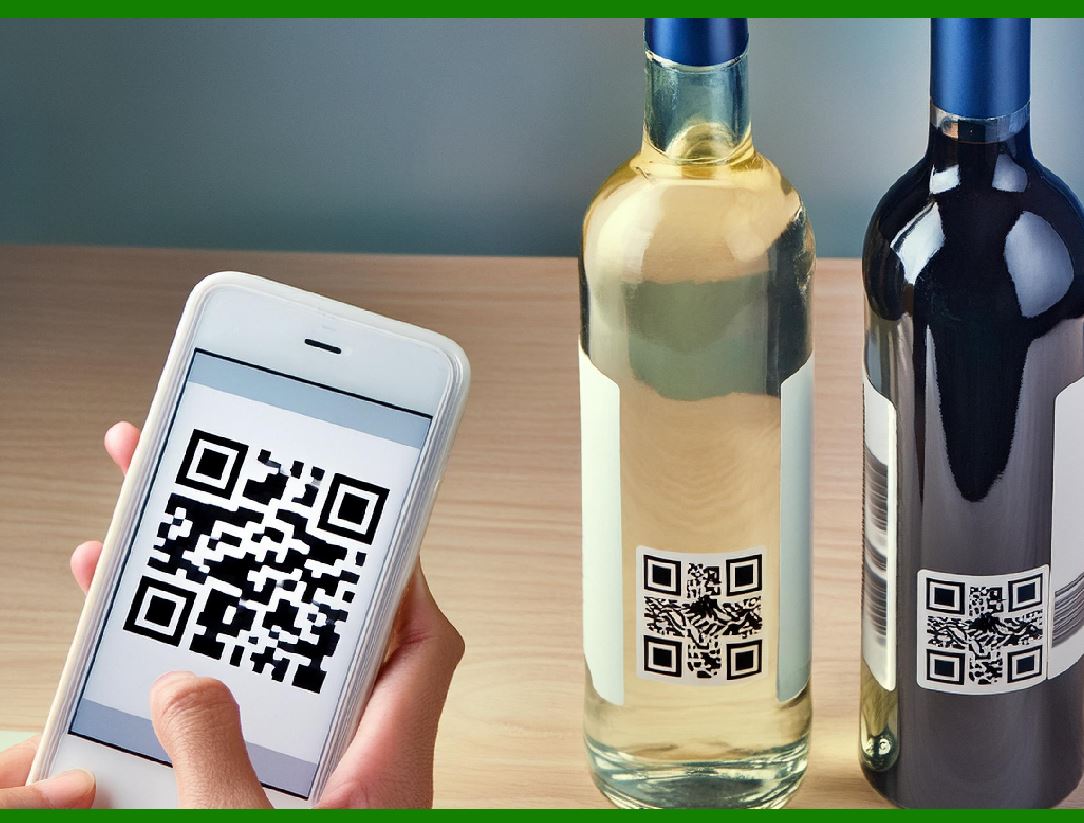
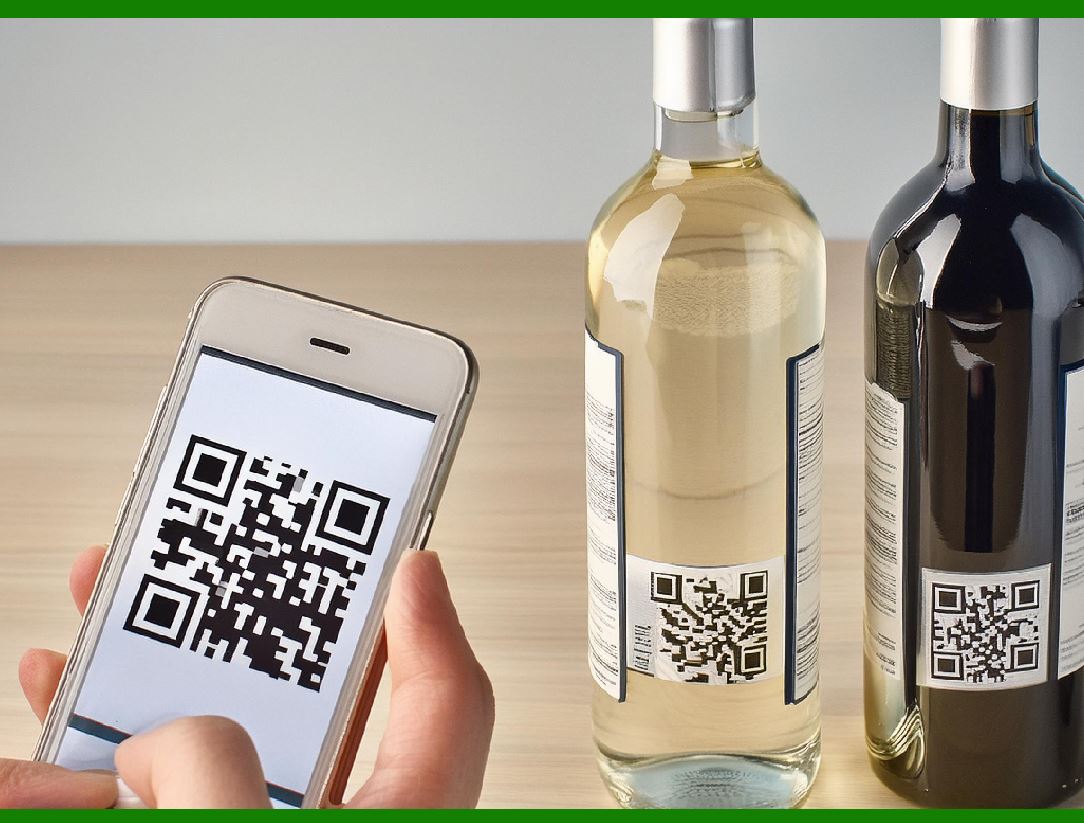
One of the key features of dynamic barcodes is their reliance on cloud-based associations. Rather than storing data directly within the barcode itself, dynamic barcodes encode a reference, such as a URL or identifier, which links to a central database or cloud server. When the barcode is scanned, the scanning device retrieves the associated data from the cloud. This approach introduces both security benefits and challenges, so it's crucial to examine whether this model can keep the data safe and protect against potential vulnerabilities. |
|
1. How Cloud-Based Association Enhances Security |
While dynamic barcodes don't store the actual data within their encoded pattern, they still offer several layers of security. Let's explore the key mechanisms that can keep the data safe: |
1.1 Encryption of Data Transmission |
When a barcode is scanned, the device contacts the cloud server to retrieve the data. This communication happens over the internet, which makes it essential to encrypt the transmission to prevent interception or tampering. In a secure dynamic barcode system, the data exchanged between the scanning device and the cloud server should be encrypted using protocols like TLS (Transport Layer Security) or SSL (Secure Sockets Layer). |
Encryption ensures that even if a malicious actor intercepts the communication, they cannot read the data without the encryption key. This adds a significant layer of security to the system, especially when handling sensitive information like payment details, personal data, or confidential logistics tracking information. |
1.2 Data Storage Security |
Since the actual data is stored on the cloud server, its security is dependent on how the cloud infrastructure is managed. Reputable cloud service providers, such as AWS, Google Cloud, or Microsoft Azure, offer robust security measures to protect data. These include: |
Data Encryption: Cloud service providers often encrypt stored data, both in transit and at rest, ensuring that unauthorized access to the data is not possible. |
Access Control: Proper access control mechanisms, including authentication and authorization, are essential to ensure that only authorized users can update or retrieve the data. |
Regular Audits and Monitoring: Cloud providers also perform regular security audits, vulnerability assessments, and continuous monitoring of their infrastructure to detect and mitigate potential risks. |
By relying on these secure cloud infrastructure practices, the dynamic barcode system can significantly reduce the risks of data breaches or unauthorized access. |
1.3 Real-Time Updates and Instant Invalidations |
Dynamic barcodes are not fixed, meaning the content they refer to can be updated or invalidated in real-time. This is particularly important for enhancing security. For example, if a dynamic barcode is associated with a payment transaction or a logistics package, the system can instantly invalidate or update the information if it detects any anomalies, such as tampering or fraud attempts. |
If a barcode is copied or altered, the cloud system can detect the mismatch and trigger an alert. The barcode's associated data can also be updated to reflect the most current, valid information, making the copied barcode irrelevant or outdated. This dynamic behavior effectively mitigates the risk of fraud that often arises with static barcodes, which remain unchanged once printed. |
1.4 Two-Factor Authentication (2FA) |
Cloud-based barcode systems often incorporate two-factor authentication (2FA) for access to sensitive data. When scanning the barcode or attempting to retrieve or update associated data, users might be required to verify their identity via another method, such as a PIN, biometric authentication (fingerprint or face recognition), or a time-sensitive code sent via email or SMS. |
By combining something the user knows (e.g., a password or PIN) with something they have (e.g., a mobile device for receiving a one-time code), 2FA significantly reduces the likelihood of unauthorized access, even if a malicious actor gains access to the barcode itself. |

|
2. Potential Risks and Challenges of Cloud-Based Association |
While cloud-based dynamic barcodes provide robust security features, they are not immune to risks. It's important to address the potential vulnerabilities that can arise in a cloud-based barcode system. |
2.1 Dependence on Network Connectivity |
Dynamic barcodes rely on cloud access, which means that a stable internet connection is essential for retrieving the data. If the internet connection is slow, unreliable, or unavailable, it may lead to issues such as: |
Inaccessibility: The barcode data might not load properly, making it impossible to retrieve the associated information. |
Service Disruption: In the event of a network outage, users may not be able to scan the barcode or retrieve real-time updates, which could be problematic in applications like payment systems or logistics tracking. |
These issues highlight the importance of ensuring high network reliability, as well as the potential for dynamic barcode systems to fail if the cloud-based infrastructure is not properly maintained. |
2.2 Centralized Data Storage Vulnerability |
While cloud servers offer high levels of security, centralizing data in one location also introduces a potential single point of failure. If a cyberattack successfully breaches the cloud infrastructure or exploits a vulnerability in the cloud provider's systems, all the data linked to the dynamic barcodes could be exposed or compromised. |
For example, if an attacker gains access to the server hosting payment details or personal customer information, they could access sensitive data related to thousands or even millions of barcodes. To mitigate this, cloud service providers implement stringent security measures, including encryption, firewalls, and intrusion detection systems. However, no system is entirely foolproof, and continuous vigilance is necessary to ensure that these vulnerabilities are addressed. |
2.3 Cloud Service Provider Risks |
The security of the cloud system is only as good as the service provider's ability to manage it. Using a trusted and reputable cloud service provider is critical, but relying on any third-party service comes with inherent risks. If the cloud provider suffers a data breach or security incident, the consequences may affect all businesses and users relying on their infrastructure. |
To reduce this risk, businesses can consider employing additional safeguards, such as encryption and tokenization, to protect sensitive data even if the cloud provider's security is compromised. Additionally, regular monitoring and auditing of the cloud infrastructure can help detect any potential issues early. |
2.4 Phishing and Social Engineering Attacks |
A common risk associated with cloud-based systems, and especially those that involve dynamic barcodes, is social engineering or phishing attacks. Since dynamic barcodes rely on cloud-based data, attackers may attempt to trick users into clicking on malicious links or scanning fake barcodes that redirect to fraudulent websites or servers. These attacks can lead to: |
Credential Theft: Attackers could steal login credentials for cloud accounts, allowing them to manipulate or alter barcode data. |
Malicious Redirects: A phishing attack could involve creating a barcode that, when scanned, leads to a counterfeit webpage designed to steal sensitive information, such as payment details or login credentials. |
To counteract these risks, cloud-based dynamic barcode systems often use domain whitelisting, secure URL validation, and trusted authentication providers to ensure that barcodes link only to legitimate cloud services. |
2.5 Data Privacy Concerns |
Dynamic barcodes are often used to track user activities, such as payment transactions, shipments, or purchases. This raises significant concerns around data privacy, as these barcodes could be used to track individuals without their consent. Privacy regulations like GDPR (General Data Protection Regulation) in Europe and CCPA (California Consumer Privacy Act) in the U.S. impose strict requirements on how personal data is collected, stored, and used. |
To address these concerns, businesses using dynamic barcodes must ensure that their cloud systems comply with relevant privacy laws. This includes obtaining user consent for data collection, providing transparency regarding how data will be used, and offering mechanisms for users to opt out or delete their data. |

|
3. Best Practices for Securing Cloud-Based Dynamic Barcodes |
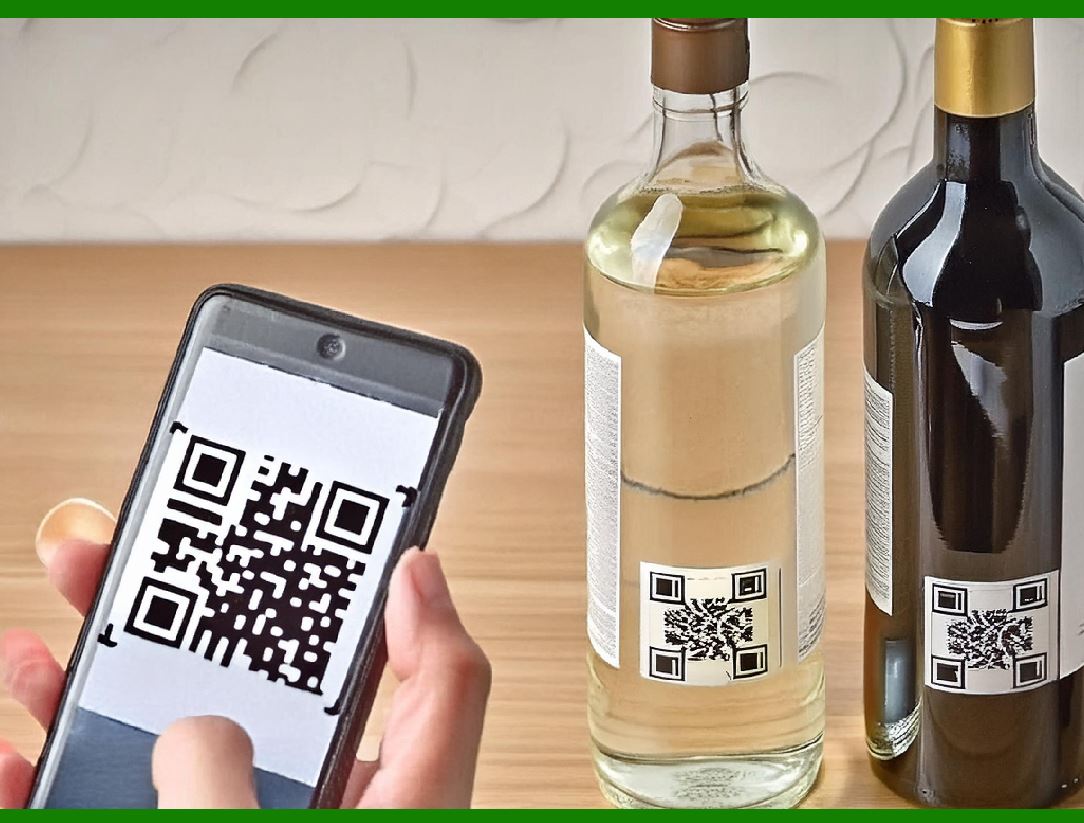
To ensure the security of dynamic barcodes and their associated cloud systems, businesses and developers can follow several best practices: |
Use Strong Encryption: Encrypt data both at rest and in transit to prevent unauthorized access. Use protocols like TLS/SSL for secure communication between devices and the cloud server. |
Implement Access Controls: Ensure that only authorized users or devices can access or update barcode data. Use role-based access control (RBAC) and multi-factor authentication (MFA) to strengthen security. |
Adopt Regular Security Audits: Conduct periodic audits to identify and address potential vulnerabilities in the system, including penetration testing and security assessments. |
Monitor Cloud Infrastructure: Continuously monitor the cloud infrastructure for unusual activities, such as unauthorized data access or modifications, and implement intrusion detection systems to quickly detect potential breaches. |
Use Redundancy and Backup Systems: To minimize the impact of a cloud service failure or data breach, implement backup systems, replication, and disaster recovery procedures to ensure that critical data is preserved. |
Educate Users: Train users on identifying phishing attempts and encourage them to verify the legitimacy of any dynamic barcodes before scanning them. |
|
4. Conclusion |
Cloud-based dynamic barcodes offer numerous security advantages over traditional static barcodes, primarily due to their real-time data retrieval and the ability to update or invalidate data as needed. When properly implemented, they can offer robust protection against fraud and unauthorized access. However, they are not without risks, including vulnerabilities related to network connectivity, centralized data storage, phishing attacks, and privacy concerns. |
By employing best practices such as strong encryption, secure cloud infrastructure, and user education, businesses can mitigate these risks and ensure that their dynamic barcode systems remain secure. The combination of cloud technology and barcode functionality holds tremendous potential for improving the security and efficiency of various industries, but it is crucial to remain vigilant and proactive in addressing emerging threats. |
|
Common Failures Caused by Dynamic Barcodes and How to Check and Fix Them |
Dynamic barcodes, like any technology, can sometimes fail to work as intended due to a variety of issues. While the advantages of dynamic barcodes are clear, such as enhanced security, real-time data updates, and flexibility, there are several common failures that can arise in cloud-based barcode systems. These failures can occur at various stages of the barcode lifecycle, from generation and scanning to cloud interaction. Understanding these failures and knowing how to check and fix them is crucial to ensuring a smooth, error-free experience for both businesses and users. |

|
Below is a detailed look at some of the common failures caused by dynamic barcodes and how to check and fix them. |
1. Failure to Retrieve Data from the Cloud |
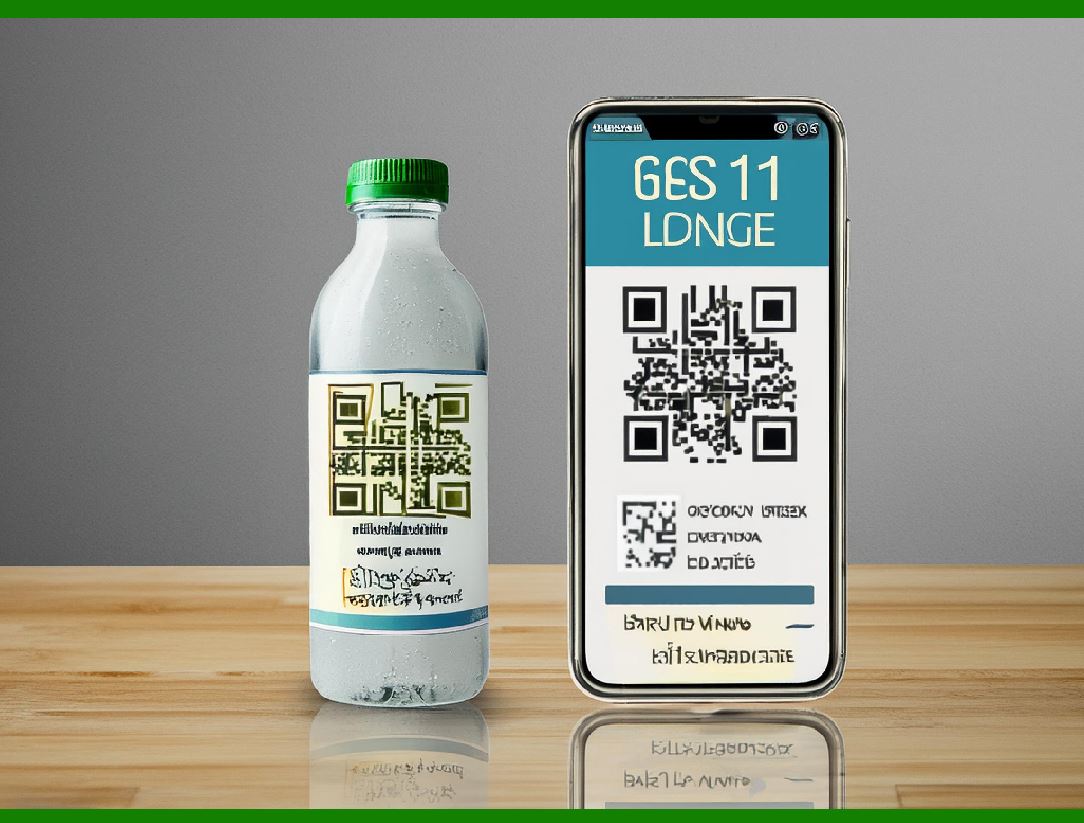
One of the most significant problems with dynamic barcodes is the failure to retrieve data from the cloud server. This can occur if the barcode points to an incorrect or unavailable cloud URL, or if there are network-related issues. |
Common Causes: |
Incorrect Cloud URL: If the barcode encodes an incorrect URL or identifier, the scanning device will be unable to retrieve the relevant data. |
Server Downtime or Unavailability: The cloud server hosting the data could be temporarily down due to maintenance or other issues. |
Network Connectivity Problems: Poor internet connection or network issues (e.g., Wi-Fi outages, slow mobile data, etc.) could prevent the scanning device from connecting to the cloud server. |
How to Check and Fix: |
Check Barcode URL: Verify that the URL or identifier encoded in the barcode is correct and points to a valid cloud service. If the URL is incorrect, regenerate the barcode with the correct link. |
Check Cloud Service Status: Check the status of the cloud service provider. Most providers offer a status page where you can monitor server uptime and potential issues. If the server is down, wait until it's back online or contact the provider for support. |
Test Connectivity: Test the internet connection on the scanning device to ensure it is working properly. Try scanning the barcode on a different device or network to verify if the issue is device- or network-specific. |
Implement Redundancy: Use a redundant cloud infrastructure (e.g., multi-region servers or failover systems) to ensure data retrieval remains available even if one server goes down. This can prevent outages from affecting barcode functionality. |
|
2. Barcode Scanning Failures (Device Issues) |
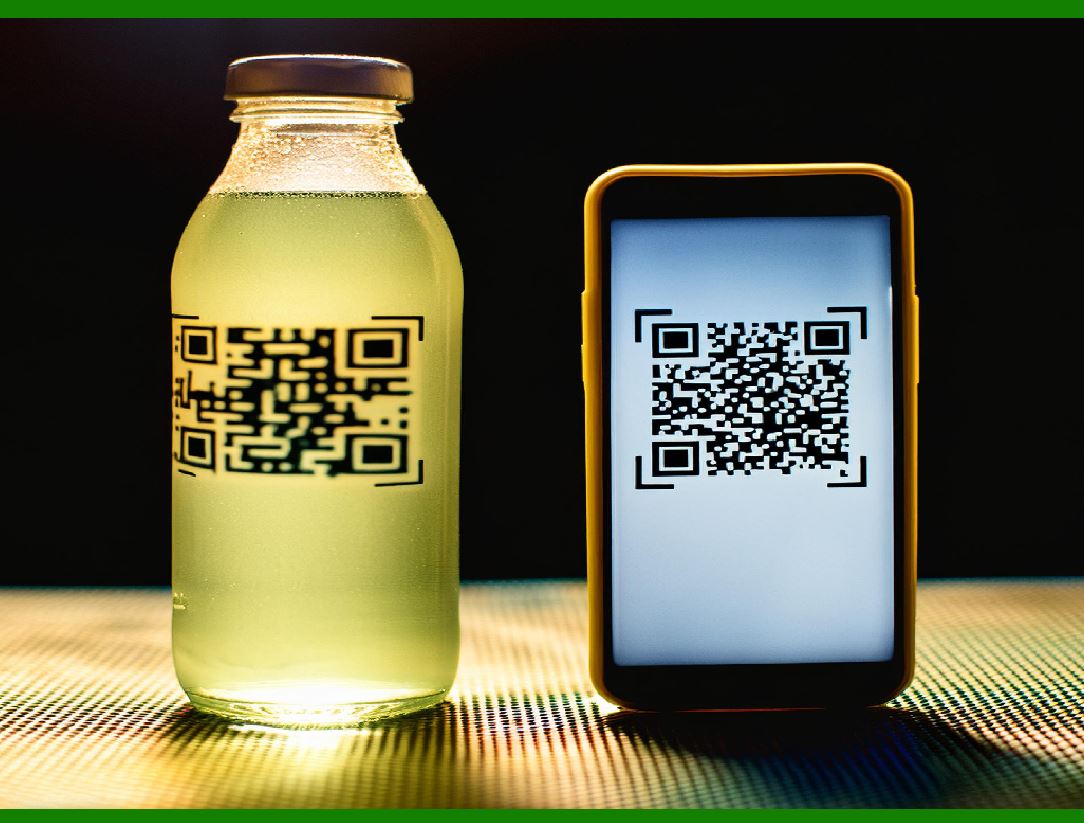
In some cases, the barcode itself may not scan properly, even if the cloud service is functioning correctly. This is often caused by poor-quality printing or scanning issues. |
Common Causes: |
Low Print Quality: If the barcode is printed too small or with low resolution, it may be difficult for barcode scanners or smartphones to read. |
Scan Angle and Distance: Barcodes need to be scanned at the correct angle and distance for the scanner to properly decode the information. Misalignment can result in failures. |
Dirty or Damaged Barcodes: Barcodes printed on surfaces that are worn out, scratched, or dirty may fail to scan, as the scanning device cannot read the required patterns. |
Camera/Scanner Issues: The camera or scanner may be malfunctioning or not optimized for reading dynamic barcodes, especially 2D barcodes like QR codes. |
How to Check and Fix: |
Inspect Print Quality: Ensure the barcode is printed with high resolution and is large enough to be scanned easily. Avoid printing barcodes in low-contrast colors or with poor quality printers. If necessary, reprint the barcode at a higher resolution or with better quality materials. |
Test with Different Scanners: Test the barcode with multiple devices (smartphones, barcode scanners, etc.) to ensure it is scannable under various conditions. Some scanners may struggle with certain barcode types or print qualities, so using an alternative device may help identify the issue. |
Clean the Barcode: If the barcode is dirty, clean the surface carefully to ensure the scanner can read it. If the barcode is damaged, regenerate a new barcode. |
Ensure Proper Scanning Technique: Instruct users to scan the barcode at the proper angle and distance. Some barcode scanners work best when held at specific angles or distances, so make sure the device is set up accordingly. |
|
3. Barcode Data Mismatch |
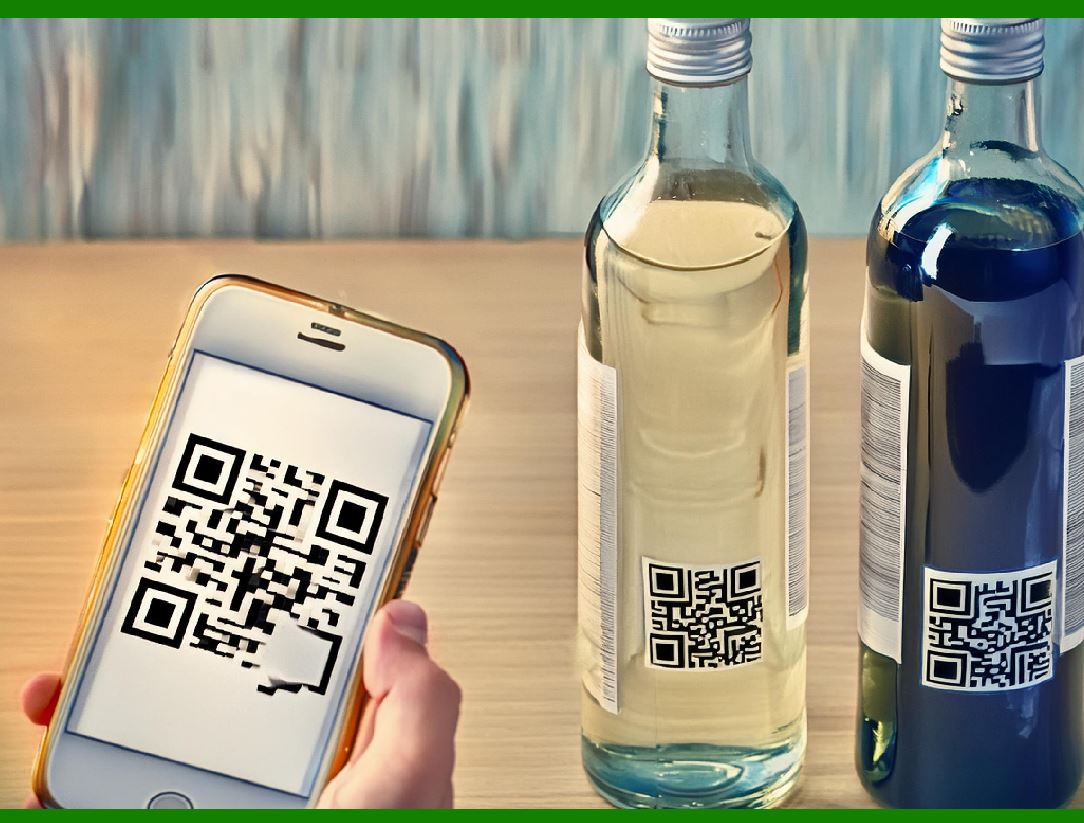
This failure occurs when the data retrieved from the cloud server does not match the expected content. This could lead to errors in information display, incorrect payment processing, or misleading product data. |
Common Causes: |
Incorrect Data in Cloud: The data linked to the barcode may not have been updated correctly in the cloud, or outdated information may still be available. |
Data Synchronization Issues: The data in the cloud server may not be properly synchronized with the barcode system, leading to inconsistencies between what is encoded in the barcode and the actual data stored on the server. |
Corruption in Cloud Database: Database issues, such as data corruption or mismanagement, could cause incorrect data to be delivered when the barcode is scanned. |
How to Check and Fix: |
Verify Cloud Data: Access the cloud database directly and ensure that the data associated with the barcode is up to date. Check for any discrepancies between what the barcode should be pointing to and what is stored on the server. |
Check Data Synchronization: Ensure that your barcode system properly synchronizes the data between the physical barcode and the cloud database. Implement regular checks and processes to ensure that updates are reflected across all systems. |
Database Integrity Checks: Regularly perform database integrity checks to ensure that the data stored on the server is not corrupted. Most cloud service providers offer tools to monitor and repair databases. |
Automate Updates: Implement automated scripts or workflows that ensure the cloud data linked to the barcode is refreshed in real time and continuously updated. |
|
4. Invalid or Expired Barcodes |
Dynamic barcodes can become invalid or expire if their associated data is no longer valid or if the system determines that the barcode should no longer be functional. This could occur due to fraud detection, expiration times, or an error in data validity. |
Common Causes: |
Expiry Dates or Time-Limited Data: Some dynamic barcodes are designed to expire after a certain time period or after a certain condition is met (e.g., a payment is processed). |
Data Invalidation Due to Security Issues: If a security breach or anomaly is detected, the barcode's data may be invalidated by the system to prevent fraud or unauthorized use. |
Configuration Errors: Misconfigurations in the barcode generation process could cause the barcode to become invalid without the intended expiration or validity conditions. |
How to Check and Fix: |
Check Expiry Settings: If the barcode is time-sensitive (e.g., for event tickets or payments), ensure that the expiry settings are correct in the system. Verify that the barcode's data is still valid within the expected time window. |
Monitor for Fraud Detection Alerts: If the barcode is part of a system that monitors fraud, ensure that any data linked to it has not been flagged or invalidated due to suspicious activity. Resolve any issues detected by the system, such as discrepancies in payment amounts or delivery status. |
Re-generate New Barcodes: If the barcode has expired or been invalidated, regenerate a new barcode with updated data. Be sure to update the relevant cloud server data to reflect the new barcode's details. |
Regularly Update Barcode Settings: For systems that have conditional expiry (such as time-limited promotions or product availability), ensure that expiration settings are regularly updated to prevent barcodes from becoming invalid prematurely. |

|
5. Cloud Provider or Service Configuration Errors |
Sometimes, the root cause of a barcode failure lies with the cloud service configuration itself. Incorrect configurations on the cloud server, database, or API could lead to communication failures or mismatched data. |
Common Causes: |
API Misconfigurations: If the barcode system is reliant on an API to communicate with the cloud, incorrect API configurations can cause data retrieval issues or result in incomplete or corrupted data. |
Cloud Storage Mismanagement: Incorrect database or cloud storage settings, such as permissions issues, can prevent the barcode from accessing the required data. |
Misconfigured Security Protocols: If the cloud system's security settings are incorrectly configured (e.g., firewall or authentication issues), the scanning device may not be able to retrieve data from the cloud server. |
How to Check and Fix: |
Review API Configuration: Double-check the API endpoints, authentication credentials, and request configurations in the barcode system. Ensure that the API calls are correctly structured and that the cloud server is responding as expected. |
Check Cloud Storage Settings: Review the cloud storage permissions and access control settings to ensure that the barcode system can retrieve the necessary data. Make sure that only authorized entities have access to sensitive data. |
Audit Security Protocols: Verify that the cloud system's security protocols, such as SSL/TLS encryption, are properly configured and that there are no issues preventing secure communication between the barcode system and the cloud server. |
Cloud Provider Support: If the issue seems to be on the cloud provider's end, contact their support team for assistance in diagnosing and fixing any configuration or infrastructure-related issues. |

|
6. User Error or Misuse |
Finally, one of the simplest yet most common causes of dynamic barcode failures is user error or misuse. Misunderstanding how to scan the barcode or use the system can lead to issues. |
Common Causes: |
Incorrect Scanning Technique: Users might not be scanning the barcode correctly (e.g., holding the device at the wrong angle, scanning at the wrong distance). |
Failure to Follow Instructions: Users might not follow necessary instructions, such as ensuring the barcode's associated data is up to date or completing required steps before scanning. |
How to Check and Fix: |
User Training and Documentation: Provide clear instructions and training on how to properly scan and use dynamic barcodes. This can help reduce user error and ensure a smoother experience. |
Error Handling and Feedback: Implement user-friendly error messages and prompts to guide users through potential issues when scanning barcodes. For instance, if a user tries to scan an expired barcode, the system could provide feedback explaining the issue and suggesting next steps. |

|
Conclusion |
While dynamic barcodes offer many advantages, they are not immune to failures. From connectivity issues and data retrieval problems to printing errors and user mistakes, understanding the common failures and knowing how to check and fix them is essential to maintaining a smooth operation. Regular testing, maintenance, and user education can go a long way in ensuring that dynamic barcode systems remain effective, reliable, and secure. |
 cs@easiersoft.com