1. Introduction to Encrypted Barcodes and Their Purpose |
Encrypted barcodes represent an advanced and highly secure method for encoding information that ensures only authorized users can access and interpret the data embedded within the barcode. By utilizing encryption techniques, these barcodes secure data against unauthorized access, tampering, or alteration during storage, transmission, and decoding. The encryption process converts plain-text data into a coded format that can only be decrypted using a corresponding key, thus ensuring confidentiality and integrity. |
While standard barcodes like QR codes and traditional 1D barcodes are commonly used for product identification, shipping, and tracking purposes, encrypted barcodes take security a step further by preventing unauthorized parties from reading or modifying the encoded information. These encrypted barcodes can be used in various sectors where confidentiality and data integrity are paramount, such as in finance, healthcare, supply chain management, and logistics. |

|
2. The Technical Structure of an Encrypted Barcode |
The basic structure of an encrypted barcode follows the principles of standard barcodes, but with added encryption mechanisms. An encrypted barcode consists of the following components: |
Data Encoding: The barcode itself starts with a string of data that represents an identifier or key piece of information, such as a product number, serial number, or shipping label. This data is typically encoded in a format such as QR code, DataMatrix, or Aztec code. |
Encryption Layer: Before the data is encoded into the barcode, it is first encrypted using a cryptographic algorithm. The encryption process involves using a key to scramble the data into a form that is unreadable without the decryption key. Common cryptographic methods for encrypting barcode data include AES (Advanced Encryption Standard) and RSA (Rivest-Shamir-Adleman). |
Barcode Encoding: After the data is encrypted, the result is then encoded into the barcode format. The format could be a QR code, DataMatrix, or any other two-dimensional barcode that allows for sufficient data storage. For example, a QR code can hold up to 3,000 alphanumeric characters, which could be encrypted text. |
Decryption Mechanism: To read and interpret the encrypted data, the scanning system must possess the decryption key. The decryption process involves reversing the encryption process and retrieving the original data. The system must be authorized to access the key, ensuring that only authorized users can decrypt the barcode. |
In an encrypted barcode, the security of the data depends not only on the strength of the encryption but also on the secure distribution of the decryption keys. |

|
3. Types of Encryption Used in Barcodes |
Several encryption methods can be employed in encrypted barcodes, each with its own strengths and weaknesses. Here are the most commonly used types of encryption for barcodes: |
Symmetric Encryption (AES): In symmetric encryption, the same key is used for both encryption and decryption. AES (Advanced Encryption Standard) is the most widely used symmetric encryption algorithm due to its robustness and efficiency. AES operates on fixed-length data blocks and uses key lengths of 128, 192, or 256 bits. |
Asymmetric Encryption (RSA): Asymmetric encryption uses a pair of keys: a public key and a private key. The public key is used for encryption, and the private key is used for decryption. This type of encryption is commonly used in digital signatures and for securing sensitive communications. In the context of encrypted barcodes, RSA encryption can provide a high level of security for the data. |
Hashing and Digital Signatures: In some cases, barcodes may incorporate digital signatures or hashes that help verify the integrity of the encoded data. These signatures are generated by applying a hashing function to the data and encrypting the resulting hash with a private key. This ensures that any changes to the data would be immediately detectable upon scanning and verification. |
Elliptic Curve Cryptography (ECC): ECC is a form of asymmetric encryption that is gaining popularity due to its efficiency and smaller key sizes compared to RSA. ECC is commonly used in situations where computational resources are limited, such as mobile devices, while still providing robust security. |

|
4. Blockchain-Associated Encrypted Barcodes |
A more advanced use case for encrypted barcodes involves combining encryption with blockchain technology. Blockchain provides a decentralized and immutable ledger that can ensure that data associated with a barcode remains tamper-proof. Blockchain-associated encrypted barcodes are particularly useful in supply chain management, where it is crucial to maintain the integrity of data as it passes through various hands or stages of the supply chain. |
The use of blockchain ensures that once data has been written to the blockchain, it cannot be altered without detection. This tamper-proof characteristic is particularly important in industries like pharmaceuticals, luxury goods, and food, where counterfeit products or incorrect information can lead to significant financial loss or safety risks. |

|
5. Blockchain-Associated Encrypted Barcode in Supply Chain Management |
One of the most notable examples of a blockchain-associated encrypted barcode is VeChain's RFID+QR code. VeChain, a popular blockchain-based supply chain management solution, uses a combination of RFID (Radio Frequency Identification) and QR code technology to track the movement of goods while ensuring that the data associated with these goods remains secure and unalterable. |
In the VeChain ecosystem, each product or shipment is assigned a unique identifier that is encoded in both an RFID tag and a QR code. The QR code, which contains encrypted information about the product, is linked to a blockchain network that records each transaction, update, and event related to the product's journey. The encrypted barcode ensures that sensitive data, such as product origin, quality, temperature control, and location, cannot be tampered with during transit. |
Each time the product reaches a checkpoint or undergoes an event, such as a quality inspection, the corresponding information is added to the blockchain. This process provides an immutable record of the product's journey through the supply chain, which can be accessed by authorized parties such as manufacturers, distributors, retailers, and consumers. |
The key advantages of combining encrypted barcodes with blockchain technology in supply chain management include: |
Data Integrity: By using blockchain, VeChain ensures that supply chain data cannot be altered without detection. This provides a higher level of security than traditional systems, where data may be vulnerable to hacking or human error. |
Transparency: Blockchain's transparent ledger allows all authorized participants to view the entire history of a product, from its origin to its current location. This transparency can help reduce fraud, counterfeiting, and unethical practices. |
Real-Time Updates: Encrypted barcodes combined with blockchain can provide real-time updates on the status of goods in transit. This can help stakeholders make informed decisions and respond to issues quickly. |
Secure Data Sharing: Authorized parties can access data associated with the product in a secure manner, with decryption keys controlling who can view the information. |
Traceability: Blockchain enables end-to-end traceability of products. In the event of a product recall or safety issue, stakeholders can trace the product's history to identify where the problem originated and how far the issue has spread. |

|
6. The Role of VeChain's RFID+QR Code |
VeChain's RFID+QR code solution works by combining two powerful technologies to improve both security and functionality. Here is how it works in practice: |
RFID (Radio Frequency Identification): RFID tags are embedded in products, packages, or pallets to provide a unique identifier that can be scanned without the need for direct line-of-sight. The RFID tags store information about the product, such as its origin, manufacturer, and key characteristics. |
QR Code: The QR code embedded in the RFID tag is used to provide a quick and secure way for users to access detailed information about the product. The QR code is encrypted, ensuring that only authorized individuals or systems can read and decrypt the data. |
Blockchain Integration: When a product is scanned using the RFID+QR code, the data is linked to a blockchain platform where it is recorded as a transaction. This ensures that every piece of data about the product is securely stored in an immutable ledger. Each scan or update adds a new block to the chain, further enhancing the traceability and integrity of the data. |
The integration of these technologies helps create a seamless and secure environment where product data can be tracked and verified at each stage of the supply chain. The ability to combine RFID and QR code technology with blockchain ensures that supply chain data is not only encrypted and secure but also immutable and traceable. |

|
7. The Security Aspects of Blockchain-Associated Encrypted Barcodes |
The security of blockchain-associated encrypted barcodes lies in several key aspects: |
Decentralization: Blockchain operates on a decentralized network of computers, making it resistant to single points of failure. This means that the system is more robust and less prone to hacking or tampering compared to centralized databases. |
Immutability: Once data is recorded on the blockchain, it cannot be altered or deleted. This immutability provides a high level of security and ensures that once information is recorded about a product, it remains tamper-proof. |
Encryption: The data stored in the barcode is encrypted using strong cryptographic methods, ensuring that only authorized parties with the correct decryption key can access and read the information. This prevents unauthorized access and protects the confidentiality of sensitive data. |
Smart Contracts: Blockchain platforms like VeChain often use smart contracts to automate processes and enforce rules. Smart contracts can help ensure that certain actions occur only when specific conditions are met, adding an additional layer of security and automation to the process. |

|
8. Real-World Applications of Blockchain-Associated Encrypted Barcodes |
The combination of blockchain and encrypted barcodes has several real-world applications, particularly in industries where product integrity, authentication, and traceability are critical. Some notable applications include: |
Pharmaceutical Industry: Ensuring the authenticity of pharmaceutical products and preventing counterfeit drugs from entering the market is a major concern. Blockchain and encrypted barcodes can help verify the origin and movement of drugs through the supply chain. |
Luxury Goods: In the luxury goods industry, ensuring the authenticity of high-end products like watches, handbags, and clothing is important to protect brands from counterfeiting. Blockchain and encrypted barcodes provide a secure way to prove the authenticity of these items. |
Food and Agriculture: In the food industry, consumers are increasingly concerned with the origins and safety of the food they purchase. Blockchain and encrypted barcodes can help trace the journey of food products from farm to table, ensuring that they meet safety standards and are free from contamination. |
Automotive Industry: Blockchain and encrypted barcodes can be used to track the movement of vehicle parts through the supply chain, ensuring that only genuine parts are used in the manufacturing process and that vehicles are assembled according to regulatory standards. |

|
9. Conclusion |
Encrypted barcodes, especially when combined with blockchain technology, represent the future of secure data transmission and supply chain management. By ensuring the confidentiality, integrity, and traceability of data, these technologies can prevent fraud, reduce errors, and enhance transparency across various industries. As the adoption of blockchain grows, encrypted barcodes will continue to play an essential role in ensuring that data remains secure, tamper-proof, and trustworthy across complex supply chains. |

|
The detail of manufacturing technology and main manufacturers of the Encrypted barcode device. |
1. Introduction to Encrypted Barcode Device Manufacturing Technology |
The manufacturing of encrypted barcode devices involves specialized technologies that ensure the secure encoding and decoding of data, as well as the physical creation of the hardware used to read and write encrypted barcodes. These devices typically integrate various components, including barcode scanners, readers, and sometimes printers, that support encryption and decryption functions. The manufacturing process combines elements of both cryptography and conventional barcode technology, requiring expertise in both fields. |

|
2. Key Components of an Encrypted Barcode Device |
An encrypted barcode device typically consists of the following components: |
2.1 Barcode Scanners and Readers |
Encrypted barcode devices are often equipped with advanced scanning and reading technologies capable of interpreting encrypted barcodes. The scanners may include: |
Imager Scanners: These use a camera-like system to capture images of the barcode. They are typically more versatile than laser scanners because they can read both 1D and 2D barcodes, including QR codes and DataMatrix, that may contain encrypted information. |
Laser Scanners: These use a laser beam to read the barcode and are traditionally faster than imager scanners for reading standard barcodes. However, they may require more specialized software to read encrypted data encoded in more complex formats like QR codes. |
Area Imagers: These scanners use a two-dimensional array of light sensors to capture barcodes from any angle. This technology is especially useful for encrypted barcodes embedded in 2D forms like QR codes, as it allows scanning from multiple orientations. |
2.2 Encryption and Decryption Capabilities |
For encrypted barcode devices to function correctly, they must include secure hardware or software-based mechanisms for both encryption and decryption of barcode data. This could involve: |
Cryptographic Modules: These are specialized hardware modules embedded in barcode scanners or printers to handle the encryption and decryption operations. These modules often support a variety of cryptographic algorithms, including AES, RSA, and ECC. |
Secure Key Storage: Devices typically use secure memory chips or cryptographic tokens to store encryption keys. These secure key storage systems ensure that sensitive data is not exposed during the encryption or decryption processes. |
2.3 Barcode Printers |
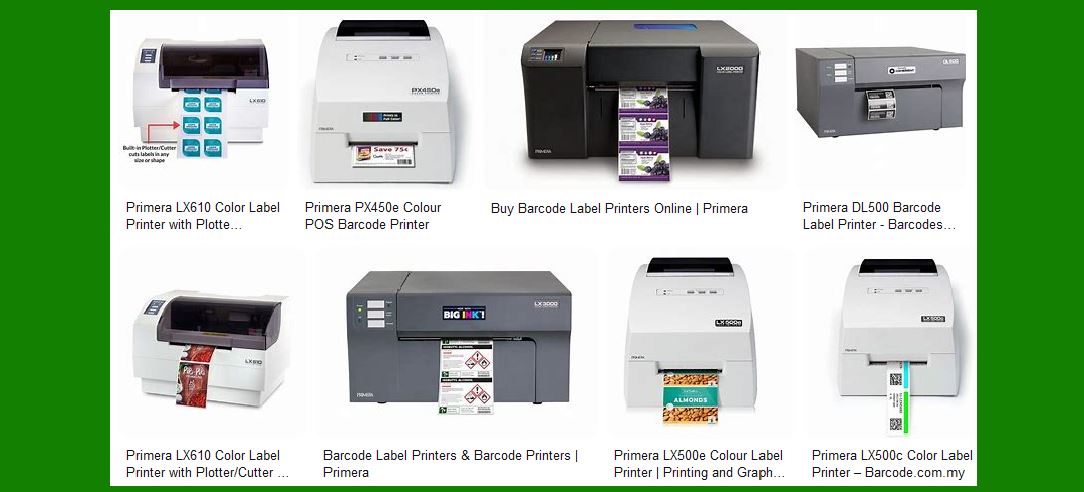
Encrypted barcodes are often printed on labels or packaging using barcode printers that support encryption protocols. These printers are designed to generate high-quality prints that meet the necessary standards for readability while also encoding encrypted data. |
Thermal Printers: Commonly used for barcode printing, thermal printers can generate crisp prints for QR codes and other 2D barcodes, supporting both encrypted and unencrypted formats. |
Inkjet Printers: In certain industrial settings, inkjet printers are used for printing encrypted barcodes on packaging and labels. They offer flexibility in printing large volumes. |
Laser Printers: These are typically used for high-volume printing needs, especially in logistics and warehouse environments, to print labels containing encrypted barcodes. |
2.4 Communication Interfaces |
To facilitate secure communication between encrypted barcode devices, they often feature various connectivity options such as: |
Wi-Fi or Bluetooth: Wireless communication is a key component for encrypted barcode devices, allowing them to transmit or retrieve encrypted data securely to and from databases, cloud platforms, or other enterprise systems. |
USB or Serial Ports: These are used for wired connections to enterprise servers, point-of-sale systems, or databases, often for direct transmission of encrypted data for decryption or logging purposes. |

|
3. Manufacturing Process for Encrypted Barcode Devices |
The manufacturing of encrypted barcode devices is a complex, multi-stage process that requires precision in both hardware and software integration. The stages typically include: |
3.1 Design and Development |
Manufacturers begin by designing both the physical and digital aspects of the barcode device. This involves: |
Hardware Design: Creating the physical components such as the barcode scanner's housing, sensors, camera, and lenses for image capturing. |
Software Development: Developing secure cryptographic software to handle encryption and decryption processes. This software must also ensure that the barcode device can communicate securely with other devices or systems. |
Security Protocols: Ensuring that the device complies with global standards for encryption, including AES, RSA, and ECC, as well as ensuring compatibility with blockchain technologies for tamper-proof and immutable data tracking. |
3.2 Manufacturing and Assembly |
Once the design is finalized, the components are manufactured and assembled. This includes: |
Component Sourcing: Sourcing high-quality components such as imaging sensors, memory modules for secure key storage, and cryptographic modules that support the encryption algorithms. |
Integration of Components: The various components are assembled into a functioning unit. For example, the imager scanner, cryptographic module, and wireless communication components are integrated into a single device. |
Embedded Firmware Installation: The firmware that governs the device's operation is installed during the assembly process. This firmware ensures that the device is capable of encrypting and decrypting barcode data securely. |
3.3 Testing and Quality Control |
Once assembled, encrypted barcode devices undergo rigorous testing to ensure they function properly and securely. This testing involves: |
Security Testing: Ensuring the encryption algorithms are robust and that unauthorized access to the data is not possible. This may involve penetration testing to ensure there are no vulnerabilities in the device. |
Barcode Accuracy Testing: The scanners are tested to ensure they can reliably scan both standard and encrypted barcodes with high accuracy, including reading QR codes, DataMatrix codes, or other 2D barcode formats. |
Durability Testing: Encrypted barcode devices, especially those used in industrial or logistics settings, must be tested for durability under harsh conditions (e.g., extreme temperatures, drops, dust, and water resistance). |
Compliance Testing: Ensuring that the device meets the international standards for barcode technology, such as ISO/IEC 15416 for barcode quality and compliance with data privacy regulations. |
3.4 Packaging and Distribution |
Once the device passes all tests, it is packaged along with its manuals, security certificates, and necessary accessories, such as charging cables or mounting brackets. The finished devices are then distributed to customers through various retail or enterprise channels. |

|
4. Major Manufacturers of Encrypted Barcode Devices |
Several companies are leading the development and manufacturing of encrypted barcode devices, providing innovative solutions for secure data encoding and decoding. Some of the major manufacturers include: |
4.1 Zebra Technologies |
Zebra Technologies is one of the largest and most prominent manufacturers of barcode scanning devices, including those capable of encrypting and decrypting data. Zebra's portfolio includes: |
Zebra Data Capture Devices: Zebra manufactures a wide range of handheld barcode scanners, mobile computers, and RFID readers with encryption capabilities. These devices are used across industries such as healthcare, logistics, retail, and manufacturing. |
Enterprise Solutions: Zebra also provides enterprise solutions that integrate encrypted barcode scanning with cloud-based data storage and management, ensuring secure and tamper-proof tracking of inventory, assets, and shipments. |
4.2 Honeywell International |
Honeywell is another leading manufacturer of barcode scanning devices, including encrypted barcode scanners. Honeywell's products are known for their high performance, especially in industrial environments. |
Honeywell Scanners and Mobile Computers: Honeywell produces both handheld barcode scanners and rugged mobile computers with encryption capabilities. These devices are commonly used in warehousing, retail, and supply chain management. |
Software Integration: Honeywell provides software solutions that complement their encrypted barcode devices, offering secure data transmission and cloud-based systems for real-time inventory tracking. |
4.3 Datalogic |
Datalogic is a well-known company that manufactures barcode scanners, including those capable of handling encrypted barcodes. Their devices are widely used in retail, logistics, and industrial environments. |
Datalogic Barcode Readers: Datalogic offers a variety of barcode readers, including handheld, fixed-mount, and mobile models, that support encrypted data scanning and secure communication protocols. |
Datalogic Software: Datalogic also offers software that helps businesses integrate encrypted barcode technology with their existing supply chain and enterprise management systems. |
4.4 Motorola Solutions (now part of Zebra Technologies) |
Motorola Solutions was a major player in the barcode scanning market before being acquired by Zebra Technologies. Their barcode scanners are renowned for their high reliability and advanced features. |
Motorola Zebra Scanners: The Motorola brand continues under Zebra Technologies, with a strong portfolio of secure scanning devices used in retail, healthcare, and industrial environments. |
Data Encryption Integration: Motorola/Zebra barcode scanners support encrypted data transmission to enhance security in sensitive environments like healthcare and logistics. |
4.5 Cognex Corporation |
Cognex is a leading provider of machine vision systems and industrial barcode readers, specializing in high-accuracy scanners that can handle encrypted barcode formats. |
Cognex Barcode Scanners: Cognex's scanners are commonly used in industrial settings where high-speed, secure barcode reading is essential for asset tracking, quality control, and supply chain management. |
Machine Vision and AI Integration: Cognex also integrates AI-based algorithms into its barcode scanners, helping businesses analyze encrypted data more effectively and improve operational efficiency. |

|
5. Conclusion |
The development and manufacturing of encrypted barcode devices involves a combination of advanced hardware, software, and cryptographic technologies to ensure the security and integrity of the data encoded within barcodes. Manufacturers of these devices, such as Zebra Technologies, Honeywell, Datalogic, Motorola, and Cognex, provide a wide range of solutions that integrate secure data transmission and blockchain technologies for applications across various industries. |
These devices are essential in modern supply chain management, healthcare, and security applications, ensuring that sensitive data, whether related to inventory tracking, shipments, or authentication, remains secure and tamper-proof. As industries continue to prioritize data security, the role of encrypted barcode devices will only become more crucial in ensuring the privacy and integrity of sensitive information. |

|
What challenges will companies encounter when applying this Encrypted barcode technology? |
1. Complexity in Integration with Existing Systems |
One of the primary challenges companies face when adopting encrypted barcode technology is integrating these advanced systems with existing infrastructure. Many organizations have legacy systems that are not designed to handle encrypted data or support the more advanced encryption algorithms used in these barcodes. |
1.1 Legacy Software Compatibility |
Existing software platforms used for barcode scanning, inventory management, and logistics might not support the encryption algorithms or formats needed for encrypted barcodes. The existing barcode readers may not be compatible with the secure data transmission protocols or cryptographic functions required to decode encrypted data. |
1.2 Hardware Upgrades |
Companies may need to upgrade their barcode scanning hardware to accommodate encrypted barcode formats. This means investing in new scanners, printers, and other devices that can read and print encrypted barcodes, which can be a significant cost, particularly for large organizations with many endpoints. |
1.3 Software Integration and Development Costs |
Custom software development or significant modifications to existing software might be necessary to handle encrypted barcodes effectively. This could involve implementing encryption and decryption modules, which require specialized knowledge of cryptography and security protocols, further increasing the cost of deployment. |

|
2. High Cost of Deployment and Maintenance |
Implementing encrypted barcode technology involves significant upfront costs, including hardware, software, and staff training. The ongoing maintenance costs associated with encryption, security protocols, and regular software updates can also be a challenge for many companies, especially small and medium-sized enterprises (SMEs). |
2.1 Upfront Capital Investment |
Encrypted barcode devices (e.g., scanners, RFID readers, and printers) and the associated encryption software can be expensive. Many businesses may be hesitant to invest in these technologies, particularly if they have already made significant investments in their existing systems. |
2.2 Ongoing Costs for Security and Updates |
Cryptography and security measures require continuous updates to remain effective. This includes patching security vulnerabilities, updating encryption algorithms, and ensuring compliance with evolving standards. These maintenance activities incur ongoing costs that companies must factor into their budgets. |

|
3. Complexity in Encryption and Key Management |
Effective encryption is only as secure as the cryptographic keys used to encrypt and decrypt the data. Managing these keys securely can be a significant challenge, especially as the volume of encrypted data increases. Companies must ensure that only authorized personnel have access to the encryption keys while preventing unauthorized parties from gaining access. |
3.1 Key Storage and Distribution |
Storing and distributing cryptographic keys securely is a major concern. Keys must be stored in secure hardware modules, such as Hardware Security Modules (HSMs) or secure key storage solutions, to prevent unauthorized access. Additionally, ensuring that keys are correctly distributed to devices and applications without being exposed or intercepted is crucial for maintaining security. |
3.2 Scalability of Key Management |
As the number of devices, systems, and users grows, key management becomes more complex. Enterprises with large-scale operations may find it difficult to manage hundreds or thousands of cryptographic keys across different locations, devices, and software applications. This can lead to administrative overhead, errors in key rotation, and potential security gaps. |
3.3 Key Recovery and Loss |
If a decryption key is lost or compromised, it can lead to severe operational disruptions. Lost keys can result in the inability to access critical data encoded in encrypted barcodes, potentially halting business processes. Establishing reliable key recovery and backup mechanisms while maintaining security adds an additional layer of complexity to the implementation. |

|
4. User Education and Training |
The adoption of encrypted barcode technology requires significant changes in workflows, and employees may need substantial training to effectively use the new systems. This includes not only learning how to use the encrypted barcode scanners but also understanding the importance of encryption and secure data handling practices. |
4.1 Training Staff on Encryption and Security |
Employees will need to understand the significance of encryption in protecting sensitive data, particularly if they are involved in scanning, handling, or processing encrypted barcodes. This involves educating staff on the risks of mishandling encrypted data and ensuring they know how to properly scan encrypted barcodes without compromising security. |
4.2 Maintaining User Awareness of Security Best Practices |
In addition to basic training, employees must be made aware of ongoing security best practices, such as how to avoid phishing attacks that could compromise encryption keys or sensitive barcode data. Creating a culture of security within the organization is essential for ensuring the long-term effectiveness of encrypted barcode systems. |
4.3 Adapting to New Workflows |
Encrypted barcodes often necessitate changes in established workflows. For instance, barcode readers or mobile devices used for scanning may require new interfaces or additional steps for handling encrypted data. Employees must adapt to these changes, which can be time-consuming and impact overall efficiency during the transition period. |

|
5. Data Latency and Performance Issues |
One of the challenges with encrypted barcodes, particularly when integrated with blockchain or other decentralized systems, is the potential for increased data latency. Encryption and decryption processes, especially those involving complex cryptographic algorithms or blockchain verification, can slow down barcode scanning and data retrieval. |
5.1 Encryption and Decryption Overhead |
Encrypting and decrypting data requires additional computational resources, which can lead to slower processing speeds, especially on devices with limited processing power. In environments where fast data retrieval and real-time processing are critical (e.g., retail checkouts, warehouse operations), this can impact performance and user experience. |
5.2 Blockchain Validation Delays |
In blockchain-based encrypted barcode systems, each scan or transaction may require validation against the blockchain network to ensure data integrity and prevent tampering. This process can introduce delays, particularly if the blockchain network experiences congestion or if transaction verification takes time due to the need for consensus among network participants. |

|
6. Privacy and Regulatory Compliance |
Encrypted barcode technology must comply with various data privacy regulations, which can vary across regions. Organizations need to ensure that they are handling encrypted data in a way that meets the requirements of laws such as the General Data Protection Regulation (GDPR) in the European Union, the California Consumer Privacy Act (CCPA) in the U.S., and others. |
6.1 Data Privacy Concerns |
While encrypted barcodes enhance data security, companies must also be cautious about how they collect, store, and share sensitive data encoded in the barcodes. Any failure to implement proper data privacy measures could lead to regulatory fines, lawsuits, or reputational damage. |
6.2 Compliance with Data Retention Laws |
Encrypted barcode technology may involve storing or processing personal or sensitive data. Companies must ensure that their systems comply with data retention laws that dictate how long certain types of data can be kept. This can be especially complex when using blockchain technology, as blockchain transactions are immutable and could be viewed as permanent records. |
6.3 Cross-Border Data Transfers |
In global supply chains or international operations, companies must consider the complexities of cross-border data transfers. Certain encryption methods or blockchain-based systems may be subject to data residency regulations, requiring organizations to ensure that encrypted data is stored or transmitted within specific jurisdictions. |

|
7. Adoption Resistance and Industry Standards |
The transition to encrypted barcode technology can face resistance from key stakeholders within an organization or industry, particularly if the technology is perceived as complex or unnecessary. Furthermore, industry standards for encrypted barcodes may not be universally adopted, leading to compatibility issues between different systems. |
7.1 Resistance to Change |
Some employees or managers may resist adopting encrypted barcode technology due to the perceived complexity, cost, or disruption to existing workflows. Overcoming this resistance requires strong leadership and clear communication about the benefits of the technology, such as enhanced security, better compliance, and reduced risk of fraud or counterfeiting. |
7.2 Lack of Standardization |
While there are several encryption algorithms and formats for barcodes (e.g., AES, RSA, ECC), there is no universal standard for encrypted barcode technology across all industries. This can lead to interoperability issues, where encrypted barcodes created by one company may not be compatible with systems used by other companies, especially in supply chains involving multiple participants. |
7.3 Costs of Standardization |
As the technology continues to evolve, industries and organizations must align on standard practices, encryption methods, and protocols. However, the cost and time required for industry-wide standardization can be a significant barrier to widespread adoption. |

|
8. Scalability Concerns |
As encrypted barcode systems are scaled up across a large organization or extended across a global supply chain, companies may face challenges related to scalability, including managing large volumes of encrypted data and ensuring the availability and reliability of encryption services. |
8.1 Handling Large Volumes of Encrypted Data |
Large organizations may need to handle thousands or millions of encrypted barcodes daily. Efficiently managing this data, ensuring rapid decryption, and maintaining data integrity at scale requires powerful infrastructure, including distributed computing systems, databases, and cloud-based storage solutions. |
8.2 Ensuring Availability and Redundancy |
Encryption systems must be highly available to avoid disruptions in business operations. Organizations need to implement redundancy measures to ensure that decryption keys, systems, and data storage are available even in the event of hardware failure or other unforeseen issues. |

|
9. Conclusion |
While encrypted barcode technology offers significant advantages in terms of data security and supply chain integrity, it also presents several challenges that organizations must navigate. From the complexity of integration with existing systems to the cost of implementation and maintenance, companies must carefully consider these challenges and plan for them during the adoption process. |
Addressing these challenges requires a thoughtful approach, investment in new technologies, continuous training, and robust security practices to ensure that the implementation of encrypted barcode technology leads to tangible benefits such as improved data protection, regulatory compliance, and operational efficiency. |

|
Which companies or institutions have already applied this Encrypted barcode technology in practice? |
1. VeChain (Supply Chain and Blockchain Integration) |
VeChain, a prominent blockchain platform focusing on supply chain management, is one of the most notable companies to apply encrypted barcode technology integrated with blockchain. VeChain leverages RFID tags and QR codes combined with blockchain to provide transparency, traceability, and immutability in the supply chain. |
Use Case: |
Luxury Goods: VeChain's technology has been applied in the luxury goods sector to authenticate and track the movement of high-end products, ensuring they are not counterfeit. Products like high-end clothing, watches, and bags are tagged with RFID+QR codes that are encrypted to protect sensitive data. |
Food and Beverage: In the food industry, VeChain helps track the provenance of food products, ensuring consumers have access to verified data on where and how their food was produced, processed, and delivered. |
Technological Integration: |
VeChain's blockchain-backed encrypted QR codes prevent tampering with supply chain data. Once a QR code is scanned, it is linked to a blockchain entry that contains encrypted information about the product's history, including its origin, manufacturing process, and shipping details. This ensures the authenticity of products and secures sensitive data against fraud. |

|
2. Walmart (Supply Chain and Food Safety) |
Walmart has been a key adopter of blockchain technology to enhance traceability and transparency in the food supply chain. The company uses encrypted barcodes (QR codes and RFID) in collaboration with blockchain for traceability purposes, particularly to verify the authenticity and movement of food products from farm to store. |
Use Case: |
Food Safety: Walmart implemented a blockchain-based system to trace the origins of fresh produce. By attaching encrypted QR codes to products, they can scan these barcodes at various points in the supply chain to track the product's journey, making the supply chain more transparent and ensuring the food is safe for consumption. |
Technological Integration: |
Walmart uses encrypted QR codes that are scanned at multiple points throughout the supply chain. The information is stored on a private blockchain, which provides a secure and immutable ledger of each product's journey. This data is encrypted to ensure that sensitive supply chain information (such as sourcing details and shipping routes) is protected from unauthorized access. |
|
3. De Beers (Diamond Industry) |
De Beers, the world's leading diamond company, uses blockchain and encrypted QR codes to track the provenance of diamonds, ensuring that they are conflict-free and ethically sourced. The company implemented the Tracr platform, which integrates encrypted barcodes with blockchain to verify the authenticity of diamonds and prevent the entry of 'blood diamonds' into the market. |
Use Case: |
Ethical Sourcing: De Beers uses encrypted QR codes embedded with blockchain data to provide consumers with verifiable proof of a diamond's origin, ensuring that it comes from a conflict-free region. This application is vital for the luxury goods industry, where authentication and traceability are crucial. |
Technological Integration: |
Each diamond is tagged with an RFID tag or QR code that contains encrypted data, which is stored on the Tracr blockchain platform. This allows stakeholders (e.g., retailers, suppliers, and consumers) to trace the diamond's journey and verify its authenticity securely. The encryption ensures that no data can be altered or tampered with along the way. |
|
4. IBM (Food Safety and Blockchain Solutions) |
IBM has been a pioneer in promoting blockchain technology across various industries, and one of the most prominent applications is its IBM Food Trust platform. IBM collaborates with multiple companies, including Walmart, Nestl¨¦, and Carrefour, to enhance the transparency and security of the food supply chain. |
Use Case: |
Food Traceability: IBM uses encrypted barcodes (QR codes) in conjunction with blockchain to ensure that food products are traceable from farm to table. Consumers can scan QR codes on food packaging to access information about the product's origin, processing, and shipping details, all stored securely on a blockchain. |
Technological Integration: |
Encrypted QR codes on food products are scanned and linked to blockchain entries on the IBM Food Trust platform. These codes are linked to a secure, immutable ledger that tracks the product's entire journey through the supply chain, ensuring the data cannot be tampered with. The encryption ensures that only authorized parties can access sensitive data related to food products. |
|
5. Avery Dennison (RFID and Blockchain Integration) |
Avery Dennison, a global leader in RFID technology and labeling solutions, is using encrypted barcodes in combination with blockchain to provide secure, traceable data for the retail and consumer goods sectors. The company has developed solutions that use RFID tags and QR codes with encrypted data to enable transparency in the supply chain. |
Use Case: |
Retail and Apparel: Avery Dennison has worked with brands like Nike, Adidas, and Puma to embed RFID tags with encrypted QR codes that are linked to blockchain. These QR codes help customers verify the authenticity of products, ensuring that they are not counterfeit. |
Technological Integration: |
Avery Dennison provides smart labels embedded with RFID chips and encrypted QR codes, which are connected to blockchain technology. Each tag is linked to a unique blockchain entry, which is immutable and can be accessed by authorized parties to verify the authenticity of the product and track its movement in the supply chain. The encryption ensures that the data remains secure and cannot be altered. |
|
6. Maersk (Shipping and Logistics) |
Maersk, a global leader in container logistics, has partnered with IBM to implement blockchain and encrypted barcodes to track shipping containers. The use of encrypted RFID tags and QR codes on containers allows Maersk to provide secure, real-time tracking information. |
Use Case: |
Logistics and Shipping: Maersk uses encrypted QR codes and RFID tags to track shipping containers across their global network. This ensures that the container's data, including its contents and status, is secure and cannot be tampered with during transit. |
Technological Integration: |
Maersk's encrypted barcodes are embedded with QR codes and RFID chips, which are tied to blockchain-based systems. This technology allows both Maersk and its customers to securely track the movement and status of shipments in real-time. The blockchain ensures that once data is entered, it cannot be altered or erased, providing a tamper-proof record of each container's journey. |
|
7. Carrefour (Retail and Supply Chain Transparency) |
Carrefour, a leading global retail chain, has implemented blockchain technology combined with encrypted QR codes to enhance transparency in the supply chain, particularly for food products. The company has partnered with IBM's Food Trust platform to trace the origins of food items, ensuring consumers have access to verifiable information about the food they purchase. |
Use Case: |
Consumer Goods and Food: Carrefour uses encrypted QR codes to provide customers with detailed, traceable information about the origin and quality of food products. The system allows customers to scan the QR code on product packaging to access information stored securely on the blockchain. |
Technological Integration: |
Carrefour's encrypted QR codes are integrated with blockchain technology to allow consumers to trace food items in real-time. The QR codes are tied to a blockchain entry, which holds immutable data about the product's journey from farm to shelf. This system helps ensure the freshness and authenticity of products while securing sensitive data. |
|
8. SIX Group (Banking and Financial Services) |
SIX Group, a Swiss-based financial services company, has implemented blockchain and encrypted QR codes to provide secure, verifiable transactions within the financial services sector. The company uses encrypted QR codes for secure payment processing and transaction authentication. |
Use Case: |
Financial Transactions: SIX Group uses encrypted QR codes to authenticate transactions and ensure that data related to financial exchanges is secure and tamper-proof. This application is especially important in digital payments, where security and fraud prevention are critical. |
Technological Integration: |
SIX Group's encrypted QR codes are embedded in their blockchain-based payment systems. These QR codes store encrypted data, ensuring that financial transactions are securely validated. The blockchain provides an immutable ledger, ensuring that once data is recorded, it cannot be changed, preventing fraud and enhancing transparency. |
|
9. Cisco Systems (IoT and Supply Chain Security) |
Cisco, a leader in networking and IoT technologies, has implemented encrypted barcode systems in collaboration with blockchain to enhance the security of supply chains in IoT environments. |
Use Case: |
IoT Devices: Cisco uses encrypted QR codes to track IoT devices and components as they move through the supply chain. These QR codes are linked to blockchain-based systems that verify the authenticity and condition of each device, ensuring that they have not been tampered with during transit. |
Technological Integration: |
Cisco's encrypted QR codes are integrated into IoT devices, which use blockchain to ensure secure data transmission. The encrypted QR codes provide a unique identifier for each device, while the blockchain tracks its journey, providing a tamper-proof record of the device's history. |
|
10. Nestl¨¦ (Food Supply Chain Transparency) |
Nestl¨¦ has partnered with IBM to implement blockchain technology, using encrypted QR codes to provide consumers with detailed information about the origins and journey of the food they purchase. This ensures that food safety and sustainability standards are met, and that products are traceable from farm to table. |
Use Case: |
Transparency in Food Products: Nestl¨¦ uses encrypted QR codes to allow consumers to trace the origins and supply chain of their food products, particularly in dairy and coffee sectors. Consumers can scan the QR code to access data on sustainability practices, production methods, and other relevant information. |
Technological Integration: |
Nestl¨¦ uses encrypted QR codes that link to blockchain-based entries on the IBM Food Trust platform. This technology ensures that the data about the food product's journey is secure and immutable, offering consumers verified information on product origins and quality. |
|
Conclusion |
Encrypted barcode technology, particularly when integrated with blockchain, is gaining significant traction across various industries, including supply chain management, food safety, retail, and luxury goods. Companies like VeChain, Walmart, De Beers, IBM, and others are leading the way in applying this technology to enhance transparency, security, and data integrity, making it harder for fraud and counterfeiting to infiltrate the supply chain. As this technology continues to evolve, more industries are likely to adopt encrypted barcodes to protect sensitive data and ensure the authenticity of their products. |
 cs@easiersoft.com