1. Introduction to the DataMatrix Barcode |
1.1 |
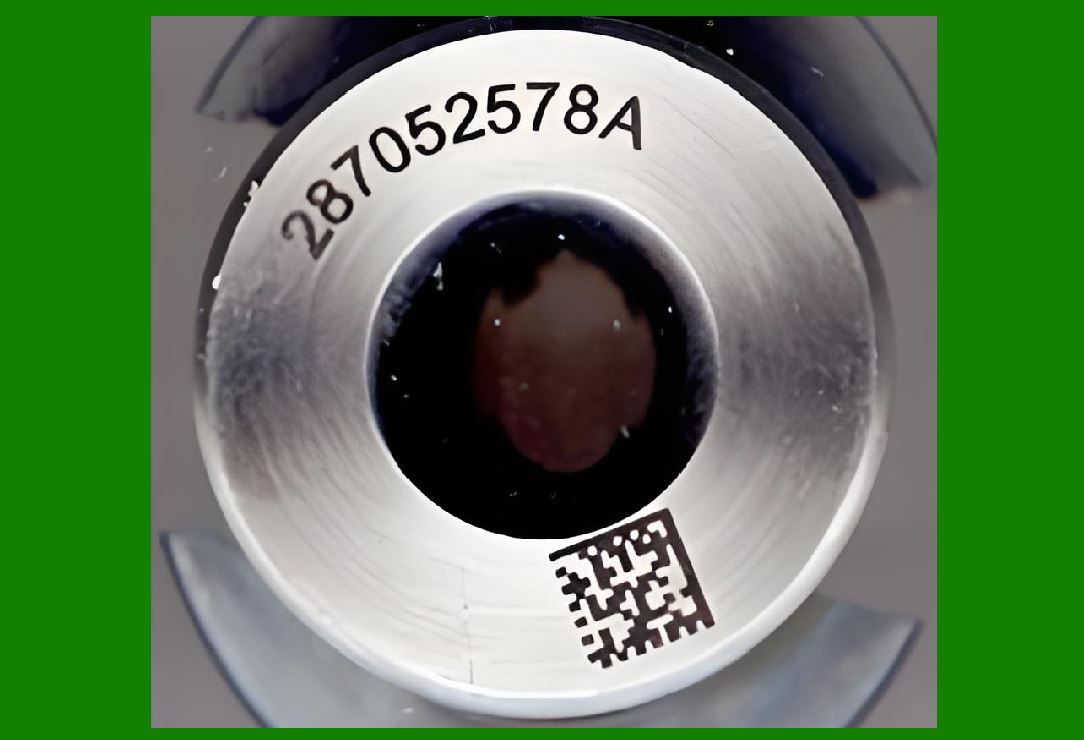
The DataMatrix barcode is one of the most powerful and compact two-dimensional barcode symbologies ever developed. It is a form of data encoding that uses small black and white square or rectangular modules arranged in a grid to store alphanumeric or binary information. Unlike traditional one-dimensional barcodes such as UPC or Code 128, which encode data along a single axis, DataMatrix codes store information in both horizontal and vertical directions. This allows them to contain a large amount of data in a very small physical area. |
1.2 |
At first glance, a DataMatrix barcode looks like a patchwork of tiny black and white squares forming a checkerboard pattern. But behind this simple appearance lies a sophisticated structure capable of storing hundreds¡ªor even thousands¡ªof characters. Depending on the symbol size and the encoding mode used, a DataMatrix symbol can encode up to around 2,335 alphanumeric characters or 3,116 numerical digits. This dense data capacity is what makes it ideal for use in applications where space is limited, such as on microelectronic components, surgical instruments, or small product labels. |
1.3 |
The DataMatrix code was first introduced in the 1980s by a company called International Data Matrix, Inc. (ID Matrix), based in the United States. It was designed to address the growing need for compact, machine-readable markings that could be used in manufacturing and industrial applications. Over time, its capabilities evolved through international standardization, culminating in its inclusion in the ISO/IEC 16022 standard, which formally defines its structure and encoding principles. |
1.4 |
What sets DataMatrix apart from other 2D barcodes is its extraordinary resilience and readability. Even if a portion of the code is damaged, obscured, or distorted, it can still be read accurately thanks to its built-in error correction system based on Reed¨CSolomon algorithms. This makes DataMatrix an extremely reliable option for environments where codes may be scratched, printed on irregular surfaces, or exposed to harsh conditions¡ªsuch as in aerospace, pharmaceuticals, and electronics manufacturing. |
|
2. The Visual Appearance and Structure of DataMatrix |
2.1 |
A typical DataMatrix symbol consists of a series of black and white squares arranged in a grid, usually within a square or rectangular boundary. Each square or module represents a bit of digital information, with black indicating a binary ¡°1¡± and white indicating a binary ¡°0.¡± Together, these modules form a pattern that encodes text or numeric data. |
2.2 |
Along two sides of the DataMatrix are solid borders¡ªone vertical and one horizontal¡ªforming an L-shaped ¡°finder pattern.¡± This L-shaped pattern acts as an anchor for scanners and cameras, helping them quickly locate and orient the symbol during decoding. The other two sides of the code contain alternating black and white modules, forming a ¡°timing pattern¡± or ¡°clock pattern.¡± This helps the scanner determine the size of each module and the exact layout of the data grid. |
2.3 |
The interior of the DataMatrix symbol is divided into small data regions that hold the encoded data and error correction bits. Depending on the version and size of the symbol, there can be one or more of these data regions. For instance, small symbols have a single data region, while larger ones may have multiple regions stacked together, separated by solid lines. |
2.4 |
The smallest possible DataMatrix symbol has a size of 10 ¡Á 10 modules, while the largest can go up to 144 ¡Á 144 modules in square format, or 8 ¡Á 18 up to 16 ¡Á 48 in rectangular format. The flexible size options allow the code to scale according to the amount of data being encoded and the space available on the item. |
2.5 |
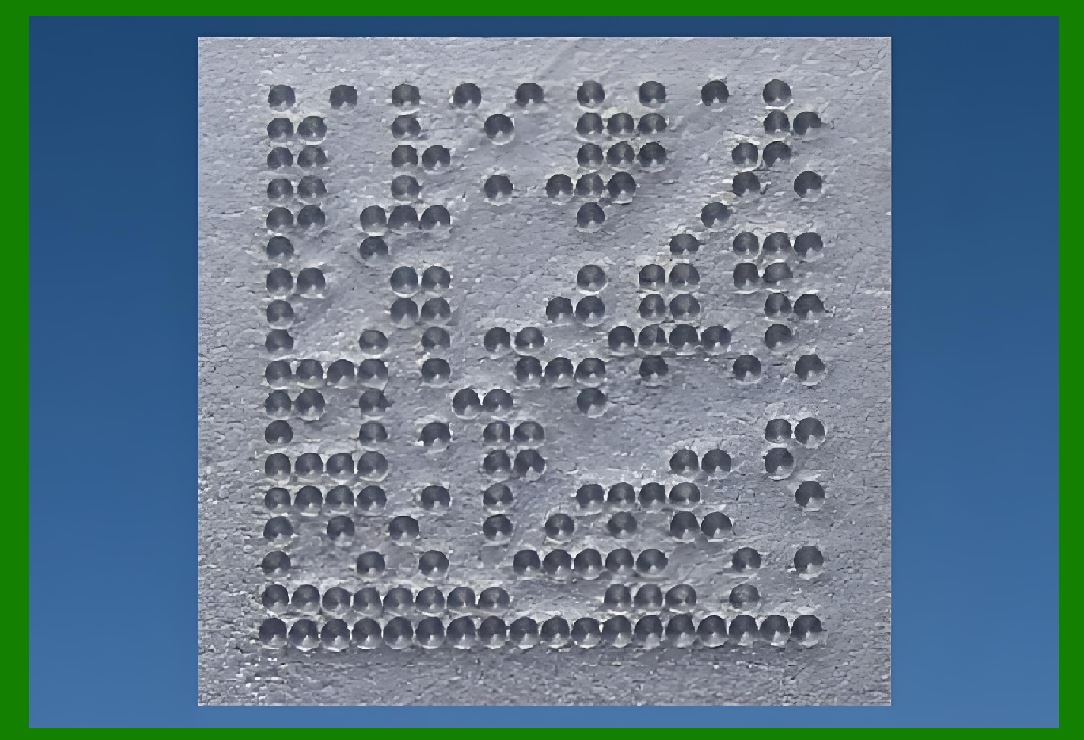
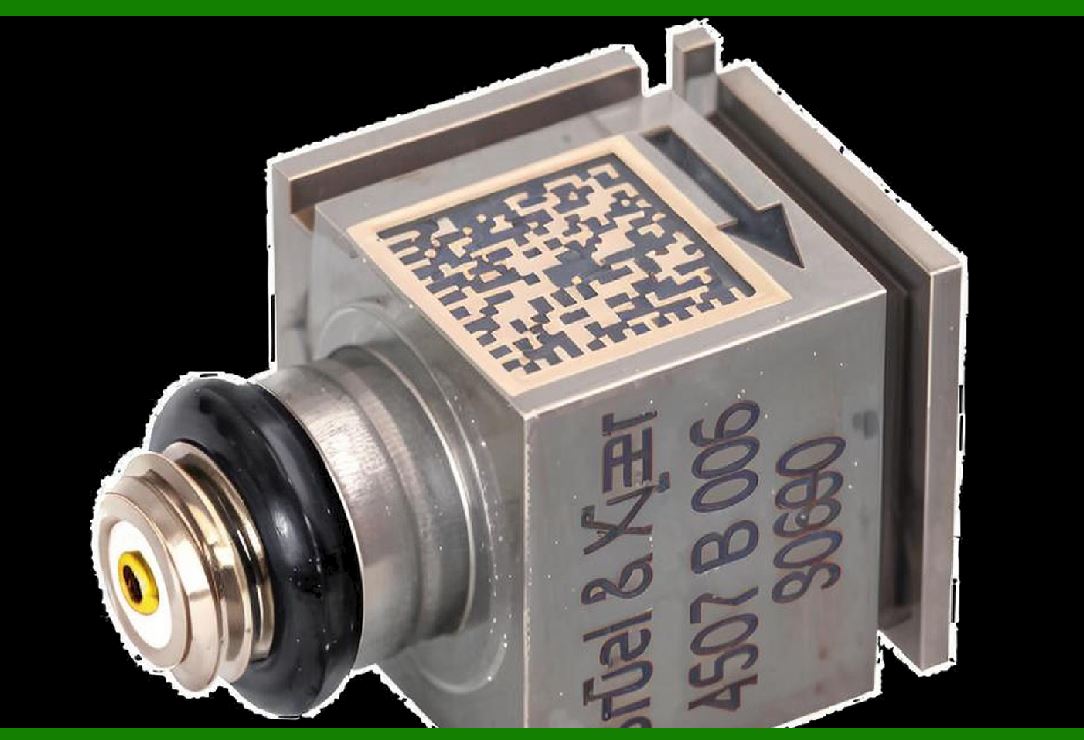
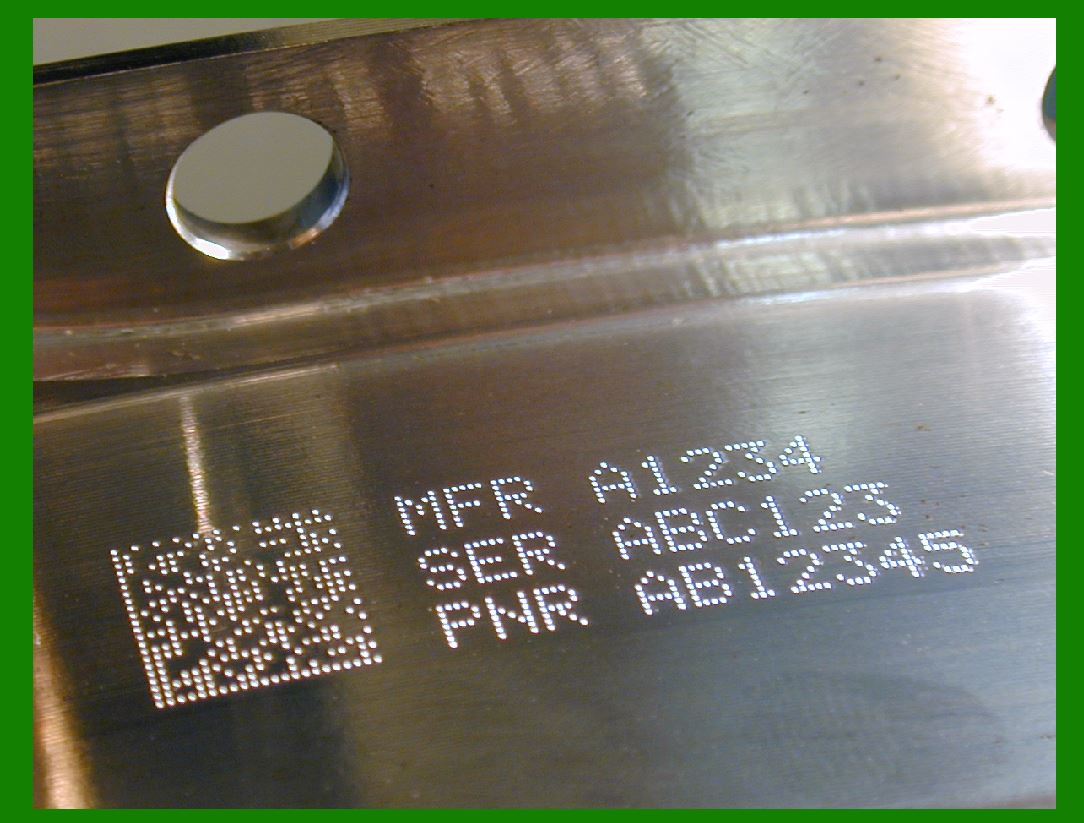
Because DataMatrix codes are designed to be printed or marked in extremely small spaces, they are often used in direct part marking (DPM), a process in which the code is laser-etched, dot-peened, or otherwise permanently engraved onto the surface of an object. This allows manufacturers to track individual components through their entire life cycle. |
|
3. Data Encoding Principles |
3.1 |
Inside every DataMatrix symbol is a complex system of data encoding that transforms ordinary characters into binary patterns. The encoding process begins with the text or numbers to be stored. These are first converted into a sequence of bytes based on the ASCII standard, although DataMatrix also supports several optimized encoding modes that increase efficiency depending on the type of data. |
3.2 |
The encoding modes include ASCII, C40, Text, X12, EDIFACT, and Base 256. |
The ASCII mode is the default and can represent numbers and text using standard character codes. |
The C40 and Text modes are optimized for upper- and lower-case text, respectively, allowing more compact encoding of alphanumeric strings. |
The X12 mode is optimized for messages using the ANSI X12 data interchange format, common in supply chain systems. |
The EDIFACT mode is another compact encoding method used for structured messages. |
The Base 256 mode can store arbitrary binary data, including images or encrypted content. |
3.3 |
Once the data is encoded, the code adds error correction codewords using the ECC200 scheme, which is based on Reed¨CSolomon error correction mathematics. These additional bits provide redundancy, allowing the original data to be reconstructed even if up to 30% of the symbol¡¯s modules are damaged or missing. |
3.4 |
After the data and error correction codewords are generated, they are placed into a matrix using a predefined mapping pattern that alternates directions, ensuring even distribution across the grid. This structured placement allows scanners to decode the information efficiently and reduces the impact of localized damage. |
3.5 |
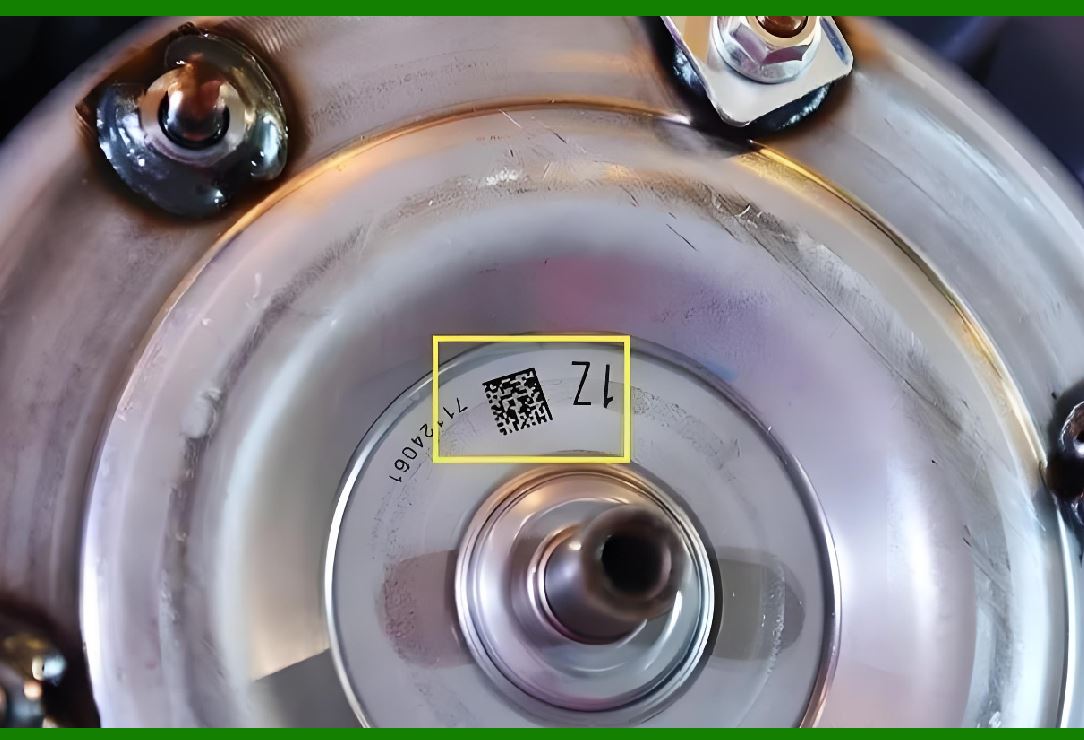
When a scanner captures an image of the DataMatrix, it uses the finder and timing patterns to determine the symbol¡¯s orientation and cell size. Then, it reconstructs the grid, reads the module values, and applies the Reed¨CSolomon algorithm to recover the data. The decoded byte sequence is finally translated back into readable text or data. |
|
4. Error Correction and Reliability |
4.1 |
One of the defining features of the DataMatrix barcode is its extremely robust error correction mechanism. The ECC200 version of the symbology uses Reed¨CSolomon error correction, a mathematical system also used in CDs, DVDs, and deep-space communications. This system allows for the recovery of missing or damaged data by using redundant information encoded into the symbol. |
4.2 |
To understand the importance of this, imagine a barcode printed on a product that later becomes scratched or partially torn. In traditional 1D barcodes, such damage could render the code completely unreadable. However, in DataMatrix, the Reed¨CSolomon system can rebuild the lost information as long as enough of the code remains intact. This means that even if up to 25¨C30% of the modules are destroyed, the data can still be perfectly recovered. |
4.3 |
This capability is especially valuable in industrial and medical settings where barcodes are often exposed to harsh conditions. Components in aerospace manufacturing, for example, may endure high heat, vibration, and abrasion. Similarly, medical instruments must withstand repeated sterilization cycles that can erode markings. The resilience of DataMatrix makes it uniquely suited for these demanding environments. |
4.4 |
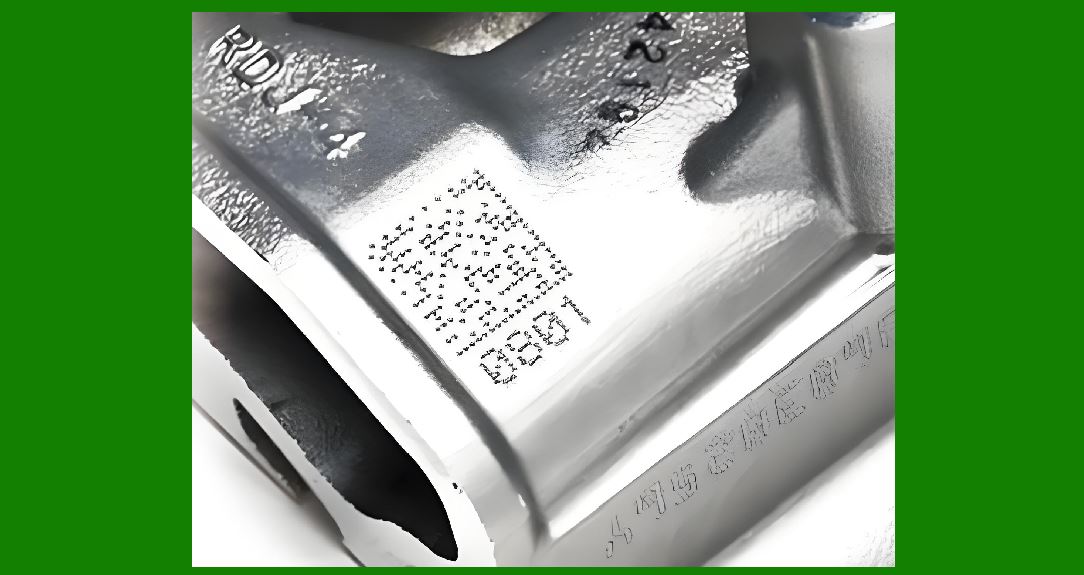
The ECC200 standard represents the most advanced and widely used form of DataMatrix. Earlier versions, such as ECC000 to ECC140, provided lower levels of error correction and are now considered obsolete. The ECC200 system became the global standard because of its superior mathematical robustness and compatibility with high-speed imaging scanners. |
|
5. Size Variants and Data Capacity |
5.1 |
The DataMatrix barcode¡¯s design is scalable, meaning it can be generated in various sizes depending on the amount of data that needs to be stored. The square versions range from 10¡Á10 to 144¡Á144 modules, while the rectangular versions can be from 8¡Á18 up to 16¡Á48. The larger the matrix, the more data it can hold¡ªbut also the more space it occupies. |
5.2 |
For example, a small 10¡Á10 DataMatrix might hold as few as six characters, while a full 144¡Á144 symbol can store over two thousand alphanumeric characters. In numeric-only mode, where data is encoded more efficiently, up to about 3,100 digits can be stored. |
5.3 |
This scalability is one of the key reasons DataMatrix has become so popular across diverse industries. Small codes are used for marking miniature components, while larger ones are suitable for documents, packaging, and logistics labels. The same decoding software can interpret all sizes, making the system flexible and future-proof. |
5.4 |
Another advantage is that the module size¡ªthe individual black or white square¡ªcan be adjusted without changing the data structure. This means a DataMatrix can be printed very small on high-resolution printers or very large for visibility in long-distance scanning environments. |
|
6. Reading and Decoding Technologies |
6.1 |
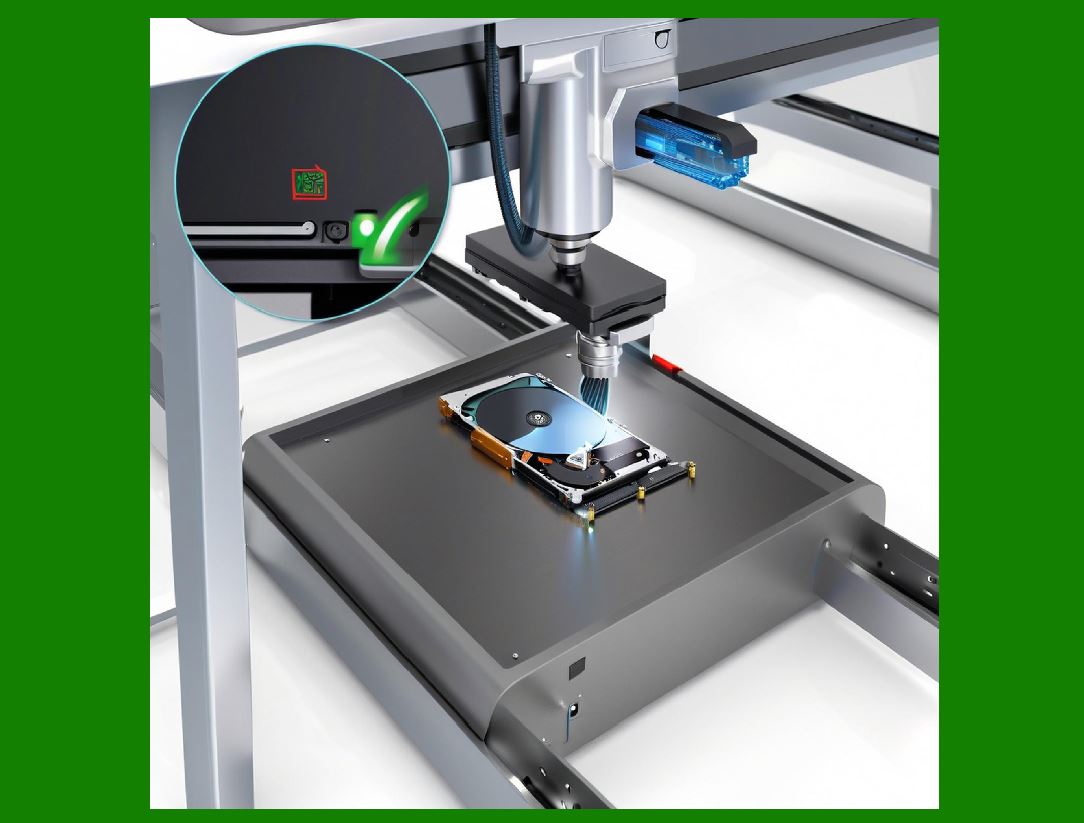
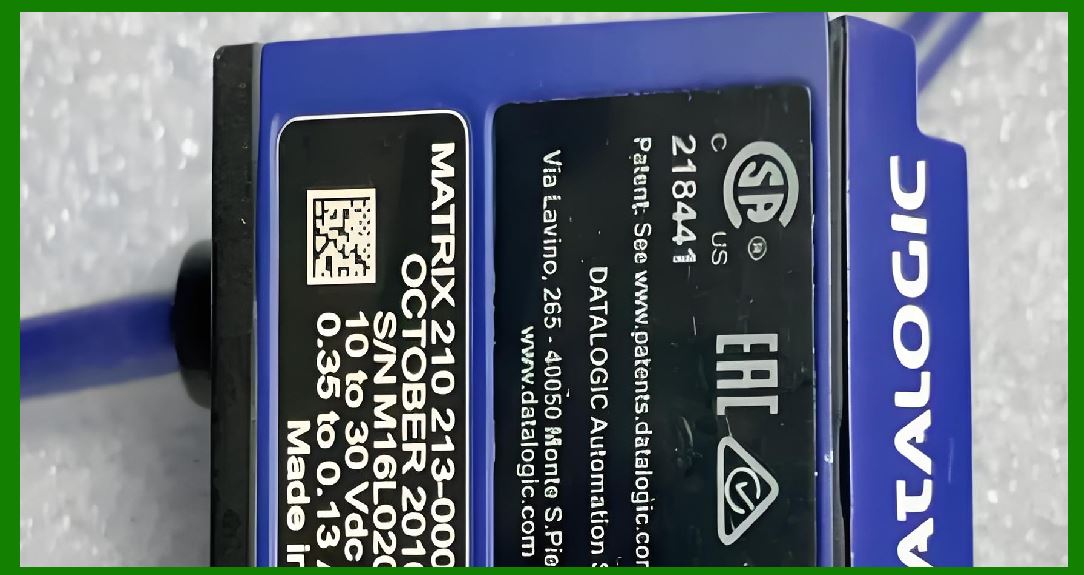
Unlike linear barcodes that require a laser scanner to sweep across a line, DataMatrix codes are read using image-based scanners or camera systems. These devices capture a 2D image of the symbol and process it through decoding software that analyzes contrast, orientation, and structure. |
6.2 |
In modern systems, even smartphone cameras are capable of reading DataMatrix codes thanks to advanced image processing algorithms. Industrial systems, however, often use dedicated machine vision cameras optimized for high-speed scanning under varied lighting and surface conditions. |
6.3 |
During decoding, the software first detects the finder pattern, determines the rotation and tilt, and then identifies the boundaries of each module. Image correction algorithms compensate for perspective distortion, curvature, or partial shadowing. The grid is reconstructed digitally, and binary data is extracted module by module. |
6.4 |
After decoding, the data is error-corrected using the ECC200 algorithm and then displayed or transmitted to the host system. Because of its robust detection and correction features, DataMatrix can be read even when printed on reflective materials, curved surfaces, or rough textures. |
|
7. Advantages of the DataMatrix Barcode |
7.1 |
The DataMatrix barcode offers several unique advantages that distinguish it from other barcode formats, including QR Code, PDF417, and Aztec Code. Its key strengths include compactness, robustness, readability, and international standardization. |
7.2 |
Compactness: |
DataMatrix can encode a large amount of information in a very small space. This feature is critical for industries like electronics or pharmaceuticals, where labeling space is limited but traceability requirements are strict. |
7.3 |
Readability: |
DataMatrix can be read from any orientation, including upside-down or at an angle. This omnidirectional readability reduces the need for precise alignment and increases scanning efficiency. |
7.4 |
Error Correction: |
Its ECC200 error correction system makes it resilient to damage and poor printing quality. Even if part of the symbol is missing, the information remains recoverable. |
7.5 |
Scalability: |
It can be produced in a variety of sizes without changing its basic structure, making it suitable for applications ranging from microscopic markings to large warehouse labels. |
7.6 |
High Contrast Performance: |
DataMatrix codes can be read under low-contrast conditions, such as laser-marked metal or plastic. Machine vision algorithms can extract the data even when the visual difference between black and white modules is minimal. |
7.7 |
Durability in Harsh Conditions: |
When etched directly onto a part, the code can survive heat, chemicals, and mechanical stress, making it ideal for aerospace, automotive, and defense applications. |
|
8. Comparison with Other 2D Barcode Types |
8.1 |
While DataMatrix shares similarities with other two-dimensional barcodes like QR Code, Aztec Code, and PDF417, it has distinct characteristics that make it the preferred choice for specific industrial uses. |
8.2 |
Compared with QR Code, DataMatrix is generally more compact for the same amount of data, especially for smaller information payloads. QR Code, on the other hand, is more popular in consumer applications due to its widespread adoption in marketing and mobile payments. |
8.3 |
Compared with PDF417, which is a stacked linear barcode, DataMatrix is smaller and can be read faster by imaging systems. PDF417 is more suitable for large documents or identification cards where larger printing areas are available. |
8.4 |
Compared with Aztec Code, which is used in transport and ticketing, DataMatrix has a longer industrial history and is optimized for high-density marking and extreme durability. |
8.5 |
In short, DataMatrix fills a specialized niche where compactness, durability, and reliability are paramount¡ªespecially when used in combination with direct part marking or small-item labeling. |
|
9. Industrial Applications and Adoption |
9.1 |
Since its creation, the DataMatrix barcode has become one of the most trusted and widely adopted symbologies in global industry. Its compact structure and error tolerance make it ideal for situations where space is limited and reliability is essential. Today, DataMatrix codes can be found in nearly every sector¡ªfrom electronics manufacturing and pharmaceuticals to aerospace and defense. |
9.2 |
The automotive industry was among the first to adopt DataMatrix for part identification. Each engine block, piston, or electronic module can be laser-etched with a unique code that links to its production data, inspection results, and warranty history. Because these parts must be traceable even decades after manufacture, a durable and permanent marking system is essential. DataMatrix provides that reliability. |
9.3 |
In the electronics industry, DataMatrix enables traceability at the component level. Integrated circuits, resistors, and capacitors are often marked with DataMatrix codes smaller than a few millimeters in width. These codes are scanned automatically on high-speed assembly lines, ensuring that every component can be traced back to its lot number and production origin. This traceability supports quality control, defect tracking, and counterfeit prevention. |
9.4 |
In the aerospace sector, DataMatrix codes are used to mark turbine blades, engine casings, and other critical parts. Aircraft components are subject to stringent safety and regulatory requirements. Each must be traceable through its manufacturing process, maintenance, and lifespan. Because DataMatrix can be laser-marked directly onto metal surfaces, it remains legible throughout the component¡¯s service life, even after exposure to high temperatures or cleaning solvents. |
9.5 |
Another major area of adoption is medical devices and pharmaceuticals, where traceability and authentication are vital to patient safety. Surgical instruments, for example, are marked with unique DataMatrix codes that identify each instrument individually. This allows hospitals to manage sterilization cycles and maintenance schedules, preventing the use of contaminated or untraceable tools. In pharmaceuticals, DataMatrix is used for serialization of medicine packaging to prevent counterfeit drugs from entering the supply chain. |
9.6 |
Beyond these fields, DataMatrix has found applications in logistics, warehousing, postal systems, and even government documents. Its efficiency and compactness make it suitable for encoding URLs, serial numbers, and encrypted identifiers. Whether printed with ink, laser, or dot-peen marking, DataMatrix provides a universal language for digital traceability. |

|
10. Use in Direct Part Marking (DPM) |
10.1 |
One of the most distinctive and influential applications of DataMatrix technology is Direct Part Marking (DPM). In DPM, the barcode is permanently applied directly to the surface of an item¡ªoften through laser etching, chemical etching, electrochemical marking, or micro-dot peening. Unlike a label or sticker, a DPM mark cannot be easily removed, and it lasts for the lifetime of the product. |
10.2 |
The ability to apply permanent marks is crucial in industries where products are subject to mechanical stress, heat, or chemicals that would destroy paper or plastic labels. Aerospace and defense sectors, for instance, require every critical component to be permanently marked for full life-cycle traceability. |
10.3 |
A DPM DataMatrix code may be as small as 0.5 millimeters in size, yet still readable by machine vision systems. Because DPM marks are typically applied on metals, ceramics, or high-density plastics, specialized scanners and lighting setups are used to detect the reflected contrast patterns. |
10.4 |
To ensure uniform performance, the AIM DPM Quality Guideline was created to define the parameters for assessing DataMatrix readability in direct marking contexts. Factors such as symbol contrast, cell size, axial nonuniformity, and print growth are measured to confirm that the code can be read reliably in production and service environments. |
10.5 |
DPM-enabled traceability has reshaped quality management systems across the globe. A damaged or malfunctioning part can be traced to its manufacturing batch in seconds, reducing investigation time and supporting automated maintenance records. This contributes to safer aircraft, vehicles, and medical instruments. |

|
11. DataMatrix in Healthcare and Pharmaceuticals |
11.1 |
Perhaps no sector demonstrates the social importance of DataMatrix better than the healthcare industry. Medical systems depend on accurate data tracking to ensure patient safety, proper dosage, and authenticity of drugs and devices. The DataMatrix barcode has become the backbone of healthcare serialization systems around the world. |
11.2 |
The European Union¡¯s Falsified Medicines Directive (FMD) mandates that all prescription medicines carry a unique identifier and an anti-tampering device. The identifier is encoded using a 2D DataMatrix code. This allows pharmacists to scan the medicine before dispensing it and verify its authenticity against a national database. Each box has a serial number, product code, batch number, and expiration date, all encoded in the symbol. |
11.3 |
In the United States, the Drug Supply Chain Security Act (DSCSA) requires pharmaceutical manufacturers, repackagers, and dispensers to serialize their products using a similar system. DataMatrix was chosen as the standard format due to its compactness and ability to store multiple data fields. |
11.4 |
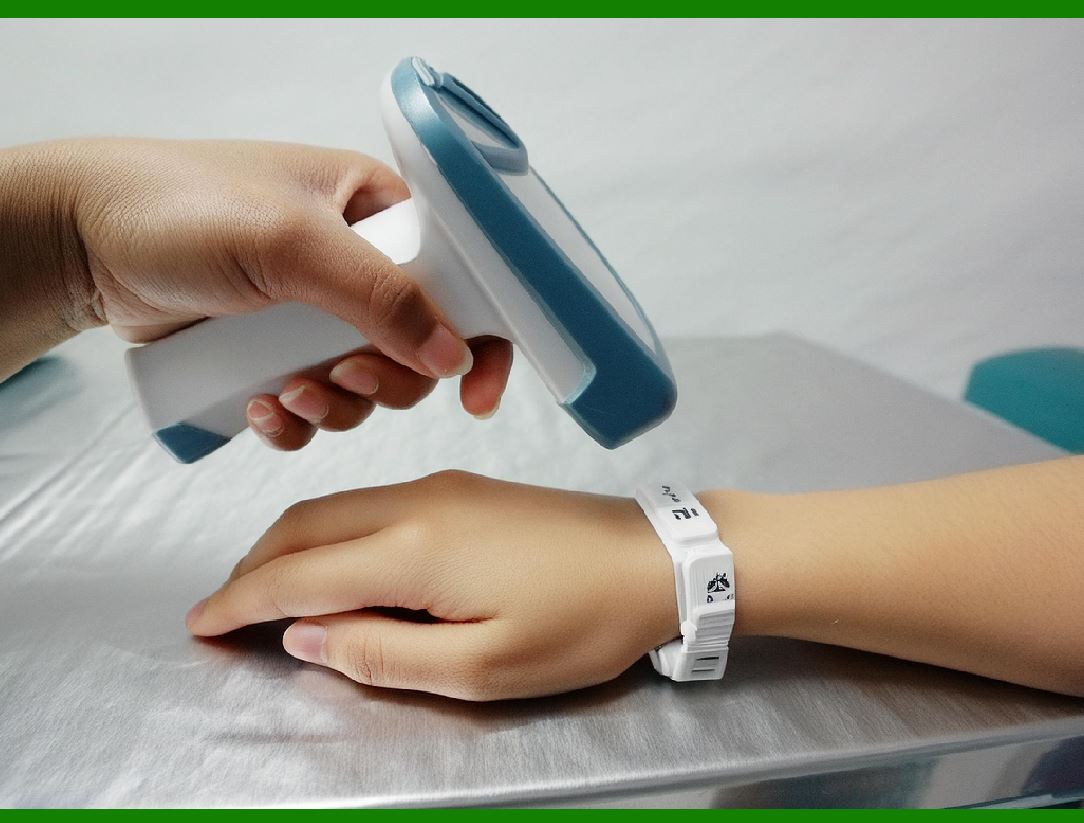
Hospitals use DataMatrix labels on blood bags, lab samples, and medical devices to track them accurately throughout handling and testing. By scanning the DataMatrix, medical staff can confirm patient information, test results, or expiration dates instantly. This reduces manual entry errors and ensures that samples are never mismatched or lost. |
11.5 |
In surgical environments, DataMatrix-marked instruments help track sterilization cycles. Each instrument¡¯s unique code links to a digital record of when it was last cleaned, how many times it has been used, and when it needs replacement. This automated traceability has drastically improved patient safety and regulatory compliance in operating rooms. |
11.6 |
Furthermore, DataMatrix enables global efforts against counterfeit medications. By verifying serial numbers through centralized databases, healthcare providers and patients can confirm whether a product is genuine. This feature saves countless lives, particularly in regions affected by counterfeit drug distribution. |

|
12. Use in Manufacturing and Quality Control |
12.1 |
In modern manufacturing, traceability and automation are cornerstones of productivity and quality assurance. DataMatrix plays a crucial role in connecting the physical world of parts and products with the digital world of data and analytics. |
12.2 |
Manufacturers use DataMatrix codes to identify each component throughout its production journey¡ªfrom raw material to final assembly. The code serves as a digital fingerprint for each item. When scanned, it instantly retrieves information such as production date, machine ID, operator, and test results. |
12.3 |
This enables real-time quality control. If a defective batch is discovered, the system can automatically identify all affected products and halt shipment before issues reach customers. This ability to trace backward (for root-cause analysis) and forward (for recall management) forms the foundation of modern manufacturing excellence. |
12.4 |
Automotive factories use robotic vision systems that scan thousands of DataMatrix codes per minute. Each engine component, fastener, or sensor can be traced throughout assembly, ensuring compatibility and compliance with design specifications. When combined with IoT systems, the barcode becomes part of a larger ecosystem of Industry 4.0 data collection. |
12.5 |
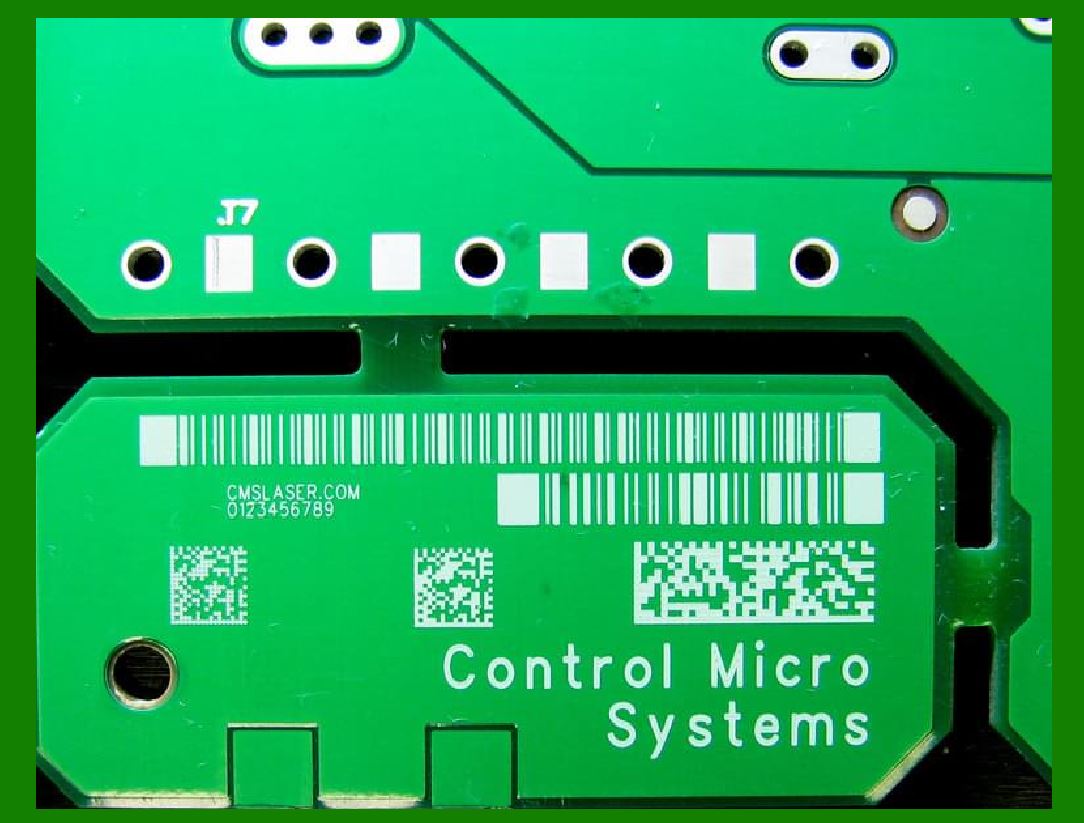
In semiconductor and electronics assembly, DataMatrix enables identification of components as small as a few millimeters. Printed directly on PCBs or chip packages, the symbol links each part to its test results and supplier records. This data can later be used for warranty validation, defect analysis, and recycling programs. |
12.6 |
Thus, DataMatrix serves as the link between the physical object and the digital manufacturing record, transforming every product into a node in the industrial data network. |

|
13. DataMatrix in Logistics and Supply Chain |
13.1 |
The logistics industry thrives on the speed and accuracy of data. Every shipment, carton, and pallet must be traceable through the supply chain. DataMatrix provides a compact and durable solution for encoding shipment identifiers, product IDs, and destination information. |
13.2 |
Unlike 1D barcodes, which often require large label space and precise alignment, DataMatrix can fit on small labels and be scanned omnidirectionally. This increases efficiency in warehouse operations and automated conveyor systems. |
13.3 |
In logistics hubs, automated cameras capture images of packages moving at high speeds. DataMatrix codes can be recognized even when slightly damaged or printed on reflective materials. The data is instantly uploaded to warehouse management systems, providing real-time tracking visibility. |
13.4 |
For perishable goods, such as food or pharmaceuticals, the code can include batch numbers and expiration dates, allowing automatic inventory rotation and recall management. This prevents expired products from reaching consumers and minimizes waste. |
13.5 |
Postal services and courier companies use DataMatrix for encoding routing and sorting data on mail items. Its compactness allows high-density labeling even on small envelopes or tubes, and its high reliability ensures accurate delivery despite rough handling during transit. |
13.6 |
In global supply chains, where serialization and anti-counterfeiting are increasingly critical, DataMatrix supports interoperability between systems by following ISO/IEC 16022 and GS1 standards. The same symbol can encode globally recognized identifiers such as GTIN, lot, and serial numbers that integrate seamlessly with enterprise databases. |

|
14. Regulatory and Standardization Framework |
14.1 |
The success of DataMatrix is not just due to its technical advantages¡ªit¡¯s also the result of international standardization. The format is defined under ISO/IEC 16022, which specifies its symbol structure, encoding rules, and error correction algorithm. |
14.2 |
In addition, industry-specific standards organizations have incorporated DataMatrix into their guidelines. For instance, GS1, the global body for supply chain standards, defines how DataMatrix should be used to encode product identifiers, batch numbers, and expiry dates in compliance with GS1 DataMatrix specifications. |
14.3 |
The AIM (Automatic Identification and Mobility) organization has also published verification and quality guidelines, including AIM DPM-1-2006, which ensures consistent readability across different materials and marking techniques. |
14.4 |
In healthcare, the International Organization for Standardization (ISO) has integrated DataMatrix into standards such as ISO/IEC 15459 for unique identifiers and ISO 15223 for medical device labeling. |
14.5 |
The existence of these standards guarantees global interoperability. A DataMatrix printed in one country can be scanned and understood anywhere else, making it the ideal choice for multinational industries. |
|
15. Anti-Counterfeiting and Product Authentication |
15.1 |
Counterfeit goods pose a massive problem across industries, from luxury brands and electronics to pharmaceuticals and automotive parts. DataMatrix barcodes play a vital role in combating this issue through serialization and authentication. |
15.2 |
Each product can be assigned a unique DataMatrix code that encodes a serial number linked to a manufacturer¡¯s secure database. When scanned, the system verifies whether the code exists and matches the original product record. If it doesn¡¯t, the product is flagged as counterfeit. |
15.3 |
In addition to serialization, DataMatrix can be combined with digital signatures or cryptographic hashing, embedding authenticity directly into the symbol. This provides end-to-end traceability from the production line to the consumer. |
15.4 |
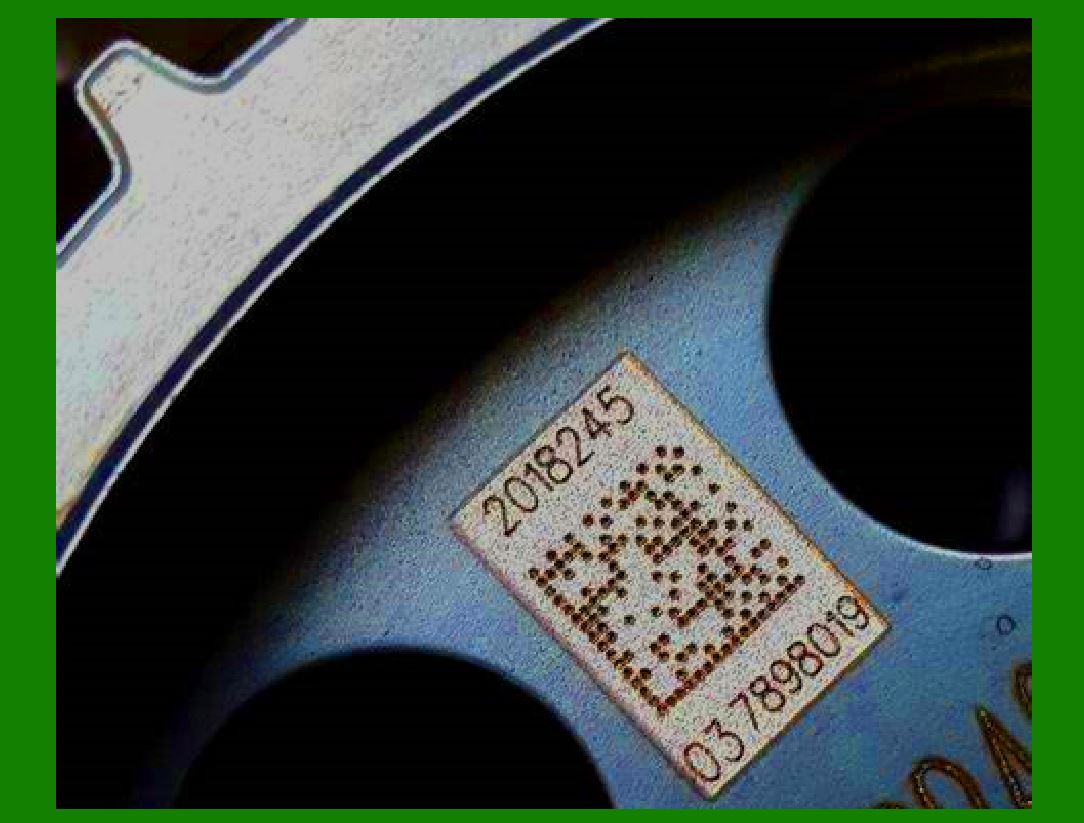
Luxury brands have adopted DataMatrix in invisible laser-marked form to identify genuine goods discreetly. These codes may be applied beneath paint or coatings, readable only by infrared scanners. |
15.5 |
Governments and customs authorities also use DataMatrix in tax stamps and excise labeling to track the movement of tobacco, alcohol, and other regulated goods. By scanning these codes, inspectors can confirm whether the item is legally produced and taxed. |
15.6 |
The result is a powerful defense against counterfeiting that protects brands, ensures consumer safety, and maintains trust in supply chains. |
|
16. DataMatrix in Aerospace and Defense |
16.1 |
Few sectors demand traceability and reliability as much as aerospace and defense. Every bolt, sensor, and turbine blade must be identifiable throughout its life. A single undetectable defect could lead to catastrophic failure. This is why DataMatrix has become the de facto marking standard for aerospace parts. |
16.2 |
Organizations such as NASA, Boeing, and the U.S. Department of Defense have long mandated the use of DataMatrix for part identification. The MIL-STD-130 standard specifically defines how DataMatrix should be applied and verified on military equipment. |
16.3 |
These markings often survive extreme conditions¡ªtemperature fluctuations, pressure changes, and exposure to aviation fuel or hydraulic fluid. The permanence and error correction capability of DataMatrix make it the only practical choice for these environments. |
16.4 |
Maintenance crews use handheld scanners or mobile devices to read these codes during inspections. By linking the symbol to digital maintenance records, the system ensures that no part is overlooked or misplaced. It also supports predictive maintenance by integrating part history with performance analytics. |
16.5 |
The aerospace industry¡¯s success in implementing DataMatrix has inspired similar approaches in railway and maritime industries, where parts must be traceable for decades. |
|
17. Environmental and Sustainability Benefits |
17.1 |
DataMatrix technology also contributes to sustainability and environmental protection in surprising ways. By enhancing traceability and lifecycle management, it enables recycling, efficient recall handling, and waste reduction. |
17.2 |
Manufacturers can track materials from production through end-of-life recycling. Components marked with DataMatrix codes can be identified automatically for reuse or safe disposal. This supports circular economy initiatives by ensuring materials are correctly sorted and recycled. |
17.3 |
Accurate inventory and recall systems prevent mass waste of products due to batch uncertainty. When a recall is necessary, companies can identify only the affected serial numbers rather than discarding entire shipments. |
17.4 |
In packaging, compact DataMatrix codes reduce the need for large printed labels, saving ink and paper. Laser-etched markings eliminate the need for adhesives and label materials, further reducing environmental impact. |
|
18. The Future of DataMatrix Technology |
18.1 |
Although DataMatrix has existed for decades, its importance continues to grow as industries embrace digital transformation. In the era of IoT (Internet of Things) and Industry 4.0, DataMatrix acts as the bridge between physical objects and digital information systems. |
18.2 |
Future developments focus on integrating DataMatrix with cloud-based traceability platforms. When a code is scanned, it can trigger automated workflows¡ªsuch as updating maintenance logs, verifying authenticity, or registering warranty claims¡ªinstantly through the internet. |
18.3 |
Advanced machine vision and AI algorithms are also enhancing decoding speed and accuracy. Modern systems can recognize distorted or low-contrast codes in real time, even during high-speed manufacturing processes. |
18.4 |
Researchers are exploring color-enhanced or multispectral versions of DataMatrix to store even more information or improve readability on different materials. These variants could encode spectral signatures or microscopic textures for additional layers of authentication. |
18.5 |
As 3D printing and smart manufacturing expand, DataMatrix may be embedded directly within materials or product geometry¡ªan innovation sometimes referred to as ¡°digital twins.¡± This will allow seamless identification of parts from their creation to their disposal. |
18.6 |
With regulatory bodies and global supply chains increasingly demanding transparency, the DataMatrix barcode remains indispensable. Its simplicity, robustness, and universal standardization ensure it will continue to serve as a cornerstone of identification technology for decades to come. |

|
19. Conclusion |
19.1 |
The DataMatrix barcode is a masterpiece of information engineering¡ªa system that condenses vast amounts of digital information into a pattern of tiny squares. Its balance of compactness, resilience, and universality has made it one of the most enduring technologies in modern industry. |
19.2 |
From microchips to medicine boxes, from aircraft turbines to surgical tools, the DataMatrix symbol serves as a silent yet powerful communicator between the physical and digital worlds. It enables traceability, ensures safety, combats counterfeiting, and connects products to databases in ways that transform logistics, healthcare, and manufacturing. |
19.3 |
Although newer technologies continue to emerge, few can match the versatility and reliability of DataMatrix. It represents not just a barcode, but a symbol of global connectivity¡ªproof that even the smallest pattern can hold the world¡¯s most vital information. |
 cs@easiersoft.com