19. Application of PDF417 in the Transportation Industry |
19.1 Overview of transportation uses |
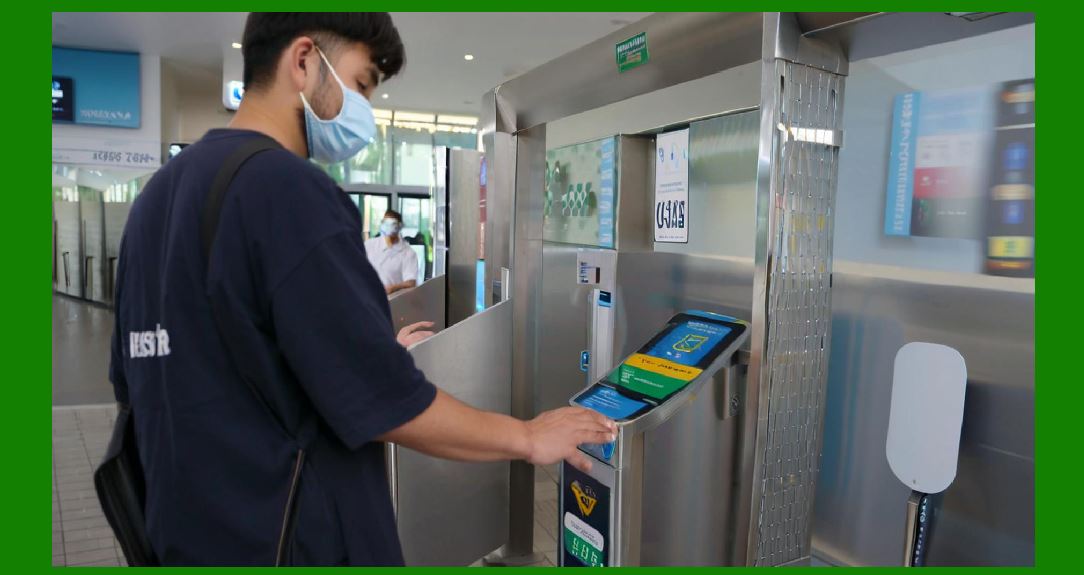
The transportation industry relies on accurate and efficient identification, tracking, and verification of goods, passengers, and vehicles. PDF417 barcodes have become an important technology in this domain because of their capacity to encode large volumes of structured data, their ability to survive environmental challenges, and their compliance with global transportation data standards. PDF417's use in driver's licenses, boarding passes, baggage tags, and customs documents reflects its versatility and reliability in high-speed, mission-critical environments. |
19.2 PDF417 in driver's licenses and vehicle registration |
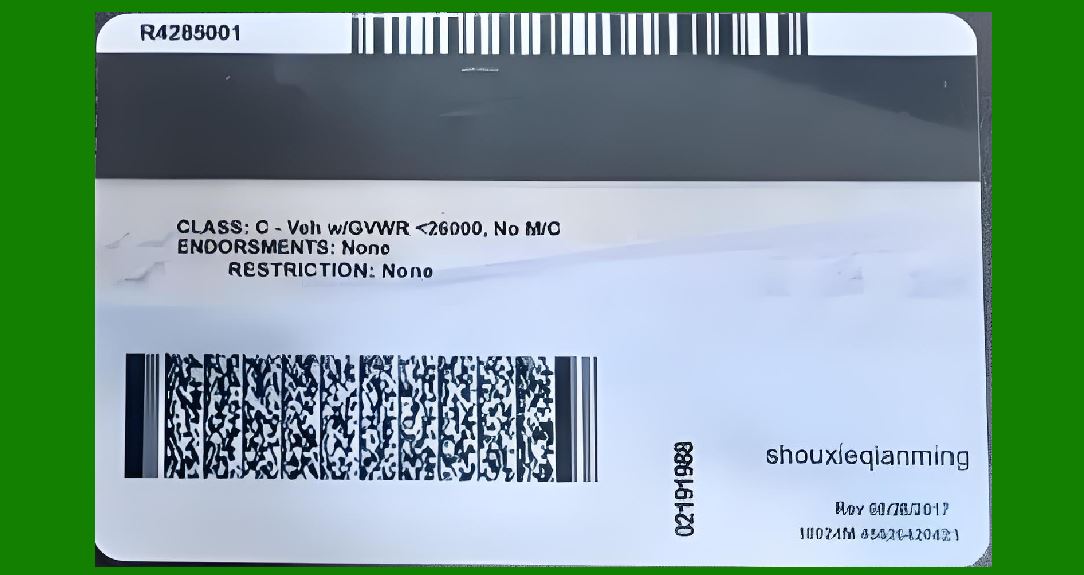
In many countries, driver's licenses include a PDF417 barcode on the back side. This barcode encodes personal information such as the driver's name, date of birth, license number, address, and physical descriptors. Unlike traditional magnetic stripes, PDF417 can include all this information in human-readable and electronically readable forms without relying on a centralized database during verification. |
When a law enforcement officer scans a driver's license barcode, the system can quickly display identity details, license validity, and any restrictions, even in areas with limited connectivity. This local data access makes PDF417 practical in rural regions and ensures that verification works even if network access fails. |
19.3 PDF417 for airline boarding and passenger management |
Before the introduction of mobile boarding passes, paper boarding passes printed with PDF417 barcodes were the standard for airline passengers. The barcode encodes flight numbers, departure and destination airports, passenger names, seat assignments, and security data in accordance with IATA standards. |
Because PDF417 allows error correction and can store detailed flight data, it reduces dependence on online systems during boarding. Even if the central server is momentarily down, gate scanners can still authenticate passengers from the encoded information. This design improves system robustness and security during peak operation hours. |
19.4 PDF417 in cargo and shipping logistics |
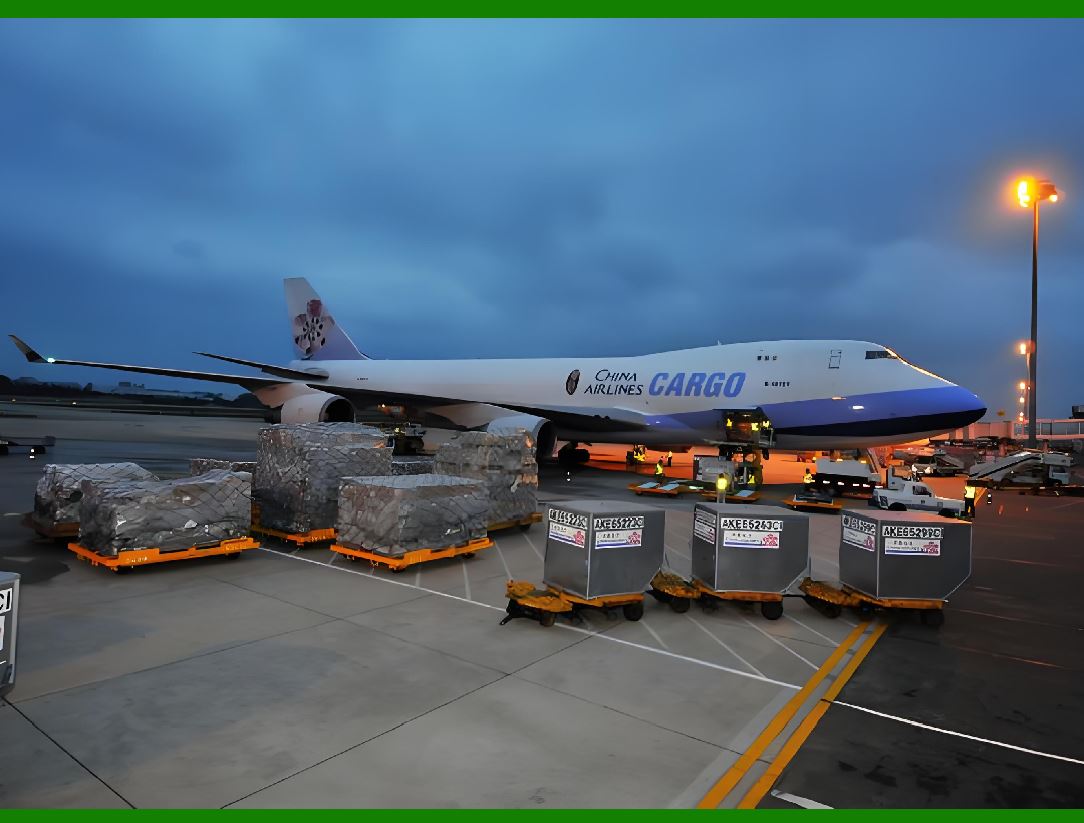
Cargo transportation relies on accurate labeling to ensure that containers and packages reach their correct destinations. PDF417 barcodes allow logistics operators to encode not only tracking numbers but also full manifest details, customs declarations, and routing instructions directly into a single barcode. |
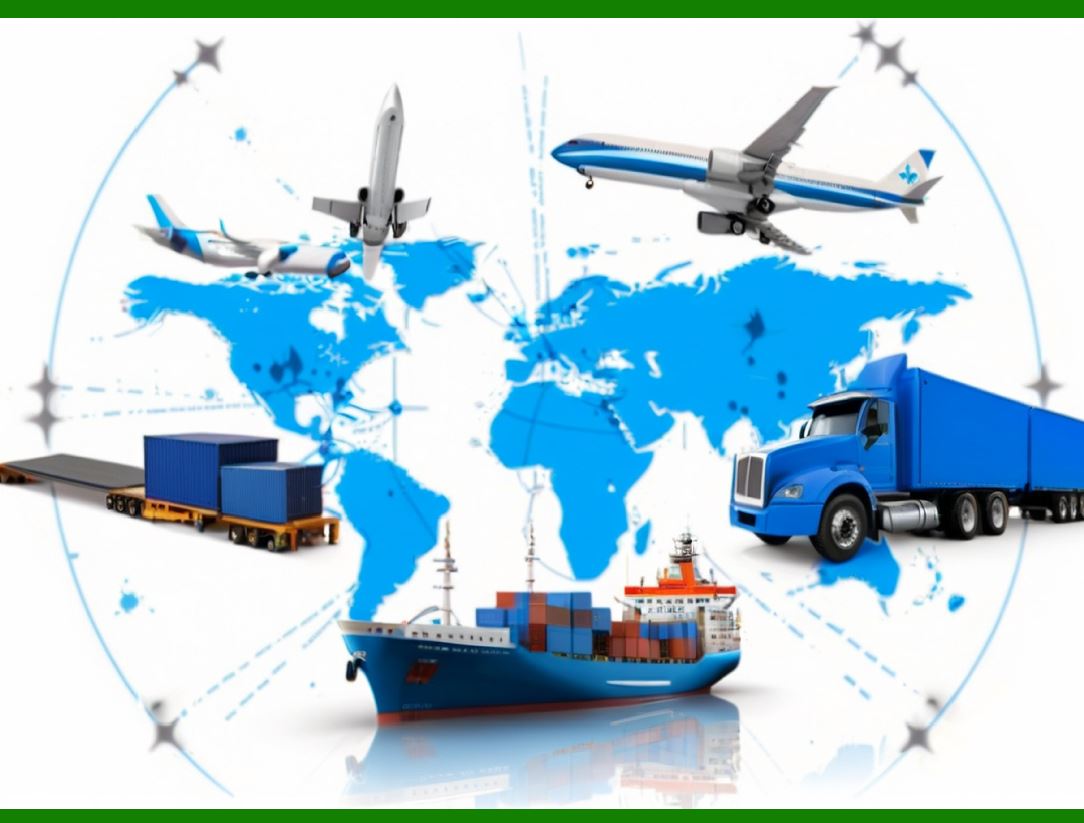
This is especially important for intermodal transportation. when goods are moved by truck, rail, air, and sea. Each transfer point can use PDF417 readers to retrieve the data without accessing external systems. The durability of PDF417's printed form also ensures readability even after rough handling, exposure to dirt, or partial tearing of the label. |
19.5 PDF417 in vehicle manufacturing and tracking |
Some automotive manufacturers use PDF417 to label vehicle parts or chassis during production. The barcode can encode part identification numbers, manufacturing batch codes, assembly locations, and quality inspection results. This allows automated systems in production lines to track each component from assembly to shipment. |
In vehicle sales and registration systems, PDF417 supports the integration of paper documentation and digital records, ensuring that every car's information can be retrieved accurately for safety recalls or inspections. |
|
20. Use of PDF417 in Identity Documents and Government Applications |
20.1 Government adoption rationale |
Governments across the world need secure, tamper-resistant technologies for identity and compliance documentation. PDF417, as a 2D barcode format defined by ISO/IEC 15438, provides high data density and verifiable structure, which make it suitable for documents that must be both machine-readable and difficult to counterfeit. |
20.2 PDF417 in national ID cards |
In several countries, PDF417 is used on national identity cards or voter registration cards. The encoded data typically includes the citizen's full name, date of birth, ID number, and checksum for verification. Some designs also store biometric indicators, such as a hash of a fingerprint template. |
Because PDF417 data can be digitally signed, any alteration of the printed barcode can be detected. The checksum and signature ensure that the barcode's content matches the official records and has not been forged. |
20.3 Tax and customs documentation |
PDF417 barcodes are also printed on tax receipts, import/export declarations, and customs forms. The ability to encode complete transaction data allows revenue authorities to verify authenticity and prevent tax evasion. |
For example, a customs invoice may contain itemized product details, declared values, and harmonized tariff codes. When scanned at the border, the PDF417 code reproduces the declaration without requiring an internet connection, enabling faster clearance. |
20.4 Government benefits and secure forms |
Government-issued benefit cards, certificates, and permits often include PDF417 encoding. These may include social welfare cards, firearm licenses, or educational diplomas. Since the barcode can hold text strings, numbers, and even partial image data, it allows the secure embedding of an individual's credentials in a compact symbol. |
The redundancy features make it possible for agencies to recover critical data even if the card surface is partially worn or stained. |
|
21. PDF417 in Postal and Shipping Systems |
21.1 Barcode use in postal tracking |
Postal authorities have increasingly adopted 2D barcodes for improved mail tracking. PDF417's capacity to encode address, routing, and delivery instructions makes it ideal for registered and express mail. |
A PDF417 barcode can carry sender and receiver addresses, postal codes, and unique item identifiers. When scanned at different distribution centers, the barcode enables tracking updates without re-entering data, reducing errors and improving efficiency. |
21.2 Compatibility with legacy postal codes |
PDF417 can work alongside existing 1D postal barcodes like POSTNET or Intelligent Mail. For example, while the linear code handles automated sorting, the PDF417 can store extended delivery data such as customs details for international shipments. This hybrid approach bridges traditional sorting systems with modern digital logistics. |
21.3 Example: USPS and international partners |
The United States Postal Service and other postal agencies have tested or used PDF417 for tracking international mail or certified shipments requiring complex data. The redundancy ensures that even if the label is smudged, scanners can still recover key fields. |
For international partners, the ability to encode multilingual address information in one barcode eliminates language-related transcription errors. |
|
22. PDF417 in the Airline Industry and Travel Security |
22.1 Boarding pass encoding standards |
The airline industry standard for boarding passes, known as the Bar Coded Boarding Pass (BCBP) specification by IATA, uses PDF417 for paper versions. The barcode encodes flight identification, passenger name, frequent flyer number, date, and ticketing reference. |
This system enhances operational efficiency by allowing gate readers to access full passenger data instantly without relying on central databases at every checkpoint. |
22.2 Security and anti-forgery benefits |
Since PDF417 can embed cryptographic signatures, airlines and airports can verify the authenticity of the boarding pass data. Any tampering, such as modifying a flight number or passenger name, would invalidate the digital signature. |
This property has made PDF417 suitable for use in security-sensitive environments, including visa control and restricted-area access credentials. |
22.3 PDF417 in baggage handling |
While most modern baggage tags use linear barcodes or RFID, PDF417 remains valuable for certain specialized luggage applications, particularly where detailed information must accompany the bag. For example, it can include special handling instructions, transfer points, or multi-leg itinerary details in a single label. |
|
23. PDF417 in Retail and Commerce |
23.1 Enhanced product labeling |
Retailers sometimes use PDF417 for labeling products that require extended information, such as warranty details, manufacturing batch data, or nutritional values. A linear barcode like EAN-13 can only store a short product code, but PDF417 can hold all relevant attributes, enabling offline verification of authenticity. |
23.2 Mobile couponing and loyalty systems |
Before mobile QR codes became widespread, PDF417 was used in printed coupons and loyalty cards. Customers could redeem offers by presenting a paper or plastic card with a PDF417 code encoding account details or promotional conditions. |
The high capacity of the barcode allowed encoding of expiration dates, store identifiers, and customer-specific discount data. |
23.3 Receipts and transaction records |
Some retailers embed PDF417 barcodes on printed receipts, containing details of the entire transaction. If a customer returns a product, the barcode can be rescanned to instantly recall the transaction, avoiding the need to reenter receipt numbers manually. |

|
24. PDF417 in Healthcare and Pharmaceuticals |
24.1 Patient identification |
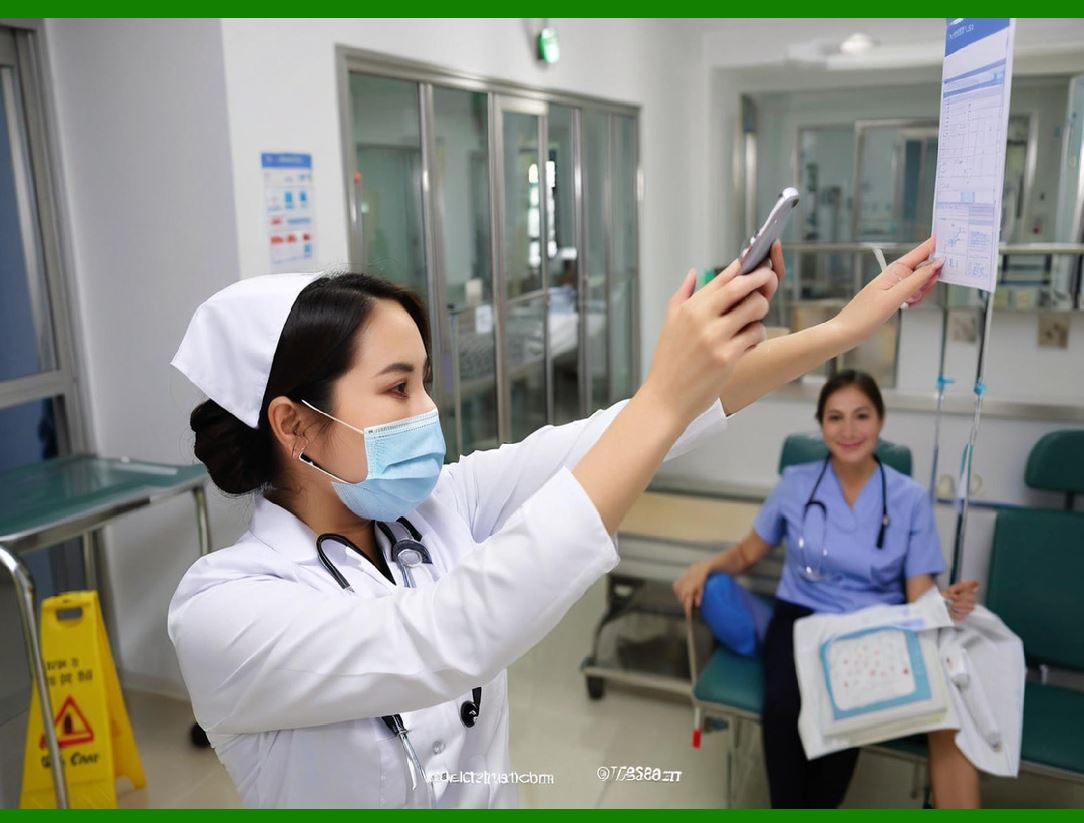
Hospitals use PDF417 to encode patient data on wristbands, ensuring that medications, treatments, and procedures are correctly matched to the right person. |
Unlike a 1D barcode that can only represent a numeric ID, a PDF417 barcode can include the patient's full name, admission number, allergy alerts, and blood type. |
24.2 Medication and blood bag labeling |
In blood banks and pharmacies, PDF417 enables compact representation of detailed medical data. A blood bag label may encode donor ID, collection date, blood type, test results, and expiration date. |
When scanned, the system retrieves all this information quickly, minimizing transcription errors. |
24.3 Laboratory and diagnostic uses |
Laboratory samples can be tagged with PDF417 labels that contain both test codes and patient metadata. The high redundancy ensures readability even if the sample tube becomes smudged. |
24.4 Regulatory compliance |
Pharmaceutical serialization laws in several countries require encoding of batch numbers and expiry dates. PDF417 can store this information alongside optional serial identifiers, providing compliance with FDA or EU regulations for track-and-trace. |
|
25. PDF417 in Industrial and Manufacturing Environments |
25.1 Industrial labeling and tracking |
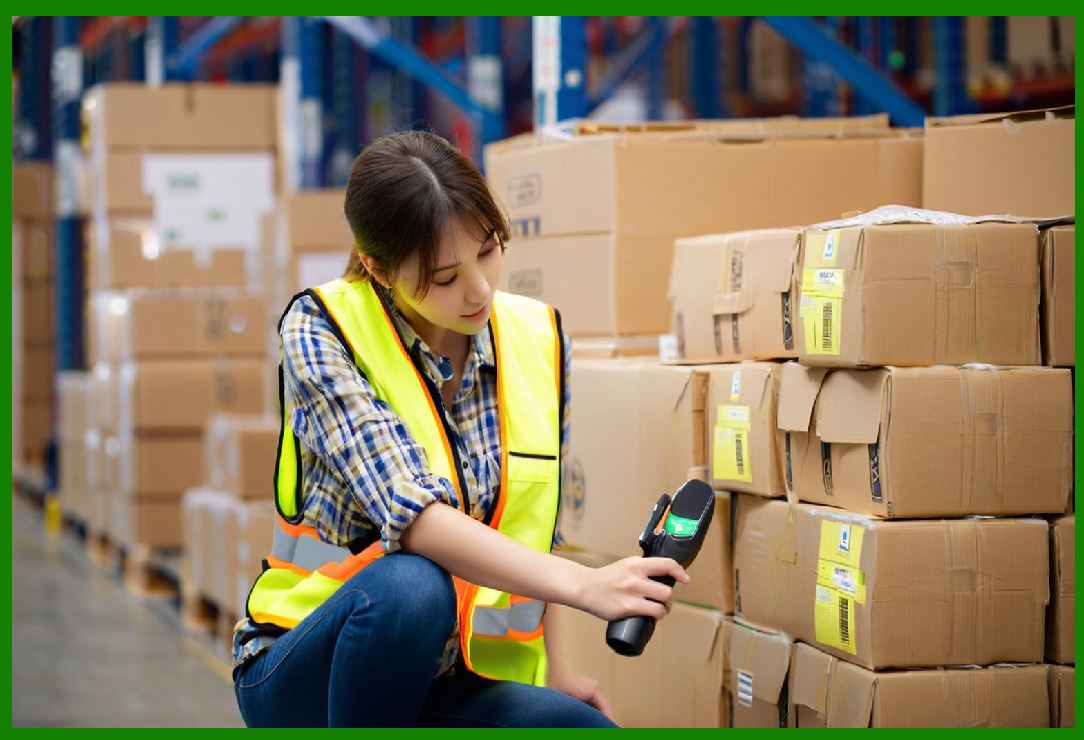
Industrial components often travel through multiple stages of assembly, testing, and shipment. PDF417 barcodes affixed to parts or containers carry process data such as work order numbers, part specifications, and quality assurance signatures. |
Because the symbol can be printed using industrial-grade thermal printers, it withstands high temperatures, dust, and chemicals. |
25.2 Maintenance and asset records |
Equipment maintenance logs sometimes include PDF417 labels on machines. When scanned, technicians can retrieve service history, component replacement schedules, or configuration data directly from the encoded information. |
25.3 Safety documentation and compliance labeling |
PDF417 barcodes can embed safety data sheets (SDS) identifiers, hazardous material codes, and inspection results. This ensures that critical safety information remains accessible even without a digital database. |
|
26. PDF417 in the Military and Defense Sector |
26.1 Secure supply chain management |
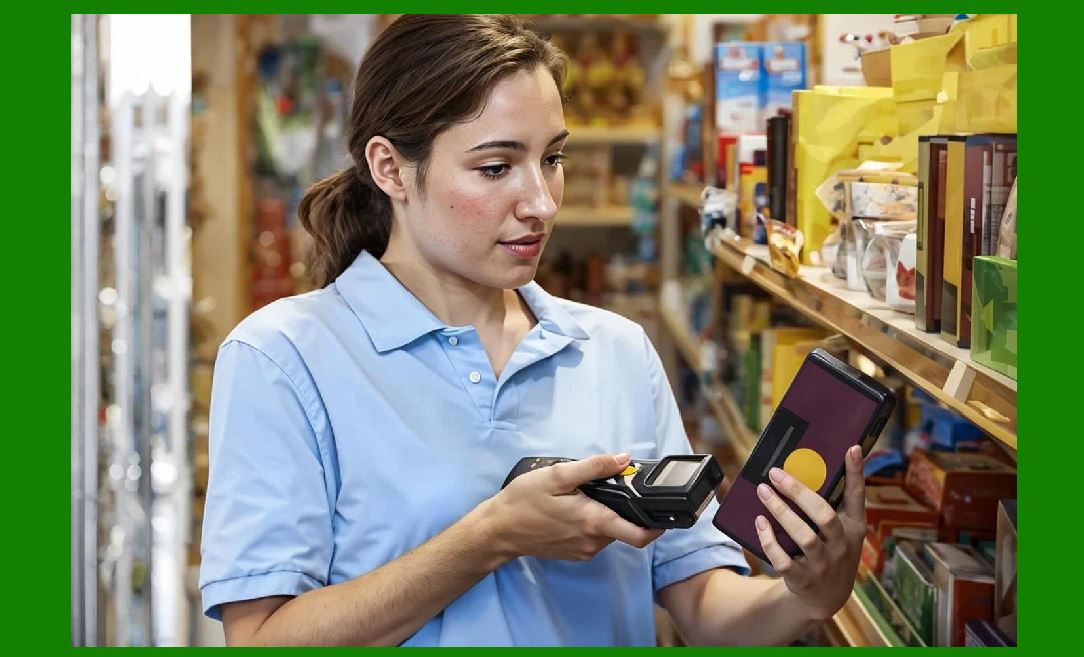
Military organizations depend on traceable and secure logistics. PDF417 is used on labels for ammunition, vehicles, and critical equipment. Each barcode encodes asset identifiers, maintenance logs, and ownership data. |
The use of error correction ensures that barcodes remain readable even in harsh environments, such as field operations where labels may be scratched or exposed to mud and moisture. |
26.2 Personnel identification |
Some military identification cards include PDF417 encoding as a secondary data zone. It allows storage of personal identifiers, clearance levels, and expiration data. |
26.3 Mission documentation and logistics planning |
PDF417 can also appear on paper-based field manuals or mission orders to encode metadata such as document control numbers and version histories. |
|
27. PDF417 in Education and Certification |
27.1 Student ID and transcript encoding |
Educational institutions use PDF417 to encode academic records or student IDs. The symbol can hold complete course listings, grades, or credit summaries. |
This enables instant verification of academic documents without relying solely on online systems. |
27.2 Certification verification |
Professional certificates may include PDF417 encoding of holder details and a verification code. Employers can scan the barcode to confirm authenticity without contacting the issuing institution. |
27.3 Examination and test forms |
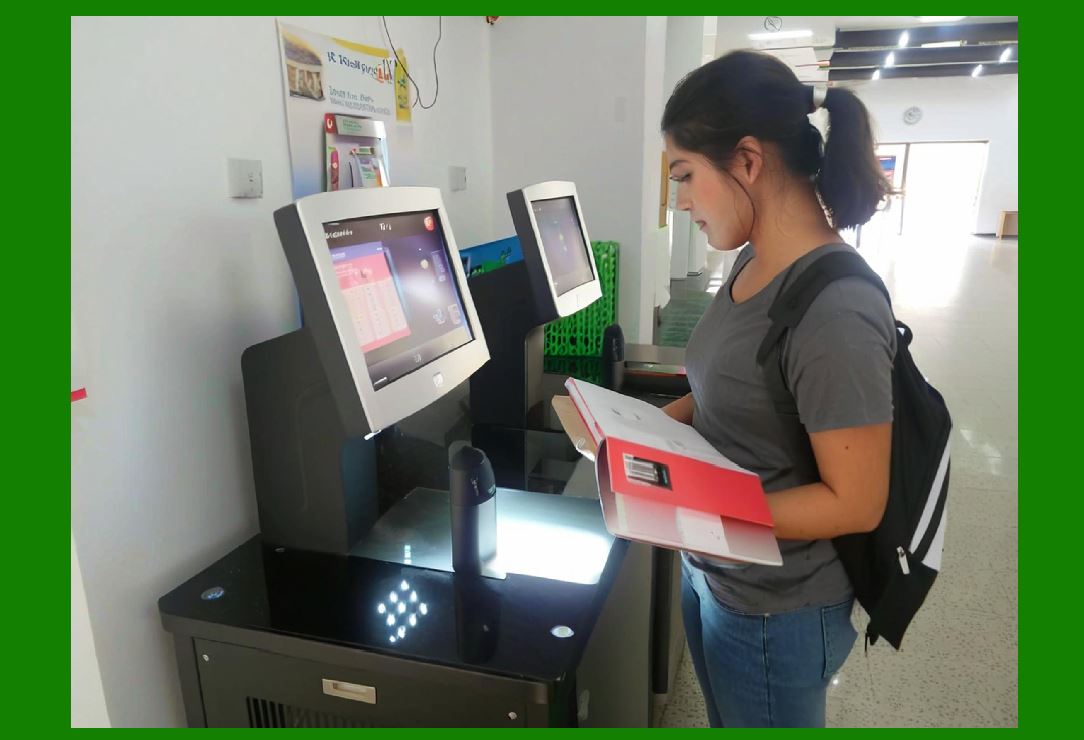
Examination sheets often use PDF417 barcodes to encode candidate information and test identifiers. When scanned, this data links the paper sheet to the digital record, ensuring integrity and reducing mislabeling. |
|
28. PDF417 in Emergency Services and Disaster Response |
28.1 Rapid identity and triage tagging |
In emergency response scenarios, PDF417 barcodes can be printed on wristbands or triage tags to encode vital information such as injury type, medical history, and contact data. |
First responders can scan the code to retrieve data even if the patient is unconscious or cannot communicate. |
28.2 Equipment and vehicle tracking |
Emergency vehicles and critical equipment are labeled with PDF417 barcodes that include maintenance and calibration records, ensuring that all tools remain compliant with operational safety standards. |
28.3 Disaster area logistics |
During large-scale relief operations, PDF417 helps in labeling supplies, mapping inventory, and verifying documentation. Since it does not depend on constant network connectivity, it ensures continuity in low-infrastructure environments. |

|
29. PDF417 in Law Enforcement and Public Safety |
29.1 Evidence management systems |
Law enforcement agencies use PDF417 to label evidence bags, recording case numbers, collection dates, and officer identifiers. |
The redundancy and capacity ensure that chain-of-custody information is preserved even if the label becomes partially damaged. |
29.2 Citation and ticketing systems |
Many police departments print traffic citations with PDF417 barcodes. These codes encode all details of the violation, officer ID, and fine amount. Courts can scan the barcode to retrieve complete case data instantly. |
29.3 Prisoner or detainee tracking |
Correctional facilities can apply PDF417 labels to manage inmate transfers and identification within secure zones. The barcode stores identification and movement authorization data. |
|
30. Future Outlook of PDF417 |
30.1 Continued relevance amid modern codes |
Although newer barcode formats like QR Code and Data Matrix have gained popularity, PDF417 continues to thrive in official, regulated, and industrial environments due to its structural reliability and large data capacity. |
30.2 Integration with mobile systems |
Modern smartphones and tablets now include software libraries capable of decoding PDF417, expanding its usability beyond industrial scanners. This allows airports, delivery services, and government agencies to deploy mobile verification solutions at lower cost. |
30.3 Potential evolution and hybrid applications |
Future hybrid labeling systems may combine PDF417 with digital watermarks or RFID chips to achieve dual-mode identification. printable, scannable, and electronically verifiable. PDF417's standardization ensures it remains compatible with such evolutions. |
30.4 Longevity and standard stability |
Since PDF417 has been standardized under ISO/IEC 15438 since 2000 and supported by major organizations such as ANSI, AIM, and GS1, its long-term support is assured. Its use in driver's licenses and travel documents guarantees that it will remain a core technology for decades. |
|
31. Technical Principles of PDF417 Encoding |
31.1 Foundational encoding design |
The PDF417 barcode was invented by Ynjiun P. Wang at Symbol Technologies in 1991. It was designed as a stacked linear barcode capable of encoding large amounts of data in a format that could be printed using standard laser or inkjet printers and read by linear CCD or laser scanners. The design bridges the gap between one-dimensional (1D) and two-dimensional (2D) symbologies, combining the readability of linear barcodes with the data density of matrix codes. |
31.2 Structure of the PDF417 symbol |
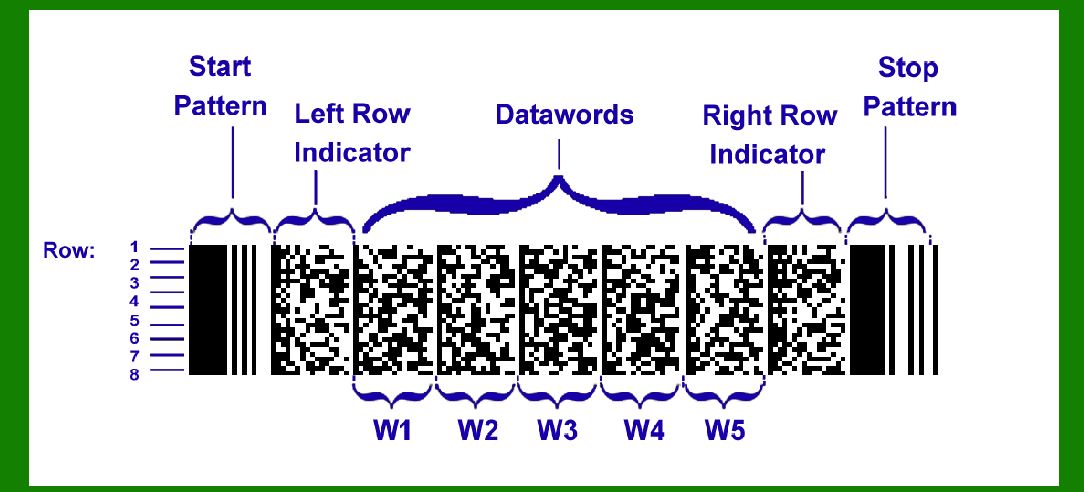
A PDF417 symbol is composed of multiple rows and columns of codewords. Each row consists of: |
A start pattern, |
Left and right row indicators, |
One to thirty data codewords, and |
A stop pattern. |
Each codeword represents a pattern of four bars and four spaces (hence ¡°417¡±: four bars and four spaces per codeword, with each element width varying among 1, 2, 3, or 4 modules). |
31.3 Module and dimension system |
The basic unit of measurement is the ¡°module,¡± corresponding to the narrowest bar or space. A codeword is 17 modules wide in total. The standard aspect ratio between the module width and height is about 3:1, though this can be adjusted to optimize printing or scanning performance. |
31.4 Row and column configuration |
A PDF417 symbol can have from 3 to 90 rows and from 1 to 30 data columns, depending on how much data must be encoded. This flexibility allows balancing the symbol's shape (more horizontal or vertical) depending on available label space. |
31.5 Reed¨CSolomon error correction |
Error correction in PDF417 uses Reed¨CSolomon codes, a mathematical method originally developed for reliable data transmission. It enables the recovery of damaged or partially missing codewords. |
PDF417 supports nine levels of error correction (level 0 to level 8). Level 0 includes no redundancy, while level 8 includes substantial redundancy, allowing recovery from severe damage or smudging. |
31.6 High-level data encoding modes |
Data encoding in PDF417 is designed to efficiently represent various data types: |
Text Compaction Mode: Encodes alphanumeric data using multiple submodes (uppercase, lowercase, mixed, punctuation). |
Byte Compaction Mode: Encodes binary data (such as files or byte streams). |
Numeric Compaction Mode: Compresses long numeric strings efficiently by packing multiple digits into fewer codewords. |
These modes can switch dynamically, optimizing symbol size for mixed-content messages. |
31.7 Security through checksums |
Each PDF417 symbol includes internal checksums and error correction fields, making it resistant to accidental data corruption. If a scanned symbol contains partial damage, the decoding algorithm reconstructs the missing data. If recovery fails, the system detects the error rather than producing incorrect output. |
31.8 Character sets and internationalization |
PDF417 supports full 8-bit binary encoding, enabling representation of any ASCII or Unicode text. This feature makes it globally adaptable for multilingual applications, including Chinese, Arabic, and Cyrillic scripts. |

|
32. PDF417 Symbol Layout and Row Indicators |
32.1 Left and right row indicators |
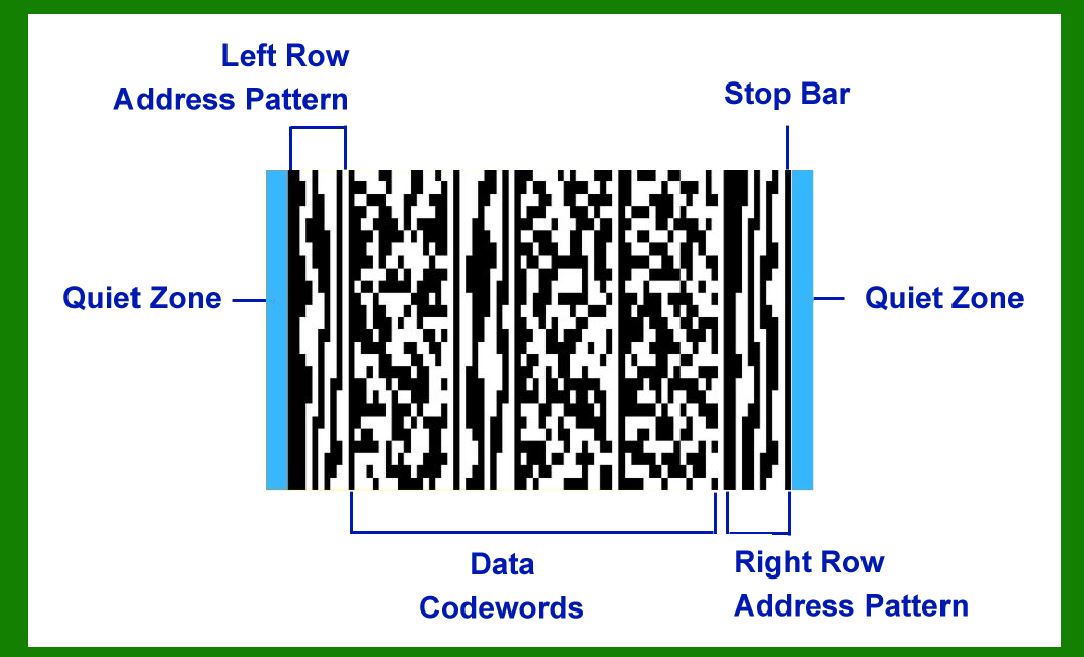
Each row in a PDF417 barcode includes unique row indicator patterns that encode row numbers, error correction levels, and the total number of rows. This structure allows scanners to reconstruct the symbol even when some rows are missing or read out of sequence. |
32.2 Start and stop patterns |
The start pattern (bar-space-bar-space-bar) and stop pattern (bar-space-bar-space-bar-space-bar) act as framing elements for decoding. They help scanners determine the boundaries of the symbol even in noisy or low-contrast printing conditions. |
32.3 Data codeword structure |
Each data codeword represents a value from 0 to 928. These 929 possible codewords correspond to unique bar-space patterns within 17 modules, each pattern being distinct enough to ensure correct detection even under slight distortion. |
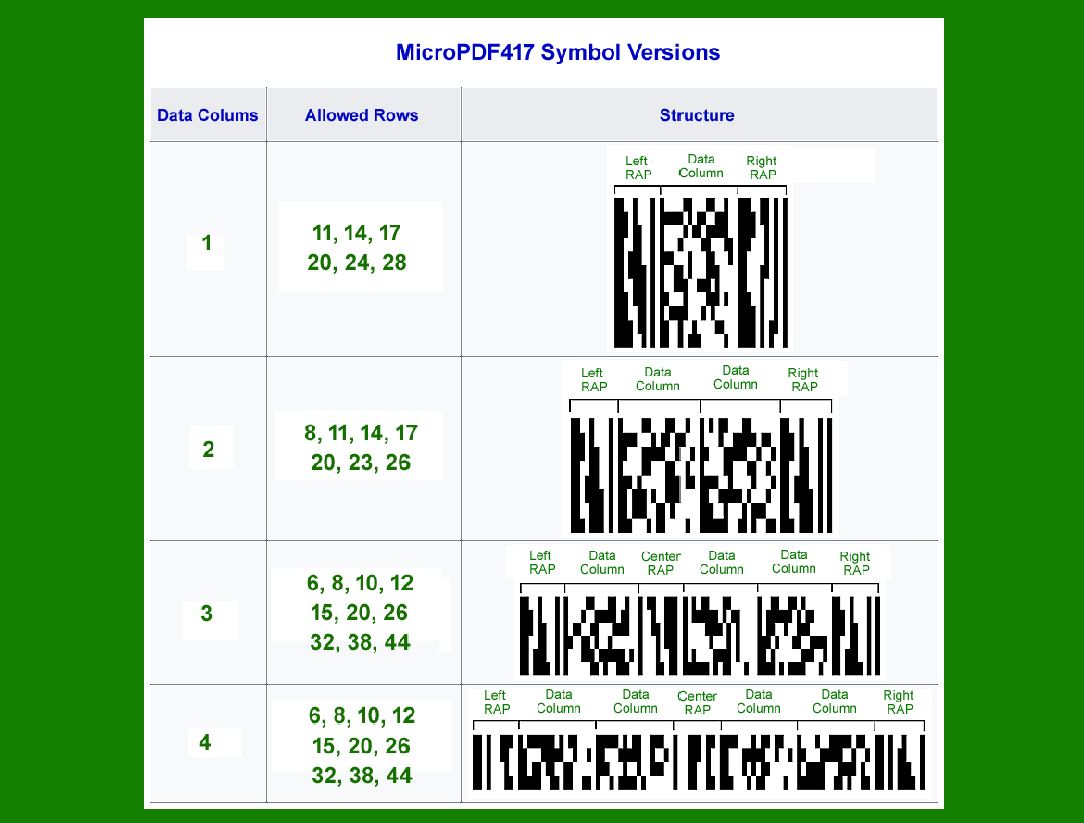
32.4 Compact PDF417 variant |
A smaller variant called Compact PDF417 (or MicroPDF417) omits start/stop patterns and compresses the row structure for small labels. While it encodes less data, it's ideal for applications like small products or laboratory test tubes. |
|
33. Advantages of PDF417 Encoding |
33.1 High data capacity |
A single PDF417 barcode can encode up to 1.1 kilobytes (about 1,850 alphanumeric characters or 1,100 bytes of binary data). By linking multiple symbols, larger datasets can be represented. up to over 100 kilobytes using a ¡°Macro PDF417¡± format. |
33.2 Readability under damage |
The symbol's robust error correction allows up to 50% of the barcode to be unreadable and still yield the correct result. This makes PDF417 exceptionally reliable for outdoor use or environments where labels may be scratched, bent, or stained. |
33.3 Printer compatibility |
PDF417 can be printed by standard laser or thermal printers without specialized ink. Its bar widths and aspect ratios are forgiving of minor print quality variations, ensuring compatibility with most office and industrial printers. |
33.4 Readability with standard equipment |
Because the code uses linear scanning principles, it can be read by standard 2D scanners or even by 1D scanners that perform raster scanning. This ensured early adoption before modern imaging devices became common. |
33.5 Offline data storage |
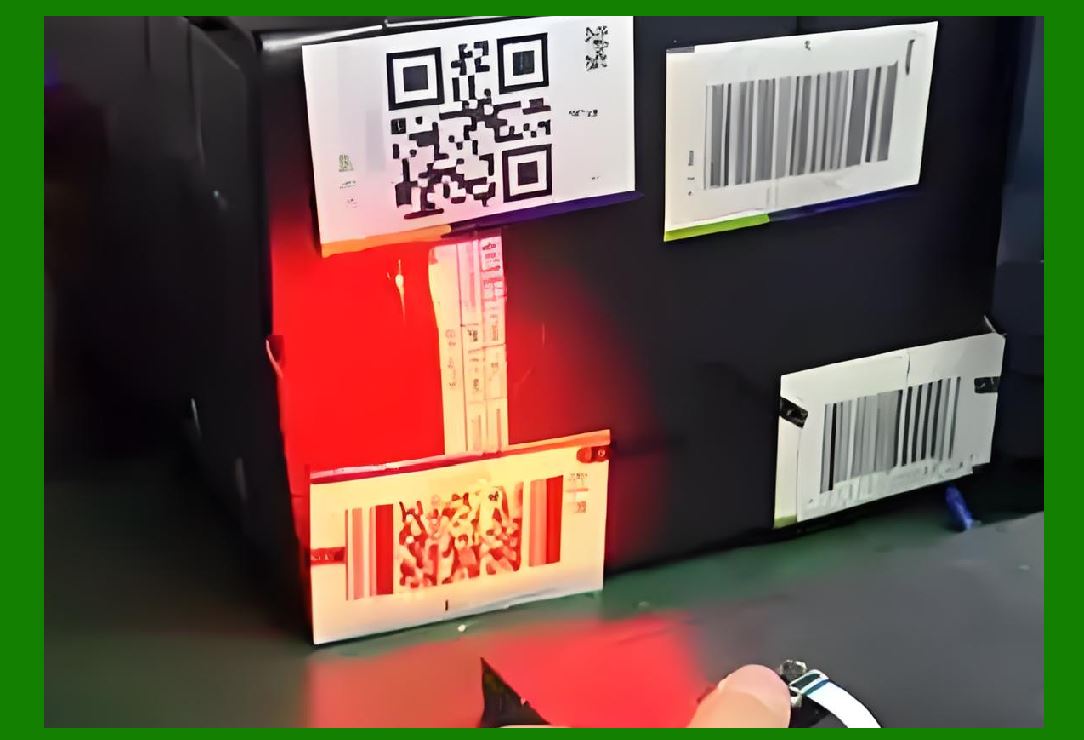
One of the greatest strengths of PDF417 is the ability to carry all relevant data within the symbol itself. This independence from databases makes it perfect for travel documents, ID cards, and receipts. |
|
34. Macro PDF417 and Data Chaining |
34.1 The need for data chaining |
Some applications. such as encoding long legal documents, digital certificates, or fingerprint templates. require storing more than a kilobyte of data. PDF417 addresses this through a multi-symbol system known as Macro PDF417. |
34.2 Working mechanism |
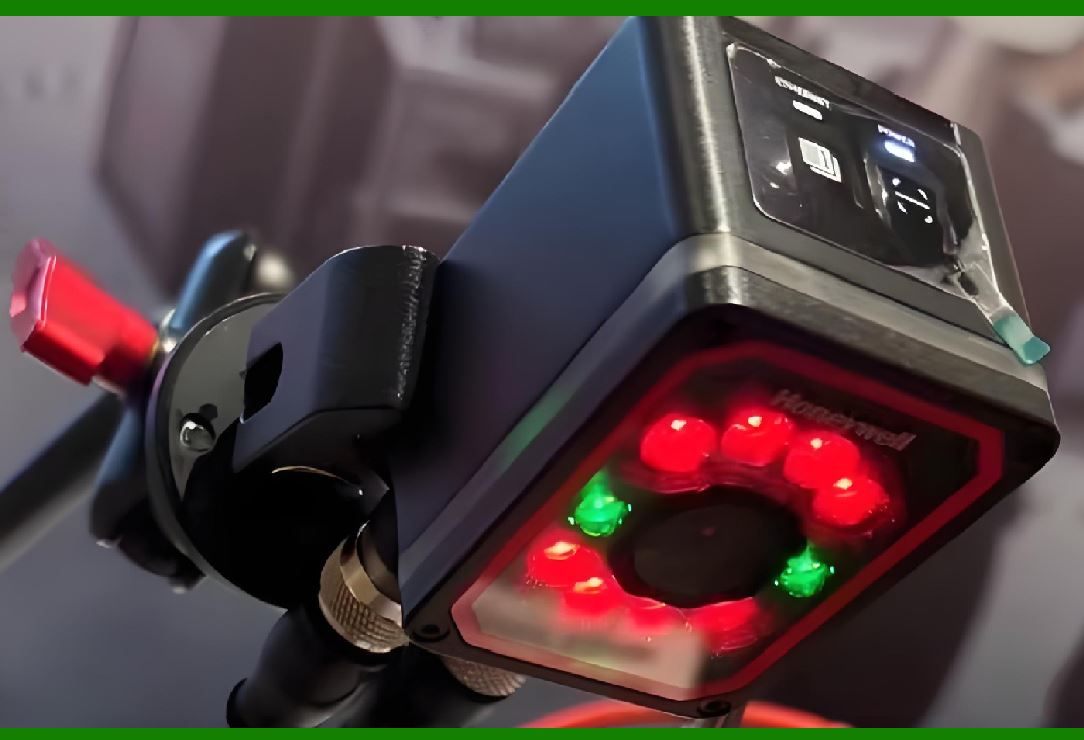
Macro PDF417 divides the data stream into segments, with each barcode carrying a fragment and a header describing its position in the sequence. When all barcodes are scanned, the software reassembles the original file or record. |
34.3 Typical applications |
Macro PDF417 is used in immigration and customs paperwork, where lengthy forms can be digitized and reconstituted automatically from printed pages. It also serves in digital ticketing or warranty documents that require embedding full text rather than just identifiers. |
34.4 Error control across symbols |
Each segment includes unique identifiers and checksums to ensure no duplication or omission occurs during reassembly. This guarantees reliable reconstruction even if the barcodes are scanned out of order. |
|
35. Error Detection and Correction in PDF417 |
35.1 Reed¨CSolomon fundamentals |
The Reed¨CSolomon algorithm used in PDF417 is based on finite field mathematics, where each codeword represents an element in a mathematical set. This allows redundant information to be distributed across codewords. |
35.2 Adjustable redundancy levels |
Users can select from nine error correction levels. The higher the level, the more redundant data is added, increasing error tolerance but also enlarging the symbol. |
35.3 Decoding reliability |
During scanning, the decoder uses these redundant codewords to detect inconsistencies and reconstruct missing or damaged ones. The probability of undetected errors becomes almost zero at higher levels, making it highly dependable for security documents. |
35.4 Examples of correction performance |
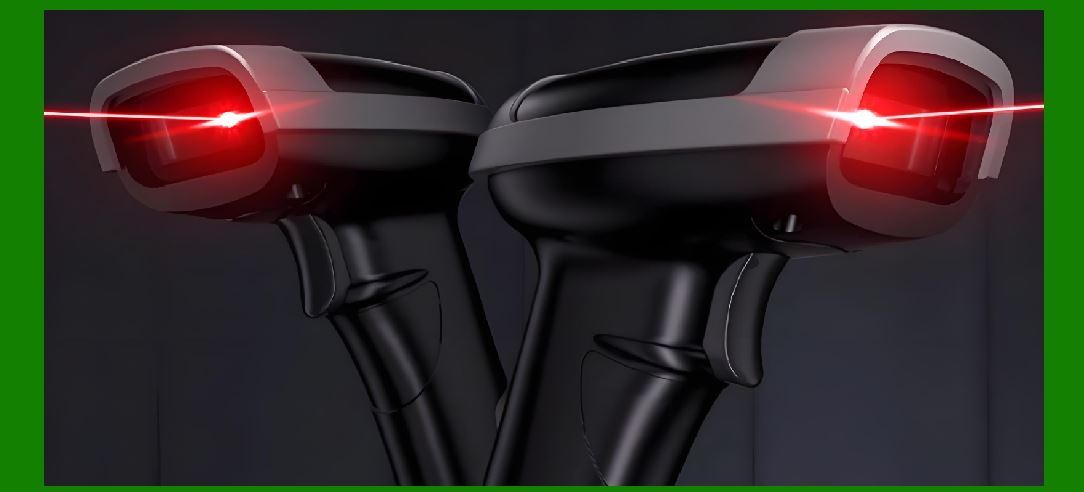
If 20% of the barcode area is obscured (for example, by a smudge or sticker), the symbol remains decodable. Even when half of the rows are damaged, recovery is often possible depending on redundancy level and symbol configuration. |
|
36. PDF417 and Security Applications |
36.1 Tamper resistance through data integrity |
PDF417 can embed cryptographic signatures or hashes within the encoded data. When scanned, verification software checks whether the contents match the signature, identifying any alteration or forgery. |
36.2 Use in government-issued credentials |
Driver's licenses, visas, firearm permits, and professional certificates often embed signed data within PDF417 codes. Because the digital signature is tied to the specific printed pattern, cloning or modification becomes nearly impossible. |
36.3 Encryption compatibility |
While PDF417 itself does not provide encryption, it can carry encrypted payloads produced by external algorithms such as AES or RSA. This enables secure transport of sensitive data through a printed medium. |
36.4 Authentication workflows |
A typical workflow includes encoding a digital signature within the PDF417 barcode and verifying it via a certificate authority. If the printed data differs even by one byte, the signature verification fails. revealing tampering attempts immediately. |
|
37. Environmental and Material Durability |
37.1 Print durability factors |
PDF417 barcodes are often printed on synthetic materials such as polyester labels, laminated cards, or laser-marked metal plates. These materials ensure readability even under sunlight, heat, or chemical exposure. |
37.2 Thermal transfer and direct marking |
Thermal transfer printers produce highly durable PDF417 codes that can withstand industrial cleaning processes. In aerospace and automotive industries, laser etching is used to permanently mark components with PDF417 symbols. |
37.3 Reusability and lifecycle |
Unlike RFID tags that may degrade electronically, PDF417's visual form remains readable indefinitely as long as the physical contrast between bars and background is preserved. |
38. Comparative Analysis with Other 2D Barcodes |
38.1 PDF417 vs. QR Code |
QR Codes are more compact and faster to read with smartphones, while PDF417 offers greater linear compatibility and structured data storage. QR Codes excel in marketing and consumer engagement; PDF417 dominates in secure documentation. |
38.2 PDF417 vs. Data Matrix |
Data Matrix is optimized for marking small items with high precision, especially in electronics and medical devices. PDF417, however, handles larger documents and variable data encoding more efficiently. |
38.3 PDF417 vs. Aztec Code |
Aztec Code is widely used in transportation boarding passes, but PDF417 remains the standard for government IDs and shipping forms due to its established regulatory support. |
38.4 PDF417's niche stability |
Despite competition, PDF417 retains unique advantages in cases demanding long text encoding, structured redundancy, and compatibility with linear scanning hardware. |
|
39. Historical and Standardization Background |
39.1 Invention and early development |
PDF417 was developed in 1991 by Dr. Ynjiun P. Wang at Symbol Technologies (now part of Zebra Technologies). The goal was to create a barcode that could encode multiple lines of information and survive printing imperfections. |
39.2 Industry adoption and ANSI approval |
The standard was quickly adopted by AIM (Automatic Identification Manufacturers) and codified in ANSI MH10.8.3. Later, it became an ISO/IEC 15438 standard, ensuring international compatibility. |
39.3 Adoption milestones |
By the mid-1990s, the U.S. Department of Motor Vehicles and airline industry began adopting PDF417 for licenses and boarding passes. Its use spread globally through the early 2000s. |
39.4 Continuous evolution |
Though newer codes have emerged, PDF417 remains part of several international specifications, including IATA BCBP, AAMVA DL/ID, and ISO/IEC 19762 definitions. |

|
40. The Future of PDF417 in a Digital World |
40.1 Enduring reliability |
Despite digital transformations, physical documentation remains necessary for identity, logistics, and compliance. PDF417's robustness ensures it will coexist with digital systems for decades. |
40.2 Integration with mobile verification |
New scanning applications on smartphones and tablets now decode PDF417 instantly, allowing governments and companies to validate IDs and forms using affordable mobile devices. |
40.3 Hybrid paper¨Cdigital ecosystems |
In the future, hybrid systems may combine PDF417 with NFC or RFID for instant dual-mode verification. visible for humans, electronic for machines. |
40.4 The barcode's legacy |
PDF417 stands as one of the most influential data symbols in history. a bridge from analog paperwork to the era of intelligent, data-rich documents. Its combination of human accessibility, data density, and structural resilience ensures its continued relevance long after its invention. |
The PDF417 barcode is a marvel of data engineering. balancing readability, resilience, and efficiency in a form that has become a global standard for identity, logistics, and security applications. Its stack-based structure, error correction, and capacity for large datasets have made it indispensable in transportation, government, healthcare, and manufacturing. While other barcodes may surpass it in convenience or miniaturization, few can rival its combination of versatility, reliability, and independence from digital infrastructure. |
 cs@easiersoft.com