1. Introduction to QR Code Technology |
1.1 The Quick Response Code, commonly abbreviated as QR Code, is a two-dimensional matrix barcode developed by the Japanese company Denso Wave Incorporated in 1994. It was designed to enable fast scanning speeds, large data capacity, and high reliability under diverse conditions compared to traditional one-dimensional barcodes. |
1.2 Unlike linear barcodes that store data only along one axis, a QR Code encodes data both horizontally and vertically, forming a grid of black and white modules. This two-dimensional arrangement allows QR Codes to hold significantly more information in a smaller space, making them ideal for modern digital communication and product tracking. |
1.3 The development goal was to create a symbol capable of being read quickly even when printed in small sizes or on materials that could distort or degrade over time. Hence, Denso Wave incorporated features such as position detection patterns, alignment patterns, timing patterns, and error correction coding, which are essential to the robustness and versatility of the QR Code. |
1.4 The name ¡°Quick Response¡± was chosen to emphasize its primary advantage: the ability to be read quickly by scanners and cameras, enabling seamless interaction between physical media and digital information systems. |
1.5 Today, QR Codes are standardized under ISO/IEC 18004, which defines the encoding structure, symbol sizes, data capacity, and decoding process. This standardization ensures interoperability across all industries and device types. |
|
2. Fundamental Characteristics of QR Code |
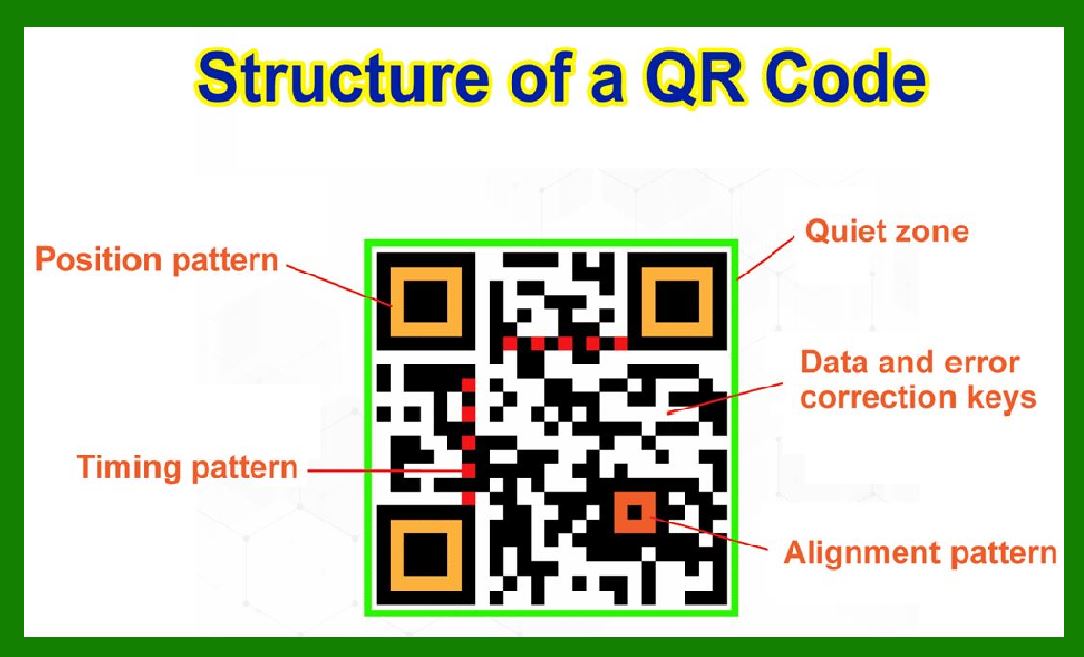
2.1 A QR Code is composed of a square grid of black and white squares, known as modules, arranged within a finder pattern and quiet zone. The quiet zone is a white margin surrounding the code that ensures it can be detected easily during scanning. |
2.2 Depending on the version, a QR Code can have sizes ranging from Version 1 (21¡Á21 modules) to Version 40 (177¡Á177 modules). Each version increases in capacity by adding four modules per side. |
2.3 The data capacity depends on several factors: |
The encoding mode (numeric, alphanumeric, byte, Kanji, etc.) |
The error correction level (L, M, Q, or H) |
The version number (1¨C40) |
2.4 In general, the maximum capacity for a QR Code is: |
Up to 7,089 numeric characters |
Up to 4,296 alphanumeric characters |
Up to 2,953 bytes |
Up to 1,817 Kanji characters |
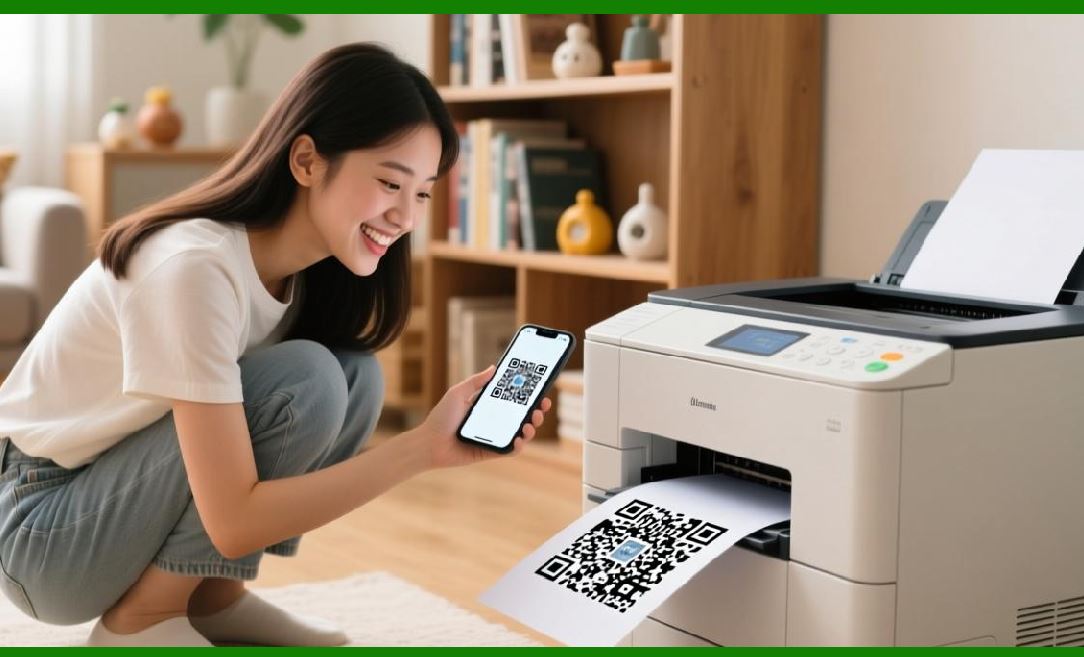
2.5 Each QR Code can be printed in black and white or rendered in color, though the original specification assumes monochrome contrast. However, with advances in imaging and recognition technology, color QR Codes have also become common in marketing and creative industries. |
|
3. Structural Components of QR Code |
3.1 The QR Code¡¯s reliability and decoding efficiency depend on its well-defined internal structure. The standard defines several key patterns and regions that serve specific functions: |
3.2 Position Detection Patterns: |
Located at three corners of the symbol (top-left, top-right, and bottom-left), these are large square patterns that allow the scanner to recognize the QR Code orientation and ensure it can be read from any direction (360¡ã readability). |
3.3 Alignment Patterns: |
These smaller squares appear in various positions depending on the QR Code version and are used to correct image distortion, such as skewing or curvature, particularly for larger codes. |
3.4 Timing Patterns: |
Alternating black and white modules connecting the position detection patterns horizontally and vertically. These help the decoder determine the coordinates of the data modules. |
3.5 Format Information: |
This region contains data about the error correction level and mask pattern applied to the symbol. It allows the decoding software to interpret the data correctly even if parts of the code are damaged. |
3.6 Version Information: |
For Version 7 and above, this area encodes the version number. It is placed near the top-right and bottom-left position detection patterns. |
3.7 Data and Error Correction Codewords: |
These modules store the actual data payload and its corresponding Reed-Solomon error correction codewords. |
3.8 Quiet Zone: |
A margin of four modules width surrounding the entire symbol. It is mandatory for accurate detection. |
|
4. Data Encoding Modes |
4.1 The QR Code supports several encoding modes to maximize data efficiency depending on the character set used. |
4.2 Numeric Mode: |
Encodes digits 0¨C9. It is the most efficient mode, with three digits represented by ten bits. This mode is used for purely numerical data such as serial numbers or numeric codes. |
4.3 Alphanumeric Mode: |
Encodes digits 0¨C9, uppercase letters A¨CZ, and nine additional symbols (space, $, %, *, +, -, ., /, :). It uses 11 bits for every two characters. Commonly used for coupon codes, URLs, and product IDs. |
4.4 Byte Mode: |
Allows encoding of binary data or any text in ISO-8859-1 or UTF-8 character sets. This mode is suitable for encoding email addresses, full URLs, and multilingual content. |
4.5 Kanji Mode: |
Designed specifically for Japanese characters, it encodes data using Shift JIS format. Each Kanji character is represented by 13 bits. |
4.6 ECI (Extended Channel Interpretation) Mode: |
Allows the use of character sets other than default ISO-8859-1. This is essential for encoding texts in global languages or Unicode formats. |
4.7 Mixed Mode Encoding: |
A single QR Code can switch between encoding modes as needed, improving efficiency when the data includes multiple character types (for example, numeric and alphabetic together). |
|
5. Error Correction Using Reed-Solomon Coding |
5.1 One of the most important features of QR Codes is their robust error correction capability. Denso Wave adopted Reed-Solomon error correction, a mathematical algorithm that allows recovery of lost or damaged data modules. |
5.2 There are four levels of error correction: |
Level L: 7% of data can be restored. |
Level M: 15% of data can be restored. |
Level Q: 25% of data can be restored. |
Level H: 30% of data can be restored. |
5.3 This flexibility allows QR Codes to remain readable even if partially obscured, smudged, or damaged, which is critical for applications in harsh industrial environments or on product packaging. |
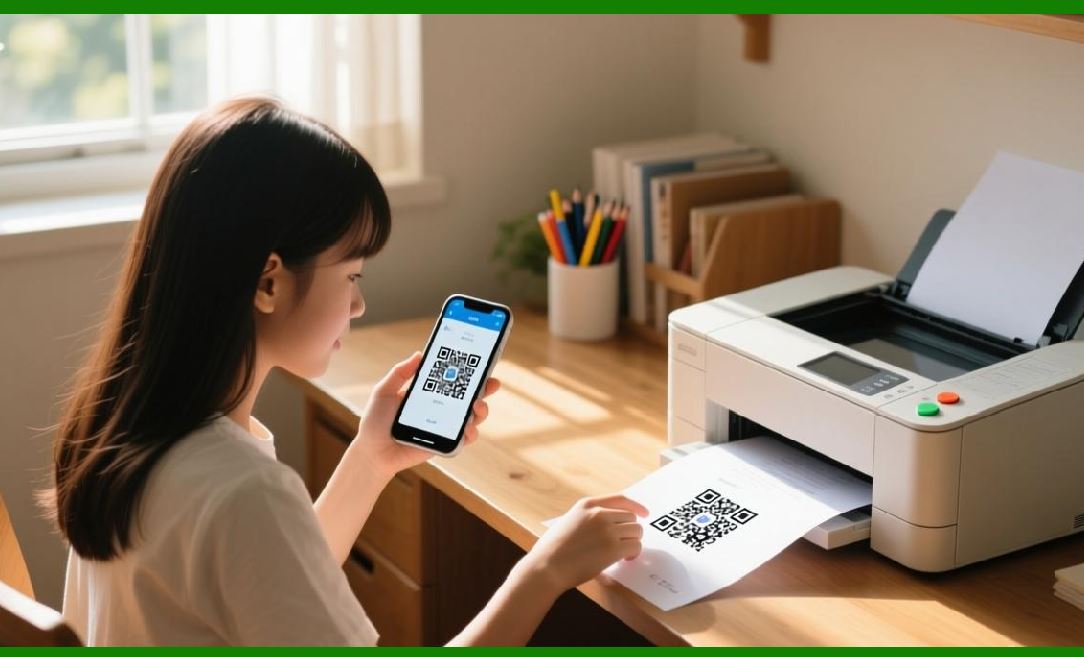
5.4 For example, a QR Code printed on a shipping label can still be decoded even if part of it is torn or dirty, as long as the remaining portion includes enough redundant information to reconstruct the original data. |
5.5 The error correction mechanism divides the data into codewords, calculates parity codewords using polynomial division, and interleaves them throughout the QR Code matrix. This interleaving ensures that localized damage affects only small segments of data rather than contiguous blocks. |
|
6. Masking Patterns and Data Randomization |
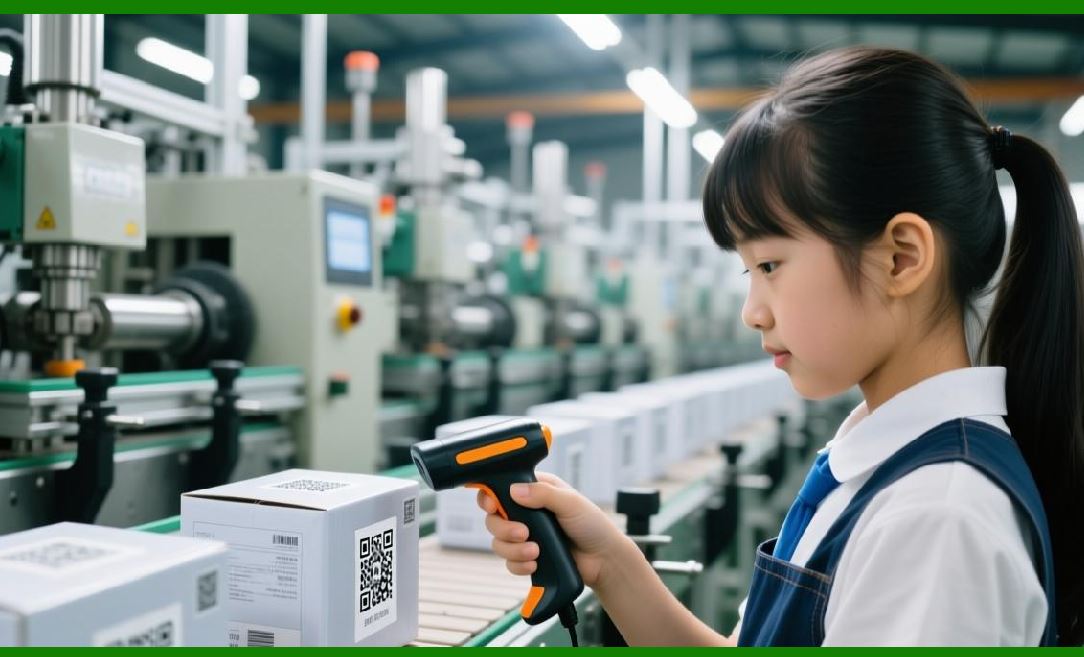
6.1 During encoding, the data modules can sometimes form patterns that interfere with accurate scanning, such as large blocks of similar colors or repetitive structures. |
6.2 To prevent this, the QR Code standard defines eight masking patterns. Each pattern applies a logical XOR operation to certain modules to distribute black and white modules evenly. |
6.3 The encoder evaluates all eight possible masks and selects the one that minimizes penalties according to predefined rules (such as avoiding long runs of identical modules or large areas of the same color). |
6.4 The chosen mask pattern is recorded in the format information area, so that the decoder can reverse the masking operation during decoding. |
|
7. Decoding Process |
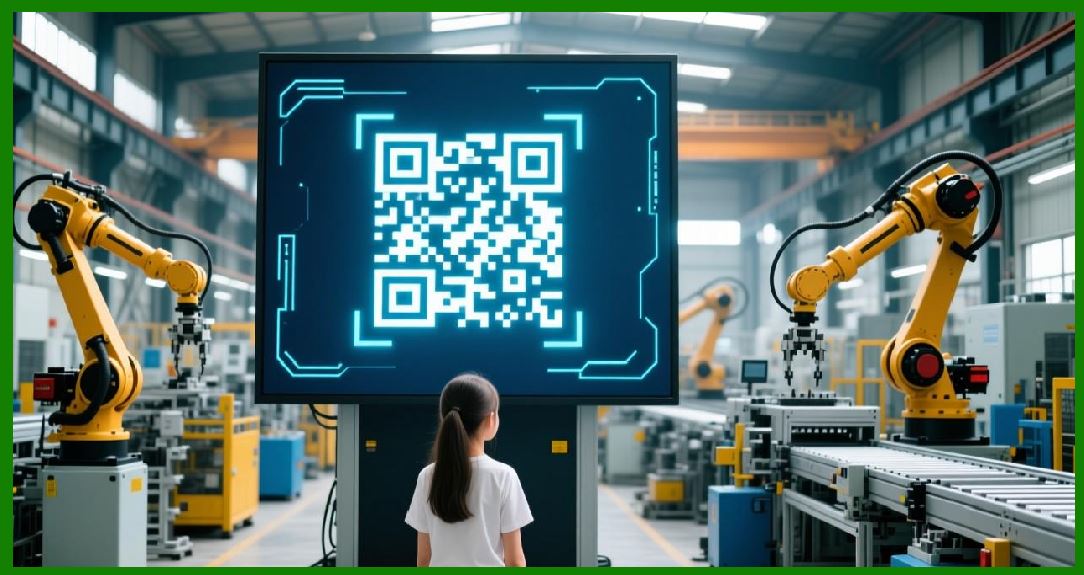
7.1 The decoding of a QR Code involves several steps, typically performed automatically by a camera or scanner. |
7.2 The steps include: |
Capturing the image of the symbol. |
Detecting the position detection patterns and determining orientation. |
Locating the timing and alignment patterns to correct distortion. |
Extracting the data modules from the grid. |
Applying the mask pattern in reverse. |
Reading the format and version information. |
Decoding the data codewords. |
Performing error correction to recover missing data. |
Outputting the reconstructed information (text, URL, binary data, etc.). |
7.3 The efficiency of this process is what gives QR Codes their ¡°quick response¡± property, allowing even smartphone cameras to decode them in milliseconds. |
|
8. QR Code Versions and Sizes |
8.1 There are 40 standard versions of QR Codes, each with increasing module count and data capacity. |
8.2 Version 1 has 21¡Á21 modules, while Version 40 has 177¡Á177 modules. Each subsequent version increases the side length by four modules. |
8.3 The version chosen depends on the amount of data and required error correction level. For example, a simple URL can be stored in a Version 2-L code, while a large dataset such as a long vCard may require Version 10-M or higher. |
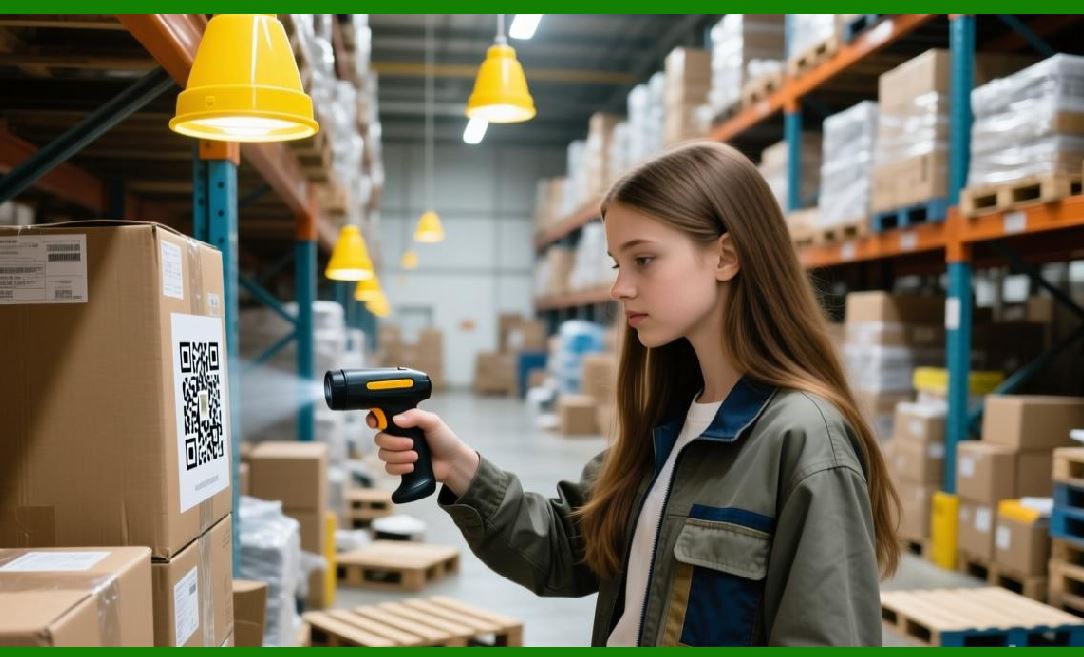
8.4 The versatility of versions allows the same QR Code technology to scale from small labels on circuit boards to large banners in advertising. |
|
9. Micro QR Code |
9.1 Denso Wave also developed a compact variant known as the Micro QR Code, standardized as ISO/IEC 23941. |
9.2 It uses only one position detection pattern and supports versions M1 to M4, with smaller module counts suitable for space-limited applications such as small electronic components or medicine packaging. |
9.3 Although its capacity is lower than the standard QR Code, Micro QR Codes are advantageous for embedding short codes in constrained areas. |
|
10. Model 1 and Model 2 QR Codes |
10.1 The earliest version of the QR Code was called Model 1, introduced in 1994. It lacked certain structural refinements such as alignment patterns for larger symbols. |
10.2 The modern and standardized form is Model 2, which adds alignment patterns, enhanced data capacity, and compatibility with error correction levels. |
10.3 All contemporary QR Codes in use today are Model 2, although the standard retains backward compatibility. |

|
11. Frame QR and Design QR Codes |
11.1 Denso Wave later introduced Frame QR, an extension that allows embedding images, logos, or custom graphics within the code¡¯s center while retaining full readability. |
11.2 Frame QR achieves this by reserving a central ¡°safe area¡± for design and compensating with stronger error correction levels around the edges. |
11.3 This feature is widely used in marketing, allowing brands to create visually appealing codes that double as artistic or branded symbols. |
11.4 Similarly, Design QR Codes modify the visual style¡ªcolor, shape of modules, or background pattern¡ªwhile maintaining sufficient contrast and functional patterns for decoding. |

|
12. Security Features and Authentication |
12.1 QR Codes can incorporate security measures to prevent tampering or counterfeiting. |
12.2 Examples include: |
Digital signatures embedded in encoded data. |
Encrypted payloads requiring a decryption key. |
Use of secure servers for verification of encoded links. |
12.3 In industries like pharmaceuticals, secure QR Codes ensure that consumers can verify product authenticity and trace its origin. |
12.4 Additionally, Dynamic QR Codes hosted online can include authentication tokens that verify the legitimacy of a scanned code in real time. |

|
13. Dynamic and Static QR Codes |
13.1 Static QR Codes contain fixed data directly encoded into the symbol. Once printed, they cannot be changed without reprinting. |
13.2 Dynamic QR Codes, by contrast, contain a short URL or reference that redirects to a server-managed destination. This allows updating the target link or data content even after the code has been distributed. |
13.3 Dynamic QR Codes are popular in marketing campaigns, business analytics, and digital services where flexibility and performance tracking are essential. |
13.4 They also support analytics such as the number of scans, geographical location, device type, and scan time, enabling businesses to measure engagement effectively. |

|
14. Applications in Consumer Marketing |
14.1 One of the most visible uses of QR Codes is in advertising and marketing. Companies print QR Codes on posters, magazines, billboards, and product packaging to bridge the gap between physical and digital media. |
14.2 By scanning the QR Code, users can instantly access websites, promotional videos, or digital coupons. |
14.3 This eliminates the need to type URLs manually, enhancing user convenience and interaction rates. |
14.4 For example, a QR Code on a beverage bottle can lead consumers to an online game or a loyalty program, increasing brand engagement. |

|
15. Applications in E-Commerce and Retail |
15.1 QR Codes have become an essential component of e-commerce and retail ecosystems, enabling a frictionless connection between physical products and online services. |
15.2 Retailers use QR Codes on product packaging to provide consumers with access to product specifications, user manuals, nutritional information, and authenticity verification pages. |
15.3 In online-to-offline (O2O) retail strategies, QR Codes bridge digital marketing with in-store purchasing behavior. A shopper scanning a code on a display can view promotions, compare prices, or order directly online. |
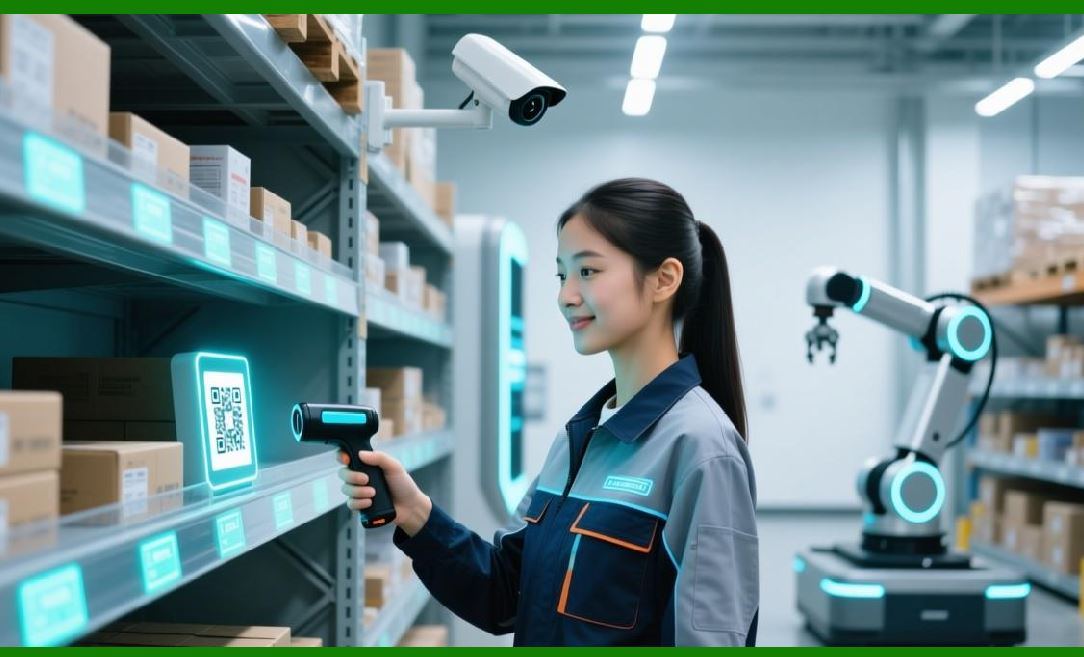
15.4 QR Codes are also used for inventory control in warehouses and retail stockrooms. Each item can be tagged with a QR Code that includes SKU data, batch number, expiration date, and warehouse location, all scannable with a mobile device. |
15.5 Retail employees benefit from quick scanning via smartphones or handheld scanners to update inventory records in real time, drastically reducing manual entry errors. |
15.6 In fashion and luxury industries, QR Codes are increasingly integrated with blockchain systems, allowing traceability from raw materials to retail shelves, combating counterfeiting and grey market activities. |
15.7 Some retailers use interactive QR Codes within stores to personalize customer experiences. For instance, scanning a QR Code near a product may open a virtual fitting room app or display stylist recommendations. |

|
16. QR Code in Mobile Payment Systems |
16.1 One of the most transformative uses of QR Codes has been in mobile payments, particularly in Asia. QR-based payment systems such as Alipay, WeChat Pay, Paytm, and PayPal QR have redefined the digital payment landscape. |
16.2 In such systems, QR Codes replace traditional magnetic stripe cards or NFC-based transactions. They can be either merchant-presented (where a static or dynamic QR Code is shown by the seller) or customer-presented (where the buyer¡¯s app generates the QR Code for scanning). |
16.3 Merchant-presented static codes typically contain the merchant¡¯s account information, allowing customers to input payment amounts and confirm. Dynamic codes, on the other hand, encode specific transaction details like amount, merchant ID, and timestamp, enhancing security. |
16.4 Customer-presented codes are generated dynamically within the user¡¯s payment app, containing encrypted transaction data. The merchant scans it, and the payment is completed through a secure backend channel. |
16.5 These systems rely on secure encryption and tokenization. For example, a unique QR token may expire within seconds to prevent replay attacks or fraudulent reuse. |
16.6 The low cost of implementation is one of the most compelling advantages. Merchants only need to print a QR Code instead of investing in costly POS terminals, democratizing digital payment adoption across small vendors and informal markets. |
16.7 QR payment systems have also been integrated into public transportation, parking systems, event ticketing, and utility billing, enhancing transaction convenience. |
16.8 In many countries, financial authorities have issued standardized QR Code payment frameworks, such as EMVCo QR Code Specifications, ensuring interoperability across banks and payment service providers. |
16.9 In addition, cross-border payment systems now use QR Code standards that support multi-currency and multi-network transactions, further globalizing digital finance. |

|
17. QR Codes in Transportation and Ticketing |
17.1 The transportation industry has embraced QR Codes as digital tickets, boarding passes, and identity verifiers. |
17.2 Airlines, railways, and bus networks use QR Codes for e-tickets and boarding passes, replacing paper tickets entirely. When scanned, they provide instant verification of booking details and traveler identity. |
17.3 This eliminates manual check-ins, accelerates boarding processes, and reduces printing costs. |
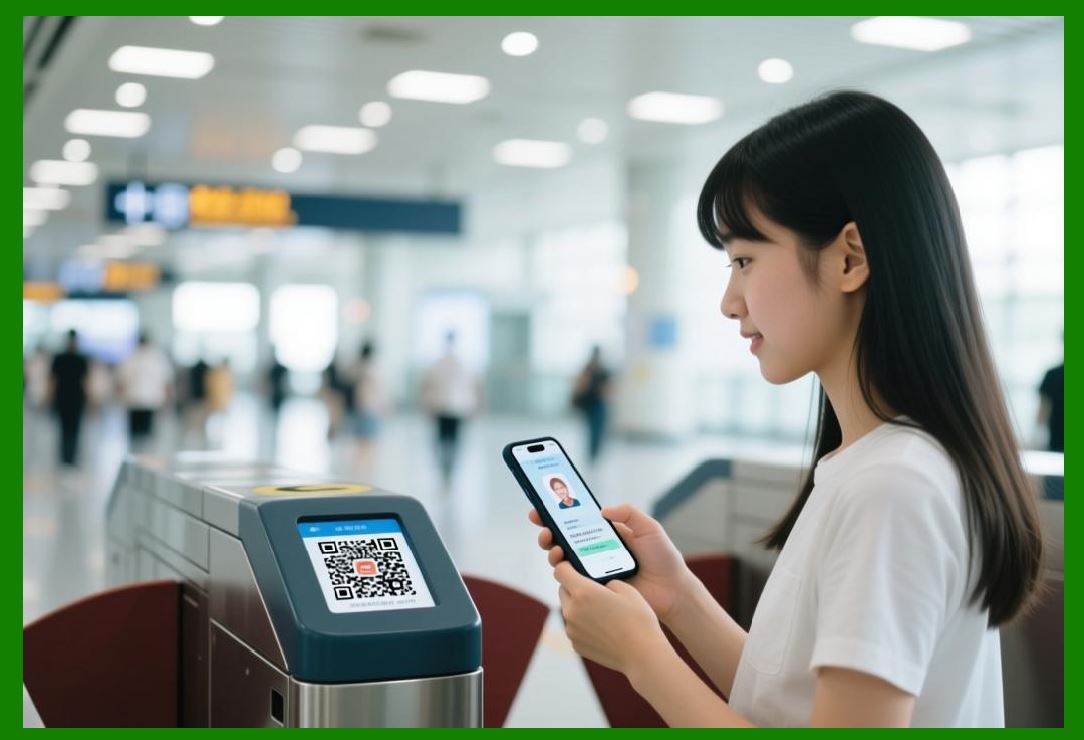
17.4 For public transport, QR Codes are now embedded in contactless ticketing systems, allowing passengers to scan codes at gates for entry or exit. The backend system calculates fares automatically. |
17.5 In ride-hailing services such as Uber, Grab, and Didi, QR Codes facilitate passenger-driver verification. Each driver and passenger can scan each other¡¯s code to confirm identity and trip details, ensuring safety. |
17.6 Parking facilities also employ QR-based entry passes. A vehicle entering a lot receives a QR ticket, which is scanned upon exit for automated fee calculation. |
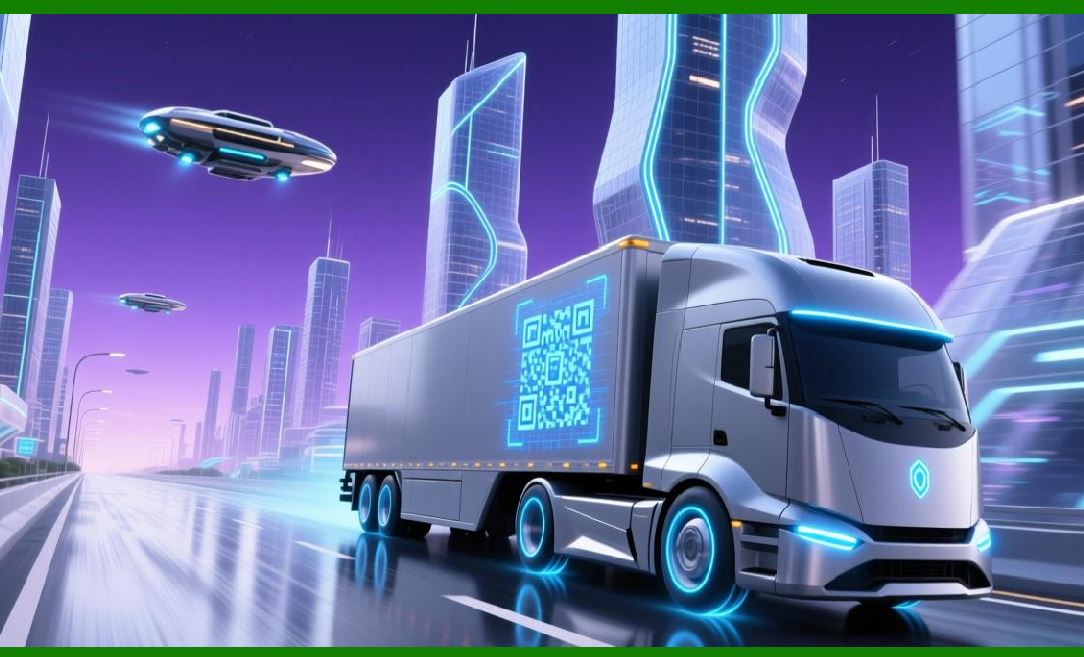
17.7 For logistics and delivery vehicles, QR Codes are attached to parcels or route documents to synchronize movement data, enabling real-time tracking. |
|
18. QR Code in Logistics and Supply Chain Management |
18.1 The use of QR Codes in logistics and supply chain management has revolutionized tracking, traceability, and data integration. |
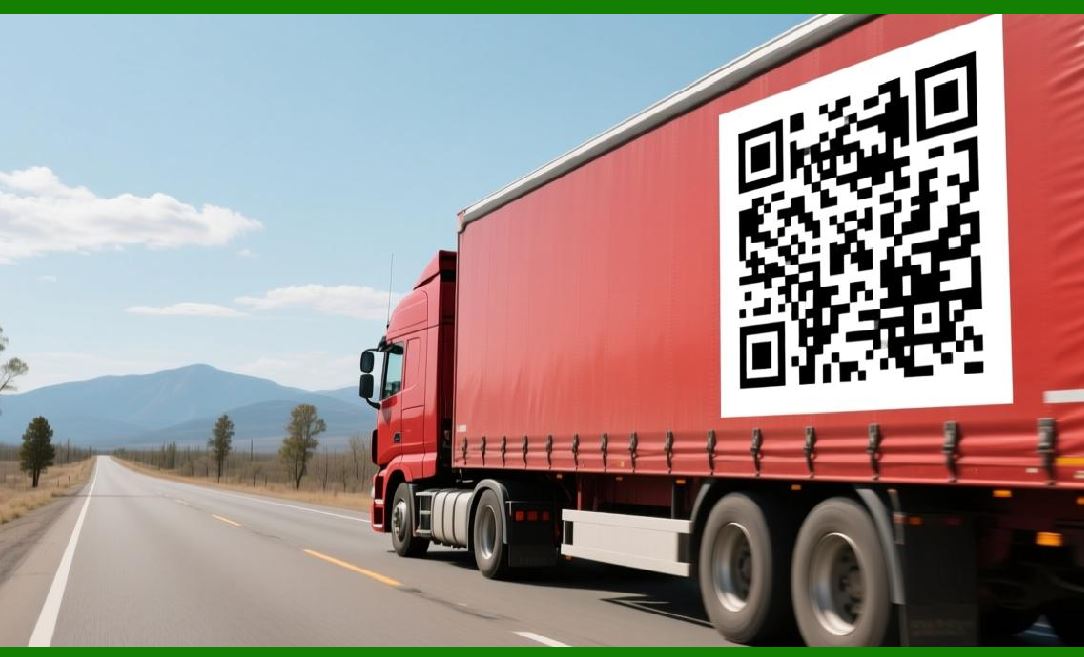
18.2 Each product unit, pallet, or shipment container can be tagged with a QR Code containing detailed metadata such as product ID, origin, production date, batch number, expiration date, and destination. |
18.3 During transport, scanners capture QR data at various checkpoints, updating the supply chain management system in real time. |
18.4 This transparency reduces the likelihood of shipment loss, fraud, or misrouting, while enhancing accountability across stakeholders. |
18.5 In warehouse automation, QR Codes identify shelf locations, guiding robotic pickers or human operators in efficient retrieval operations. |
18.6 When combined with IoT sensors, QR Codes can act as identifiers linking physical items to digital twins in the cloud, enabling temperature, humidity, and movement monitoring for sensitive goods. |
18.7 The simplicity of QR Code labeling also makes it ideal for reverse logistics, enabling consumers to initiate returns by scanning a code printed on invoices or packaging. |
18.8 Some logistics firms integrate QR Codes with GPS and blockchain systems to create immutable audit trails of product movement, providing regulators and clients with verifiable transparency. |
18.9 QR-based systems are now a critical part of customs management, international shipping documentation, and compliance verification. |
|
19. QR Codes in Healthcare |
19.1 In healthcare, QR Codes are used to enhance patient safety, medical record accessibility, and drug traceability. |
19.2 Hospitals attach QR Codes to patient wristbands. Scanning these codes gives medical staff instant access to patient identity, medical history, allergies, and prescribed treatments. |
19.3 This reduces human error and ensures that the right medication or procedure is applied to the correct patient. |
19.4 Pharmacies and drug manufacturers use QR Codes for pharmaceutical serialization, ensuring every package can be traced from factory to pharmacy. This combats counterfeit drugs and supports compliance with regulations such as the U.S. DSCSA or the EU Falsified Medicines Directive. |
19.5 Patients can scan medication packaging to retrieve dosage instructions, expiry information, or to verify authenticity. |
19.6 QR Codes also simplify telemedicine access¡ªpatients can scan a doctor¡¯s code to schedule consultations, access test results, or join virtual sessions securely. |
19.7 Vaccination records are increasingly being digitized with QR Codes, allowing authorities to verify immunization status instantly at borders, workplaces, and public venues. |
19.8 In laboratories, QR Codes on specimen containers link samples to digital records, ensuring reliable tracking and preventing data mismatch. |
19.9 In emergency medical scenarios, QR Codes embedded on ID cards or wearables allow rescuers to access essential health information instantly. |

|
20. QR Codes in Education and Learning |
20.1 QR Codes are now a core component of digital education ecosystems, connecting printed materials to interactive online resources. |
20.2 Teachers embed QR Codes in textbooks, worksheets, and posters to give students instant access to multimedia content such as videos, quizzes, or supplemental readings. |
20.3 In higher education, QR Codes facilitate attendance tracking, assignment submission, and classroom polls. Students scan a code displayed by the instructor to mark attendance automatically. |
20.4 Educational institutions use QR Codes on student IDs and library cards for access control, equipment checkout, or e-learning platform login. |
20.5 In online learning environments, QR Codes can link to certification verification pages, ensuring that diplomas and training certificates are genuine. |
20.6 Museums and exhibitions use QR Codes to enhance educational tours¡ªvisitors scan exhibits to access detailed explanations, 3D reconstructions, or historical context. |
20.7 Language learning apps employ QR Codes to share vocabulary lists or initiate practice sessions directly between devices. |
20.8 QR-enabled educational systems help bridge physical and digital learning, promoting engagement and accessibility. |

|
21. QR Codes in Government and Administration |
21.1 Governments worldwide use QR Codes to streamline administrative processes and enhance transparency. |
21.2 National ID cards, driver¡¯s licenses, and tax documents often incorporate QR Codes for quick verification of identity and authenticity. |
21.3 Public authorities use them on bills, permits, and certificates, enabling citizens to validate their legitimacy online. |
21.4 QR Codes also appear on e-passports, linking printed biometric data with digital records stored in secure databases. |
21.5 During public health emergencies, such as pandemics, QR Codes have been critical tools in contact tracing, vaccine certification, and movement control systems. |
21.6 QR-based systems allow citizens to access digital government services without lengthy form-filling. Scanning a code from a notice or document redirects users to personalized service portals. |
21.7 Election commissions in several countries use QR Codes on ballots to ensure secure counting and reduce human error. |
21.8 The traceability and authentication potential of QR Codes make them ideal for anti-corruption initiatives and transparent document handling. |

|
22. QR Codes in Manufacturing and Industrial Automation |
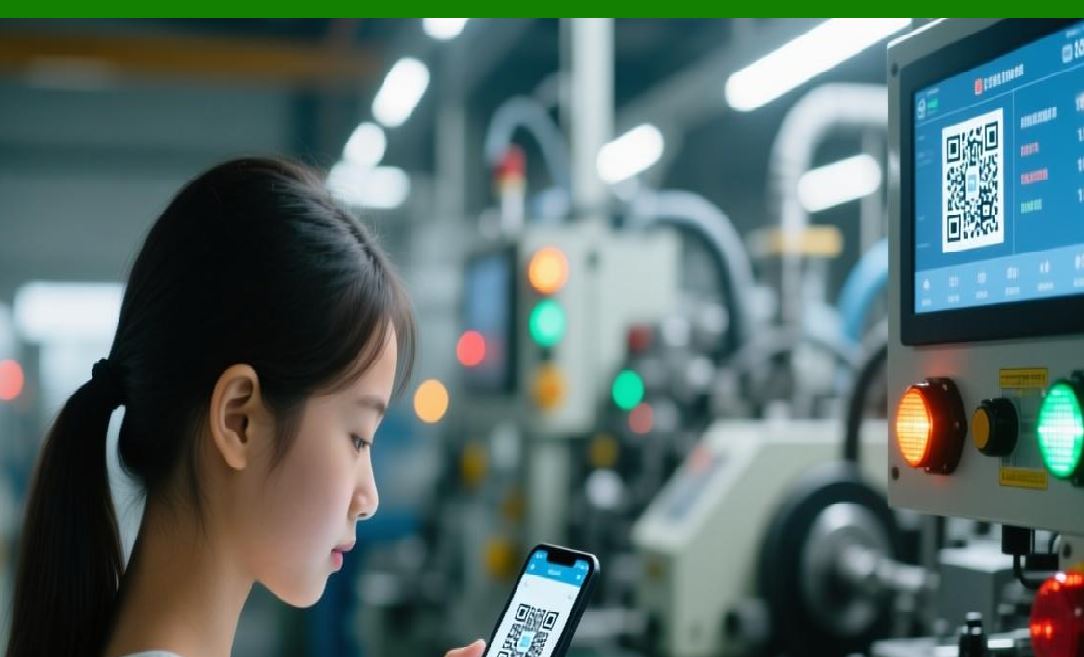
22.1 In manufacturing environments, QR Codes are used for component identification, production line management, and maintenance tracking. |
22.2 Each component or subassembly can carry a unique QR Code marking that stores its serial number, specification, supplier, and inspection data. |
22.3 Robots and automated systems can scan these codes during assembly, ensuring correct part usage and enabling traceability for quality control. |
22.4 Equipment maintenance records are also linked to QR Codes affixed on machinery. Technicians can scan a code to view repair history, technical manuals, and maintenance schedules. |
22.5 QR Codes serve as gateways for Industrial Internet of Things (IIoT) systems, linking physical assets to cloud monitoring dashboards. |
22.6 In process industries like oil, gas, and chemical production, QR-labeled pipes and valves enable rapid asset identification during inspections or emergencies. |
22.7 Manufacturers also use laser-etched or engraved QR Codes on metal surfaces, allowing long-term durability under harsh conditions. |
22.8 These systems form part of digital transformation strategies under the Industry 4.0 paradigm, where real-time data from all factory components feeds into integrated management systems. |

|
23. QR Codes in Product Authentication and Anti-Counterfeiting |
23.1 The global challenge of counterfeiting has made QR Codes a frontline technology for product authentication. |
23.2 Each genuine product can be marked with a unique, cryptographically generated QR Code that links to an official verification server. |
23.3 Consumers scan the code to verify the product¡¯s origin and authenticity. If the code has been previously scanned from a suspicious location or time, the system flags potential fraud. |
23.4 In luxury goods, QR Codes are printed or engraved discreetly on packaging or inside labels. They also serve as part of warranty registration processes. |
23.5 The combination of QR Codes with blockchain has created tamper-proof traceability chains for high-value goods such as diamonds, wine, pharmaceuticals, and electronics. |
23.6 In agriculture, QR-based traceability systems allow buyers to confirm farm origin, production date, and certification compliance. |
23.7 Government regulators increasingly require product-level serialization using QR Codes to prevent illegal diversion and ensure tax compliance. |
|
24. QR Codes in Environmental and Sustainability Applications |
24.1 As global sustainability initiatives expand, QR Codes have become important tools for supporting environmental monitoring, waste reduction, and consumer transparency. |
24.2 Product manufacturers now use QR Codes to display detailed sustainability information, such as carbon footprint, recyclability, and material composition. By scanning, consumers can learn how to dispose of or recycle an item properly. |
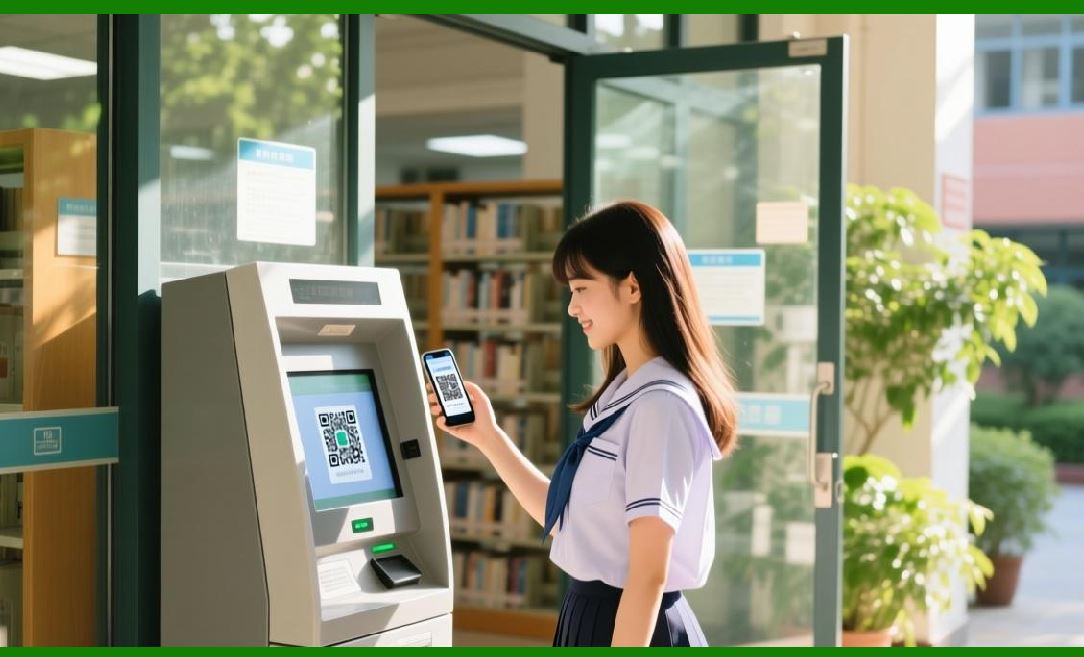
24.3 Governments and non-profit organizations place QR Codes on recycling bins and waste collection stations, directing users to sorting guides or nearest recycling facilities. |
24.4 In the food industry, QR Codes on packaging disclose sourcing information, farming practices, and ethical certifications such as fair trade or organic compliance. |
24.5 QR Codes also play a role in energy conservation campaigns. Utilities may print QR Codes on electricity bills that link to dashboards showing personalized energy usage analytics and tips for reducing consumption. |
24.6 In forestry management, QR Codes are used to track timber from logging sites through the supply chain to ensure compliance with sustainable harvesting regulations. |
24.7 QR-based tags are also applied to environmental monitoring sensors in the field, allowing technicians to quickly access calibration data or historical readings via mobile devices. |
24.8 In the circular economy, QR Codes enable product lifecycle tracking, connecting manufacturers, recyclers, and consumers to extend the lifespan of materials. |
24.9 Such environmentally conscious uses demonstrate that QR technology is not limited to convenience and commerce ¡ª it also serves as a key driver of ecological accountability. |
|
25. QR Codes in Tourism and Hospitality |
25.1 The tourism and hospitality industry has found immense value in QR Codes for improving visitor engagement, convenience, and safety. |
25.2 Hotels place QR Codes in rooms to allow guests to access service menus, order food, request housekeeping, or control room settings without physical contact ¡ª an innovation accelerated by the global pandemic. |
25.3 Tourist attractions integrate QR Codes into signage and exhibits. Visitors can scan to access multilingual audio guides, videos, or historical information, eliminating the need for printed brochures. |
25.4 Museums and heritage sites often use QR Codes as gateways to augmented reality (AR) experiences, overlaying digital reconstructions or storytelling elements over physical environments. |
25.5 Travel agencies embed QR Codes in itineraries or tickets, linking to maps, emergency contact details, or weather updates for destinations. |
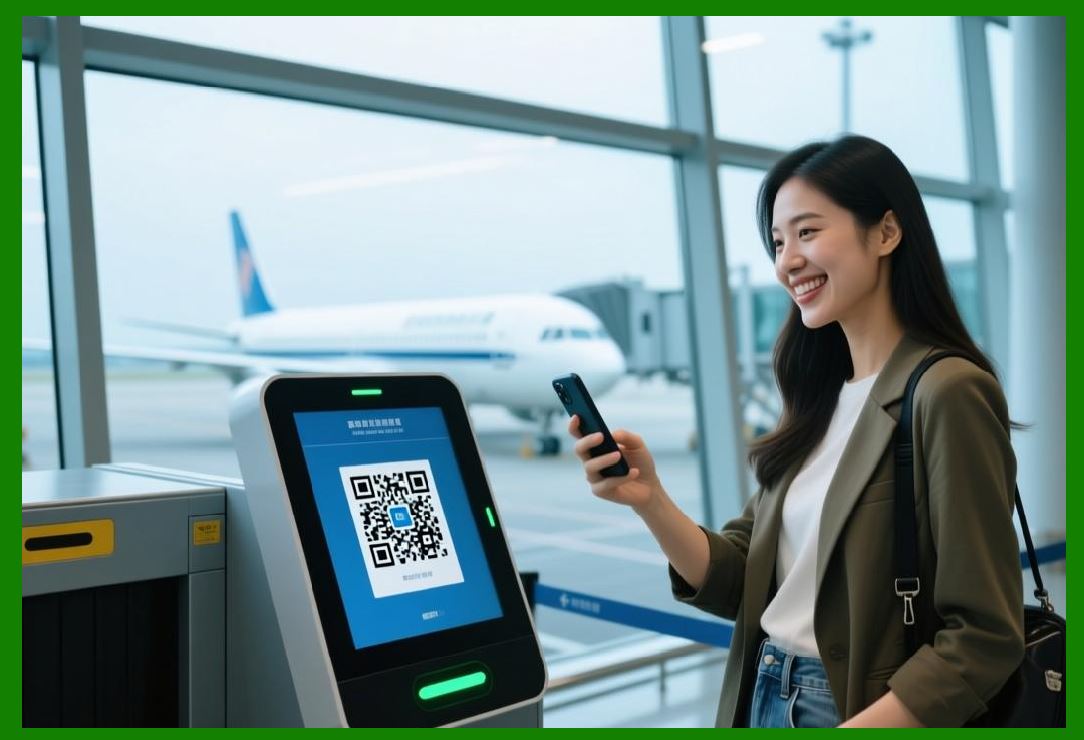
25.6 Airlines and train stations use QR boarding passes to streamline check-in and boarding. These codes can also include health declaration data or visa information. |
25.7 Restaurants employ QR Codes for digital menus, reducing physical contact and allowing real-time updates to menu items or prices. |
25.8 Tourist cities also utilize QR-based information systems at landmarks ¡ª a visitor scans a code to access multilingual narratives, nearby attractions, and transportation schedules. |
25.9 QR-enabled visitor systems collect valuable analytics for tourism boards, revealing traveler demographics, peak visit times, and engagement statistics. |
|
26. QR Codes in Art, Design, and Creative Industries |
26.1 Beyond functional applications, QR Codes have entered the world of art, culture, and creative design. |
26.2 Artists use QR Codes as part of digital installations where scanning reveals hidden multimedia layers, augmented artworks, or interactive experiences. |
26.3 Designers creatively modify QR Codes with patterns, gradients, or custom shapes while maintaining functional integrity through adequate contrast and preserved finder patterns. |
26.4 Street artists sometimes integrate QR Codes into murals or graffiti that direct viewers to personal websites, social campaigns, or NFTs (non-fungible tokens). |
26.5 In advertising design, branded QR Codes harmonize company logos with the code¡¯s geometry. With proper error correction (often Level H), even heavily customized QR Codes remain scannable. |
26.6 QR Codes have also been featured in film and television for interactive storytelling ¡ª viewers scanning a code on-screen may access behind-the-scenes content or exclusive offers. |
26.7 Music festivals and cultural events use QR wristbands or posters to deliver line-up information, maps, and live-streaming links. |
26.8 QR Codes embedded in artworks also act as digital certificates of authenticity, connecting physical art pieces to blockchain registries that verify ownership. |
26.9 This fusion of technology and art highlights the adaptability of QR Codes to both utilitarian and expressive purposes. |
|
27. QR Codes in Smart Cities and Public Infrastructure |
27.1 Smart cities worldwide are integrating QR Codes into public infrastructure for efficiency, citizen engagement, and transparency. |
27.2 Streetlights, public benches, and maintenance equipment often bear QR Codes linking to maintenance schedules, issue reporting portals, or real-time status dashboards. |
27.3 Citizens can report issues such as potholes or damaged signs by scanning QR Codes placed on infrastructure assets. |
27.4 Public transportation systems use QR Codes for digital tickets and passes that synchronize with online payment accounts and real-time tracking. |
27.5 QR Codes on city maps, bus stops, and landmarks connect users to dynamic information about routes, schedules, or emergency alerts. |
27.6 Urban waste bins equipped with QR Codes allow sanitation departments to track collection frequency and optimize logistics. |
27.7 Smart parking systems generate QR tickets for entry and exit management, with real-time linkage to mobile payment gateways. |
27.8 City administration also employs QR-based feedback systems¡ªcitizens scan posters to participate in surveys or civic consultations. |
27.9 Through such uses, QR Codes serve as essential connectors between physical urban infrastructure and digital governance systems. |
|
28. QR Codes in Digital Identity and Authentication |
28.1 The rise of digital transformation has expanded QR Codes into the field of digital identity management. |
28.2 Many authentication systems use QR Codes to log users into websites or applications securely without typing passwords. The server generates a temporary QR Code; when scanned by an authenticated mobile app, it confirms identity via encrypted tokens. |
28.3 This passwordless authentication method is widely used by services like WhatsApp Web, Google Authenticator, and enterprise single sign-on systems. |
28.4 QR-based identity tokens ensure that even if the code is intercepted, it cannot be reused due to time-based expiration and cryptographic binding. |
28.5 In workplaces, employee ID badges often include QR Codes that link to internal profiles or access credentials, enabling controlled entry to buildings and systems. |
28.6 For multi-factor authentication (MFA), QR Codes are used to exchange secret keys between a user¡¯s device and authentication server, simplifying setup and security. |
28.7 Governments and international agencies also employ QR-based digital credentials for visas, vaccination certificates, and border control systems. |
28.8 Such identity systems merge convenience with cryptographic robustness, making QR Codes a crucial component of the global digital trust infrastructure. |
|
29. QR Codes in Agriculture and Food Traceability |
29.1 Food safety has become a critical public concern, and QR Codes now play a pivotal role in agricultural traceability systems. |
29.2 Farmers tag produce with QR Codes that encode farm origin, harvest date, pesticide usage, and certification details. |
29.3 Consumers scanning these codes can trace the journey of food items ¡°from farm to table,¡± increasing confidence in safety and quality. |
29.4 Government agencies use QR Codes to monitor agricultural supply chains and ensure compliance with food safety standards. |
29.5 In livestock management, QR Codes or related matrix tags identify individual animals, linking them to health records, vaccinations, and breeding data. |
29.6 For fisheries, QR Codes on packaging confirm catch origin, species certification, and sustainable practices. |
29.7 Restaurants highlight farm partnerships by including QR Codes on menus that show the farms or fisheries that supplied the ingredients. |
29.8 This transparency not only builds consumer trust but also strengthens the reputation of responsible producers. |
|
30. QR Codes in the Internet of Things (IoT) |
30.1 In the Internet of Things, QR Codes serve as simple yet powerful identifiers that link physical objects to their digital counterparts. |
30.2 Each connected device may bear a QR Code containing network credentials, unique device IDs, or configuration URLs. |
30.3 Technicians scan the code to register or pair devices with cloud platforms, eliminating the need for manual setup. |
30.4 Smart home devices, industrial sensors, and medical equipment often include QR Codes for easy onboarding to Wi-Fi or IoT management systems. |
30.5 QR Codes enable zero-touch provisioning, where a simple scan initiates automated configuration scripts via secure APIs. |
30.6 They also support digital twins ¡ª by scanning the QR tag on an asset, users can view live telemetry data, maintenance logs, or performance analytics. |
30.7 IoT ecosystems benefit from QR Codes as universal identifiers that are human-readable, low-cost, and durable across environmental conditions. |
30.8 As Industry 4.0 expands, QR-enabled devices form the backbone of integrated cyber-physical systems. |
|
31. Technical Durability and Material Adaptability |
31.1 QR Codes are remarkably adaptable to diverse materials and environments. They can be printed, engraved, etched, or embedded on virtually any surface. |
31.2 On paper or cardboard, QR Codes are ideal for packaging, brochures, and tickets. |
31.3 On plastic and glass, they appear on bottles, ID cards, and electronic components. |
31.4 Laser engraving allows QR Codes to remain legible even under heat, moisture, or chemical exposure. |
31.5 Embossed QR Codes on metal or molded parts resist wear and corrosion, enabling long-term identification in industrial settings. |
31.6 Electronic displays use dynamically generated QR Codes, for example on digital receipts or transaction terminals. |
31.7 The scanning algorithm¡¯s tolerance for contrast variation ensures readability under low light, glare, or uneven backgrounds. |
31.8 This physical flexibility ensures that QR Codes remain functional across every conceivable industry. |
|
32. Standardization and ISO/IEC 18004 |
32.1 The global standard governing QR Codes is ISO/IEC 18004, which defines symbol structure, data encoding, error correction, and symbol placement. |
32.2 This standard ensures that QR Codes generated by any compliant software can be accurately read by any scanner or application worldwide. |
32.3 It specifies module dimensions, alignment pattern placements, and the mathematical rules of Reed-Solomon error correction. |
32.4 In addition, related standards such as ISO/IEC 23941 govern Micro QR Codes, and ISO/IEC 21471 defines the rMQR Code, an elongated rectangular version for compact spaces. |
32.5 These standardizations guarantee interoperability across global industries ¡ª from transportation to healthcare. |
32.6 The ISO standard also allows proprietary extensions (like encrypted or logo-embedded data) as long as fundamental readability is preserved. |
|
33. Encoding and Data Structure Mathematics |
33.1 At the mathematical level, QR Codes use Reed-Solomon error correction over the Galois Field GF(256). |
33.2 Each codeword is an 8-bit symbol, and the data string is divided into blocks for error correction redundancy. |
33.3 Polynomials are generated for each block, and redundant symbols are calculated using modulo arithmetic to allow error detection and reconstruction. |
33.4 The mask patterns are applied through binary XOR operations, distributing black and white modules more evenly. |
33.5 Format and version information is encoded using BCH (Bose¨CChaudhuri¨CHocquenghem) error correction to safeguard decoding accuracy even if finder areas are damaged. |
33.6 These mathematical principles guarantee the robustness that distinguishes QR Codes from earlier 2D symbologies. |
|
34. Advantages of QR Codes over 1D Barcodes |
34.1 Compared to linear barcodes, QR Codes offer exponentially greater data density and multidirectional scanning. |
34.2 A 1D barcode encodes data along one axis, whereas a QR Code stores it across both axes, reducing physical space requirements. |
34.3 QR Codes are omnidirectionally readable, requiring no precise alignment with the scanner. |
34.4 Their built-in error correction allows decoding even when up to 30% of the code is obscured, which is impossible with linear barcodes. |
34.5 QR Codes support multiple data types (text, URL, binary, numeric, etc.) and languages, making them truly universal. |
34.6 Moreover, they can be printed at any size ¡ª from millimeters on microchips to meters on billboards ¡ª with consistent reliability. |
|
35. QR Code Data Security and Encryption |
35.1 While QR Codes are inherently public symbols, data security can be enhanced through encryption or tokenization. |
35.2 Sensitive information can be encrypted before encoding, ensuring that only authorized applications or users can decrypt the contents. |
35.3 Financial and authentication systems often use temporary, one-time QR tokens that expire after use. |
35.4 Secure QR implementations also rely on HTTPS links, authentication keys, and backend verification layers. |
35.5 The ISO/IEC 20248 standard supports digital signatures for data carriers, allowing QR Codes to include verifiable digital authenticity. |
35.6 In national ID or payment contexts, cryptographically signed QR Codes ensure tamper-proof trustworthiness. |
|
36. QR Code Tracking and Analytics |
36.1 Especially in marketing and business intelligence, Dynamic QR Codes enable rich analytics. |
36.2 Each scan event is logged on the server, recording timestamp, location, device OS, and referrer source. |
36.3 Businesses analyze this data to measure engagement, conversion rates, and campaign effectiveness. |
36.4 QR-based analytics form part of digital marketing dashboards, helping companies optimize audience targeting. |
36.5 In logistics, scan frequency and geographic dispersion data enable performance insights about delivery routes and product movement speed. |
36.6 Thus, QR Codes act not just as static symbols but as data collection gateways for real-time analysis. |
|
37. QR Codes in Automotive Industry |
37.1 QR Codes have returned to their roots in the automotive industry, where they were originally invented. |
37.2 Manufacturers label each vehicle component with QR Codes for quality assurance and supply chain traceability. |
37.3 Cars themselves now include QR Codes under the hood or on chassis frames for emergency responders to access structural and safety data. |
37.4 Car manuals include QR links to maintenance videos, software updates, and recall notices. |
37.5 QR Codes are also used in vehicle registration, insurance documentation, and connected-car applications linking users to online dashboards. |
38. QR Codes in Packaging and Consumer Interaction |
38.1 The packaging industry heavily relies on QR Codes to add digital layers to physical goods. |
38.2 By scanning, consumers can view authenticity certificates, instructional videos, promotional games, or warranty registration pages. |
38.3 Brands employ serialized QR Codes to enable customer-specific offers or loyalty points. |
38.4 Dynamic packaging QR systems allow real-time product tracking, ensuring that expired or recalled batches can be identified instantly. |
38.5 Smart packaging also uses QR Codes for anti-theft, refill tracking, or circular packaging return systems. |
|
39. QR Codes in Libraries and Archives |
39.1 Libraries integrate QR Codes for catalog access, e-book downloads, and digital preservation references. |
39.2 Each physical book may contain a QR Code linking to its online catalog entry, enabling instant location or reservation. |
39.3 Museums use QR-linked metadata for digital archiving, helping researchers cross-reference materials without handling delicate originals. |
39.4 In academic institutions, QR-based DOI systems link printed journals to online repositories, enhancing access and citation accuracy. |
|
40. QR Codes in Marketing Automation and CRM |
40.1 Customer Relationship Management (CRM) systems use QR Codes to track interactions across multiple channels. |
40.2 Each marketing material¡ªemail, print ad, brochure¡ªmay contain a unique code linking back to specific customer journeys. |
40.3 Scanning behaviors inform CRM records, enabling personalized remarketing and loyalty offers. |
40.4 Event organizers use QR-based attendee passes that integrate directly with CRM systems for post-event follow-ups. |
40.5 QR-driven marketing automation reduces manual data entry and enriches campaign intelligence. |
|
41. QR Codes in Telecommunications and Networking |
41.1 Network equipment and routers frequently use QR Codes to simplify configuration and connection. |
41.2 For example, Wi-Fi QR Codes encode SSID and password data, allowing instant device connection without manual entry. |
41.3 Telecom operators use QR Codes for SIM registration, service activation, and online customer support. |
41.4 Network technicians scan QR Codes on hardware to access diagnostics and firmware updates. |
41.5 These uses simplify networking operations while reducing configuration errors. |
|
42. QR Codes in Real Estate and Construction |
42.1 Real estate agents employ QR Codes on property listings and signage, linking directly to virtual tours, photos, or pricing updates. |
42.2 Construction firms attach QR Codes to project documents, blueprints, and safety manuals for on-site access. |
42.3 Each building component can carry a code identifying its specifications and compliance certificates. |
42.4 Smart building management integrates QR tags with sensors and maintenance databases, ensuring long-term traceability of every installed component. |
|
43. QR Codes in Banking and Financial Services |
43.1 Banks use QR Codes for account linking, ATM cardless withdrawals, and secure login. |
43.2 Customers scan bank-generated QR Codes to verify transactions, avoiding phishing risks. |
43.3 Insurance and loan documents now feature QR Codes for claim tracking or policy validation. |
43.4 Financial institutions benefit from reduced paperwork and improved customer self-service capabilities. |
|
44. QR Codes in Public Safety and Disaster Response |
44.1 Emergency services employ QR Codes for rapid access to critical information. |
44.2 Fire hydrants, evacuation maps, and emergency kits display QR Codes with instructions and contact data. |
44.3 Citizens can scan posted codes to locate nearest shelters or medical assistance during disasters. |
44.4 First responders scan QR-coded tags on victims or rescue equipment to synchronize triage and resource allocation data in real time. |
|
45. QR Codes in Postal and Courier Services |
45.1 Postal agencies globally use QR Codes for mail tracking, address encoding, and delivery verification. |
45.2 QR-based shipping labels include sender, recipient, and routing information readable by automated sorters. |
45.3 Recipients can scan delivery notices or receipts to confirm package status or schedule redelivery. |
45.4 Compared to legacy barcodes, QR Codes carry more metadata in less space, allowing faster and more reliable logistics processing. |
|
46. QR Codes in Event Management |
46.1 Event organizers use QR Codes for ticketing, entry management, and attendee tracking. |
46.2 Digital event passes eliminate paper waste and prevent counterfeit tickets. |
46.3 QR-based check-in systems also enable health verification or vaccination record scanning. |
46.4 Organizers gain real-time attendance analytics, improving crowd control and post-event insights. |
|
47. QR Codes in Gaming and Entertainment |
47.1 In video games, QR Codes are used for character sharing, downloadable content (DLC) access, and in-game rewards. |
47.2 Console and mobile games often embed codes to unlock hidden features or community events. |
47.3 Theme parks integrate QR Codes into attraction queues to entertain visitors with AR games or trivia during waiting periods. |
47.4 Movie studios use QR Codes in trailers and posters for ticket pre-orders or bonus content. |
|
48. QR Codes in Scientific Research and Laboratories |
48.1 Laboratories use QR Codes for sample tracking, equipment calibration, and data management. |
48.2 Each specimen vial may carry a code linking to the digital database containing experimental metadata. |
48.3 QR-based lab management reduces mix-ups, automates data entry, and ensures regulatory compliance. |
48.4 Research papers and presentations also include QR Codes linking to datasets or supplementary material. |
|
49. QR Codes in Philanthropy and Nonprofits |
49.1 Charitable organizations use QR Codes to simplify donations, event registration, and volunteer signups. |
49.2 Donors scan printed posters or screens to access secure payment gateways instantly. |
49.3 Campaign transparency improves, as donors can trace how funds are used through linked progress pages. |
|
50. QR Codes and Blockchain Integration |
50.1 QR Codes are an essential interface for blockchain systems, serving as visual representations of wallet addresses, transaction hashes, or NFT metadata. |
50.2 Cryptocurrency payments rely on QR Codes for secure and error-free address input. |
50.3 NFT artworks include QR Codes linking to ownership verification pages, merging digital assets with tangible representation. |
50.4 QR Codes also facilitate blockchain-based supply chain traceability by linking product IDs to immutable ledger entries. |
|
51. QR Codes and Artificial Intelligence (AI) Integration |
51.1 AI enhances QR Code scanning through improved pattern recognition and lighting correction algorithms. |
51.2 AI can detect partial or distorted QR Codes even in motion or poor lighting conditions. |
51.3 Machine learning models are also used to generate artistic yet scannable QR designs, optimizing readability despite aesthetic modifications. |
51.4 AI-powered analytics platforms interpret scan patterns to predict consumer behavior or operational inefficiencies. |
|
52. QR Codes in Augmented and Virtual Reality |
52.1 In AR and VR applications, QR Codes serve as spatial anchors or triggers. |
52.2 Scanning a QR Code can launch AR overlays or teleport users into virtual environments. |
52.3 Museums, training centers, and games combine AR and QR to provide immersive experiences linked to real-world objects. |
52.4 Industrial AR maintenance apps use QR Codes to load equipment manuals or 3D models aligned with physical assets. |
|
53. Accessibility and Inclusivity in QR Usage |
53.1 QR Codes promote accessibility by bridging digital information to users with disabilities. |
53.2 When combined with screen readers, QR scans can deliver audio versions of text, enabling visually impaired users to access printed content. |
53.3 QR-based systems for public information include voice guidance, translation, and large-print alternatives. |
53.4 By simplifying access to digital resources, QR Codes contribute to a more inclusive society. |
|
54. Challenges and Limitations of QR Codes |
54.1 Despite their versatility, QR Codes face certain challenges. |
54.2 Security risks arise when malicious codes lead to phishing or malware sites. |
54.3 Aesthetic constraints may discourage use in high-end branding unless carefully customized. |
54.4 Physical damage, dirt, or low contrast can impede scanning reliability. |
54.5 Overuse may cause user fatigue; therefore, strategic placement and clear purpose are essential for effectiveness. |
54.6 However, technological advances continue to mitigate these issues through AI recognition, dynamic updating, and safer redirection practices. |
|
55. QR Codes during the COVID-19 Pandemic |
55.1 The pandemic dramatically accelerated QR Code adoption worldwide. |
55.2 Contactless menus, payment systems, and check-in apps became the norm in hospitality and transportation. |
55.3 Health authorities deployed QR-based tracing apps to monitor exposure and manage public movement safely. |
55.4 Vaccine passports and test certificates used QR Codes for cross-border verification. |
55.5 This period marked the largest global surge in QR Code usage since its invention. |
|
56. Cultural and Social Impact of QR Codes |
56.1 QR Codes have transcended technology to become a part of everyday social behavior. |
56.2 In many countries, people use the phrase ¡°Scan the code¡± synonymously with ¡°Get information.¡± |
56.3 The presence of QR Codes in art, religion, fashion, and pop culture signifies their integration into human communication norms. |
56.4 In Japan, tombstones with QR Codes allow descendants to view digital memorials ¡ª a fusion of tradition and modern technology. |
56.5 In global culture, QR Codes symbolize instant connectivity, bridging language and location barriers. |
|
57. Future Innovations in QR Code Technology |
57.1 The future of QR Codes involves integration with NFC, blockchain, biometrics, and AI-driven personalization. |
57.2 Emerging ¡°Smart QR¡± standards enable embedded encryption, multi-link branching, and context-sensitive responses. |
57.3 3D QR Codes printed with nanotechnology may store even more data while remaining physically small. |
57.4 Color QR Codes and infrared-readable codes will support new industries, including secure packaging and industrial automation. |
57.5 With advances in holography, future QR Codes may be integrated into 3D objects as invisible data markers. |
|
58. Educational and Economic Importance |
58.1 QR Codes support digital literacy by teaching data encoding, design thinking, and information retrieval. |
58.2 Economically, they reduce printing, processing, and transaction costs for millions of businesses globally. |
58.3 The QR Code ecosystem supports industries in software, hardware, logistics, marketing, and digital payments. |
58.4 It continues to empower small and medium enterprises (SMEs) with affordable digital transformation tools. |
|
59. Global Standardization and Interoperability Efforts |
59.1 To maintain compatibility, international organizations and financial regulators cooperate on QR payment standards like EMVCo, UPI QR, and QRIS. |
59.2 These frameworks ensure cross-border interoperability and consumer protection. |
59.3 ISO updates also include provisions for new shapes and compact designs, ensuring future resilience. |
59.4 Through such coordination, QR Codes remain a universal medium across industries, countries, and technologies. |
|
60. Summary and Conclusion |
60.1 From its 1994 invention in Japan¡¯s automotive factories to its global omnipresence today, the QR Code stands as a triumph of elegant engineering and universal design. |
60.2 Its features ¡ª high data capacity, multidirectional readability, error correction, open standardization, and adaptability ¡ª make it a cornerstone of modern information exchange. |
60.3 Its uses now span nearly every field: commerce, industry, education, healthcare, governance, logistics, IoT, and art. |
60.4 QR Codes democratize access to the digital world by lowering technological barriers for both individuals and enterprises. |
60.5 In an era defined by connectivity, the QR Code remains a silent but indispensable bridge between the physical and digital realms ¡ª a symbol of instant interaction, efficiency, and trust. |
 cs@easiersoft.com