Flexible Electronic Tags: Barcodes Printed with Conductive Ink or Nanomaterials |
1. Introduction to Flexible Electronic Tags |
Flexible electronic tags represent an innovative development in the field of electronics and barcode technology, combining the principles of flexible substrates, conductive inks, and advanced nanomaterials. These tags are designed to be flexible, bendable, foldable, and even embeddable into textiles, offering versatile applications in wearable devices, smart packaging, and beyond. This advancement has led to an emerging class of products that are lightweight, compact, and capable of interacting with the digital world in new and exciting ways. This comprehensive overview explores the various aspects of flexible electronic tags, focusing on their design, materials, and applications. |

|
2. The Role of Conductive Ink and Nanomaterials in Flexible Tags |
At the core of flexible electronic tags lies the use of conductive ink and nanomaterials. These materials are what allow the tags to retain functionality while being flexible enough to bend and stretch without losing performance. |
2.1 Conductive Ink Conductive ink is a specialized type of ink that contains fine particles of conductive material, typically carbon-based, metal nanoparticles, or organic compounds, that allow electrical conductivity when applied to substrates. The use of conductive ink enables the creation of circuits and sensors that are both flexible and cost-effective. These inks are often screen-printed onto thin, flexible substrates like plastic films, paper, or textiles, which makes them ideal for applications that require conformability. |
2.2 Nanomaterials Nanomaterials, including carbon nanotubes (CNTs), graphene, and silver nanowires, have revolutionized the creation of flexible tags. These materials exhibit extraordinary electrical, thermal, and mechanical properties due to their nanoscale dimensions. Carbon nanotubes, for instance, are renowned for their high strength-to-weight ratio, electrical conductivity, and flexibility. Graphene, on the other hand, is a single layer of carbon atoms arranged in a hexagonal lattice, providing unparalleled electrical conductivity, flexibility, and even transparency. When these nanomaterials are used in conjunction with conductive ink, they allow the creation of electronic circuits that are not only flexible but also highly durable and efficient. |

|
3. Design and Manufacturing of Flexible Electronic Tags |
The design and manufacturing process of flexible electronic tags involves several key steps, from the initial creation of the substrate to the printing of the barcode and the integration of electronic components. |
3.1 Substrate Material The first consideration in designing flexible electronic tags is selecting the right substrate. Traditional barcodes are usually printed on paper or plastic, but for flexible electronic tags, the substrate must be both pliable and capable of withstanding bending, folding, and stretching. Common substrates include thin films of plastic, such as polyethylene terephthalate (PET) or polyimide (PI), and even fabric materials for wearable applications. These materials are chosen based on their mechanical properties, cost-effectiveness, and ability to bond with conductive inks. |
3.2 Printed Electronics Once the substrate is selected, the next step is to print the conductive ink or nanomaterials onto the surface. The printing process can be done using various techniques such as screen printing, inkjet printing, and flexographic printing. Screen printing is commonly used for mass production because it is cost-effective and allows for precise control over the ink layer thickness. Inkjet printing, on the other hand, is ideal for creating highly detailed and intricate designs, while flexographic printing is often used in high-speed applications. |
3.3 Barcode Integration The core function of a flexible electronic tag is to serve as a barcode that can be read by scanners or smartphones. The barcode can be printed directly onto the flexible substrate using conventional barcode formats like QR codes, DataMatrix, or proprietary formats, depending on the application. Additionally, some advanced flexible tags integrate the barcode with an RFID (Radio Frequency Identification) chip or an NFC (Near Field Communication) chip, allowing the tag to interact with digital systems wirelessly. The incorporation of these chips enables the tags to store more data and provide real-time tracking and information updates. |
3.4 Encapsulation and Protection After the conductive ink and barcode are printed onto the substrate, the tag must be protected from environmental factors like moisture, dirt, and mechanical wear. This is typically done through encapsulation, where the printed electronic tag is covered with a thin protective layer. This layer may be made of transparent polymers such as silicone or polyurethane, which allow the tag to remain flexible while providing protection against external elements. |

|
4. Key Properties of Flexible Electronic Tags |
The flexibility of these electronic tags allows for a broad range of use cases. Below are the key properties that make flexible electronic tags suitable for wearable devices and smart packaging. |
4.1 Mechanical Flexibility The most defining characteristic of flexible electronic tags is their ability to bend, fold, and stretch without compromising their functionality. This makes them ideal for applications in environments where traditional rigid tags would be impractical. For example, flexible tags embedded in clothing or accessories can endure the movements of the body, while flexible tags used in packaging can withstand the stress of being folded or twisted during handling and shipping. |
4.2 Lightweight and Thin Flexible electronic tags are typically very lightweight and thin compared to traditional barcodes, making them unobtrusive and easy to integrate into different products. This property is particularly important for wearable devices, where minimizing weight is crucial for user comfort. Additionally, the thinness of the tags allows for easy embedding into textiles, paper, or other materials. |
4.3 Durability Despite their flexibility, these electronic tags are highly durable. The use of advanced nanomaterials and protective encapsulation ensures that the tags can withstand wear and tear, exposure to environmental elements, and mechanical stress. This durability is essential for applications in outdoor or industrial settings where traditional tags may degrade quickly. |
4.4 Cost-Effectiveness Printing conductive inks or integrating nanomaterials into the production process is generally more cost-effective than traditional methods of creating rigid electronic components. This makes flexible electronic tags an attractive option for mass-market applications, particularly in industries where high-volume production is required. |

|
5. Applications of Flexible Electronic Tags |
Flexible electronic tags have a wide range of applications across various industries, particularly in the fields of wearable technology, smart packaging, and logistics. Below, we explore some of the key areas where these tags are being deployed. |
5.1 Wearable Devices Wearable devices, such as smartwatches, fitness trackers, and health-monitoring patches, benefit greatly from the use of flexible electronic tags. These tags can be embedded into clothing, footwear, or directly onto the skin, enabling seamless interaction between the user and the device. For instance, a flexible tag embedded into a shirt could monitor the wearer's heart rate or body temperature, transmitting data to a smartphone for analysis. Additionally, flexible tags can serve as user authentication or payment systems, similar to QR codes or RFID chips, in wearable formats. |
5.2 Smart Packaging Smart packaging is another area where flexible electronic tags are making significant strides. In the consumer goods industry, packaging with embedded flexible electronic tags can track product status, authenticate its origin, and provide additional information to the consumer via smartphones. These tags can be used to monitor temperature, humidity, or expiration dates of perishable goods. In the pharmaceutical industry, flexible tags can be used to ensure the safety and authenticity of drugs, preventing counterfeiting and improving supply chain transparency. |
5.3 Retail and Inventory Management Flexible electronic tags can play a crucial role in improving retail and inventory management systems. These tags can be integrated into the packaging of products or embedded in clothing labels, allowing retailers to track items in real-time through RFID or NFC systems. The combination of flexible tags with RFID technology offers benefits such as automatic stock updates, real-time product location tracking, and improved customer experience through easy product access. |
5.4 Healthcare and Medical Devices Flexible electronic tags have significant potential in the healthcare sector, especially for wearable medical devices and patient monitoring systems. Tags embedded in medical patches or monitoring equipment can provide real-time data to healthcare professionals, enhancing patient care. For example, a flexible tag on a diabetic patient's skin patch could continuously monitor glucose levels and transmit the data to a doctor's mobile device for immediate action if needed. |
5.5 Environmental and Industrial Applications Flexible electronic tags can also be used in environmental monitoring and industrial applications. For example, in the agricultural industry, flexible tags can be embedded in packaging or applied directly to agricultural products to monitor their condition and track them through the supply chain. In industrial settings, these tags can monitor equipment conditions, track machinery, or serve as part of a larger asset management system. |

|
6. Challenges and Future Directions |
While flexible electronic tags offer numerous advantages, there are still challenges that need to be addressed for widespread adoption. |
6.1 Material Challenges One of the major challenges in the development of flexible electronic tags is the limited availability of high-performance, low-cost nanomaterials that are suitable for large-scale production. While materials like graphene and carbon nanotubes show great promise, their cost and scalability remain hurdles for mainstream use. Research is ongoing to develop alternative materials that are both cost-effective and capable of providing the necessary performance in flexible electronic applications. |
6.2 Power Consumption Another challenge is the power consumption of these flexible electronic tags. Although advances in energy harvesting and low-power electronics are being made, ensuring that these tags remain functional over extended periods without frequent recharging or battery replacement is still an area of active research. This is especially important in wearable devices, where power efficiency is critical to user experience. |
6.3 Integration and Standardization As flexible electronic tags become more prevalent, the need for standardization and seamless integration across industries will grow. The development of universal standards for these tags, similar to the current standards for barcodes and RFID tags, will be crucial for interoperability between different systems and devices. |

|
7. Conclusion |
Flexible electronic tags are a groundbreaking advancement that blends the worlds of barcode technology, flexible electronics, and nanomaterials. By leveraging conductive inks and advanced nanomaterials like carbon nanotubes and graphene, these tags can be made to be flexible, lightweight, durable, and highly functional. Their potential applications in wearable devices, smart packaging, and various industrial sectors promise to revolutionize industries by offering enhanced data tracking, real-time monitoring, and improved user experiences. While challenges such as material costs and power efficiency remain, the future of flexible electronic tags looks promising, with continued innovation paving the way for new, transformative technologies. |

|
What challenges will companies encounter when applying this Flexible electronic tags technology? |
When companies consider adopting flexible electronic tags technology, they will face a number of challenges across technical, operational, and market-related domains. These challenges can vary based on the specific industry or application, but several common issues are likely to arise. |
1. Material Limitations and Cost |
1.1 High Cost of Advanced Materials The development and production of flexible electronic tags often rely on high-performance materials such as carbon nanotubes, graphene, and silver nanowires. These materials, while offering excellent electrical and mechanical properties, are expensive and not yet cost-effective for large-scale production. Companies will face significant cost challenges in sourcing these materials at a price point that supports mass adoption. |
1.2 Scalability of Materials Even if companies can overcome the cost barrier, the scalability of producing these advanced materials is another concern. Many of the nanomaterials used in flexible tags are still in the research or pilot stage of development. Mass-producing them at consistent quality and low cost remains a significant hurdle. Additionally, integrating these materials into large-scale manufacturing processes without compromising their unique properties (such as conductivity or flexibility) poses another challenge. |

|
2. Power Consumption and Battery Life |
2.1 Energy Efficiency Flexible electronic tags, especially those integrated into wearable devices, must operate efficiently without quickly draining their power sources. Many of these tags use active technologies like RFID or NFC, which require energy to transmit data wirelessly. Ensuring that the tags have a long operational lifespan without frequent recharging or battery replacement is a major concern. |
2.2 Power Harvesting Limitations Some flexible tags aim to leverage energy-harvesting technologies (such as solar, kinetic, or thermal energy), but these solutions are still in the early stages. The efficiency of energy harvesting in small, flexible devices is limited, meaning that companies might need to look into more innovative power solutions to support the long-term functionality of flexible electronic tags. |
2.3 Low-Power Electronics Creating low-power electronics that are compatible with flexible substrates is another technical challenge. Traditional electronic components, such as microchips and transistors, are not typically designed to work in flexible and stretchable environments. Manufacturers will need to develop new designs and materials that reduce power consumption while maintaining tag performance. |

|
3. Manufacturing Complexity |
3.1 Advanced Printing Techniques Flexible electronic tags rely on specialized printing techniques like screen printing, inkjet printing, and flexographic printing. These methods are not as widely established as traditional manufacturing techniques for rigid electronics. As a result, companies will need to invest in advanced printing technologies, which can involve expensive equipment, specialized knowledge, and potentially longer production times. |
3.2 Material Compatibility The process of printing conductive ink or applying nanomaterials onto flexible substrates requires precise control of ink viscosity, deposition thickness, and curing processes. Achieving optimal results consistently across large production runs is challenging, as any inconsistency in the printing process could result in faulty or non-functional tags. |
3.3 Integration with Existing Systems Flexible electronic tags may need to be integrated with existing infrastructure, including barcode readers, RFID systems, or NFC-enabled devices. This requires ensuring that the new technology is backward compatible with older systems, which can be a costly and time-consuming endeavor. Companies may also need to train their staff or update their software to handle these new types of tags. |

|
4. Durability and Reliability |
4.1 Wear and Tear in Harsh Environments Although flexible electronic tags are generally more durable than traditional rigid tags, they are still susceptible to wear and tear in challenging environments. For instance, tags embedded in clothing or wearable devices may face abrasion from frequent movement or exposure to moisture and dirt. The tags need to be robust enough to withstand these conditions over time without degrading in performance. |
4.2 Long-Term Stability Materials such as conductive inks and nanomaterials may degrade over time, particularly if exposed to environmental factors such as UV light, extreme temperatures, or humidity. Companies will need to ensure that these tags maintain their functionality over the expected lifespan of the product, which may range from months to years, depending on the application. |

|
5. Regulatory Compliance and Standards |
5.1 Lack of Industry Standards As flexible electronic tags are a relatively new technology, there are few established industry standards. This can lead to interoperability issues when companies try to integrate tags into existing systems. Without standardized formats, companies might face difficulties in ensuring that their flexible tags can be universally read and recognized by scanners or other devices. |
5.2 Safety and Health Regulations For applications involving wearable devices or medical products, companies must ensure that flexible electronic tags meet safety and health regulations. This includes making sure that the materials used in the tags are non-toxic, hypoallergenic, and do not pose any health risks to consumers. Meeting these standards will require rigorous testing and certification processes, which can be expensive and time-consuming. |
5.3 Environmental Regulations As with any new technology, companies must consider environmental regulations concerning the disposal and recycling of flexible electronic tags. Some of the materials used, such as certain conductive inks or nanomaterials, may not be biodegradable or eco-friendly. Manufacturers will need to ensure that they can dispose of these tags responsibly or develop recycling processes to minimize environmental impact. |

|
6. Security and Privacy Concerns |
6.1 Data Security Flexible electronic tags, particularly those integrated with RFID or NFC technology, have the potential to store sensitive information. This opens the door to privacy and security issues, such as unauthorized scanning or data theft. Companies will need to implement strong encryption methods to protect data stored within the tags. This might include secure communication protocols and access controls to prevent tampering or hacking. |
6.2 Consumer Privacy For wearable devices, especially those integrated into personal items like clothing or health-monitoring patches, consumer privacy is a critical concern. These tags can potentially track a person's location, health data, or purchasing habits. Ensuring that consumers have control over their data and that privacy regulations (such as GDPR or CCPA) are followed will be a significant challenge for companies. |

|
7. Consumer Acceptance and Adoption |
7.1 Market Education and Awareness Flexible electronic tags are a relatively new technology, and many consumers and businesses may not be familiar with the potential benefits. Educating the market on the advantages of these tags-such as their durability, flexibility, and potential for data interaction-will be essential for driving adoption. Companies will need to invest in marketing campaigns and demonstrations to build trust and highlight the tangible benefits. |
7.2 Resistance to Change In industries like retail and logistics, many businesses may be reluctant to adopt new technology due to the potential disruption to existing systems and processes. Transitioning from traditional barcodes or RFID systems to flexible electronic tags may require significant investment in new infrastructure and training. This resistance to change can slow down the adoption rate. |
7.3 Cost vs. Benefit Analysis Even if companies recognize the advantages of flexible electronic tags, the initial investment in production, research, and infrastructure can be significant. Companies will need to weigh the cost of adopting this technology against the expected return on investment (ROI). For some businesses, especially small and mid-sized enterprises, the upfront cost may be prohibitive unless they can clearly demonstrate the long-term benefits. |

|
8. Supply Chain Integration and Logistics |
8.1 Logistics Challenges The use of flexible electronic tags in supply chain management can greatly enhance tracking and traceability. However, implementing such systems requires integration with existing logistics platforms, which can be complex. Ensuring that all elements of the supply chain-from manufacturers to distributors to retailers-are capable of handling and processing the new tags is a significant logistical challenge. |
8.2 Compatibility with Legacy Systems Many companies rely on established systems for inventory management and product tracking, which may not be compatible with flexible electronic tags. The tags may need to be integrated with older barcode scanning or RFID systems, requiring significant updates or replacements. Companies that rely on legacy systems might face higher integration costs and time delays. |

|
9. Ethical and Social Implications |
9.1 Job Displacement As flexible electronic tags and automation technologies advance, there is the potential for job displacement in certain sectors. For example, in industries like retail or logistics, where traditional barcodes and manual tracking are still common, the adoption of flexible electronic tags may reduce the need for human labor. Companies must consider the societal implications of these changes, including retraining workers and addressing potential unemployment concerns. |
9.2 Consumer Dependence on Technology As with any new technology, there is the risk that consumers may become overly dependent on flexible electronic tags for tracking, monitoring, and interacting with products. This can raise concerns about the loss of privacy, data overload, or even the loss of personal agency in making decisions. Companies will need to balance the use of these technologies with ethical considerations related to consumer rights and autonomy. |
In conclusion, while flexible electronic tags offer immense potential, companies must carefully navigate a range of challenges, from high costs and material limitations to regulatory compliance and market adoption. Overcoming these obstacles will require significant investment in research, development, and infrastructure, as well as careful consideration of ethical and privacy concerns. However, with continued advancements in materials science and manufacturing processes, the widespread use of flexible electronic tags could soon become a reality, transforming industries from healthcare to retail and beyond. |

|
Case studies of use the Flexible electronic tags. |
Flexible electronic tags are being increasingly used in a wide range of industries due to their versatility, durability, and ability to integrate seamlessly with existing systems. Below are some notable case studies that highlight the successful application of this technology. |
1. Case Study: Smart Apparel for Health Monitoring |
Industry: Wearable Technology and Healthcare |
Company: Hexoskin (Canada) |
Overview: Hexoskin, a company focused on wearable technology, has developed smart clothing that incorporates flexible electronic tags to monitor the wearer's health metrics. The company's flagship product is a health-tracking shirt that uses flexible conductive ink and fabric-based sensors to measure parameters such as heart rate, breathing patterns, and physical activity. |
Technology Application: |
Hexoskin integrates flexible electronic tags with fabric-based sensors embedded in the clothing. These sensors use conductive inks printed on stretchable substrates that can bend, stretch, and remain flexible while maintaining the ability to gather and transmit data. |
The clothing is embedded with wireless communication technology, including Bluetooth and low-energy sensors, that enables real-time data transfer to a smartphone or cloud-based platform. |
The system is designed to monitor the user's vital signs without the need for external sensors or bulky devices. |
Results: |
The flexible electronic tags within the fabric provide continuous monitoring of health parameters, giving users access to detailed health reports and tracking long-term trends. |
This product has been used in various fields, including athletic performance optimization, remote patient monitoring, and even space exploration. |
The ability to print conductive materials directly onto textiles makes the product lightweight and comfortable for extended wear, which has been a significant factor in its success. |
Challenges: |
Developing the technology for seamless integration into fabric while maintaining high sensor accuracy and flexibility has been a challenge, particularly in maintaining durability during frequent wash cycles. |
The power consumption of the embedded electronics is a crucial concern, but Hexoskin has minimized this with low-power sensors and energy-efficient wireless transmission. |
|
2. Case Study: Smart Packaging for Pharmaceuticals |
Industry: Pharmaceuticals and Consumer Goods |
Company: Tapemark and Everledger |
Overview: Tapemark, a pharmaceutical packaging company, partnered with Everledger, a blockchain technology provider, to create smart packaging that integrates flexible electronic tags. These tags are used to ensure the integrity, traceability, and authenticity of pharmaceutical products through their lifecycle. |
Technology Application: |
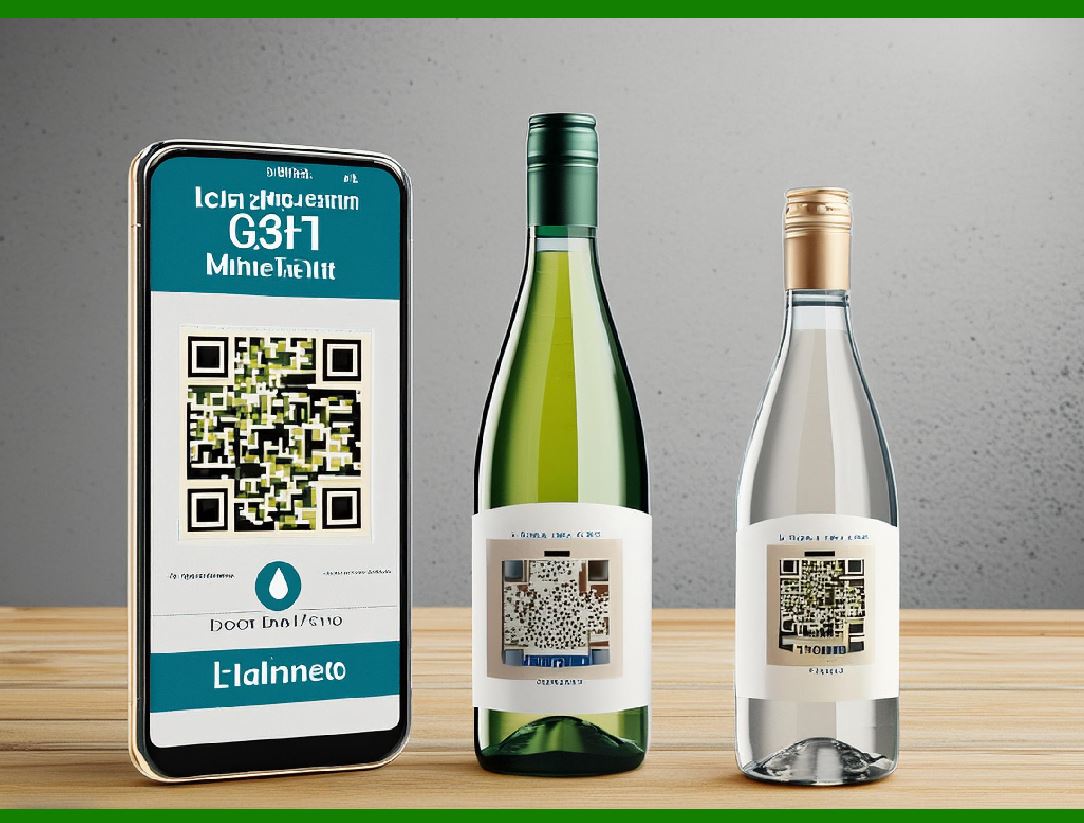
Flexible electronic tags, using conductive inks and NFC (Near Field Communication) technology, are printed on the packaging of pharmaceutical products. These tags contain critical information such as the manufacturing date, expiration date, and batch number. |
The NFC-enabled tags allow consumers, distributors, and healthcare providers to access product information by simply scanning the tags with a smartphone or other NFC-enabled devices. |
The data stored in the tags is also linked to Everledger's blockchain platform, ensuring that the product's entire history-from manufacturing to distribution-is stored securely and transparently. |
Results: |
The use of flexible electronic tags ensures the authenticity of the pharmaceutical products and provides a tamper-proof way to track products in the supply chain. |
The integration with blockchain technology ensures that the product's data is immutable, which helps to combat counterfeit drugs and improve the overall safety of the pharmaceutical supply chain. |
The smart packaging system also helps pharmaceutical companies meet regulatory requirements by providing real-time visibility into product movements, improving compliance with traceability standards. |
Challenges: |
Ensuring that the electronic tags can withstand the harsh conditions of the pharmaceutical environment (e.g., exposure to moisture, heat, and chemical substances) without losing functionality has been a key challenge. |
The integration of blockchain with physical tags requires seamless communication between digital and physical systems, which can be complex and costly for large-scale implementation. |

|
3. Case Study: Flexible RFID Tags for Logistics and Inventory Management |
Industry: Logistics and Retail |
Company: Zebra Technologies |
Overview: Zebra Technologies, a leading provider of enterprise asset intelligence solutions, has developed flexible RFID tags to improve logistics and inventory management. These tags are particularly useful for tracking and managing assets in environments where traditional rigid RFID tags would not be practical, such as in warehouses, distribution centers, and retail operations. |
Technology Application: |
Zebra's flexible RFID tags are built using a combination of conductive inks and ultra-thin substrates. These tags can be applied directly to clothing, textiles, or curved surfaces, where traditional rigid RFID tags would not adhere or function properly. |
The tags can be integrated into products, such as apparel or packaging, allowing for efficient tracking of goods in real-time as they move through the supply chain. |
The flexibility of these tags means they can conform to irregular surfaces, which increases their utility in tracking non-traditional assets such as fabric rolls, cylindrical packaging, or irregularly shaped items. |
Results: |
The use of flexible RFID tags has significantly improved asset tracking efficiency in warehouses and distribution centers. Retailers can track inventory in real-time, reducing the risk of stockouts or overstocking. |
The ability to place flexible RFID tags on various materials has allowed businesses to create more efficient, integrated supply chains. |
Zebra Technologies has reported reduced operational costs due to the ability to quickly scan and track products, minimizing errors and improving inventory accuracy. |
Challenges: |
Despite the improvements in tracking efficiency, one of the challenges Zebra Technologies faced was ensuring that the flexible RFID tags could maintain strong read ranges and resist physical damage during transportation and handling. |
The cost of producing flexible RFID tags is still relatively high compared to traditional barcodes, which may deter smaller businesses from adopting the technology. |

|
4. Case Study: Wearable Smart Tags for Tracking Assets in Healthcare |
Industry: Healthcare |
Company: Sonova (Phonak) |
Overview: Phonak, a leading manufacturer of hearing aids, has incorporated flexible electronic tags into their products to track assets and improve patient care. These smart tags are embedded in hearing aids, enabling easy monitoring and management by healthcare providers. |
Technology Application: |
The hearing aids produced by Phonak contain flexible electronic tags that use Bluetooth Low Energy (BLE) technology to communicate with nearby devices. |
These tags monitor the health and status of hearing aids, such as battery life and performance, and transmit this data to a healthcare provider's system. This allows doctors or audiologists to receive real-time updates and offer remote troubleshooting or maintenance advice. |
The flexible tags also allow Phonak to track the location of hearing aids within clinics or during the repair process, improving asset management and reducing the chances of misplaced devices. |
Results: |
Healthcare providers have benefited from the ability to remotely monitor hearing aid performance, reducing the need for in-person appointments and improving patient care. |
The smart tags have significantly improved the process of tracking hearing aids during repairs, ensuring that devices are returned to the right customers promptly. |
Patients benefit from a more streamlined experience, with fewer manual interventions and faster resolution of issues. |
Challenges: |
One of the challenges Phonak faced was ensuring the flexibility of the electronic tags while maintaining the durability and longevity of the hearing aids. |
The adoption of the technology across global markets presented logistical challenges in ensuring that the tags were compatible with different regulatory requirements and healthcare systems. |

|
5. Case Study: Flexible Tags for Sustainable Fashion Tracking |
Industry: Fashion and Sustainability |
Company: LVMH and Circular Fashion |
Overview: LVMH, a leading luxury goods conglomerate, has partnered with Circular Fashion, a sustainability-focused startup, to incorporate flexible electronic tags in its products. The aim is to improve transparency, sustainability, and traceability in the fashion supply chain. |
Technology Application: |
Flexible electronic tags are embedded into clothing, footwear, and accessories, providing consumers with detailed information about the product's origin, materials, and lifecycle. |
The tags are made using conductive inks printed onto flexible substrates, ensuring they are lightweight and comfortable to wear without disrupting the design or feel of the clothing. |
The tags use NFC technology to provide consumers with information about the garment, including how to care for it, where the materials came from, and how to recycle or resell it once it is no longer wanted. |
Results: |
The use of flexible electronic tags helps LVMH and Circular Fashion promote sustainability by encouraging responsible consumer behavior. Consumers can make more informed decisions about the products they purchase, leading to a greater emphasis on recycling and reuse. |
The tags enable a circular economy by allowing consumers to track the product throughout its lifecycle, from manufacture to second-hand resale. |
The initiative has been recognized in the fashion industry for improving transparency and offering a new level of traceability for luxury products. |
Challenges: |
One of the main challenges has been educating consumers about the benefits and functionality of the tags, as many people are still unfamiliar with NFC and smart tag technology. |
Another challenge is ensuring the durability of the tags, as clothing items are often exposed to wear and tear, laundering, and environmental conditions that could potentially affect the tag's performance. |

|
Conclusion |
These case studies illustrate the diverse and growing applications of flexible electronic tags across various industries. Whether in healthcare, fashion, logistics, or pharmaceuticals, the use of flexible tags provides significant benefits, such as real-time tracking, improved transparency, and enhanced user experiences. While challenges such as cost, durability, and scalability remain, these case studies demonstrate that flexible electronic tags are beginning to fulfill their potential and are poised to play a transformative role in many sectors in the years to come. |
 cs@easiersoft.com