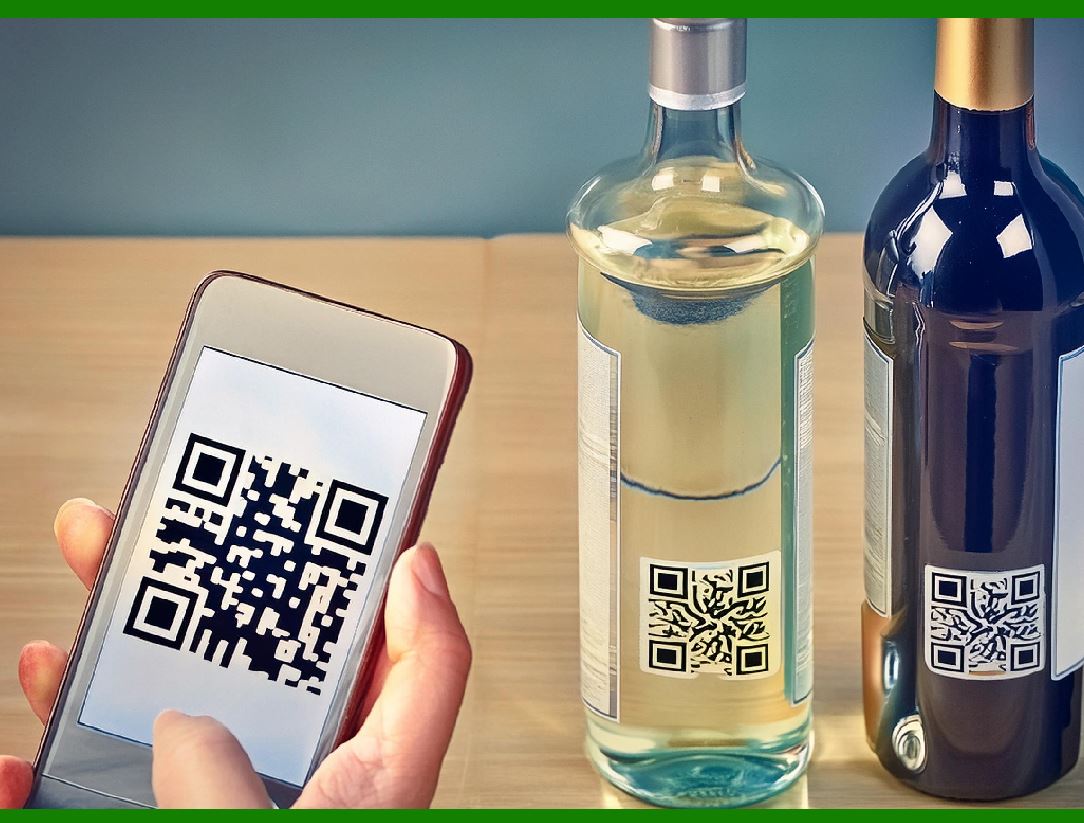
The GS1 Sunrise 2027 Plan is a transformative initiative aimed at modernizing global supply chains by transitioning from traditional one-dimensional (1D) barcodes to two-dimensional (2D) barcodes. This shift is designed to meet the growing demands for transparency, traceability, and enhanced consumer engagement. As of March 2025, significant progress has been made by companies across various industries in implementing this ambitious plan. Below is a detailed account of the advancements, categorized into major areas of focus: |
|
1.Adoption of Advanced Barcoding Technologies |
Companies have increasingly adopted 2D barcodes, such as QR codes and GS1 DataMatrix, to replace traditional EAN/UPC barcodes. These 2D barcodes can store more information, including expiration dates, batch numbers, and product origins. |
Retailers and manufacturers have upgraded their point-of-sale (POS) systems to ensure compatibility with 2D barcode scanners. This transition has been particularly evident in industries like retail, healthcare, and food services. |
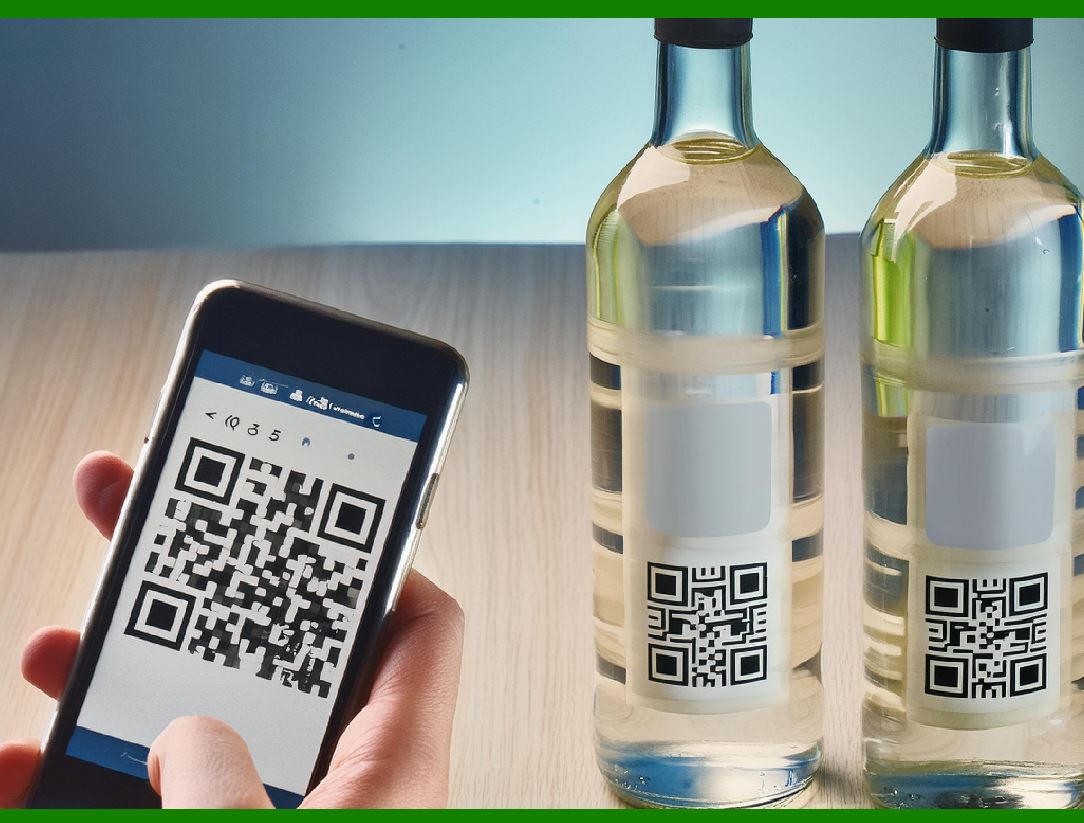
The use of GS1 Digital Link, which connects physical products to digital information, has gained traction. This technology allows consumers to access detailed product information, such as nutritional data and sustainability practices, by scanning a single barcode. |
|
2.Enhanced Consumer Engagement |
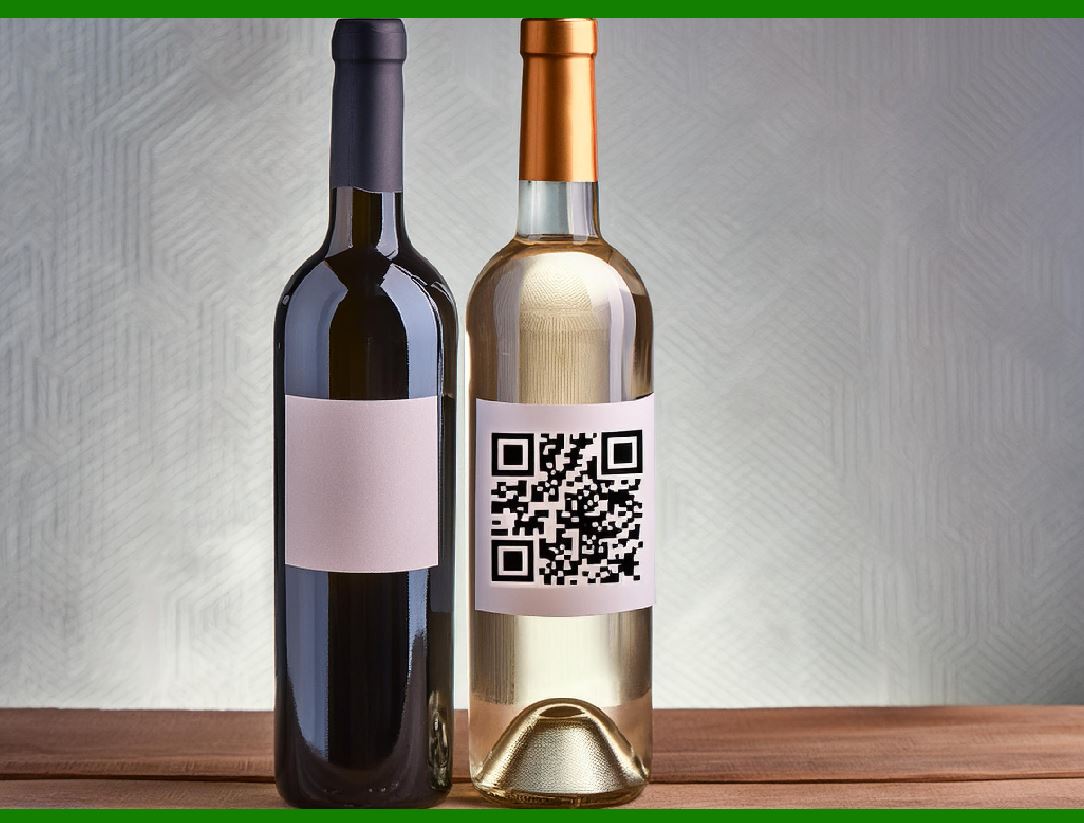
Companies have leveraged 2D barcodes to provide consumers with a richer shopping experience. For example, scanning a barcode on a product package can now reveal detailed information about ingredients, allergens, and ethical sourcing. |
Surveys indicate that consumers are more likely to purchase products with scannable barcodes that offer additional information. This trend has encouraged companies to prioritize transparency and build trust with their customers. |
3.Improved Supply Chain Efficiency |
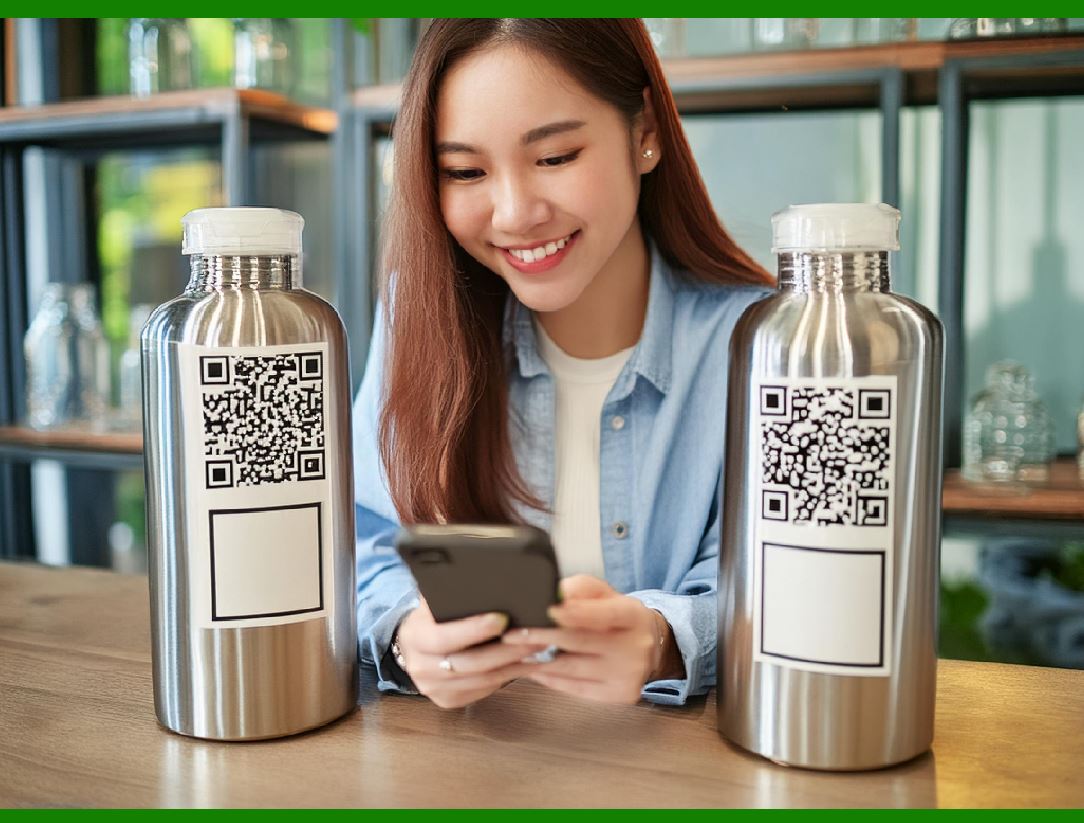
The integration of 2D barcodes has streamlined inventory management processes. Real-time tracking of goods has become more efficient, reducing errors and enhancing operational efficiency. |
Companies have implemented automated systems that utilize 2D barcodes for inventory checks, order fulfillment, and logistics. This automation has minimized manual interventions and improved accuracy. |
|
4.Compliance with Regulatory Standards |
Industries such as pharmaceuticals and food have made significant strides in complying with regulations like the U.S. Drug Supply Chain Security Act (DSCSA) and the European Union's Falsified Medicines Directive (FMD). These regulations mandate the use of advanced barcoding technologies for traceability and safety. |
The adoption of GS1 Global Traceability Standards has become widespread, ensuring that companies meet regulatory requirements while enhancing consumer safety. |
5.Collaboration and Industry Partnerships |
Collaborative efforts among stakeholders, including manufacturers, retailers, and technology providers, have accelerated the implementation of the GS1 Sunrise 2027 Plan. |
Industry associations and organizations have conducted workshops, webinars, and training sessions to educate businesses about the benefits and technical aspects of 2D barcodes. |

|
6.Technological Advancements |
The development of next-generation barcode scanners and imaging technologies has facilitated the transition to 2D barcodes. These devices are capable of reading both traditional and 2D barcodes, ensuring a seamless transition. |
Companies have invested in research and development to create innovative solutions that integrate 2D barcodes with existing systems. |
7.Global Implementation |
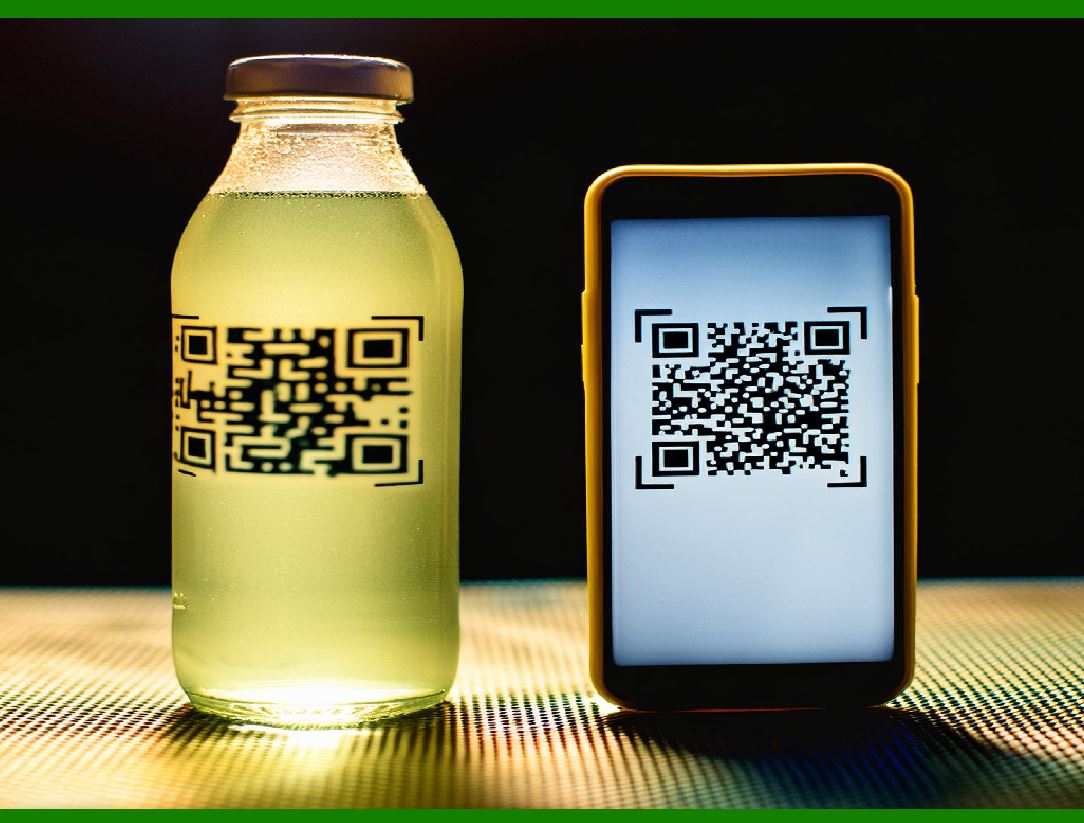
The adoption of the GS1 Sunrise 2027 Plan has been observed in over 48 countries, representing a significant portion of the global GDP. This widespread implementation highlights the global commitment to modernizing supply chains. |
Regional variations in adoption rates have been noted, with developed countries leading the way due to better infrastructure and resources. |
|
8.Challenges and Solutions |
Despite the progress, companies have faced challenges such as the high cost of upgrading infrastructure and resistance to change among stakeholders. |
To address these challenges, organizations have introduced phased implementation plans and financial incentives to encourage adoption. |
9.Future Outlook |
As the 2027 deadline approaches, companies are expected to intensify their efforts to fully transition to 2D barcodes. This includes upgrading legacy systems, training employees, and collaborating with industry partners. |
The continued evolution of technology and consumer expectations will drive further innovations in barcode applications. |
In conclusion, the GS1 Sunrise 2027 Plan has made remarkable progress by March 2025, with companies across various industries embracing advanced barcoding technologies to enhance transparency, efficiency, and consumer engagement. While challenges remain, the collaborative efforts of stakeholders and the ongoing development of innovative solutions are paving the way for a successful transition to the next generation of supply chain standards. |
|
Here are some examples of companies that have made significant strides in applying the GS1 Sunrise 2027 Plan: |
1.Walmart |
Walmart has been a leader in adopting 2D barcodes to enhance supply chain transparency and consumer engagement. The company has upgraded its point-of-sale (POS) systems to read both traditional and 2D barcodes, ensuring a seamless shopping experience for customers. Walmart has also integrated GS1 Digital Link technology, allowing consumers to access detailed product information, such as nutritional data and sustainability practices, by scanning a single barcode. |
2.Target |
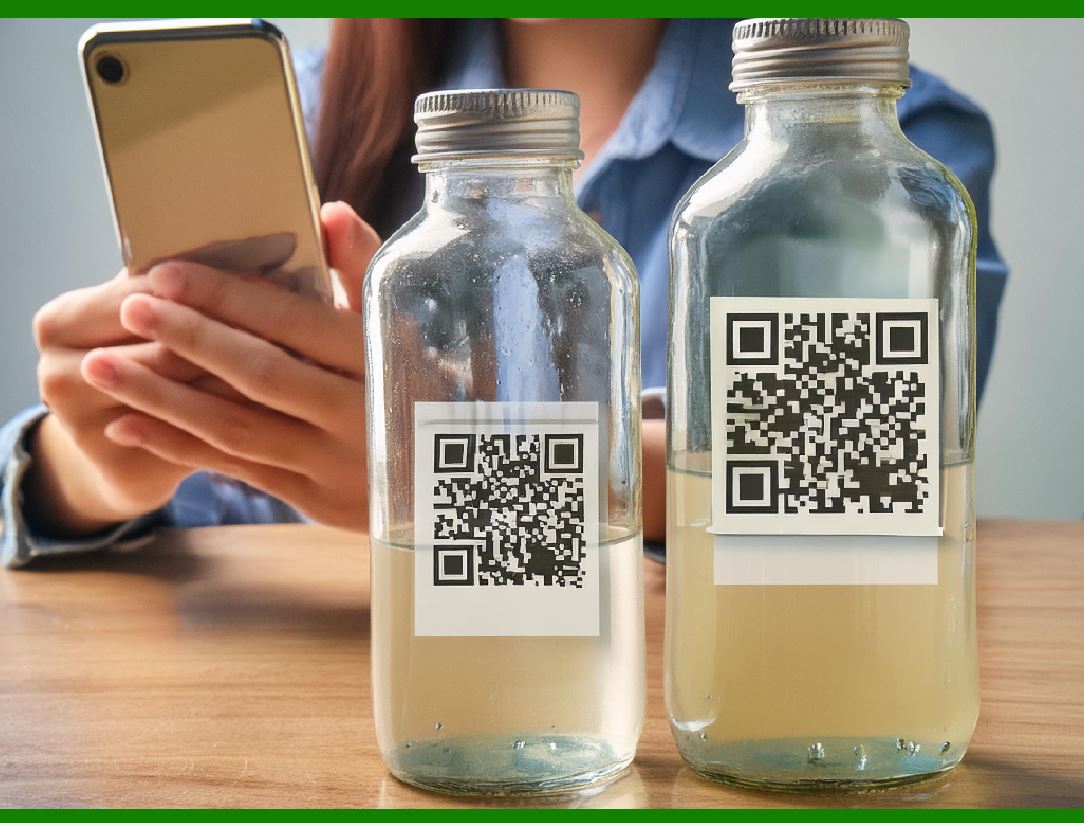
Target has actively participated in pilot projects to test the effectiveness of 2D barcodes in retail environments. The company has focused on providing consumers with additional product information, such as allergens and ethical sourcing, through scannable barcodes. Target's efforts have been instrumental in educating stakeholders about the benefits of transitioning to 2D barcodes. |
|
3.Nestl¨¦ |
Nestl¨¦ has embraced the GS1 Sunrise 2027 Plan by implementing 2D barcodes on its product packaging. This initiative has allowed the company to provide consumers with detailed information about ingredients, allergens, and sustainability practices. Nestl¨¦'s commitment to transparency has strengthened consumer trust and loyalty. |
4.Unilever |
Unilever has integrated 2D barcodes into its supply chain operations to improve traceability and inventory management. The company has also used these barcodes to engage consumers by offering access to digital content, such as recipes and sustainability initiatives, through GS1 Digital Link technology. |
|
5.Pharmaceutical Companies |
Several pharmaceutical companies have adopted 2D barcodes to comply with regulations like the U.S. Drug Supply Chain Security Act (DSCSA) and the European Union's Falsified Medicines Directive (FMD). These barcodes have enhanced traceability and safety in the pharmaceutical supply chain, ensuring that consumers receive authentic and safe medications. |
These examples highlight the diverse applications of the GS1 Sunrise 2027 Plan across various industries, showcasing the potential of 2D barcodes to revolutionize supply chains and consumer experiences. |
|
What are other industries benefiting from the GS1 Sunrise 2027 Plan? |
The GS1 Sunrise 2027 Plan has had a transformative impact across a variety of industries, each leveraging the transition to 2D barcodes to address their unique challenges and opportunities. Here are some key industries benefiting from this initiative: |
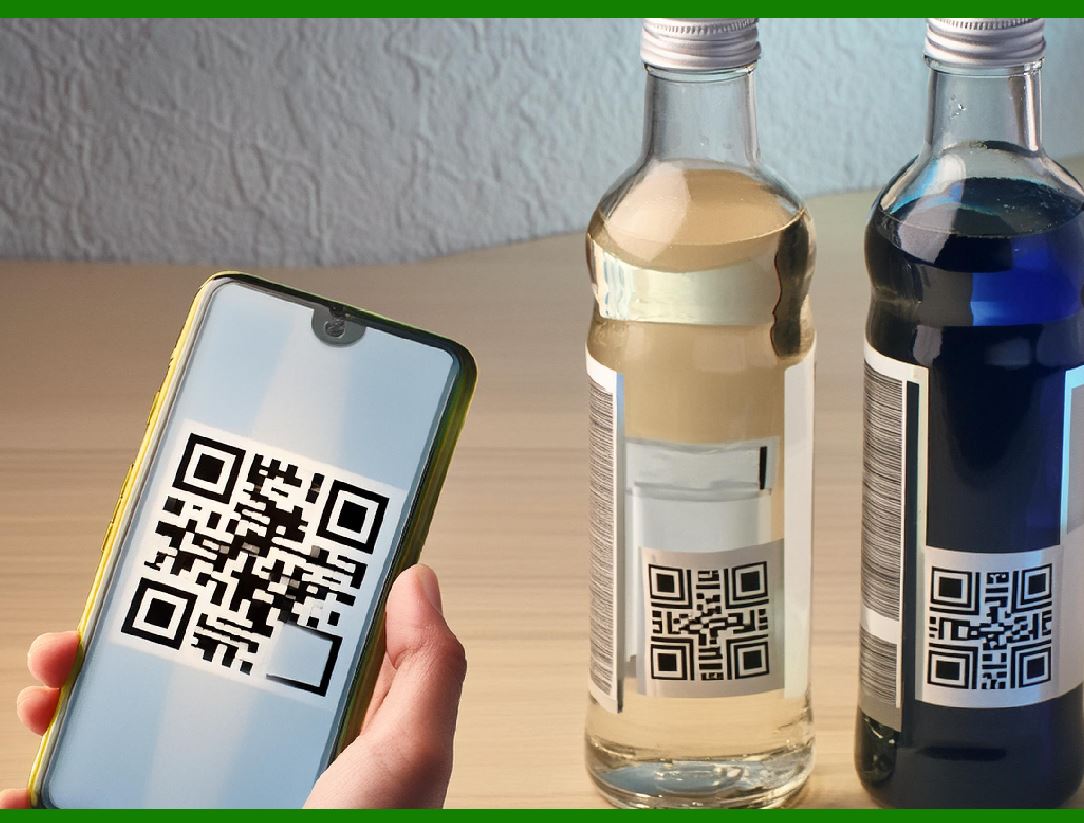
1.Healthcare |
The healthcare sector has embraced 2D barcodes to improve patient safety and regulatory compliance. Hospitals and pharmacies use these barcodes to track medications and medical devices, reducing errors in dispensing and administration. |
Enhanced traceability ensures that counterfeit drugs are minimized, and recalls can be managed more efficiently, protecting both patients and healthcare providers. |
|
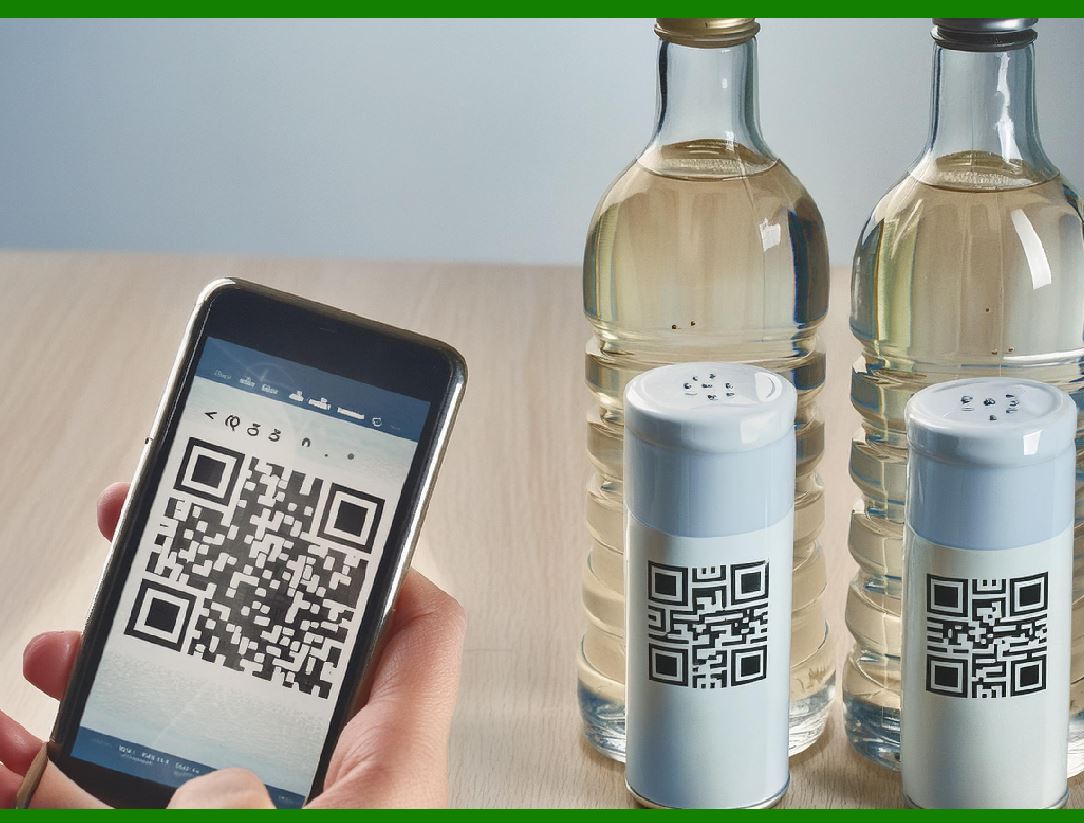
2.Food and Beverage |
In the food industry, 2D barcodes provide consumers with detailed information about ingredients, allergens, and sourcing. This transparency helps build trust and supports informed purchasing decisions. |
The ability to track products through the supply chain enhances food safety by enabling quick identification and removal of contaminated items during recalls. |
|
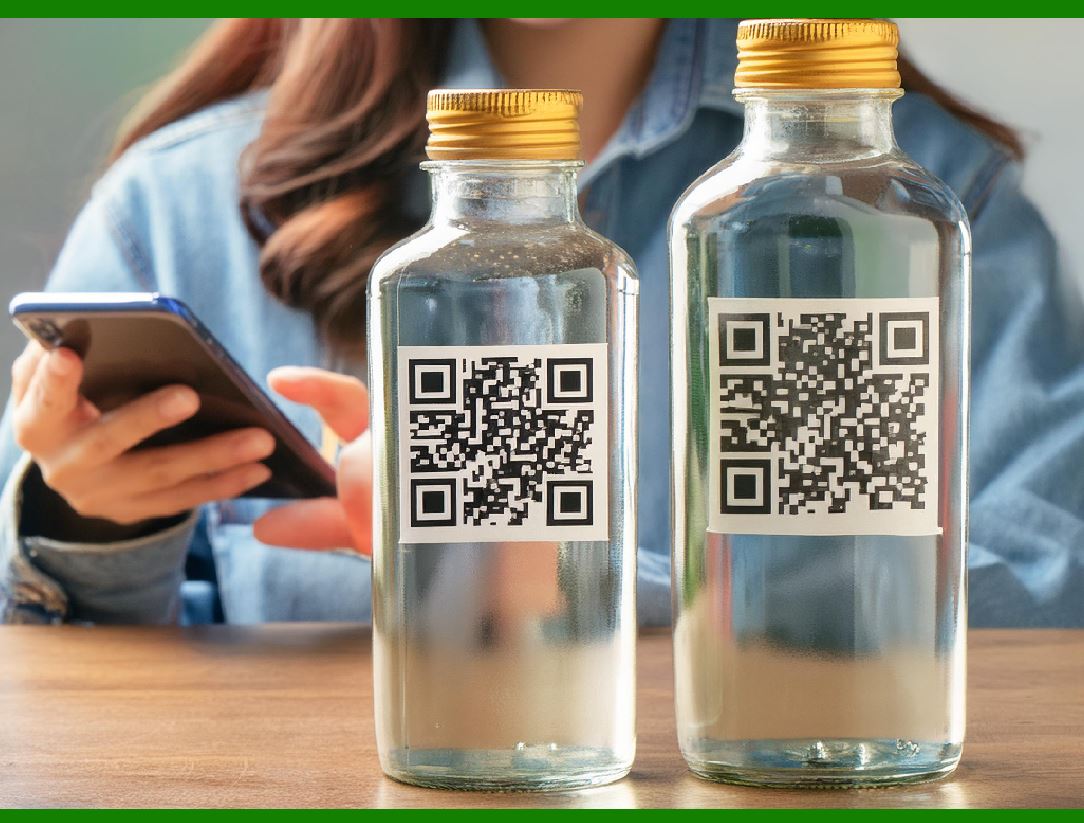
3.Retail |
Retailers benefit from improved inventory management and checkout processes. 2D barcodes allow for real-time tracking of stock levels, expiration dates, and batch numbers, reducing waste and improving efficiency. |
Consumers gain access to additional product information, such as sustainability practices and ethical sourcing, fostering brand loyalty. |
|
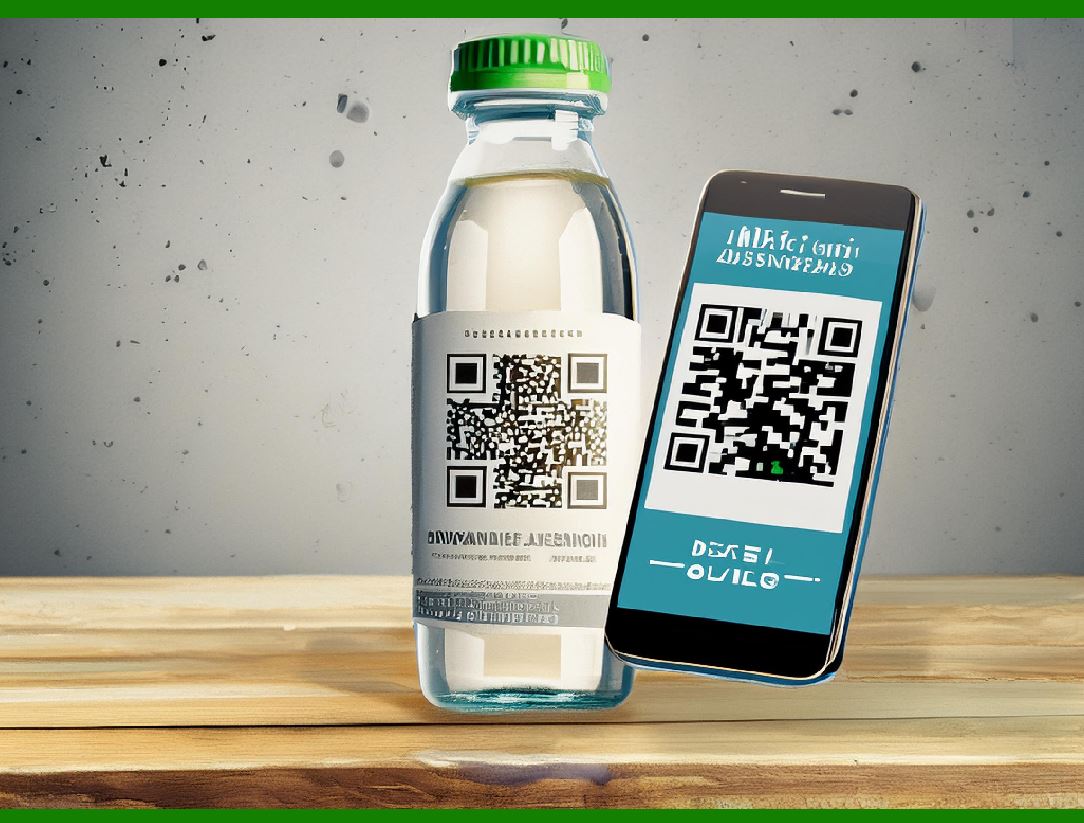
4.Pharmaceuticals |
Pharmaceutical companies use 2D barcodes to comply with regulations like the U.S. Drug Supply Chain Security Act (DSCSA) and the European Union's Falsified Medicines Directive (FMD). These barcodes enhance traceability and ensure the authenticity of medications. |
The integration of 2D barcodes into the pharmaceutical supply chain has improved inventory management and reduced the risk of counterfeit drugs. |
|
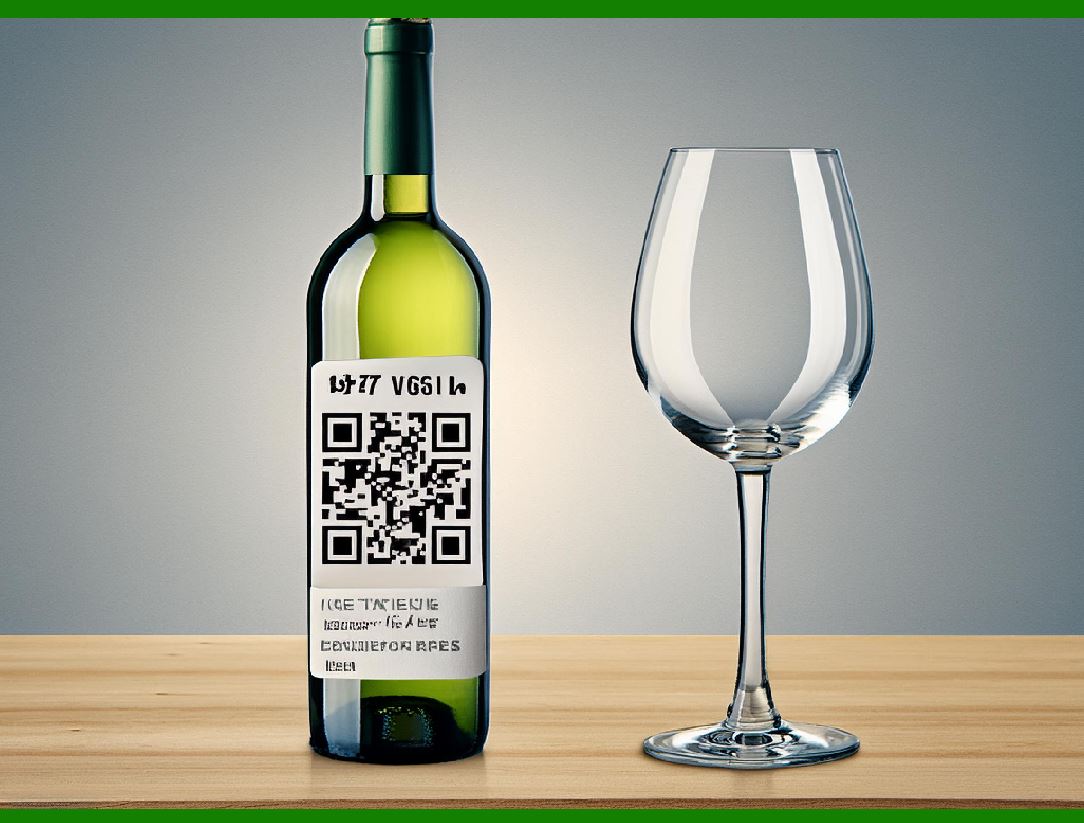
5.Logistics and Transportation |
The logistics industry benefits from the enhanced data capacity of 2D barcodes, which enables more accurate tracking of shipments and inventory. This improves efficiency and reduces errors in the supply chain. |
Real-time data sharing facilitated by 2D barcodes enhances collaboration among stakeholders, leading to better decision-making and resource allocation. |
|
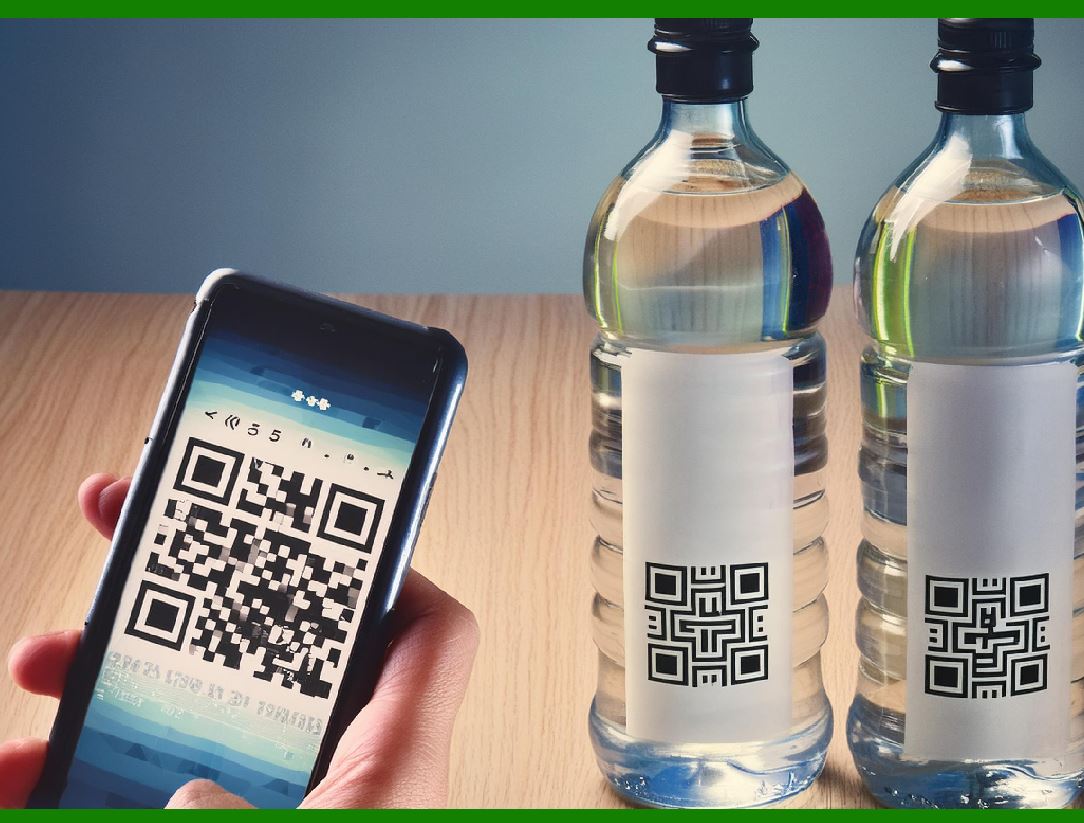
6.Consumer Electronics |
In the electronics industry, 2D barcodes are used to provide detailed product information, such as warranty details, user manuals, and troubleshooting guides. This improves the customer experience and reduces the need for physical documentation. |
Enhanced traceability ensures that counterfeit products are minimized, protecting both consumers and manufacturers. |
|
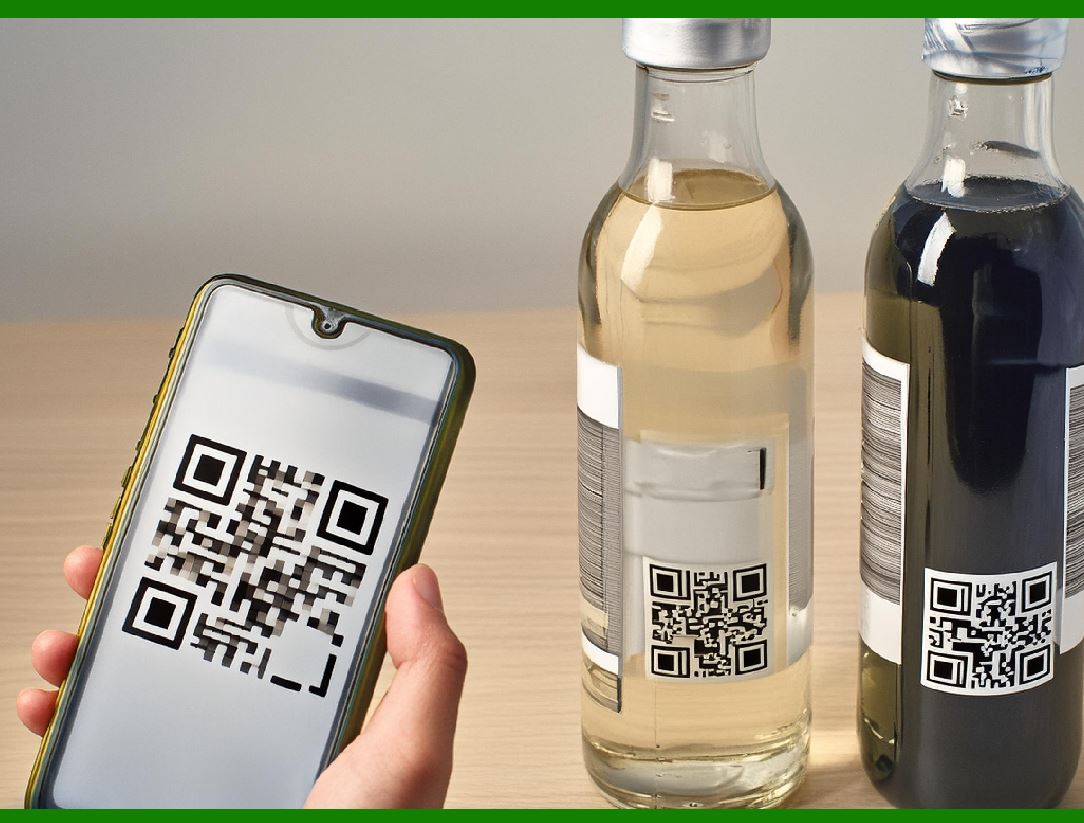
7.Apparel and Fashion |
The fashion industry uses 2D barcodes to provide consumers with information about materials, care instructions, and sustainability practices. This transparency supports ethical consumerism and builds brand trust. |
Improved inventory management and traceability help retailers reduce waste and optimize stock levels. |
|
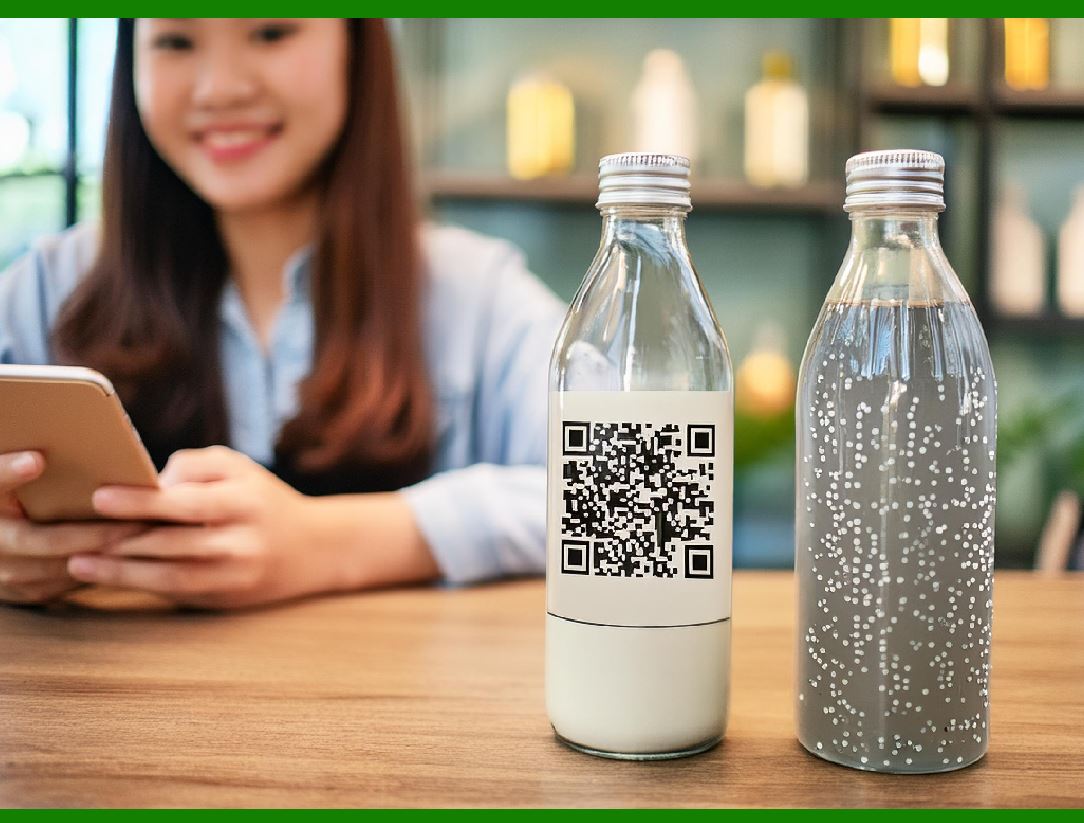
8.Automotive |
The automotive industry leverages 2D barcodes to track parts and components throughout the manufacturing process. This ensures quality control and facilitates recalls when necessary. |
Enhanced traceability supports compliance with regulatory standards and improves supply chain efficiency. |
|
9.Agriculture |
In agriculture, 2D barcodes are used to track produce from farm to table, ensuring freshness and safety. Consumers can access information about farming practices, origin, and certifications, supporting sustainable agriculture. |
Improved traceability helps farmers and distributors manage inventory and reduce waste. |
|
10.Aerospace and Defense |
The aerospace and defense industries use 2D barcodes to track components and equipment, ensuring compliance with stringent safety and quality standards. |
Enhanced traceability supports maintenance and repair operations, reducing downtime and improving operational efficiency. |
|
These examples illustrate the widespread benefits of the GS1 Sunrise 2027 Plan across diverse industries, highlighting its potential to revolutionize supply chains and enhance consumer experiences. |
 cs@easiersoft.com