1. Introduction to Microwave RFID Technology |
Microwave RFID technology is an advanced form of Radio Frequency Identification (RFID) that operates at frequencies above 2.4 GHz, typically ranging from 2.4 GHz to 5.8 GHz. This frequency range is notably higher than that used in traditional UHF RFID systems, which operate between 860 MHz and 960 MHz. The utilization of microwave frequencies allows for significant improvements in data transfer rates and read ranges, making it an attractive option for high-speed and high-volume applications. |
|
2. Fundamental Principles of Microwave RFID |
2.1 Frequency and Wavelength |
Microwave RFID technology leverages electromagnetic waves in the microwave frequency range. The higher frequencies correspond to shorter wavelengths, which impacts both the performance and characteristics of the RFID system. For instance, a frequency of 2.45 GHz has a wavelength of approximately 12.2 cm, while a frequency of 5.8 GHz corresponds to a wavelength of about 5.2 cm. The shorter wavelength enables more precise and faster communication between RFID tags and readers. |
2.2 Data Transmission |
Microwave RFID systems use electromagnetic waves to transmit data between RFID tags and readers. These systems rely on the principle of radio wave propagation, where the RFID reader emits microwave signals that are received by the RFID tag. The tag then reflects or modulates these signals to transmit data back to the reader. The higher frequency of microwave RFID allows for faster data transmission and greater bandwidth compared to lower-frequency RFID systems. |
2.3 Tag and Reader Architecture |
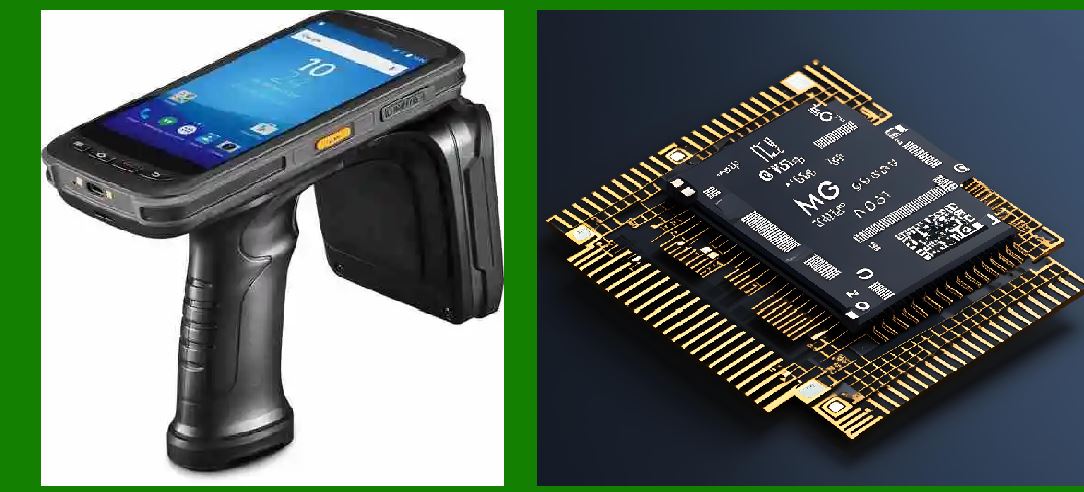
Microwave RFID tags consist of an integrated circuit and an antenna. The integrated circuit contains the microchip responsible for storing and processing data, while the antenna facilitates communication with the RFID reader. In microwave RFID systems, the antenna design is optimized for high-frequency operation, which affects its size and shape. Microwave RFID readers are equipped with specialized antennas and transmitters capable of generating and receiving microwave signals. |

|
3. Advantages of Microwave RFID Technology |
3.1 Increased Range and Data Transfer Rates |
One of the primary advantages of microwave RFID technology is its ability to offer extended read ranges and faster data transfer rates. Microwave RFID systems can achieve read ranges of up to 100 meters or more, depending on the power of the reader and the sensitivity of the tag. This extended range is beneficial for applications where tags need to be read from a greater distance or where the movement of items is rapid. |
3.2 Enhanced Data Throughput |
The higher frequency of microwave RFID allows for increased data throughput compared to traditional UHF RFID systems. This is particularly advantageous in environments where large volumes of data need to be transmitted quickly and efficiently. For example, in high-speed logistics and supply chain management, microwave RFID can facilitate the rapid exchange of data, reducing bottlenecks and improving operational efficiency. |
3.3 Improved Read Speed and Accuracy |
Microwave RFID technology provides faster read speeds and improved accuracy in identifying and tracking items. The ability to transmit and receive data at higher frequencies enables quicker response times, which is crucial in applications requiring real-time tracking and monitoring. For instance, in automated manufacturing processes, microwave RFID can enhance the precision of tracking components as they move through different stages of production. |

|
4. Applications of Microwave RFID Technology |
4.1 High-Speed Logistics and Supply Chain Management |
Microwave RFID technology is particularly well-suited for high-speed logistics and supply chain management applications. In sorting facilities where packages move rapidly along conveyor belts, microwave RFID can streamline the tracking process by providing real-time updates on package locations and statuses. The extended read range and fast data transfer rates of microwave RFID help reduce the time required to identify and process packages, improving overall efficiency. |
Example: In a large distribution center, microwave RFID tags can be attached to pallets of goods. As the pallets move through various stages of sorting and shipping, microwave RFID readers positioned along the conveyor system can quickly and accurately capture data from the tags, enabling real-time tracking and inventory management. |
4.2 Automated Manufacturing Processes |
In automated manufacturing environments, microwave RFID technology can enhance the tracking and management of components and finished products. The ability to quickly read and write data to RFID tags allows for seamless integration with automated systems, such as robotic arms and conveyor belts. This integration helps ensure that components are accurately tracked throughout the production process and that quality control measures are effectively implemented. |
Example: In an automotive assembly line, microwave RFID tags can be used to track individual parts as they move through various stages of assembly. The high-speed data transfer capabilities of microwave RFID enable real-time monitoring of each part's status, facilitating efficient production and minimizing the risk of errors. |
4.3 Healthcare and Pharmaceutical Industry |
Microwave RFID technology has potential applications in the healthcare and pharmaceutical industries, particularly in the tracking of medical equipment and pharmaceuticals. The extended read range and rapid data transfer capabilities can improve inventory management and ensure that critical items are accurately tracked and monitored. |
Example: In a hospital setting, microwave RFID tags can be used to track the location and usage of medical equipment, such as infusion pumps and surgical instruments. The ability to quickly read and update data ensures that equipment is readily available when needed and helps prevent losses or misplacements. |

|
5. Challenges and Limitations of Microwave RFID Technology |
5.1 Interference and Signal Attenuation |
Microwave RFID systems can be susceptible to interference from other electronic devices and materials that can attenuate microwave signals. This can impact the performance of the RFID system and result in reduced read ranges or slower data transfer rates. Careful consideration of the operating environment and potential sources of interference is essential to ensure optimal performance. |
Example: In an industrial environment with a high density of metal surfaces, microwave RFID signals may be reflected or absorbed, affecting the accuracy and reliability of tag readings. In such cases, additional measures may be needed to mitigate interference and ensure effective communication. |
5.2 Cost Considerations |
The cost of implementing microwave RFID technology can be higher than traditional RFID systems due to the specialized equipment and higher-frequency components required. This can be a barrier to adoption for some organizations, particularly those with budget constraints. However, the benefits of improved range and data transfer rates may justify the investment in certain applications. |
Example: In a large-scale logistics operation, the initial cost of installing microwave RFID infrastructure may be substantial. However, the potential for increased efficiency and reduced processing time could lead to long-term cost savings and improved operational performance. |
5.3 Tag Size and Design |
Microwave RFID tags need to be designed to operate effectively at higher frequencies, which can impact their size and form factor. The design of microwave RFID tags may need to be optimized to balance performance with physical constraints, such as space limitations on small or irregularly shaped items. |
Example: In the retail industry, the size of microwave RFID tags may need to be carefully considered when attaching them to small consumer products. The tag design must ensure that it does not interfere with the product's packaging or presentation while still providing reliable performance. |

|
6. Future Directions and Innovations |
6.1 Advances in Tag and Reader Technology |
Ongoing research and development in microwave RFID technology are focused on improving tag and reader performance. Innovations in antenna design, chip miniaturization, and signal processing techniques are expected to enhance the capabilities of microwave RFID systems. These advancements will likely lead to more efficient and cost-effective solutions for a wide range of applications. |
6.2 Integration with Other Technologies |
The integration of microwave RFID with other emerging technologies, such as the Internet of Things (IoT) and artificial intelligence (AI), has the potential to create new opportunities for data management and automation. By combining microwave RFID with IoT sensors and AI algorithms, organizations can gain deeper insights into their operations and improve decision-making processes. |
Example: In smart logistics systems, the integration of microwave RFID with IoT sensors could enable real-time monitoring of environmental conditions, such as temperature and humidity, alongside package tracking. AI algorithms could then analyze this data to optimize logistics operations and prevent potential issues. |
6.3 Expanding Applications and Use Cases |
As microwave RFID technology continues to evolve, new applications and use cases are likely to emerge. The ability to provide high-speed data communication and extended read ranges makes microwave RFID suitable for various industries, including aerospace, defense, and transportation. Continued exploration of these applications will contribute to the growth and adoption of microwave RFID technology. |
Example: In the aerospace industry, microwave RFID could be used to track the maintenance history of aircraft components and ensure compliance with safety regulations. The high-speed data transfer capabilities would facilitate efficient data management and support rigorous maintenance practices. |

|
7. Conclusion |
Microwave RFID technology represents a significant advancement in the field of RFID, offering improved data transfer rates, extended read ranges, and enhanced performance compared to traditional UHF RFID systems. While there are challenges associated with interference, cost, and tag design, the potential benefits of microwave RFID make it a promising technology for various high-speed and high-volume applications. As research and development continue, the future of microwave RFID technology holds exciting possibilities for innovation and growth across diverse industries. |
 cs@easiersoft.com