Nano-Level Invisible Barcode: Detailed Description |
1. Introduction to Nano-Level Invisible Barcodes |
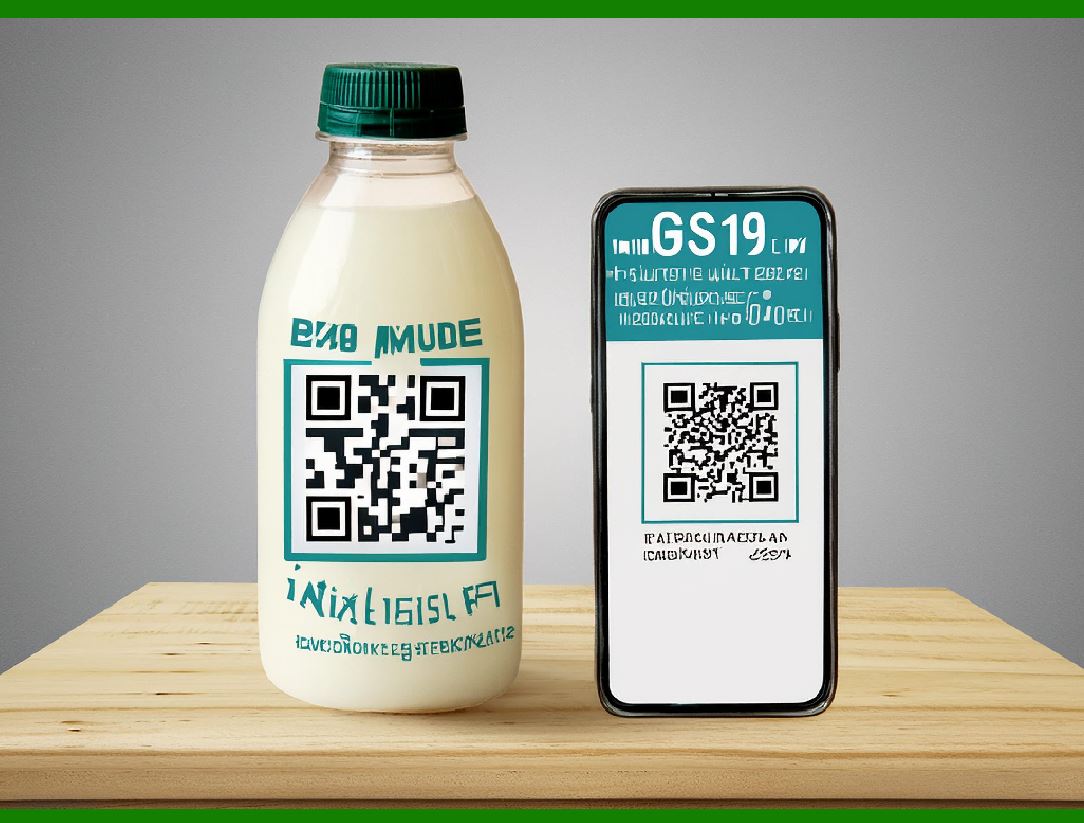
Nano-level invisible barcodes are a cutting-edge technology in the field of identification and security. These microscopic barcodes are crafted using nano-printing technology and are designed to be invisible to the naked eye under normal conditions. Their primary applications lie in high-security environments, particularly in anti-counterfeiting measures for luxury goods and pharmaceuticals. The advent of nano-level barcodes has revolutionized the way industries protect their products from counterfeiting and unauthorized duplication. |
Traditional barcodes have long been used in inventory management and product identification, but they are vulnerable to counterfeiting. To overcome these limitations, researchers and companies have turned to nano-printing techniques to create barcodes that are not only invisible but also extremely difficult to replicate without specialized equipment. These barcodes offer a new level of security that is crucial in industries where product authenticity is paramount. |
|
2. Nano-Printing Technology: The Foundation of Invisible Barcodes |
At the heart of nano-level invisible barcodes is nano-printing technology. This process involves the creation of structures at the nanoscale (typically in the range of 1-100 nanometers), allowing for the production of intricate patterns that are far smaller than what can be achieved with traditional printing methods. The most commonly used nano-printing techniques include: |
Nanoimprint Lithography (NIL): NIL is a process in which a mold with nanoscale features is pressed into a thin layer of material. This imprinting process enables the creation of high-resolution patterns at a fraction of the cost and time required by other photolithographic methods. |
Electron-Beam Lithography (e-beam lithography): E-beam lithography uses a focused electron beam to directly write patterns onto a surface. This method offers high precision and can create barcodes with extremely fine features, making it suitable for the creation of nano-level invisible barcodes. |
Nano-Optical Lithography: This technique uses light in the ultraviolet (UV) spectrum to write patterns on a surface with resolution at the nanoscale. By controlling the wavelength of light, nano-optical lithography can produce highly detailed patterns with a level of detail that is essential for creating invisible barcodes. |

|
3. Characteristics of Nano-Level Invisible Barcodes |
Nano-level invisible barcodes are designed to be both highly secure and practically invisible to the naked eye. Their primary characteristics include: |
1.Invisibility: The primary defining feature of nano-level invisible barcodes is that they cannot be seen by the human eye. The small size of the structures and the specific wavelengths of light used in their creation make them undetectable under normal viewing conditions. This invisibility adds a layer of security, as counterfeiters cannot easily detect and reproduce the barcode. |
2.Microscopic Size: These barcodes are created with structures that are smaller than a single human hair, typically at the nanoscale. The tiny features of the barcode allow for extremely high-density data storage, enabling the inclusion of a large amount of information in a very small area. |
3.Durability: Nano-level barcodes are highly durable and resistant to wear and tear. They can withstand exposure to various environmental conditions such as extreme temperatures, humidity, and chemical exposure. This makes them ideal for use on luxury goods and pharmaceuticals, which require long-term security measures. |
4.Data Storage: Due to the high precision of nano-printing technology, these barcodes can store a significant amount of data within a very small area. Information such as serial numbers, production dates, manufacturing details, and even product-specific data can be encoded into the barcode. This allows for detailed tracking of goods through the supply chain. |
5.Unique and Difficult to Replicate: The combination of nanoscale structures and advanced printing methods makes nano-level invisible barcodes very difficult to replicate. Even if a counterfeiter manages to create a barcode at a similar scale, the precise features and patterns are extremely difficult to reproduce with the required accuracy. |
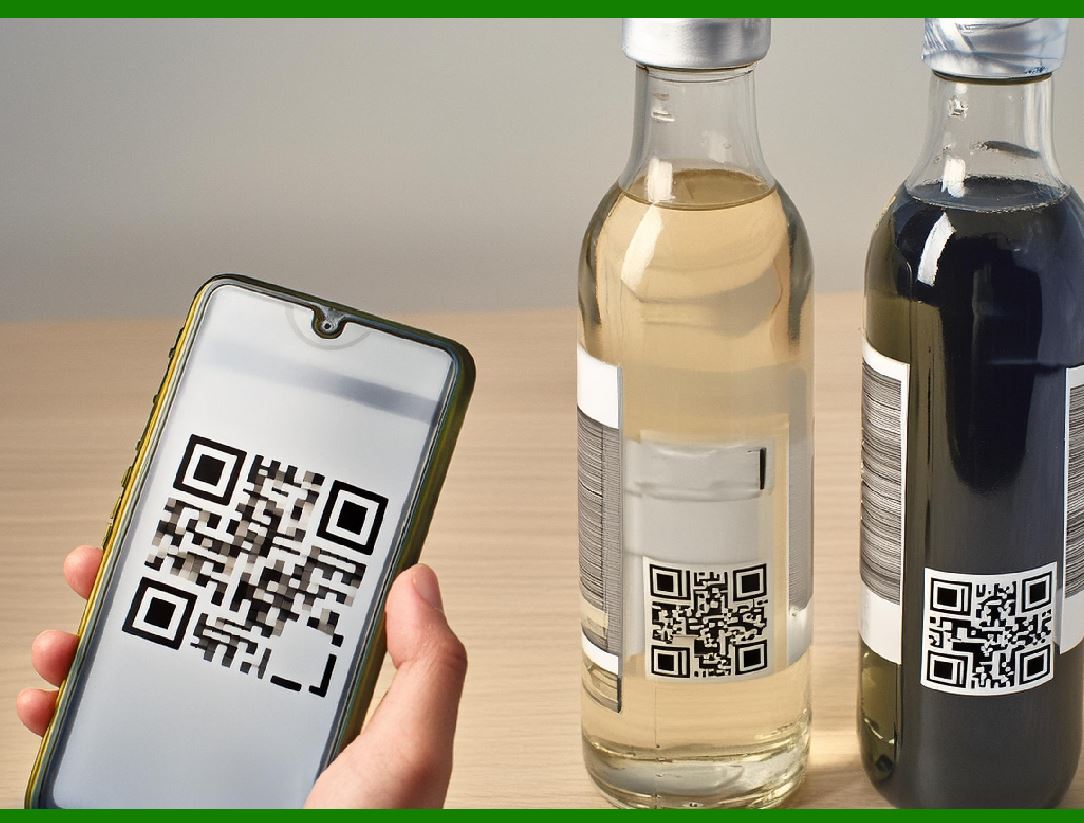
6.Multifunctionality: Some nano-level barcodes can encode information in multiple formats, such as 2D matrix codes, linear barcodes, and even QR codes. This versatility allows for the integration of multiple forms of data in a single, invisible barcode, increasing the security and functionality of the system. |
|
4. Applications of Nano-Level Invisible Barcodes |
Nano-level invisible barcodes are primarily used in industries that demand high levels of security. Two of the most prominent areas of application are luxury goods and pharmaceuticals: |
1.Anti-Counterfeiting in Luxury Goods: |
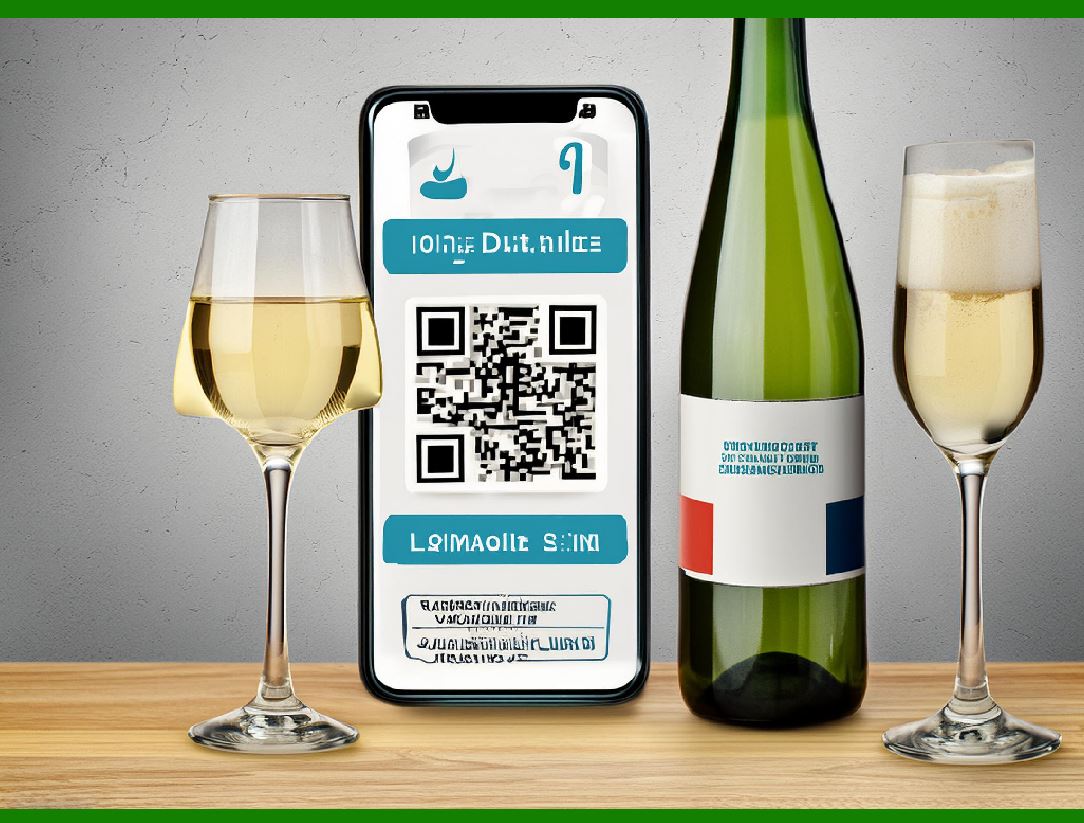
Protection Against Fake Products: Luxury goods, such as designer clothing, watches, jewelry, and handbags, are frequent targets of counterfeiting. Counterfeit goods not only harm the reputation of brands but also contribute to significant economic losses. Nano-level invisible barcodes help protect these high-value items by providing a covert way to track their authenticity. |
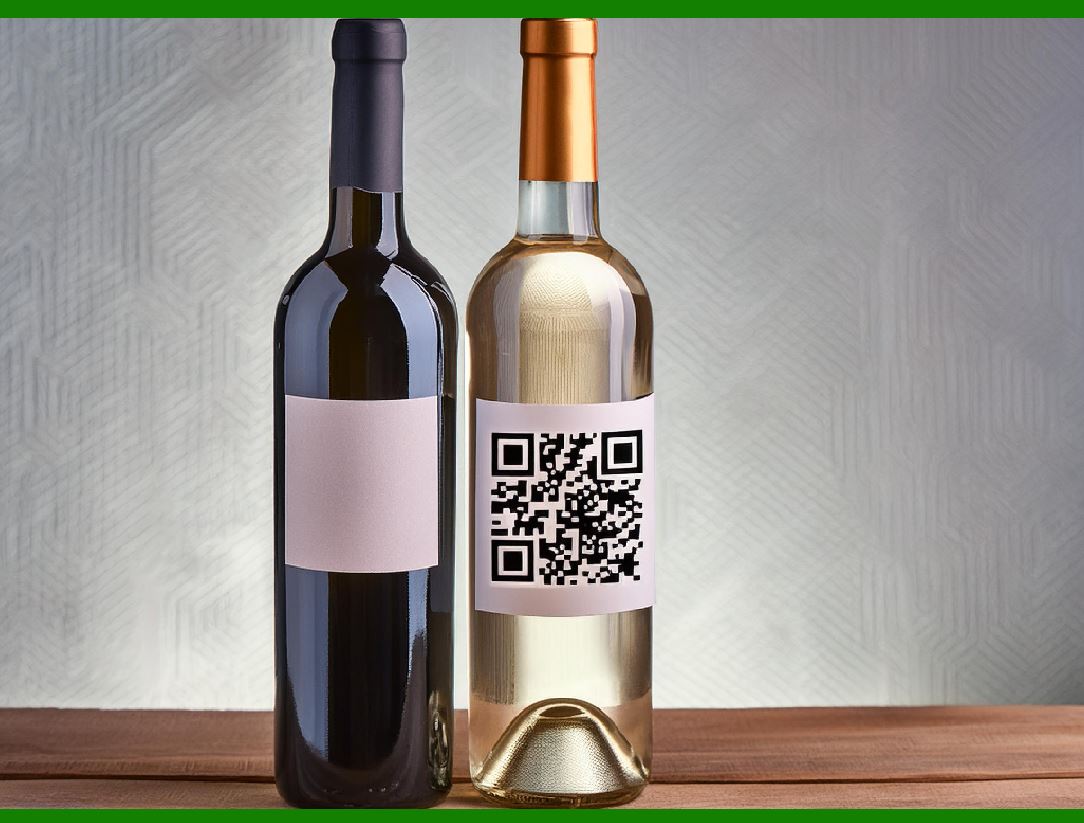
Invisible Marking: These barcodes can be embedded within the product itself or applied to labels, tags, or even packaging in a way that is not visible to the consumer. As a result, only authorized parties (such as manufacturers, distributors, or customs officials) can detect and verify the barcode using special scanning equipment. |
Provenance and Traceability: By embedding nano-level barcodes into products, manufacturers can trace the provenance of each item. This ensures that only genuine products make it to the market, while also providing consumers with a way to verify the authenticity of their purchases. |
2.Pharmaceutical Anti-Counterfeiting: |
Protecting Medications from Counterfeiting: The pharmaceutical industry is another sector where counterfeiting poses a major risk to public health and safety. Fake medicines can cause severe harm to patients, ranging from ineffective treatments to life-threatening side effects. Nano-level invisible barcodes are used to encode information about the drug's origin, ingredients, and distribution path, making it easier to authenticate medications at any point in the supply chain. |
Invisible Barcoding for Pill Identification: In addition to packaging and labeling, nano-level barcodes can be used to mark the surface of individual pills or capsules. These barcodes can contain unique identification codes that help verify the authenticity of the medication without altering its appearance. Since the barcodes are invisible, they do not interfere with the product's presentation or efficacy. |
3.Other Uses in High-Security Environments: |
Government Documents and Passports: Nano-level barcodes can be embedded in official government documents such as passports, identification cards, and licenses. These barcodes allow authorities to quickly verify the authenticity of these documents, making them more resistant to forgery or unauthorized duplication. |
Artwork Authentication: High-value artworks are also susceptible to counterfeiting, with forgeries being sold as originals. Nano-level barcodes can be used to mark the artwork itself, allowing galleries, collectors, and museums to prove the authenticity of the piece. The barcode can store detailed information about the artwork's creation, provenance, and previous ownership. |
High-Tech Consumer Electronics: With the rise of counterfeit electronics, manufacturers can apply nano-level invisible barcodes to their products. This ensures that each device can be traced back to its manufacturer, and helps consumers avoid purchasing fake or subpar electronics. |
|
5. Reading and Scanning Nano-Level Invisible Barcodes |
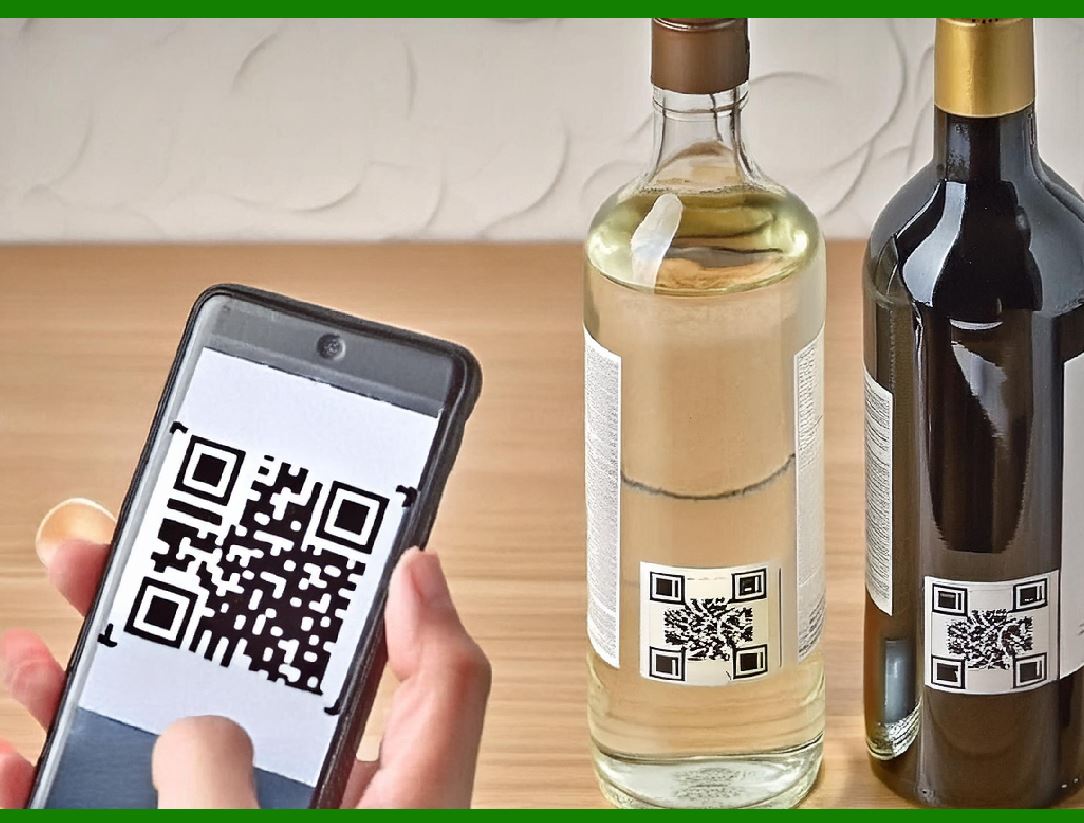
One of the key challenges associated with nano-level invisible barcodes is the need for specialized equipment to read and decode them. Since these barcodes are invisible to the naked eye, scanning technology must be capable of detecting the tiny patterns that make up the barcode. Some of the technologies used to read nano-level barcodes include: |
1.Microscope-Based Readers: |
Nano-level barcodes often require high-magnification microscopes to be read accurately. These microscopes are equipped with specialized imaging systems capable of detecting nanoscale patterns. Such readers can magnify the barcode enough to reveal its intricate details, allowing for precise decoding of the information encoded within the barcode. |
2.Optical Scanners with Nano-Detection Capabilities: |
Optical scanners designed for nano-level barcodes use advanced light sources and detectors to scan the barcode's patterns. These scanners employ specialized algorithms that can detect the tiny structures embedded in the barcode, even though they are not visible under normal conditions. Some scanners use ultraviolet or infrared light to reveal the barcode patterns. |
3.Near-Field Communication (NFC) and Radio Frequency Identification (RFID): |
In some applications, nano-level invisible barcodes are integrated with RFID or NFC technology to allow for wireless scanning and data retrieval. By embedding an RFID or NFC chip within the barcode, the system allows authorized scanners to detect the presence of the barcode from a distance, eliminating the need for direct visual confirmation. |
|
6. Challenges and Limitations of Nano-Level Invisible Barcodes |
While nano-level invisible barcodes offer many advantages, there are several challenges associated with their implementation: |
1.Cost of Production: The technology involved in creating nano-level barcodes is still relatively expensive. Nano-printing techniques require specialized equipment and expertise, which can drive up production costs. This may make the use of invisible barcodes impractical for low-cost items or mass-market applications. |
2.Need for Specialized Readers: Since nano-level barcodes require specialized scanning equipment to be read, their adoption may be limited by the availability of such technology. For widespread use, there must be a significant investment in developing and deploying scanners capable of reading these barcodes. |
3.Storage and Data Management: While nano-level barcodes can store a large amount of data, the systems required to manage this data can be complex. The information encoded within the barcodes must be carefully tracked and maintained to ensure the integrity and authenticity of the products being marked. |
4.Environmental Sensitivity: Despite being highly durable, nano-level barcodes may still be susceptible to certain environmental factors, such as extreme radiation or physical abrasion. If the barcode is damaged or altered, it could affect its readability and compromise the security it provides. |
|
7. Future Prospects and Developments |
The future of nano-level invisible barcodes looks promising, with ongoing research and development aimed at overcoming current limitations and expanding their applications. Key areas of focus include: |
1.Miniaturization: As nano-printing technology continues to evolve, the ability to create even smaller, more intricate barcodes will allow for even more secure and efficient systems. |
2.Integration with IoT: Nano-level barcodes could be integrated with Internet of Things (IoT) technologies to create smart, connected products. This would allow for real-time tracking and verification of products across the supply chain, providing a higher level of security and transparency. |
3.Improved Scanning Technologies: Advances in scanning technology will likely make it easier and more affordable to read nano-level invisible barcodes. This could lead to wider adoption in various industries and applications, further enhancing the security and tracking capabilities of nano-level barcodes. |
4.Increased Use in Consumer Products: As the technology becomes more affordable and scalable, it may see broader use in consumer products, providing additional layers of security against counterfeiting and fraud. |
|
8. Conclusion |
Nano-level invisible barcodes represent a significant advancement in security technology, offering unparalleled protection against counterfeiting and unauthorized duplication. By leveraging nano-printing techniques, these barcodes provide an invisible and highly secure method of marking luxury goods, pharmaceuticals, and other high-value items. Although challenges remain in terms of cost, reader availability, and environmental sensitivity, ongoing advancements in technology hold the potential to overcome these hurdles and expand the use of nano-level invisible barcodes across a wide range of industries. |
|
Nano-level invisible barcodes are an innovative technology with a wide range of applications across various industries. These barcodes are created using specialized materials, such as fluorescent nanoparticles or invisible inks, and are designed to be undetectable to the naked eye while remaining readable by specific scanners or under certain lighting conditions. Below, I will describe their applications in detail, using numbered paragraphs for clarity. |
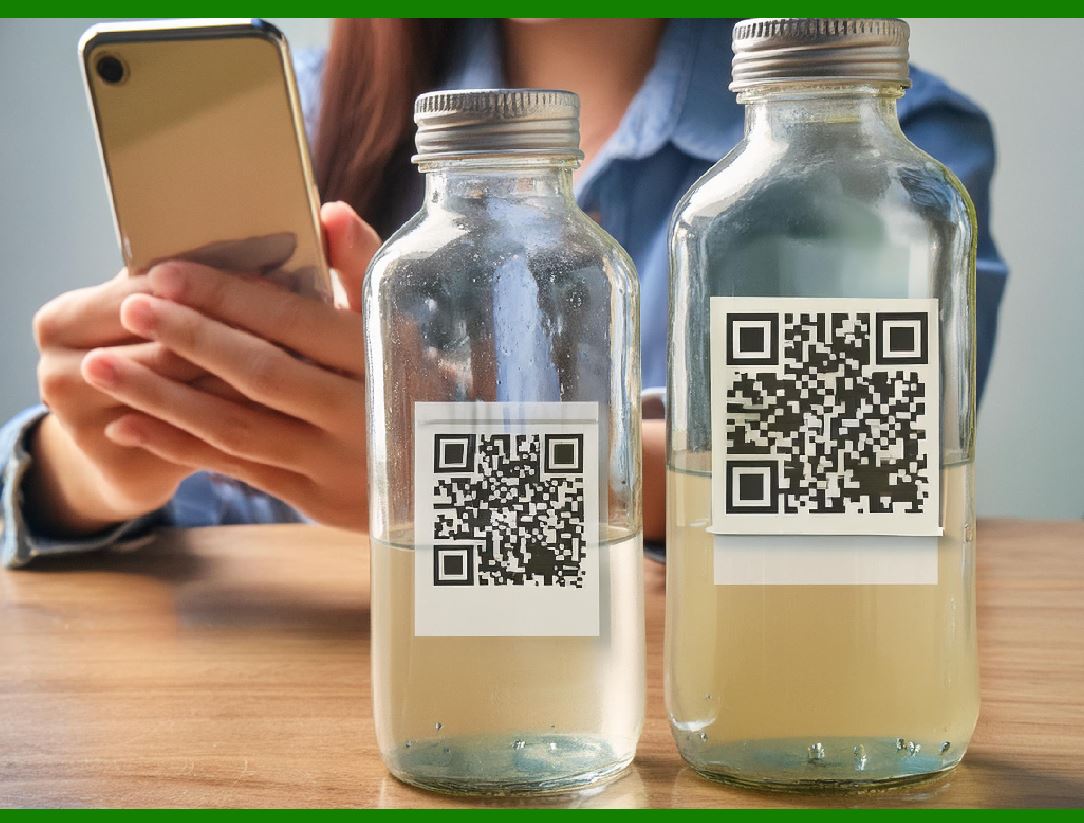
1.Anti-Counterfeiting Measures in Pharmaceuticals Counterfeiting is a significant issue in the pharmaceutical industry, where fake drugs can pose serious health risks. Nano-level invisible barcodes can be applied to medicine packaging or directly onto pills using invisible ink or nanomaterials. These barcodes ensure authenticity by allowing manufacturers, distributors, and healthcare providers to verify the origin and integrity of the product. Specialized scanners can detect these barcodes, providing a reliable method to combat counterfeit drugs. |
2.Authentication in Luxury Goods Luxury goods, such as designer handbags, watches, and jewelry, are often targeted by counterfeiters. Invisible barcodes can be embedded into the materials or packaging of these products, serving as a hidden mark of authenticity. For example, a high-end watch manufacturer might use nano-level barcodes on the watch face or strap, which can only be detected under UV light. This technology helps protect brand reputation and ensures customers receive genuine products. |
3.Secure Document Verification Invisible barcodes are increasingly used in secure document verification, such as passports, ID cards, and certificates. These barcodes can store encrypted information about the document holder, which can be accessed using specialized scanners. For instance, a passport might include an invisible barcode containing the holder's biometric data, ensuring that the document cannot be easily forged or tampered with. |
|
4.Enhanced Packaging in Retail and Supply Chain Management In the retail and supply chain sectors, invisible barcodes are used to improve tracking and inventory management. These barcodes can be applied to product packaging without altering its appearance, allowing for seamless integration into existing systems. Retailers can use invisible barcodes to track products from manufacturing to the point of sale, ensuring efficient inventory control and reducing losses due to theft or mismanagement. |
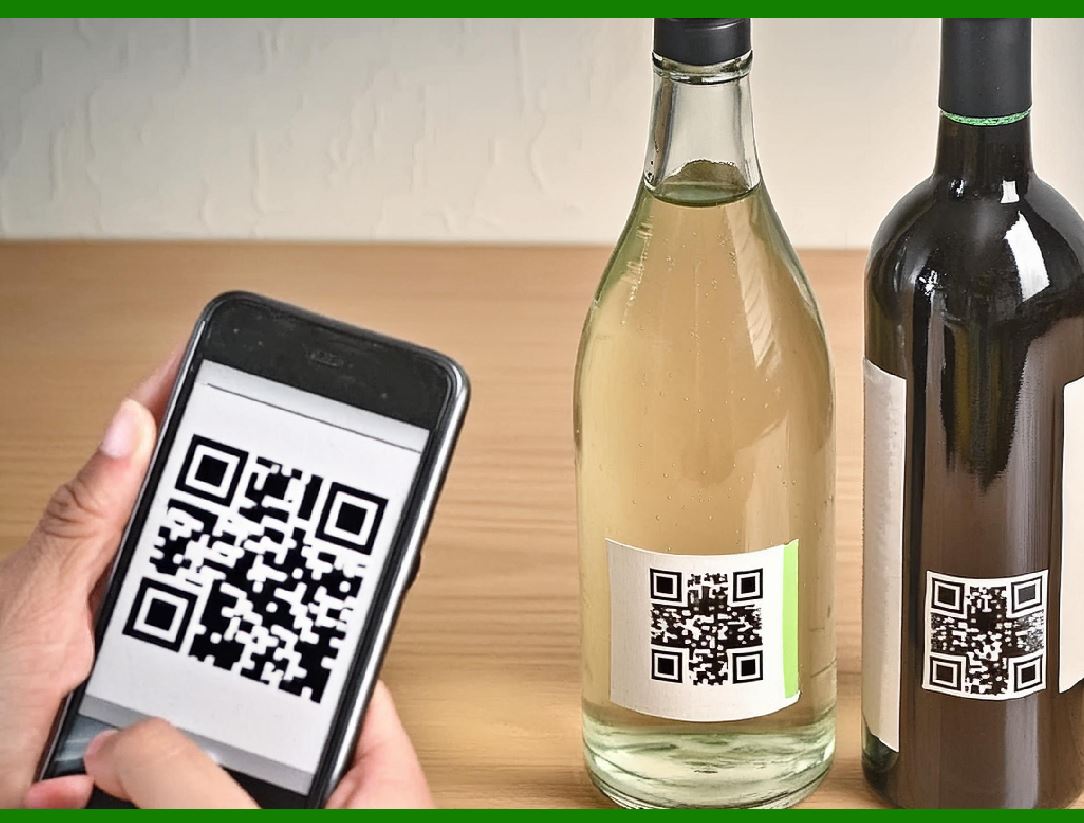
5.Privacy Protection in QR Code Payments QR codes are widely used for payments and information sharing, but visible QR codes can be vulnerable to tampering or unauthorized access. Nano-level invisible barcodes offer a solution by creating QR codes that are only visible under specific conditions, such as UV light. This ensures that sensitive information, such as payment details, remains secure and accessible only to authorized users. |
6.Brand Protection in Consumer Electronics Consumer electronics manufacturers face challenges related to counterfeit products and warranty fraud. Invisible barcodes can be applied to electronic components or devices to verify their authenticity and track their lifecycle. For example, a smartphone manufacturer might use nano-level barcodes on internal components to ensure that only genuine parts are used for repairs. |

|
7.Food Safety and Traceability In the food industry, invisible barcodes can be used to enhance traceability and ensure food safety. These barcodes can be applied to packaging or directly onto food items using edible inks. For instance, a barcode on a fruit's skin could provide information about its origin, farming practices, and expiration date, helping consumers make informed choices and enabling quick responses to food recalls. |
8.Art and Cultural Heritage Preservation Invisible barcodes are also used in the preservation of art and cultural heritage. Museums and galleries can apply these barcodes to artworks or artifacts to store information about their provenance, condition, and restoration history. This technology ensures that valuable items are protected against theft and forgery while maintaining their aesthetic integrity. |
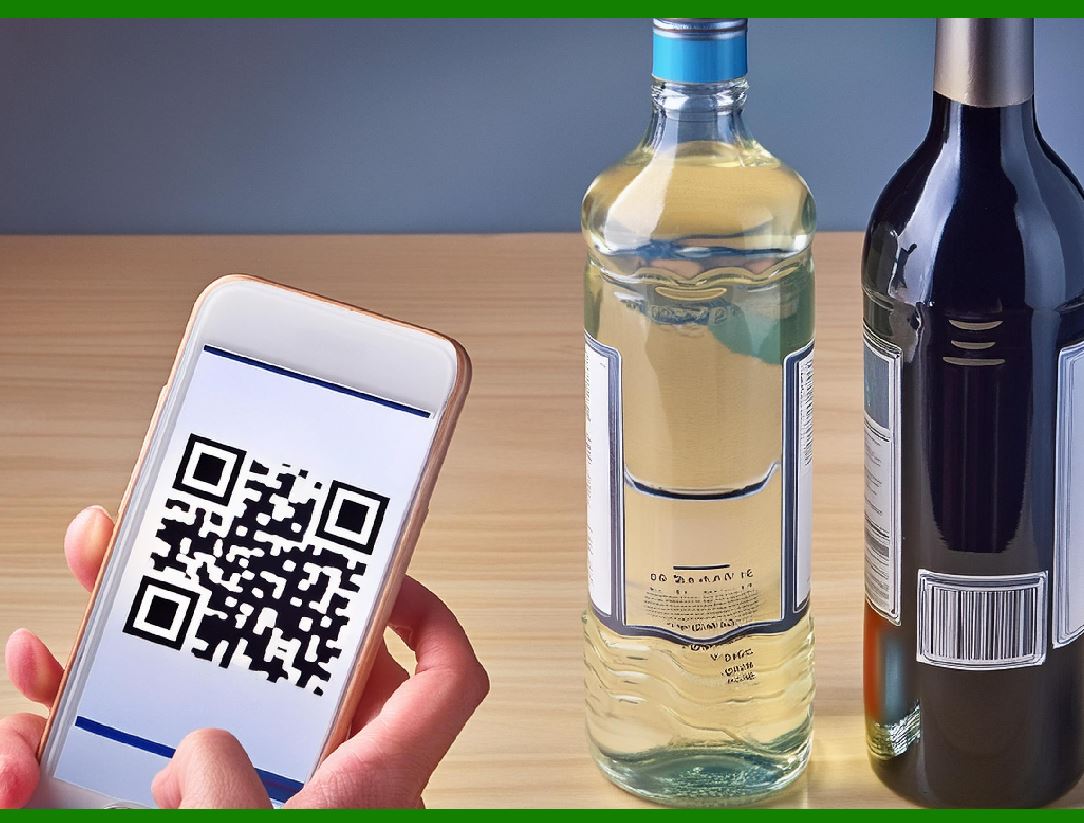
9.Medical Equipment and Device Tracking In healthcare, invisible barcodes are used to track medical equipment and devices, ensuring their proper usage and maintenance. For example, surgical instruments might include nano-level barcodes that store information about their sterilization history and usage frequency. This helps healthcare providers maintain high standards of hygiene and safety. |
|
10.Environmental Monitoring and Wildlife Conservation Nano-level invisible barcodes are employed in environmental monitoring and wildlife conservation efforts. Researchers can use these barcodes to tag animals or plants, storing data about their habitat, migration patterns, and genetic information. This technology enables precise tracking and analysis without disturbing the natural appearance of the subjects. |
11.Secure Voting Systems Invisible barcodes can be integrated into secure voting systems to ensure the integrity of ballots. These barcodes can store encrypted information about the voter and their choices, which can only be accessed by authorized personnel. This technology helps prevent election fraud and ensures transparency in the voting process. |
12.Military and Defense Applications In military and defense sectors, invisible barcodes are used for secure identification and tracking of equipment, personnel, and supplies. For example, weapons and ammunition might include nano-level barcodes that store information about their origin and intended usage, ensuring accountability and reducing the risk of misuse. |
|
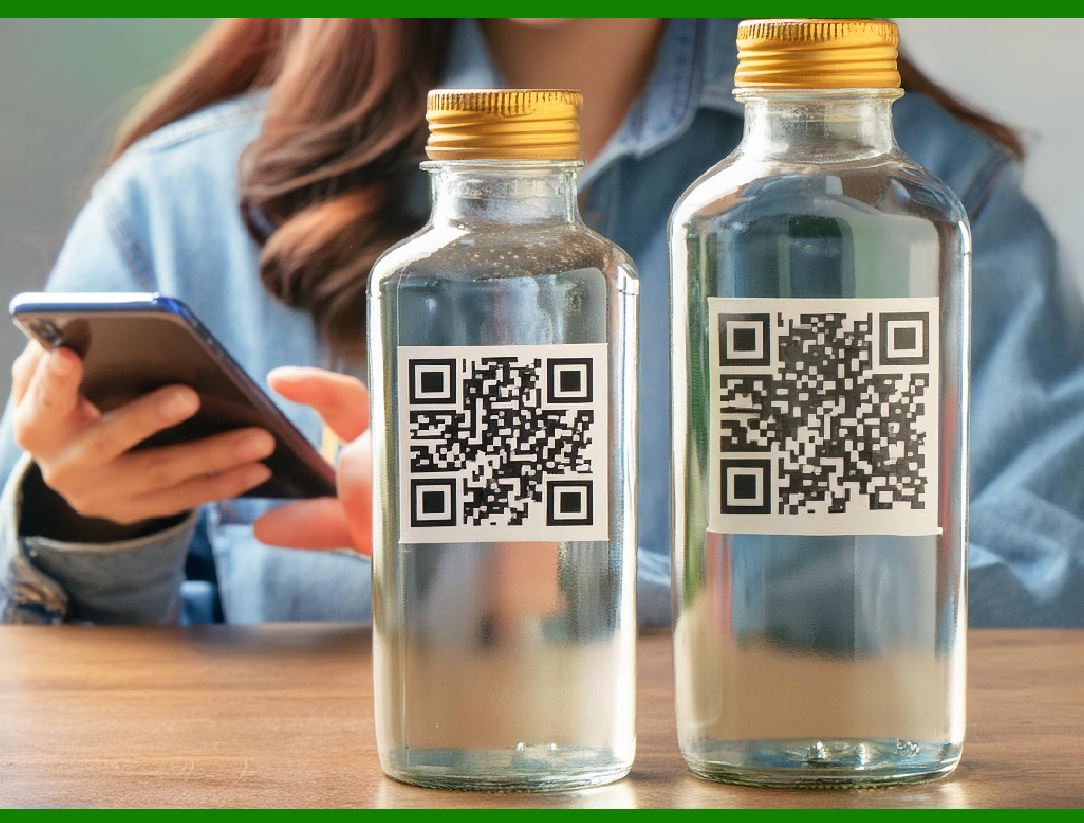
13.Scientific Research and Laboratory Management Invisible barcodes are valuable in scientific research and laboratory management, where precise tracking of samples and equipment is essential. Researchers can use these barcodes to label test tubes, petri dishes, and other lab items, storing information about their contents and experimental conditions. This technology ensures accuracy and efficiency in research processes. |
14.Automotive Industry Applications In the automotive industry, invisible barcodes are used to track vehicle components and ensure their authenticity. For instance, a car manufacturer might use nano-level barcodes on engine parts to verify their origin and prevent counterfeit replacements. This technology also aids in warranty management and recalls. |
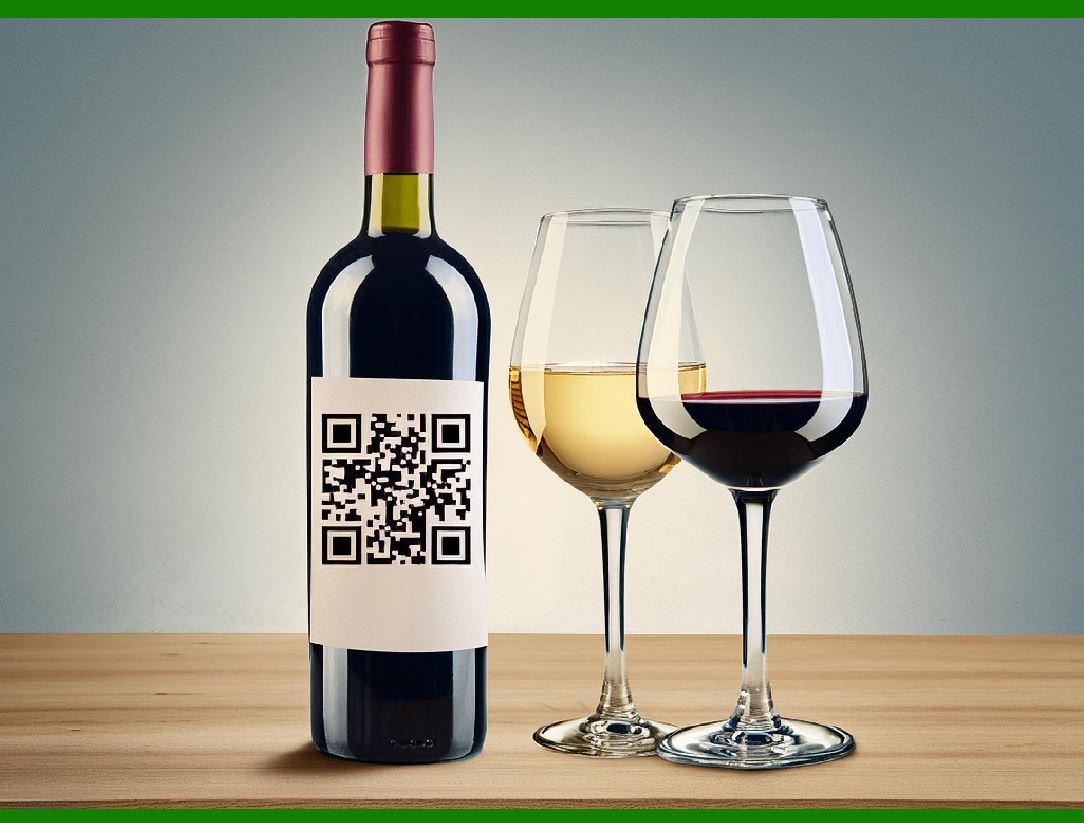
15.Fashion and Textile Industry Invisible barcodes are applied to fabrics and garments to enhance authenticity and traceability. For example, a clothing brand might use nano-level barcodes on labels or directly on the fabric to store information about the material's origin, production process, and care instructions. This technology helps combat counterfeit products and ensures transparency in the supply chain. |
|
16.Aerospace and Aviation Applications In aerospace and aviation, invisible barcodes are used to track components and ensure their proper maintenance. For example, aircraft parts might include nano-level barcodes that store information about their manufacturing date, usage history, and maintenance records. This technology ensures safety and reliability in the industry. |
17.Education and Examination Security Invisible barcodes are used in education to enhance examination security. For instance, answer sheets might include nano-level barcodes that store information about the student and the exam, ensuring that the sheets cannot be tampered with or duplicated. This technology helps maintain the integrity of the examination process. |
18.Entertainment and Event Management Invisible barcodes are employed in entertainment and event management for secure ticketing and access control. For example, concert tickets might include nano-level barcodes that store information about the ticket holder and their seating arrangement. This technology ensures smooth entry and prevents ticket fraud. |
19.Healthcare and Patient Privacy Invisible barcodes are used in healthcare to protect patient privacy and ensure secure access to medical records. For instance, patient wristbands might include nano-level barcodes that store encrypted information about their medical history and treatment plans. This technology ensures that sensitive information is accessible only to authorized personnel. |
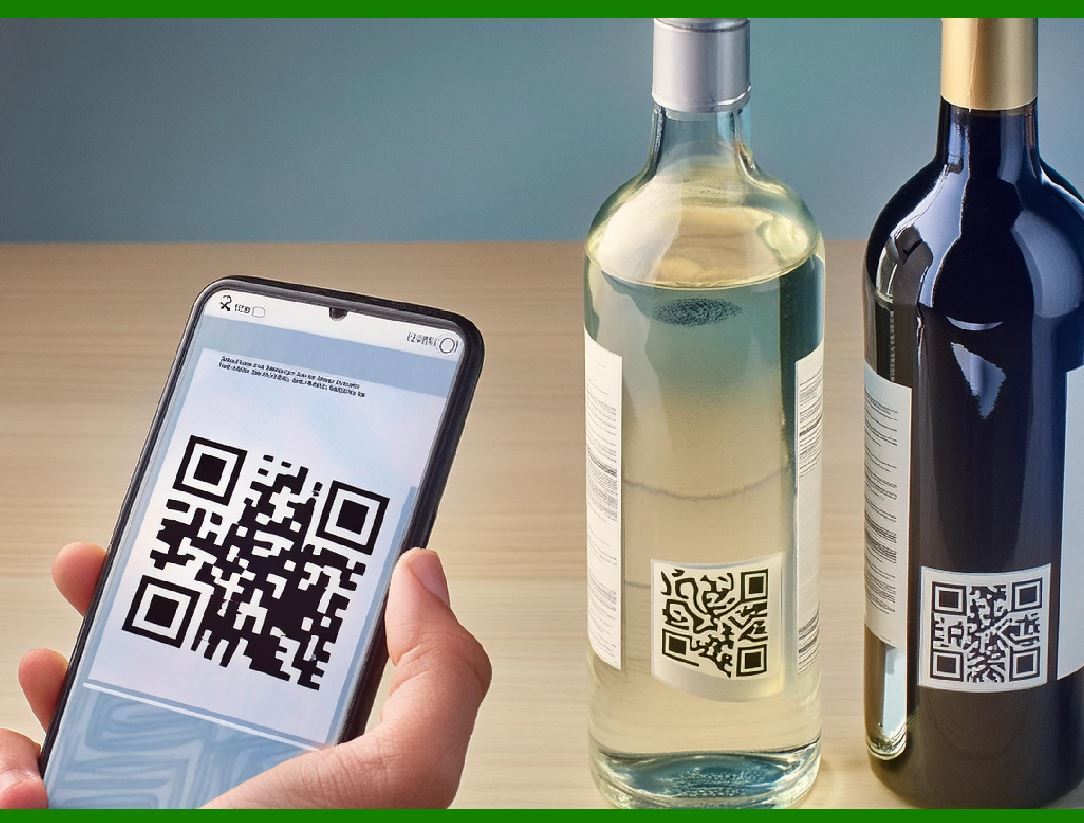
20.Construction and Real Estate In construction and real estate, invisible barcodes are used to track building materials and ensure their authenticity. For example, steel beams might include nano-level barcodes that store information about their origin and quality standards. This technology helps maintain transparency and accountability in the industry. |
|
These applications demonstrate the versatility and potential of nano-level invisible barcodes in addressing challenges across various sectors. By combining advanced materials and innovative technologies, invisible barcodes offer secure, efficient, and reliable solutions for authentication, tracking, and data protection. |

|
Nano-level invisible barcode technology is an innovative advancement with immense potential across industries. However, its application comes with a range of challenges that companies must navigate. Below is a detailed exploration of these challenges, organized into numbered sections for clarity: |
1.Technical Complexity in Implementation |
Developing nano-level invisible barcodes requires advanced technology, including specialized inks, nanomaterials, and precise printing techniques. Companies may face difficulties in acquiring or developing these technologies due to high costs and limited availability. |
Ensuring the compatibility of invisible barcodes with existing scanning systems is another hurdle. Specialized scanners capable of detecting these barcodes under ultraviolet (UV) or infrared (IR) light are necessary, which may require significant upgrades to current infrastructure. |
2.Cost Implications |
The initial investment in nano-level invisible barcode technology can be substantial. Companies need to allocate funds for research and development, procurement of specialized equipment, and training of personnel. |
Ongoing costs, such as maintenance of scanning devices and replenishment of specialized inks, can also strain budgets, particularly for small and medium-sized enterprises. |
|
3.Standardization Challenges |
Unlike traditional barcodes, nano-level invisible barcodes lack universally accepted standards. This can lead to inconsistencies in their design, application, and readability across industries. |
Companies may struggle to ensure interoperability between different systems, especially in global supply chains where multiple stakeholders use varying technologies. |
4.Regulatory and Compliance Issues |
The use of nanomaterials and invisible inks may be subject to strict regulations, particularly in industries like pharmaceuticals and food packaging. Companies must navigate complex legal frameworks to ensure compliance. |
Environmental concerns related to the disposal of nanomaterials and inks could lead to additional regulatory scrutiny, requiring companies to adopt sustainable practices. |
|
5.Security Concerns |
While invisible barcodes are designed to enhance security and combat counterfeiting, they are not immune to vulnerabilities. Sophisticated counterfeiters may develop methods to replicate or tamper with these barcodes. |
Ensuring the integrity of invisible barcodes throughout the supply chain is a significant challenge, as it requires robust tracking and authentication mechanisms. |
6.Integration with Existing Systems |
Companies must integrate nano-level invisible barcode technology with their existing systems, including inventory management, logistics, and point-of-sale systems. This can be a complex and time-consuming process. |
Compatibility issues may arise, necessitating extensive modifications to software and hardware. |
|
7.Training and Workforce Development |
Employees need to be trained to handle and operate equipment related to invisible barcodes. This includes understanding the properties of specialized inks and nanomaterials, as well as operating advanced scanners. |
The learning curve associated with this technology may lead to temporary disruptions in operations. |
8.Consumer Awareness and Acceptance |
Invisible barcodes are not visible to the naked eye, which may lead to skepticism or confusion among consumers. Companies need to invest in educating consumers about the benefits and reliability of this technology. |
Building trust in the technology is crucial, especially in industries where product authenticity is a major concern. |

|
9.Scalability Issues |
Scaling the use of nano-level invisible barcodes across large operations can be challenging. Companies must ensure consistent quality and performance of the barcodes, which may require significant resources. |
The complexity of scaling may deter companies from adopting the technology on a wide scale. |
10.Environmental Impact |
The production and disposal of nanomaterials and specialized inks may have environmental implications. Companies must address concerns related to sustainability and adopt eco-friendly practices. |
Developing biodegradable or recyclable materials for invisible barcodes could mitigate environmental risks but may require additional investment. |
|
11.Data Management and Privacy |
Invisible barcodes can store vast amounts of data, raising concerns about data security and privacy. Companies must implement robust measures to protect sensitive information. |
Ensuring compliance with data protection regulations, such as GDPR, is essential to avoid legal repercussions. |
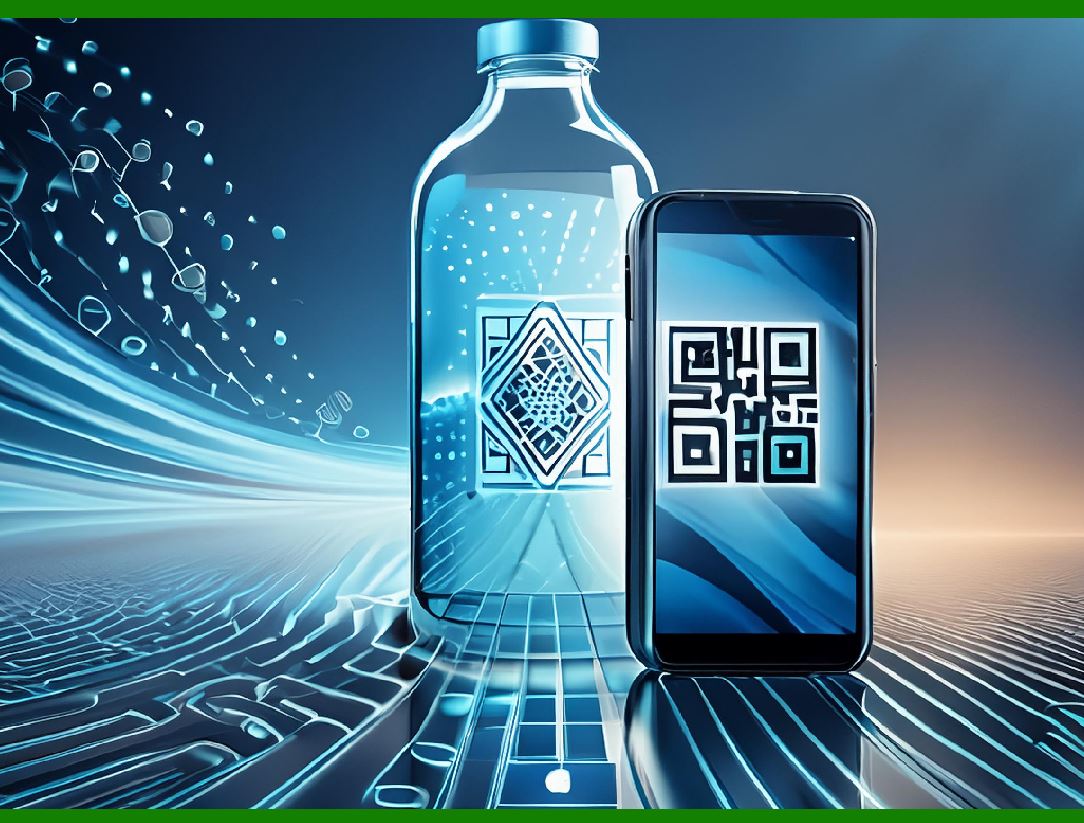
12.Dependence on Specialized Suppliers |
Companies may become reliant on a limited number of suppliers for specialized inks, nanomaterials, and scanning devices. This dependence can lead to supply chain vulnerabilities. |
Diversifying suppliers and developing in-house capabilities could mitigate this risk but may require significant investment. |
|
13.Limited Industry Adoption |
The adoption of nano-level invisible barcode technology is still in its early stages, with limited use across industries. Companies may face challenges in convincing stakeholders to embrace the technology. |
Collaborative efforts to promote industry-wide adoption and establish standards could accelerate the integration of invisible barcodes. |
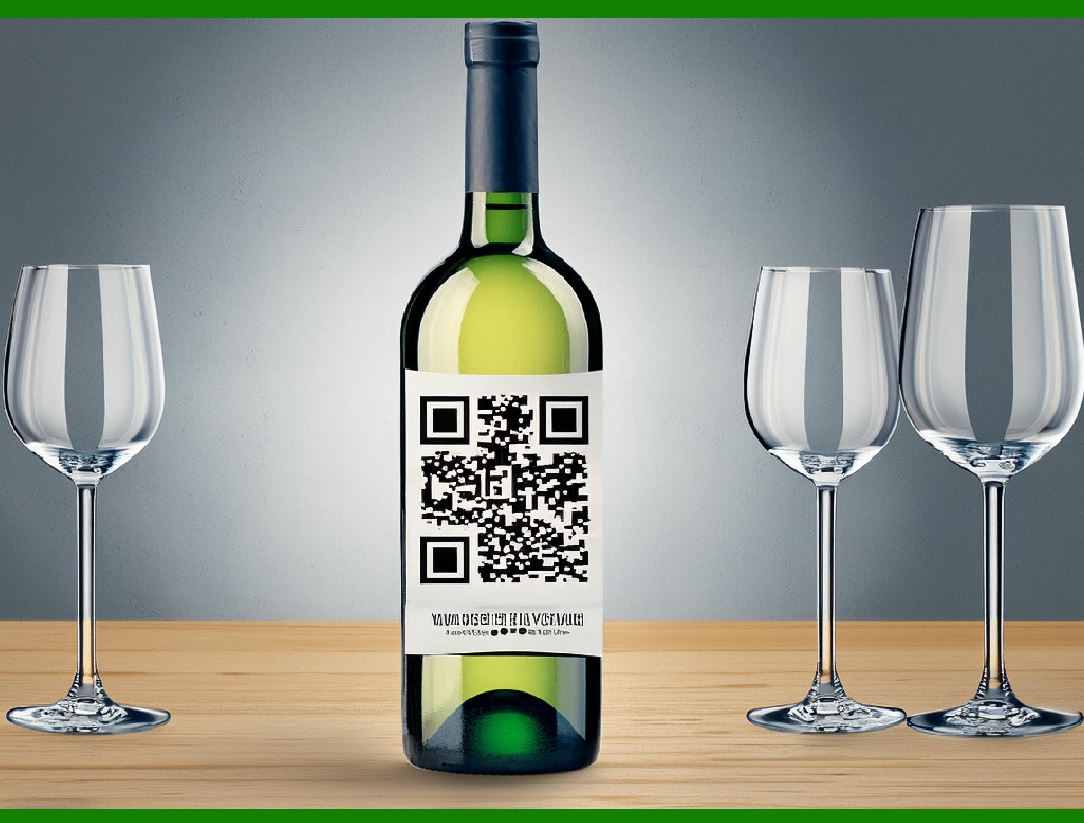
14.Technological Obsolescence |
Rapid advancements in technology may render current invisible barcode systems obsolete. Companies must stay ahead of technological trends to ensure the longevity of their investments. |
Continuous innovation and adaptation are necessary to remain competitive in the market. |
|
15.Quality Control and Assurance |
Ensuring the consistent quality of invisible barcodes is critical, as any defects could compromise their functionality. Companies must implement rigorous quality control measures. |
The complexity of nano-level technology may lead to higher rates of defects, requiring additional resources for quality assurance. |
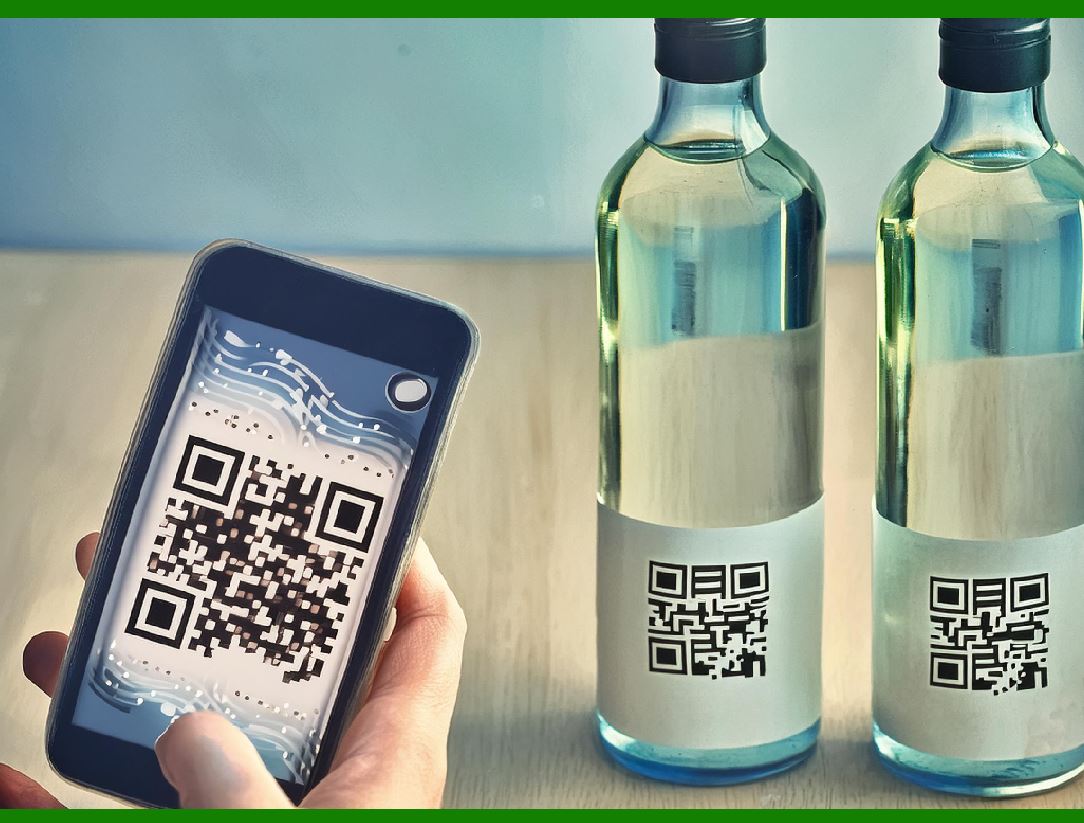
16.Impact on Branding and Design |
Invisible barcodes are designed to be imperceptible, which may conflict with branding and design elements. Companies must find ways to integrate the technology without compromising the visual appeal of their products. |
Balancing functionality and aesthetics is a key challenge, particularly in industries like luxury goods and cosmetics. |
|
17.Ethical Considerations |
The use of nanotechnology raises ethical questions, particularly in terms of its impact on health and the environment. Companies must address these concerns transparently to build trust among stakeholders. |
Engaging in ethical practices and conducting thorough research on the implications of nanotechnology are essential. |
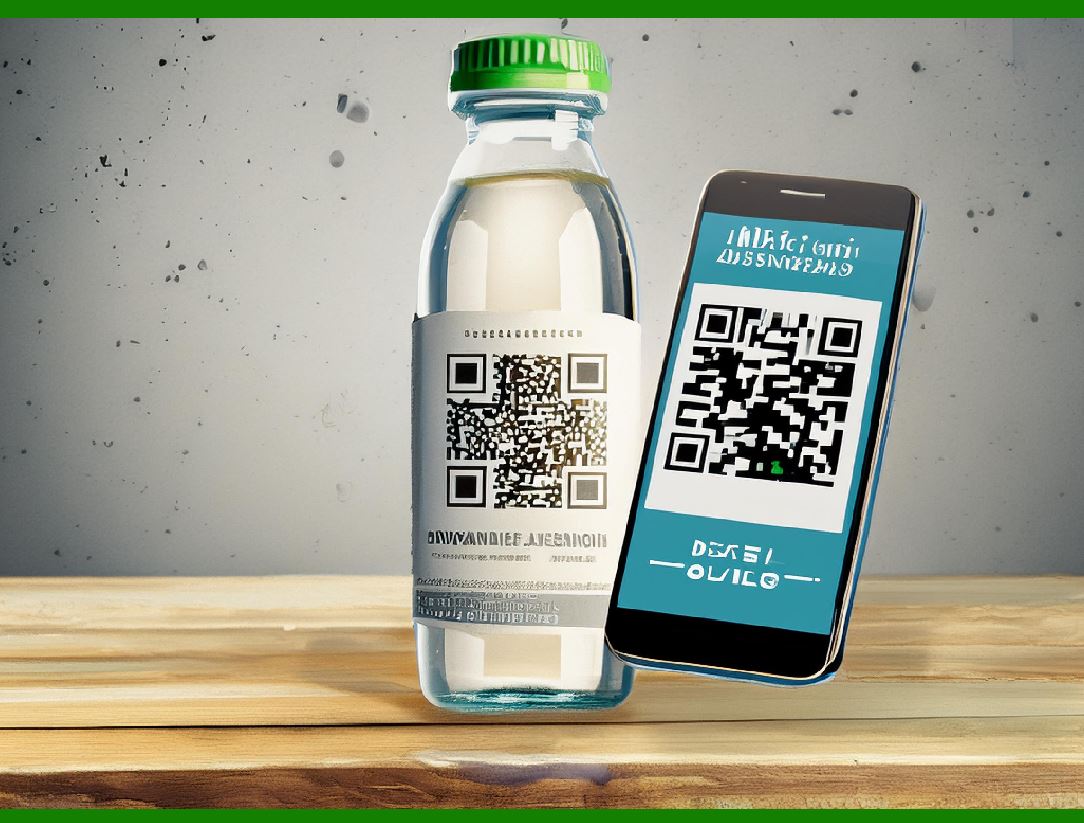
18.Market Competition |
As more companies adopt nano-level invisible barcode technology, competition in the market may intensify. Companies must differentiate themselves by offering unique features or superior performance. |
Staying ahead in the competitive landscape requires continuous innovation and strategic planning. |
|
19.Long-Term ROI |
Assessing the long-term return on investment (ROI) of invisible barcode technology can be challenging. Companies must weigh the benefits against the costs and risks associated with its implementation. |
Developing comprehensive ROI models and conducting pilot tests can help companies make informed decisions. |
20.Collaboration and Partnerships |
Successful implementation of nano-level invisible barcode technology often requires collaboration with technology providers, industry associations, and regulatory bodies. Building strong partnerships is crucial. |
Companies must navigate the complexities of collaboration while ensuring alignment with their goals and values. |
|
By addressing these challenges, companies can unlock the full potential of nano-level invisible barcode technology and leverage its benefits to enhance security, efficiency, and authenticity across industries. |
 cs@easiersoft.com