1. Introduction to Optical Character Recognition (OCR) |
1.1 Definition and Basic Principles |
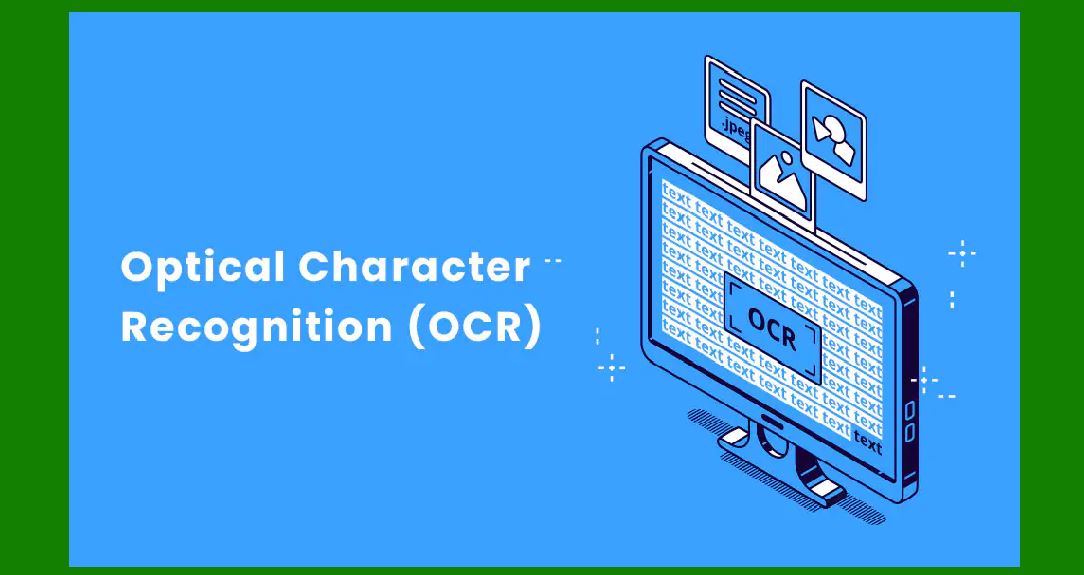
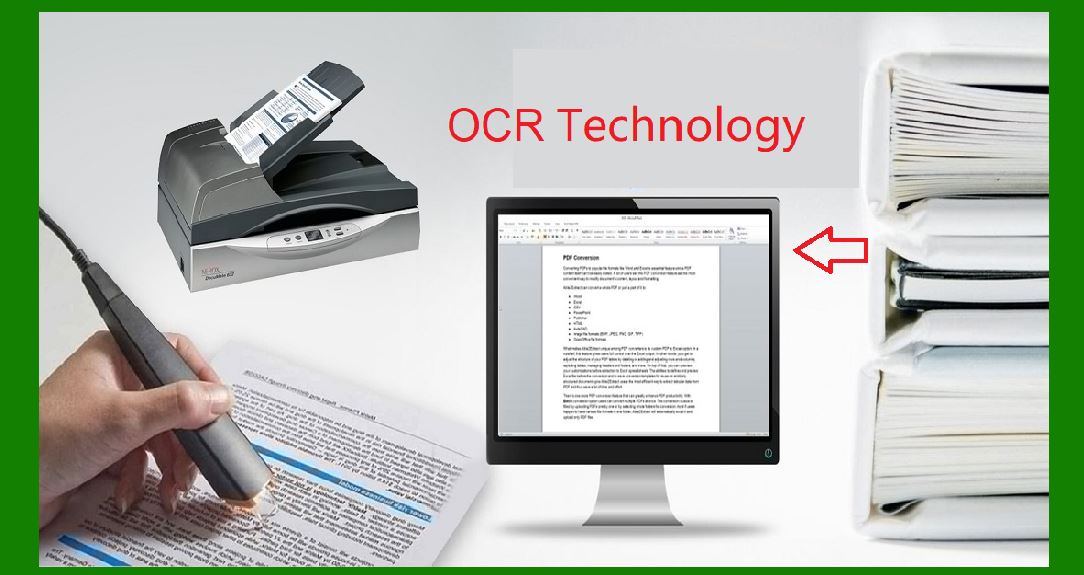
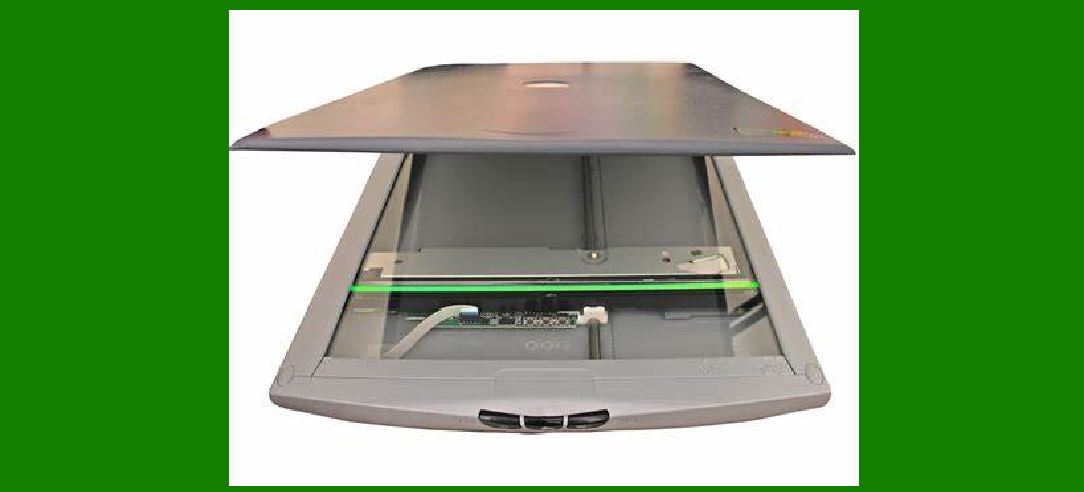
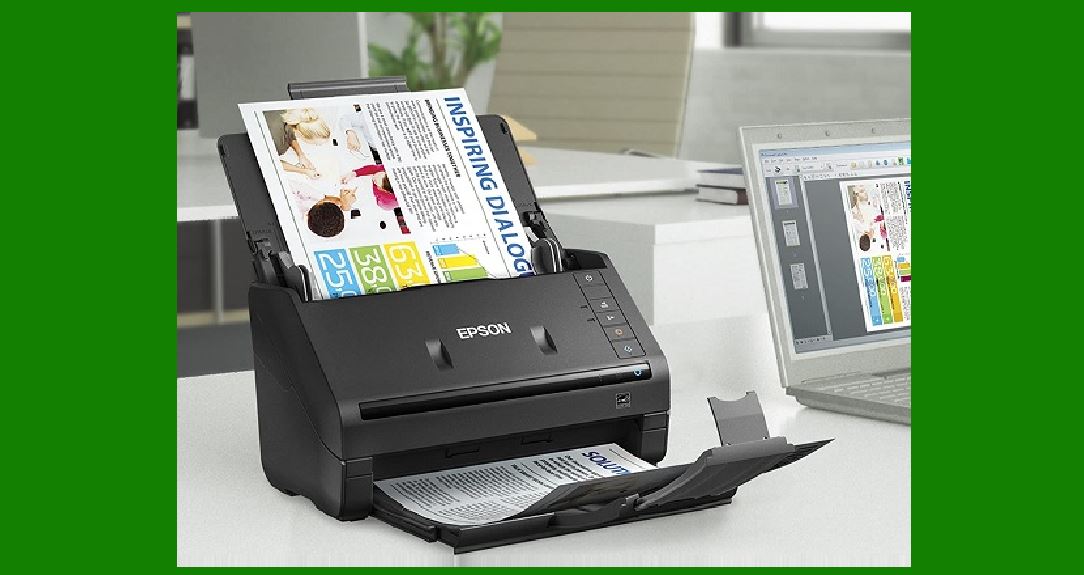
Optical Character Recognition (OCR) is a technology used to convert different types of documents, such as scanned paper documents, PDFs, or images captured by a camera, into editable and searchable data. OCR allows machines to 'read' and interpret text from printed or handwritten material. |
1.2 History of OCR Technology |
OCR technology has evolved significantly since its inception in the 1920s. Early OCR systems were mechanical and required manual input. With the advent of digital computing and image processing, OCR became more automated and sophisticated. |
1.3 Importance of OCR in Modern Society |
OCR has become crucial in various fields, from document management to accessibility for the visually impaired. It reduces the need for manual data entry and enhances workflow efficiency in industries like healthcare, banking, and law enforcement. |
|
2. How OCR Works |
2.1 Image Preprocessing |
Before OCR algorithms can recognize characters, the image must undergo preprocessing to enhance quality. Common preprocessing steps include noise removal, image binarization, and deskewing. These operations help improve accuracy and prevent errors in character recognition. |
2.2 Text Detection |
In this stage, OCR software detects the areas in the image that contain text. This includes segmenting lines, words, and characters, which can sometimes be challenging in complex layouts or mixed-font documents. |
2.3 Character Recognition |
The core of OCR is the character recognition process, which involves converting pixel patterns into actual text. Various algorithms are used, including pattern recognition, feature extraction, and machine learning techniques, to identify individual characters. |
2.4 Post-Processing and Error Correction |
OCR systems often employ post-processing techniques to correct errors in recognition. This can include dictionary-based checks, context-based analysis, and machine learning models to enhance the accuracy of the final output. |
|
3. OCR Techniques and Algorithms |
3.1 Template Matching |
Template matching is one of the earliest methods used in OCR. This technique involves comparing segments of an image with predefined templates of characters. It works well for fonts that are consistent and have a fixed style. |
3.2 Feature Extraction and Machine Learning |
Modern OCR systems rely on feature extraction to identify key characteristics of characters. Machine learning models, especially neural networks, are used to train OCR systems on vast datasets to recognize various fonts and handwriting styles. |
3.3 Deep Learning in OCR |
Deep learning, particularly convolutional neural networks (CNNs), has revolutionized OCR in recent years. CNNs excel at detecting patterns in images, allowing OCR systems to recognize characters even in noisy or distorted text. |
3.4 Recurrent Neural Networks (RNNs) |
RNNs, especially Long Short-Term Memory (LSTM) networks, are particularly useful for recognizing sequences of text, making them valuable in OCR tasks where context plays a critical role in recognizing characters. |
|
4. OCR Software and Tools |
4.1 Commercial OCR Software |
There are several well-known commercial OCR solutions, such as ABBYY FineReader, Adobe Acrobat, and Readiris. These tools offer a range of features, including batch processing, PDF conversion, and advanced error correction. |
4.2 Open-Source OCR Libraries |
Tesseract, an open-source OCR engine, is one of the most widely used and powerful free OCR tools. It is capable of recognizing multiple languages and fonts and is often integrated into various document management systems. |
4.3 OCR in Cloud-Based Platforms |
Cloud-based OCR services, such as Google Cloud Vision and Microsoft Azure Cognitive Services, have made OCR more accessible and scalable. These platforms offer high accuracy and can be easily integrated into applications via APIs. |
4.4 OCR in Mobile Devices |
With the increasing use of smartphones, OCR technology has also been embedded into mobile apps. Apps like Google Keep, CamScanner, and Microsoft Office Lens use OCR to capture and digitize text from photos, making it convenient for everyday users. |
|
5. Types of OCR Systems |
5.1 Document OCR |
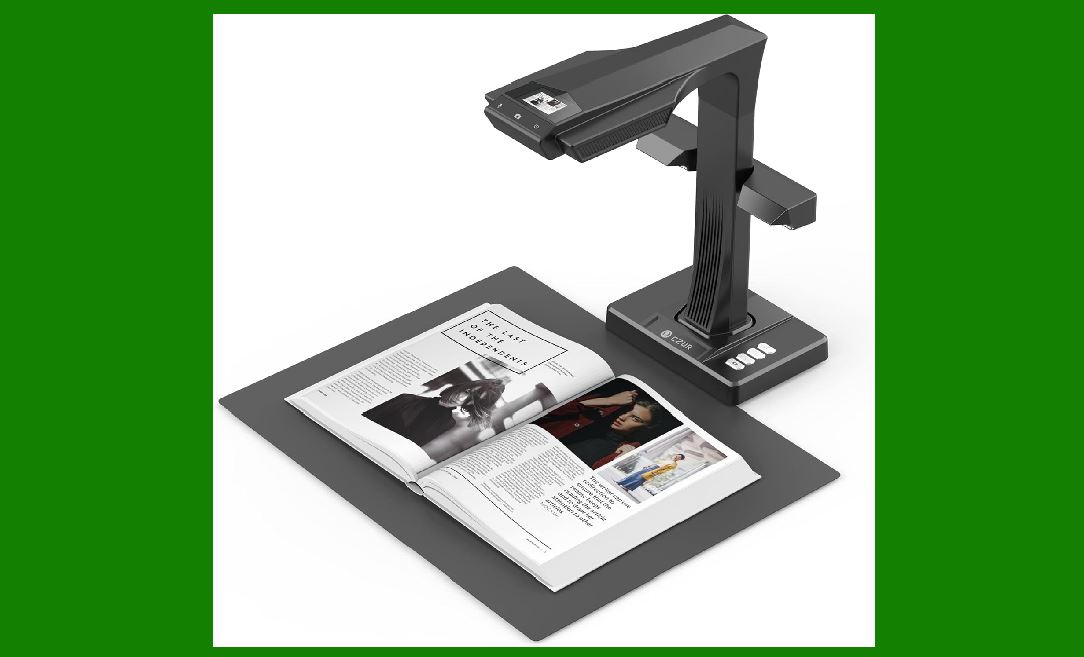
This type of OCR is used to convert printed documents (such as books, invoices, or contracts) into machine-readable text. It often includes complex layout analysis to handle multi-column text, tables, and images. |
5.2 Handwriting OCR |
Handwritten text presents a greater challenge for OCR due to the variability of individual writing styles. OCR for handwriting often relies on advanced machine learning techniques to recognize cursive or block letters. |
5.3 Multi-Language OCR |
OCR systems are available that can recognize text in multiple languages. These systems often come with pre-trained models for different scripts, such as Latin, Cyrillic, Arabic, Chinese, and others. |
5.4 Table and Form OCR |
Specialized OCR systems are designed to recognize structured data in forms or tables. These systems analyze the layout and spatial arrangement of text to extract tabular data accurately. |
|
6. OCR Accuracy and Challenges |
6.1 Factors Affecting OCR Accuracy |
Several factors influence OCR accuracy, including image quality, text orientation, font type, noise, and distortion. Images with high resolution and minimal noise tend to yield better results. |
6.2 Text Variability |
OCR systems struggle with recognizing text that is highly variable, such as handwritten notes, unusual fonts, or decorative typefaces. This challenge is particularly evident in historical documents or scanned images. |
6.3 Noise and Distortion |
Noise (such as smudges, background patterns, or artifacts) and distortion (such as skewing or stretching) can significantly lower OCR accuracy. Advanced preprocessing techniques are necessary to mitigate these issues. |
6.4 Language and Context Understanding |
OCR systems are more accurate when they can leverage language models to predict the next word based on context. This is why modern OCR systems often combine character recognition with natural language processing (NLP) models. |

|
7. Applications of OCR Technology |
7.1 Document Digitization |
OCR is widely used to digitize paper documents, allowing them to be stored electronically and accessed easily. This is especially useful in legal, medical, and government sectors, where document retention and access are critical. |
7.2 Automated Data Entry |
OCR eliminates the need for manual data entry by automatically extracting information from invoices, receipts, and forms. This increases efficiency in industries like finance, logistics, and healthcare. |
7.3 Text-to-Speech for Accessibility |
OCR is used to assist visually impaired individuals by converting printed text into speech. This application is particularly useful for reading books, signs, and other printed materials. |
7.4 License Plate Recognition |
OCR technology is commonly used in automatic number plate recognition (ANPR) systems, which are used in toll booths, parking lots, and law enforcement to track vehicles. |
7.5 Banking and Financial Industry |
OCR is employed in banks for check processing, document management, and automation of financial transactions, reducing the need for manual intervention. |
7.6 Healthcare Applications |
OCR helps healthcare providers in managing patient records, medical forms, and prescriptions by converting handwritten or printed documents into digital formats, enabling easier data access and sharing. |
7.7 Legal and Law Enforcement |
OCR technology aids in managing case files, court documents, and legal research. In law enforcement, OCR is used in crime scene analysis, particularly in recognizing printed materials, such as license plates or criminal records. |

|
8. Future of OCR Technology |
8.1 Integration with Artificial Intelligence |
As AI technology continues to evolve, OCR is increasingly being integrated with machine learning and natural language processing to improve recognition accuracy and enable more complex tasks, such as understanding sentiment or context. |
8.2 Real-Time OCR |
Real-time OCR, where text is recognized instantly as it appears in front of the camera, is becoming more practical. This is useful in augmented reality (AR) applications and live translation systems. |
8.3 Handwriting Recognition Improvements |
Advances in deep learning and neural networks are expected to improve handwriting recognition accuracy, particularly for cursive writing or stylized fonts. |
8.4 Cross-Platform OCR |
OCR will become more integrated across platforms, making it easier to use in various applications, from smartphones to desktop computers to embedded devices in vehicles and industrial machines. |
8.5 Augmented Reality (AR) and OCR |
AR technology combined with OCR could allow for real-time text translation, object identification, and contextual information overlays in the physical world, revolutionizing navigation, education, and interactive media. |
8.6 Integration with Blockchain |
In areas like document security and provenance, OCR could be integrated with blockchain technology to provide verifiable and immutable records of digitized documents. |

|
9. Ethical and Privacy Considerations |
9.1 Data Privacy |
OCR systems that process sensitive information, such as personal data in forms or medical records, raise concerns about privacy. Safeguards must be put in place to protect this data from misuse or unauthorized access. |
9.2 Bias in OCR Systems |
Bias in OCR algorithms is a concern, especially when dealing with handwriting or non-standard fonts. OCR systems must be trained on diverse datasets to ensure fairness and reduce bias. |
9.3 Security of Digitized Documents |
Once documents are digitized, they become vulnerable to hacking and unauthorized access. Encrypting OCR outputs and securing storage systems are essential for protecting digital documents. |
|
10. Conclusion |
OCR technology has revolutionized the way we interact with printed text. As it continues to evolve, it will become more accurate, efficient, and integrated with other technologies, playing a vital role in industries like healthcare, banking, law enforcement, and beyond. |
This is a condensed summary. A detailed exploration of the topics above could fill a much larger document. |

|
Let's take a deeper dive into the core processes that make OCR (Optical Character Recognition) work, breaking down each stage with more detail. |
2. How OCR Works |
The process of Optical Character Recognition (OCR) involves several key stages, each crucial to the effective conversion of text from images to machine-readable format. These stages include image preprocessing, text detection, character recognition, and post-processing. Here’s a breakdown of each step: |
2.1 Image Preprocessing |
Image preprocessing is the first and one of the most critical steps in the OCR process. The goal is to enhance the quality of the image, which improves the accuracy of the text extraction process. Preprocessing generally involves several techniques to remove distortions and prepare the image for the next stages. |
Key Preprocessing Techniques: |
Grayscale Conversion: |
Often, OCR systems convert images to grayscale because it reduces the complexity of color information, making it easier to detect text. Color images contain a lot of unnecessary detail, so converting to grayscale (black and white) simplifies the image and focuses the system on text and patterns. |
Binarization: |
Binarization refers to converting the image into a two-tone (black and white) image. The system analyzes the pixel intensity and converts pixels into either black or white. Common binarization methods include Otsu’s thresholding, which dynamically determines the optimal threshold for converting the image to black and white, and global thresholding, which uses a fixed threshold. |
Noise Removal: |
Real-world images often contain noise (unwanted pixels that do not correspond to any text). This noise can be caused by scanning imperfections, dust, or paper creases. Techniques like median filtering, Gaussian blur, or morphological operations can be used to smooth out or remove noise. |
Deskewing: |
If the scanned text is skewed (i.e., the lines of text are tilted), OCR systems may struggle to recognize the characters correctly. Deskewing techniques automatically correct the alignment of the text, making sure it is perfectly horizontal or vertical. This is important for accuracy, especially when dealing with documents that are not aligned properly when scanned. |
Edge Detection: |
Edge detection algorithms help identify the boundaries of text blocks, lines, and characters in the image. By detecting these edges, the OCR system can segment the text correctly. Popular algorithms like the Canny edge detector or Sobel filter are used for this purpose. |
|
2.2 Text Detection |
Once the image has been preprocessed, the next step is text detection. This involves locating the actual areas in the image where text is present. This process is vital in images where the text might be mixed with images or other graphical elements, such as in scanned forms, books, or complex layouts. |
Key Text Detection Techniques: |
Segmentation of Text Zones: |
OCR systems use segmentation algorithms to detect and separate different parts of the text. These segments could be individual characters, words, or entire lines. This step is particularly important when working with multi-column layouts or complex documents. |
Line Detection and Layout Analysis: |
The OCR system identifies lines of text, determining their orientation and positioning on the page. This is particularly useful when working with documents that have multiple columns or varying text alignments. Layout analysis can also identify the structure of tables, headers, footers, and other non-text elements. |
Word and Character Segmentation: |
In some OCR systems, word and character segmentation is required to separate text into smaller, more manageable components. This ensures that each word or character can be processed individually and accurately. This can be a challenging step in OCR, especially when dealing with cursive or handwritten text. |
|
2.3 Character Recognition |
Character recognition is the core component of OCR. This step involves recognizing individual characters from the preprocessed image and converting them into machine-readable text. There are several methods for achieving this, and modern OCR systems rely heavily on machine learning algorithms. |
Key Character Recognition Techniques: |
Template Matching: |
Template matching is one of the simplest methods used in OCR. It involves comparing segments of the image with predefined character templates. Each character is represented as a template, and the system searches for a matching pattern in the image. This method is effective for recognizing fixed fonts but struggles with variations in size, orientation, or distortion. |
Feature Extraction: |
Feature extraction is a more advanced technique where the OCR system identifies key features of characters (such as straight lines, curves, intersections, loops, etc.) rather than using a template. This technique allows for recognition of characters in various fonts, sizes, and orientations. |
Neural Networks and Machine Learning: |
In modern OCR systems, artificial intelligence (AI) techniques, particularly deep learning models like Convolutional Neural Networks (CNNs), are used to recognize characters. These neural networks are trained on large datasets of labeled text images. The network learns to identify intricate features and patterns, which significantly improves recognition accuracy, especially for varied fonts or handwritten text. |
Convolutional Neural Networks (CNNs): |
CNNs are designed to work particularly well with image data. They operate by convolving a filter (a small grid) over the image to extract features. By stacking multiple layers, CNNs can learn complex patterns and spatial hierarchies in the image data, making them ideal for character recognition in OCR. |
Recurrent Neural Networks (RNNs) and Long Short-Term Memory (LSTM): |
RNNs, particularly LSTMs, are used to improve OCR systems by providing context to the recognized characters. This is particularly useful for reading text sequences, as LSTMs can 'remember' the context of previous characters, helping to correctly predict words and sentences, especially in cursive or distorted handwriting. |
Support Vector Machines (SVM): |
Support Vector Machines are another machine learning technique that can be used for character classification. SVMs work by mapping input data into a high-dimensional space and finding a hyperplane that best separates the classes. This method is commonly used in classical OCR systems but is often outperformed by deep learning models. |

|
2.4 Post-Processing and Error Correction |
After the text has been recognized, the output is usually far from perfect. Post-processing is the final step to ensure that the OCR output is accurate and useful. This step includes error correction, formatting adjustments, and contextual checks. |
Key Post-Processing Techniques: |
Spell Checking and Dictionary Use: |
OCR systems often use dictionaries and spell-checking algorithms to detect and correct errors in the recognized text. For example, if a character is misrecognized (like confusing 'o' with '0'), the system can check the resulting word against a dictionary and suggest a correction. |
Contextual Analysis: |
Some OCR systems employ natural language processing (NLP) models to analyze the context of the recognized text. For instance, if the OCR system recognizes a string of letters that don't form a valid word, the NLP model can suggest alternative interpretations based on the surrounding text. |
Language Models: |
Language models can be integrated into the OCR process to predict the most likely word or phrase based on the surrounding context. These models are trained on large corpora of text and can improve the accuracy of word recognition by considering linguistic patterns. |
Layout Analysis for Formatting: |
In many documents, especially those with complex formatting (e.g., columns, tables, footnotes), OCR systems must ensure that the layout is preserved in the final output. Post-processing techniques analyze the original layout and preserve the positioning of text blocks, tables, images, and other elements. |
User Feedback and Manual Correction: |
Some OCR systems include a manual correction feature that allows users to review and correct the OCR output. This is especially useful in cases where the OCR system cannot handle certain characters or handwriting styles, as it allows human intervention for fine-tuning the final text. |

|
3. Summary |
The OCR process involves multiple stages, from image preprocessing to text detection, character recognition, and post-processing. Each stage plays a vital role in ensuring that the output is accurate, readable, and usable. With advances in machine learning, especially deep learning, OCR technology continues to improve, enabling more accurate recognition of complex text, including cursive handwriting, distorted fonts, and noisy images. |
Let's dive deeper into two key components that have significantly advanced OCR technology: Deep Learning Models used in OCR and Advanced Error Correction Techniques. |
3.1 Deep Learning Models Used in OCR |
Deep learning, particularly the use of neural networks, has dramatically improved OCR accuracy in recent years. Below are the main types of deep learning models commonly used in OCR systems: |
3.1.1 Convolutional Neural Networks (CNNs) |
Convolutional Neural Networks (CNNs) have revolutionized image processing tasks, including OCR, because they can automatically learn spatial hierarchies of features from images. In OCR, CNNs are particularly useful for detecting visual patterns in the raw pixel data of text images. |
How CNNs Work for OCR: |
CNNs work by sliding small filters (also called kernels) over the image to detect basic features such as edges, textures, and corners. These features are progressively combined as the image passes through multiple layers of convolutions. The deeper layers detect increasingly complex features, such as the structure of letters and characters. |
Layered Structure: |
CNNs consist of several key types of layers: |
Convolutional Layers: Detect features such as edges or corners in the image. |
Pooling Layers: Reduce the dimensionality of the image data (down-sampling) while retaining important information. |
Fully Connected Layers: Use the features extracted by the convolutions to classify the text and identify characters or words. |
Why CNNs Are Effective for OCR: |
CNNs are extremely good at detecting spatial patterns and local dependencies in images, making them ideal for recognizing characters in text. Unlike traditional template-based methods, CNNs can generalize across different fonts, styles, and distortions. This ability makes CNNs highly versatile and accurate, even for noisy or complex OCR tasks. |
3.1.2 Recurrent Neural Networks (RNNs) and Long Short-Term Memory (LSTM) |
While CNNs excel at extracting spatial features from images, Recurrent Neural Networks (RNNs), particularly Long Short-Term Memory (LSTM) networks, are used to handle sequences, making them ideal for text recognition in OCR. |
How RNNs and LSTMs Work for OCR: |
RNNs are designed to process sequential data, such as a sequence of characters in a line of text. Traditional RNNs, however, struggle to maintain long-term dependencies, which can be problematic for OCR tasks that require context, such as interpreting an entire word or sentence. |
LSTMs address this issue by having special 'memory cells' that can retain information over long periods, allowing the network to remember previously seen characters when recognizing later ones. This is particularly useful for cursive handwriting or text with irregular spacing, where each character's meaning may depend on the ones preceding it. |
Why LSTMs Are Effective for OCR: |
OCR often involves recognizing words and sentences, not just individual characters. LSTMs are capable of processing and learning sequences of characters, improving the system's ability to understand and predict text as a sequence rather than isolated units. This makes LSTM-based OCR systems more robust to variations in handwriting and more accurate in context-based recognition. |
3.1.3 Connectionist Temporal Classification (CTC) |
In many OCR tasks, especially those involving sequence labeling (like handwriting recognition), Connectionist Temporal Classification (CTC) is used to train neural networks to predict sequences of characters. |
How CTC Works for OCR: |
CTC allows the model to make predictions without needing to align the input (the image of text) with the output (the actual characters). Instead of requiring a precise alignment between the input and output (like in traditional supervised learning), CTC generates multiple possible label sequences and assigns probabilities to each one. This method works well for OCR, as the network can learn to recognize characters or words even if they are written with varying lengths or distorted. |
Why CTC Is Effective for OCR: |
In OCR, especially for handwriting, there is often no clear correspondence between the input (image) and the output (text). CTC enables neural networks to learn this correspondence implicitly, allowing them to handle more complex and varied inputs without needing strict alignment, which is a common issue in traditional OCR systems. |
3.1.4 Generative Adversarial Networks (GANs) for OCR Data Augmentation |
Generative Adversarial Networks (GANs) are increasingly being used in OCR systems to improve performance through data augmentation. |
How GANs Work for OCR: |
GANs consist of two neural networks: the generator and the discriminator. The generator creates synthetic data (in this case, images of handwritten or printed text), while the discriminator tries to distinguish between real and synthetic data. The two networks are trained together: the generator improves by trying to fool the discriminator, while the discriminator improves by getting better at detecting fake data. |
Why GANs Are Effective for OCR: |
GANs are particularly useful for augmenting datasets in OCR tasks, especially for handwritten text or rare fonts. By generating synthetic training data, GANs help OCR systems become more robust and better at handling a wider range of text styles, distortions, and environments. |

|
3.2 Advanced Error Correction Techniques in OCR |
Despite the advancements in deep learning, OCR systems can still make errors. These errors are often due to issues like noisy backgrounds, ambiguous characters, or complex layouts. To improve the accuracy of OCR outputs, advanced error correction techniques are applied. |
3.2.1 Contextual Error Correction |
Contextual error correction uses the surrounding text to help identify and correct misrecognized characters. This method is especially useful for OCR systems trained to recognize entire sentences or paragraphs rather than individual characters. |
How Contextual Error Correction Works: |
After the OCR system performs initial recognition, it analyzes the context of the recognized text (such as grammar, syntax, and word patterns) to identify potential mistakes. For example, if a word is recognized as 'grap' but the context suggests it should be 'grape,' the system can use the context to correct the error. |
Applications in OCR: |
Contextual correction is used in OCR for various applications, including document digitization, form recognition, and reading scanned books. It is particularly helpful for ambiguous or poorly scanned text, where individual character recognition might be unreliable. |
3.2.2 Post-OCR Spell Checking |
Post-OCR spell checking involves running a spell-check algorithm on the output text to identify and correct spelling mistakes, especially those caused by misrecognized characters. This is an essential step when OCR systems are processing documents that require high levels of accuracy. |
How Post-OCR Spell Checking Works: |
OCR systems can incorporate standard spell-checking algorithms or dictionaries that help identify wrongly recognized words. For example, the word 'rta' might be flagged as incorrect, and the system could suggest 'rat' or 'art' as possible alternatives. |
Limitations and Challenges: |
While post-OCR spell checking works well for words that are commonly misspelled or misrecognized, it is less effective when OCR errors create entirely new or nonsensical words. More advanced approaches, such as incorporating context-based spelling correction (using language models), are used to improve performance. |
3.2.3 Language Models and Machine Learning-Based Error Correction |
Modern OCR systems often integrate language models and machine learning algorithms to further enhance post-processing and error correction. These models are trained on vast corpora of text and learn to predict the likelihood of certain words or phrases based on context. |
How Language Models Work: |
Language models, such as n-gram models or more advanced neural language models, predict the most likely sequence of words. For example, if the OCR system recognizes 'the qick brown fpx', the language model might help correct it to 'the quick brown fox' based on learned word patterns and syntactic rules. |
Applications in OCR: |
Document Digitization: Language models help maintain the integrity and readability of scanned books, contracts, or historical documents. |
Multilingual OCR: In documents with multiple languages, language models can be trained to work with specific languages or combinations of languages, improving accuracy. |
Handwriting Recognition: For handwritten text, which can vary widely between individuals, language models can help the OCR system infer the correct word or phrase from context. |
3.2.4 Graphical Error Correction and Post-Processing |
In some cases, the layout or structure of the document can cause OCR errors. This is especially true for documents with complex formatting, like tables or columns. |
How Graphical Error Correction Works: |
Advanced OCR systems use post-processing techniques to detect and correct these errors. For example, if the OCR system misinterprets the boundaries of a table or mixes up columns, algorithms can re-align text, fix columnar structures, and even reconstruct tables by recognizing patterns in the data. |
Applications in OCR: |
Invoice and Form Recognition: For scanned invoices or forms with structured data, graphical error correction helps ensure that data is accurately recognized and placed in the right fields. |
Receipt Scanning: Retail applications use graphical error correction to make sure product names, prices, and other details are extracted accurately. |
Conclusion |
Deep learning models such as CNNs, RNNs (LSTMs), and CTC have significantly advanced OCR technology by enabling more accurate, context-aware, and robust recognition of text. Combined with advanced error correction techniques like contextual analysis, spell checking, and language models, modern OCR systems have become more effective at handling a variety of real-world scenarios, including noisy images, distorted handwriting, and complex document layouts. These advancements continue to push the boundaries of OCR, making it more reliable and accurate across various applications. |
|
Let's expand further with detailed real-world examples and specific OCR applications that benefit from these advanced deep learning models and error correction techniques. |
4. Real-World Examples of Deep Learning in OCR |
Deep learning techniques, especially CNNs, RNNs (LSTMs), and CTC, have revolutionized the capabilities of OCR systems, making them far more effective in real-world scenarios. Below are several examples showcasing the application of these models: |
4.1 Handwriting Recognition (e.g., Postal Services) |
Handwriting recognition, particularly for mail sorting systems in postal services, is a classic example where deep learning has greatly enhanced OCR accuracy. In the past, postal systems used template-based OCR to read addresses on envelopes. However, as handwriting varies significantly from person to person, this method was prone to errors. |
Application Example: |
Deep Learning Approach: |
Modern OCR systems used by postal services now rely on CNNs for feature extraction and LSTMs for sequence prediction. These models can read and interpret complex handwritten addresses, even with varying styles of handwriting. This is achieved by training the OCR system on thousands of labeled handwriting samples, teaching it to recognize letters in the context of full addresses. |
Impact: |
With the combination of CNNs and LSTMs, the system can accurately predict the full address sequence, making it much more reliable at sorting mail. It can also handle challenges like low-quality handwriting, smudges, or varying writing speeds. The system is now capable of processing large volumes of mail, improving delivery times and reducing human intervention. |

|
4.2 Medical Document Digitization (e.g., Patient Records) |
In healthcare, OCR systems have been used to digitize handwritten patient records, prescriptions, and medical forms. The accuracy of this digitization is crucial, as medical documents often contain complex medical terminology and handwritten notes that can vary greatly from one physician to another. |
Application Example: |
Deep Learning Approach: |
To tackle the challenge of recognizing complex medical handwriting, deep learning models such as CNNs are used to extract features from scanned medical documents. LSTMs come into play when the system needs to recognize and understand the sequence of medical terms that can vary from one doctor to another. Additionally, language models trained specifically on medical data (like clinical notes or medical textbooks) can be used to correct recognition errors, especially with respect to medical terminology. |
Impact: |
The use of deep learning enables highly accurate transcription of medical documents, even if the handwriting is unclear or sloppy. Language models, which understand medical vocabulary, help ensure that OCR outputs are semantically correct. This helps healthcare providers improve patient care by allowing faster access to electronic medical records and reducing manual data entry errors. |

|
4.3 Handwritten Notes and Historical Document Preservation |
Preserving and digitizing handwritten historical documents, such as manuscripts, letters, and diaries, is a significant challenge due to the variation in handwriting styles, ink color, and paper quality. Early OCR systems struggled to accurately recognize text in such documents. |
Application Example: |
Deep Learning Approach: |
Modern systems combine CNNs and LSTMs to create robust models for handwritten text recognition. These systems are trained on large datasets of historical documents, allowing them to learn how to handle older ink types, faded characters, and unique historical handwriting styles. Additionally, GANs (Generative Adversarial Networks) can be used to synthesize additional training data for rare handwriting styles, improving model accuracy. |
Impact: |
Deep learning techniques enable more accurate preservation of handwritten historical documents. This technology helps digitize old manuscripts and make them accessible to researchers, students, and the public. In some cases, it also allows for the restoration of degraded documents, where traditional OCR systems would fail due to excessive ink smearing or fading. |

|
5. Error Correction Techniques in Real-World Applications |
Error correction is a vital step in any OCR system to ensure high-quality outputs. Let's look at how error correction techniques are applied in real-world OCR scenarios. |
5.1 OCR in Financial Document Processing (e.g., Invoice Scanning) |
Invoice scanning and document automation in the finance industry rely on OCR technology to extract relevant data, such as amounts, dates, and vendor names. However, OCR systems must cope with challenges like varying invoice layouts, different fonts, and noise from poor-quality scans. |
Application Example: |
Contextual Error Correction: |
After the OCR system extracts text from the scanned invoice, the system applies contextual error correction by validating the extracted data against a predefined set of rules. For example, the OCR system might validate that a date follows a correct format (e.g., YYYY-MM-DD) or that the amount extracted corresponds to a valid currency format. If it finds a mismatch, it suggests a correction based on the contextual meaning of the numbers and words. |
Post-OCR Spell Checking and Language Models: |
Additionally, a post-OCR spell check might be applied, using a combination of standard dictionary checks and context-aware language models. If the OCR system reads a vendor name like 'Aplle' (instead of 'Apple'), a language model trained on business terms would suggest 'Apple' as the correct spelling. |
Impact: |
This dual-layer approach of contextual error correction and spell-checking ensures that the OCR system reliably processes financial documents, even if some characters or words are misrecognized. The accuracy of invoice data extraction improves, reducing manual checks and speeding up invoice processing. |
|
5.2 Text Recognition for Accessibility (e.g., Visually Impaired) |
OCR technology plays a crucial role in making printed text accessible to people with visual impairments. By converting books, signs, and documents into machine-readable formats, OCR allows for text-to-speech conversion and screen reading, improving accessibility for individuals with blindness or low vision. |
Application Example: |
Deep Learning for Handwriting Recognition: |
OCR systems designed for accessibility often need to process handwriting, such as handwritten documents, signs, or menus. CNNs and LSTMs are used together to recognize text, including cursive handwriting, which is often a challenge for traditional OCR systems. |
Advanced Error Correction for Speech Accuracy: |
Post-OCR, language models and contextual error correction techniques are applied to improve the accuracy of the output. For example, in a scenario where OCR incorrectly reads the word 'shop' as 'stop,' the language model may use context to identify that 'shop' makes more sense based on surrounding text. This correction ensures that the text-to-speech system reads the correct word, making it easier for visually impaired individuals to understand. |
Impact: |
By utilizing deep learning-based OCR systems with advanced error correction, visually impaired users can access a wide range of printed materials in real-time. Whether it's reading a menu, understanding street signs, or following along with a document, OCR provides a critical tool for enhancing independence and accessibility. |

|
5.3 OCR in Mobile Applications (e.g., Document Scanning Apps) |
Mobile applications that provide document scanning and text extraction (like CamScanner or Adobe Scan) rely heavily on OCR technology. These applications need to work with images captured in varying environments, such as low-light conditions, with background noise, and often with text in non-standard fonts or orientations. |
Application Example: |
Deep Learning for Robust OCR in Varying Conditions: |
To handle noisy environments, mobile OCR applications leverage deep learning models, such as CNNs for feature extraction and LSTMs for sequence prediction. These models are trained on vast datasets of images with varying text types, backgrounds, and distortions to improve accuracy in real-world use cases. Additionally, mobile devices often feature on-the-fly correction, such as automatic skew correction, which adjusts for tilted or angled text in real-time. |
Post-Processing for Layout and Formatting: |
After text is extracted from a document image, layout recognition algorithms help ensure the output is correctly formatted. For instance, text that appears in columns or within tables is automatically organized, ensuring the OCR output resembles the structure of the original document. |
Impact: |
These mobile applications have made document scanning and text recognition accessible to a broader audience. Users can scan and digitize documents with minimal effort, and the deep learning models behind the OCR system ensure that the text is accurately recognized, even in suboptimal conditions. |

|
6. Conclusion |
The combination of deep learning models like CNNs, LSTMs, and CTC, with advanced error correction techniques, has significantly transformed OCR systems, making them more accurate and robust across a wide range of real-world applications. These advancements have enabled OCR to overcome previous limitations, such as handling varied handwriting, recognizing distorted or noisy text, and maintaining context and layout. |
From medical records digitization to handwritten historical document preservation, financial document processing, and accessibility applications for the visually impaired, OCR technology continues to improve efficiency and accessibility in numerous sectors. As the technology progresses, we can expect even greater accuracy, speed, and versatility, further integrating OCR into our everyday lives. |

|
Let’s focus on an emerging trend in OCR technology: OCR combined with Artificial Intelligence (AI) for End-to-End Document Automation and how it's reshaping industries. |
Emerging Trend: AI-Driven End-to-End Document Automation |
AI-driven OCR technology is moving beyond simple text extraction. It is now part of a larger ecosystem of document automation, which is rapidly transforming industries like finance, healthcare, legal, and logistics. This trend integrates OCR with artificial intelligence, machine learning, and natural language processing (NLP) to create intelligent document processing (IDP) systems. |
Let’s explore how this combination of OCR and AI is shaping the future of document automation. |
1. The Evolution from Traditional OCR to AI-Powered Document Automation |
1.1 Traditional OCR Limitations |
Traditional OCR systems primarily focused on text recognition—converting printed or handwritten text into machine-readable data. While this helped automate data entry from paper documents, the technology was limited to basic tasks like scanning invoices or forms. The limitations included: |
Inability to understand the context of the text (e.g., interpreting a table of figures in the correct order). |
Difficulty recognizing complex layouts (e.g., multi-column layouts, mixed text with images). |
Lack of semantic understanding (unable to determine if the data extracted is valid or correctly formatted). |
1.2 The Rise of AI-Powered Document Automation |
AI-powered OCR systems integrate machine learning (ML) and natural language processing (NLP) with traditional OCR capabilities, which allows for deeper understanding, automation, and intelligent extraction of data from documents. The AI models do not just recognize text; they also understand contexts, relationships, and structures in documents. |
AI-driven document automation encompasses three primary functions: |
Document Classification and Categorization |
Data Extraction and Validation |
Document Understanding and Contextual Analysis |

|
2. AI and OCR Integration: Key Features of Intelligent Document Processing (IDP) |
2.1 Document Classification and Categorization |
AI-powered OCR systems go beyond simple scanning. They use machine learning to identify the type and category of a document (e.g., invoice, contract, medical record). This is particularly useful for bulk document processing in environments like financial services, healthcare, and government. |
How It Works: |
Once the OCR system scans the document, an AI model analyzes its content and structure, identifying the document’s category based on predefined rules or patterns. For instance, it may recognize a bill of lading by its unique formatting and metadata, classifying it as an 'order receipt' document. |
Market Impact: |
In industries like banking, AI-powered OCR can automatically route documents to the appropriate processing workflow based on their category. This significantly reduces manual labor and speeds up processes like loan approvals, insurance claims, and compliance reporting. |
2.2 Data Extraction and Validation |
AI-driven OCR systems excel at data extraction, going beyond reading plain text. The technology is equipped to extract structured and unstructured data from documents such as invoices, receipts, contracts, and emails, and then validate the data based on specific rules or external data sources. |
How It Works: |
OCR Engine: The OCR engine extracts raw text from the document. |
AI-powered Extraction: AI algorithms identify the relevant data fields (e.g., invoice number, amount, vendor name) and extract them. |
Validation: AI models check if the extracted data is correct by cross-referencing it with databases or predefined rules (e.g., matching the extracted vendor name with a list of approved vendors, validating invoice totals, checking for errors in dates). |
Market Impact: |
Accounts payable departments, for example, benefit from faster and more accurate invoice processing. AI-powered OCR can extract data from different formats and validate it in real time, reducing the need for manual review and approval, and minimizing human error. |
2.3 Document Understanding and Contextual Analysis |
The real advancement of AI-powered OCR lies in its ability to understand context. Traditional OCR could not understand the relationships between the elements in a document—whether it’s recognizing a form field or knowing that a set of numbers is a date or a currency amount. AI models, however, can interpret these relationships. |
How It Works: |
NLP Integration: Natural language processing helps the system interpret meaning in documents, such as extracting intent from the text. For example, in legal documents, NLP can recognize clauses, terms, and legal language and extract relevant information. |
Semantic Understanding: The AI uses contextual analysis to figure out relationships between extracted data. For example, in a contract, it might understand that the text 'Payment due by March 15th' refers to a due date and monetary obligation. |
Market Impact: |
In industries like legal and contract management, AI-powered OCR can analyze and extract information such as contract expiration dates, legal obligations, and even risk assessments based on document content. This drastically reduces the need for human oversight and speeds up processes like contract review, dispute resolution, and compliance checks. |

|
3. Use Cases of AI-Powered OCR in Key Industries |
3.1 Healthcare: Medical Document Processing |
AI-powered OCR is becoming essential in healthcare, especially in medical record digitization, prescription processing, and insurance claims processing. |
How It Works: |
AI-powered OCR systems in healthcare extract structured data (e.g., patient names, dates of service, ICD codes, diagnosis details) from handwritten or printed documents such as medical prescriptions, patient intake forms, and lab reports. The system cross-references this data with other patient records, verifying its accuracy, and ensures that the information complies with regulatory standards like HIPAA. |
Market Impact: |
By automating the extraction of medical data, healthcare providers reduce the manual data entry workload and speed up processes like billing, insurance claims processing, and patient record updating. It also enhances patient care by enabling quicker access to relevant medical information. |
3.2 Legal: Contract Analysis and Risk Management |
AI-driven OCR technology is revolutionizing the legal industry, where it is used for contract analysis, compliance auditing, and document discovery. |
How It Works: |
AI systems use OCR to extract key contract data (e.g., payment terms, expiration dates, clause specifics), and apply NLP and machine learning algorithms to identify potential risks, non-compliance issues, or critical deadlines. For example, the system can flag clauses that violate corporate policy or that need renegotiation. |
Market Impact: |
Law firms and in-house legal teams use AI-driven OCR for due diligence, contract review, and legal research, significantly reducing time spent on manual document review and increasing the accuracy and speed of contract negotiations and dispute resolution. |
3.3 Finance: Accounts Payable & Receivable Automation |
AI-powered OCR has transformed accounts payable (AP) and accounts receivable (AR) departments by automating the extraction of data from invoices, purchase orders, receipts, and other financial documents. |
How It Works: |
AI systems, combined with OCR, automatically extract and validate financial data (e.g., vendor name, amounts, dates, payment terms). This data is then processed for approval, paid automatically, or cross-referenced with the company’s ERP or accounting system. |
Market Impact: |
In the finance industry, this improves efficiency and reduces human errors. Companies can now process invoices faster, automate workflows, and prevent fraud by cross-checking extracted data in real-time. The system can also recognize and flag any discrepancies, such as duplicate payments or incorrect amounts, reducing fraud and financial discrepancies. |
3.4 Logistics: Shipment Tracking and Document Management |
In logistics, AI-powered OCR is used for shipment tracking, customs documentation, and bill of lading management. |
How It Works: |
AI-driven OCR extracts data from shipping documents, including addresses, dates, tracking numbers, and delivery instructions. The system then automatically routes shipments to the appropriate warehouse or delivery center and verifies customs paperwork to ensure compliance with regulations. |
Market Impact: |
Logistics companies can automate the tracking of shipments and optimize supply chain operations. With AI OCR, companies reduce manual document handling, speeding up customs clearances and reducing bottlenecks in the shipping process. |
|
4. The Future of AI-Driven OCR and Document Automation |
The trend of combining OCR with AI is set to grow exponentially, with new developments likely to focus on: |
4.1 Continuous Learning Models |
AI-driven OCR will evolve to include self-learning models that can continuously improve as more documents are processed. This would help address edge cases and improve accuracy over time without the need for manual retraining. |
4.2 Multi-Language and Multi-Currency Support |
Future AI OCR systems will handle multiple languages and currencies seamlessly, enabling businesses to process documents from various countries and regions. This is crucial for global operations and international business. |
4.3 Integration with Blockchain for Document Integrity |
Blockchain technology could be integrated with AI-powered OCR to provide verifiable, tamper-proof records for legal, financial, and medical documents, ensuring the authenticity and integrity of the documents during processing. |
|
5. Conclusion |
AI-powered OCR technology is reshaping how businesses handle and process documents. By combining traditional OCR with machine learning, natural language processing, and intelligent data extraction, businesses can automate complex workflows, reduce human error, and make faster, data-driven decisions. From healthcare to finance, legal to logistics, this technology is rapidly transforming industries by improving efficiency, accuracy, and scalability. |
As AI continues to evolve, the future of OCR looks incredibly promising, with the potential for continuous improvement, global scalability, and the ability to process ever more complex documents with little to no human oversight. |
|
Here are some more examples of how AI-driven OCR and document automation are transforming different industries in even more practical and impactful ways. |
6. More Examples of AI-Driven OCR Applications |
6.1 Insurance: Claims Processing and Document Automation |
The insurance industry processes a vast number of documents daily—claims forms, accident reports, medical records, policy applications, and more. Traditional document handling requires substantial human involvement, leading to slow processing times and a higher risk of human error. |
How It Works: |
Document Classification: AI-powered OCR systems first classify the incoming documents (e.g., claim forms, medical records, policy documents). |
Data Extraction: AI models extract important data fields like policy numbers, claim amounts, accident details, and medical treatment information. |
Validation & Fraud Detection: The AI system cross-checks extracted data against insurance databases and uses predictive analytics to flag potential fraudulent claims by recognizing suspicious patterns (e.g., multiple claims from the same address or duplicate claims). |
Market Impact: |
AI-powered OCR enables automated claims processing, significantly reducing the time needed to verify and approve claims. Fraud detection algorithms further improve operational efficiency by flagging high-risk claims early, saving insurers millions of dollars annually. This also improves the customer experience by providing faster claim resolutions. |
6.2 E-Commerce: Inventory Management and Order Processing |
E-commerce businesses, especially those with large inventories, face challenges in managing product catalogs, processing orders, and handling returns. Traditional methods often involve manual data entry, which can be error-prone and time-consuming. |
How It Works: |
Inventory Management: AI-powered OCR is used to extract data from purchase orders, shipping invoices, and product labels. The system automatically updates the inventory in real-time, ensuring that product availability and stock levels are always accurate. |
Order Processing: When an order is placed, AI OCR systems extract key details from the order document (e.g., customer information, product details, shipping address). It then automatically generates an invoice, updates the stock levels, and creates a shipping label. |
Returns Management: AI-driven OCR systems can automatically scan return labels and match them to the correct order, ensuring that returned items are properly processed. |
Market Impact: |
E-commerce companies can use AI OCR to automate inventory updates, process orders more quickly, and reduce errors caused by manual data entry. This speeds up order fulfillment and ensures more accurate inventory control, enhancing both customer satisfaction and profit margins. |
6.3 Banking: KYC (Know Your Customer) and Compliance Checks |
In the banking and financial sectors, one of the most crucial regulatory requirements is Know Your Customer (KYC), which mandates that institutions verify the identity of their customers. This process involves scanning and extracting data from a variety of documents, including IDs, utility bills, tax returns, and more. |
How It Works: |
Document Verification: AI-powered OCR systems extract data from scanned IDs, utility bills, or passports. The system then uses AI to validate the authenticity of the document, checking for signs of tampering, expiration, or discrepancies. |
Data Extraction: AI models extract relevant data fields such as name, address, date of birth, and ID numbers, cross-checking these with government databases for accuracy. |
Compliance Audits: AI systems flag documents that don’t meet compliance standards (e.g., missing information, mismatched addresses). These documents are then automatically routed for further manual review if necessary. |
Market Impact: |
AI-driven OCR accelerates the KYC process, making it faster and more reliable. Financial institutions can onboard new customers more quickly while ensuring compliance with regulations. This reduces operational costs and mitigates regulatory risks, and most importantly, enhances customer trust by ensuring robust security. |
6.4 Retail: Price Tag Monitoring and Shelf Scanning |
In the retail industry, ensuring that prices on products match what’s listed in the inventory system and monitoring stock levels can be a labor-intensive process. Incorrect prices or mismatched inventories can lead to lost sales or customer dissatisfaction. |
How It Works: |
Price Tag Scanning: Retailers use AI-powered OCR systems that can scan price tags on shelves or in-store promotions. The OCR system extracts price and product information, then cross-references this with the store's digital inventory. |
Stock Monitoring: Retailers also use AI OCR with smart cameras to scan shelves and check for low stock levels. The system can automatically send alerts to store managers if inventory levels fall below predefined thresholds. |
Automated Price Updates: AI OCR can automatically detect discrepancies in prices (e.g., a product marked at $10 in the system but priced at $12 on the shelf) and update the pricing or flag it for manual review. |
Market Impact: |
AI-driven OCR makes it easier for retailers to keep prices consistent and ensure that stock levels are updated in real time. This reduces human error, eliminates price discrepancies, and allows store managers to optimize inventory management and improve the customer shopping experience. |
6.5 Government: Document Digitization and Tax Processing |
Governments at all levels (local, state, and national) deal with large volumes of paperwork, from tax filings to public records to permits and applications. The manual processing of such documents is costly and time-consuming. |
How It Works: |
Tax Filing Automation: AI-driven OCR systems scan tax forms, extracting income, deductions, filing status, and social security numbers. This data is automatically populated into tax processing systems, significantly speeding up the filing process. |
Public Record Digitization: Governments use OCR to digitize old public records, such as birth certificates, land deeds, and marriage licenses, making them searchable and accessible in digital archives. |
Document Routing: AI models automatically categorize incoming documents (e.g., applications for permits, tax appeals, etc.) and route them to the appropriate department for further processing or review. |
Market Impact: |
By automating the digitization and processing of public documents, government agencies can increase efficiency, reduce paperwork, and improve citizen access to services. The result is cost savings and improved public service delivery. |
6.6 Manufacturing: Supply Chain and Quality Control |
In the manufacturing industry, AI-powered OCR plays an essential role in supply chain automation and quality control. Managing production orders, monitoring supplier invoices, and ensuring that products meet quality standards are complex tasks that involve many documents. |
How It Works: |
Supply Chain Automation: AI OCR systems scan and extract data from purchase orders, shipping manifests, and delivery receipts. The system automatically updates the inventory and production schedules, ensuring that materials are ordered and delivered on time. |
Quality Control: AI-driven OCR can also help automate quality control processes by analyzing scanned product labels, barcodes, and manufacturing reports to ensure compliance with industry standards. Any deviations or discrepancies are flagged for review. |
Invoice Matching: OCR systems can automatically match supplier invoices with purchase orders and delivery receipts to ensure that invoices are accurate before payment is processed. |
Market Impact: |
AI-powered OCR in manufacturing improves supply chain efficiency, reduces manual labor, and ensures product quality. By automating the matching of invoices with purchase orders and shipping documents, manufacturers can reduce payment errors and fraud while speeding up production cycles. |
|
7. Future Trends in AI-Driven OCR |
The future of AI-powered OCR will likely see even more transformative innovations in several areas: |
7.1 Enhanced Visual Recognition and Augmented Reality (AR) Integration |
The integration of AR with OCR will revolutionize the way we interact with documents and physical objects. For example, shoppers could use AR glasses that overlay real-time OCR scans of product labels or restaurant menus onto their visual field. |
7.2 Integration with Blockchain for Document Security |
As document automation becomes more critical, the need for secure, verifiable transactions will drive blockchain integration. Using blockchain with OCR can create an immutable ledger of digital documents, such as contracts and agreements, ensuring document integrity and preventing fraud. |
7.3 Multimodal OCR for Voice, Image, and Text Integration |
Multimodal OCR systems will combine voice, text, and visual data to enhance document processing. For example, in customer service, OCR systems might scan documents, listen to customer queries, and analyze images for context, creating a fully integrated system that processes multiple input types in parallel. |
|
8. Conclusion |
AI-driven OCR is expanding rapidly into sectors that have traditionally relied on manual document handling. By combining OCR with machine learning, natural language processing, and intelligent automation, industries like healthcare, finance, legal, retail, and government are able to streamline operations, reduce human error, and accelerate workflows. |
As these technologies continue to evolve, their impact will become more profound, transforming the landscape of business operations globally. Whether it’s automating claims processing, inventory management, or public records digitization, AI-powered OCR is paving the way for a more efficient, secure, and intelligent future. |
 cs@easiersoft.com